216 Results for "

neuroprotective effect

" in MedChemExpress (MCE) Product Catalog:
Products (216)

216 Results for "neuroprotective effect" in MCE Product Catalog:
76
76 Publications Verification
Cat. No.: HY-17412
CAS No.: 13614-98-7
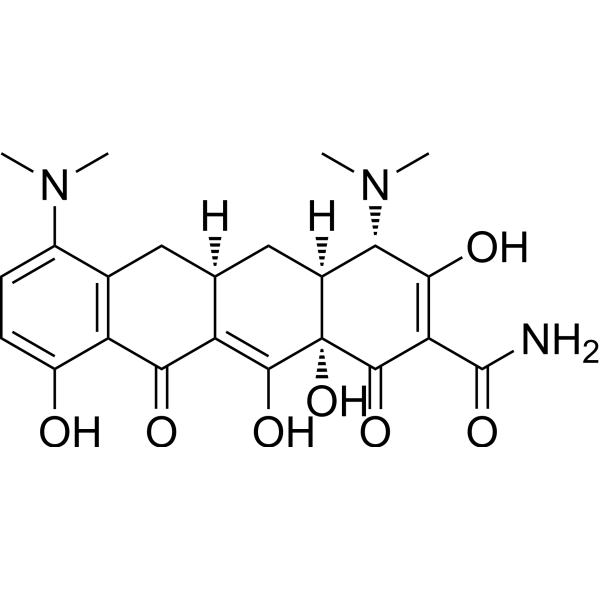
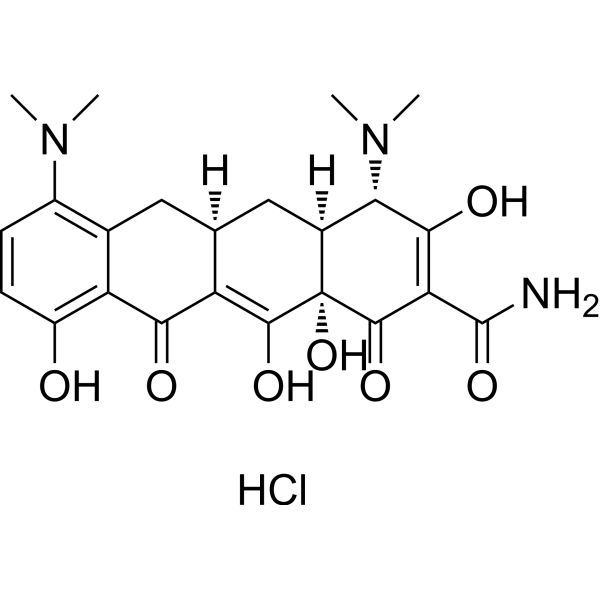
Minocycline hydrochloride is an orally active, potent and BBB-penetrated semi-synthetic tetracycline antibiotic. Minocycline hydrochloride is a hypoxia-inducible factor (HIF)-1α inhibitor. Minocycline hydrochloride shows anti-cancer, anti-inflammatory, and glutamate antagonist effects. Minocycline hydrochloride reduces glutamate neurotransmission and shows neuroprotective properties and antidepressant effects. Minocycline hydrochloride inhibits bacterial protein synthesis through binding with the 30S subunit of the bacterial ribosome, resulting in a bacteriostatic effect .
loading...
    loading...
76
76 Publications Verification
Cat. No.: HY-17412A
CAS No.: 10118-90-8
Minocycline is an orally active, potent and BBB-penetrated semi-synthetic tetracycline antibiotic. Minocycline is a hypoxia-inducible factor (HIF)-1α inhibitor. Minocycline shows anti-cancer, anti-inflammatory, and glutamate antagonist effects. Minocycline reduces glutamate neurotransmission and shows neuroprotective properties and antidepressant effects. Minocycline inhibits bacterial protein synthesis through binding with the 30S subunit of the bacterial ribosome, resulting in a bacteriostatic effect .
loading...
    loading...
27
27 Cited Publications
Cat. No.: HY-B0034
CAS No.: 120011-70-3
Synonyms: E2020
Target:  

Cholinesterase (ChE)

Research Areas:  

Neurological Disease Cancer

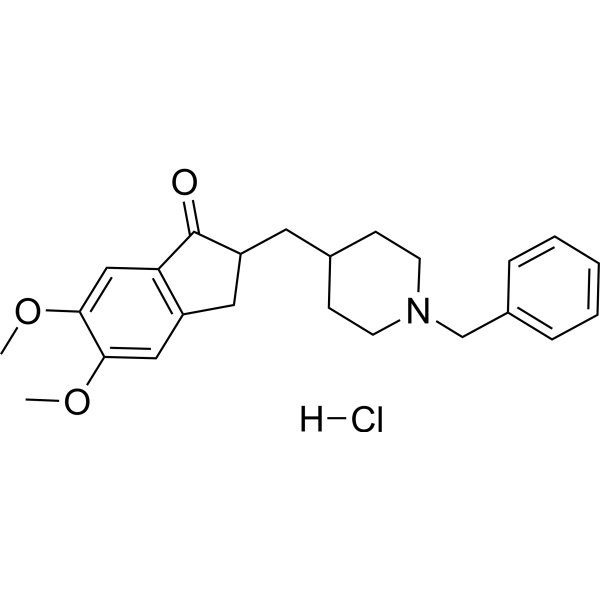
Donepezil Hydrochloride (E2020) is a reversible, selective AChE inhibitor with an IC50 of 6.7 nM for AChE activity. Donepezil shows high selectivity for AChE over BuChE . Donepezil exhibits neuroprotective effect on Aβ42 neurotoxicity .
loading...
    loading...
27
27 Cited Publications
Cat. No.: HY-B0220
CAS No.: 114-07-8
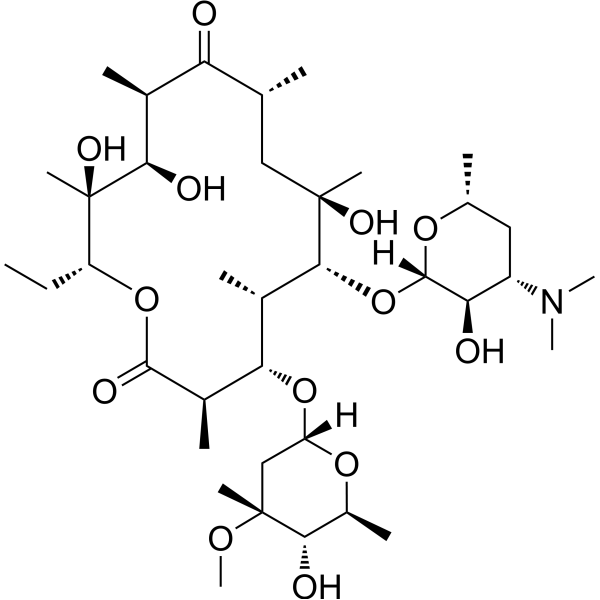
Erythromycin is a macrolide antibiotic produced by actinomycete?Streptomyces erythreus?with a broad spectrum of antimicrobial activity. Erythromycin binds to bacterial 50S ribosomal subunits and inhibits?RNA-dependent protein synthesis?by blockage of transpeptidation and/or translocation reactions, without affecting synthesis of nucleic acid [1][2]. Erythromycin also exhibits antitumor and neuroprotective effect in different fields of research [3][4].
loading...
    loading...
27
27 Cited Publications
Cat. No.: HY-B0220A
CAS No.: 3847-29-8
Research Areas:  

Infection Cancer

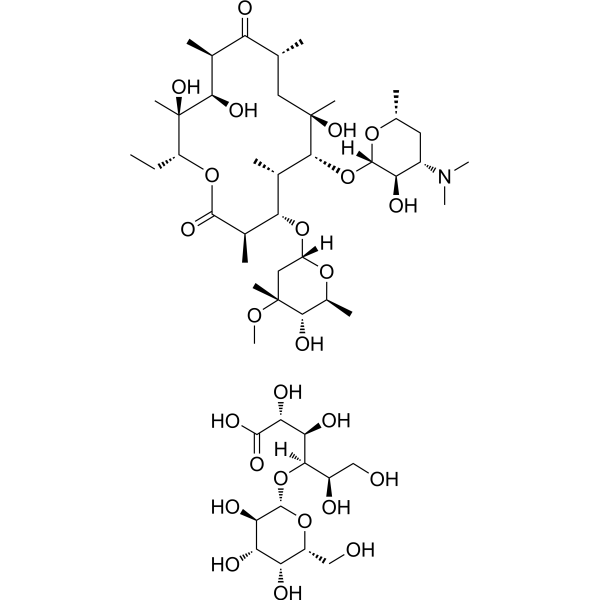
Erythromycin lactobionate is a macrolide antibiotic produced by actinomycete Streptomyces erythreus with a broad spectrum of antimicrobial activity. Erythromycin lactobionate binds to bacterial 50S ribosomal subunits and inhibits RNA-dependent protein synthesis by blockage of transpeptidation and/or translocation reactions, without affecting synthesis of nucleic acid [1][2]. Erythromycin lactobionate also exhibits antitumor and neuroprotective effect in different fields of research [3][4].
loading...
    loading...
27
27 Cited Publications
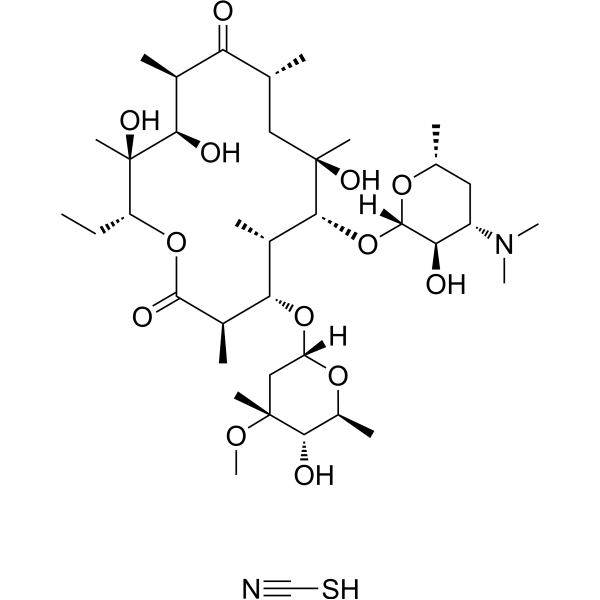
Cat. No.: HY-B0220D
CAS No.: 7704-67-8
Erythromycin thiocyanate is a macrolide antibiotic produced by actinomycete Streptomyces erythreus with a broad spectrum of antimicrobial activity. Erythromycin thiocyanate binds to bacterial 50S ribosomal subunits and inhibits RNA-dependent protein synthesis by blockage of transpeptidation and/or translocation reactions, without affecting synthesis of nucleic acid [1][2]. Erythromycin thiocyanate also exhibits antitumor and neuroprotective effect in different fields of research [3][4].
loading...
    loading...
16
16 Cited Publications
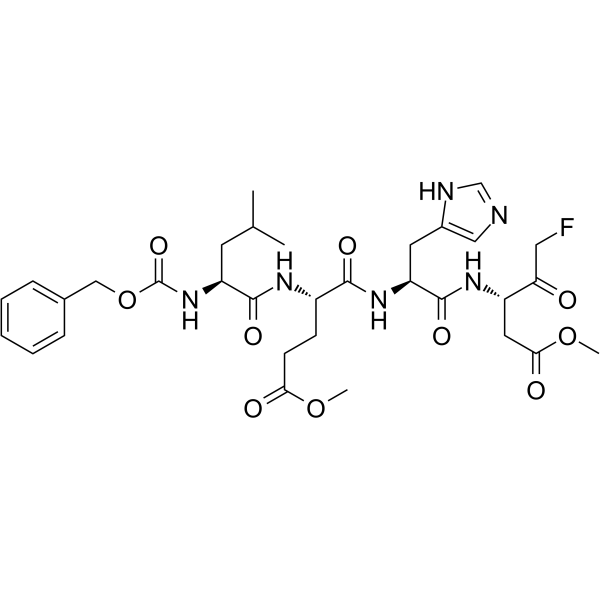
Cat. No.: HY-P1010
CAS No.: 210345-04-3
Target:  

Caspase Apoptosis

Research Areas:  

Neurological Disease Cancer

Z-LEHD-FMK is a selective and irreversible inhibitor of caspase-9, protects against lethal reperfusion injury and attenuates apoptosis. Z-LEHD-FMK exhibits the neuroprotective effect in a rat model of spinal cord trauma .
loading...
    loading...
13
13 Cited Publications
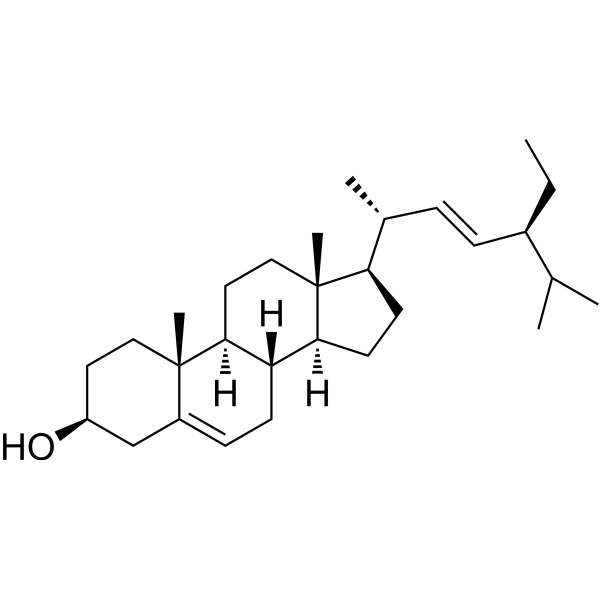
Cat. No.: HY-N0131
CAS No.: 83-48-7
Stigmasterol is an orally acitve, immunomodulatory agent with anti-inflammatory and neuroprotective effect, as well as able to cross the blood-brain barrier. Stigmasterol activates AMPK, which in turn inhibits NF-κB and NLRP3 signaling pathways, reduces microglia-mediated neuroinflammation, and alleviates cognitive impairment and Alzheimer's disease. Stigmasterol regulates M1/M2 polarization of microglia through the TLR4/ NF-κB pathway, thereby reducing neuropathic pain. Stigmasterol can be used for neurodegenerative diseases, inflammatory diseases, and pain management, among others .
loading...
    loading...
11
11 Cited Publications
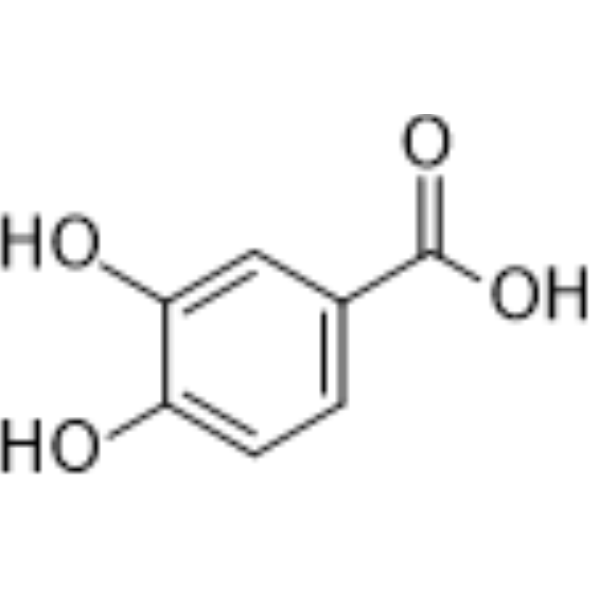
Cat. No.: HY-N0294
CAS No.: 99-50-3
Synonyms: 3,4-Dihydroxybenzoic acid
Category:  

Microorganisms Ketones, Aldehydes, Acids 500 - Internal Server Error | MedChemExpress

Oops!

Sorry, Something went wrong on our server.
Our team has been notified and is working to fix the issue.