268 Results for "

nucleic acids

" in MedChemExpress (MCE) Product Catalog:
Products (268)

268 Results for "nucleic acids" in MCE Product Catalog:

353
353 Publications Verification
Cat. No.: HY-D1055
CAS No.: 1003197-00-9
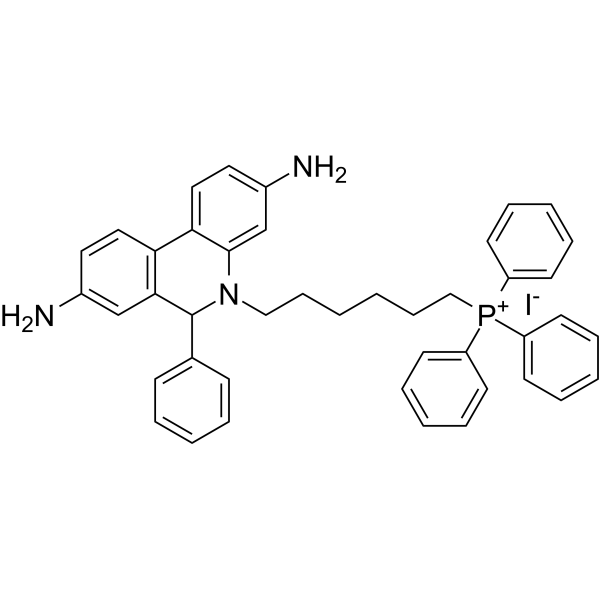
MitoSOX Red is a live cell fluorescent probe that specifically targets mitochondria and is cell membrane permeable. MitoSOX Red enters mitochondria and is oxidized by superoxide but not by other ROS or RNS generating systems. The oxidized MitoSOX Red then binds to nucleic acids in mitochondria/nucleus, producing strong red fluorescence. MitoSOX Red can be used as a fluorescent indicator to specifically detect superoxide. In addition, superoxide dismutase (SOD) can prevent the oxidation of MitoSOX Red.
Excitation/emission wavelength: 510/580 nm.
loading...
    loading...
232
232 Cited Publications
Cat. No.: HY-K0208

MCE Streptavidin Magnetic Beads provide a fast and convenient method for numerous applications, including purification of proteins and nucleic acids, protein interaction studies, immunoprecipitation, immunoassays, pull-down and cell isolation. The 1 mL is defined as the base specification. All larger sizes correspond to incremental volumes of this base.

loading...
    loading...
170
170 Cited Publications
Cat. No.: HY-15559
CAS No.: 23491-52-3
Purity:  99.94%
Synonyms: bisBenzimide H 33342; HOE 33342
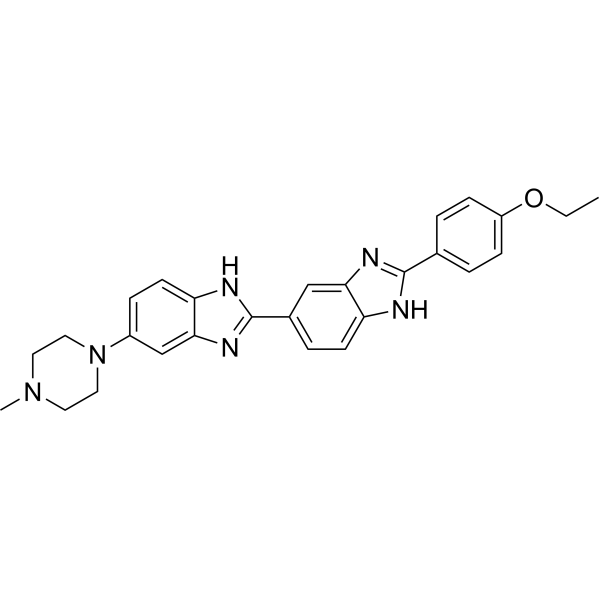
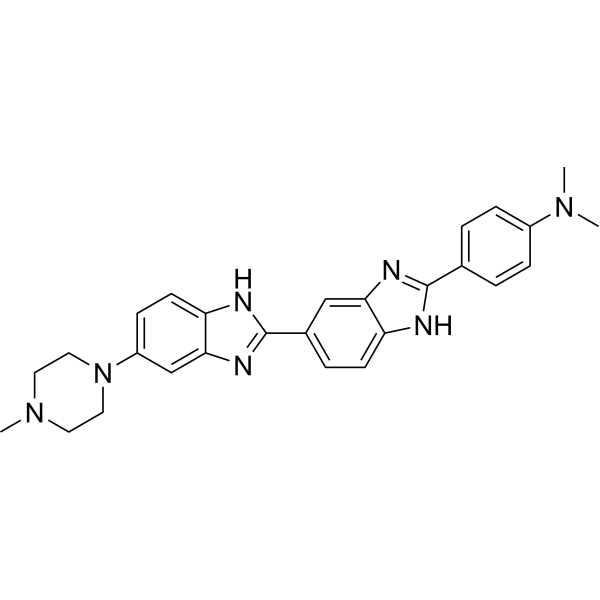
Hoechst 33342 is a marker dye in Hoechst series. Hoechst is A live nuclear marker dye. Hoechst binds to the grooves in the DNA double strand, which tends to be A/ T-rich DNA strand. Although it binds to all nucleic acids, the A/ T-rich double strand DNA significantly enhances fluorescence intensity Therefore,Hoechst dye can be used for living cell labeling. The fluorescence intensity of Hoechst dye increases with the increase of pH of solution .
loading...
    loading...
170
170 Cited Publications
Cat. No.: HY-15559A
CAS No.: 875756-97-1
Purity:  99.81%
Synonyms: bisBenzimide H 33342 trihydrochloride; HOE 33342 trihydrochloride
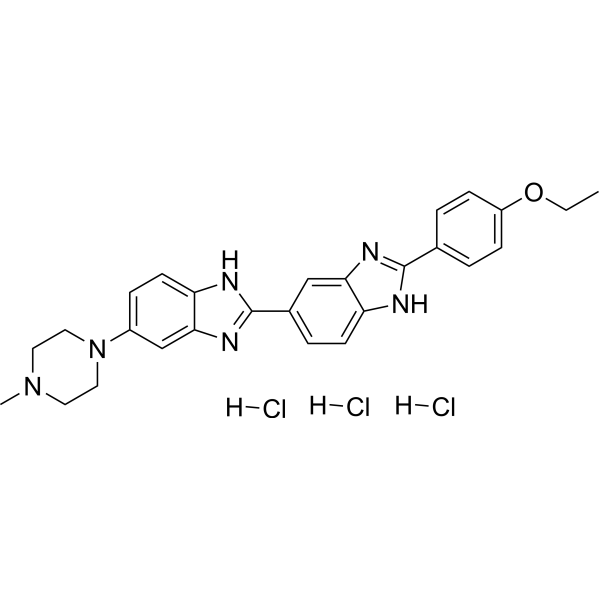
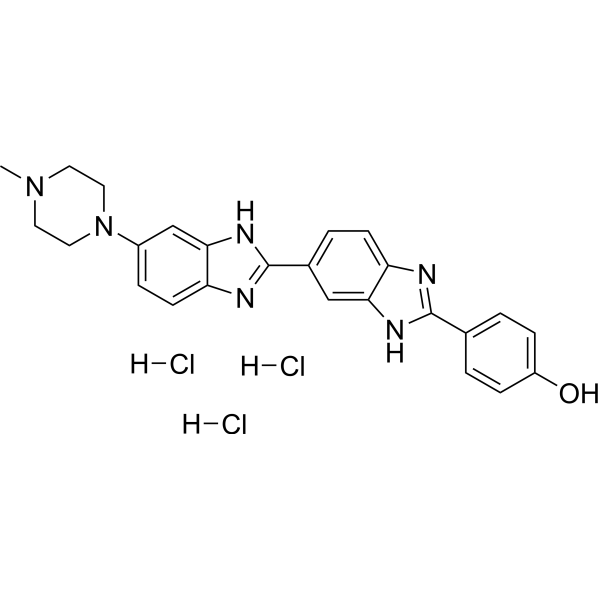
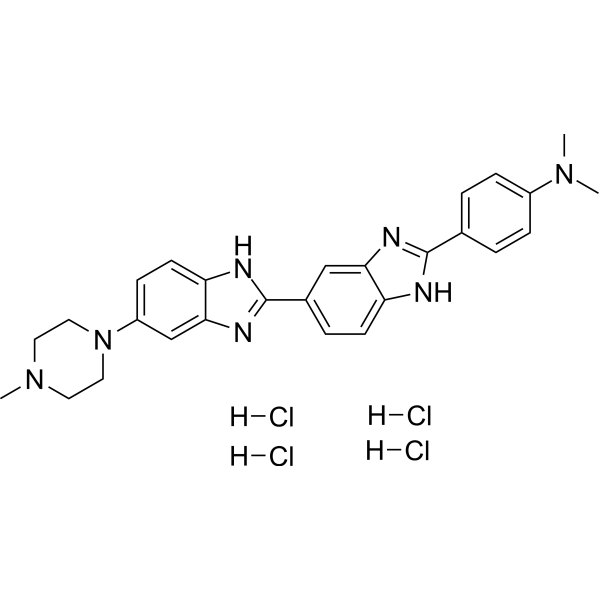
Hoechst 33342 trihydrochloride is a marker dye in Hoechst series. Hoechst is A live nuclear marker dye. Hoechst binds to the grooves in the DNA double strand, which tends to be A/ T-rich DNA strand. Although it binds to all nucleic acids, the A/ T-rich double strand DNA significantly enhances fluorescence intensity Therefore,Hoechst dye can be used for living cell labeling. The fluorescence intensity of Hoechst dye increases with the increase of pH of solution .
loading...
    loading...
53
53 Cited Publications
Cat. No.: HY-B1906
CAS No.: 57-92-1
Synonyms: Agrept; Agrimycin; Streptomycin A
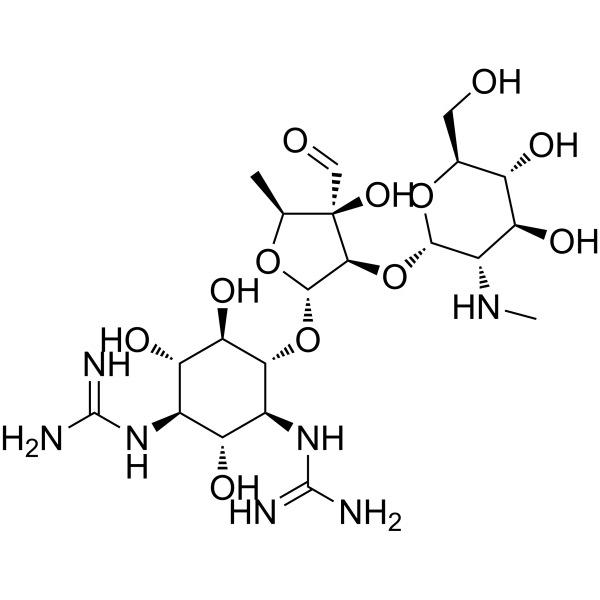
Streptomycin (Agrept) is an effective antibiotic against M. tuberculosis, is used for the research of tuberculosis (TB). Streptomycin also is a bacteriocidal agent that can be used for the research of a number of bacterial infections. Streptomycin can bind strongly to nucleic acids, interferes and blocks protein synthesis while permitting continued RNA and DNA synthesis. Streptomycin, as a common antibiotic used in culture media, also is a blocker of stretch-activated and mechanosensitive ion channels in neurons and cardiac myocytes .
loading...
    loading...
47
47 Cited Publications
Cat. No.: HY-K1014

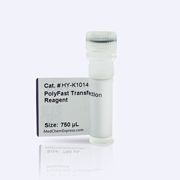
MCE PolyFast Transfection Reagent consists of cationic polymers and can introduce nucleic acids (DNA or RNA) into eukaryotic cells efficiently, including some hard-to-transfect cells.

loading...
    loading...
25
25 Cited Publications
Cat. No.: HY-15558A
CAS No.: 23491-45-4
Purity:  99.51%
Synonyms: bisBenzimide H 33258 trihydrochloride; H 33258 trihydrochloride
Hoechst 33258 trihydrochloride is a marker dye in Hoechst series. Hoechst is A live nuclear marker dye. Hoechst binds to the grooves in the DNA double strand, which tends to be A/ T-rich DNA strand. Although it binds to all nucleic acids, the A/ T-rich double strand DNA significantly enhances fluorescence intensity Therefore,Hoechst dye can be used for living cell labeling. The fluorescence intensity of Hoechst dye increases with the increase of pH of solution .
loading...
    loading...
21
21 Cited Publications
Cat. No.: HY-112754A
CAS No.: 132172-61-3
Purity:  99.91%
Synonyms: 1,2-Dioleoyl-3-trimethylammonium-propane chloride
Target:  

Liposome

Research Areas:  

Others

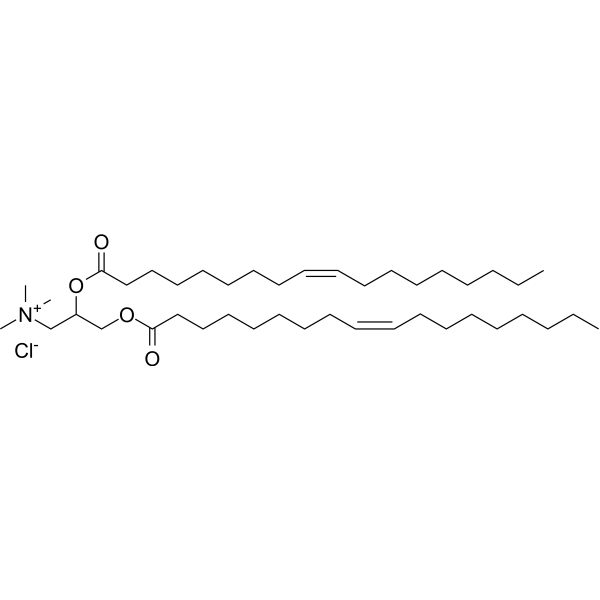
DOTAP chloride is a useful and effective cationic lipid for transient and stable transfection DNA (plasmids, bacmids) and modified nucleic acids (antisense oligonucleotides) with out the use of helper lipid .
loading...
    loading...
20
20 Cited Publications
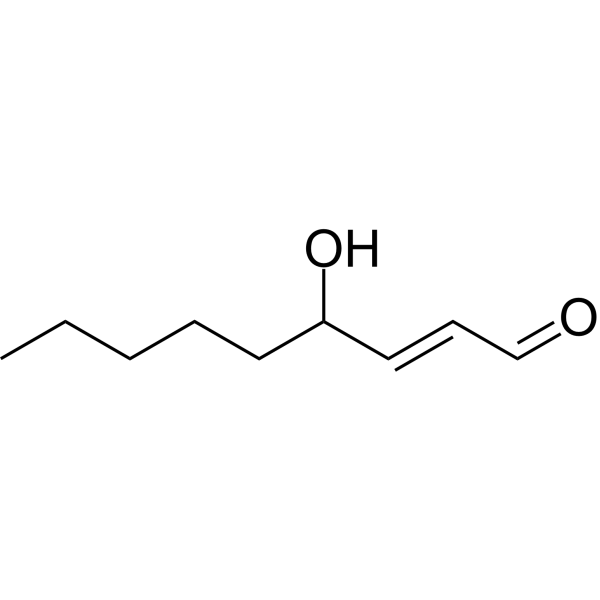
Cat. No.: HY-113466
CAS No.: 75899-68-2
Purity:  99.35%
Synonyms: 4-HNE
4-Hydroxynonenal (4-HNE) is an α,β unsaturated hydroxyalkenal and an oxidative/nitrosative stress biomarker. 4-Hydroxynonenal is a substrate and an inhibitor of acetaldehyde dehydrogenase 2 (ALDH2). 4-Hydroxynonenal can modulate a number of signaling processes mainly through forming covalent adducts with nucleophilic functional groups in proteins, nucleic acids, and membrane lipids. 4-Hydroxynonenal plays an important role in cancer through mitochondria .
loading...
    loading...
9
9 Cited Publications
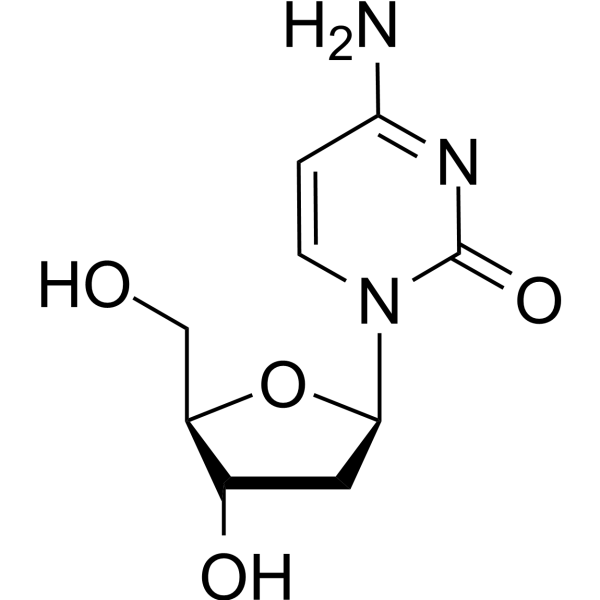
Cat. No.: HY-D0184
CAS No.: 951-77-9
Synonyms: Deoxycytidine; Cytosine deoxyriboside; Deoxyribose cytidine
Target:  

Endogenous Metabolite

Research Areas:  

Cancer

2'-Deoxycytidine, a deoxyribonucleoside, can inhibit biological effects of Bromodeoxyuridine (Brdu). 2'-Deoxycytidine is essential for the synthesis of nucleic acids, that can be used for the research of cancer .
loading...
    loading...
9
9 Cited Publications
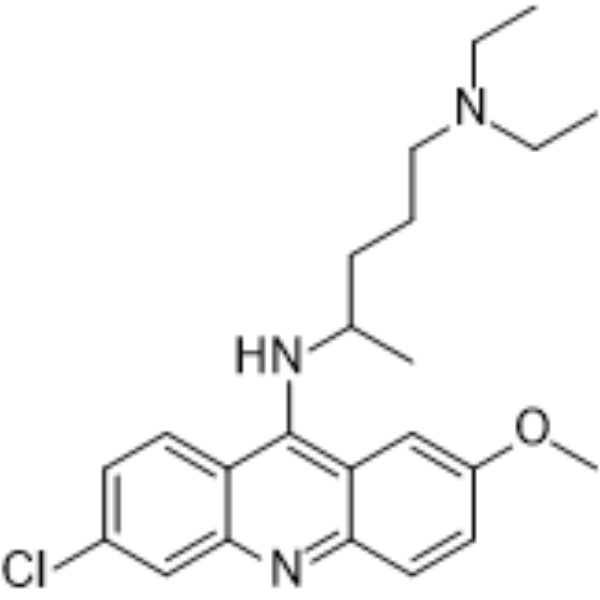
Cat. No.: HY-13735
CAS No.: 83-89-6
Purity:  98.20%
Synonyms: Acriquine
Quinacrine (Acriquine) is an antimalarial and anti-cancer agent. Quinacrine also inhibits human aldehyde oxidase (IC50: 3.3 μM). Quinacrine has affinity for nucleic acids, and stains DNA and RNA in fixed cells (Ex/Em: 436/525 nm) .
loading...
    loading...
8
8 Cited Publications
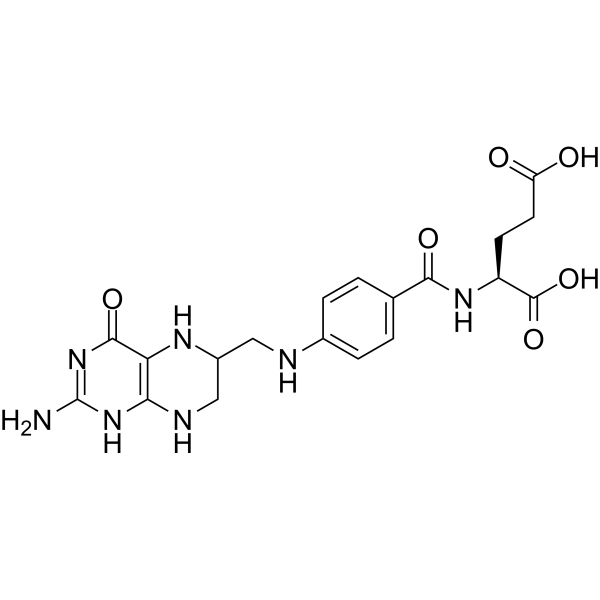
Cat. No.: HY-14520
CAS No.: 135-16-0
Purity:  96.77%
Synonyms: L-5,6,7,8-Tetrahydrofolic acid; L-Tetrahydrofolic acid
Tetrahydrofolic acid (L-5,6,7,8-Tetrahydrofolic acid) is the biologically active vitamin B9 folate derivative. Tetrahydrofolic acid is a donor of one-carbon groups for amino acids, nucleic acids, and lipids. Tetrahydrofolic acid serves as an acceptor of free formaldehyde, producing 5,10-methylenetetrahydrofolate-Tetrahydrofolic acid .
loading...
    loading...
7
7 Cited Publications
Cat. No.: HY-15560
CAS No.: 23555-00-2
Synonyms: HOE 34580
Hoechst 34580 is a marker dye in Hoechst series. Hoechst is A live nuclear marker dye. Hoechst binds to the grooves in the DNA double strand, which tends to be A/ T-rich DNA strand. Although it binds to all nucleic acids, the A/ T-rich double strand DNA significantly enhances fluorescence intensity Therefore,Hoechst dye can be used for living cell labeling. The fluorescence intensity of Hoechst dye increases with the increase of pH of solution .
loading...
    loading...
7
7 Cited Publications
Cat. No.: HY-15560B
CAS No.: 2310135-08-9
Purity:  99.47%
Synonyms: HOE 34580 tetrahydrochloride
Hoechst 34580 tetrahydrochloride is a marker dye in Hoechst series. Hoechst is A live nuclear marker dye. Hoechst binds to the grooves in the DNA double strand, which tends to be A/ T-rich DNA strand. Although it binds to all nucleic acids, the A/ T-rich double strand DNA significantly enhances fluorescence intensity Therefore,Hoechst dye can be used for living cell labeling. The fluorescence intensity of Hoechst dye increases with the increase of pH of solution .
loading...
    loading...
7
7 Cited Publications
Cat. No.: HY-15627
CAS No.: 178481-68-0
Purity:  98.16%
Hoechst 33342 analog is a marker dye in Hoechst series. Hoechst is A live nuclear marker dye. Hoechst binds to the grooves in the DNA double strand, which tends to be A/ T-rich DNA strand. Although it binds to all nucleic acids, the A/ T-rich double strand DNA significantly enhances fluorescence intensity Therefore,Hoechst dye can be used for living cell labeling. The fluorescence intensity of Hoechst dye increases with the increase of pH of solution .
loading...
    loading...
7
7 Cited Publications
Cat. No.: HY-15631
CAS No.: 129244-66-2
Purity:  99.63%
Hoechst 33258 analog 6 is a marker dye in Hoechst series. Hoechst is A live nuclear marker dye. Hoechst binds to the grooves in the DNA double strand, which tends to be A/ T-rich DNA strand. Although it binds to all nucleic acids, the A/ T-rich double strand DNA significantly enhances fluorescence intensity Therefore,Hoechst dye can be used for living cell labeling. The fluorescence intensity of Hoechst dye increases with the increase of pH of solution (Ex/Em = 356/451 nm) .
loading...
    loading...
5
5 Cited Publications
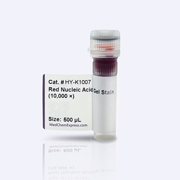
Cat. No.: HY-K1007

MCE Red Nucleic Acid Gel Stain (10,000×) is a nucleic acid stain that can be used as a safer alternative to the traditional ethidium bromide (EB) stain for detecting nucleic acids in agarose gels or polyacrylamide gels.

loading...
    loading...
5
5 Cited Publications
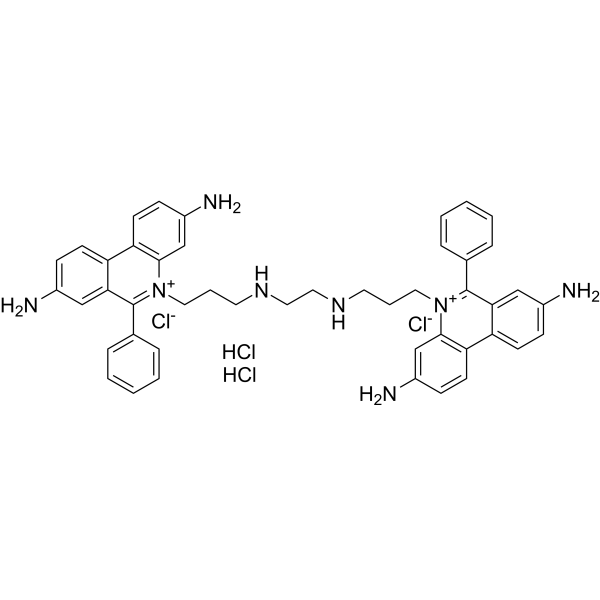
Cat. No.: HY-D0093
CAS No.: 61926-22-5
Synonyms: EthD-1
Ethidium homodimer (EthD-1) is a high-affinity fluorescent nucleic acid dye commonly used to stain mammals, bacteria, yeast, and fungi. Ethidium homodimer binds to DNA or RNA, enhancing fluorescence more than 30 times. The Ethidium homodimer has a strong positive charge, so it cannot cross cell membranes and stain living cells; But the Ethidium homodimer can cross the disordered region of the dead cell membrane to reach the nucleus and embed the DNA double strand to produce red fluorescence. Therefore, Ethidium homodimer is a relatively sensitive nucleic acid stain that can accurately detect nucleic acids in solution or in decomposing cells. Ethidium homodimer binds DNA, Ex/Em=528/617 nm .
loading...
    loading...
4
4 Cited Publications
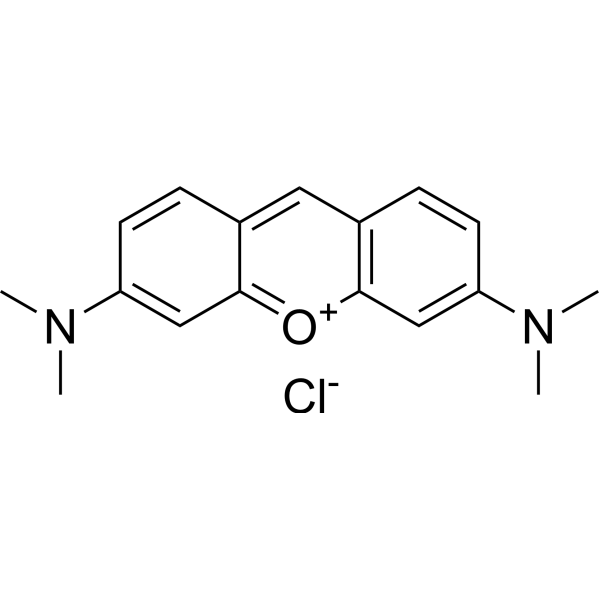
Cat. No.: HY-D0971
CAS No.: 92-32-0
Synonyms: Pyronine G; C.I. 45005
Pyronin Y (Pyronine G) is a cationic dye that intercalates RNA and has been used to target cell structures including RNA, DNA and organelles. Pyronin Y forms fluorescent complexes with double-stranded nucleic acids (especially RNA) enabling semi-quantitative analysis of cellular RNA. Pyronin Y can be used to identify specific RNA subspecies of ribonuclear proteins complexes in live cells .
loading...
    loading...
3
3 Cited Publications
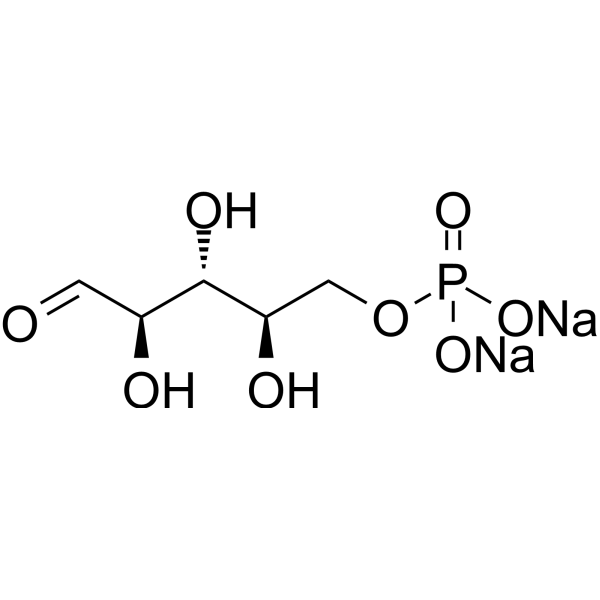
Cat. No.: HY-W009371
CAS No.: 18265-46-8
D-Ribose 5-phosphate disodium is an intermediate of the oxidative branch of the pentose phosphate pathway (PPP) and an end product of the nonoxidative branch of the PPP. D-Ribose 5-phosphate disodium is used in the synthesis of nucleotides and nucleic acids .
loading...
    loading...

