97 Results for "

oat

" in MedChemExpress (MCE) Product Catalog:
Products (97)

97 Results for "oat" in MCE Product Catalog:

  • Categories Recommended:
    More
154
154 Publications Verification
Cat. No.: HY-50896
CAS No.: 183321-74-6
Synonyms: CP-358774; NSC 718781; OSI-774
Target:  

EGFR OAT ERK GSK-3 β-catenin

Research Areas:  

Endocrinology Cancer

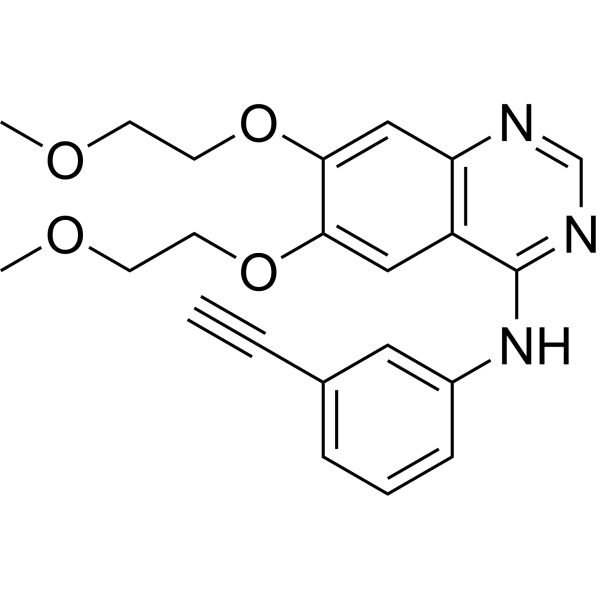
Erlotinib (CP-358774) is a selective, orally active EGFR tyrosine kinase inhibitor. Erlotinib also acts as a substrate and inhibitor of OATP2B1, with an IC50 of approximately 0.079 μM for inhibiting OATP2B1-mediated uptake of estrone 3-sulfate. Erlotinib blocks EGFR phosphorylation, downstream signal transduction, as well as the growth and proliferation of cancer cells. Erlotinib inhibits MMP-10-mediated renal injury, fibrotic lesions, the ERK1/2, GSK-3β and β-catenin signaling pathways, fibronectin, α-SMA, collagen deposition, and renal injury markers. Erlotinib is metabolized via CYP3A to produce the active metabolite OSI-420. Erlotinib can be used in research related to non-small cell lung cancer, gastric cancer, papillary renal cell carcinoma, pancreatic cancer, renal fibrosis, and other conditions .
loading...
    loading...
154
154 Publications Verification
Cat. No.: HY-12008
CAS No.: 183319-69-9
Purity:  99.94%
Synonyms: CP-358774 hydrochloride; NSC 718781 hydrochloride; OSI-774 hydrochloride
Target:  

EGFR OAT ERK GSK-3 β-catenin

Research Areas:  

Endocrinology Cancer

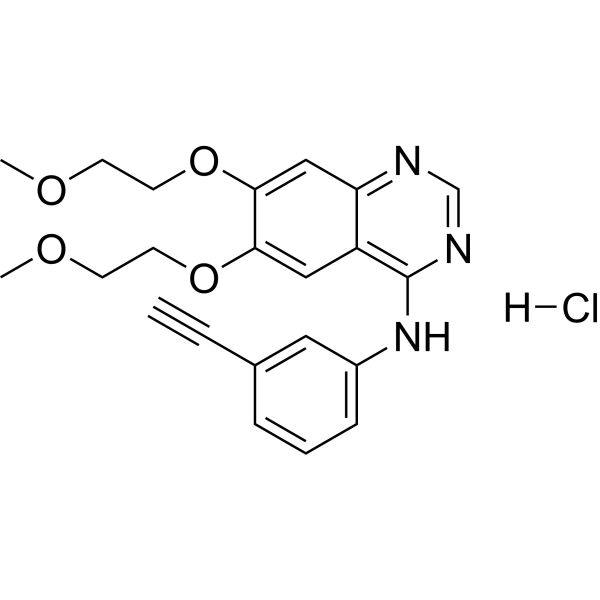
Erlotinib (CP-358774) Hydrochloride is a selective, orally active EGFR tyrosine kinase inhibitor. Erlotinib Hydrochloride also acts as a substrate and inhibitor of OATP2B1, with an IC50 of approximately 0.079 μM for inhibiting OATP2B1-mediated uptake of estrone 3-sulfate. Erlotinib Hydrochloride blocks EGFR phosphorylation, downstream signal transduction, as well as the growth and proliferation of cancer cells. Erlotinib Hydrochloride inhibits MMP-10-mediated renal injury, fibrotic lesions, the ERK1/2, GSK-3β and β-catenin signaling pathways, as well as the deposition of fibronectin, α-SMA, collagen and renal injury markers. Erlotinib Hydrochloride is metabolized via CYP3A to produce the active metabolite OSI-420. Erlotinib Hydrochloride can be used in research related to non-small cell lung cancer, gastric cancer, papillary renal cell carcinoma, EGFR inhibitor resistance and renal fibrosis .
loading...
    loading...
16
16 Cited Publications
Cat. No.: HY-15592
CAS No.: 1051375-10-0
Purity:  99.91%
Synonyms: GSK-1265744; S/GSK1265744
Target:  

OAT HIV HIV Integrase

Research Areas:  

Infection

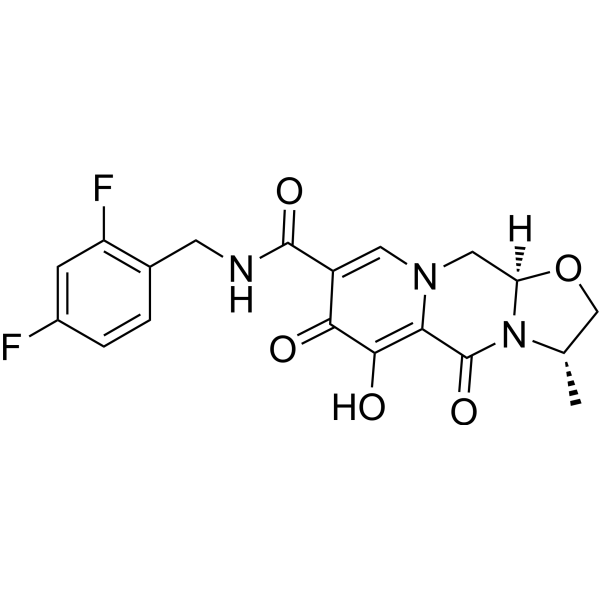
Cabotegravir (GSK-1265744) is a orally active and long-acting HIV integrase strand transfer inhibitor and organic anion transporter 1/3 (OAT1/OAT3) inhibitor with IC50 values of 2.5 nM, 0.41 μM and 0.81 μM for HIVADA, OAT3 and OAT1, respectively. Cabotegravir is primarily metabolized by uridine diphosphate glucuronosyltransferase (UGT) 1A1, with low potential to interact with other antiretroviral agents (ARVs). Cabotegravir can be used to research AIDS .
loading...
    loading...
16
16 Cited Publications
Cat. No.: HY-15592A
CAS No.: 1051375-13-3
Purity:  99.87%
Synonyms: GSK-1265744 sodium; S/GSK1265744 sodium
Target:  

OAT HIV HIV Integrase

Research Areas:  

Infection

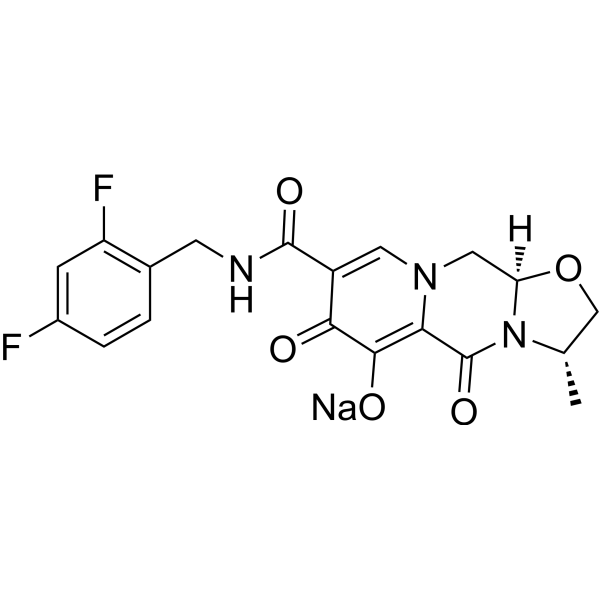
Cabotegravir (GSK-1265744) sodium is a orally active and long-acting HIV integrase strand transfer inhibitor and organic anion transporter 1/3 (OAT1/OAT3) inhibitor with IC50 values of 2.5 nM, 0.41 μM and 0.81 μM for HIVADA, OAT3 and OAT1, respectively. Cabotegravir sodium is primarily metabolized by uridine diphosphate glucuronosyltransferase (UGT) 1A1, with low potential to interact with other antiretroviral agents (ARVs). Cabotegravir sodium can be used to research AIDS .
loading...
    loading...
9
9 Cited Publications
Cat. No.: HY-N3513
CAS No.: 62949-79-5
Synonyms: Kuwanon C
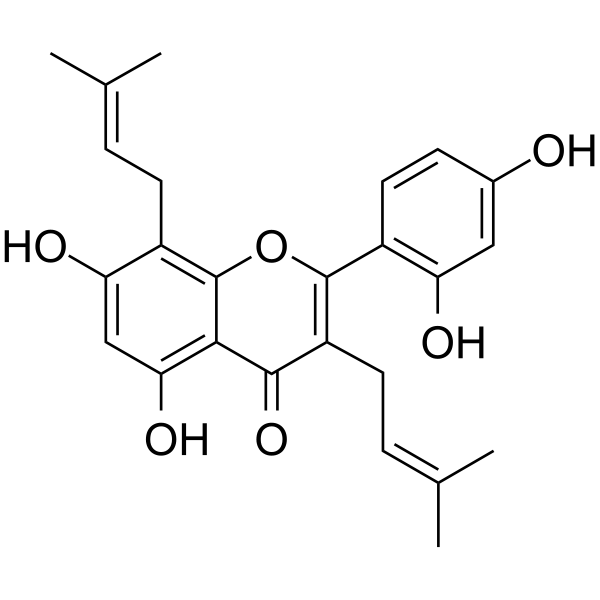
Mulberrin is a strong inhibitor of organic anion-transporting polypeptide 2B1 (OATP2B1)-mediated estrone-3-sulfate (E3S) uptake with an IC50 value being 1.8?±1.5 μM.
loading...
    loading...
5
5 Cited Publications
Cat. No.: HY-15258
CAS No.: 878672-00-5
Purity:  99.96%
Synonyms: RDEA594
Target:  

OAT URAT1

Research Areas:  

Metabolic Disease

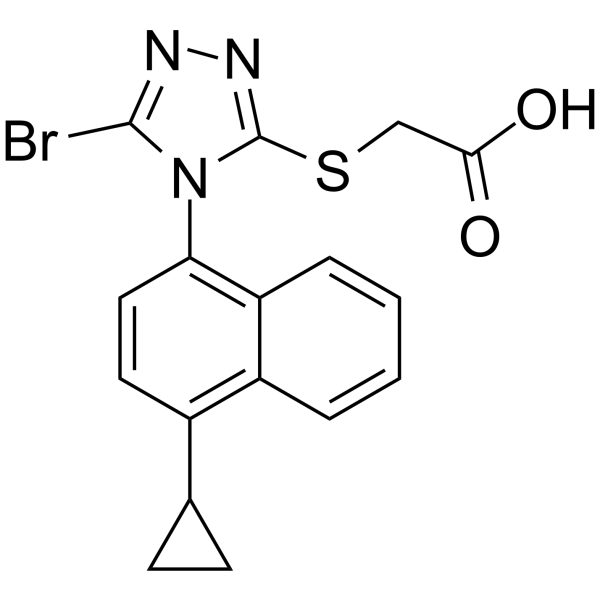
Lesinurad is a URAT1 and OAT inhibitor, is determined to be a substrate for the kidney transporters OAT1 and OAT3 with Km values of 0.85 and 2 µM, respectively.
loading...
    loading...
5
5 Cited Publications
Cat. No.: HY-15258A
CAS No.: 1151516-14-1
Purity:  99.97%
Synonyms: RDEA-594 sodium
Target:  

OAT URAT1

Research Areas:  

Metabolic Disease

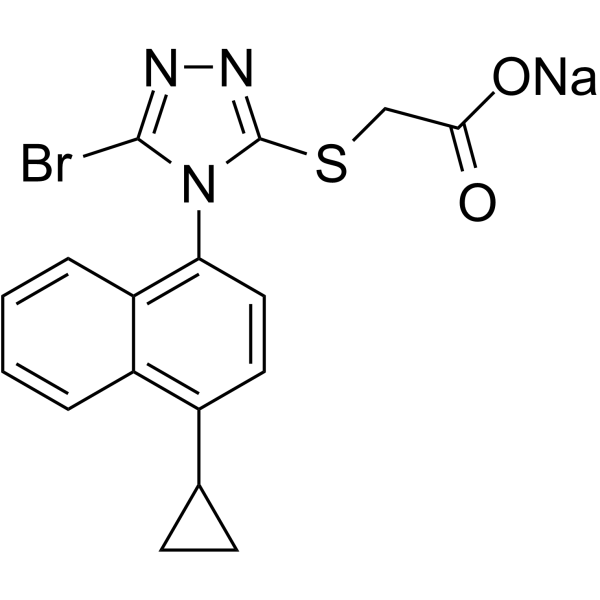
Lesinurad sodium is a URAT1 and OAT inhibitor, is determined to be a substrate for the kidney transporters OAT1 and OAT3 with Km values of 0.85 and 2 μM, respectively.
loading...
    loading...
2
2 Cited Publications
Cat. No.: HY-16278
CAS No.: 956136-95-1
Synonyms: LCQ-908
Target:  

Acyltransferase BCRP OAT

Research Areas:  

Infection Metabolic Disease

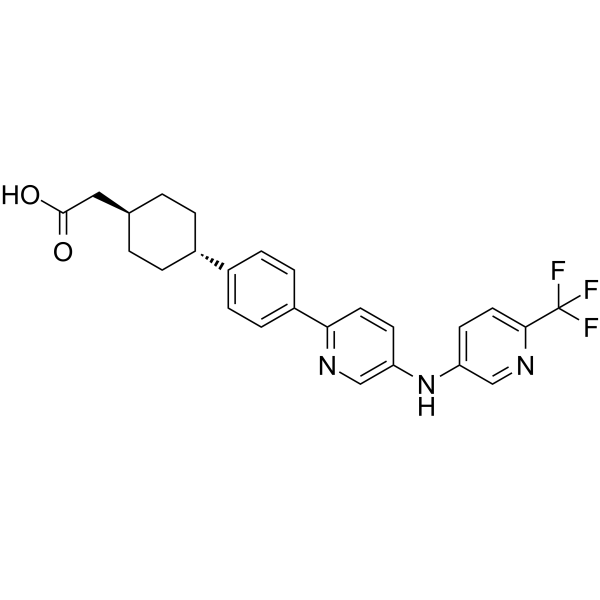
Pradigastat (LCQ-908) is a selective and orally effective diacylglyceryl acyltransferase 1 (DGAT1) inhibitor with IC50 at 0.157 µM. Pradigastat is primarily used to study diseases associated with abnormal triglyceride metabolism. Pradigastat has anti-obesity and anti-diabetic effects. Pradigastat inhibited BCRP, OATP1B1, OATP1B3 and OAT3 activities with IC50 of 5 µM, 1.66µM, 3.34µM and 0.973µM, respectively. In addition, Pradigastat has antiviral activity and can inhibit hepatitis C virus replication in vitro .
loading...
    loading...
1
1 Cited Publications
Cat. No.: HY-N7755
CAS No.: 14982-12-8
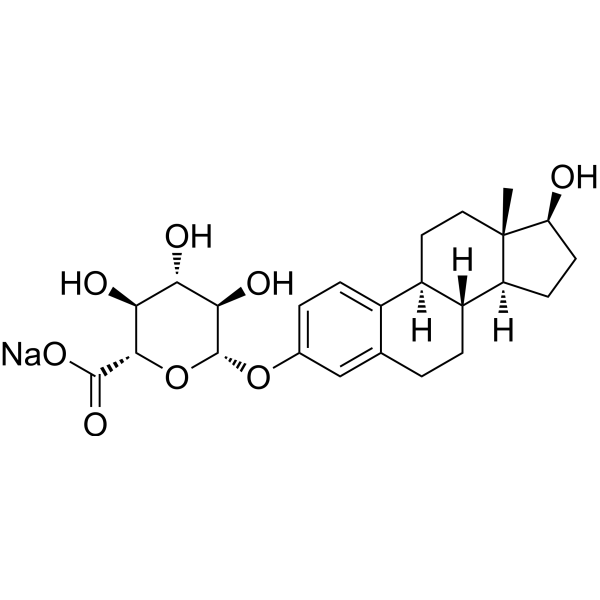
Estradiol 3-glucuronide sodium is an estrogen metabolite, which is a glucuronide conjugate formed by the catalysis of uridine diphosphate glucuronosyltransferase in tissues such as the liver from Estradiol (HY-B0141). Estradiol 3-glucuronide sodium is a potent substrate of Mrp2, with an S50 of 55.7 μM. Estradiol 3-glucuronide sodium achieves hepatobiliary transport in hepatocytes through basolateral uptake via OATP1B1, OATP1B3 and OATP2B1, as well as apical efflux via MRP2 and BCRP .
loading...
    loading...
1
1 Cited Publications
Cat. No.: HY-W585842
CAS No.: 15270-30-1
Estradiol 3-glucuronide is an estrogen metabolite, which is a glucuronide conjugate formed from Estradiol (HY-B0141) via catalysis by uridine diphosphate glucuronosyltransferases in tissues such as the liver. Estradiol 3-glucuronide is a potent substrate of Mrp2, with an S50 value of 55.7 μM. Estradiol 3-glucuronide achieves hepatobiliary transport in hepatocytes through basolateral uptake via OATP1B1, OATP1B3 and OATP2B1, as well as apical efflux via MRP2 and BCRP .
loading...
    loading...
Cat. No.: HY-B0396
CAS No.: 161715-24-8
Synonyms: L084
Target:  

Antibiotic Bacterial OAT

Research Areas:  

Infection

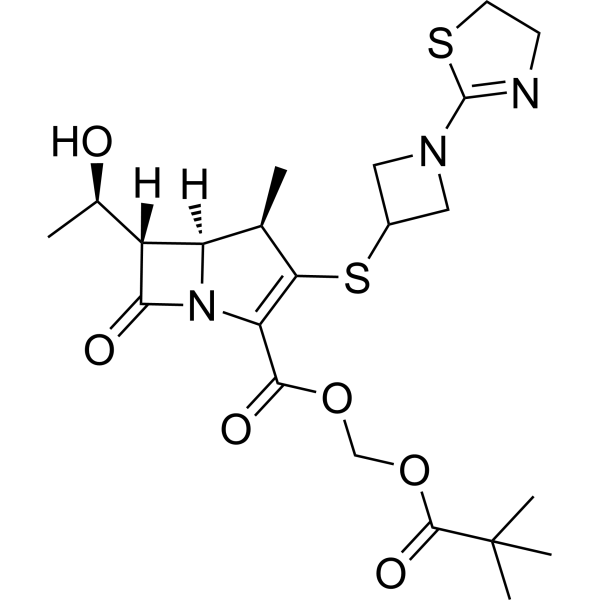
Tebipenem pivoxil (L084 hydrobromide) is an orally active carbapenem Antibiotic. Tebipenem pivoxil acts as a substrate of OATP1A2 with high affinity for this transporter (Km = 41.1 μM) . Tebipenem pivoxil achieves intestinal absorption via carrier-mediated uptake and simple diffusion. Tebipenem pivoxil inhibits the growth of Gram-positive bacteria, Gram-negative bacteria, multidrug-resistant bacteria, and pathogens producing extended-spectrum β-lactamases. Tebipenem pivoxil eliminates intestinal infection pathogens and reduces mortality in septic mice. Tebipenem pivoxil can be used in research related to bacterial pneumonia, severe gastrointestinal infections, bacterial sepsis, complicated urinary tract infections, and acute pyelonephritis .
loading...
    loading...
Cat. No.: HY-122009
CAS No.: 487-60-5
Purity:  99.88%
Synonyms: Indoxyl-β-D-glucoside
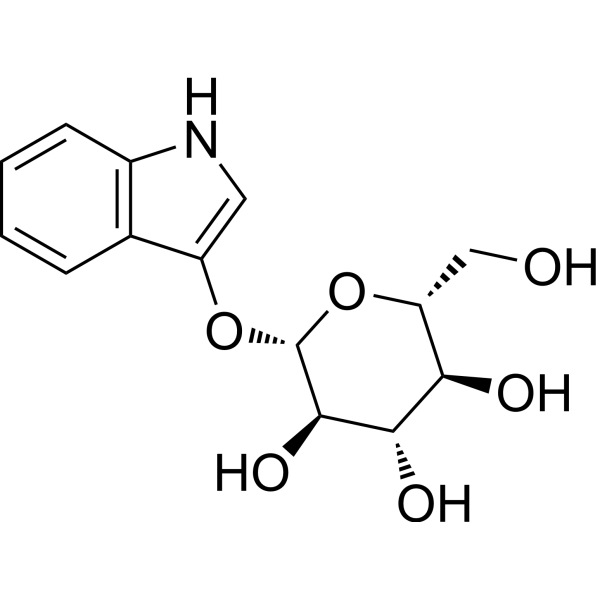
Indican (Indoxyl-β-D-glucoside), a glycoside of indoxyl, is a precursor of the dyesindigo and indirubin. Indican has a major metabolite, indoxyl sulfate (IS). IS, an uremic toxin, is a substrate/inhibitor of organic anion transporter (OAT) 1, OAT 3 and multidrug resistance-associated protein (MRP) 4 .
loading...
    loading...
Cat. No.: HY-113493
CAS No.: 82-82-6
Purity:  99.82%
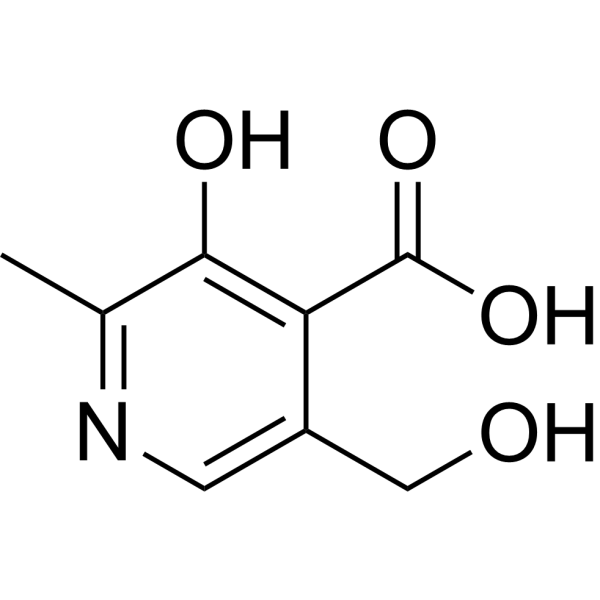
4-Pyridoxic acid is an endogenous substrate of renal organic anion transporters (OAT1/3) and a catabolite of vitamin B6. 4-Pyridoxic acid is excreted through OAT1/3-mediated tubular active secretion, which can reflect OAT1/3 activity. Elevated plasma concentrations of 4-Pyridoxic acid are associated with decreased OAT1/3 activity in chronic kidney disease (CKD) and can be used as a biomarker to reflect the severity of knee osteoarthritis (KOA) and lumbar spondylosis (LS) .
loading...
    loading...
Cat. No.: HY-50896R
CAS No.: 183321-74-6
Synonyms: CP-358774 (Standard); NSC 718781 (Standard); OSI-774 (Standard)
Erlotinib Standard (CP-358774 Standard) is the analytical standard of Erlotinib (HY-50896). This product is intended for research and analytical applications. Erlotinib (CP-358774) is a selective, orally active EGFR tyrosine kinase inhibitor. Erlotinib also acts as a substrate and inhibitor of OATP2B1, with an IC50 of approximately 0.079 μM for inhibiting OATP2B1-mediated uptake of estrone 3-sulfate. Erlotinib blocks EGFR phosphorylation, downstream signal transduction, as well as the growth and proliferation of cancer cells. Erlotinib inhibits MMP-10-mediated renal injury, fibrotic lesions, the ERK1/2, GSK-3β and β-catenin signaling pathways, as well as the deposition of fibronectin, α-SMA, collagen and renal injury markers. Erlotinib is metabolized via CYP3A to produce the active metabolite OSI-420. Erlotinib can be used in research related to non-small cell lung cancer, gastric cancer, papillary renal cell carcinoma, EGFR inhibitor resistance and renal fibrosis .
loading...
    loading...
Cat. No.: HY-N3504
CAS No.: 65604-80-0
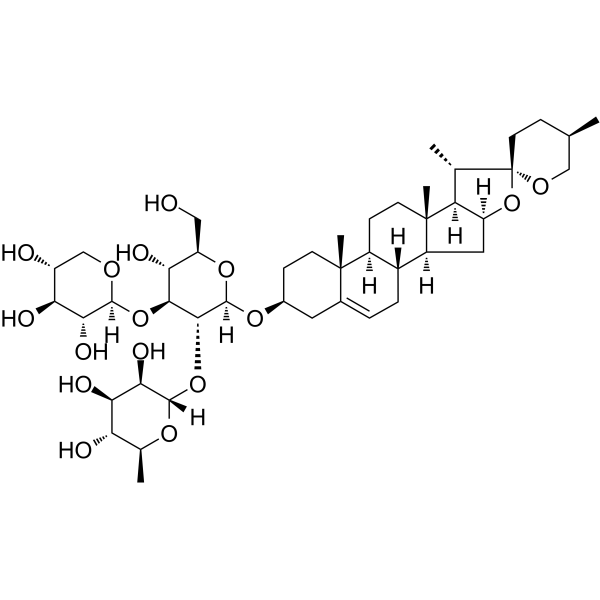
Ophiopogonin D' is a steroidal saponin and a SIRT1 activator. Ophiopogonin D' can also regulate the activities of transporters OATP1B1 and OATP1B3. Ophiopogonin D' exhibits certain toxicity to tumor cells. Ophiopogonin D' can be used in tumor research .
loading...
    loading...
Cat. No.: HY-B0927
CAS No.: 118-08-1
Synonyms: (-)-β-Hydrastine; (1R,9S)-β-Hydrastine
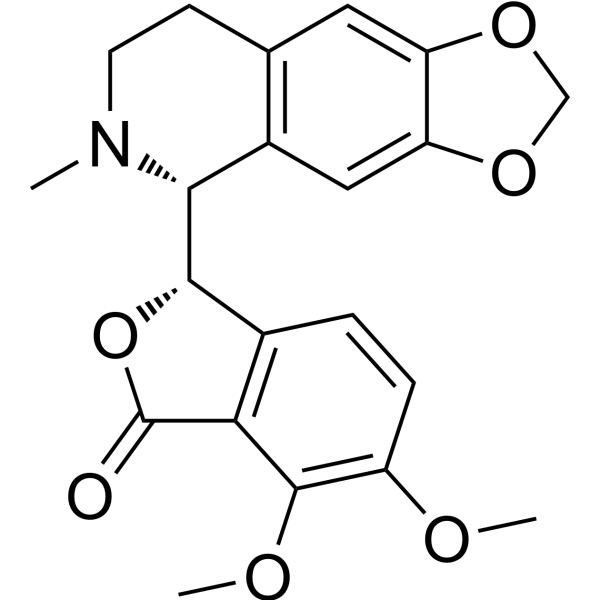
Hydrastine ((-)-β-Hydrastine; (1R,9S)-β-Hydrastine) is a selective competitive inhibitor of tyrosine hydroxylase (TH), inhibiting dopamine biosynthesis (IC50=20.7 μM, PC12 cells). Hydrastine also inhibits the organic cation transporter OCT1 (IC50=6.6 μM). Hydrastine may cause neuronal toxicity through mitochondrial dysfunction rather than oxidative stress damage, and can aggravate cell apoptosis when combined with L-DOPA. Hydrastine can be used to study Parkinson's disease-related dopaminergic neuronal damage .
loading...
    loading...
Cat. No.: HY-154021A
CAS No.: 124796-41-4
Purity:  99.08%
Synonyms: 5-FMOrn dihydrochloride
Research Areas:  

Metabolic Disease

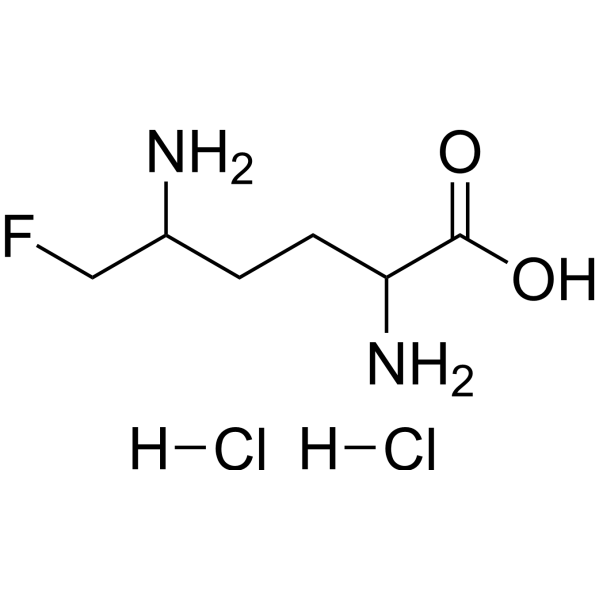
5-Fluoromethylornithine dihydrochloride (5-FMOrn dihydrochloride) is an orally active and blood-brain barrier-penetrant irreversible inhibitor of ornithine aminotransferase (OAT). 5-Fluoromethylornithine dihydrochloride competes with ornithine at the OAT active site and acts as a poor substrate for ornithine decarboxylase (ODC), competitively reducing ornithine decarboxylation, elevating tissue ornithine, and thereby affecting polyamine metabolism . 5-Fluoromethylornithine dihydrochloride attenuates Thioacetamide (HY-Y0698)-induced acute liver injury-related pathological changes . 5-Fluoromethylornithine dihydrochloride is used in research on acute liver injury and hyperammonemia .
loading...
    loading...
Cat. No.: HY-W014118
CAS No.: 101-86-0
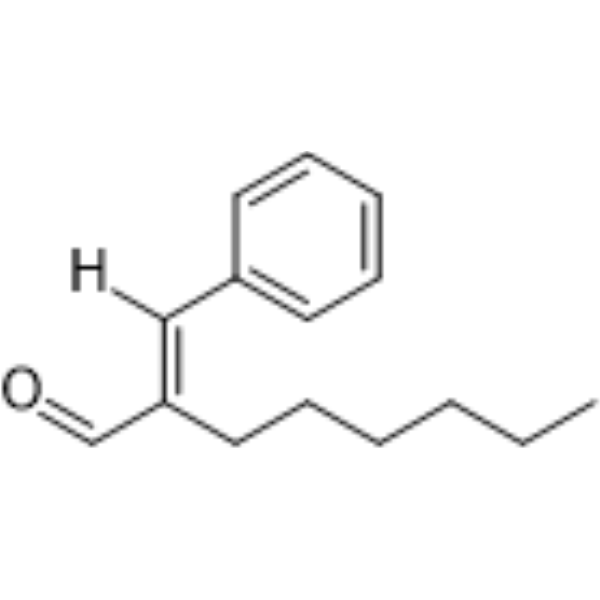
α-Hexylcinnamaldehyde is an O-acetyltransferase (OAT) inhibitor. α-Hexylcinnamaldehyde inhibits OAT-mediated bioactivation of nitroarene mutagens, exerts antimutagenic activity through demutagenic and bioantimutagenic mechanisms, and interferes with ATP-binding cassette (ABC) transporter function to reduce substrate efflux. α-Hexylcinnamaldehyde alters membrane permeability, fluidizes phospholipid membranes, exerts antioxidant effects, and enhances the antiproliferative effect of Doxorubicin on human cancer cells. α-Hexylcinnamaldehyde can be used in the research of colorectal adenocarcinoma, T-cell leukemia, and multidrug-resistant cancers .
loading...
    loading...
Cat. No.: HY-N4103A
CAS No.: 18472-36-1
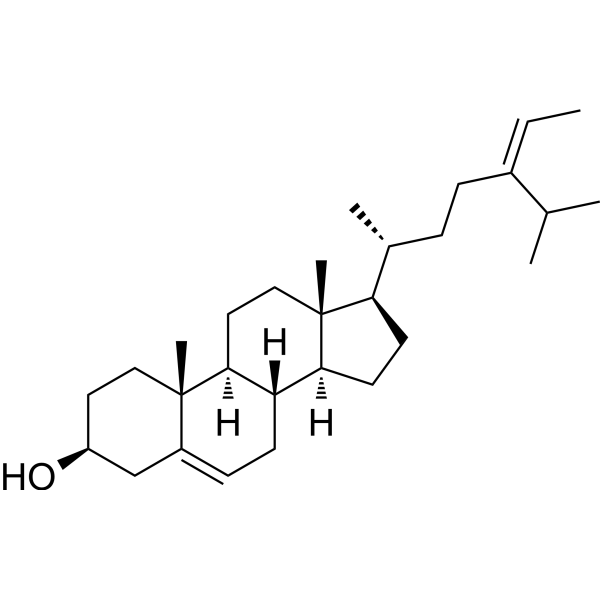
Δ5-Avenasterol is an antioxidant that targets cyclooxygenase-2 (COX-2) and exists in tomato seed oil, oat grain oil, and wheat germ oil. Δ5-Avenasterol binds to the active site of COX-2, thereby blocking the conversion of arachidonic acid to inflammatory prostaglandins. Δ5-Avenasterol exerts antioxidant activity via the ethylene group at positions 24 and 28 of its side chain .
loading...
    loading...
Cat. No.: HY-126848
CAS No.: 64118-81-6
Purity:  95.6%
Synonyms: D-1-O-G
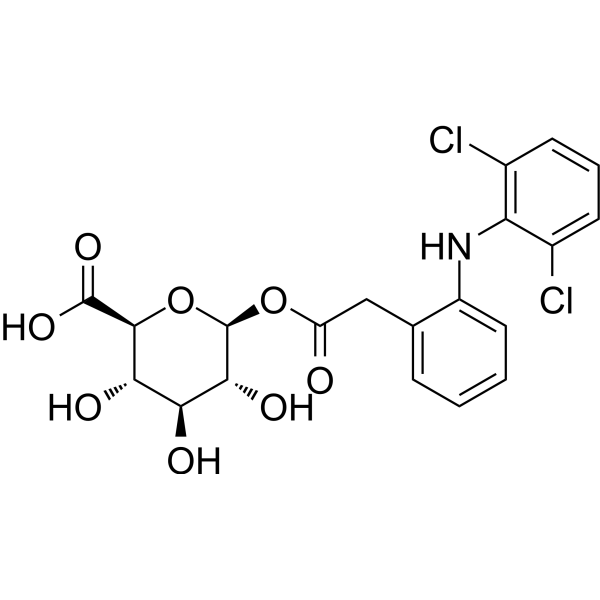
Diclofenac acyl glucuronide (D-1-O-G) is an orally active glucuronide metabolite of Diclofenac (HY-15036). Diclofenac acyl glucuronide exhibits SOD inhibitory activity, COX-1 inhibitory activity (IC50 = 0.620 μM), and COX-2 inhibitory activity (IC50 = 2.91 μM). Diclofenac acyl glucuronide induces reactive oxygen species (ROS) production and acts as a substrate of OATP2B1. Diclofenac acyl glucuronide induces small intestinal ulcers . Diclofenac acyl glucuronide can be used in research related to intestinal diseases and small intestinal ulcers .
loading...
    loading...

