

78 Results for "

osteoblast cell

" in MedChemExpress (MCE) Product Catalog:
Products (78)

78 Results for "osteoblast cell" in MCE Product Catalog:

35
35 Publications Verification
Cat. No.: HY-D0886
CAS No.: 13408-09-8
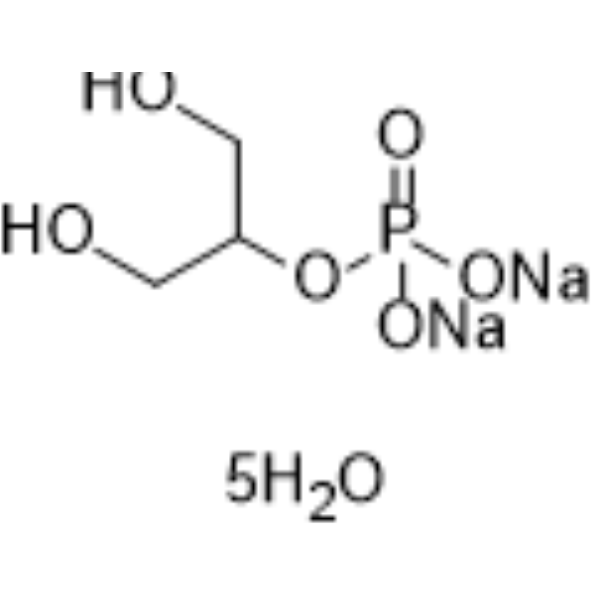
β-Glycerophosphate disodium salt pentahydrate is a bioactive endogenous metabolite and a phosphatase inhibitor. β-Glycerophosphate disodium salt pentahydrate plays an important role in inducing and maintaining osteoblast differentiation, mineral metabolism and signal transduction, and can be used as a drug carrier to form heat-sensitive hydrogels. β-Glycerophosphate disodium salt hydrate accelerates the calcification of vascular smooth muscle cells .
loading...
    loading...
35
35 Publications Verification
Cat. No.: HY-126304
CAS No.: 154804-51-0
Purity:  ≥98.0%
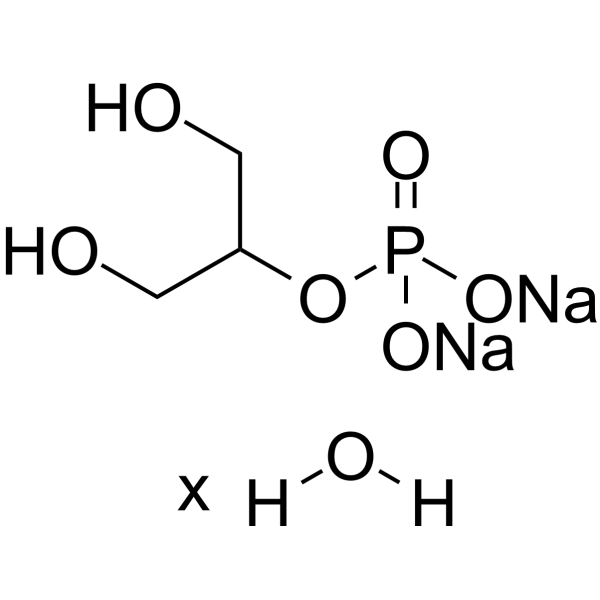
β-Glycerophosphate disodium salt pentahydrate is a bioactive endogenous metabolite and a phosphatase inhibitor. β-Glycerophosphate disodium salt pentahydrate plays an important role in inducing and maintaining osteoblast differentiation, mineral metabolism and signal transduction, and can be used as a drug carrier to form heat-sensitive hydrogels. β-Glycerophosphate disodium salt hydrate accelerates the calcification of vascular smooth muscle cells .
loading...
    loading...
9
9 Cited Publications
Cat. No.: HY-N0123
CAS No.: 1415-73-2
Synonyms: Barbaloin-A
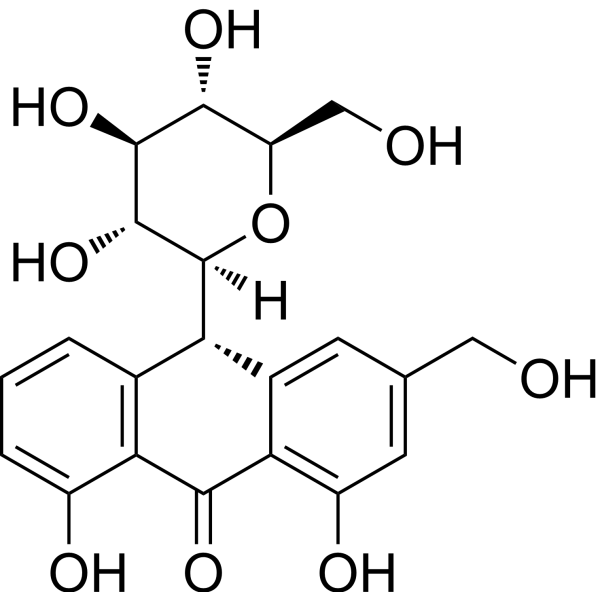
Aloin (Aloin-A; Barbaloin-A) is a natural anti-tumor anthraquinone glycoside with iron chelating activity. Aloin induces the differentiation of MC3T3-E1 cells into osteoblasts through MAPK-mediated Wnt and Bmp signaling pathways. Alkaline phosphatase (ALP) is an early marker of osteoblast differentiation, and the activity of ALP is also enhanced by Aloin. Aloin also reduces brain edema, reduces blood-brain barrier disruption and improves cortical impact injuries. Aloin is used in research into osteoporosis and traumatic brain injury (TBI) .
loading...
    loading...
8
8 Cited Publications
Cat. No.: HY-N0012
CAS No.: 40246-10-4
Synonyms: Glycitein 7-O-β-glucoside
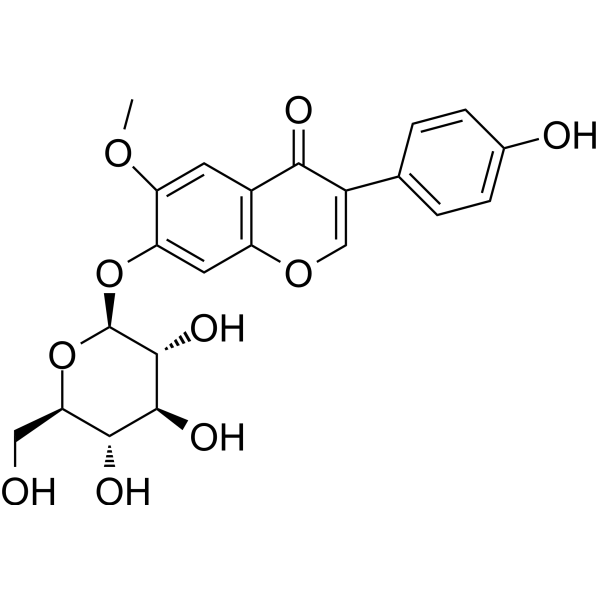
Glycitin (Glycitein 7-O-β-glucoside) is a natural isoflavone with antibacterial, antiviral, anticancer, anti-inflammation, anti-aging and estrogenic effects. Glycitin may regulate osteoblasts through TGF-β or AKT signaling pathways in bone marrow stem cells (BMSCs) .
loading...
    loading...
2
2 Cited Publications
Cat. No.: HY-128591
CAS No.: 1269365-82-3
Purity:  98.70%
Target:  

Phosphatase

Research Areas:  

Metabolic Disease

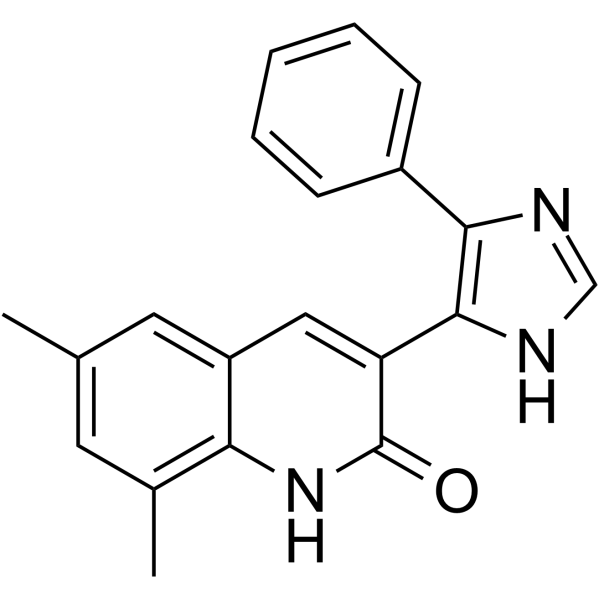
DIPQUO is an activator of the bone marker alkaline phosphatase (ALP), with an EC50 of 6.27 μM in C2C12 cells. DIPQUO promotes mouse and human osteoblast differentiation via activation of p38 MAPK-β .
loading...
    loading...
2
2 Cited Publications
Cat. No.: HY-110218
CAS No.: 1134613-19-6
Purity:  98.15%
Research Areas:  

Others

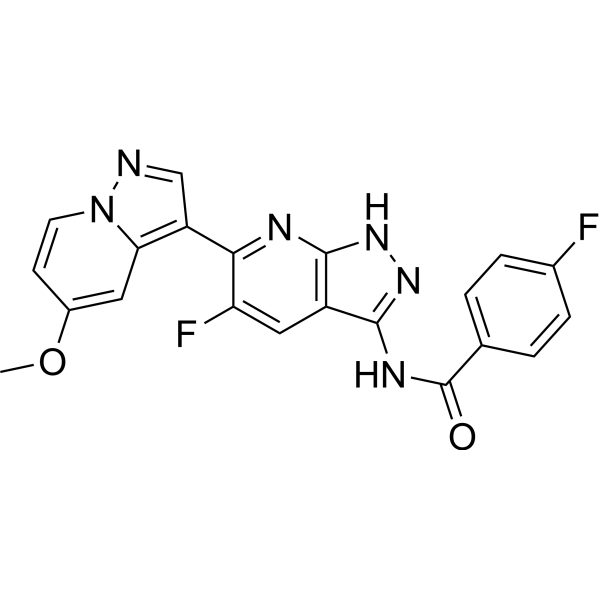
CW 008, a derivative of pyrazole-pyridine, is a CREB or PKA pathway agonist. CW 008 also is a stem cell differentiating agent. CW 008 stimulates osteoblast differentiation of human MSCs and increases bone formation in ovariectomized mice. CW008 promotes osteogenesis by activating cAMP/PKA/CREB signaling pathway and inhibiting leptin secretion .
loading...
    loading...
1
1 Cited Publications
Cat. No.: HY-N7204
CAS No.: 55912-03-3
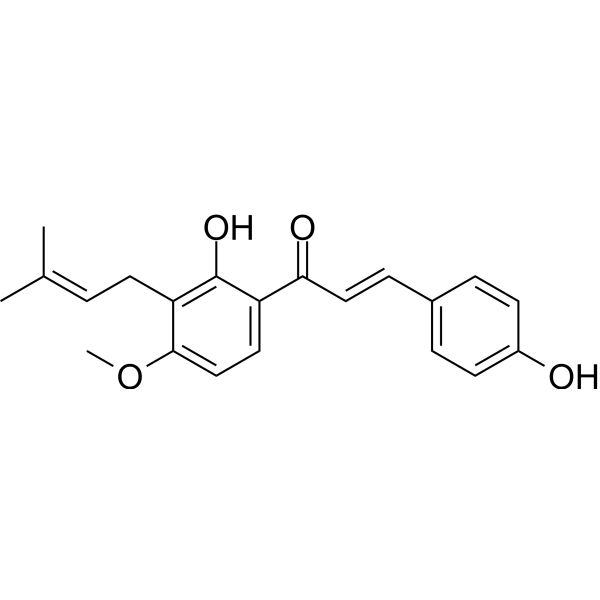
4-Hydroxyderricin, the major active ingredients of Angelica keiskei Koidzumi, is an orally active, potent selective MAO-B (Monoamine oxidase inhibitors) inhibitor with an IC50 of 3.43 μM. 4-Hydroxyderricin also mildly inhibits dopamine β (DBH)-hydroxylase activity. 4-Hydroxyderricin has antidepressant activity, anti-allergic, anti-diabetic, anti-oxidant, and antitumor effects. 4-Hydroxyderricin promotes apoptosis and cell cycle arrest through regulating PI3K/AKT/mTOR pathway in hepatocellular cells. 4-Hydroxyderricin inhibits osteoclast formation and accelerates osteoblast differentiation . 4-Hydroxyderricin is promising for research of inflammatory diseases .
loading...
    loading...
1
1 Cited Publications
Cat. No.: HY-N0559
CAS No.: 52659-56-0
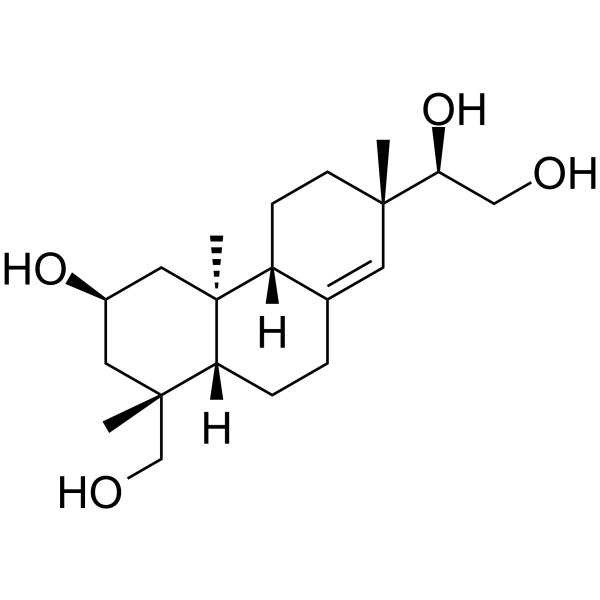
Kirenol is a diterpenoid compound, an orally active apoptosis inducer and signaling pathway regulator, with a Kd value of 5.47 μM against the target CK2. Kirenol promotes the cleavage of Bid into tBid, regulates the protein levels/phosphorylation of Bax, Bcl-2, p53 and p21, and induces caspase-independent apoptosis, S-phase cell cycle arrest, ROS accumulation and cytotoxicity in cancer cells. Kirenol activates the CK2/AKT and AMPK-mTOR-ULK1 pathways, inhibits the signaling of NF-κB, TGF-β/Smads and NLRP3 inflammasome, and regulates the GSK3β, BMP and Wnt/β-catenin pathways. Kirenol induces autophagy, mitophagy and osteoblast differentiation, promotes mitochondrial fusion, and exerts antioxidant, anti-inflammatory, antifibrotic, renoprotective, cardioprotective, neuroprotective and analgesic effects. Kirenol is applicable to research related to chronic myeloid leukemia, ischemic stroke, diabetic nephropathy, heart failure, acute lung injury and osteoporosis .
loading...
    loading...
1
1 Cited Publications
Cat. No.: HY-135470
CAS No.: 13411-16-0
Purity:  98.70%
Synonyms: P-7138
Target:  

Bacterial

Research Areas:  

Infection

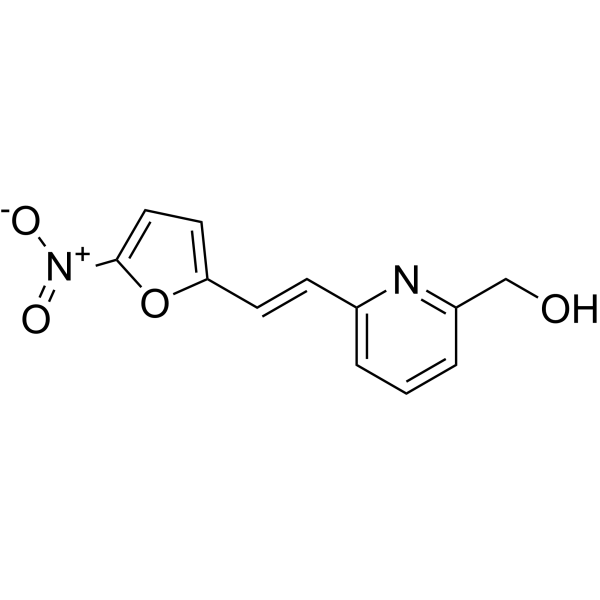
Nifurpirinol (P-7138) is a selective prosubstrate of bacterial nitroreductase (NTR). NTR catalyzes the reduction of nifurpirinol to generate cytotoxic metabolites that induce apoptosis in target cells. Nifurpirinol selectively ablates NTR-expressing cells such as pancreatic β cells, osteoblasts, dopaminergic neurons, and podocytes in transgenic zebrafish models. Nifurpirinol can be used in regeneration studies and disease modeling such as focal segmental glomerulosclerosis (FSGS) .
loading...
    loading...
1
1 Cited Publications
Cat. No.: HY-W016409
CAS No.: 3943-89-3
Synonyms: Protocatechuic acid ethyl ester
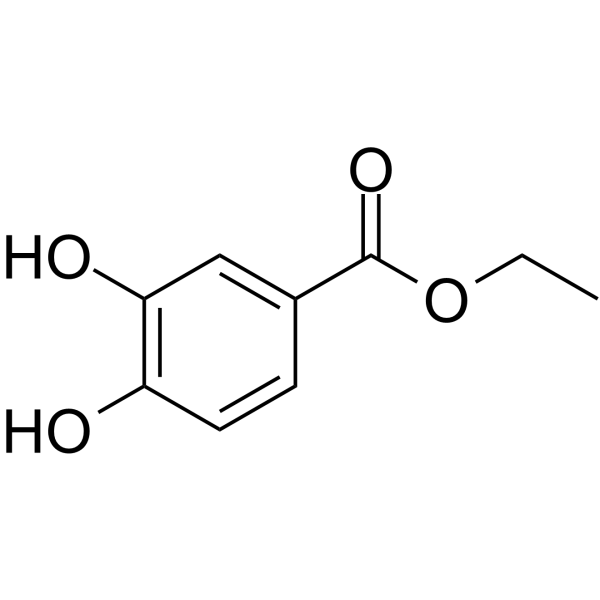
Ethyl 3,4-dihydroxybenzoate (Protocatechuic acid ethyl ester) is an orally effective, blood-brain barrier-permeable, competitive prolyl hydroxylase (PHD) inhibitor that inhibits the hydroxylation modification of hypoxia-inducible factor (HIF) by PHD. Ethyl 3,4-dihydroxybenzoate stabilizes HIF-1α by inhibiting PHD, activates downstream pathways to induce autophagy and apoptosis of tumor cells, and regulates inflammatory responses, inhibits the NF-κB pathway, improves vascular permeability, and promotes osteoblast differentiation. Ethyl 3,4-dihydroxybenzoate has anti-tumor, anti-hypoxic injury, and bone metabolism regulation effects. It can also be used in the research of cardiovascular protection (such as reducing myocardial ischemic damage), bone tissue engineering (promoting osteogenesis/inhibiting osteoclast differentiation), and prevention and treatment of high-altitude cerebral edema .
loading...
    loading...
Cat. No.: HY-W014839
CAS No.: 139-05-9
Synonyms: Sodium cyclamate; Cyclohexylsulfamic acid sodium
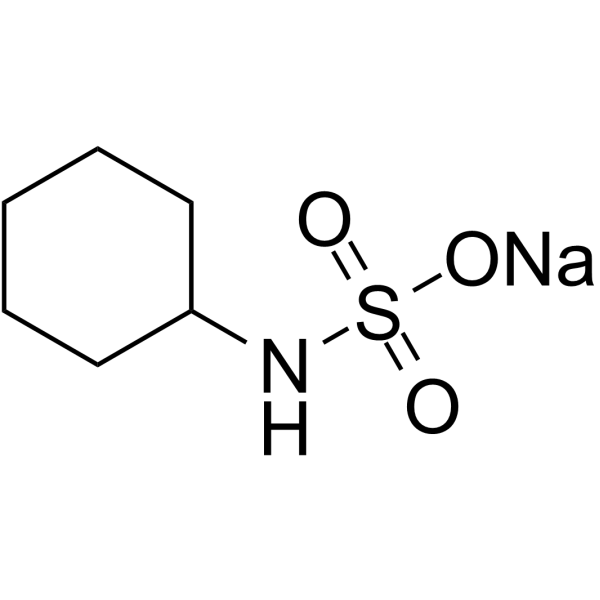
Cyclamic acid sodium (Sodium cyclamate) is a commonly used sweetener. Cyclamic acid sodium is toxic to osteoblasts and can inhibit cell proliferation, induce apoptosis and reduce cell mineralization. Cyclamic acid sodium causes focal necrosis of bladder organs in rats in vitro, which can promote bladder cancer, but some studies have shown that low doses of Cyclamic acid sodium have no carcinogenic effect. In addition, Cyclamic acid sodium has no effect on insulin and glucagon secretion induced by arginine .
loading...
    loading...
Cat. No.: HY-122808
CAS No.: 560-09-8
Purity:  ≥98.0%
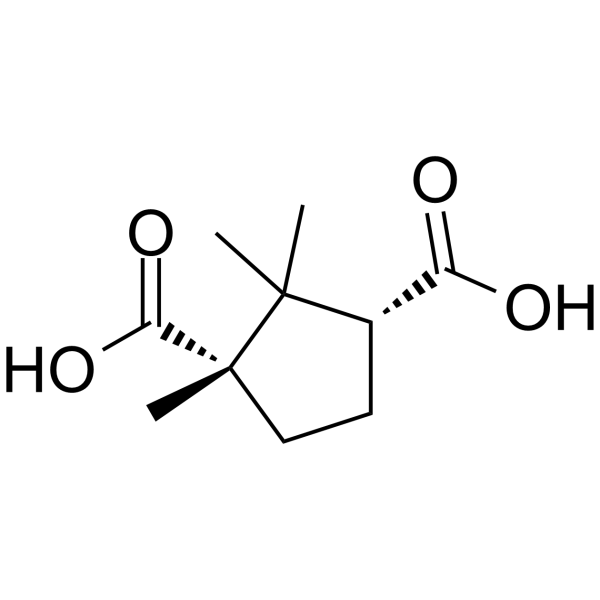
(-)-Camphoric acid is the less active enantiomer of Camphoric acid. Camphoric acid induces glutamate receptor expression. Camphoric acid also significantly induces the activation of NF-κB and AP-1. Camphoric acid significantly stimulates the differentiation of mouse osteoblastic MC3T3-E1 subclone 4 cells. Camphoric acid has weak regulatory function towards glutamate receptors. Camphoric acid can induce mRNA expression of glutamate signaling molecules and activate transcription factors, thereby stimulating osteoblast differentiation .
loading...
    loading...
Cat. No.: HY-165126
CAS No.: 9050-67-3
Synonyms: SPG
Schizophyllan (SPG) is an orally active extracellular β-glucan produced by the fungus Schizophyllum commune. Schizophyllan improves mitochondrial function and protects against metabolic liver injury by activating the SIRT3 pathway. Schizophyllan inhibits osteoclastogenesis and promotes osteoblast differentiation by suppressing the phosphorylation of JNK/p38, as well as downregulating PGC1β/PPARγ, c-Fos and NFATc1. Recognized via Dectin-1, schizophyllan enables precise delivery of oligonucleotide drugs and antigens to antigen-presenting cells, thus holding great potential in the treatment of inflammatory diseases and vaccine development .
loading...
    loading...
Cat. No.: HY-P11070
CAS No.: 1927877-75-5
Target:  

Inhibitory Antibodies

Research Areas:  

Others

SDSSD is an osteoblast-targeting peptide. SDSSD selectively binds to periostin on osteoblasts and mediates targeted delivery to these cells. SDSSD can endow calcium phosphate nanocomposites with bone-targeting properties, and these materials exhibit osteointegrative capacity in both in vitro and in vivo models. When conjugated with polyurethane nanomicelles, SDSSD enables targeted delivery of siRNA/microRNA to osteoblasts .
loading...
    loading...
Cat. No.: HY-N2983
CAS No.: 32884-36-9
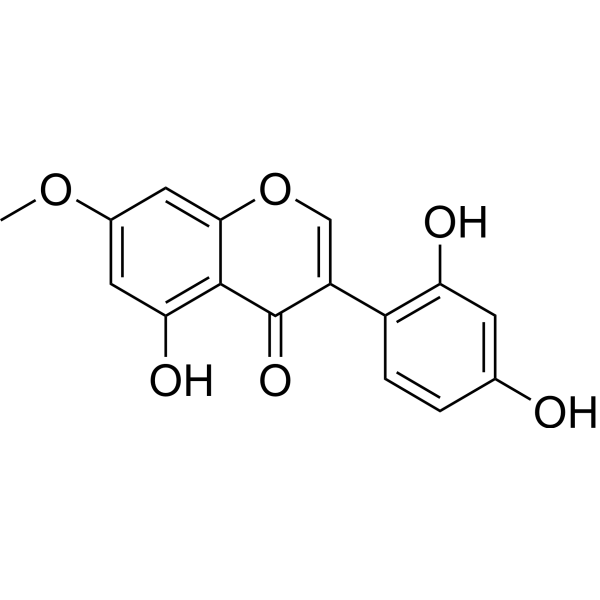
Cajanin is a potent and orally active anti-melanogenic agent. Cajanin shows antiproliferative activity in MNT1 Cells. Cajanin efficiently decreases the melanin content. Cajanin down-regulates the mRNA and protein expression levels of MITF, tyrosinase, TRP-1 and Dct (TRP-2). Cajanin induces cell cycle arrest at G2/M and S phase. Cajanin stimulates osteoblast proliferation. Cajanin has the potential for the research of human hyperpigmented disorders and menopausal osteoporosis .
loading...
    loading...
Cat. No.: HY-P5284
CAS No.: 1613231-49-4
Target:  

Inhibitory Antibodies

Research Areas:  

Others

RALA peptide is a cationic amphiphilic delivery agent targeting cell membranes, which forms nanoparticles through electrostatic interactions with anionic drugs. RALA peptide has pH-responsive binding properties, which can enhance the α-helical conformation in an acidic environment and destroy the endosomal membrane, promote the release of drugs into the cytoplasm, and exert efficient intracellular delivery activity. RALA peptide can be used in cancer research (enhancing the activity of bisphosphonates against prostate cancer and breast cancer cells) and bone tissue engineering (promoting osteoblast collagen deposition and extracellular matrix mineralization) .
loading...
    loading...
Cat. No.: HY-P11328
CAS No.: 245120-10-9
Target:  

Integrin

Research Areas:  

Others

GFOGER peptide is an artificially synthesized collagen-mimetic sequence. GFOGER peptide acts as a ligand for α2β1, α11β1 and α1β1 integrins, thereby supporting integrin-mediated cell adhesion to collagen. GFOGER peptide triggers signaling pathways mediated by the α2β1 integrin receptor and upregulates osteoblast differentiation. GFOGER peptide accelerates and enhances bone formation at sites of refractory femoral defects. GFOGER peptide can be passively adsorbed onto polymer scaffolds for cell-free/growth factor-free bone formation. GFOGER peptide is used in biomaterials such as hydrogels and 3D bioinks for tissue engineering research including bone formation .
loading...
    loading...
Cat. No.: HY-144012
CAS No.: 474922-84-4
Purity:  99.83%
Synonyms: 16:0 PEG2000 PE ammonium; 1,2-Dipalmitoyl-sn-glycero-3-phosphoethanolamine-N-[methoxy(polyethylene glycol)-2000] ammonium
Target:  

Liposome

Research Areas:  

Others

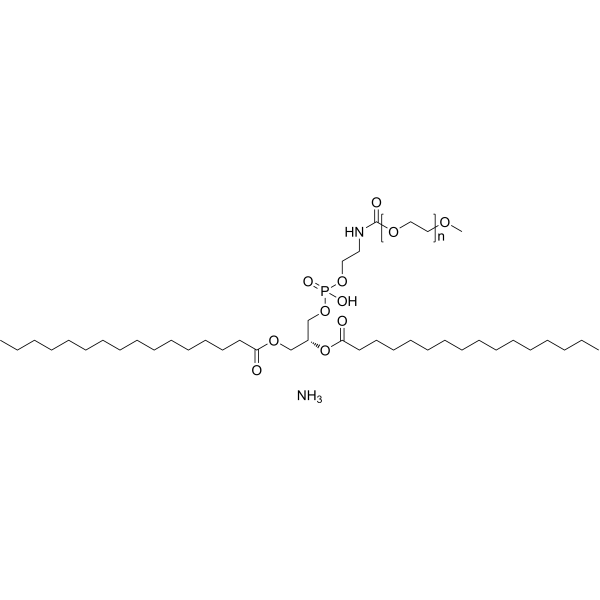
DPPE-PEG2000 ammonium (16:0 PEG5000 PE) is a polymer-lipid conjugate and LipoParticle stabilizer with a PEG chain of 5,000 g/mol molecular weight attached to its polar head, and it can be internalized by biological membranes. DPPE-PEG2000 ammonium enables LipoParticle to maintain colloidal stability after 20-fold dilution in PBS or cell culture medium, and prevents aggregate formation during lyophilization and rehydration. DPPE-PEG2000 ammonium helps enhance the non-cytotoxic property of LipoParticle formulations against human osteoblasts. DPPE-PEG2000 ammonium serves as a PEG lipid functional end group for synthesizing liposomes (LPs), is used in the design of conjugated polymer nanoparticles, and applies to research related to bone and joint infections .
loading...
    loading...
Cat. No.: HY-P4823
CAS No.: 136799-54-7
Target:  

Adenylate Cyclase PTHR

Research Areas:  

Metabolic Disease

PTH (1-37) human is an adenylate cyclase stimulator and a normocalcemic regulator. PTH (1-37) human participates in cAMP-dependent signal transduction to affect the proliferation of skeletal tissue cells and bone metabolism. PTH (1-37) human induces cyclic adenosine monophosphate responses in human primary osteoblast-like cells and is also widely used in osteoporosis-related research .
loading...
    loading...
Cat. No.: HY-B0541
CAS No.: 100-88-9
Synonyms: Cyclohexylsulfamic acid; Cyclamate
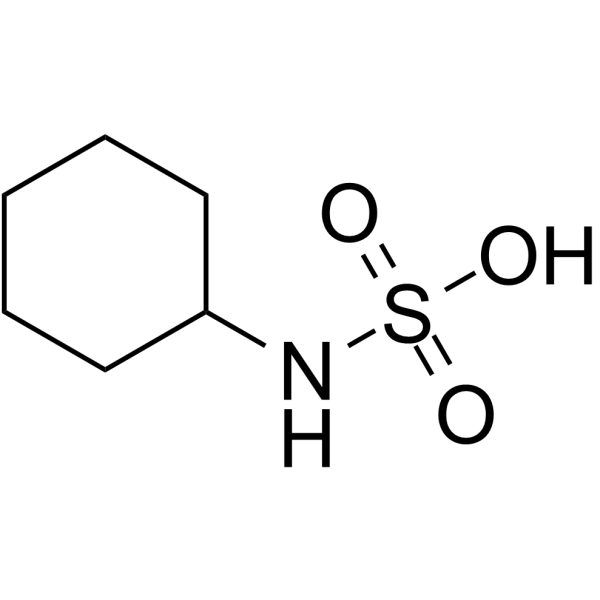
Cyclamic acid (Cyclamate) is a commonly used sweetener. Cyclamic acid sodium is toxic to osteoblasts and can inhibit cell proliferation, induce apoptosis and reduce cell mineralization. Cyclamic acid sodium causes focal necrosis of bladder organs in rats in vitro, which can promote bladder cancer, but some studies have shown that low doses of Cyclamic acid sodium have no carcinogenic effect. In addition, Cyclamic acid sodium has no effect on insulin and glucagon secretion induced by arginine .
loading...
    loading...

