124 Results for "

pathogen infection

" in MedChemExpress (MCE) Product Catalog:
Products (124)

124 Results for "pathogen infection" in MCE Product Catalog:

7
7 Publications Verification
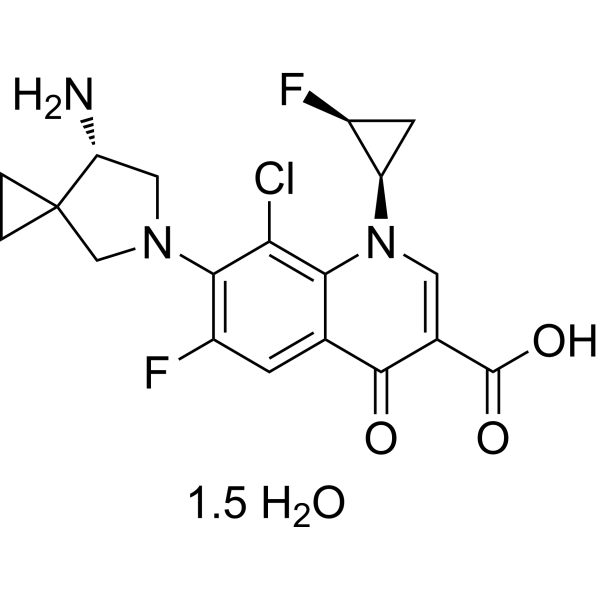
Cat. No.: HY-B0395C
CAS No.: 163253-35-8
Synonyms: DU6859a hydrate
Target:  

Bacterial Antibiotic

Research Areas:  

Infection

Sitafloxacin (DU6859a) hydrate is an orally active fluoroquinolone antibiotic (antibiotic) with in vitro activity against a wide range of Gram-positive and -negative bacteria, including anaerobic bacteria, as well as atypical pathogens. Sitafloxacin is used in the study of respiratory tract infections and urinary tract infections .
loading...
    loading...
7
7 Publications Verification
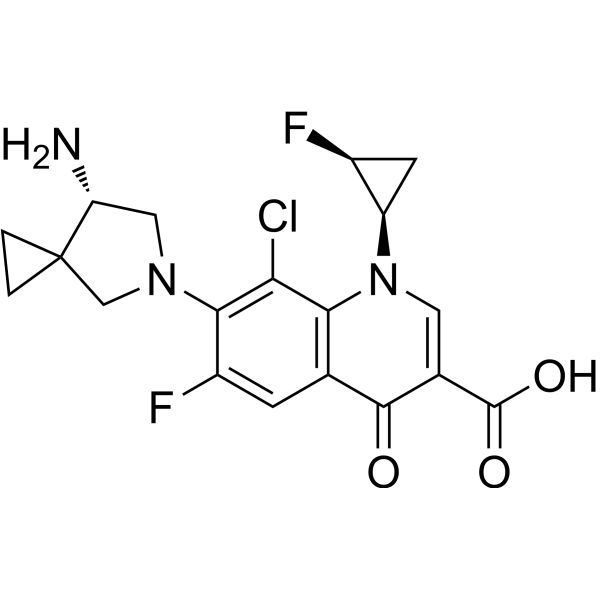
Cat. No.: HY-B0395
CAS No.: 127254-12-0
Synonyms: DU6859a
Target:  

Bacterial Antibiotic

Research Areas:  

Infection

Sitafloxacin (DU6859a) is a potent, orally active fluoroquinolone antibiotic. Sitafloxacin shows antichlamydial activity and antibacterial activities against a broad range of gram-positive and gram-negative bacteria, including anaerobic bacteria, as well as against atypical pathogens. Sitafloxacin can be used for the research of respiratory tract infection and urinary tract infection .
loading...
    loading...
6
6 Cited Publications
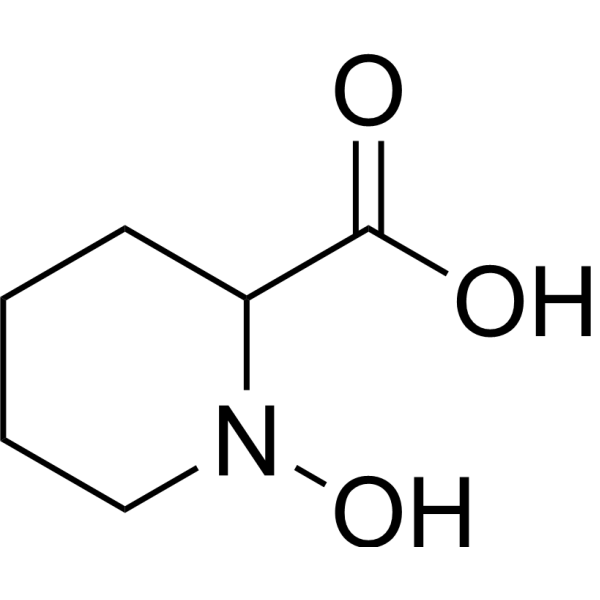
Cat. No.: HY-N7378
CAS No.: 115819-92-6
Synonyms: 1-Hydroxy-2-piperidinecarboxylic acid; NHP
N-Hydroxypipecolic acid (1-Hydroxy-2-piperidinecarboxylic acid), a plant metabolite and a systemic acquired resistance (SAR) regulator, orchestrates SAR establishment in concert with the immune signal salicylic acid. N-Hydroxypipecolic acid accumulates systemically in the plant foliage in response to pathogen attack. N-Hydroxypipecolic acid induces SAR to bacterial and oomycete infection .
loading...
    loading...
5
5 Cited Publications
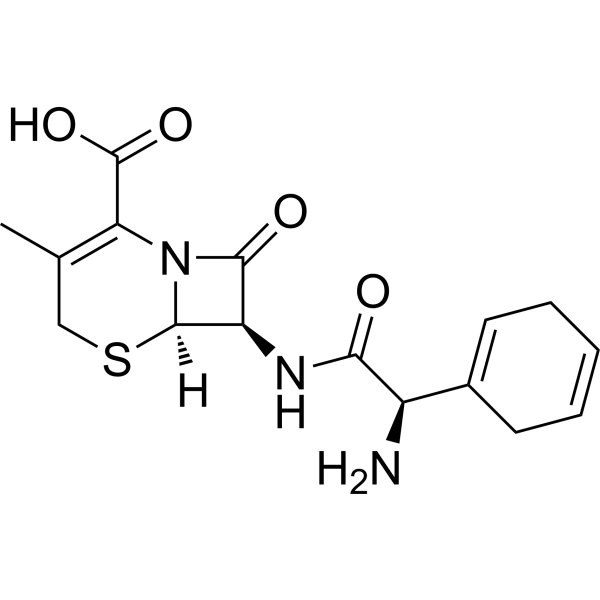
Cat. No.: HY-B1156
CAS No.: 38821-53-3
Synonyms: Cefradine; SQ-11436
Target:  

Bacterial Antibiotic TOPK

Research Areas:  

Infection Inflammation/Immunology

Cephradine (Cefradine) is a broad-spectrum and orally active cephalosporin. Cephradine is active against both gram-positive and gram-negative pathogens. Cephradine is effective in eradicating most penicillinase-producing organisms. Cephradine has been used in the research of genitourinary, gastrointestinal and respiratory tract infections, and in infections of the skin and soft tissues. Cephradine blocks solar-ultraviolet induced skin inflammation through direct inhibition of TOPK .
loading...
    loading...
5
5 Cited Publications
Cat. No.: HY-128449
CAS No.: 75975-70-1
Purity:  91.53%
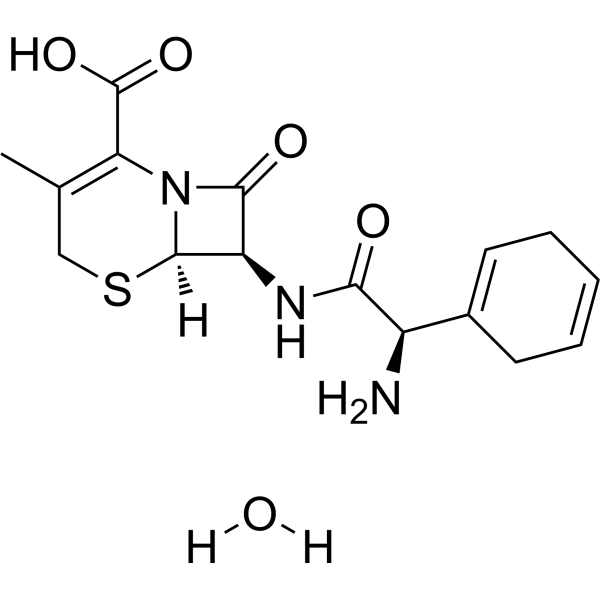
Synonyms: Cefradine monohydrate
Target:  

Bacterial Antibiotic TOPK

Research Areas:  

Infection Inflammation/Immunology

Cephradine (Cefradine) monohydrate is a broad-spectrum and orally active cephalosporin. Cephradine monohydrate is active against both grampositive and gram-negative pathogens and effective in eradicating most penicillinase-producing organisms known to be resistant to penicillin G, penicillin V, and ampicillin. Cephradine monohydrate has been used in the research of genitourinary, gastrointestinal and respiratory tract infections, and in infections of the skin and soft tissues. Cephradine monohydrate blocks solar-ultraviolet induced skin inflammation through direct inhibition of TOPK .
loading...
    loading...
3
3 Cited Publications
Cat. No.: HY-12479A
CAS No.: 1234563-16-6
Purity:  99.62%
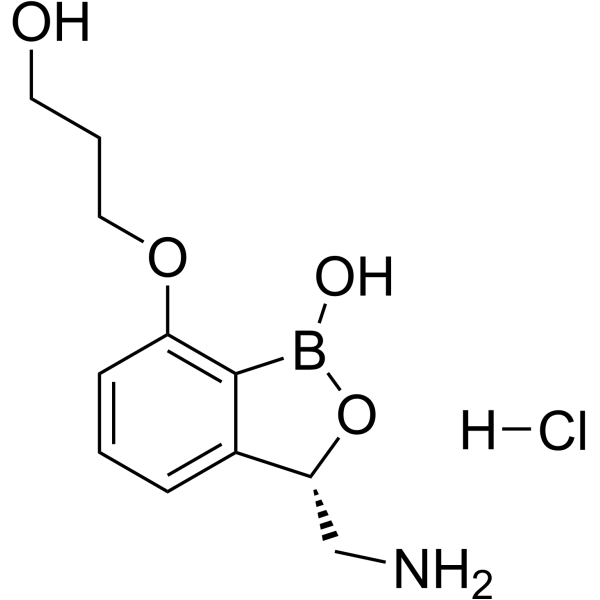
Synonyms: GSK2251052 hydrochloride
Research Areas:  

Infection

Epetraborole (GSK2251052) hydrochloride is a novel leucyl-tRNA synthetase (LeuRS) inhibitor (IC50=0.31 μM), thereby inhibiting protein synthesis. Epetraborole hydrochloride can be used in multidrug-resistant gram-negative pathogens infection research .
loading...
    loading...
3
3 Cited Publications
Cat. No.: HY-N9480
CAS No.: 133293-89-7
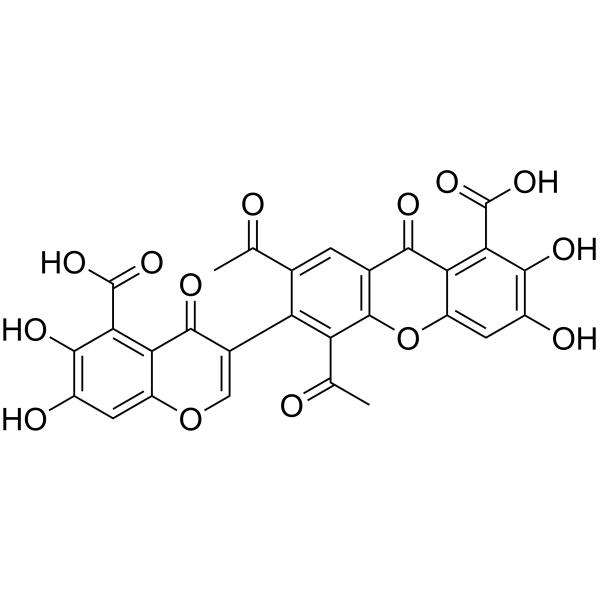
Synonyms: SM-345431
Vinaxanthone (SM-345431) is a potent and selective semaphorin3A, phospholipase C (PLC) and FabI inhibitor, with IC50s of 0.1-0.2 μM and 0.9 mM for semaphorin3A and FabI. Vinaxanthone inhibits the substrate (t-o-NAC thioester) and the cofactor (NADPH) with Kis of 3.1 μM and 1.0 μM, respectively. Vinaxanthone can be used to handle infections caused by multidrug-resistant pathogens .
loading...
    loading...
2
2 Cited Publications
Cat. No.: HY-19806A
CAS No.: 936111-69-2
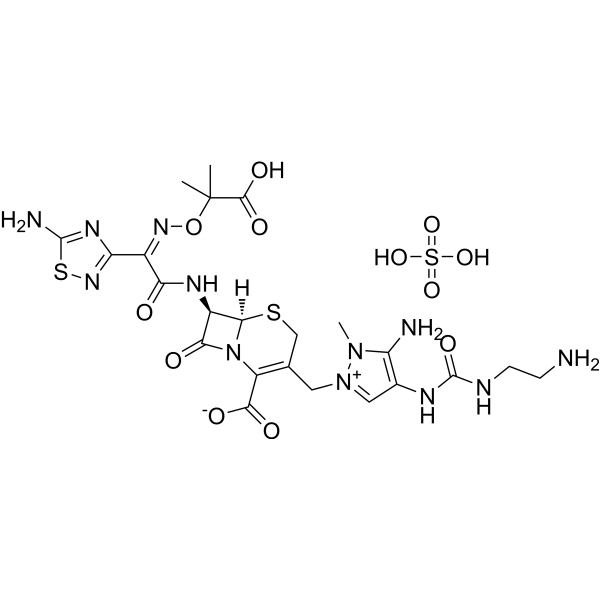
Synonyms: CXA-101; FR264205
Target:  

Bacterial Antibiotic

Research Areas:  

Infection

Ceftolozane sulfate is a cephalosporin antibiotic active against Gram-negative pathogens. Ceftolozane sulfate acts as a bactericide and reduces Klebsiella pneumoniae thigh tissue loads in neutropenic mice. Ceftolozane sulfate can be used in studies related to bacterial infections .
loading...
    loading...
2
2 Cited Publications
Cat. No.: HY-14737A
CAS No.: 400827-55-6
Purity:  98.88%
Synonyms: TAK-599 hydrate; PPI0903 hydrate
Target:  

Antibiotic Bacterial

Research Areas:  

Infection

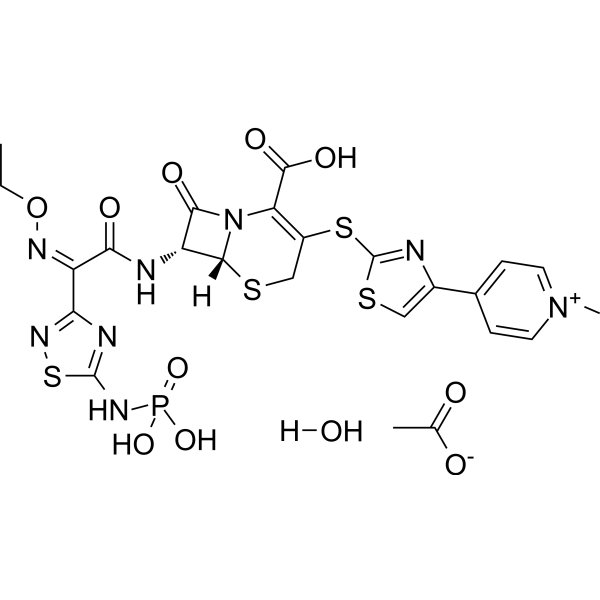
Ceftaroline fosamil hydrate is a potent cephalosporin antibiotic. Ceftaroline fosamil hydrateshows broad-spectrum activity against Gram-positive pathogens, including methicillin-resistant Staphylococcus aureus (MRSA) and multidrug-resistant Streptococcus pneumoniae, and common Gram-negative organisms. Ceftaroline fosamil hydrate has anti-infective activity, and can be used for the research of complicated skin and skin structure infections (cSSSIs) and community-acquired bacterial pneumonia (CABP) .
loading...
    loading...
2
2 Cited Publications
Cat. No.: HY-106257A
CAS No.: 1628046-32-1
Purity:  98.17%
Target:  

Bacterial Antibiotic

Research Areas:  

Infection

Ceftolozane TFA is a cephalosporin antibiotic active against Gram-negative pathogens. Ceftolozane TFA acts as a bactericide and reduces Klebsiella pneumoniae thigh tissue loads in neutropenic mice. Ceftolozane TFA can be used in studies related to bacterial infections .
loading...
    loading...
2
2 Cited Publications
Cat. No.: HY-P4744
CAS No.: 597562-32-8
Research Areas:  

Infection Cancer

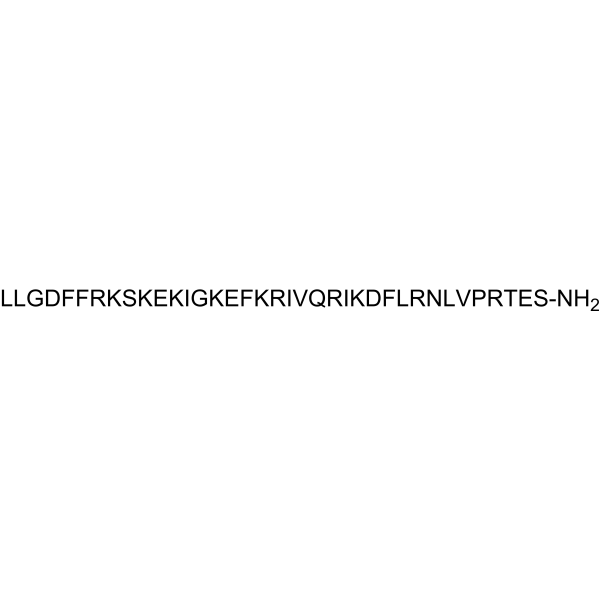
LL-37 amide is a selective agonist of formyl peptide receptor-like FPRL1, effectively inhibiting periodontal pathogens (ED99=8.5-8.7 μg/mL). LL-37 amide exerts its bactericidal effect by activating FPRL1-mediated immune cell chemotaxis and disrupting bacterial cell membrane integrity. It can also regulate inflammatory responses (inhibiting the release of factors such as TNF-α) and promote angiogenesis. Amidation modification reduces its sensitivity to serum inhibition and improves its stability. LL-37 amide possesses key activities in bactericidal action, immunomodulation, and wound healing, and is mainly used in research on infection-related diseases such as periodontal disease and deep tissue injuries (pressure ulcers), and wound healing .
loading...
    loading...
2
2 Cited Publications
Cat. No.: HY-P4744A
Research Areas:  

Infection Cancer

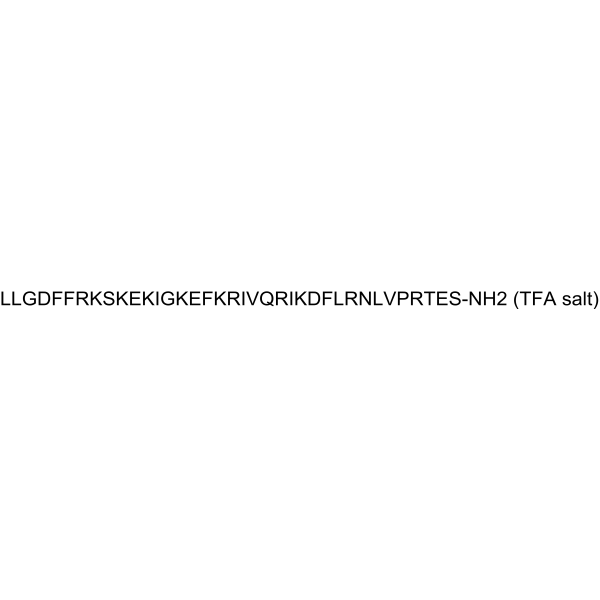
LL-37 amide TFA is a selective agonist of formyl peptide receptor-like FPRL1, effectively inhibiting periodontal pathogens (ED99=8.5-8.7 μg/mL). LL-37 amide TFA exerts its bactericidal effect by activating FPRL1-mediated immune cell chemotaxis and disrupting bacterial cell membrane integrity. It can also regulate inflammatory responses (inhibiting the release of factors such as TNF-α) and promote angiogenesis. Amidation modification reduces its sensitivity to serum inhibition and improves its stability. LL-37 amide TFA possesses key activities in bactericidal action, immunomodulation, and wound healing, and is mainly used in research on infection-related diseases such as periodontal disease and deep tissue injuries (pressure ulcers), and wound healing .
loading...
    loading...
2
2 Cited Publications
Cat. No.: HY-19655
CAS No.: 205110-48-1
Synonyms: ABT-773; Abbott-195773; A-195773
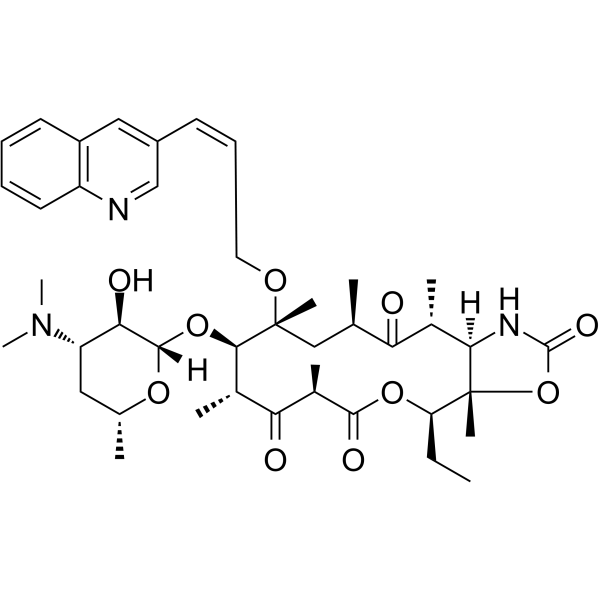
Cethromycin (ABT-773; Abbott-195773) is an orally effective ketolide antibiotic with broad-spectrum antibacterial activity. Cethromycin binds to domains II/V of the 23S rRNA of the 50S subunit, inhibiting bacterial protein synthesis. Cethromycin can accumulate in lung tissue, alveolar macrophages, epithelial lining fluid, and human polymorphonuclear leukocytes. Cethromycin exhibits potent in vitro activity against a variety of respiratory pathogens, including Mycoplasma pneumoniae. Cethromycin exhibits significant intracellular and pulmonary enrichment and anti-inflammatory effects against mycoplasma pneumonia in mouse models, improving airway obstruction and airway hyperresponsiveness. Cethromycin disrupts the apicoplast and reduces liver-stage parasite burden during the liver stage of Plasmodium berghei. Cethromycin can be used in research related to pneumonia, Staphylococcus aureus infection, gonorrhea, and malaria .
loading...
    loading...
1
1 Cited Publications
Cat. No.: HY-128780B
CAS No.: 2408422-41-1
Purity:  99.74%
Target:  

Bacterial Antibiotic

Research Areas:  

Infection

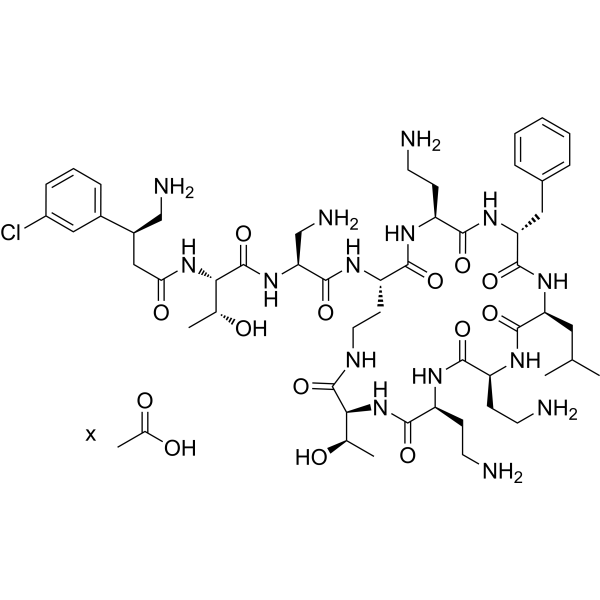
SPR206 acetate is a polymyxin analog with antibiotic activity against Gram-negative pathogens, including multidrug-resistant (MDR) variants. SPR206 acetate has an anti-bacterial infection effect by interacting with the bacterium’s outer membrane. The MIC values of SPR206 acetate against Pseudomonas aeruginosa Pa14 and Acinetobacter baumannii NCTC13301 are both 0.125 mg/L .
loading...
    loading...
1
1 Cited Publications
Cat. No.: HY-P2988
CAS No.: 9001-67-6
Synonyms: Exo-α-sialidase
Target:  

Sialyltransferase

Research Areas:  

Infection

Neuraminidase, Microorganism (Exo-α-sialidase) is an exosialidase, is often used in biochemical studies. Neuraminidase cleaves α-ketosidic linkage between the sialic (N-acetylneuraminic) acid and an adjacent sugar residue. Neuraminidase, derived from mucosal pathogens, is a virulence factor that modifies the host's response to infection .
loading...
    loading...
1
1 Cited Publications
Cat. No.: HY-77036
CAS No.: 1672-88-4
Synonyms: Furazidine; Furazidin
Research Areas:  

Infection Cancer

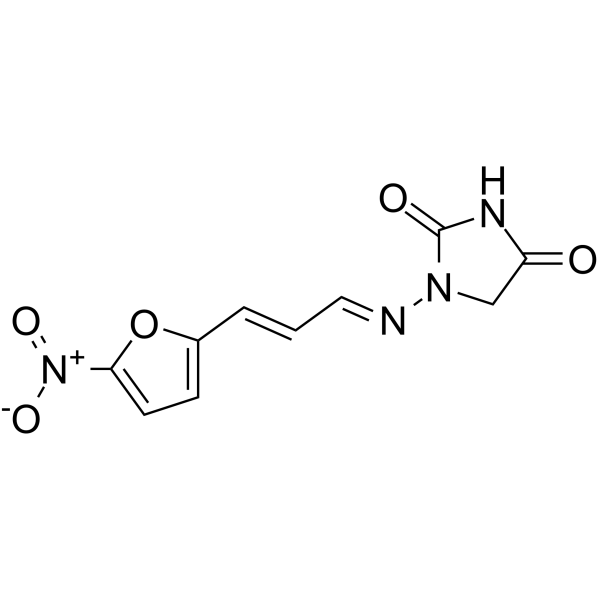
Furagin (Furazidine), an analogue of Nitrofurantoin (HY-A0090), is an antibiotic with antibacterial activity against ESKAPE pathogens with MIC values of 0-32 µg/mL. Furagin inhibits human Carbonic anhydrases . Furagin is promising for research of cancer and urinary tract infections (UTIs) .
loading...
    loading...
1
1 Cited Publications
Cat. No.: HY-P2460
CAS No.: 172485-26-6
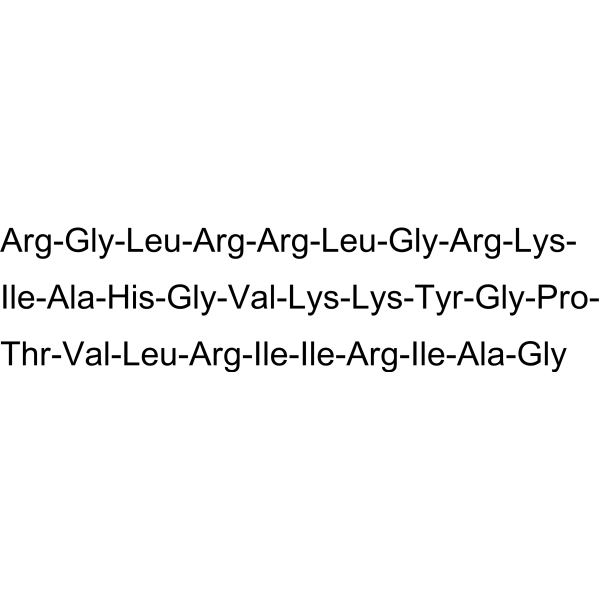
SMAP‑29 is a cathelicidin antimicrobial peptide with LPS‑binding and anti‑inflammatory properties. SMAP‑29 exerts broad‑spectrum antimicrobial activity against bacteria, fungi and multidrug‑resistant isolates. SMAP‑29 kills pathogens by permeabilizing bacterial membranes, inducing depolarization and cell lysis, and also inhibits inflammatory cytokines while reducing lethality in septic shock and pneumonia models. SMAP-29 can be used for research on bacterial infections, drug-resistant infections, septic shock .
loading...
    loading...
1
1 Cited Publications
Cat. No.: HY-124801
CAS No.: 332108-65-3
Purity:  98.68%
Research Areas:  

Infection

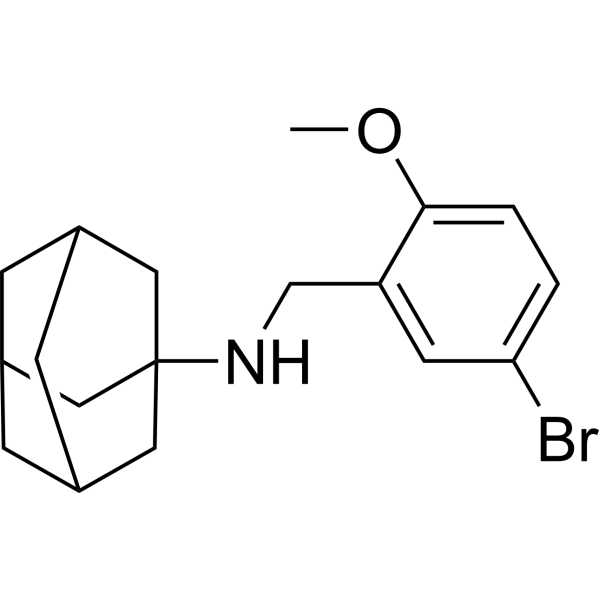
ABMA is a broad-spectrum inhibitor of intracellular toxins and pathogens. ABMA efficiently protects cells against various toxins and pathogens including viruses, intracellular bacteria and parasite. ABMA selectively acts at host cell late endosomes rather than targeting toxin or pathogen itself. ABMA has broad-spectrum anti-infection activity .
loading...
    loading...
1
1 Cited Publications
Cat. No.: HY-156685
CAS No.: 2767264-57-1
Purity:  99.86%
Target:  

PI4K Parasite

Research Areas:  

Infection Metabolic Disease Cancer

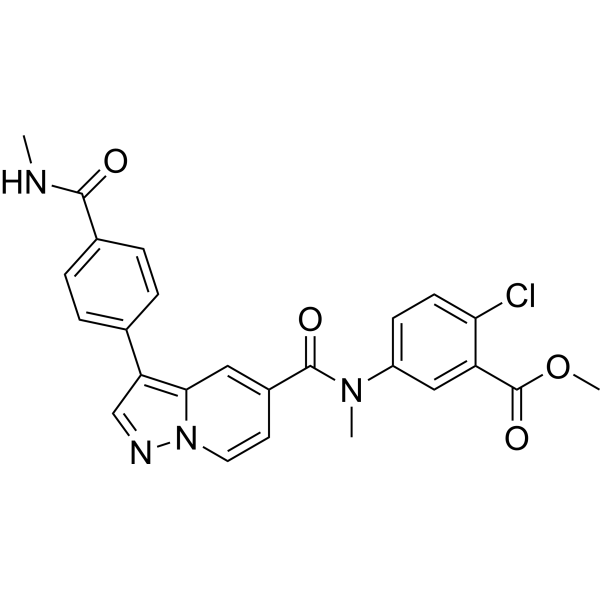
EDI048 is an orally active, gut-restricted parasiticidal agent. EDI048 specifically binds to the ATP-binding site of Cryptosporidium phosphatidylinositol 4-kinase (CpPI (4) K), blocks parasite membrane biogenesis, arrests the pathogen at the schizont stage, and thus irreversibly clears the infection. EDI048 is rapidly converted to an inactive carboxylic acid metabolite via hepatic first-pass metabolism, with extremely low systemic exposure, good safety profile, and no cardiotoxicity, genotoxicity or off-target effects. EDI048 is used in studies of intestinal cryptosporidiosis in children .
loading...
    loading...
1
1 Cited Publications
Cat. No.: HY-139554A
Purity:  99.79%
Synonyms: KBP-7072 TFA
Target:  

Bacterial

Research Areas:  

Infection

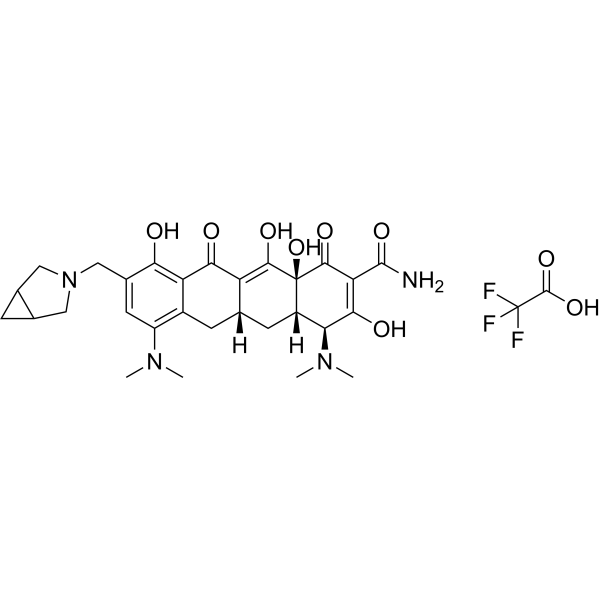
Zifanocycline (KBP-7072) TFA is an orally active, semi-synthetic aminomethylcycline antibiotic that inhibits the normal function of bacterial ribosomes. Zifanocycline TFA has broad spectrum in vitro antimicrobial activity against Gram-positive and Gram-negative bacteria, including many multidrug-resistant pathogens. Zifanocycline TFA is indicated for the study of acute bacterial skin and skin structure infections, community-acquired bacterial pneumonia, and complicated intra-abdominal infections .
loading...
    loading...

