65 Results for "

phagocytes

" in MedChemExpress (MCE) Product Catalog:
Products (65)

65 Results for "phagocytes" in MCE Product Catalog:

70
70 Publications Verification
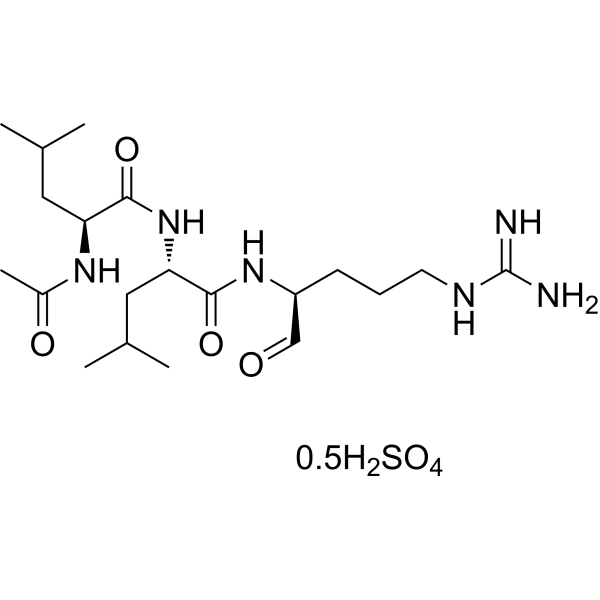
Cat. No.: HY-18234A
CAS No.: 103476-89-7
Leupeptin hemisulfate is a broad-spectrum protease inhibitor . By inhibiting the activation of the PTEN/PI3K/Akt/NF-κB/ERK1/2/p38 signaling pathway, Leupeptin hemisulfate significantly reduces LPS-induced NO and ROS production, mitochondrial membrane potential hyperpolarization, phagocytic activity, pro-inflammatory cytokine release, and M1 polarization in mouse peritoneal macrophages, and reverses autophagic flux impairment. It also decreases Concanavalin A (HY-P2149)-induced proliferation index of mouse splenic lymphocytes and the Th1/IL-10 and Th2/IL-10 cytokine ratios, thereby modulating innate and adaptive immune responses. Leupeptin hemisulfate inhibits blood coagulation and tumorigenesis in mouse skin. Leupeptin hemisulfate can be used in research on chronic inflammatory diseases and skin tumorigenesis .
loading...
    loading...
22
22 Cited Publications
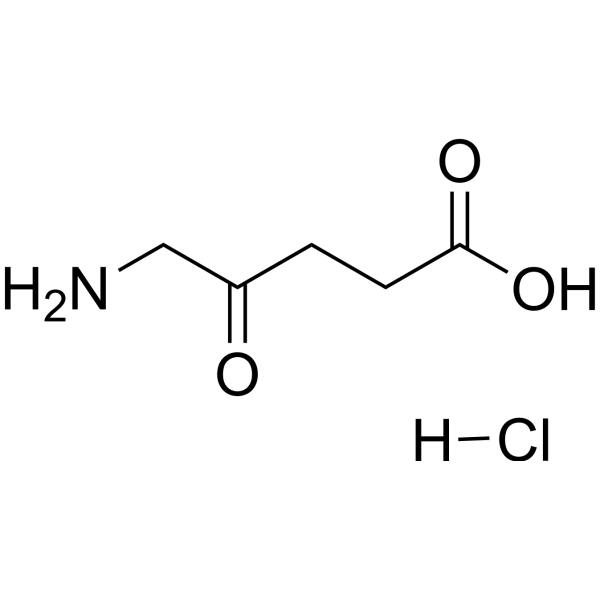
Cat. No.: HY-N0305
CAS No.: 5451-09-2
Synonyms: 5-ALA hydrochloride; δ-Aminolevulinic acid hydrochloride; 5-Amino-4-oxopentanoic acid hydrochloride
5-Aminolevulinic acid (5-ALA; δ-Aminolevulinic acid; 5-Amino-4-oxopentanoic acid) hydrochloride is an orally active heme precursor. 5-Aminolevulinic acid hydrochloride promotes aerobic energy metabolism and increases ATP levels by enhancing the activity of cytochrome c oxidase. 5-Aminolevulinic acid hydrochloride enhances LPS-induced proinflammatory cytokine production and gene activation, and restores the phagocytic activity and ROS generation capacity of neutrophils. 5-Aminolevulinic acid hydrochloride selectively accumulates protoporphyrin IX in tumor cells; as a photosensitizer and radiosensitizer, it induces ROS burst upon light or X-ray irradiation to inhibit tumor growth. 5-Aminolevulinic acid hydrochloride can be applied to the research of septic shock, melanoma, and cancer radiotherapy .
loading...
    loading...
22
22 Cited Publications
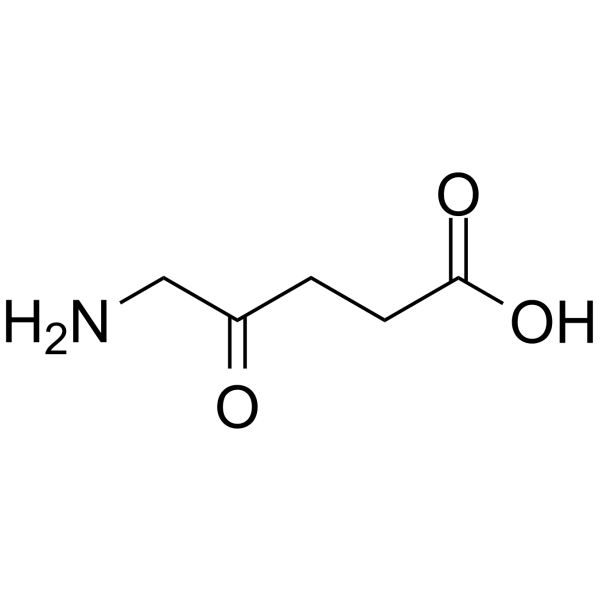
Cat. No.: HY-W000450
CAS No.: 106-60-5
Synonyms: 5-ALA; δ-Aminolevulinic acid; 5-Amino-4-oxopentanoic acid
5-Aminolevulinic acid (5-ALA; δ-Aminolevulinic acid; 5-Amino-4-oxopentanoic acid) is an orally active heme precursor. 5-Aminolevulinic acid promotes aerobic energy metabolism and increases ATP levels by enhancing the activity of cytochrome c oxidase. 5-Aminolevulinic acid enhances LPS-induced proinflammatory cytokine production and gene activation, and restores the phagocytic activity and ROS generation capacity of neutrophils. 5-Aminolevulinic acid selectively accumulates protoporphyrin IX in tumor cells; as a photosensitizer and radiosensitizer, it induces ROS burst upon light or X-ray irradiation to inhibit tumor growth. 5-Aminolevulinic acid can be applied to the research of septic shock, melanoma, and cancer radiotherapy .

loading...
    loading...
8
8 Cited Publications
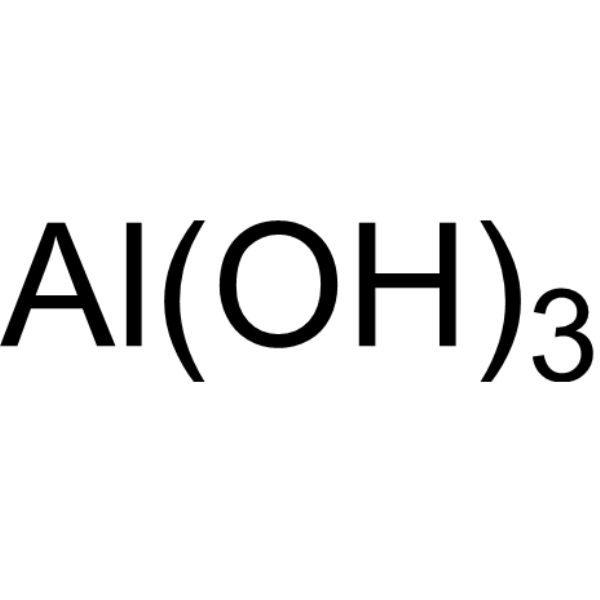
Cat. No.: HY-B1521
CAS No.: 21645-51-2
Aluminum Hydroxide is an orally active main form of aluminum used as adjuvant. Aluminum hydroxide-based adjuvant researches include the repository effect, pro-phagocytic effect, and activation of the pro-inflammatory NLRP3 pathway. Aluminum Hydroxide also acts as adjuvant to compensate low inherent immunogenicity of subunit vaccines .
loading...
    loading...
2
2 Cited Publications
Cat. No.: HY-P990131

Target:  

CD47

Anti-Mouse CD47/IAP Antibody (MIAP301) is an anti-mouse CD47/IAP IgG2a monoclonal antibody. Anti-Mouse CD47/IAP Antibody (MIAP301) can effectively block CD47 signaling and enhance macrophage phagocytic function. Anti-Mouse CD47/IAP Antibody (MIAP301) can increase the infiltration of immune cells. Anti-Mouse CD47/IAP Antibody (MIAP301) restores the phagocytic function of myeloid cells and alleviate B cell inhibition. Anti-Mouse CD47/IAP Antibody (MIAP301) may interfere with wound healing. Anti-Mouse CD47/IAP Antibody (MIAP301) can be used for researches on cancer, inflammation and infection conditions such as melanoma, intestinal mucosal repair and sepsis .
loading...
    loading...
1
1 Cited Publications
Cat. No.: HY-W014225
CAS No.: 3739-38-6
Synonyms: 3-PBA
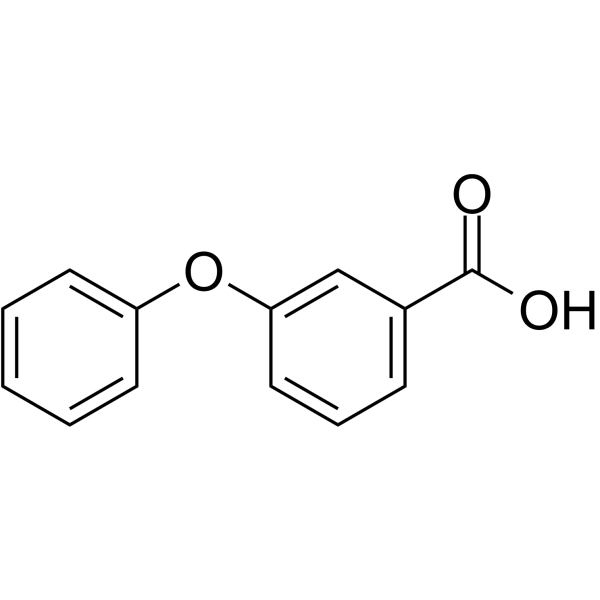
3-Phenoxybenzoic acid is the metabolite of pyrethroid insecticides. 3-Phenoxybenzoic acid induces immunotoxicity and oxidative stress, and inhibits the phagocytic ability of macrophages .
loading...
    loading...
1
1 Cited Publications
Cat. No.: HY-B0487
CAS No.: 434-03-7
Synonyms: Pregneninolone; 17α-Ethynyltestosterone
Target:  

Estrogen Receptor/ERR

Research Areas:  

Metabolic Disease

Ethisterone (Pregneninolone; 17α-Ethynyltestosterone) is a synthetic steroidal estrogen, is an orally active steroidal contraceptive agent. Ethisterone has almost no effect on the phagocytic activity of the reticuloendothelial system in male guinea pigs, while in utero exposure can induce abnormalities in the urogenital system of offspring .
loading...
    loading...
1
1 Cited Publications
Cat. No.: HY-P1117
CAS No.: 271246-66-3
MMK1 is a potent and selective human formyl peptide receptor like-1 (FPRL-1/FPR2) agonist with EC50s of <2 nM and >10000 nM for FPRL-1 and FPR1, respectively. MMK1 is a potent chemotactic and calcium-mobilizing agonist. MMK1 potently activates phagocytic leukocytes and enhances Pertussis Toxin-sensitive production by human monocytes of proinflammatory cytokines IL-1b and IL-6. MMK1 exerts anxiolytic-like activity .
loading...
    loading...
Cat. No.: HY-P1120
CAS No.: 187986-17-0
Synonyms: WKYMVm-amide; W-Peptide
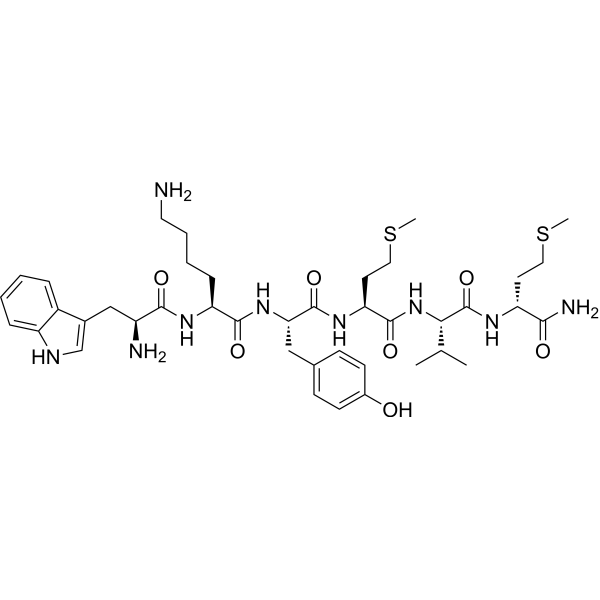
WKYMVm is a selective formylpeptide receptor 2 (FPR2) agonist. WKYMVm has a powerful anti-inflammatory effect that can reduce lung injury and spinal cord injury. WKYMVm ameliorates obesity by regulating lipid metabolism and leptin signaling. WKYMVm is involved in the regulation of immune cells by activating FPRs. WKYMVm can promote the chemotactic migration of immune cells and inhibit the apoptosis of phagocytes. In addition, WKYMVm may play a favorable or unfavorable role in tumors, depending on the type of tumor .
loading...
    loading...
Cat. No.: HY-174378
Target:  

TREM receptor

Research Areas:  

Neurological Disease

TREM2 agonist-4 (Compound 4a) is a TREM2 agonist with a Kd value of 45.9 μM. TREM2 agonist-4 can activate downstream signaling pathways of TREM2 and enhance the phagocytic function of microglia. TREM2 agonist-4 can be used in the research of neurodegenerative diseases such as Alzheimer's disease .
loading...
    loading...
Cat. No.: HY-126213
CAS No.: 326589-90-6
Purity:  ≥99.0%
Synonyms: 18:1 Lyso-PS
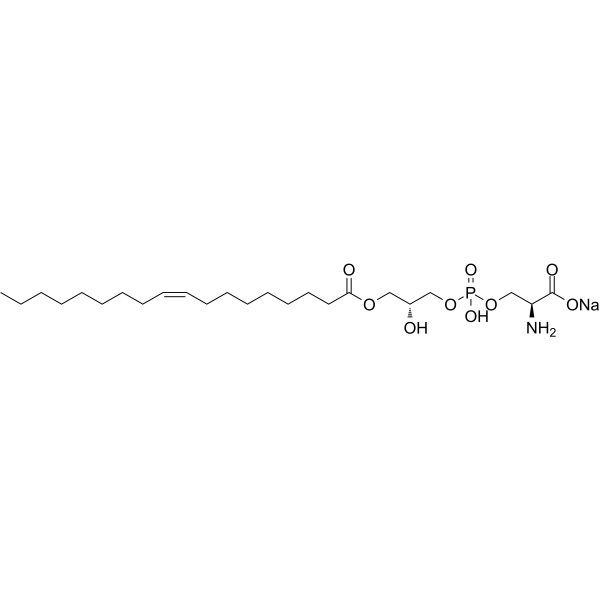
Oleoyl-2-hydroxy-sn-glycero-3-phospho-L-serine sodium (18:1 Lyso-PS) is a modified PS product generated following NADPH oxidase activation and Lyso-PS signal transduction. 1-Oleoyl-2-hydroxy-sn-glycero-3-phospho-L-serine sodium signals through macrophage G2A to enhance the phagocytic uptake of PS-dependent apoptotic (apoptosis) neutrophils and PS-exposed activated neutrophils. 1-Oleoyl-2-hydroxy-sn-glycero-3-phospho-L-serine sodium enhances macrophage phagocytic uptake of apoptotic cells, carboxylate-modified microspheres, and PS-exposed non-apoptotic activated neutrophils. 1-Oleoyl-2-hydroxy-sn-glycero-3-phospho-L-serine sodium serves as an acyl acceptor substrate for the lysophosphatidyltransferase At1g78690p to generate diacylphosphatidylserine. 1-Oleoyl-2-hydroxy-sn-glycero-3-phospho-L-serine sodium reduces the secretion of IL-8 and decreases the proportion of viable colon cancer cells. 1-Oleoyl-2-hydroxy-sn-glycero-3-phospho-L-serine sodium is applicable to studies on peritonitis and inflammatory bowel disease .
loading...
    loading...
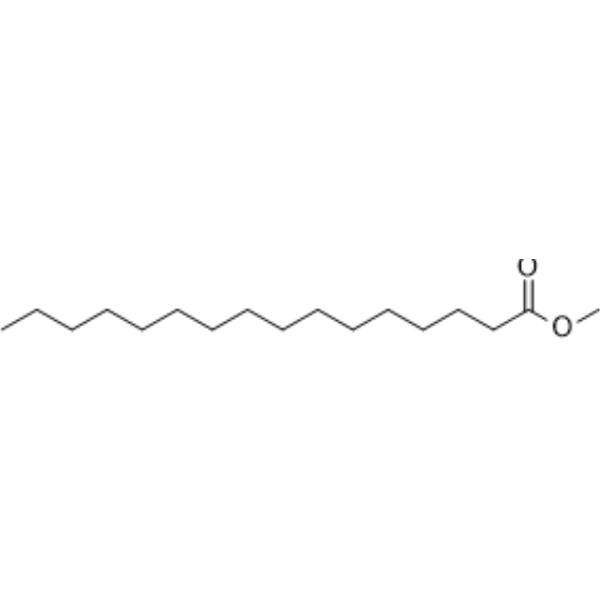
Cat. No.: HY-N1482
CAS No.: 112-39-0
Category:  

Lipids Plants 500 - Internal Server Error | MedChemExpress

Oops!

Sorry, Something went wrong on our server.
Our team has been notified and is working to fix the issue.