39 Results for "

polyurethane matrices

" in MedChemExpress (MCE) Product Catalog:
Products (39)

39 Results for "polyurethane matrices" in MCE Product Catalog:

11
11 Publications Verification
Cat. No.: HY-P1740
CAS No.: 114681-65-1
Target:  

Integrin Apoptosis Caspase

Research Areas:  

Inflammation/Immunology

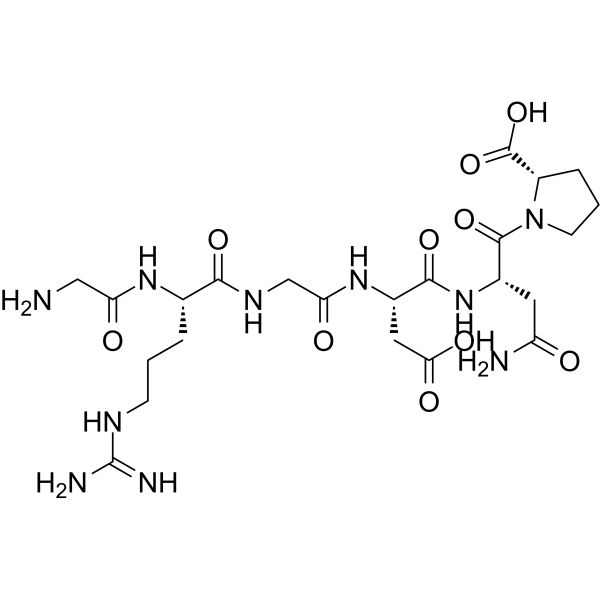
RGD peptide (GRGDNP) is an inhibitor of integrin-ligand interactions. RGD peptide (GRGDNP) competitively inhibits α5β1 binding with extracellular matrice (ECM). RGD peptide (GRGDNP) promotes apoptosis through activation of conformation changes that enhance pro-caspase-3 activation and autoprocessing. RGD peptide (GRGDNP) plays an important role in cell adhesion, migration, growth, and differentiation .
loading...
    loading...
11
11 Publications Verification
Cat. No.: HY-P1740A
Target:  

Integrin Apoptosis

Research Areas:  

Inflammation/Immunology Cancer

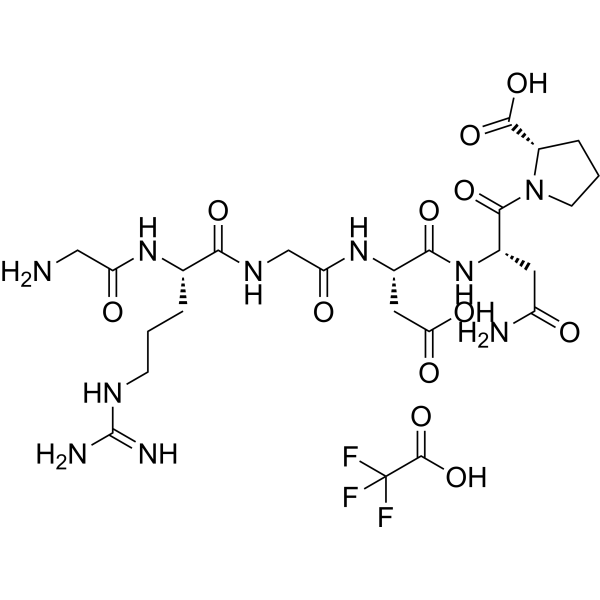
RGD peptide (GRGDNP) TFA is an inhibitor of integrin-ligand interactions. RGD peptide (GRGDNP) TFA competitively inhibits α5β1 binding with extracellular matrice (ECM). RGD peptide (GRGDNP) TFA promotes apoptosis through activation of conformation changes that enhance pro-caspase-3 activation and autoprocessing. RGD peptide (GRGDNP) TFA plays an important role in cell adhesion, migration, growth, and differentiation .
loading...
    loading...
4
4 Cited Publications
Cat. No.: HY-A0104
CAS No.: 9004-65-3
Synonyms: Hypromellose (Viscosity:11250-21000mPa.s); (Hydroxypropyl)methyl cellulose (Viscosity:11250-21000mPa.s); Celacol HPM 5000 (Viscosity:11250-21000mPa.s)
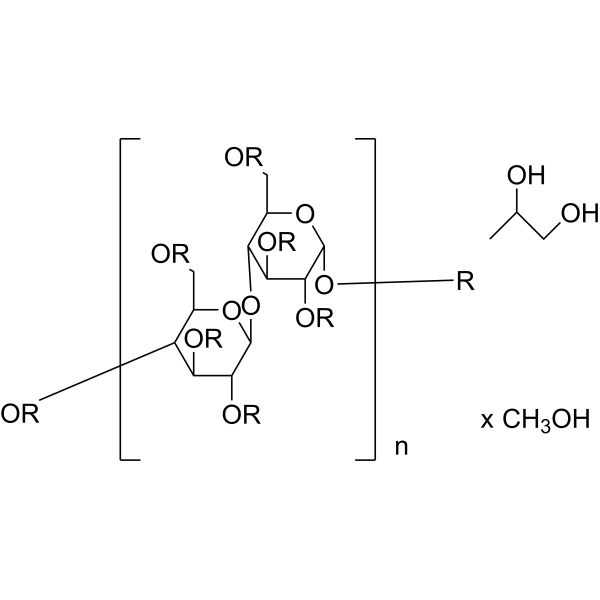
HPMC (Viscosity:11250-21000mPa.s) is a hydrophilic, non-ionic cellulose ether used to form swellable-soluble matrices.
loading...
    loading...
2
2 Cited Publications
Cat. No.: HY-W002105
CAS No.: 3238-40-2
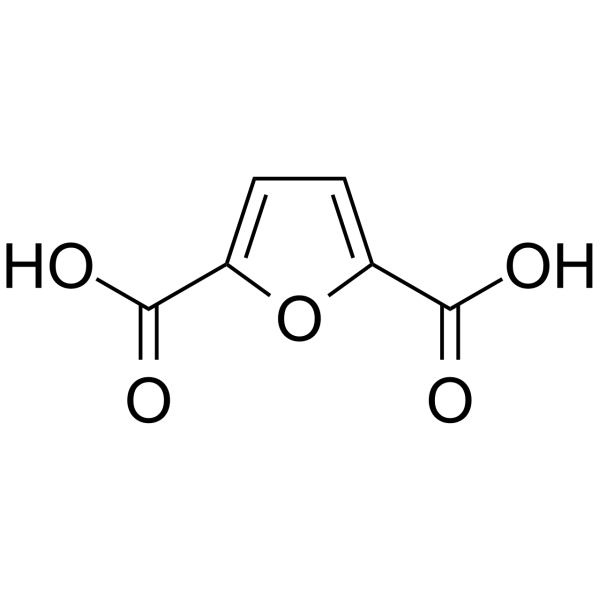
2,5-Furandicarboxylic acid is an endogenous metabolite that can be detected in human urine. 2,5-Furandicarboxylic acid serves as an environmentally friendly substitute for terephthalic acid in the production of polyesters. 2,5-Furandicarboxylic acid can be used as the raw material for various chemical intermediates to synthesize polymers, polyurethanes, thermosetting resins, and plasticizers .
loading...
    loading...
1
1 Cited Publications
Cat. No.: HY-W030778
CAS No.: 139-13-9
Synonyms: Triglycollamic acid
Research Areas:  

Others

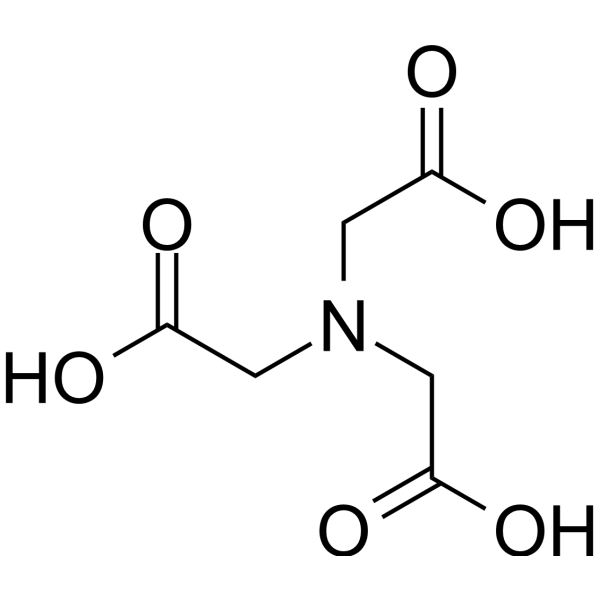
Nitrilotriacetic acid is an orally active chelating agent for metal ions. Nitrilotriacetic acid is an aminotricarboxylic acid that can sequester metal ions as water soluble complexes. Nitrilotriacetic acid reacts with strong oxidizing agents such as hypochlorite, chlorine, ozone, or oxygen in the presence of palladium/carbon catalyst. Nitrilotriacetic acid interacts with solid phases such as cell membranes and bone matrices in the mammalian system. Nitrilotriacetic acid is classified as an epigenetic rodent carcinogen .
loading...
    loading...
Cat. No.: HY-A0104J
CAS No.: 9004-65-3
Synonyms: Hypromellose (Type II,Viscosity:5mPa.s); (Hydroxypropyl)methyl cellulose (Type II,Viscosity:5mPa.s); Celacol HPM 5000 (Type II,Viscosity:5mPa.s)
HPMC (Hypromellose) (Type II,Viscosity:5mPa.s) is a hydrophilic, non-ionic cellulose ether used to form swellable-soluble matrices. HPMC (Type II,Viscosity:5mPa.s) is widely used in agent formulations due to its biocompatibility, uncharged nature, solubility in water and thermoplastic behavior .
loading...
    loading...
Cat. No.: HY-Y0338
CAS No.: 107-21-1
Ethylene glycol is an organic compound that is often used as an antifreeze agent and coolant. Ethylene glycol lowers the freezing point by forming hydrogen bonds with water molecules, exerting antifreeze activity. Ethylene glycol is also used as a raw material in the synthesis of polymers such as polyester fibers and polyurethanes .
loading...
    loading...
Cat. No.: HY-D2836
Synonyms: FITC-Hyaluronate (MW 1000000)
FITC-HA (MW 1000000) is hyaluronic acid (HA) (HY-B0633A) labeled with FITC (HY-66019). FITC-HA retains the ability of HA to bind to receptors (such as CD44) and form extracellular matrices, while it can be detected by fluorescence microscopy or flow cytometry for tracing the localization, binding, internalization and metabolic pathways of HA in cells, tissues or living organisms (Ex/Em ≈ 490/520 nM) .
loading...
    loading...
Cat. No.: HY-B1727S
CAS No.: 1517-22-2
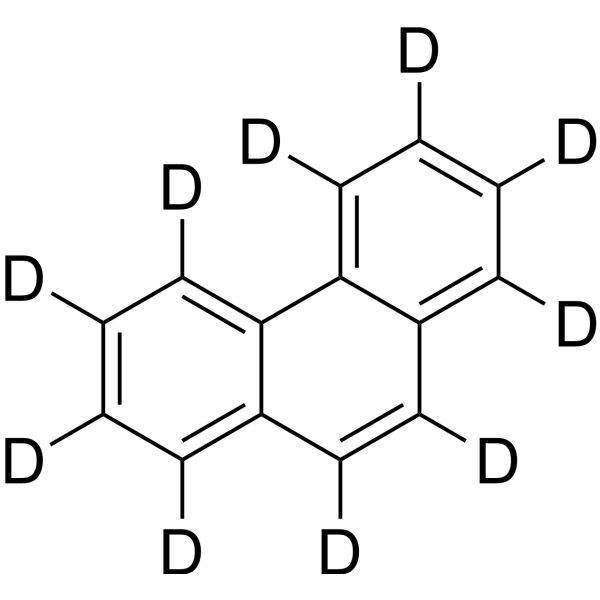
Phenanthrene-d10 is the deuterium labeled Phenanthrene. Phenanthrene is a polycyclic aromatic hydrocarbon (PAH) and has been frequently used as an indicator for monitoring PAH contaminated matrices . Phenanthrene induces oxidative stress and inflammation .
loading...
    loading...
Cat. No.: HY-P11070
CAS No.: 1927877-75-5
Target:  

Inhibitory Antibodies

Research Areas:  

Others

SDSSD is an osteoblast-targeting peptide. SDSSD selectively binds to periostin on osteoblasts and mediates targeted delivery to these cells. SDSSD can endow calcium phosphate nanocomposites with bone-targeting properties, and these materials exhibit osteointegrative capacity in both in vitro and in vivo models. When conjugated with polyurethane nanomicelles, SDSSD enables targeted delivery of siRNA/microRNA to osteoblasts .
loading...
    loading...
Cat. No.: HY-W016153
CAS No.: 6627-55-0
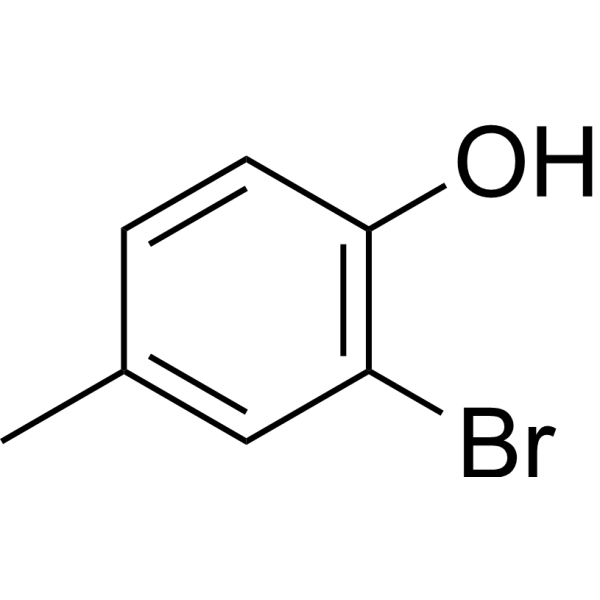
2-Bromo-4-methylphenol is a versatile compound. 2-Bromo-4-methylphenol produces an iodine-like odor in reverse osmosis water and red wine matrices. 2-Bromo-4-methylphenol exhibits antibacterial properties and effectively inhibits the growth of bacteria and fungal. 2-Bromo-4-methylphenol is an important intermediate for a variety of organic compounds .
loading...
    loading...
Cat. No.: HY-32876
CAS No.: 16133-25-8
Research Areas:  

Others

Pyridine-3-sulfonyl chloride is a sulfonyl chlorination derivatization reagent for steroidal estrogens. Pyridine-3-sulfonyl chloride reacts with estrogens to form pyridine-3-sulfonyl derivatives, which generate abundant analyte-specific fragment ions upon collision-induced dissociation. Pyridine-3-sulfonyl chloride facilitates quantitative LC-ESI-MS/MS analysis of estrogens in serum and water matrices .
loading...
    loading...
Cat. No.: HY-W587839
CAS No.: 919005-14-4
Research Areas:  

Endocrinology

4,8-Dioxa-3H-perfluorononanoic acid is an ether-substituted polyfluoroalkyl compound and also a ligand of human pregnane X receptor (hPXR), which binds to the ligand-binding domain of hPXR. 4,8-Dioxa-3H-perfluorononanoic acid targets Arg-410, Lys-210, Lys-226, Met-323 and His-327 residues. Its binding process relies on long-range electrostatic interactions, and no significant hydrogen bonds form with hPXR residues. 4,8-Dioxa-3H-perfluorononanoic acid is used as a substitute for PFOA in Germany. 4,8-Dioxa-3H-perfluorononanoic acid is detectable in environmental matrices such as river water near fluoride production plants, accumulates in organisms including grass, deer liver and locusts, and is present in plasma samples of populations in southern Germany .
loading...
    loading...
Cat. No.: HY-W392100C
CAS No.: 36890-68-3
Synonyms: PCL-diol (MW 10000)
Polycaprolactone diol (MW 10000) is a biocompatible, biodegradable polymer and also a castor oil-based polyurethane additive. Polycaprolactone diol (MW 10000) is used in studies of wound dressings and non-absorbable suture biomaterials .
loading...
    loading...
Cat. No.: HY-W017508
CAS No.: 629-41-4
1,8-Octanediol is an aliphatic diol and also a monomer used in the synthesis of polyesters and polyurethanes. As a monomer, 1,8-Octanediol participates in the lipase-catalyzed bulk polycondensation with adipic acid for the synthesis of aliphatic polyesters. 1,8-Octanediol can be applied in relevant studies in fields such as material synthesis .
loading...
    loading...
Cat. No.: HY-139201E
CAS No.: 27964-99-4
Synonyms: PDLHB (MW 150000-300000)
Poly-D-lysine hydrobromide (MW 150000-300000) is a synthetic polymer composed of D-lysine residues and is one of the most widely used matrices in neural cell culture applications. Poly-D-lysine hydrobromide (MW 150000-300000) can be used as a non-specific cell adhesion enhancer. Poly-D-lysine hydrobromide (MW 30000-70000) is an orally active CaSR agonist peptide that indirectly activates the 5-HT₃ receptor signaling pathway, delaying gastric emptying and thereby slowing the rate at which glucose enters the small intestine and is absorbed .
loading...
    loading...
Cat. No.: HY-W051391
CAS No.: 96556-05-7
Synonyms: Me3TACN
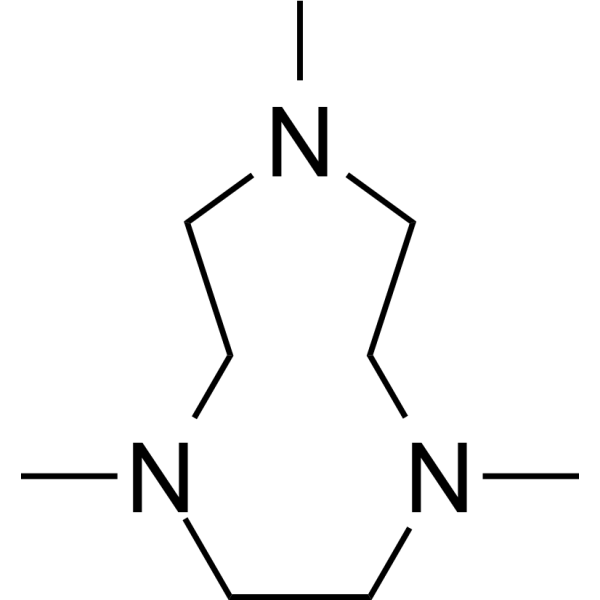
1,4,7-Trimethyl-1,4,7-triazonane, also known as TMT or trimethylenetris(aziridine), is a cyclic organic compound. TMT is commonly used as a crosslinking agent and a precursor for polymer and resin synthesis. In addition, it is used as a stabilizer in the production of polyurethane foam and as a curing agent for epoxy resins. Due to its high reactivity and stability, TMT is considered to be a versatile and efficient reagent in various applications.
loading...
    loading...
Cat. No.: HY-Y0850U2
CAS No.: 9002-89-5
Synonyms: Polyvinyl alcohol (Mw 130000, 87-89% hydrolyzed, ~2700 polymerization); Poly(Ethenol) (Mw 130000, 87-89% hydrolyzed, ~2700 polymerization)
PVA (Polyvinyl alcohol; Poly(Ethenol)) (Mw 130000, 87-89% hydrolyzed, ~2700 polymerization) is a non-toxic, biodegradable, and highly biocompatible semicrystalline synthetic polymer. PVA (Mw 130000, 87-89% hydrolyzed, ~2700 polymerization) acts as a coating agent to improve tableting performance, and can be cross-linked with sodium trimetaphosphate to prepare tubular vascular grafts or form hydrogels for use as artificial articular cartilage and sustained-release matrices for growth factors. PVA (Mw 130000, 87-89% hydrolyzed, ~2700 polymerization) enhances the redox cycle of iron species in photo-assisted Fenton reactions to simultaneously generate hydrogen peroxide and degrade pollutants, enabling integrated sustainable waste management and water treatment. PVA (Mw 130000, 87-89% hydrolyzed, ~2700 polymerization) is used in the manufacture of biodegradable films and in studies of dry or minimally invasive ex vivo wounds, but cannot form freeze-thaw cross-linked solid sheets for wound dressings .
loading...
    loading...
Cat. No.: HY-D2836I
Synonyms: FITC-Hyaluronate (MW 5000)
FITC-HA (MW 5000) is hyaluronic acid (HA) (HY-B0633A) labeled with FITC (HY-66019). FITC-HA retains the ability of HA to bind to receptors (such as CD44) and form extracellular matrices, while it can be detected by fluorescence microscopy or flow cytometry for tracing the localization, binding, internalization and metabolic pathways of HA in cells, tissues or living organisms (Ex/Em ≈ 490/520 nM) .
loading...
    loading...
Cat. No.: HY-121991
CAS No.: 79206-51-2
Target:  

Glycosidase

Research Areas:  

Others

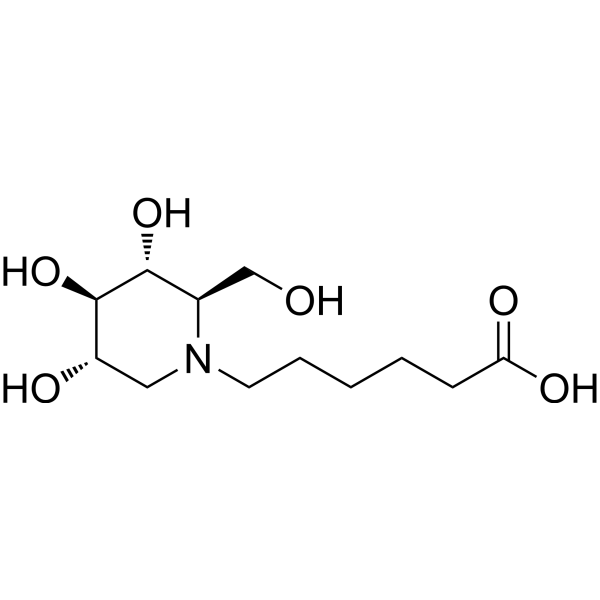
N-5-Carboxypentyl-1-deoxynojirimycin is an alpha-glucosidase inhibitor, and also can be used to prepare affinity matrices for binding to resins.
loading...
    loading...

