35 Results for "

primary infection

" in MedChemExpress (MCE) Product Catalog:
Products (35)

35 Results for "primary infection" in MCE Product Catalog:

2
2 Cited Publications
Cat. No.: HY-P1258
CAS No.: 158442-41-2
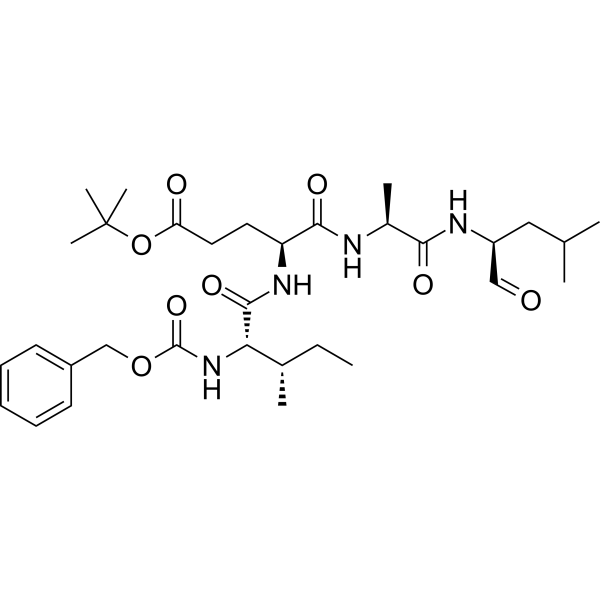
Synonyms: Proteasome Inhibitor 1; Z-Ile-Glu(OtBu)-Ala-Leu-CHO
Target:  

Proteasome

Research Areas:  

Infection Cancer

PSI (Proteasome Inhibitor 1) is a potent proteasome inhibitor. PSI inhibits the proliferation of primary effusion lymphoma (PEL) cells. PSI has the potential for the research of Kaposi’s sarcoma-associated herpesvirus (KSHV) infection and KSHV-associated lymphomas .
loading...
    loading...
1
1 Cited Publications
Cat. No.: HY-B0488
CAS No.: 60200-06-8
Synonyms: L631529; MK401
Target:  

Parasite

Research Areas:  

Infection

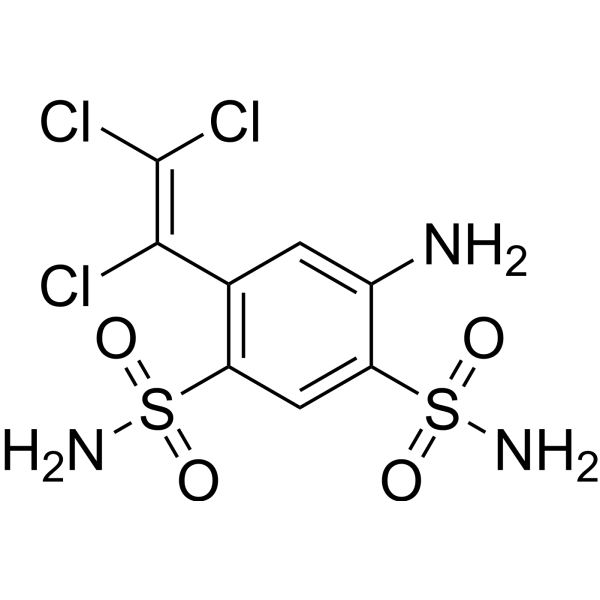
Clorsulon (L631529; MK401) is an orally active flukicidal agent. Clorsulon inhibits glycolysis, the primary energy production pathway in flukes. Clorsulon is also a competitive inhibitor of 3-phosphoglycolate and ATP, inhibiting glucose utilization and acetate and propionate formation by mature Fasciola hepatica in vitro. Clorsulon can be used in studies of liver fluke (Fasciola hepatica and Fasciola gigantica) infection in calves and sheep .
loading...
    loading...
1
1 Cited Publications
Cat. No.: HY-134338
CAS No.: 1314008-27-9
Purity:  99.86%
Research Areas:  

Others

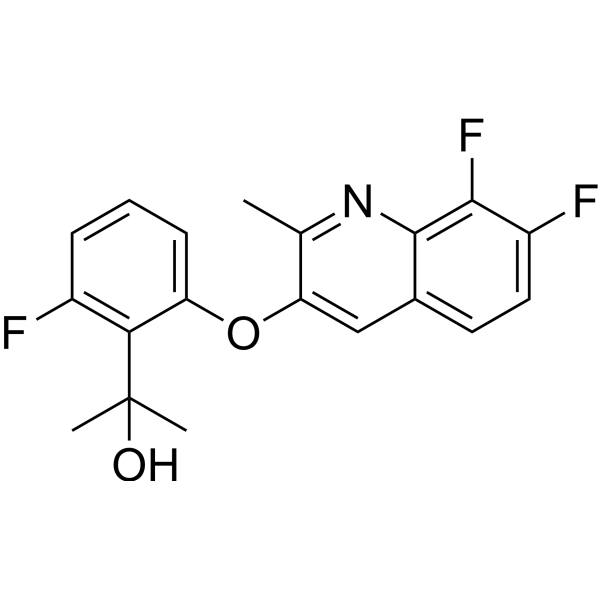
Ipflufenoquin is an insecticide with the potential to control primary infection with apple scab. Ipflufenoquin should be applied between half an inch of green and fruit set .
loading...
    loading...
1
1 Cited Publications
Cat. No.: HY-100590
CAS No.: 708219-39-0
Purity:  99.89%
Synonyms: BRD6125
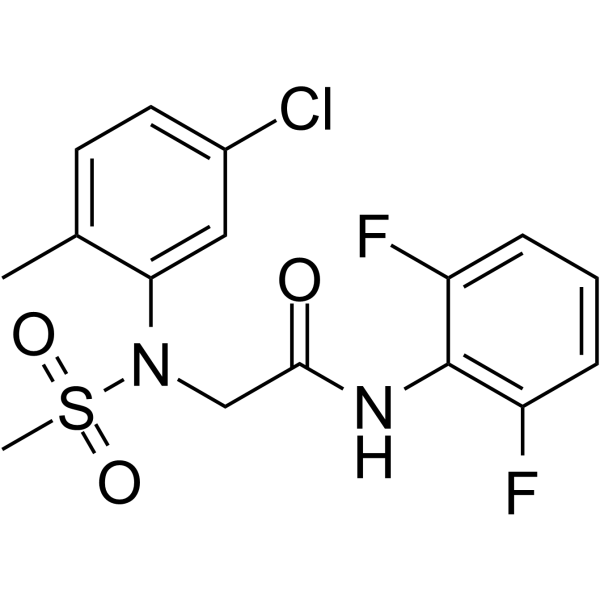
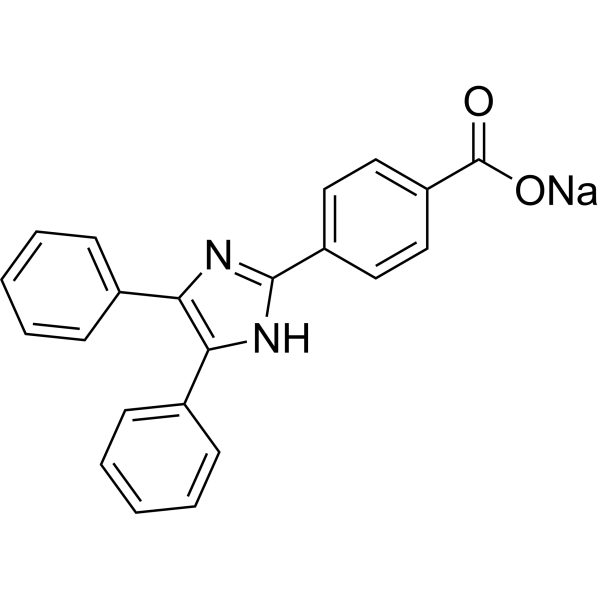
FPH1 (BRD6125) is a hepatocyte proliferation agent that promotes functional proliferation of primary human hepatocytes and improves hepatocyte proliferation and secretory phenotypes. FPH1 promotes hepatocyte differentiation and maturation of human mesenchymal stem cells, and induces transcriptional upregulation of adult liver xenobiotic metabolism enzymes, including CYP2D6, CYP3A4, CYP2C19, and MAO-A. FPH1-induced chemical maturation confers primaquine sensitivity and reduces P. yoelii-luc and P. falciparum infection. FPH1 can be used in research related to liver diseases, such as liver failure and Plasmodium infection .
loading...
    loading...
Cat. No.: HY-B1309
CAS No.: 621-42-1
Synonyms: AMAP
Metacetamol (AMAP) is an analog of Acetaminophen (HY-66005). Metacetamol induces dose-dependent necrosis in primary hepatocytes via glutathione depletion, mitochondrial damage, and formation of mitochondrial protein adducts. Metacetamol derivatives act as anticancer and antibacterial agents. Metacetamol can be used in studies related to breast cancer, bacterial infections, and fungal infections (candidiasis) .
loading...
    loading...
Cat. No.: HY-122280
CAS No.: 26198-65-2
Purity:  97.23%
Aerobactin is a siderophore produced by bacteria. Aerobactin exhibits the primary activity of chelating ferric ions and transporting them into bacterial cells. Aerobactin promotes bacterial growth, biofilm formation, antioxidant stress resistance, and enhances bacterial virulence and transcellular translocation ability under iron-deficient conditions. Aerobactin is used in research on bacterial infections .
loading...
    loading...
Cat. No.: HY-153932
CAS No.: 2550399-06-7
Research Areas:  

Infection Cancer

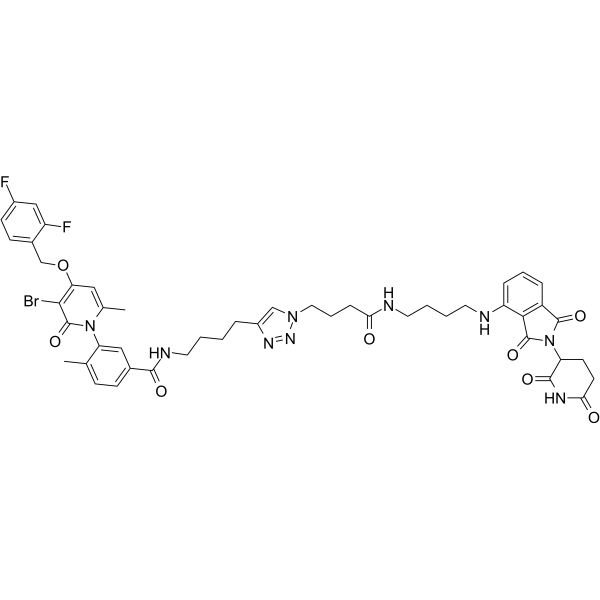
NR-7h is a selective p38α/p38β MAPK PROTAC degrader with multiple activities including anti-leishmanial, anti-malarial, and anti-Mayaro virus properties. NR-7h induces specific degradation of p38α/p38β isoforms and p38-MAPK via the ubiquitin-proteasome system. NR-7h reduces the load of Leishmania donovani, modulates the cytokine profile toward a pro-inflammatory phenotype, and enhances the oxidative burst of macrophages. NR-7h inhibits the growth of Plasmodium falciparum in human red blood cells and merozoite invasion. NR-7h reduces the replication of Mayaro virus and the expression of E1 protein in primary human dermal fibroblasts. NR-7h can be used in studies related to parasitic infections, viral infections, and breast cancer .
loading...
    loading...
Cat. No.: HY-173679
CAS No.: 2569517-30-0
Research Areas:  

Infection Cancer

RBN012811 is a highly selective PROTAC-based PARP14 degrader. RBN012811 forms a ternary complex with cereblon by binding to the NAD + site of PARP14, and mediates the specific degradation of PARP14 via the ubiquitin-proteasome pathway (IC50=10 nM). RBN012811 effectively depletes endogenous PARP14 in various cell lines and primary human macrophages, thereby downregulating IL-10 production and IFN-β mRNA levels, increasing phosphorylated STAT1 levels to enhance inflammatory signaling, and inhibiting interferon-induced ADPr condensate formation. RBN012811 also modulates viral replication, exhibiting increased HSV1 replication while reducing VSV replication. RBN012811 has important application value in research related to cancer and viral infections .
loading...
    loading...
Cat. No.: HY-N7097
CAS No.: 28002-18-8
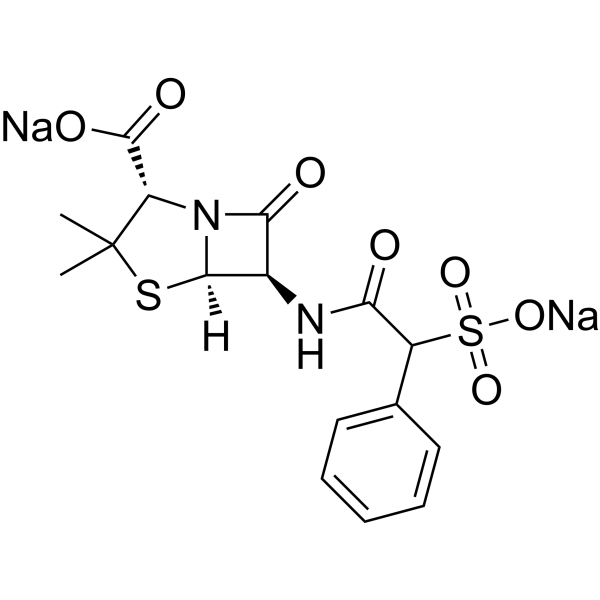
Sulbenicillin disodium is a semisynthetic α-sulfonylbenzylpenicillin antibiotic. Sulbenicillin disodium exerts antibacterial activity against multiple gram-negative rods. Sulbenicillin disodium inhibits primary and secondary platelet aggregation, serotonin release from platelets, and platelet adherence via platelet surface coating. Sulbenicillin disodium can be used for the research of Pseudomonas aeruginosa, Pseudomonas maltophilia, and Pseudomonas cepacia infections .
loading...
    loading...
Cat. No.: HY-103078
CAS No.: 5496-35-5
Purity:  99.71%
Research Areas:  

Infection

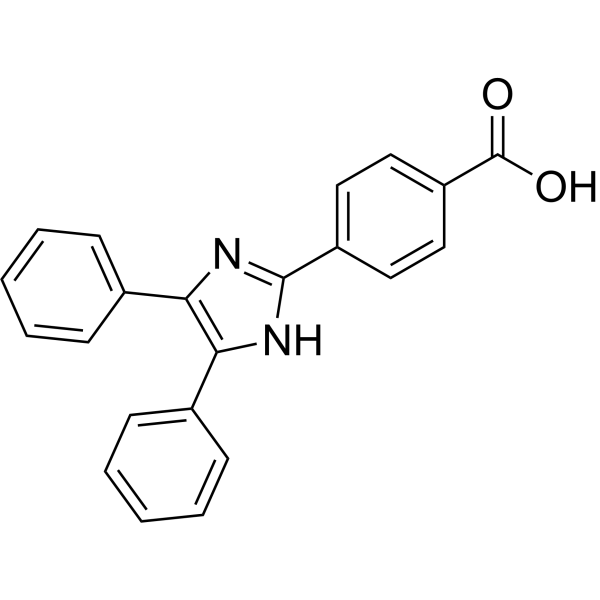
I-XW-053 is a specific anti-HIV-1 capsid inhibitor (IC50=164.2 μM). By binding to the CA NTD-NTD hexamerization interface and the R173 region of CTD (Kd=66.3 μM), I-XW-053 disrupts capsid function and reduces polymerization levels. I-XW-053 effectively blocks HIV-1 uncoating, inhibits reverse transcription and early replication, and exhibits broad-spectrum activity against primary HIV-1 isolates in peripheral blood mononuclear cells. I-XW-053 can be widely used in studies related to HIV-1 infection .
loading...
    loading...
Cat. No.: HY-160267
CAS No.: 950403-60-8
Target:  

HIV DNA/RNA Synthesis

Research Areas:  

Infection Neurological Disease Cancer

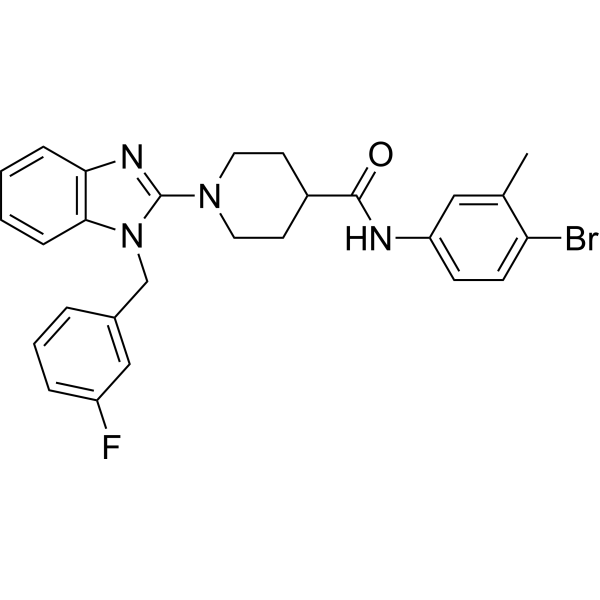
iPAF1C is a inhibitor of the polymerase-associated factor 1 complex (PAF1C) with specific targeting to the PAF1 binding groove of CTR9 (a key subunit of PAF1C). iPAF1C disrupts PAF1C assembly by interfering with the PAF1-CTR9 interaction. iPAF1C selectively impairs BRD4-mediated recruitment of PAF1 to chromatin at hypoxia-responsive genes and inhibits RNA polymerase II (RNAPII) pause release. iPAF1C increases the population of HIV-1 NL4.3 Nef-IRES-GFP infected primary human CD4 +T cells in a dose-dependent manner. PAF1C can be used for the study of infection and diseases associated with abnormal hypoxic adaptation (e.g., cancers, neurological disorders) .
loading...
    loading...
Cat. No.: HY-I0673
CAS No.: 370-50-3
Target:  

Apoptosis

Research Areas:  

Infection Inflammation/Immunology

Flucofuron exhibits high efficacy against trophozoites of both N. fowleri strains (ATCC 30808 : IC50 = 2.58 μM and ATCC 30215: IC50 = 2.47 μM), being even active against the resistant cyst stage (IC50 = 0.88 μM). Flucofuron can induce cell apoptosis. Flucofuron can be used for the researches of infection and inflammation, such as Primary amoebic meningoencephalitis (PAM) .
loading...
    loading...
Cat. No.: HY-N12201
CAS No.: 11055-06-4
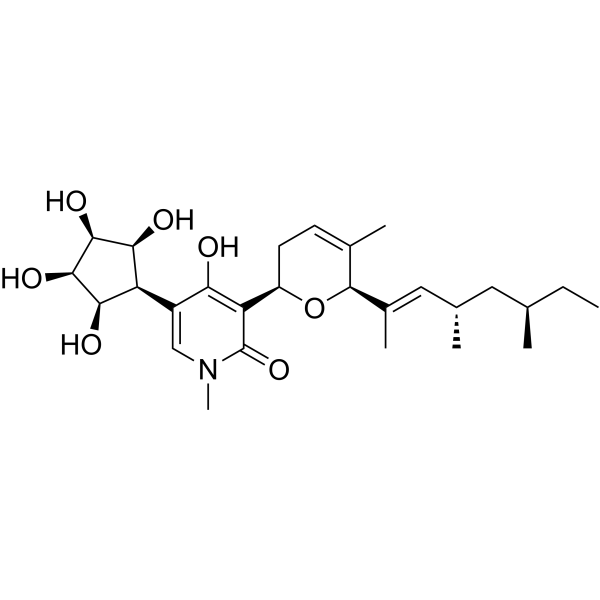
Funiculosin is a neutral lipophilic antibiotic that inhibits DNA and RNA viruses. Funiculosin also has antifungal activity. Funiculosin inhibits infections caused by pathogenic fungi in primary chicken embryo fibroblasts .
loading...
    loading...
Cat. No.: HY-W783297
CAS No.: 102190-68-1
Target:  

Parasite

Research Areas:  

Infection

8a-OH-Avermectin B1a is a key primary monooxygenated degradate generated during the photodegradation of Avermectin B1a (HY-15308). 8a-OH-Avermectin B1a can be used for the study of antiparasitic infection .
loading...
    loading...
Cat. No.: HY-14391
CAS No.: 1231747-08-2
Synonyms: GS-558093
Target:  

HCV

Research Areas:  

Infection

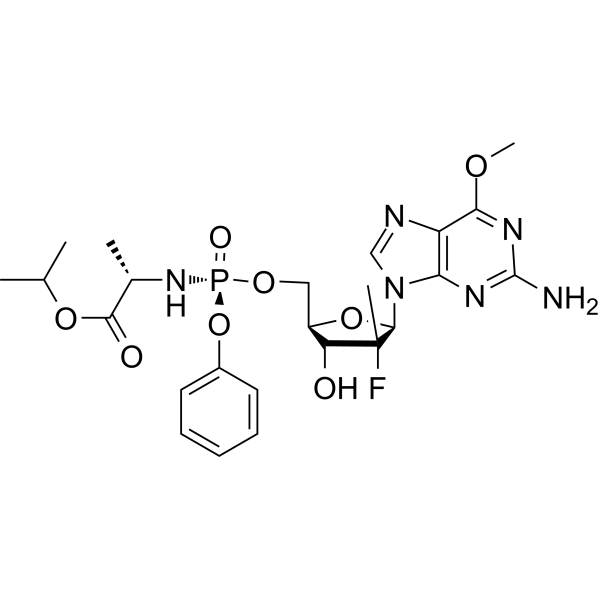
PSI-353661 (GS-558093) is a purine nucleotide NS5B polymerase inhibitor against HCV infection. PSI-353661 shows EC90s of 8 nM and 11 nM for wild type and S282T resistant replicons of HCV. PSI-353661 can produce high concentrations of the active triphosphate in primary human hepatocytes .
loading...
    loading...
Cat. No.: HY-122280R
CAS No.: 26198-65-2
Aerobactin (Standard) is the analytical standard of Aerobactin (HY-122280). This product is intended for research and analytical applications. Aerobactin is a siderophore produced by bacteria. Aerobactin exhibits the primary activity of chelating ferric ions and transporting them into bacterial cells. Aerobactin promotes bacterial growth, biofilm formation, antioxidant stress resistance, and enhances bacterial virulence and transcellular translocation ability under iron-deficient conditions. Aerobactin is used in research on bacterial infections .
loading...
    loading...
Cat. No.: HY-103078A
CAS No.: 1644644-89-2
Research Areas:  

Infection

I-XW-053 sodium is a specific anti-HIV-1 capsid inhibitor (IC50=164.2 μM). By binding to the CA NTD-NTD hexamerization interface and the R173 region of CTD (Kd=66.3 μM), I-XW-053 sodium disrupts capsid function and reduces polymerization levels. I-XW-053 sodium effectively blocks HIV-1 uncoating, inhibits reverse transcription and early replication, and exhibits broad-spectrum activity against primary HIV-1 isolates in peripheral blood mononuclear cells. I-XW-053 sodium can be widely used in studies related to HIV-1 infection .
loading...
    loading...
Cat. No.: HY-P10517
CAS No.: 857094-21-4
Synonyms: SFT
Target:  

HIV

Research Areas:  

Infection

Sifuvirtide (SFT) is a potent HIV fusion inhibitor. Sifuvirtide inhibits HIV-1 mediated cell fusion in a dose-dependent manner and is highly potent against infection by primary and laboratory-adapted HIV-1 isolates of multiple genotypes. Sifuvirtide can be used in the research of anti-HIV drugs .
loading...
    loading...
Cat. No.: HY-P11064
CAS No.: 1338598-65-4
Target:  

Bacterial

Research Areas:  

Infection

G(IIKK)3I-NH2 is an antimicrobial peptide. G(IIKK)3I-NH2 exhibits potent antibacterial activity against both Gram-negative and Gram-positive bacteria. G(IIKK)3I-NH2 has low toxicity to primary cells and mice, and G(IIKK)3I-NH2 is not easy to induce bacterial resistance. G(IIKK)3I-NH2 can be used in the research of anti-infection agents .
loading...
    loading...
Cat. No.: HY-P1258A
Synonyms: Proteasome Inhibitor 1 TFA; Z-Ile-Glu(OtBu)-Ala-Leu-CHO TFA
Target:  

Proteasome

Research Areas:  

Infection Cancer

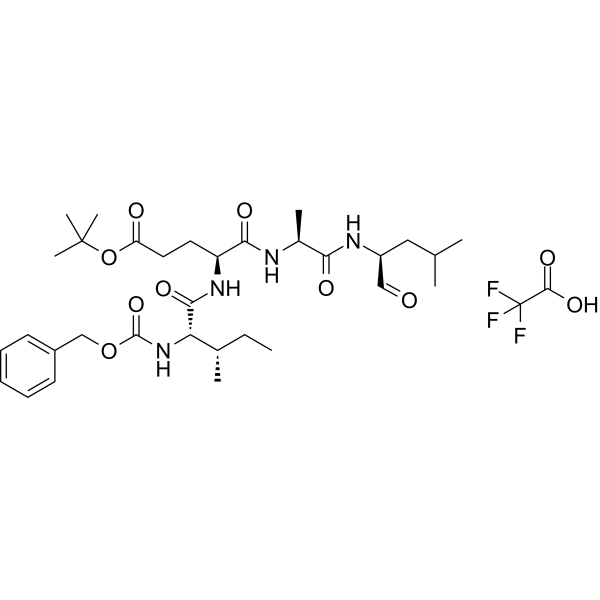
PSI (TFA) is a potent proteasome inhibitor. PSI (TFA) inhibits the proliferation of primary effusion lymphoma (PEL) cells. PSI (TFA) can be used for the research of Kaposi’s sarcoma-associated herpesvirus (KSHV) infection and KSHV-associated lymphomas .
loading...
    loading...

