271 Results for "

proteasome activity

" in MedChemExpress (MCE) Product Catalog:
Products (271)

271 Results for "proteasome activity" in MCE Product Catalog:

2335
2335 Publications Verification
Cat. No.: HY-13259
CAS No.: 133407-82-6
Purity:  99.90%
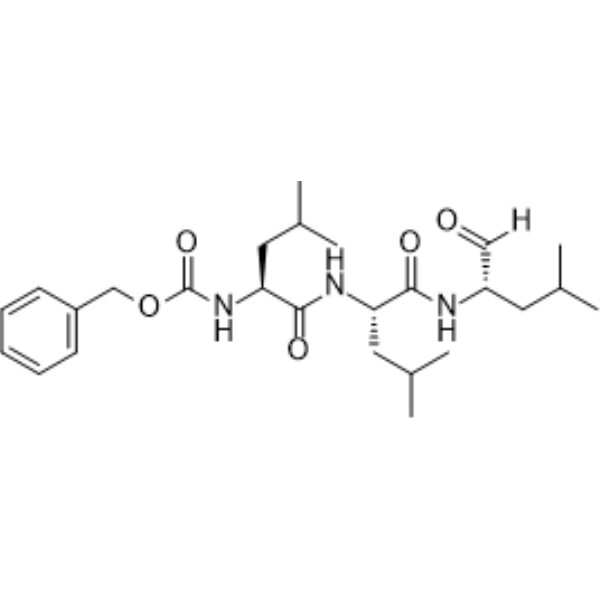
Synonyms: Z-Leu-Leu-Leu-al; MG132
Research Areas:  

Cancer

MG-132 (Z-Leu-Leu-Leu-al) is a potent proteasome and calpain inhibitor with IC50s of 100 nM and 1.2 μM, respectively. MG-132 effectively blocks the proteolytic activity of the 26S proteasome complex. MG-132, a peptide aldehyde, also is an autophagy activator. MG-132 also induces apoptosis .
loading...
    loading...
69
69 Cited Publications
Cat. No.: HY-13067
CAS No.: 34157-83-0
Purity:  99.64%
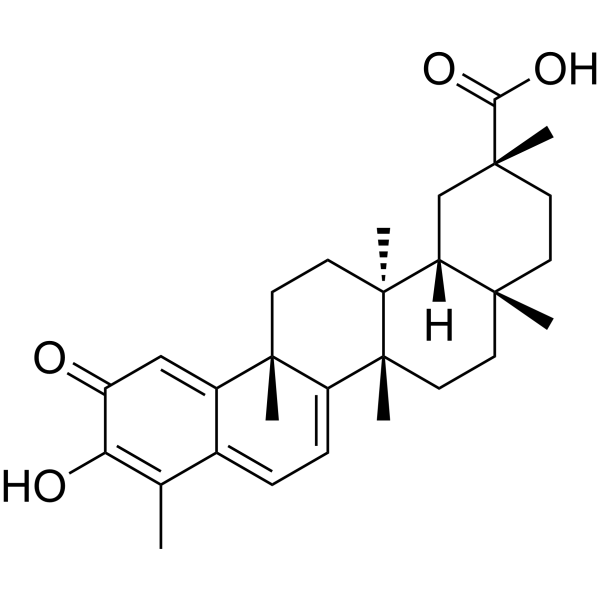
Synonyms: Tripterine; Tripterin
Celastrol (Tripterine;Tripterin) is a proteasome inhibitor which potently and preferentially inhibits the chymotrypsin-like activity of a purified 20S proteasome with IC50 of 2.5 μM. In addition, Celastrol is also an antibiotic with potent antimicrobial activity against standard and clinical methicillin-resistant Staphylococcus aureus (MRSA) strains, inducing oxidative stress and inhibiting DNA synthesis by binding to P5CDH .
loading...
    loading...
31
31 Cited Publications
Cat. No.: HY-13821
CAS No.: 134381-21-8
Purity:  99.39%
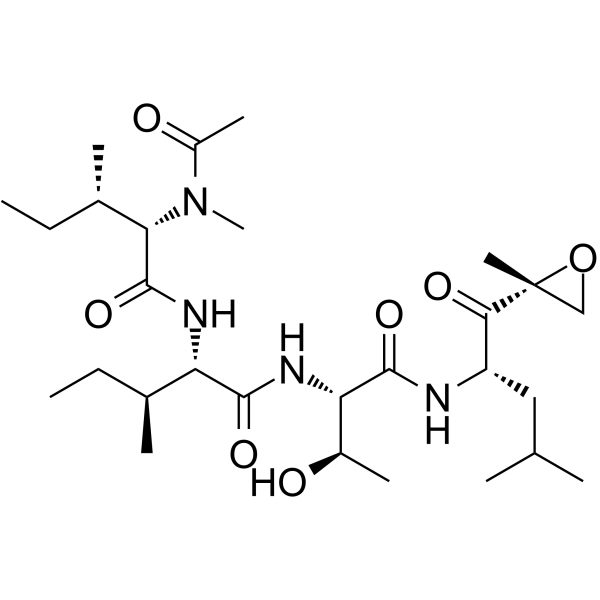
Synonyms: BU-4061T
Epoxomicin (BU-4061T) is an epoxyketone-containing natural product and a potent, selective and irreversible proteasome inhibitor. Epoxomicin covalently binds to the LMP7, X, MECL1, and Z catalytic subunits of the proteasome and potently inhibits primarily the chymotrypsin-like activity. Epoxomicin can cross the blood-brain barrier. Epoxomicin has strongly antitumor and anti-inflammatory activity .
loading...
    loading...
26
26 Cited Publications
Cat. No.: HY-13817
CAS No.: 314245-33-5
Purity:  99.30%
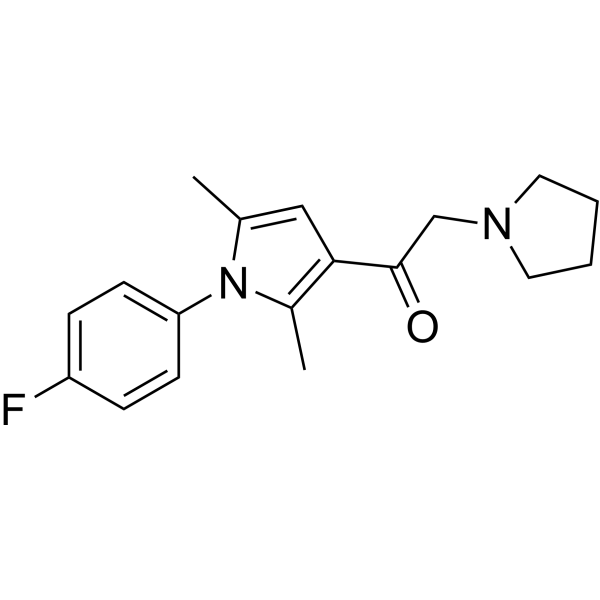
IU1 is a selective, reversible USP14 inhibitor with an IC50 of 4-5 μM. IU1 binds USP14’s catalytic cleft to block deubiquitinase activity. IU1 induces calpain-dependent Tau cleavage, causes ATP deficits, reduces E1~Ub thioester levels and 26S proteasome assembly. IU1 enhances 26S proteasome chymotrypsin-like activity, modulates LC3B-dependent autophagy flux, reduces cancer cell proliferation and migration, and blocks G0/G1 to S phase cell cycle transition in follicular thyroid cancer cells. IU1 activates autophagy-lysosomal and ubiquitin-proteasome pathways, triggers apoptosis, and reduces cervical cancer cell growth. IU1 enhances degradation of proteasome substrates linked to neurodegenerative disease, accelerates oxidized protein degradation, and increases oxidative stress resistance. IU1 can be used for the research of Alzheimer’s disease, follicular thyroid cancer, ischemic stroke, cervical cancer, and neurodegenerative disease .
loading...
    loading...
21
21 Cited Publications
Cat. No.: HY-N2117
CAS No.: 548-19-6
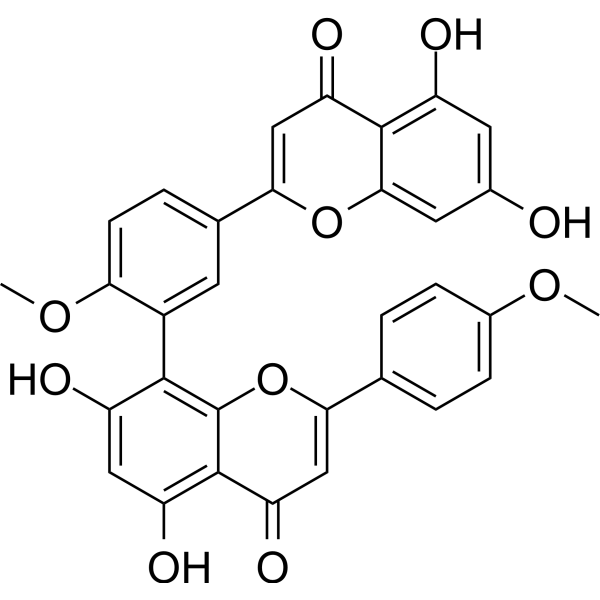
Isoginkgetin is a pre-mRNA splicing inhibitor inhibitor. Isoginkgetin also inhibits activities of both Akt, NF-κB and MMP-9. Isoginkgetin inhibits the activity of the 20S proteasome, induces apoptosis and activates autophagy .
loading...
    loading...
19
19 Cited Publications
Cat. No.: HY-10985
CAS No.: 437742-34-2
Purity:  99.13%
Synonyms: Salinosporamide A; NPI-0052
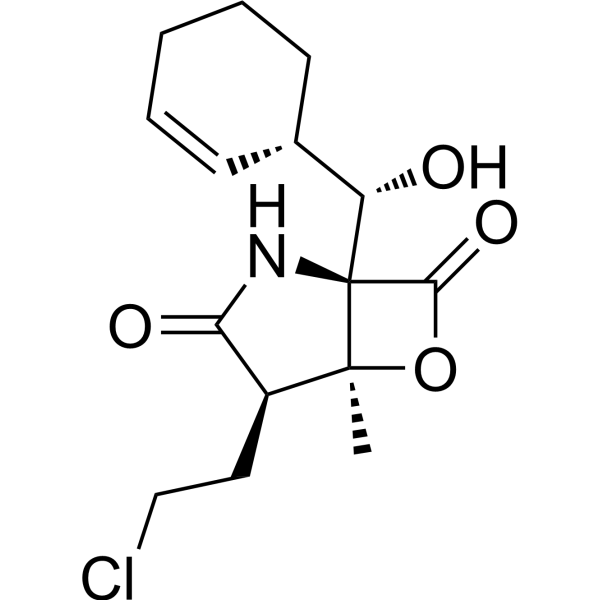
Marizomib (Salinosporamide A) is a second-generation, irreversible, brain-penetrant, pan-proteasome inhibitor. Marizomib inhibits the CT-L (β5), CT-T-laspase-like (C-L, β1) and trypsin-like (T-L, β2) activities of the 20S proteasome (IC50=3.5, 28, and 430 nM, respectively) .
loading...
    loading...
16
16 Cited Publications
Cat. No.: HY-12743
CAS No.: 191089-59-5
Purity:  98.02%
Target:  

Proteasome Apoptosis

Research Areas:  

Inflammation/Immunology Cancer

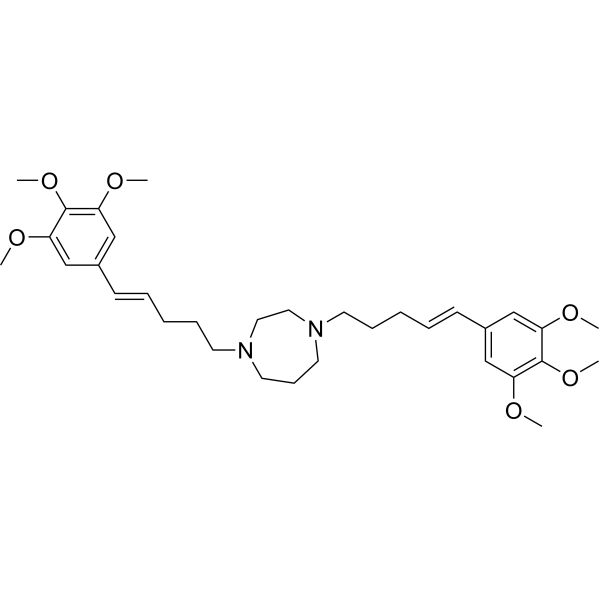
K-7174 is an orally active proteasome and GATA inhibitor. K-7174 is a cell adhesion inhibitor. K-7174 induces cell apoptosis. K-7174 shows antitumor activities, it can be used for the research of cancer .
loading...
    loading...
16
16 Cited Publications
Cat. No.: HY-12743A
CAS No.: 191089-60-8
Purity:  98.72%
Target:  

Proteasome Apoptosis

Research Areas:  

Inflammation/Immunology Cancer

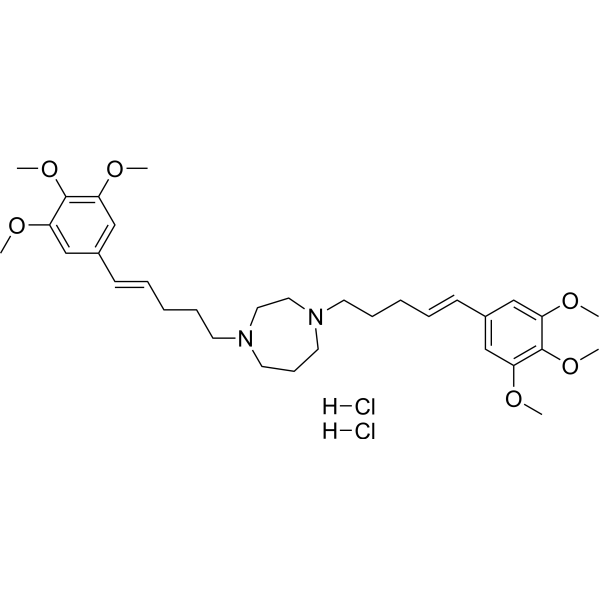
K-7174 dihydrochloride is an orally active proteasome and GATA inhibitor. K-7174 dihydrochloride is a cell adhesion inhibitor. K-7174 dihydrochloride induces cell apoptosis. K-7174 dihydrochloride shows antitumor activities, it can be used for the research of cancer .
loading...
    loading...
10
10 Cited Publications
Cat. No.: HY-N0415
CAS No.: 6138-41-6
Synonyms: Trigonelline hydrochloride
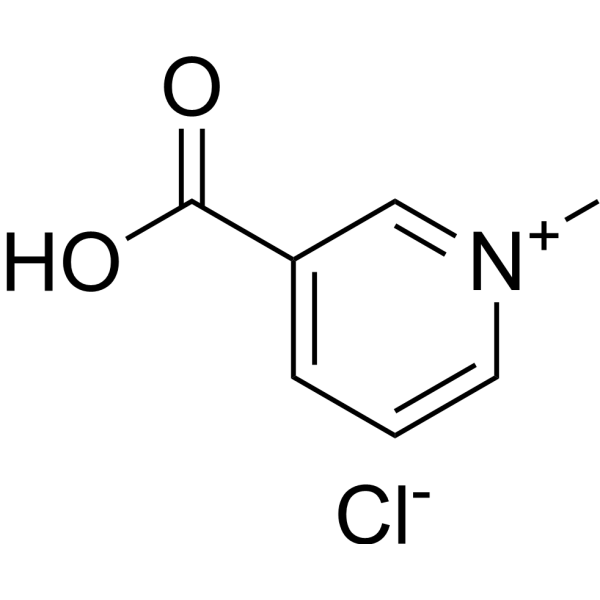
Trigonelline chloride is an alkaloid with potential antidiabetic activity that can be isolated from Trigonella foenum-graecum L or Leonurus artemisia. Trigonelline chloride is a potent Nrf2 inhibitor that blocks Nrf2-dependent proteasome activity, thereby enhancing apoptosis in pancreatic cancer cells. Trigonelline chloride also has anti-HSV-1, antibacterial, and antifungal activity, and induces ferroptosis.
loading...
    loading...
10
10 Cited Publications
Cat. No.: HY-N0414
CAS No.: 535-83-1
Synonyms: Trigenolline
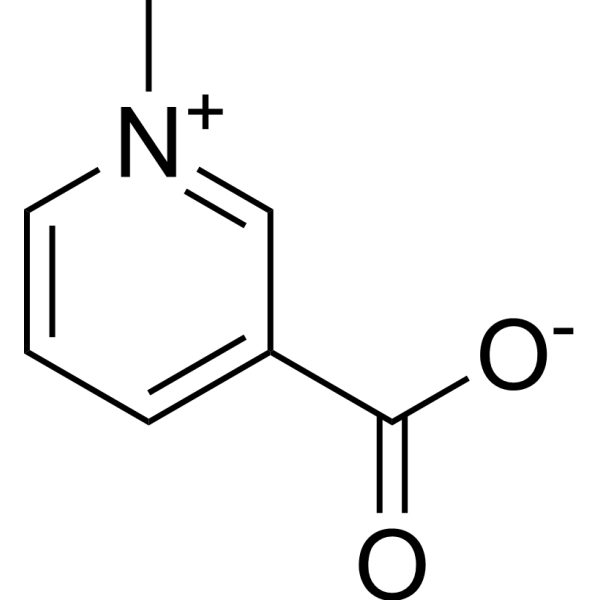
Trigonelline is an alkaloid with potential antidiabetic activity that can be isolated from Trigonella foenum-graecum L or Leonurus artemisia. Trigonelline is a potent Nrf2 inhibitor that blocks Nrf2-dependent proteasome activity, thereby enhancing apoptosis in pancreatic cancer cells. Trigonelline also has anti-HSV-1, antibacterial, and antifungal activity and induces ferroptosis.
loading...
    loading...
9
9 Cited Publications
Cat. No.: HY-16594
CAS No.: 133343-34-7
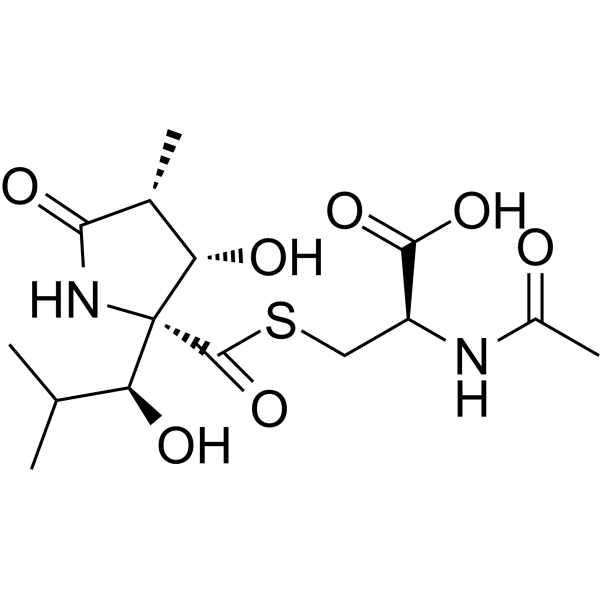
Lactacystin is a potent, orally active, irreversible, cell-permeable, selective 20S proteasome inhibitor (IC50 = 4.8 μM). Lactacystin also inhibits the lysosomal enzyme cathepsin A. Lactacystin inhibits cell growth and induces apoptosisand cell cycle arrest, and has antiviral and antioxidative activity. Lactacystin induces neurite outgrowth and hypertension. Lactacystin has the potential for the research of cancer, Neurological Disease, hypertension and Malaria, and so on [2] [6] .
loading...
    loading...
9
9 Cited Publications
Cat. No.: HY-103315
CAS No.: 68099-86-5
Purity:  99.98%
Synonyms: CERM 1978; Org 5730 hydrochloride
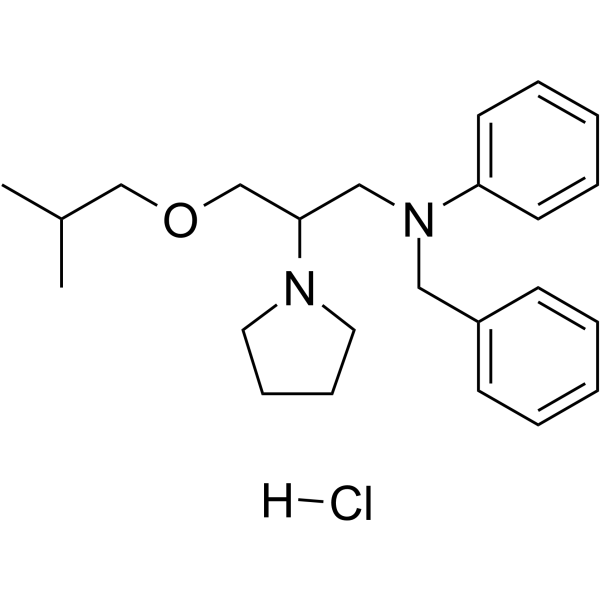
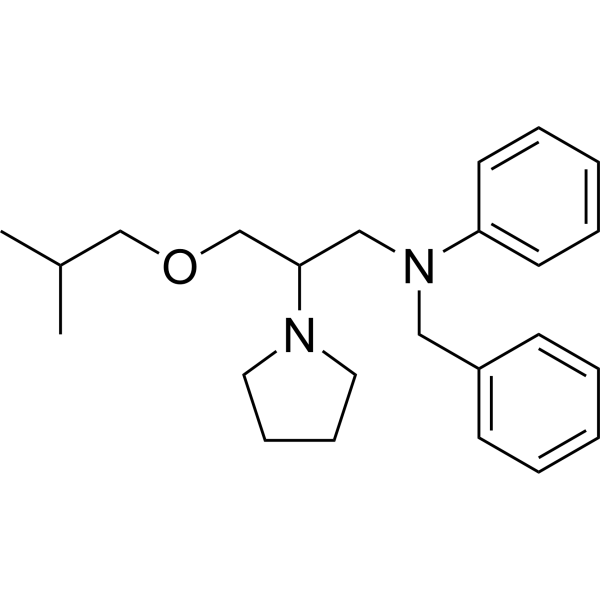
Bepridil hydrochloride (CERM 1978; Org 5730 hydrochloride) is an orally active non-selective calcium channel antagonist with multi-ion channel blocking activity. Bepridil hydrochloride modulates Calmodulin, the 20S proteasome, T-type/L-type calcium channels, cardiac sodium channels, multiple potassium channels, γ-secretase, β-secretase, and mitoKATP/sarcKATP channels. Bepridil hydrochloride acts as a hydroxyl radical scavenger, regulates mitochondrial and intracellular calcium handling, and exerts antiarrhythmic, antianginal, and cardioprotective effects. Bepridil hydrochloride alters amyloid precursor protein processing, reduces β-amyloid and thalamic calcium levels, restores seladin-1/DHCR24 expression, and improves sensorimotor recovery after cerebral ischemia. Bepridil hydrochloride also exhibits potent inhibitory effects on SARS-CoV-2 replication. Bepridil hydrochloride is used in studies related to stable angina, arrhythmias, cerebral ischemia, Alzheimer's disease, and SARS-CoV-2 infection .
loading...
    loading...
9
9 Cited Publications
Cat. No.: HY-16952
CAS No.: 64706-54-3
Synonyms: CERM 1978 free base; Org 5730
Bepridil (CERM 1978 (free base); Org 5730) is an orally active non-selective calcium channel antagonist with multi-ion channel blocking activity. Bepridil modulates Calmodulin, the 20S proteasome, T-type/L-type calcium channels, cardiac sodium channels, multiple potassium channels, γ-secretase, β-secretase, and mitoKATP/sarcKATP channels. Bepridil acts as a hydroxyl radical scavenger, regulates mitochondrial and intracellular calcium handling, and exerts antiarrhythmic, antianginal, and cardioprotective effects. Bepridil alters amyloid precursor protein processing, reduces β-amyloid and thalamic calcium levels, restores seladin-1/DHCR24 expression, and improves sensorimotor recovery after cerebral ischemia. Bepridil also exhibits potent inhibitory effects on SARS-CoV-2 replication. Bepridil is used in studies related to stable angina, arrhythmias, cerebral ischemia, Alzheimer's disease, and SARS-CoV-2 infection .
loading...
    loading...
9
9 Cited Publications
Cat. No.: HY-16952A
CAS No.: 74764-40-2
Synonyms: CERM 1978 hydrate; Org 5730 hydrochloride hydrate
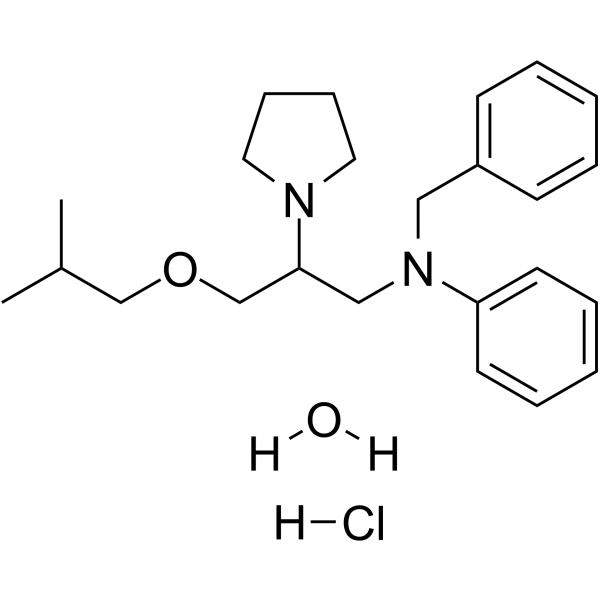
Bepridil hydrochloride hydrate (CERM 1978 hydrate; Org 5730 hydrochloride hydrate) is an orally active non-selective calcium channel antagonist with multi-ion channel blocking activity. Bepridil hydrochloride hydrate modulates Calmodulin, the 20S proteasome, T-type/L-type calcium channels, cardiac sodium channels, multiple potassium channels, γ-secretase, β-secretase, and mitoKATP/sarcKATP channels. Bepridil hydrochloride hydrate acts as a hydroxyl radical scavenger, regulates mitochondrial and intracellular calcium handling, and exerts antiarrhythmic, antianginal, and cardioprotective effects. Bepridil hydrochloride hydrate alters amyloid precursor protein processing, reduces β-amyloid and thalamic calcium levels, restores seladin-1/DHCR24 expression, and improves sensorimotor recovery after cerebral ischemia. Bepridil hydrochloride hydrate also exhibits potent inhibitory effects on SARS-CoV-2 replication. Bepridil hydrochloride hydrate is used in studies related to stable angina, arrhythmias, cerebral ischemia, Alzheimer's disease, and SARS-CoV-2 infection .
loading...
    loading...
4
4 Cited Publications
Cat. No.: HY-10454
CAS No.: 847499-27-8
Purity:  ≥98.0%
Synonyms: CEP-18770
Research Areas:  

Cancer

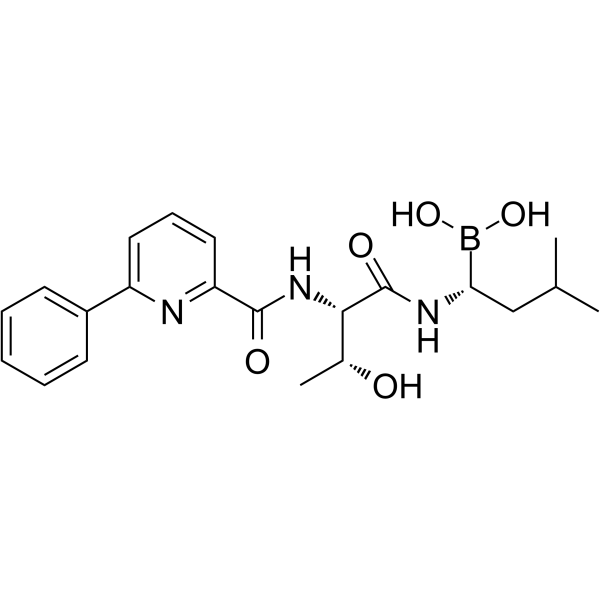
Delanzomib (CEP-18770) is a potent and orally active chymotrypsin-like activity of the proteasome inhibitor with an IC50 of 3.8 nM. Delanzomib inhibits NF-κB activity, induces cancer cell apoptotic, and has strong antiangiogenic and anti-cancer activities .
loading...
    loading...
3
3 Cited Publications
Cat. No.: HY-123053
CAS No.: 348086-66-8
Purity:  99.91%
Synonyms: Z-LLE-AMC
Target:  

Proteasome

Research Areas:  

Neurological Disease

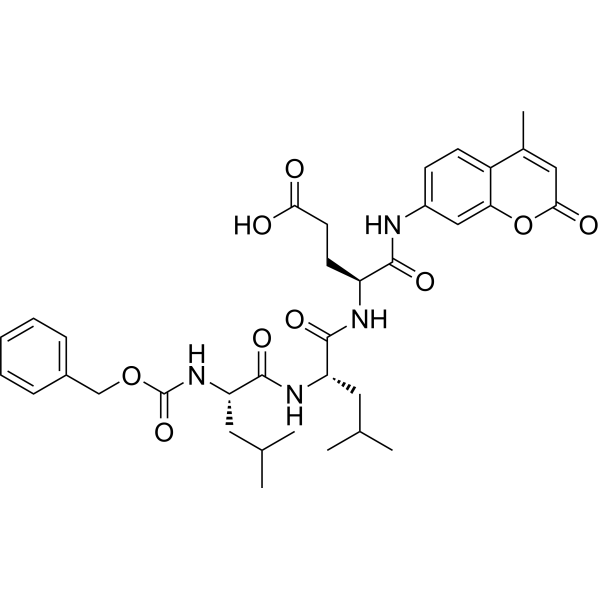
Z-Leu-Leu-Glu-AMC (Z-LLE-AMC) is a peptide-AMC linked substrate used to measure the postacidic-like hydrolysing activity of proteasome. Z-Leu-Leu-Glu-AMC can be used for the research of parkinson's disease .
loading...
    loading...
3
3 Cited Publications
Cat. No.: HY-P5819
Target:  

Wnt PROTACs β-catenin

Research Areas:  

Cancer

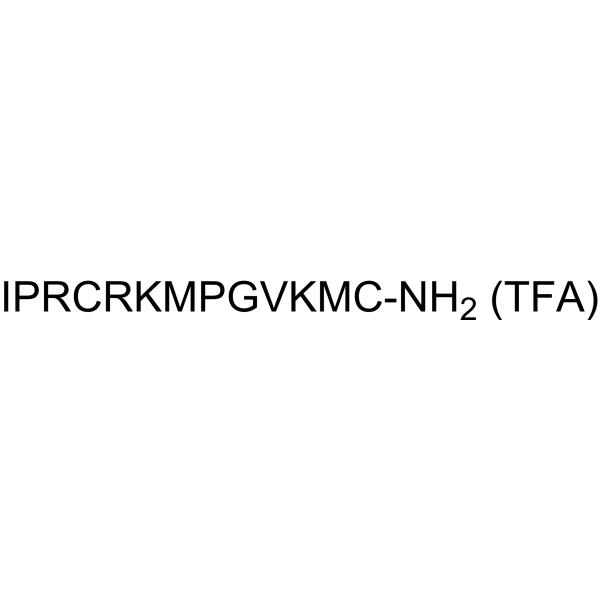
xStAx-VHLL is a β-catenin PROTAC degrader that promotes ubiquitination and proteasome degradation of β-catenin. xStAx-VHLL inhibits the Wnt/β-catenin signaling pathway. xStAx-VHLL can inhibit the proliferation of colon cancer cells and has anti-tumor activity .
loading...
    loading...
3
3 Cited Publications
Cat. No.: HY-P3414A
Target:  

Proteasome

Research Areas:  

Neurological Disease

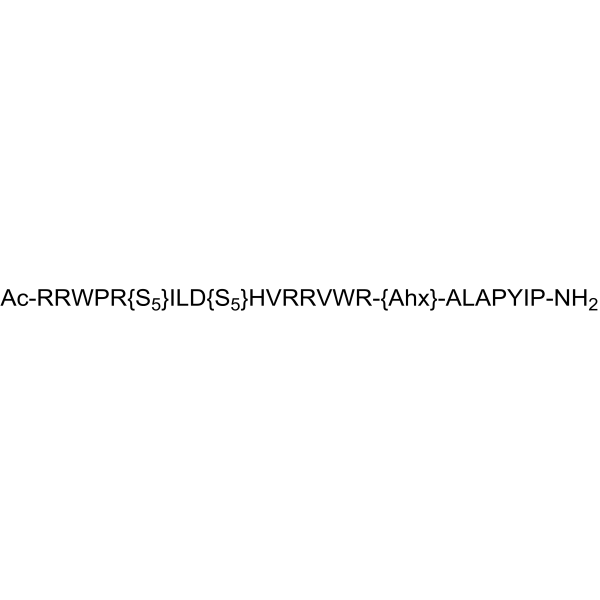
Proteasome-activating peptide 1 TFA is a peptide and a potent proteasome activator. Proteasome-activating peptide 1 TFA increases the chymotrypsin-like proteasomal catalytic activity and, consequently, proteolytic rates both in vitro and in culture. Proteasome-activating peptide 1 TFA prevents protein aggregation in a cellular model of amyotrophic lateral sclerosis .
loading...
    loading...
3
3 Cited Publications
Cat. No.: HY-P5819A
Target:  

PROTACs β-catenin Wnt

Research Areas:  

Cancer

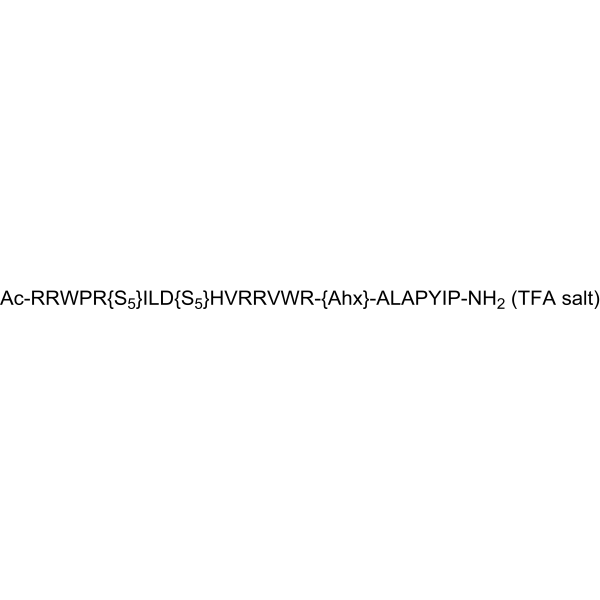
xStAx-VHLL TFA is a β-catenin PROTAC degrader that promotes ubiquitination and proteasome degradation of β-catenin. xStAx-VHLL TFA inhibits the Wnt/β-catenin signaling pathway. xStAx-VHLL TFA can inhibit the proliferation of colon cancer cells and has anti-tumor activity .
loading...
    loading...
3
3 Cited Publications
Cat. No.: HY-N7056
CAS No.: 2657-25-2
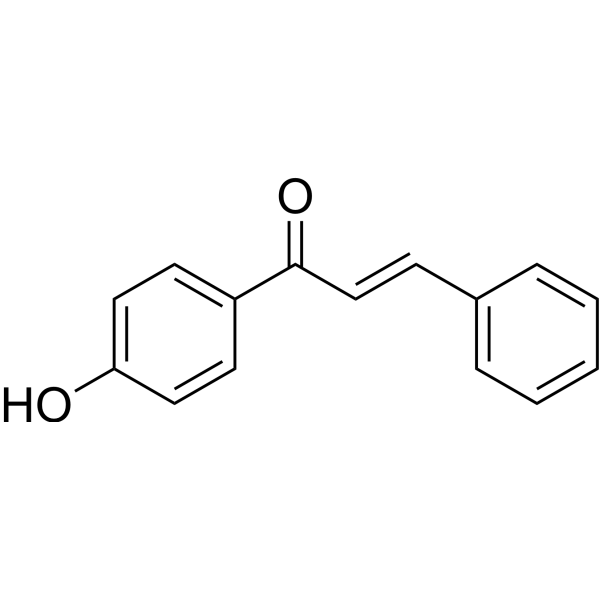
4'-Hydroxychalcone is a chalcone isolated from licorice root, with hepatoprotective activity. 4'-Hydroxychalcone inhibits TNFα-induced NF-κB activation via proteasome inhibition. 4'-Hydroxychalcone induces a rapid potassium release from mitochondrial vesicles and causes deterioration of respiratory control and oxidative phosphorylation of isolated rat liver mitochondria .
loading...
    loading...

