132 Results for "

proteasome-dependent

" in MedChemExpress (MCE) Product Catalog:
Products (132)

132 Results for "proteasome-dependent" in MCE Product Catalog:

64
64 Publications Verification
Cat. No.: HY-A0003
CAS No.: 191732-72-6
Synonyms: CC-5013
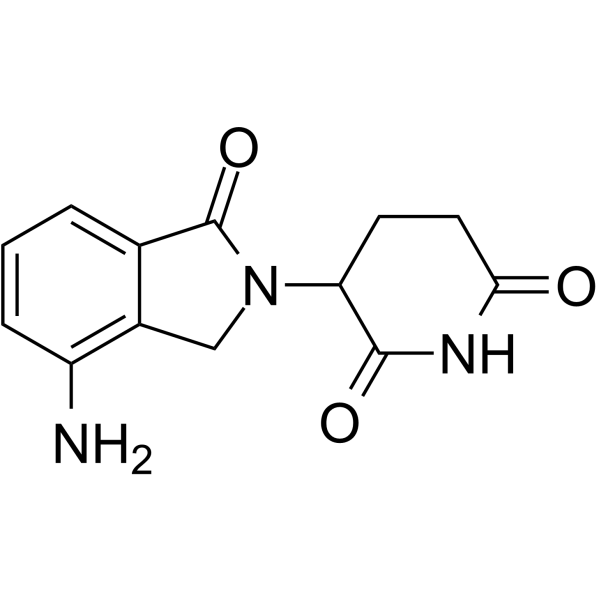
Lenalidomide (CC-5013) is an orally active immunomodulatory agent that binds CRBN as a molecular glue to alter substrate specificity, inducing ubiquitination and proteasome-dependent degradation of IKZF1, IKZF3 and CK1α. Lenalidomide induces apoptosis by degrading IKZF1/3, and activates p53 by degrading CK1α. Lenalidomide promotes IL-2 release and effector functions of CD8 + T/NK cells, while inhibiting TNF-α secretion and M1-type pyroptosis. Lenalidomide can be used in research related to hematological malignancies, acute liver failure and acute kidney injury .
loading...
    loading...
64
64 Publications Verification
Cat. No.: HY-A0003B
CAS No.: 847871-99-2
Synonyms: CC-5013 hemihydrate
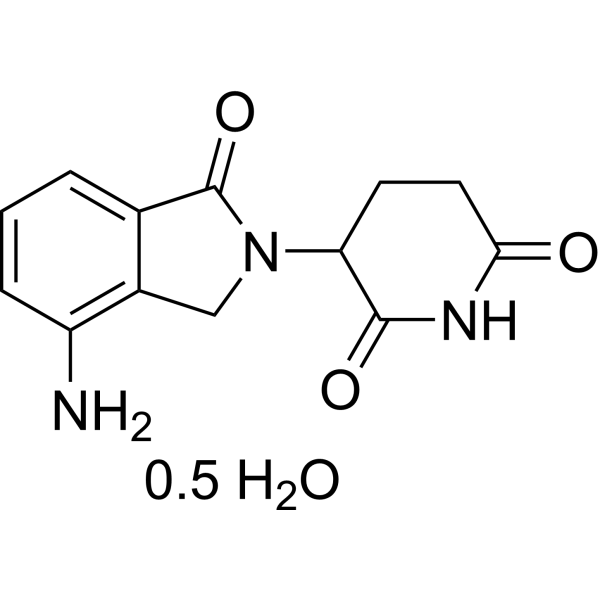
Lenalidomide hemihydrate (CC-5013 hemihydrate) is an orally active immunomodulatory agent that binds CRBN as a molecular glue to alter substrate specificity, inducing ubiquitination and proteasome-dependent degradation of IKZF1, IKZF3 and CK1α. Lenalidomide hemihydrate induces apoptosis by degrading IKZF1/3, and activates p53 by degrading CK1α. Lenalidomide hemihydrate promotes IL-2 release and effector functions of CD8 + T/NK cells, while inhibiting TNF-α secretion and M1-type pyroptosis. Lenalidomide hemihydrate can be used in research related to hematological malignancies, acute liver failure and acute kidney injury .
loading...
    loading...
1
1 Cited Publications
Cat. No.: HY-111593
CAS No.: 2244684-49-7
Purity:  99.40%
Target:  

PROTACs

Research Areas:  

Cancer

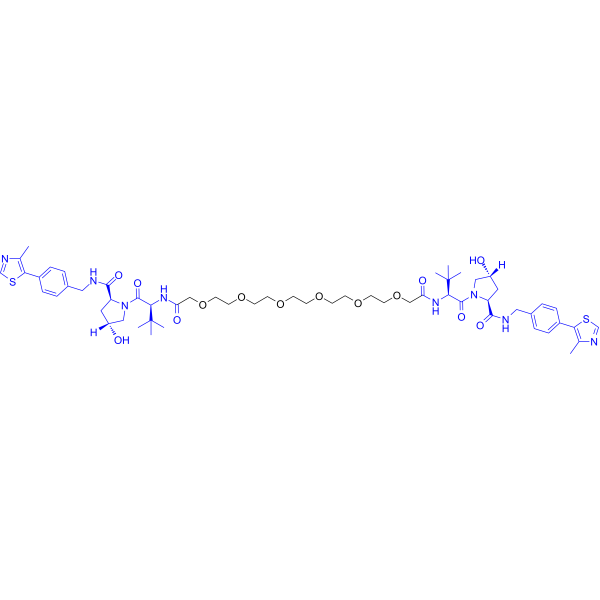
Homo-PROTAC pVHL30 degrader 1 is a Homo-PROTAC autodegraders targeting the von Hippel-Lindau E3 ubiquitin ligase (VHL), with Kd values of 11 nM and 25 nM for pVHL19-EloBC​ and pVHL30-EloBC​, respectively. Homo-PROTAC pVHL30 degrader 1 induces Cullin2 depletion, promotes VHL dimerization to form a ternary complex, and drives proteasome-dependent and CRL2-VHL-like ubiquitination-dependent autodegradation. Homo-PROTAC pVHL30 degrader 1 does not trigger hypoxic responses, and only causes extremely mild stabilization of hypoxia-inducible factor α subunits. Homo-PROTAC pVHL30 degrader 1 can be used in studies related to cervical cancer and osteosarcoma .
loading...
    loading...
1
1 Cited Publications
Cat. No.: HY-149508
CAS No.: 6325-13-9
Purity:  99.19%
Research Areas:  

Cancer

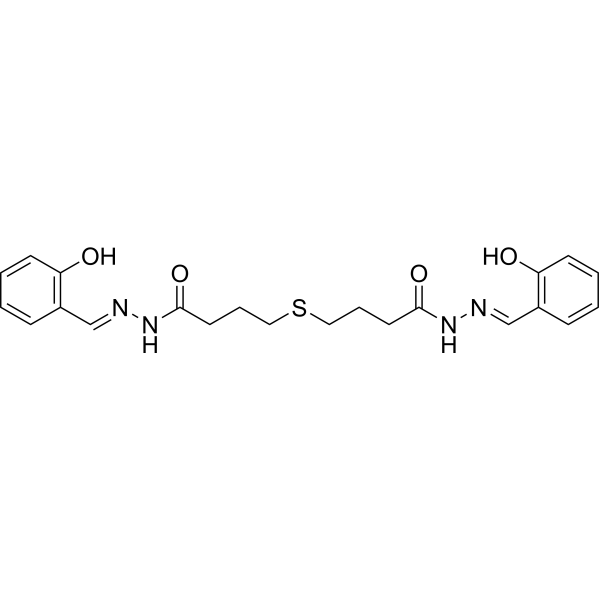
Nrf2-IN-3 (Compound R16) is a small-molecule NRF2 inhibitor and increases reactive oxygen species (ROS) production. Nrf2-IN-3 selectively binds KEAP1 mutants and restores their NRF2-inhibitory function by repairing the disrupted KEAP1/NRF2 interactions, leading to proteasome-dependent NRF2 degradation in cells. Nrf2-IN-3 sensitizes KEAP1-mutated tumor cells to Cisplatin (HY-17394), Gefitinib (HY-50895), and KEAP1 G333C-mutated xenograft to Cisplatin .
loading...
    loading...
1
1 Cited Publications
Cat. No.: HY-175324
CAS No.: 3098773-64-6
MG-HuR2 is a molecular glue degrader targeting HuR (ELAVL1) with a Kd of 0.2018 μM. MG-HuR2 recruits the E3 ubiquitin ligase RNF126 and induces proteasome-dependent degradation of HuR. MG-HuR2 exhibits a unique biphasic degradation profile. MG-HuR2 reduces the expression of HuR and its downstream targets Bcl2/FOXQ1, inhibits breast cancer cell proliferation, enhances cytotoxicity and apoptosis (apoptosis), and suppresses the growth of 3D breast cancer tumor spheres. MG-HuR2 can be used in studies related to breast cancer and HuR-targeted protein degradation .
loading...
    loading...
Cat. No.: HY-175759
CAS No.: 2193367-28-9
Target:  

Molecular Glues IFNAR

Research Areas:  

Inflammation/Immunology

EN1033 is a covalent immune regulatory transcription factor 5/8 (IRF5/8) molecular glue degrader. EN1033 degrades IRF5 in a proteasome-dependent manner. EN1033 engages and degrades IRF8 more robustly and rapidly. EN1033 covalently targets C28 and C223 to destabilize and degrade IRF5 and IRF8 respectively, thereby inhibiting their pro-inflammatory transcriptional activity. EN1033 serves as a promising tool for the study of autoimmune and inflammatory disorders .
loading...
    loading...
Cat. No.: HY-168162
CAS No.: 3053716-46-1
Target:  

PROTACs CDK

Research Areas:  

Cancer

ZLC491 is an orally active PROTAC degrader that selectively targets CDK12/CDK13 and exhibits certain oral bioavailability. ZLC491 induces cereblon- and proteasome-dependent selective degradation of CDK12 and CDK13. ZLC491 inhibits the transcription and expression of long genes, and mainly acts on a subset of DNA damage response genes. ZLC491 inhibits the proliferation of various triple-negative breast cancer cells. ZLC491 can be used in research related to triple-negative breast cancer .
loading...
    loading...
Cat. No.: HY-159099
CAS No.: 2654011-51-3
Purity:  99.15%
WIZ degrader 9 is an orally active molecular glue degrader of the WIZ transcription factor. As a molecular glue, WIZ degrader 9 recruits WIZ to the cereblon E3 ubiquitin ligase complex via its ZF7 domain, driving proteasome-dependent degradation of WIZ. WIZ degrader 9 induces hemoglobin production, reduces the level of H3K9 dimethylation across the whole genome and at the β-globin locus, upregulates the transcription of γ-globin and BGLT3, and increases the level of histone H3K9 acetylation in the promoter region of HBG1/2. WIZ degrader 9 effectively induces fetal hemoglobin production in both mice and cynomolgus monkeys. WIZ degrader 9 can be used for research on sickle cell disease .
loading...
    loading...
Cat. No.: HY-138669
CAS No.: 2417159-57-8
Purity:  99.37%
Target:  

PROTACs Tau Protein

Research Areas:  

Neurological Disease

C004019 is a BBB-penetrable and small-molecule PROTAC that targets tau. C004019 can simultaneously recruit tau and E3 ligase, and effectively clear tau proteins by promoting the ubiquitination and proteasome-dependent degradation of tau, thereby improving synaptic and cognitive functions in Alzheimer's disease (AD) mice. C004019 can be used in the research of AD and tau protein-related diseases .
loading...
    loading...
Cat. No.: HY-49444
CAS No.: 793719-01-4
Research Areas:  

Cancer

EN450 is a cysteine-reactive covalent molecular glue degrader targeting NF-κB. EN450 interacts with allosteric C111 in the E2 ubiquitin ligase UBE2D. EN450 induces the ternary complex formation between UBE2D and NFKB1. EN450 exerts its anti-proliferative effects through a Cullin E3 ligase and proteasome-dependent mechanism .
loading...
    loading...
Cat. No.: HY-149760
CAS No.: 3032975-48-4
Research Areas:  

Cancer

PVD-06 is a selective PROTAC PTPN2 degrader with a DC50 of 217 nM (selectivity index >60-fold over PTP1B). PVD-06 induces PTPN2 degradation via a VHL-, ubiquitin, and proteasome-dependent pathway. PVD-06 can promote T cell activation and amplify IFN-γ-mediated anticancer activity. PVD-06 can be used to further investigate PTPN2 in diseases such as leukemia and melanoma .
loading...
    loading...
Cat. No.: HY-159098
dWIZ-1 is an orally active molecular glue and chemical probe targeting the WIZ transcription factor, which based on an IMiD backbone, binding to human WIZ with an affinity of 3.5 μM. dWIZ-1 recruits WIZ to the cereblon-DDB1 complex via its ZF7 domain, thereby triggering proteasome-dependent degradation of WIZ. dWIZ-1 significantly induces fetal hemoglobin expression in erythroblasts while reducing the level of inhibitory H3K9 dimethylation at WIZ binding sites such as the β-globin locus. Meanwhile, dWIZ-1 does not affect the proliferation and differentiation of erythroblasts, and no cytotoxicity is observed in in vitro cells or cynomolgus monkey models. dWIZ-1 serves as a critical tool molecule for investigating the mechanism and underlying pathways of sickle cell disease .
loading...
    loading...
Cat. No.: HY-141482
CAS No.: 2306039-66-5
Purity:  99.81%
Target:  

E1/E2/E3 Enzyme

Research Areas:  

Cancer

WSB1 Degrader 1 is an orally active WSB1 degrader that inhibits cancer cell migration. WSB1 Degrader 1 induces time- and concentration-dependent degradation of WSB1 in a proteasome-dependent manner, increases RhoGDI2 protein levels, and reduces WSB1-driven F-actin organization and membrane ruffling. WSB1 Degrader 1 can be used in studies of cancer metastasis .
loading...
    loading...
Cat. No.: HY-157251
CAS No.: 2929304-61-8
Purity:  99.92%
Research Areas:  

Cancer

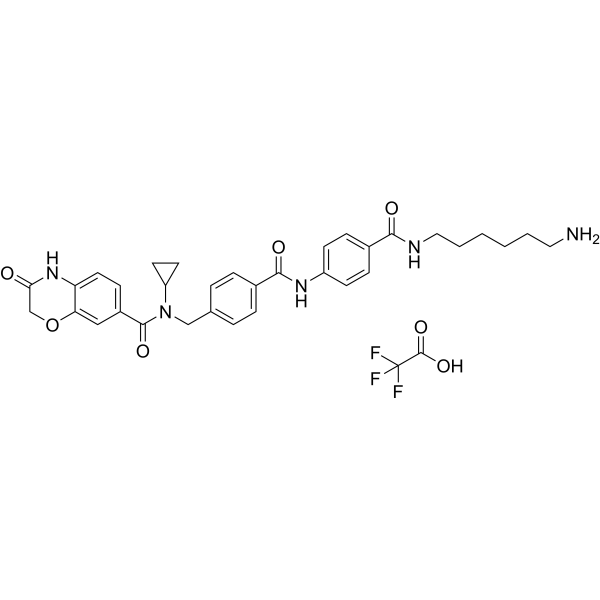
UNC8153 TFA is a potent and selective nuclear receptor-binding SET domain-containing 2 (NSD2)-targeted degrader with a Kd of 24 nM. UNC8153 TFA reduces the cellular levels of both NSD2 protein (DC50 in cell U2OS is 0.35 μM) and the H3K36me2 chromatin mark. UNC8153 TFA contains a simple warhead that confers proteasome-dependent degradation of NSD2 .
loading...
    loading...
Cat. No.: HY-112156
CAS No.: 2230077-10-6
Purity:  99.66%
Research Areas:  

Cancer

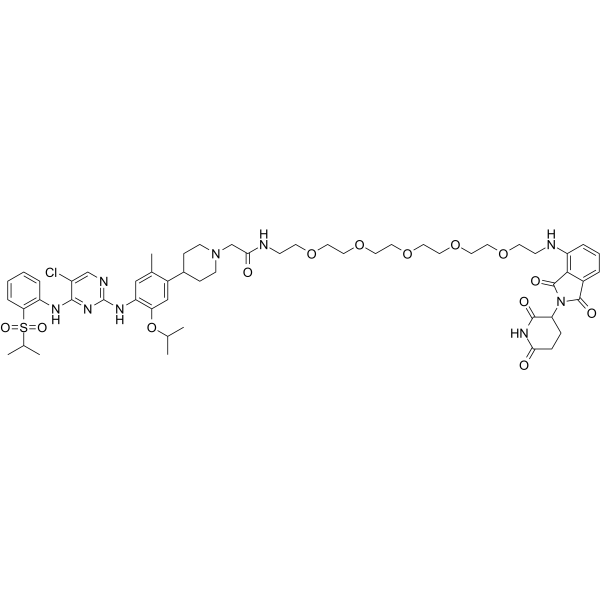
MS4077 is an ALK PROTAC degrader with a DC50 of 3 nM in SU-DHL-1 cells, a DC50 of 34 nM in NCI-H2228 cells, and a Kd of 37 nM. MS4077 induces the degradation of oncogenic active ALK fusion proteins via a cereblon- and proteasome-dependent pathway, and inhibits the phosphorylation of ALK and STAT3, thereby suppressing cancer cell proliferation. MS4077 is used for the research of anaplastic large cell lymphoma and non-small cell lung cancer .
loading...
    loading...
Cat. No.: HY-161574
CAS No.: 3061315-33-8
Research Areas:  

Cancer

LLC0424 is a potent and selective cereblon-based PROTAC nuclear receptor-binding SET domain-containing 2 (NSD2) degrader. LLC0424 effectively degraded NSD2 with a DC50 of 20 nM in RPMI-8402 cells. LLC0424 selectively induces NSD2 degradation in a cereblon- and proteasome-dependent fashion. (Blue: CRBN ligand (HY-14658), Black: linker (HY-40002); Pink: NSD2 inhibitor (HY-161575)) .
loading...
    loading...
Cat. No.: HY-153793
CAS No.: 2660218-70-0
Synonyms: DGKζ-IN-1
Research Areas:  

Cancer

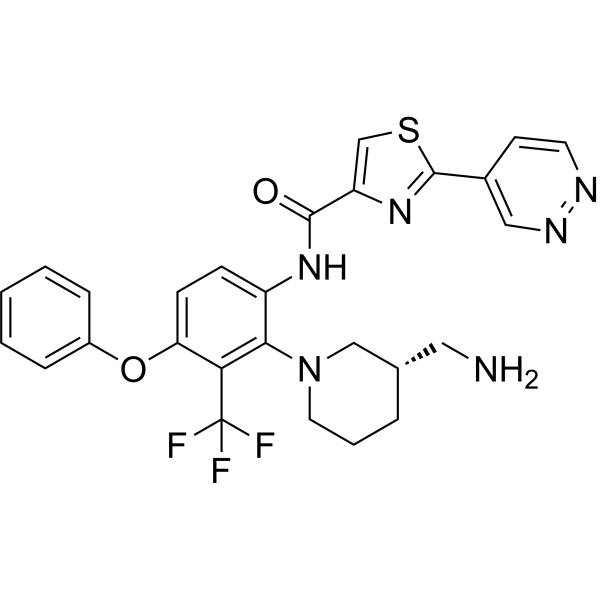
Alcudacigib (ASP1570; DGKζ-IN-1) is an orally active diacylglycerol kinase ζ (DGKζ) inhibitor, with an IC50 of 4.7 nM against human DGKζ and an IC50 of 3.0 nM against mouse DGKζ. Alcudacigib selectively inhibits the kinase activity of DGKζ and induces proteasome-dependent degradation of DGKζ protein. Alcudacigib enhances the anti-tumor functions of T cells and NK cells. Alcudacigib can be used for the research of advanced/metastatic solid tumors .
loading...
    loading...
Cat. No.: HY-159779
CAS No.: 2766608-52-8
NR-V04 is a selective NR4A1 PROTAC degrader. NR-V04 forms a ternary complex with NR4A1 and the VHL E3 ligase, mediates proteasome-dependent degradation of NR4A1. NR-V04 induces tumor-infiltrating B cells and effector memory CD8 + T cells and reduces monocytic myeloid-derived suppressor cells in tumor microenvironments. NR-V04 can be used for the research of melanoma and colon cancer .
loading...
    loading...
Cat. No.: HY-122822
CAS No.: 2260944-68-9
GSK699 is a KAT2A/B/PCAF/GCN5 PROTAC degrader . GSK699 induces proteasome-dependent degradation of KAT2A, KAT2B, PCAF and GCN5, regulates the histone acetyltransferase activity of the SAGA complex, and reduces the level of histone H3K9ac. GSK699 inhibits the growth of neuroblastoma, acute myeloid leukemia and small cell lung cancer cells. GSK699 reduces the production of inflammatory cytokines and chemokines, and impairs LPS-stimulated immune cell responses. GSK699 is applicable to research related to acute myeloid leukemia, small cell lung cancer, neuroblastoma and inflammatory diseases .
loading...
    loading...
Cat. No.: HY-W133627
CAS No.: 118719-16-7
Target:  

Molecular Glues

Research Areas:  

Cancer

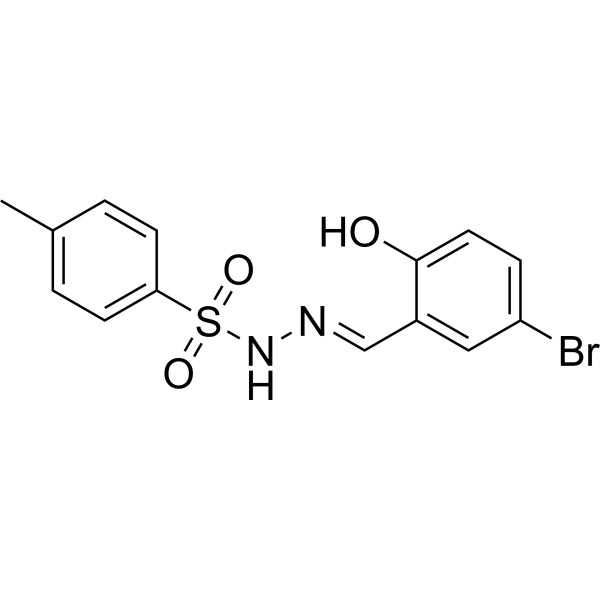
dCeMM1 is a molecular glue degrader that targets RBM39. dCeMM1 serves as a positive control for the screening of DCAF15-dependent molecular glue degraders. dCeMM1 promotes the DCAF15-RBM39 interaction, thereby recruiting RBM39 to the CRL4 DCAF15 E3 ubiquitin ligase complex, inducing ubiquitination and subsequent proteasomal degradation of RBM39. Meanwhile, dCeMM1 stabilizes DCAF15 by mediating neo-substrate recruitment to protect DCAF15 from autodegradation. dCeMM1 reduces the viability of leukemia cells in a neddylation-dependent and proteasome-dependent manner, and can be applied in leukemia-related research .
loading...
    loading...

