

11307 Results for "

rat brain tissue sections

" in MedChemExpress (MCE) Product Catalog:
Products (11307)

11307 Results for "rat brain tissue sections" in MCE Product Catalog:

268
268 Publications Verification
Cat. No.: HY-K1001

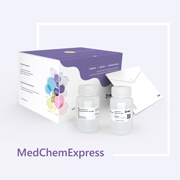
MCE RIPA Lysis Buffer is one of the most reliable buffers used to lyse cells from both cultured cells and tissues.

loading...
    loading...
179
179 Cited Publications
Cat. No.: HY-K0601

MCE JC-1 Mitochondrial Membrane Potential Assay Kit uses JC-1 to detect the mitochondrial membrane potential in variety of cell types, as well as intact tissues and isolated mitochondria.

loading...
    loading...
168
168 Cited Publications
Cat. No.: HY-B0496
CAS No.: 329-98-6
Synonyms: Phenylmethylsulfonyl fluoride; Benzylsulfonyl fluoride
Research Areas:  

Neurological Disease

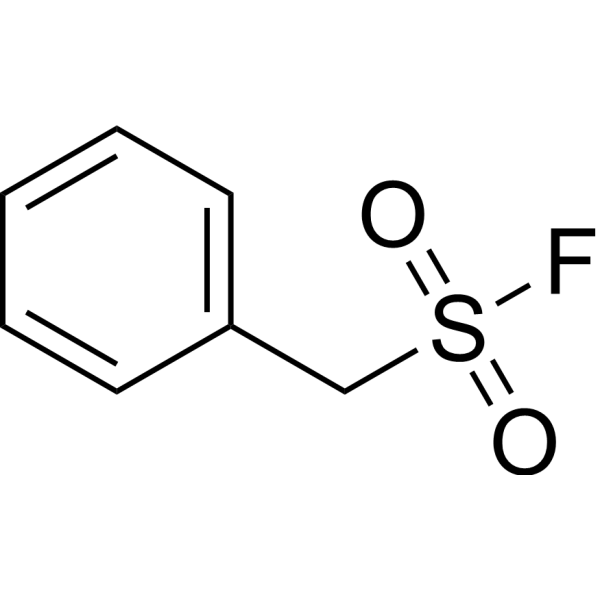
PMSF (Phenylmethylsulfonyl fluoride) is a nonspecific and irreversible serine proteases inhibitor. PMSF inhibits some thiol proteases, non-protease enzymes, and acetylcholinesterase. PMSF can be used to prepare protein extracts from tissue and cell lysates .
loading...
    loading...
160
160 Cited Publications
Cat. No.: HY-18738
CAS No.: 5108-96-3
Synonyms: Ammonium pyrrolidinedithiocarbamate; PDTC ammonium; APDC
Target:  

NF-κB

Research Areas:  

Inflammation/Immunology Cancer

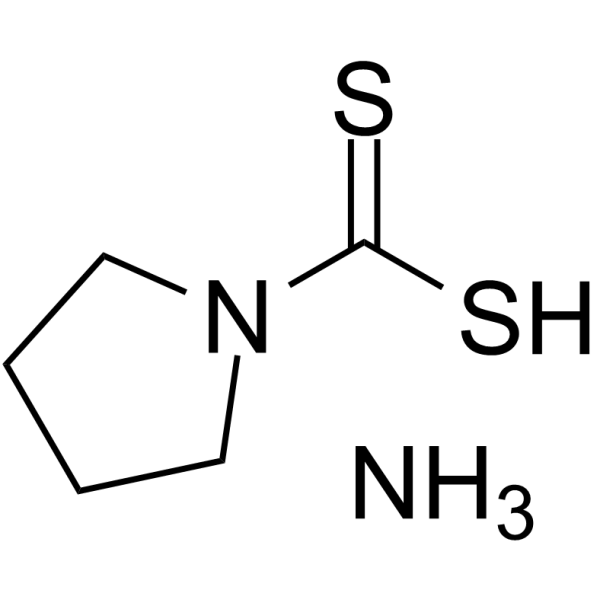
Pyrrolidinedithiocarbamate ammonium (Ammonium pyrrolidinedithiocarbamate) is a selective and blood-brain barrier (BBB) permeable NF-κB inhibitor.
loading...
    loading...
148
148 Cited Publications
Cat. No.: HY-B0141
CAS No.: 50-28-2
Synonyms: β-Estradiol; E2; 17β-Estradiol; 17β-Oestradiol
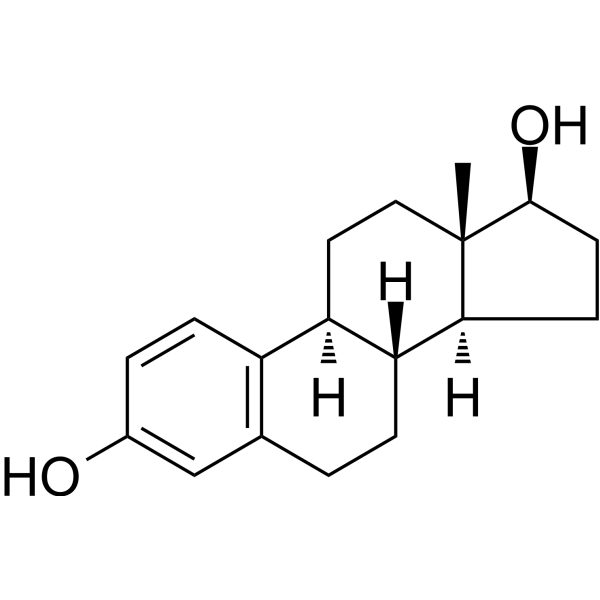
Estradiol (β-Estradiol) is a steroid hormone and the major female sex hormone. Estradiol can up-regulate the expression of neural markers of human endometrial stem cells (hEnSCs) and promote their neural differentiation. Estradiol can be used for the research of cancers, neurodegenerative diseases and neural tissue engineering .
loading...
    loading...
148
148 Cited Publications
Cat. No.: HY-B0141C
CAS No.: 35380-71-3
Synonyms: β-Estradiol hemihydrate; 17β-Estradiol hemihydrate; 17β-Oestradiol hemihydrate
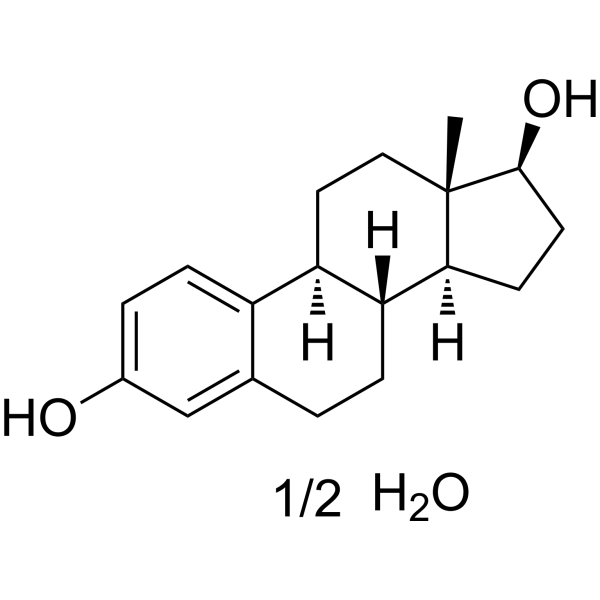
Estradiol (β-Estradiol) hemihydrate is a steroid hormone and the major female sex hormone. Estradiol (β-Estradiol) hemihydrate can up-regulate the expression of neural markers of human endometrial stem cells (hEnSCs) and promote their neural differentiation. Estradiol (β-Estradiol) hemihydrate can be used for the research of cancers, neurodegenerative diseases and neural tissue engineering .
loading...
    loading...
132
132 Cited Publications
Cat. No.: HY-112906
CAS No.: 314054-00-7
Purity:  99.45%
Target:  

STING

Research Areas:  

Inflammation/Immunology

C-176 is a selective and blood-brain barrier permeable STING inhibitor. C-176 covalently targets transmembrane cysteine residue 91 and thereby blocking activation-induced palmitoylation of STING .
loading...
    loading...
119
119 Cited Publications
Cat. No.: HY-101872
CAS No.: 1346546-69-7
Purity:  99.80%
Target:  

RIP kinase

Research Areas:  

Inflammation/Immunology

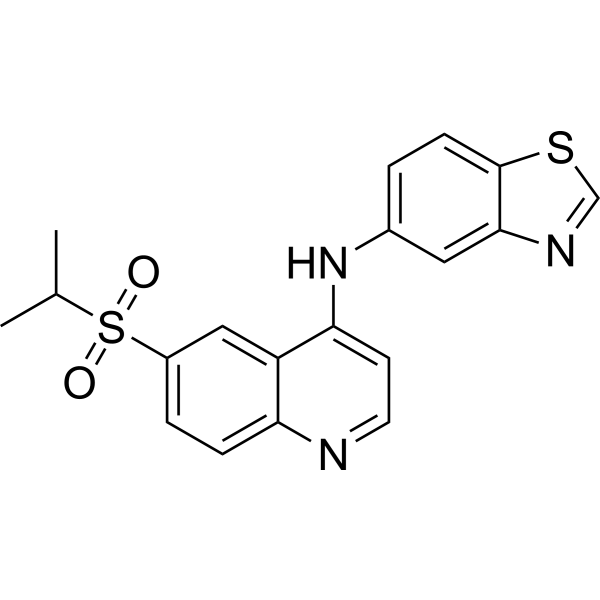
GSK-872 is a RIPK3 inhibitor, which binds RIP3 kinase domain with an IC50 of 1.8 nM, and inhibits kinase activity with an IC50 of 1.3 nM. GSK-872 decreases the RIPK3-mediated necroptosis and subsequent cytoplasmic translocation and expression of HMGB1, as well as ameliorates brain edema and neurological deficits in early brain injury .
loading...
    loading...
119
119 Cited Publications
Cat. No.: HY-101872A
CAS No.: 2703752-81-0
Purity:  99.21%
Target:  

RIP kinase

Research Areas:  

Inflammation/Immunology

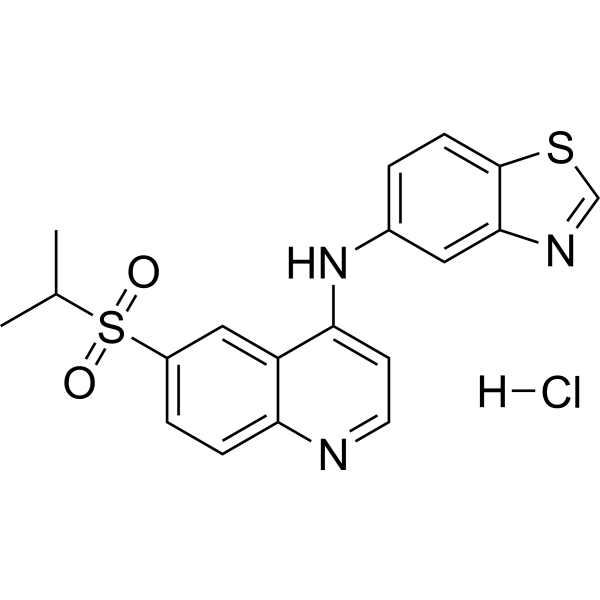
GSK-872 hydrochloride is a RIPK3 inhibitor, which binds RIP3 kinase domain with an IC50 of 1.8 nM, and inhibits kinase activity with an IC50 of 1.3 nM. GSK-872 hydrochloride decreases the RIPK3-mediated necroptosis and subsequent cytoplasmic translocation and expression of HMGB1, as well as ameliorates brain edema and neurological deficits in early brain injury .
loading...
    loading...
104
104 Cited Publications
Cat. No.: HY-P1061
CAS No.: 867021-83-8
Target:  

STAT Amyloid-β

Research Areas:  

Neurological Disease

Colivelin is a brain penetrant neuroprotective peptide and a potent activator of STAT3, suppresses neuronal death by activating STAT3 in vitro . Colivelin exhibits long-term beneficial effects against neurotoxicity, Aβ deposition, neuronal apoptosis, and synaptic plasticity deficits in neurodegenerative disease . Colivelin has the potential for the treatment of alzheimer's disease and ischemic brain injury
loading...
    loading...
104
104 Cited Publications
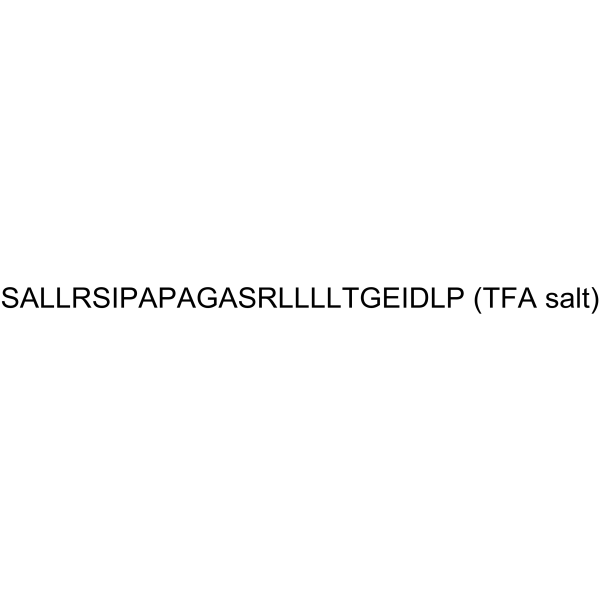
Cat. No.: HY-P1061A
CAS No.: 2803948-60-7
Target:  

STAT Amyloid-β Apoptosis

Research Areas:  

Neurological Disease

Colivelin TFA is a brain penetrant neuroprotective peptide and a potent activator of STAT3, suppresses neuronal death by activating STAT3 in vitro . Colivelin TFA exhibits long-term beneficial effects against neurotoxicity, Aβ deposition, neuronal apoptosis, and synaptic plasticity deficits in neurodegenerative disease . Colivelin TFA has the potential for the treatment of alzheimer's disease and ischemic brain injury .
loading...
    loading...
102
102 Cited Publications
Cat. No.: HY-128868
CAS No.: 60842-46-8
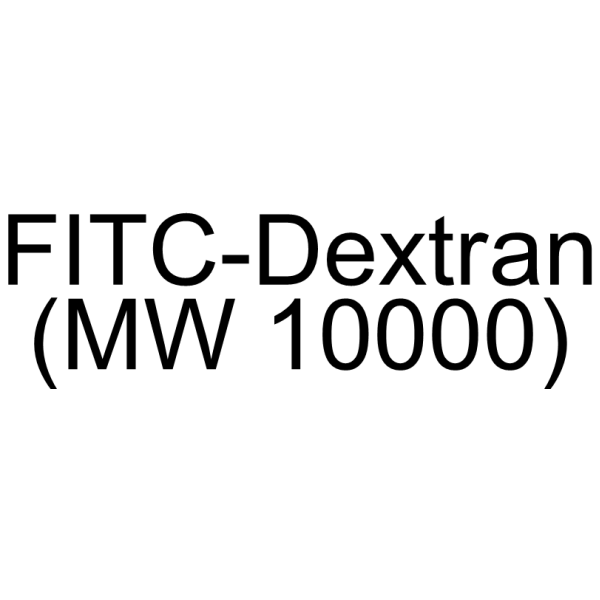
FITC-Dextran (MW 10000) is a fluorescent probe for fluorescein isothiocyanate (FITC) dextran (Ex=495 nm; Em=525 nm). FITC-Dextran (MW 10000) can be used as a marker to reveal heat shock-induced cell damage and to study the early and late stages of apoptosis. FITC-Dextran (MW 10000) can also be used for cell permeability studies, such as blood-brain barrier permeability and determination of the extent of blood-brain barrier disruption .
loading...
    loading...
102
102 Cited Publications
Cat. No.: HY-128868A
CAS No.: 60842-46-8
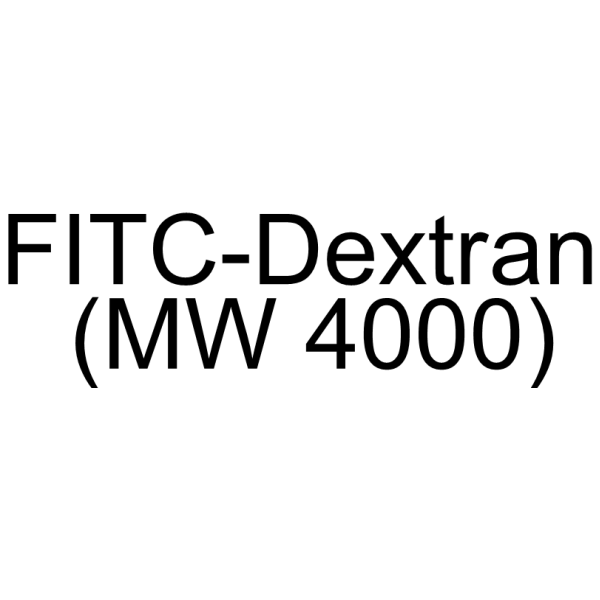
FITC-Dextran (MW 4000) is a fluorescent probe for fluorescein isothiocyanate (FITC) dextran (Ex=495 nm; Em=525 nm). FITC-Dextran (MW 4000) can be used as a marker to reveal heat shock-induced cell damage and to study the early and late stages of apoptosis. FITC-Dextran (MW 4000) can also be used for cell permeability studies, such as blood-brain barrier permeability and determination of the extent of blood-brain barrier disruption .
loading...
    loading...
96
96 Cited Publications
Cat. No.: HY-15608
CAS No.: 23007-85-4
Purity:  99.52%
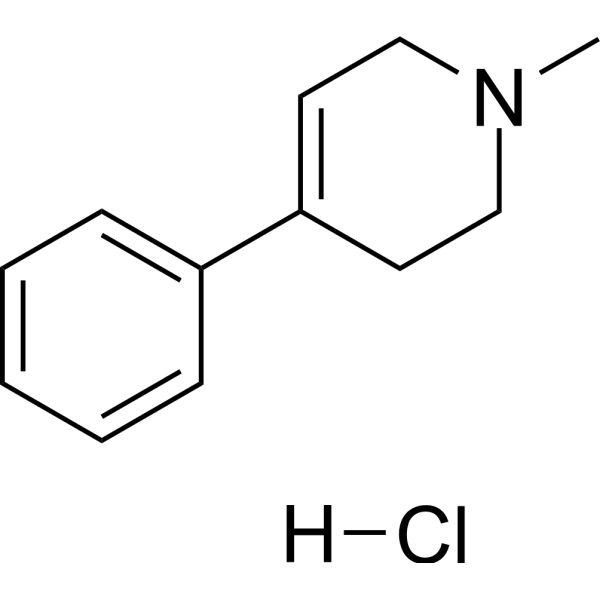
MPTP hydrochloride is a brain penetrant dopaminergic neurotoxin. MPTP hydrochloride can be used to induce Parkinson’s Disease model. MPTP hydrochloride, a precusor of MPP +, induces apoptosis . MPTP hydrochloride has been verified by MCE with professional biological experiments.
loading...
    loading...
82
82 Cited Publications
Cat. No.: HY-11063
CAS No.: 162359-55-9
Purity:  99.97%
Synonyms: FTY720 free base
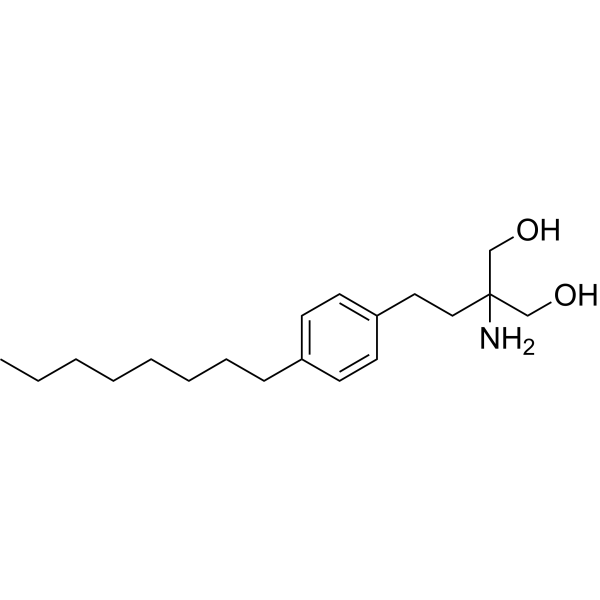
Fingolimod (FTY720 free base) is a brain-penetrant sphingosine 1-phosphate (S1P) antagonist with an IC50 of 0.033 nM in K562 and NK cells. Fingolimod also is a pak1 activator, a immunosuppressant .
loading...
    loading...
79
79 Cited Publications
Cat. No.: HY-B0318
CAS No.: 443-48-1
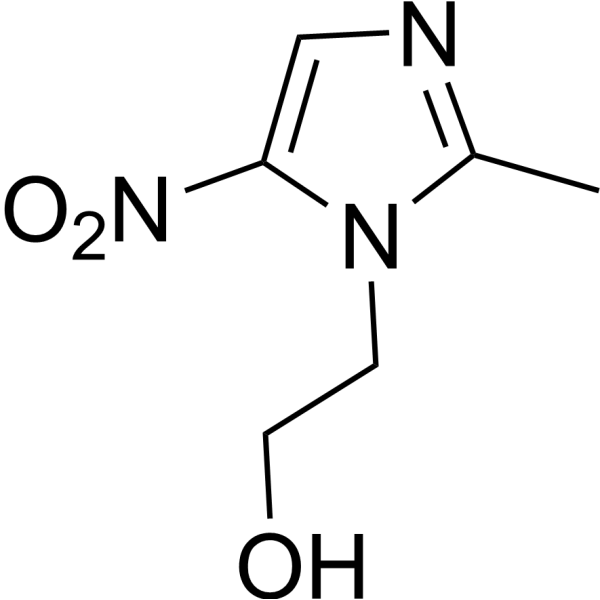
Metronidazole is an orally active nitroimidazole antibiotic. Metronidazole can cross blood brain barrier. Metronidazole can be used for the research of anaerobic infections .
loading...
    loading...
79
79 Cited Publications
Cat. No.: HY-B0318A
CAS No.: 69198-10-3
Synonyms: SC 326421
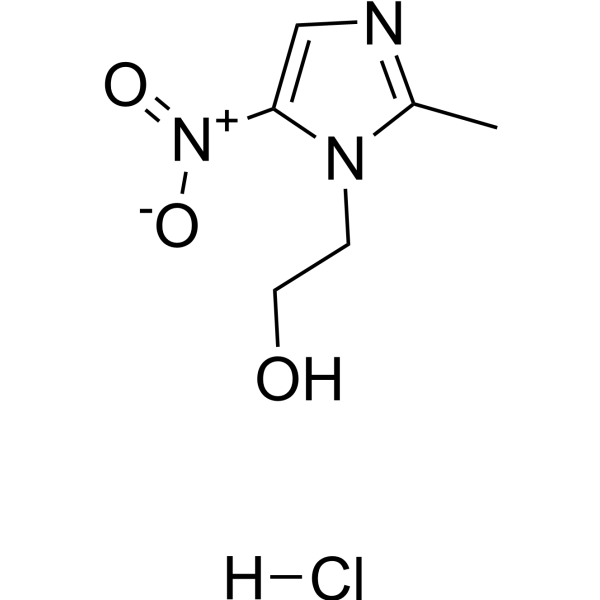
Metronidazole hydrochloride (SC 326421) is an orally active nitroimidazole antibiotic, can be used to research anaerobic infections. Metronidazole hydrochloride can cross blood brain barrier and results inflammation and skeletal muscle contraction under long-term application .
loading...
    loading...
76
76 Cited Publications
Cat. No.: HY-P7117
Purity:  ≥ 95%, as determined by reducing SDS-PAGE.
Synonyms: TGFB1; Transforming Growth Factor Beta1; Prev. TGFB; Camurati-Engelmann Disease; Prev. DPD1; Latency-Associated Peptide; TGFbeta; TGF-Beta-1; CED; TGF-Beta1; Transforming Growth Factor Beta-1 Proprotein; IBDIMDE; Prepro-Transforming Growth Factor Beta-1;
Species:  
Rat Mouse
Source:  
HEK293
loading...
    loading...
71
71 Cited Publications
Cat. No.: HY-A0276A
CAS No.: 1403-66-3
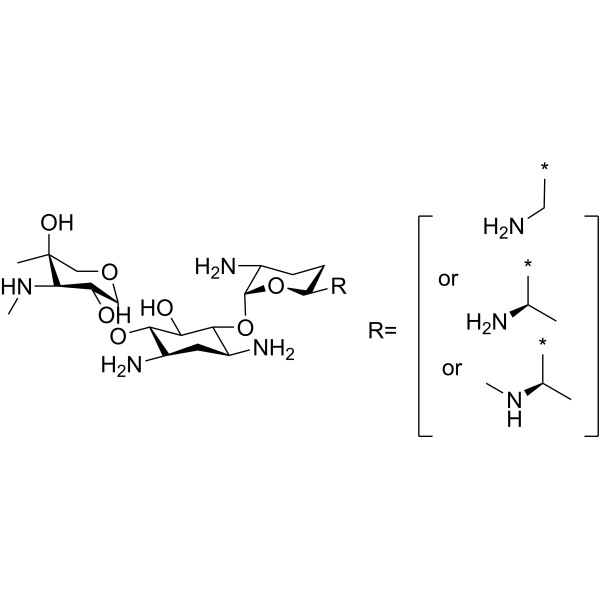
Gentamicin, an aminoglycoside antibiotic, inhibits the growth of both gram-positive and gram-negative bacteria and to inhibit several strains of mycoplasma in tissue culture. Gentamicin inhibits DNase I with an IC50 of 0.57 mM .
loading...
    loading...
71
71 Cited Publications
Cat. No.: HY-A0276
CAS No.: 1405-41-0
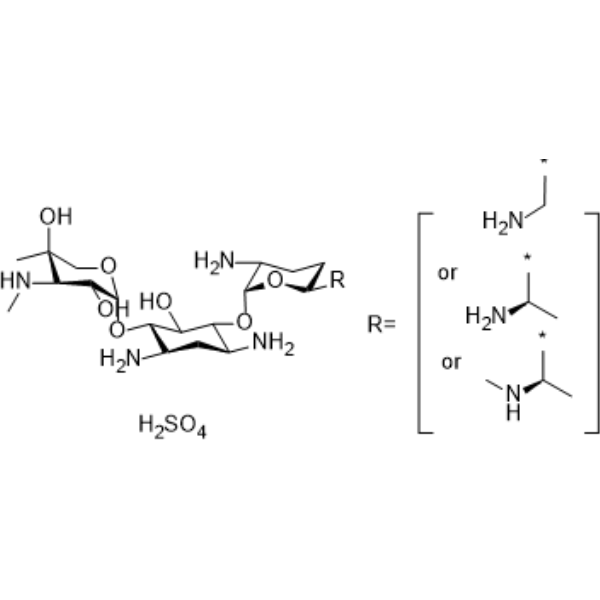
Gentamicin sulfate, an aminoglycoside antibiotic, inhibits the growth of both gram-positive and gram-negative bacteria and to inhibit several strains of mycoplasma in tissue culture. Gentamicin sulfate inhibits DNase I with an IC50 of 0.57 mM .
loading...
    loading...

