
60 Results for "

reproduction

" in MedChemExpress (MCE) Product Catalog:
Products (60)

60 Results for "reproduction" in MCE Product Catalog:

18
18 Publications Verification
Cat. No.: HY-P3216B
Synonyms: 9-Deamidooxytocin TFA
Target:  

Oxytocin Receptor

Research Areas:  

Endocrinology

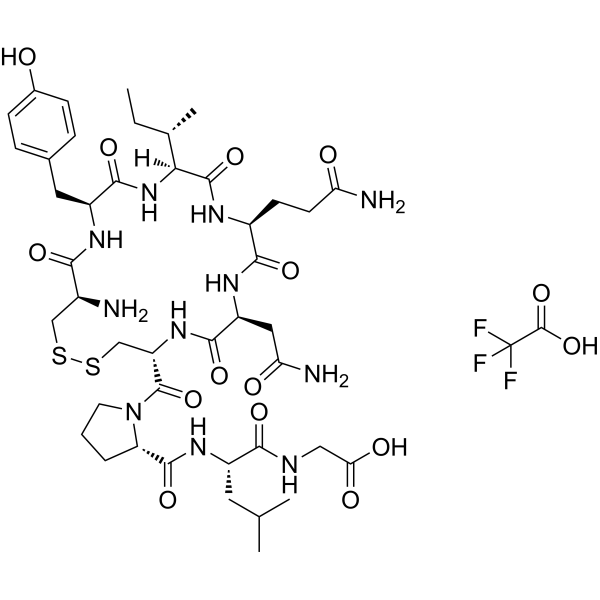
Oxytocin free acid (9-Deamidooxytocin) TFA is an analog of oxytocin in which the glycinamide residue at position 9 in oxytocin has been replaced by a glycine residue. Oxytocin is a pleiotropic, peptide hormone with broad implications for general health, adaptation, development, reproduction, and social behavior .
loading...
    loading...
7
7 Cited Publications
Cat. No.: HY-B0891
CAS No.: 68-96-2
Synonyms: 17-Hydroxyprogesterone; 17-OHP
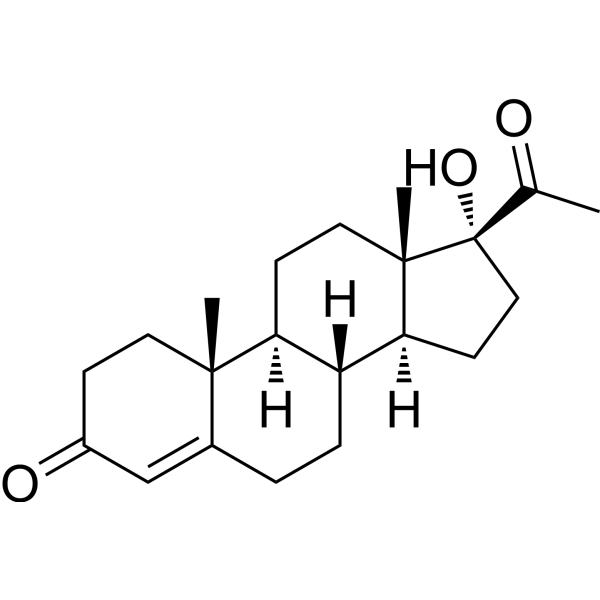
17α-Hydroxyprogesterone is a steroid hormone. 17α-Hydroxyprogesterone induces ovarian growth and yolk production in female crabs and increases blood pressure in sheep. 17α-Hydroxyprogesterone is mainly used in research related to crustacean reproduction and animal hypertension .
loading...
    loading...
3
3 Cited Publications
Cat. No.: HY-B1198
CAS No.: 51-03-6
Synonyms: ENT-14250
Research Areas:  

Infection Cancer

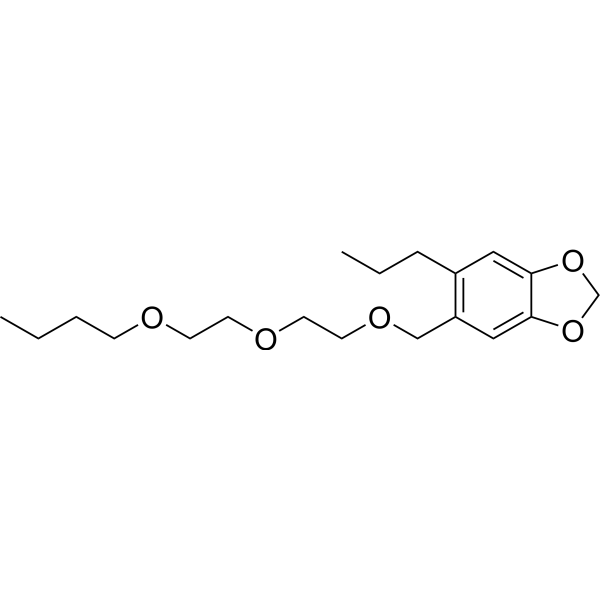
Piperonyl butoxide (ENT-14250) is a pesticide synergist and food additive. Piperonyl butoxide has adverse effects on reproduction, development and behavior in mice. Piperonyl butoxide can activate c-Jun and ATF-2 in mouse hepatocytes. Piperonyl butoxide is a liver cancer carcinogen in rats and mice .
loading...
    loading...
1
1 Cited Publications
Cat. No.: HY-N7719
CAS No.: 475-54-7
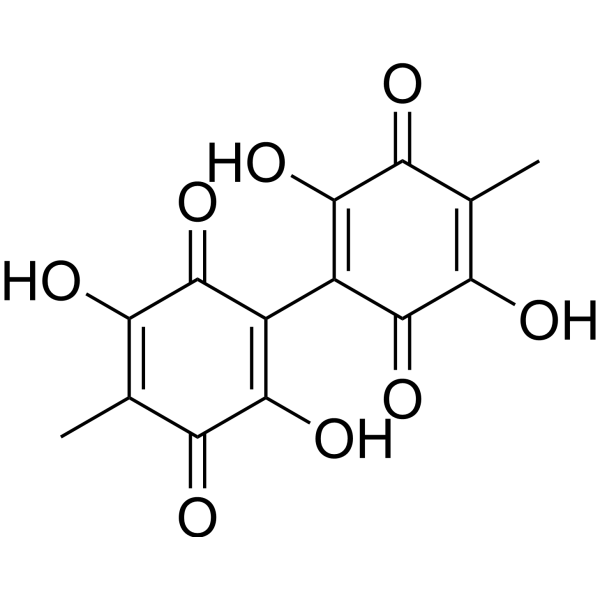
Oosporein is a microbial metabolite and a red crystalline toxin produced by various fungi. Oosporein can promote the reproduction of fungi in host bodies by inhibiting insect immunity, and possesses multiple activities such as antibacterial, antiviral (HSV), and insecticidal effects. Oosporein can inhibit plant growth. In addition, Oosporein can also induce apoptosis, cell membrane damage, oxidative stress, and mitochondrial damage. Oosporein has certain antitumor activity .
loading...
    loading...
1
1 Cited Publications
Cat. No.: HY-21191
CAS No.: 375-73-5
Synonyms: PFBS
Perfluorobutanesulfonic acid (PFBS) is a short-chain perfluoroalkyl substance and the main replacement for perfluorooctanesulfonic acid. Perfluorobutanesulfonic acid induces fat accumulation in human HepG2 hepatoma cells. Perfluorobutanesulfonic acid promotes lipid accumulation by activating PPARγ pathway and triggering oxidative stress, endoplasmic reticulum stress and calcium dyshomeostasis. Perfluorobutanesulfonic acid impairs reproduction and causes developmental disorders in offspring of Caenorhabditis elegans. Perfluorobutanesulfonic acid disrupts pancreatic organogenesis and lipid homeostasis in zebrafish embryos. Perfluorobutanesulfonic acid can be used in environmental toxicology, lipid metabolism and developmental toxicity studies .
loading...
    loading...
1
1 Cited Publications
Cat. No.: HY-W014332
CAS No.: 102-06-7
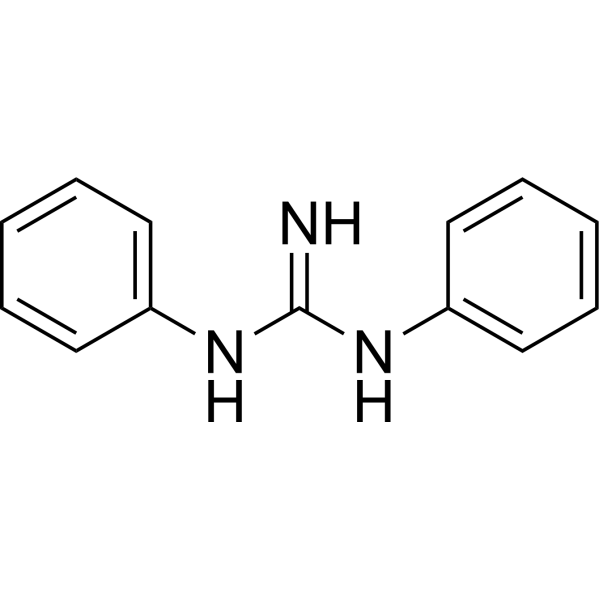
1,3-Diphenylguanidine is a widely used accelerator in rubber vulcanization. 1,3-Diphenylguanidine increases ROS activity and decreases SOD and CAT activity. 1,3-Diphenylguanidine accelerates the vulcanization process. 1,3-Diphenylguanidine impairs the reproduction and growth of Moina macrocopa [1] [2] [3] .
loading...
    loading...
Cat. No.: HY-B1158
CAS No.: 39236-46-9
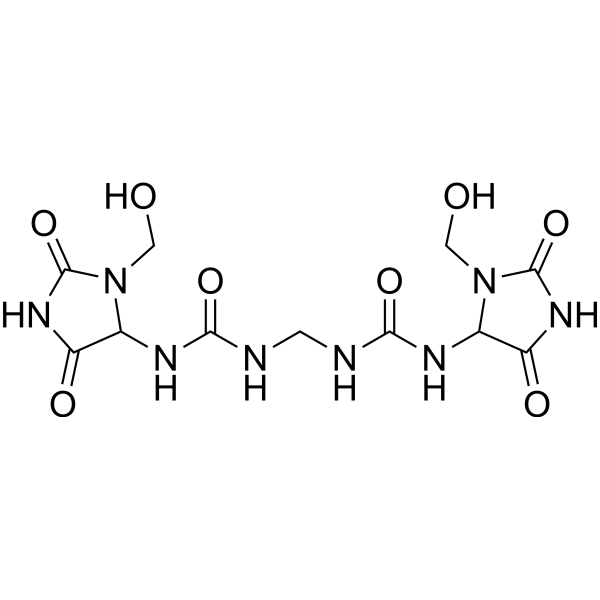
Imidazolidinyl urea is a commonly used antibacterial preservative in cosmetics and pharmaceuticals that releases formaldehyde through decomposition. Imidazolidinyl urea can also be used in the preparation of multifunctional hydrogels for the care of infectious wounds. Imidazolidinyl urea has broad-spectrum antibacterial activity, which mainly inhibits the reproduction of gram-negative bacteria and gram-positive bacteria, and restricts the growth of yeast and mold to a certain extent. Imidazolidinyl urea can induce non-histaminergic allergy by MRGPRX2 activation of mast cells .
loading...
    loading...
Cat. No.: HY-B1812
CAS No.: 91-16-7
Synonyms: 1,2-Dimethoxybenzene
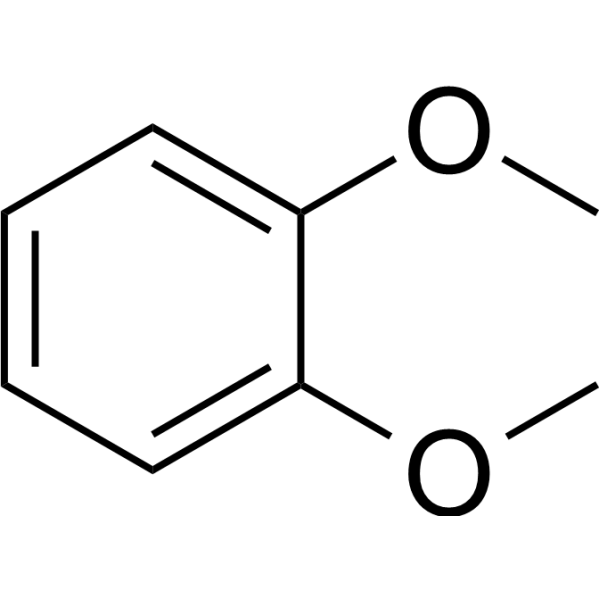
Veratrole (1,2-Dimethoxybenzene) is a key compound that widely exists in plants and attracts pollinators. The release of Veratrole has a circadian rhythm and plays an important role in plant reproduction, species differentiation, and interactions with pollinators. In addition, Veratrole can be demethylated by cytochrome P-450 in Streptomyces setonii .
loading...
    loading...
Cat. No.: HY-B1036
CAS No.: 18507-89-6
Target:  

Parasite

Research Areas:  

Infection

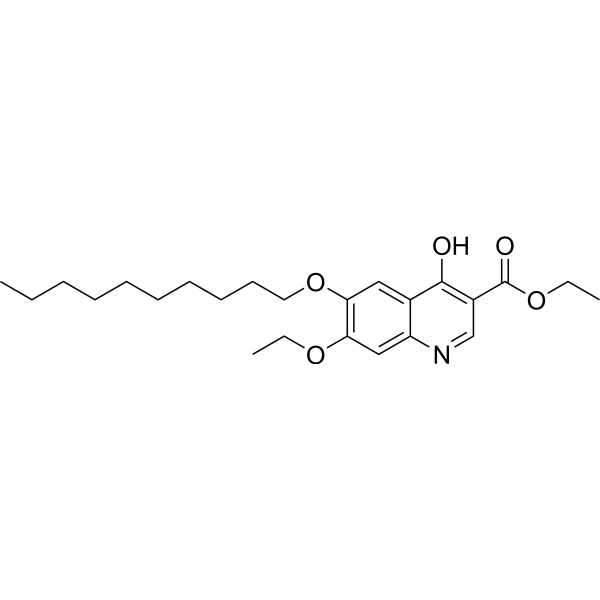
Decoquinate is an orally active, selective inhibitor of the mitochondrial bc1 complex, targeting Eimeria spp. sporozoites and first generation schizonts, and Plasmodium spp. Decoquinate inhibits electron transfer by competitively binding to the mitochondrial cytochrome b system, blocking the parasite's energy metabolism, thereby inhibiting its development and reproduction. Decoquinate has significant anticoccidial activity, preventing intestinal damage and improving host growth performance, and also has inhibitory effects on the liver and blood stages of Plasmodium. Decoquinate is mainly used in veterinary research to prevent and treat coccidiosis in ruminants and poultry .
loading...
    loading...
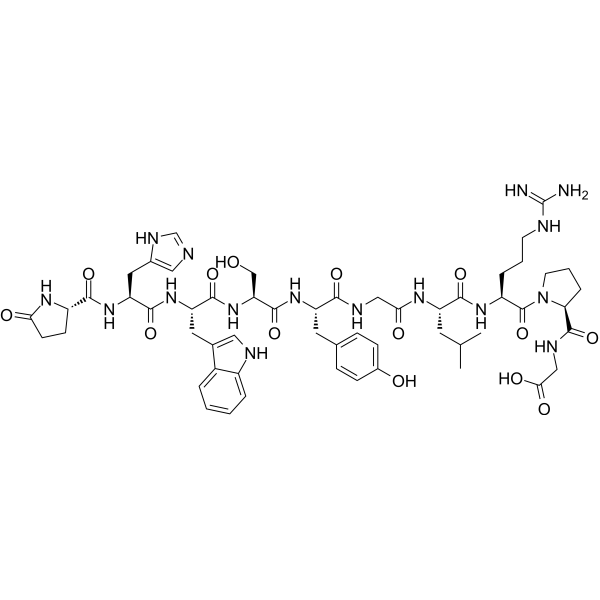
Cat. No.: HY-P4675
CAS No.: 35263-73-1
Target:  

GnRH Receptor

Research Areas:  

Endocrinology Cancer

LHRH (free acid), the luteinizing hormone-releasing hormone, is a neuropeptide hypothalamic. LHRH regulates reproduction. LHRH can be used for the research of cancer .
loading...
    loading...
Cat. No.: HY-W009066
CAS No.: 1241-94-7
Synonyms: EHDPP; Octicizer
2-Ethylhexyl diphenyl phosphate is an organophosphate flame retardants (OPFRs) and a PPARG agonist (EC20: 2.04 µM). 2-Ethylhexyl diphenyl phosphate also inhibits ERRγ transcriptional activity (IC50: 1.3 µM). 2-Ethylhexyl diphenyl phosphate upregulates 3β-HSD1, human chorionic gonadotropin (hCG) and progesterone secretion. 2-Ethylhexyl diphenyl phosphate can be used in studies of female reproduction and fetal development .
loading...
    loading...
Cat. No.: HY-Y1058
CAS No.: 495-18-1
Synonyms: BHA
Target:  

Fungal

Research Areas:  

Infection

Benzohydroxamic acid (BHA) is a chitin deacetylase (CDA) inhibitor with significant antifungal activity. The Ki values of BHA against the CDAs of Verticillium dahliae and Puccinia striiformis f. sp. tritici are 8.31 μM and 9.83 μM, respectively. Benzohydroxamic acid can restore the defense responses of infected host plants, upregulate the expression of defense-related genes, and reduce the growth and reproduction of fungi in plants. Benzohydroxamic acid can be used in the research of the field of controlling agricultural fungal diseases, such as various plant fungal diseases caused by Verticillium dahliae, Puccinia striiformis and other fungi, like cotton wilt and wheat stripe rust .
loading...
    loading...
Cat. No.: HY-E70001
Target:  

Others

Research Areas:  

Endocrinology

Recombinant Human Luteinizing Hormone is a recombinant form of Luteinizing hormone (human) (HY-P2293). Luteinizing hormone (human), a heterodimeric glycoprotein hormone produced by the pituitary gland (LH), plays key roles in human reproduction .
loading...
    loading...
Cat. No.: HY-W014332R
CAS No.: 102-06-7
1,3-Diphenylguanidine (Standard) is the analytical standard of 1,3-Diphenylguanidine (HY-W014332). This product is intended for research and analytical applications. 1,3-Diphenylguanidine is a widely used accelerator in rubber vulcanization. 1,3-Diphenylguanidine increases ROS activity and decreases SOD and CAT activity. 1,3-Diphenylguanidine accelerates the vulcanization process. 1,3-Diphenylguanidine impairs the reproduction and growth of Moina macrocopa [1] [2] [3] .
loading...
    loading...
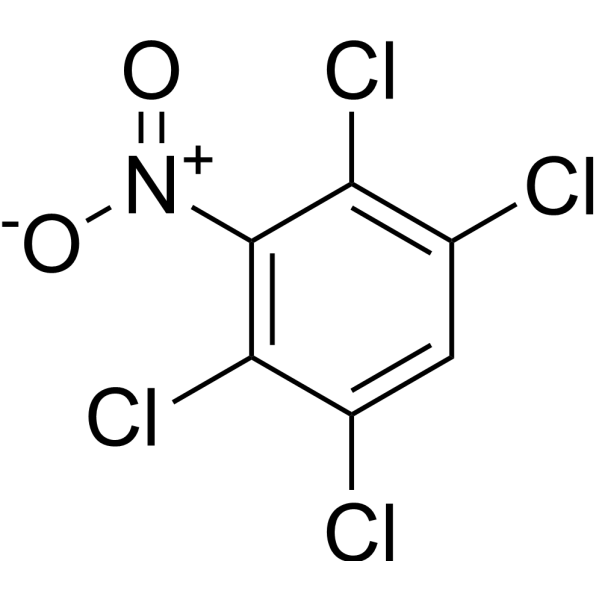
Cat. No.: HY-121935
CAS No.: 117-18-0
Purity:  99.96%
Research Areas:  

Infection

Tecnazene is a dinitroaromatic fungicide and plant growth regulator. Tecnazene binds irreversibly to human skin tissues and exhibits acute toxicity in Rattus norvegicus (brown rat). Tecnazene exerts sprouting-inhibiting and antifungal activities by inhibiting the sprouting of potato tuber buds and blocking the growth and reproduction of fungi that cause dry rot. Tecnazene has significant antifungal and sprouting-inhibiting activities, and shows high toxicity to aquatic organisms such as freshwater fish and crustaceans. Tecnazene is used for sprouting inhibition and dry rot control during potato storage .
loading...
    loading...
Cat. No.: HY-N1953
CAS No.: 8000-34-8
Synonyms: Clove leaf oil,rectified
Target:  

Bacterial

Research Areas:  

Infection Inflammation/Immunology

Clove oil (Clove leaf oil,rectified) is a volatile aromatic essential oil with antibacterial, anti-inflammatory and antioxidant activities. Clove oil disrupts the integrity of bacterial cell membranes, releases intracellular nucleic acids and proteins, and inhibits bacterial growth and reproduction. Clove oil scavenges DPPH, ABTS, superoxide anions, hydrogen peroxide and hydroxyl radicals. Clove oil reduces Fe 3+ to Fe 2+, chelates Fe 2+ and iron ions, and inhibits lipid peroxidation in linoleic acid emulsions. Clove oil acts as a natural preservative to reduce the loss of oxidation products. Clove oil can be isolated from the flowers, stems and leaves of Eugenia aromatica and Eugenia caryophyllus, which belong to the Myrtaceae family. Clove oil can be used in studies related to bacterial infection, antioxidation and preservation .
loading...
    loading...
Cat. No.: HY-N7719R
CAS No.: 475-54-7
Oosporein (Standard) is the analytical standard of Oosporein (HY-N7719). This product is intended for research and analytical applications. Oosporein is a microbial metabolite and a red crystalline toxin produced by various fungi. Oosporein can promote the reproduction of fungi in host bodies by inhibiting insect immunity, and possesses multiple activities such as antibacterial, antiviral (HSV), and insecticidal effects. Oosporein can inhibit plant growth. In addition, Oosporein can also induce apoptosis, cell membrane damage, oxidative stress, and mitochondrial damage. Oosporein has certain antitumor activity .
loading...
    loading...
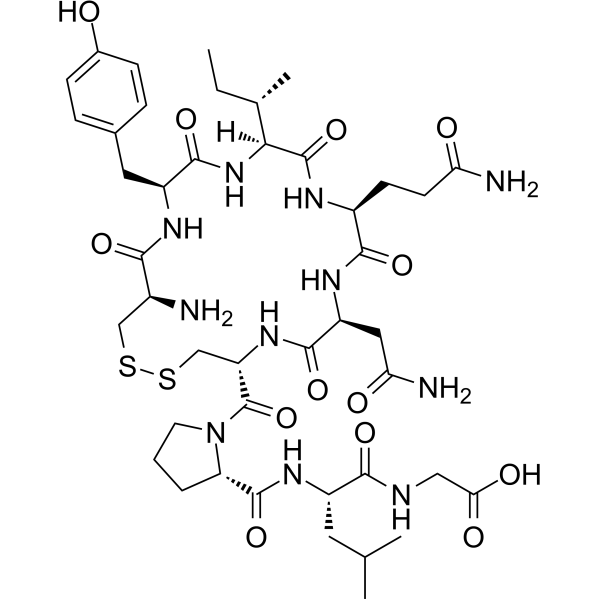
Cat. No.: HY-P3216
CAS No.: 4248-64-0
Synonyms: 9-Deamidooxytocin
Target:  

Oxytocin Receptor

Research Areas:  

Endocrinology

Oxytocin free acid (9-Deamidooxytocin) is an analog of oxytocin in which the glycinamide residue at position 9 in oxytocin has been replaced by a glycine residue. Oxytocin is a pleiotropic, peptide hormone with broad implications for general health, adaptation, development, reproduction, and social behavior .
loading...
    loading...
Cat. No.: HY-W099569
CAS No.: 557-05-1
Synonyms: Zinc octadecanoate
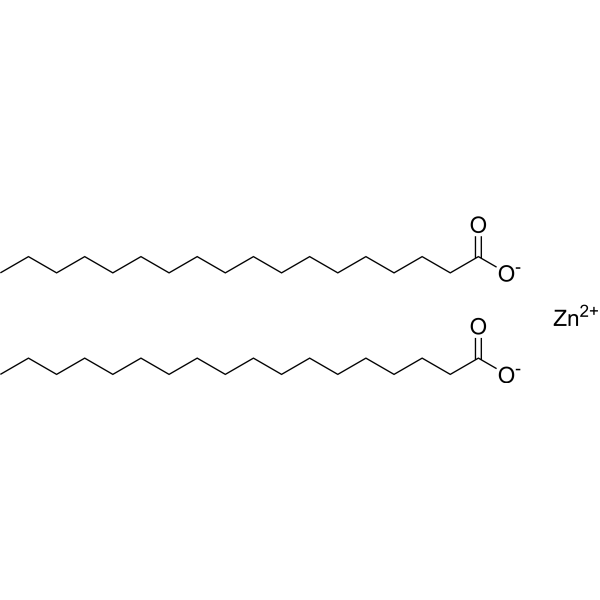
Zinc stearate is a metal stearate that acts as a preservative, bactericide, fungicide, and larvicide. Zinc stearate inhibits larval reproduction in animal feces. Zinc stearate exhibits extremely low systemic toxicity. Zinc stearate is a common component of pharmaceutical excipients, lubricants, mold release agents, polymer stabilizers, and coating matting agents .
loading...
    loading...
Cat. No.: HY-B1812S
CAS No.: 126840-15-1
Synonyms: 1,2-Dimethoxybenzene-d4
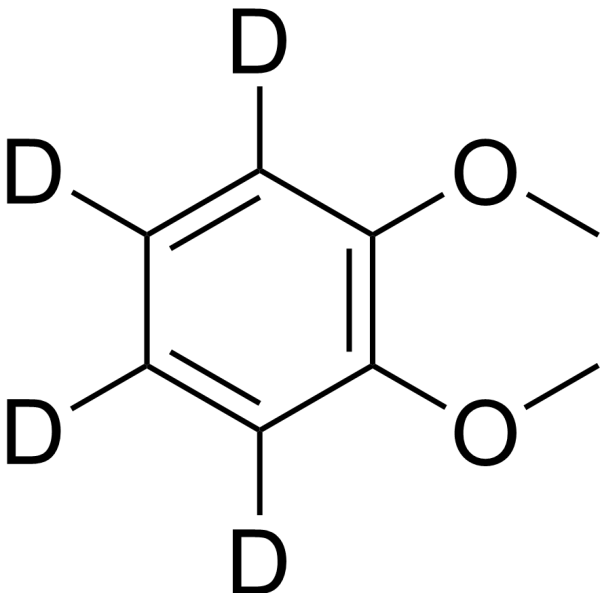
Veratrole-d4 is the deuterium labeled Veratrole. Veratrole (1,2-Dimethoxybenzene) is a key compound that widely exists in plants and attracts pollinators. The release of Veratrole has a circadian rhythm and plays an important role in plant reproduction, species differentiation, and interactions with pollinators. In addition, Veratrole can be demethylated by cytochrome P-450 in Streptomyces setonii .
loading...
    loading...

