
137 Results for "

rotational parameters

" in MedChemExpress (MCE) Product Catalog:
Products (137)

137 Results for "rotational parameters" in MCE Product Catalog:

7
7 Cited Publications
Cat. No.: HY-18102
CAS No.: 1215085-92-9
Target:  

Androgen Receptor

Research Areas:  

Neurological Disease

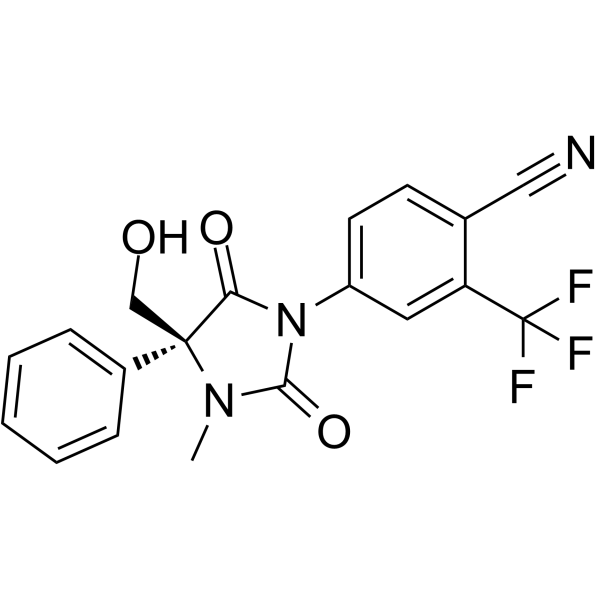
GLPG0492 is an orally active, non-steroidal selective androgen receptor modulator. GLPG0492 exerts functional transactivation by binding to the ligand-binding domain of the receptor, exhibiting preferential partial agonist activity in muscle and bone tissues with low activity in reproductive tissues. GLPG0492 effectively counteracts muscle atrophy-related pathways, significantly enhances muscle strength, maintains motor ability, reduces fibrosis and improves electrophysiological parameters. GLPG0492 prevents immobilization-induced muscle atrophy and regulates muscle mass homeostasis, serving as a valuable tool compound for studies on Duchenne muscular dystrophy, muscle loss and various types of disuse musculoskeletal atrophy .
loading...
    loading...
5
5 Cited Publications
Cat. No.: HY-W009732
CAS No.: 530-59-6
Synonyms: Sinapic acid
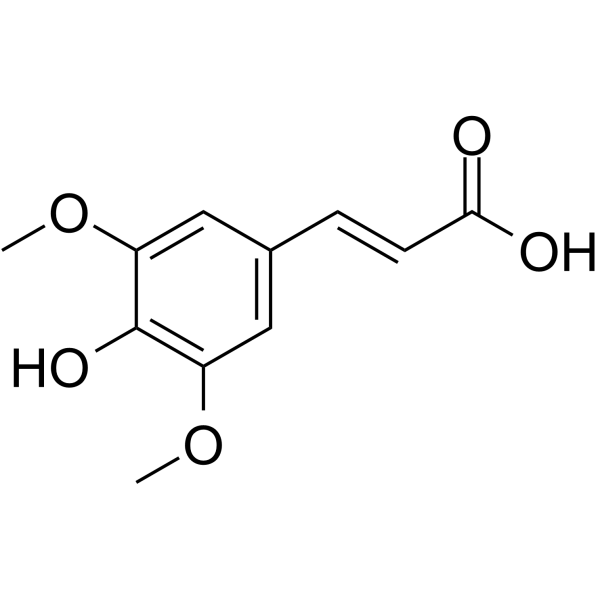
Sinapinic acid (Sinapic acid) is a phenolic compound isolated from Hydnophytum formicarum Jack. Rhizome, acts as an inhibitor of HDAC, with an IC50 of 2.27 mM , and also inhibits ACE-I activity . Sinapinic acid posssess potent anti-tumor activity, induces apoptosis of tumor cells . Sinapinic acid shows antioxidant and antidiabetic activities . Sinapinic acid reduces total cholesterol, triglyceride, and HOMA-IR index, and also normalizes some serum parameters of antioxidative abilities and oxidative damage in ovariectomized rats .
loading...
    loading...
5
5 Cited Publications
Cat. No.: HY-124756
CAS No.: 1451272-71-1
Purity:  98.88%
Target:  

Phosphatase

Research Areas:  

Cardiovascular Disease

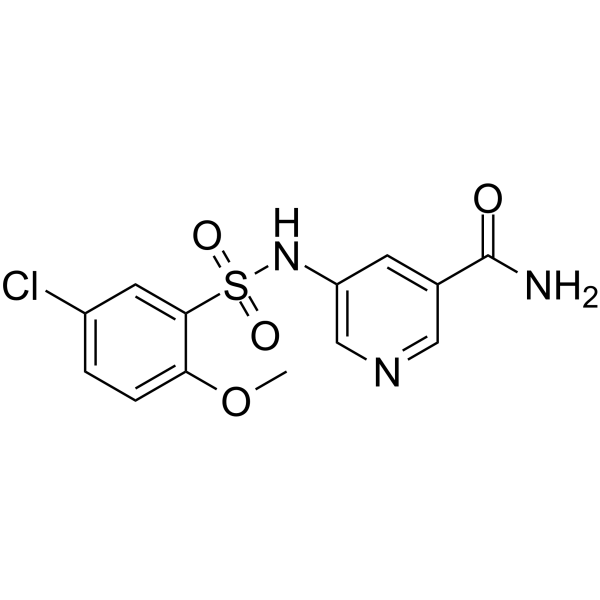
SBI-425 is an orally active and potent TNAP (tissue-nonspecific alkaline phosphatase) inhibitor (IC50=16 nM). SBI-425 inhibits TNAP in the vasculature, improving cardiovascular parameters and survival .
loading...
    loading...
2
2 Cited Publications
Cat. No.: HY-N4170
CAS No.: 23725-05-5
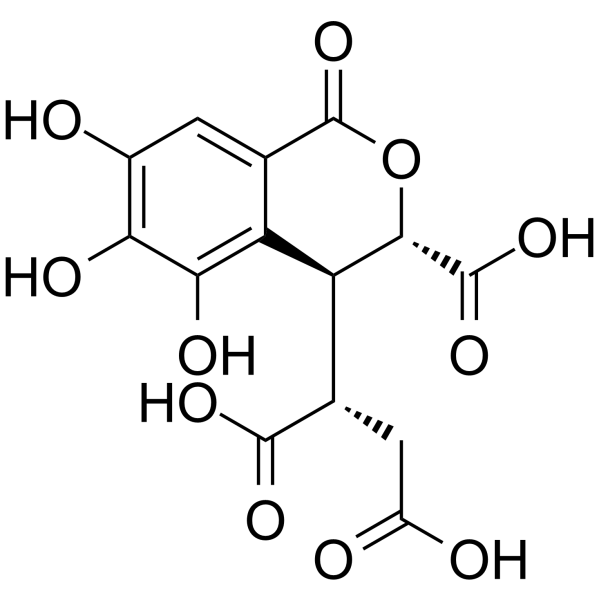
Chebulic acid is a phenolic acid compound isolated from Terminalia chebula with strong antioxidant activity, which breaks protein cross-links induced by advanced glycation end products (AGEs) and inhibits the formation of AGEs. Chebulic acid is effective in controlling elevated metabolic parameters, oxidative stress, and liver damage, supporting its beneficial role in asthma, diabetes, and liver protection .
loading...
    loading...
2
2 Cited Publications
Cat. No.: HY-120951
CAS No.: 1310744-67-2
Purity:  99.01%
Target:  

Endonuclease

Research Areas:  

Cancer

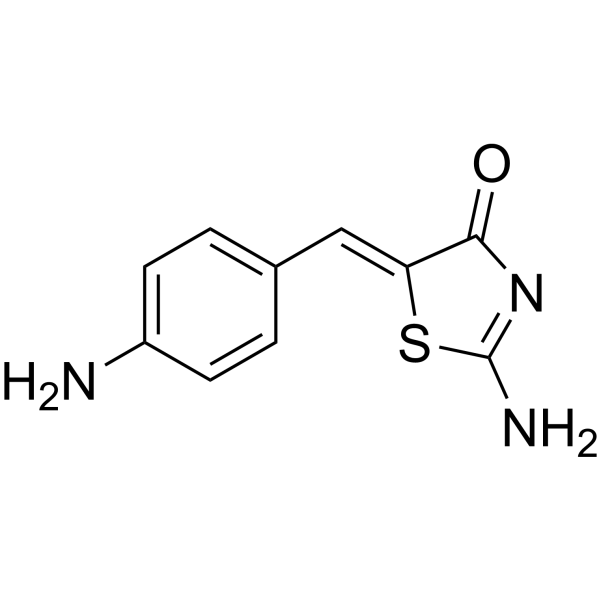
PFM39, a Mirin analog, is a potent and selective MRE11 exonuclease inhibitor. PFM39 inhibits phosphate rotation for dsDNA exonuclease activity. PFM39 does not inhibit TmMre11 or human MRE11/MRN endonuclease activity .
loading...
    loading...
2
2 Cited Publications
Cat. No.: HY-103019B
CAS No.: 1610408-96-2
Purity:  99.85%
Synonyms: (R)-Enitociclib; (-)-BAY-1251152; (-)-VIP152
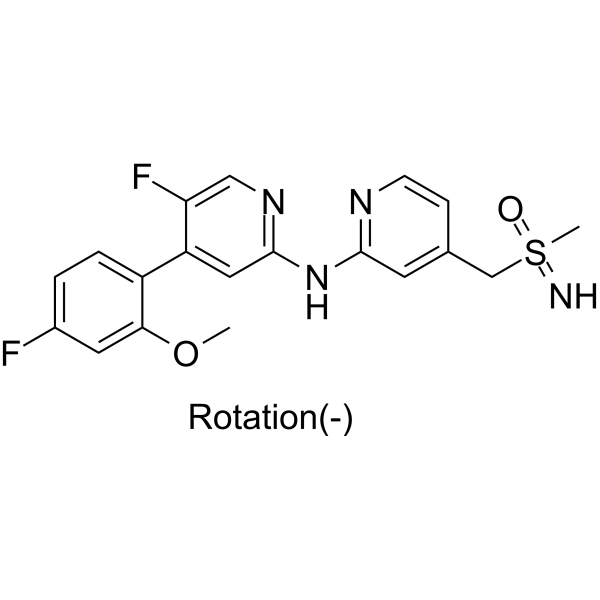
(-)-Enitociclib ((R)-Enitociclib) is an enantiomer of Enitociclib (HY-103019E) with an optical rotation of (-). Enitociclib is a selective CDK9 inhibitor and apoptosis inducer. Enitociclib inhibits CDK9 activity and reduces the phosphorylation of Ser2 in the carboxyl-terminal domain (CTD) of RNA polymerase Pol II, thereby downregulating the transcription of key oncogenes such as MYC and MCL1. Enitociclib has anti-proliferative activity targeting MYC + lymphoma and multiple myeloma (MM) cells, and has synergistic effects with Bortezomib (HY-10227) and Lenalidomide (HY-A0003), and can be used in the research of hematological malignancies .
loading...
    loading...
1
1 Cited Publications
Cat. No.: HY-D0976
CAS No.: 202983-32-2
Research Areas:  

Infection

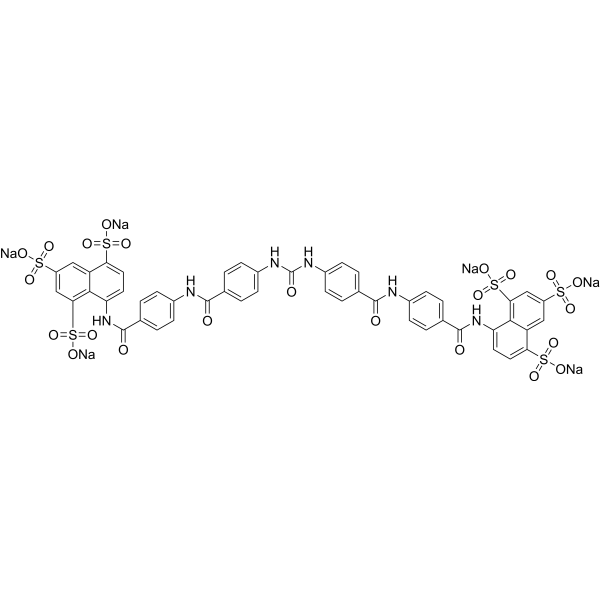
NF279 is a selective P2X1 receptor antagonist and NTPDase inhibitor, with a P2X1 IC50 value of 19 nM. NF279 suppresses GABA-evoked currents, reduces ATP-excited respiratory activity, alters hypoglossal nerve burst parameters, and blocks CXCR4, CCR5, CXCR3, and CXCR7-mediated calcium responses. NF279 arrests HIV-1 fusion downstream of CD4 binding, inhibits R5- and X4-tropic HIV-1 strains. NF279 can be used for the research of HIV-1 infection .
loading...
    loading...
1
1 Cited Publications
Cat. No.: HY-P99814
CAS No.: 2250292-39-6
Synonyms: AMG 701
Target:  

CD3

Research Areas:  

Inflammation/Immunology Cancer

Pavurutamab (AMG-701) is a bispecific T cell engager molecule that anti-CD3 and anti-B cell maturation antigens (BCMA). Pavurutamab has an extended half-life based on Pacanalotamab (HY-P99798). The Fc of Pavurutamab is coupled to molecules to improve pharmacokinetic parameters. Pavurutamab has potential applications in immune regulation and multiple myeloma (MM) .
loading...
    loading...
1
1 Cited Publications
Cat. No.: HY-B1243
CAS No.: 550-83-4
Target:  

Sodium Channel

Research Areas:  

Neurological Disease

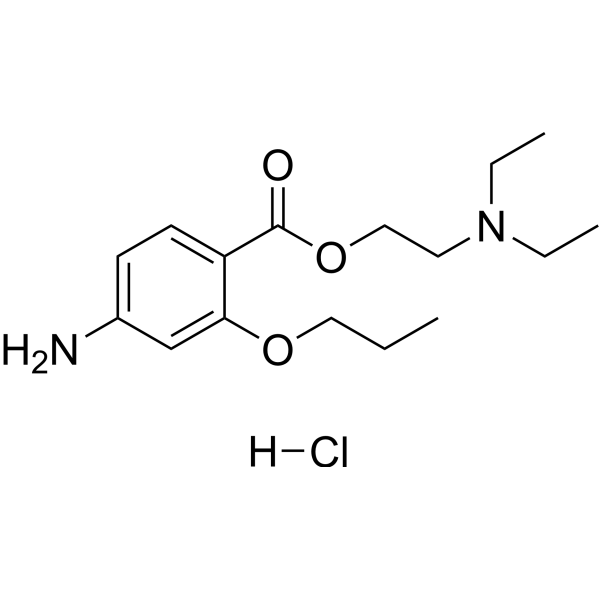
Propoxycaine hydrochloride is a voltage-gated sodium channel inhibitor. Propoxycaine hydrochloride delays monophasic A spike action potential recovery. Propoxycaine hydrochloride increases bulk lateral, rotational, and annular lipid fluidity in neuronal membrane lipid bilayers, with greater inner monolayer fluidization, and induces membrane protein clustering. Propoxycaine hydrochloride can be used for the research of pain .
loading...
    loading...
1
1 Cited Publications
Cat. No.: HY-W089353
CAS No.: 194235-40-0
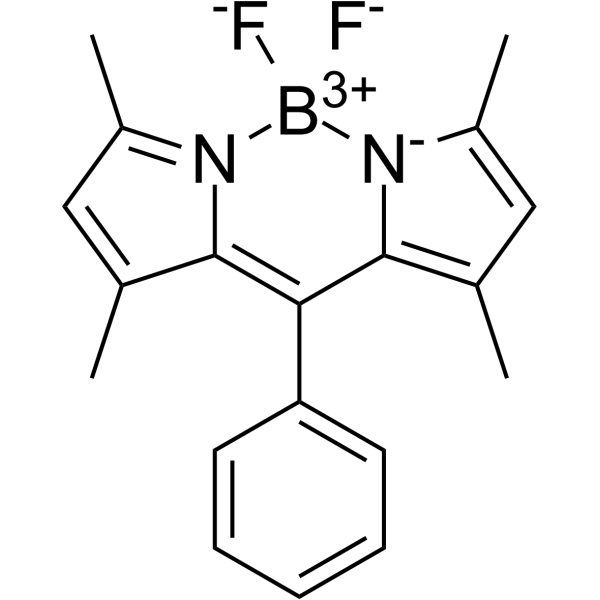
8-Phenyl-BODIPY 505/515 is a molecular rotor based on the BODIPY scaffold, specifically used as a microviscosity probe. The working principle of 8-Phenyl-BODIPY 505/515 is based on the restriction of molecular motion by viscosity: in a high-viscosity environment, the rotational freedom of its chemical bonds is inhibited, which leads to a significant extension of fluorescence lifetime. This property makes 8-Phenyl-BODIPY 505/515 an effective tool for monitoring changes in the viscosity of intracellular microenvironments via fluorescence lifetime imaging (FLIM) technology .
loading...
    loading...
1
1 Cited Publications
Cat. No.: HY-N9447
CAS No.: 79595-97-4
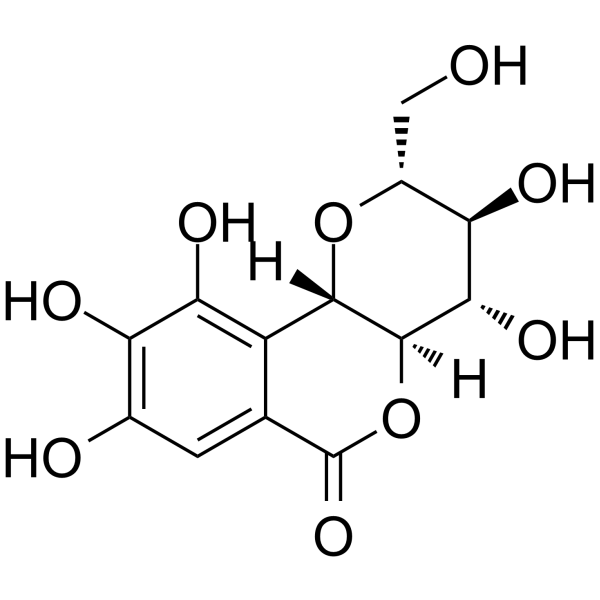
Norbergenin is a polyphenolic isocoumarin derivative. Norbergenin acts as a non-competitive inhibitor of bovine adrenal tyrosine hydroxylase (TH) with a Ki value of 69.6 μM. Norbergenin inhibits lipopolysaccharide-induced inflammatory responses in macrophages by suppressing the activation of NF-κB, MAPK and STAT3, as well as blocking metabolic reprogramming . Norbergenin inhibits aluminum chloride-induced oxidative stress and apoptosis and restores neurocognitive parameters. Norbergenin scavenges ROS through multiple mechanisms and protects cell membranes from lipid peroxidation damage. Norbergenin can be used in research related to Alzheimer's disease, peptic ulcer and arthritis .
loading...
    loading...
1
1 Cited Publications
Cat. No.: HY-149662
CAS No.: 2681302-83-8
Purity:  99.92%
Research Areas:  

Cardiovascular Disease

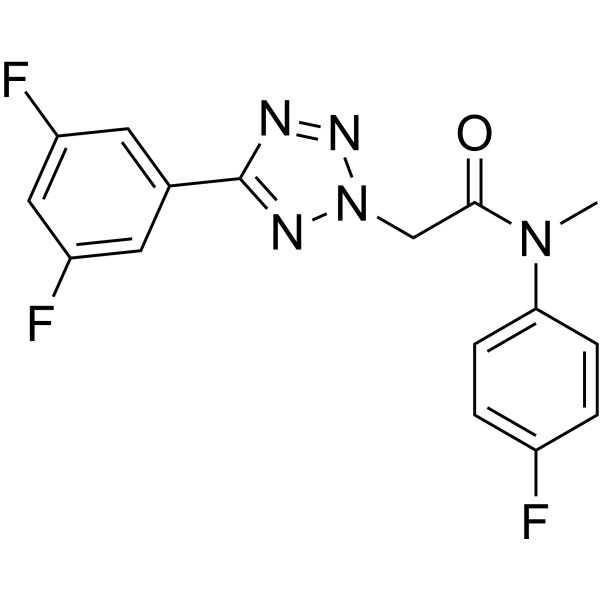
TMDJ-035 is a high-affinity, selective RyR2 inhibitor with an EC50 of 0.0130 μM. TMDJ-035 reduces RyR2 protein expression without affecting action potential-induced Ca 2+ transients. TMDJ-035 decreases ATP content and intracellular Ca 2+ levels. TMDJ-035 inhibits arrhythmias in a CPVT mouse model carrying mutant RyR2s. TMDJ-035 has no effect on electrocardiogram parameters or cardiac systolic function. TMDJ-035 exacerbates heart failure in mouse myocardial infarction models and hypoxic cardiomyocytes by altering cardiac function, causing tissue damage, promoting inflammatory infiltration, collagen deposition, and changes in Myosin heavy chain/actin expression. TMDJ-035 can be used in studies related to heart failure, catecholaminergic polymorphic ventricular tachycardia, and arrhythmias .
loading...
    loading...
1
1 Cited Publications
Cat. No.: HY-P5522A
Synonyms: L-Ala-γ-D-Glu-meso-diaminopimelic acid dihydrochloride
TriDAP dihydrochloride (L-Ala-γ-D-Glu-meso-diaminopimelic acid dihydrochloride) is a NOD1 agonist with a Kd value of 34.5 μM. TriDAP dihydrochloride enhances the binding of NOD1-RICK, promotes RICK phosphorylation, and activates the NF-κB, TAK1, MEK/ERK, p38 and interferon response pathways. TriDAP dihydrochloride downregulates Runx2 via increasing ubiquitination and reduces trabecular bone parameters. TriDAP dihydrochloride decreases IκBα levels and increases p65 levels. TriDAP dihydrochloride induces the secretion of proinflammatory mediators IL-8 and prostaglandins, triggers tissue inflammation and innate immune activation, and inhibits SARS-CoV-2 replication in lung epithelial cells. TriDAP dihydrochloride increases the RANKL/OPG ratio in mice, reduces bone mass and enhances osteoclast activity, and inhibits new bone formation by decreasing the mineralization deposition rate in mice. TriDAP dihydrochloride can be used in research related to pulpitis, chronic ulcerative colitis, Crohn's disease and SARS-CoV-2 infection .
loading...
    loading...
Cat. No.: HY-D0838
CAS No.: 1119-94-4
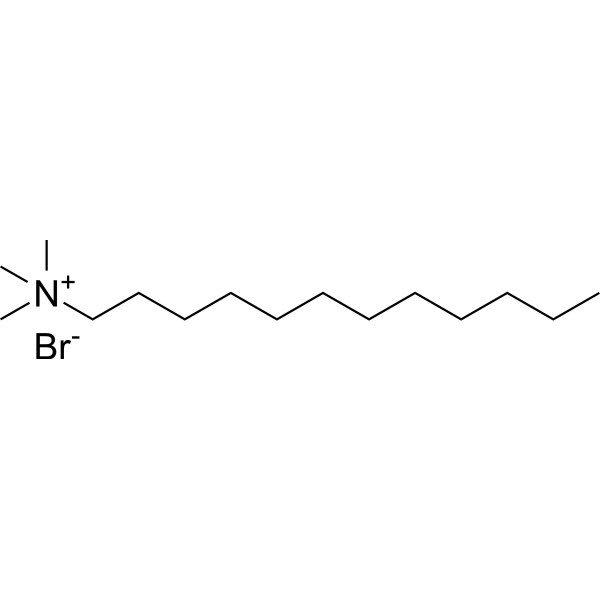
Dodecyltrimethylammonium bromide (DTAB) is a surfactant. Dodecyltrimethylammonium bromide interacts with DNA and changes the mechanical properties of DNA on binding and the specific binding parameters of the interaction .
loading...
    loading...
Cat. No.: HY-W145519
CAS No.: 9005-27-0
Hydroxyethyl starch (MW170-230 kDa) is a type of hydroxyethyl starch with a molecular weight of 170-230 kDa. A medium-molecular-weight hydroxyethyl starch (HES 200/0.62) exhibits minimal intravascular hydrolysis. The rapidly degradable medium-molecular-weight Hydroxyethyl starch 200/0.5 causes almost no coagulation disorders and improves hemorheological parameters .
loading...
    loading...
Cat. No.: HY-Y1191
CAS No.: 16357-59-8
Synonyms: EEDQ
EEDQ is a carboxylate activator and irreversible antagonist of 5HT2c receptors. EEDQ reduces [ 3H]β-CIT binding to the dopamine transporter (DAT) in rat caudate-putamen (CPu) homogenates (IC50 = 78.3 μM). EEDQ inhibits contralateral rotation behavior .
loading...
    loading...
Cat. No.: HY-D0947
CAS No.: 531-53-3
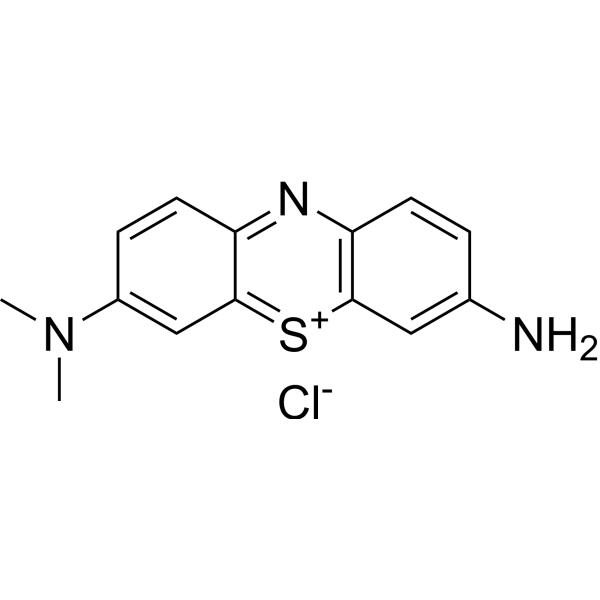
Azure A chloride is a phenothiazine dye. Azure A chloride is an alternative DNA dye used for the separation of DNA and protein fragments in agarose gel electrophoresis and PAGE. Azure A chloride can be chemisorbed on the surface of mild steel according to the Langmuir adsorption isotherm to form a protective film. Azure A chloride binds to double-stranded DNA in a non-cooperative manner via weak intercalation, triggering molecular conformational disturbance, restricted rotational motion, and changes in optical activity .
loading...
    loading...
Cat. No.: HY-145512
CAS No.: 259143-19-6
Synonyms: NLT
Target:  

Dopamine Receptor

Research Areas:  

Neurological Disease

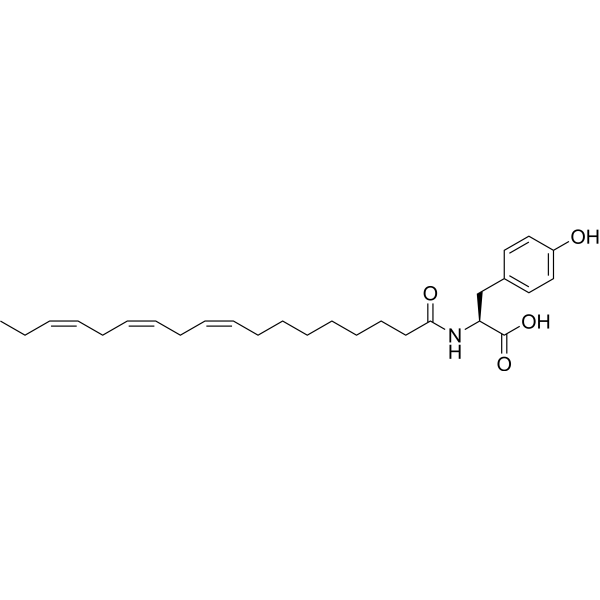
N-(α-Linolenoyl) tyrosine (NLT) is a dopaminergic agonist capable of crossing the blood-brain barrier. N-(α-Linolenoyl) tyrosine increases the level, turnover rate and release amount of dopamine in the striatum. N-(α-Linolenoyl) tyrosine modulates rotational behavior in a rat model with unilateral striatal injury and alleviates excessive blinking symptoms in models induced by dopamine-depleting agents. N-(α-Linolenoyl) tyrosine can be used for research on Parkinson's disease and idiopathic blepharospasm .
loading...
    loading...
Cat. No.: HY-D0202
CAS No.: 1668-00-4
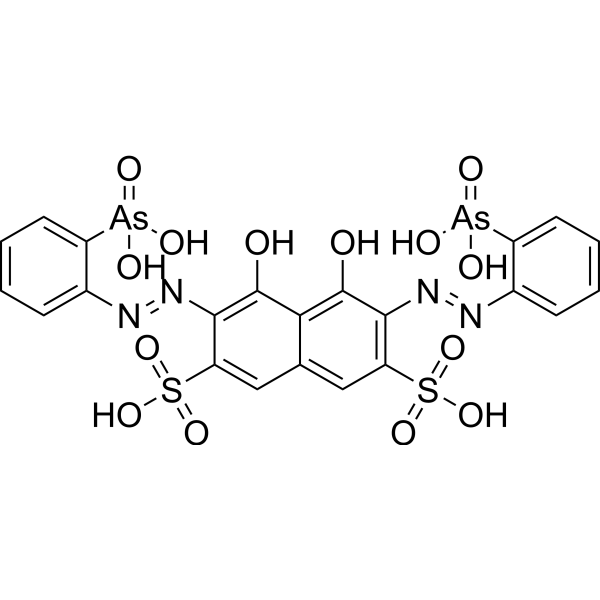
Arsenazo III is an azo derivative of chromotropic acid, a metal chrome dye, a chelating agent, and a cation complexing agent. Arsenazo III forms stable 1:1 complexes with Ca 2+, Mg 2+, Sr 2+, Ba 2+, K +, and Na +, and its binding affinity for Ca 2+ depends on pH, alkali metal cation concentration, and buffer parameters. Arsenazo III serves as a colorimetric indicator for micromolar ionized Ca 2+ in cells .
loading...
    loading...
Cat. No.: HY-P990608
CAS No.: 2921676-05-1
Synonyms: IMC 3C5; JNJ-69086420 antibody; Anti-KLK2 Antibody (h11B6)

Target:  

CD3

Research Areas:  

Endocrinology Cancer

Alpitatug (IMC 3C5) is a fully human monoclonal antibody and also a VEGFR3 inhibitor. Alpitatug blocks renal lymphangiogenesis, prevents the formation of tubulointerstitial lymphatic vessels, and reduces the number of lymphatic vessels in rats. Alpitatug does not alter the proteinuria level, inflammatory cell infiltration, fibrosis markers or renal function parameters in proteinuric rats. Alpitatug can be used in research related to proteinuric nephropathy and advanced solid tumors .
loading...
    loading...

