
174 Results for "

spleen

" in MedChemExpress (MCE) Product Catalog:
Products (174)

174 Results for "spleen" in MCE Product Catalog:

11
11 Publications Verification
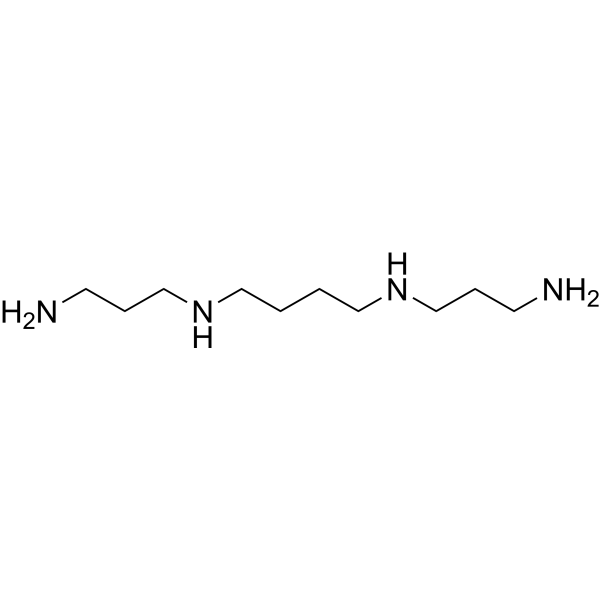
Cat. No.: HY-B1777
CAS No.: 71-44-3
Synonyms: NSC 268508; Neuridine
Spermine is a natural antioxidant and anti-inflammatory agent. Spermine is known to inhibit some bacterial cultures, especially strains of Staphylococcus aureus. Spermine can reversibly inhibits DNA synthetic response, mixed lymphocyte response and the induction of cytolytic lymphocyte response in primary cultures of murine spleen cells. Spermine is a polyamine nitric oxide donor that can provide nitric oxide to platelets and inhibit platelet activation to a certain extent concentration-dependently. Spermine occurs in mammalian tissues, plants, bacteria, ribosomes and bacteriophage. Spermine inhibits primary human embryo lung fibroblasts in vitro .
loading...
    loading...
11
11 Publications Verification
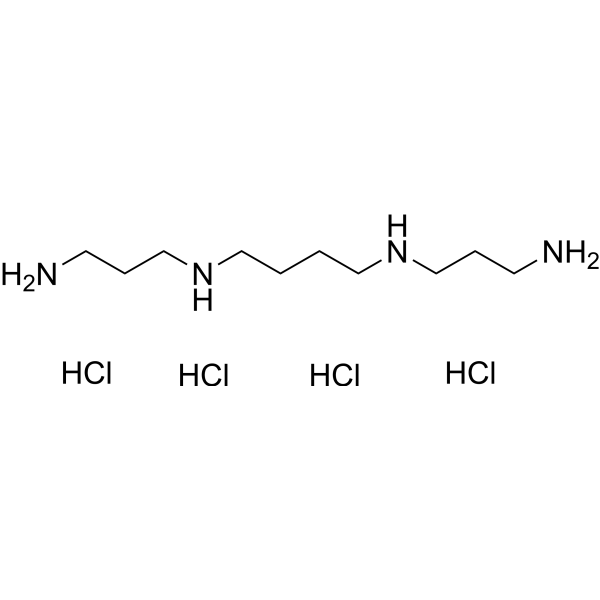
Cat. No.: HY-B1777A
CAS No.: 306-67-2
Spermine tetrahydrochloride is a polyamine nitric oxide donor that can provide nitric oxide to platelets and inhibit platelet activation to a certain extent concentration-dependently. Spermine tetrahydrochloride occurs in mammalian tissues, plants, bacteria, ribosomes and bacteriophage. Spermine tetrahydrochloride inhibits primary human embryo lung fibroblasts in vitro. Spermine is a natural antioxidant and anti-inflammatory agent. Spermine is known to inhibit some bacterial cultures, especially strains of Staphylococcus aureus. Spermine induces neurotoxicity in the striarum dose-dependently. Spermine can reversibly inhibits DNA synthetic response, mixed lymphocyte response and the induction of cytolytic lymphocyte response in primary cultures of murine spleen cells .
loading...
    loading...
3
3 Cited Publications
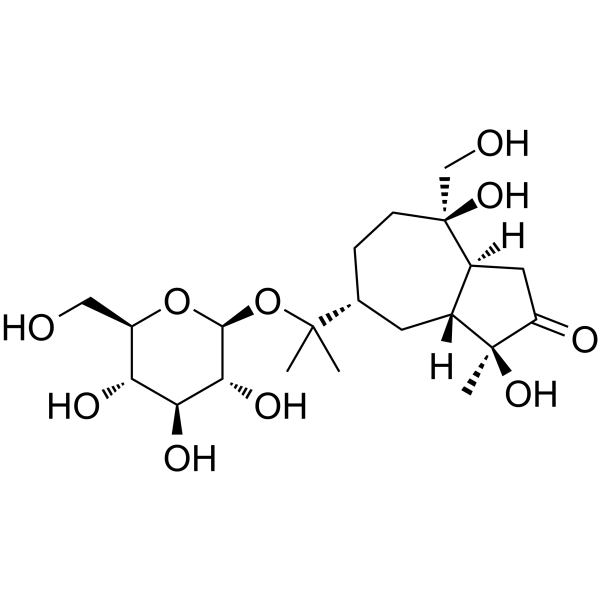
Cat. No.: HY-N0237
CAS No.: 126054-77-1
Atractyloside A is an orally active inhibitor of the TLR4/MyD88/NF-κB signaling pathway and also an opener of the mitochondrial permeability transition pore (MPTP). Atractyloside A interferes with the activation of the TLR4/MyD88/NF-κB pathway, thereby inhibiting intestinal inflammatory responses. Atractyloside A reverses mucin synthesis impairment, improves intestinal barrier integrity, and restores homeostasis by altering the composition of the gut microbiota. Atractyloside A can be used in studies related to spleen deficiency diarrhea and myocardial injury .
loading...
    loading...
2
2 Cited Publications
Cat. No.: HY-W013755
CAS No.: 117-84-0
Synonyms: DNOP; Di-n-octyl phthalate; Phthalic acid dioctyl ester
Dioctyl phthalate (DNOP) is a plasticizer. Dioctyl phthalate increases the activities of alanine aminotransferase (ALT) and alkaline phosphatase (ALP) in the liver, as well as the levels of creatinine and urea in the kidney. Exposure to Dioctyl phthalate disrupts the homeostasis of the intestinal microbial community, increases the abundance of pathogenic bacteria, and reduces the abundance of beneficial bacteria such as Lactobacillus. Dioctyl phthalate induces significant and dose-dependent inflammatory responses in the liver, spleen and kidney of mice .
loading...
    loading...
2
2 Cited Publications
Cat. No.: HY-K0310

MCE Mouse CD8+ Cells Positive Selection Kit is designed for the isolation of CD8+ cells from single cell suspensions of mouse spleen cells, lymph nodes or other tissues.

loading...
    loading...
2
2 Cited Publications
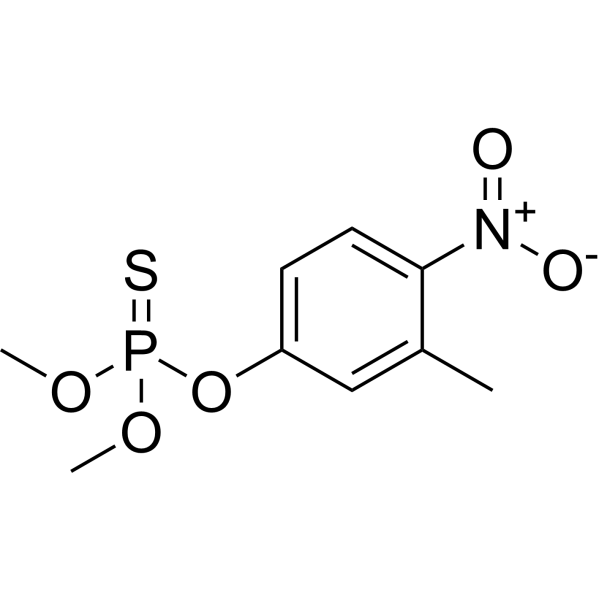
Cat. No.: HY-B1885
CAS No.: 122-14-5
Fenitrothion is a broad-spectrum and orally active insecticide/acaricide. Fenitrothion inhibits cholinesterase, AMPKα and IRS1/PI3K/AKT. Fenitrothion causes Apoptosis, reduces SOD activity. Fenitrothion shows insecticidal effect against Rhyzopertha dominica and Tribolium castaneum adults. Fenitrothion is widely used in cotton crops, vegetable crops, fruit crops and field crops, especially rice. Fenitrothion can be used for brain and spleen toxicology studies .
loading...
    loading...
2
2 Cited Publications
Cat. No.: HY-N10424
CAS No.: 600-76-0
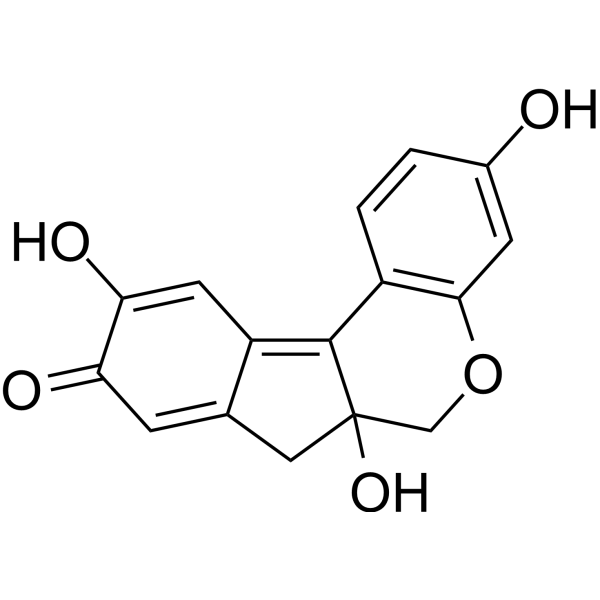
Brazilein is a compound with anti-inflammatory and neuroprotective activities, with an IC50 of 500 μM against guinea pig Na +,K +-ATPase. Brazilein reduces iNOS mRNA expression, thereby inhibiting nitric oxide production in immune cells. Brazilein suppresses inflammatory responses by reducing the mRNA expression of TNF-α and IL-6, but has no effect on IL-1β expression. Brazilein reduces the cerebral infarction volume and improves the neurological function scores of rats with cerebral ischemia-reperfusion injury. Brazilein induces apoptosis of splenic lymphocytes in mice. Brazilein inhibits humoral immune responses in mice, and causes thymus and spleen atrophy as well as body weight loss in mice. Brazilein also possesses antimalarial and antibacterial activities. Brazilein is also a red dye. Brazilein can be used in studies related to the infection, nervous system, cardiovascular system and inflammatory diseases .
loading...
    loading...
1
1 Cited Publications
Cat. No.: HY-42360
CAS No.: 64987-85-5
Target:  

ADC Linkers

Research Areas:  

Others

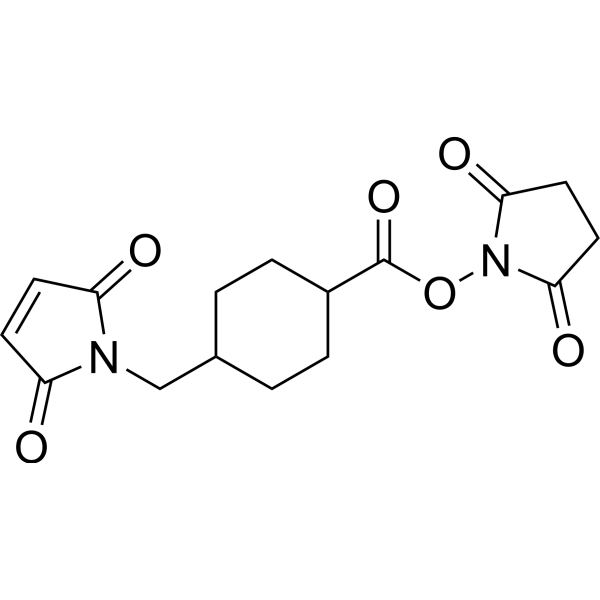
SMCC is a protein crosslinker. SMCC contains an amine-reactive N-hydroxysuccinimide ester and a sulfhydryl-reactive maleimide group that can be used in the conjugation of proteins. SMCC-conjugated antigen coupled spleen cells to induce antigen-specific immune responses .
loading...
    loading...
1
1 Cited Publications
Cat. No.: HY-168374
CAS No.: 1829524-73-3
DSPE-PEG2000-Mannose is a mannose-containing lipid. DSPE-PEG2000-Mannose is used to prepare mannose-conjugated Liposome (Man-lipo) for siRNA delivery. Mannose-modified liposomes encapsulating IDO siRNA (Man-lipo-siIDO) preferentially knock down IDO expression in the draining lymph nodes and spleens of melanoma-bearing mice. Man-lipo-siIDO delays the onset time of melanoma and reduces tumor volume .
loading...
    loading...
1
1 Cited Publications
Cat. No.: HY-134771
CAS No.: 643082-52-4
Purity:  98.01%
Synonyms: AS1617612
Target:  

STAT

Research Areas:  

Inflammation/Immunology

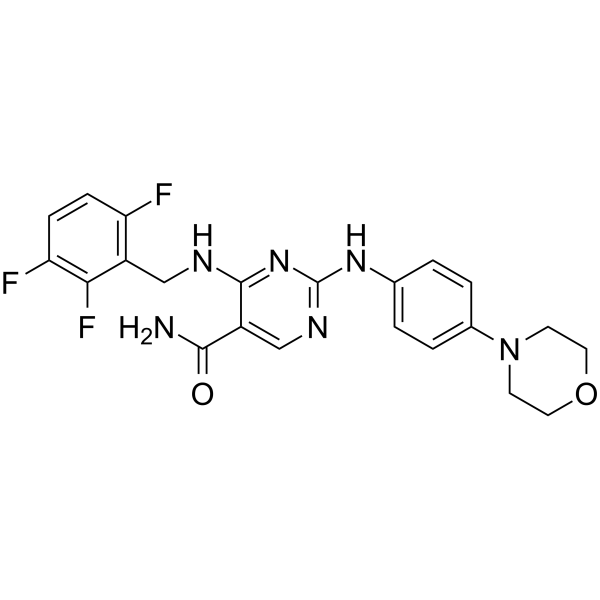
YM-341619 (AS1617612) is a potent and orally active STAT6 inhibitor with an IC50 of 0.70 nM. YM-341619 inhibits Th2 differentiation in mouse spleen T cells induced by IL-4 (IC50=0.28 nM) without affecting Th1 cell differentiation . YM-341619 is a promising compound for the the research of allergic diseases, such as allergic asthma .
loading...
    loading...
1
1 Cited Publications
Cat. No.: HY-12736A
CAS No.: 2341796-81-2
Purity:  99.37%
Target:  

Syk ERK

Research Areas:  

Inflammation/Immunology Cancer

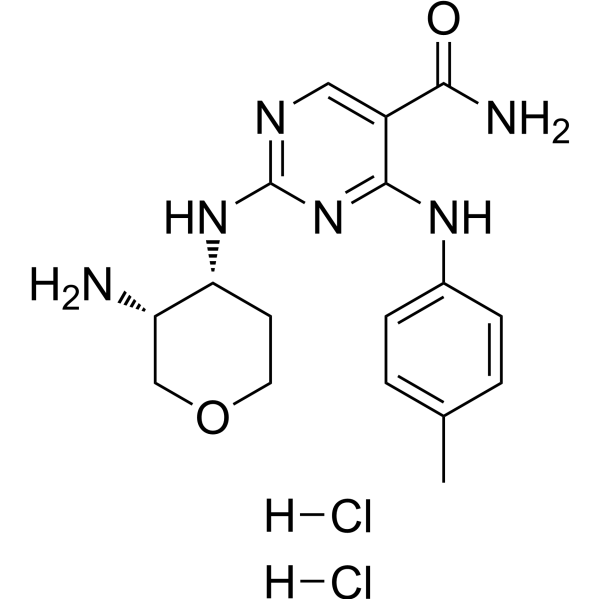
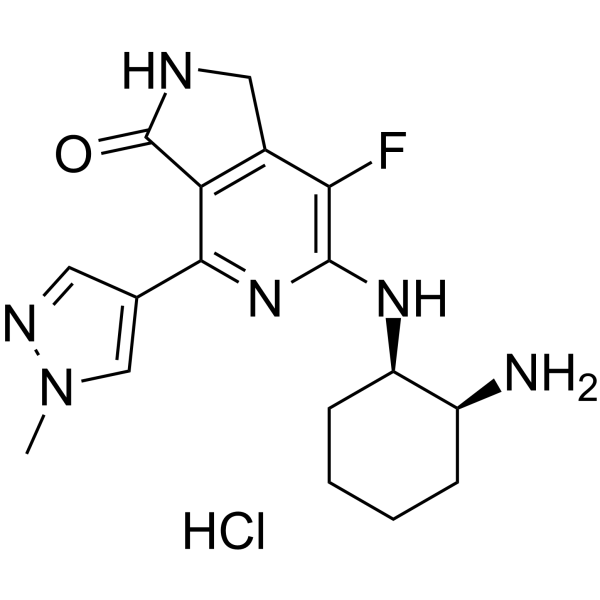
GSK143 dihydrochloride is an orally active and highly selective spleen tyrosine kinase (SYK) inhibitor with a pIC50 of 7.5. GSK143 dihydrochloride inhibits phosphorylated Erk (pErk: pIC50=7.1) . GSK143 dihydrochloride reduces inflammation and prevents recruitment of immune cells in the intestinal muscularis in mice .
loading...
    loading...
1
1 Cited Publications
Cat. No.: HY-P702728
Purity:  ≥ 90%, as determined by reducing SDS-PAGE.
Synonyms: SYK; Tyrosine-Protein Kinase SYK; spleen Associated Tyrosine Kinase; P72-Syk; spleen Tyrosine Kinase; IMD82
Species:  
Human
Source:  
Sf9 insect cells
loading...
    loading...
1
1 Cited Publications
Cat. No.: HY-K0306

MCE Mouse CD3+ T Cells Negative Selection Kit is designed for the isolation of CD3+ T cells from single cell suspensions of mouse spleen cells and lymph nodes.

loading...
    loading...
1
1 Cited Publications
Cat. No.: HY-K0307

MCE Mouse CD4+ T Cells Negative Selection Kit is designed for the isolation of CD4+ T cells from single cell suspensions of mouse spleen cells and lymph nodes.

loading...
    loading...
1
1 Cited Publications
Cat. No.: HY-P790035
Purity:  ≥ 90%, as determined by reducing SDS-PAGE.
Synonyms: DNASE1L3; Deoxyribonuclease Gamma; Deoxyribonuclease 1L3; Liver And spleen DNase; DNAS1L3; DNase I-Like 3; LSD; DNaseY; DNase Gamma; DHP2; LS-DNase; Deoxyribonuclease I-Like III; D3; Deoxyribonuclease I Like 3; DNase I Homolog Protein DHP2; DNase I Homolo
Species:  
Mouse
Source:  
E. coli
loading...
    loading...
1
1 Cited Publications
Cat. No.: HY-P1684
CAS No.: 1319725-20-6
Synonyms: FOXP3 inhibitor P60
Peptide P60 is a FOXP3 inhibitor. Peptide P60 reduces the nuclear translocation of FOXP3 and impairs FOXP3-mediated inhibition of NF-κB and NFAT activity. Peptide P60 inhibits the immunosuppressive activity of regulatory T cells and restores the proliferation and activation of effector T cells. Peptide P60 induces lymphoproliferative autoimmune syndrome in neonatal ICR mice and reduces the number of CD4 +CD25 +Foxp3 + T cells in the spleen. Peptide P60 enhances the efficacy of AH1 (HY-P4193) peptide vaccine and recombinant adenovirus-based HCV NS3 vaccine in BALB/c mice, including protective effects against CT26 tumor implantation. Peptide P60 can be used in studies related to tumor immunity, viral infection and lymphoproliferative autoimmune syndrome .
loading...
    loading...
Cat. No.: HY-P2780
CAS No.: 9047-22-7
Research Areas:  

Others Cancer

Cathepsin B, Bovine spleen is a cysteine protease and is involved in multiple kinds of programmed cell death (including apoptosis, pyroptosis, ferroptosis, necroptosis, and autophagic cell death) .
loading...
    loading...
Cat. No.: HY-100867A
CAS No.: 1952251-28-3
Purity:  99.86%
Synonyms: TAK-659 monohydrochloride; CB-659 monohydrochloride
Target:  

Syk FLT3

Research Areas:  

Cancer

TAK-659 hydrochloride is a highly potent, selective, reversible and orally available dual inhibitor of spleen tyrosine kinase (SYK) and fms related tyrosine kinase 3 (FLT3), with an IC50 of 3.2 nM and 4.6 nM for SYK and FLT3, respectively. TAK-659 hydrochloride induces cell death in tumor cells but not in nontumor cells, and with potential for the treatment of chronic lymphocytic leukemia (CLL) .
loading...
    loading...
Cat. No.: HY-148049
CAS No.: 1821214-50-9
Purity:  ≥98.0%
Target:  

Liposome

Research Areas:  

Others

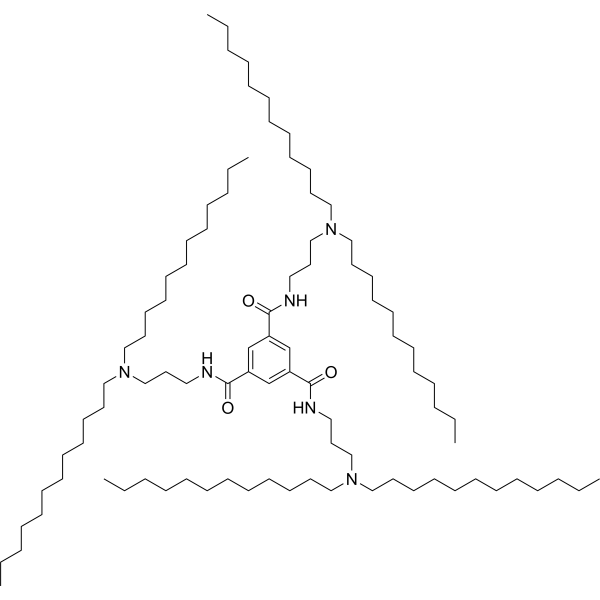
TT3 is an ionizable lipid-like material and a lipid nanoparticle (LLNs)-based mRNA delivery vector. TT3 exhibits liver and spleen specificity and excellent delivery efficiency .
loading...
    loading...
Cat. No.: HY-B2046
CAS No.: 122-34-9
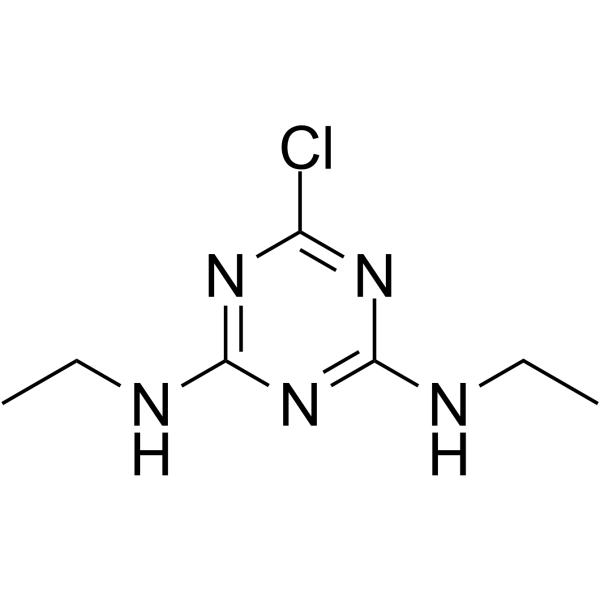
Simazine is a triazine herbicide. Simazine is widely used in agriculture, potted plant and tree production. In addition, Simazine can induce the apoptosis of immune cells in the spleen of mice and inhibit the proliferation of B cells and T cells in mice .
loading...
    loading...

