320 Results for "

spontaneous

" in MedChemExpress (MCE) Product Catalog:
Products (320)

320 Results for "spontaneous" in MCE Product Catalog:

29
29 Publications Verification
Cat. No.: HY-100001
CAS No.: 130495-35-1
Purity:  ≥99.01%
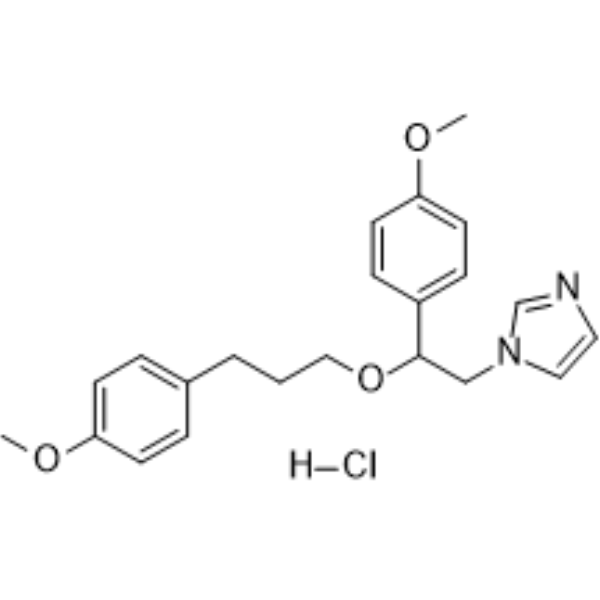
SKF-96365 hydrochloride is a TRPC channel antagonist and store-operated calcium entry (SOCE) inhibitor. SKF-96365 hydrochloride reduces calcium ion influx by inhibiting the activity and expression of TRPC6, STIM1 and Orai1. SKF-96365 hydrochloride inhibits voltage-gated sodium current (cardiac INa/NaV1.5) and slows myocardial conduction. SKF-96365 hydrochloride inhibits phosphorylation/activation of CaMKIIγ and suppresses the downstream AKT signaling pathway. SKF-96365 hydrochloride induces G2/M phase cell cycle arrest, apoptosis and cytoprotective autophagy in colorectal cancer cells. SKF-96365 hydrochloride alleviates allergic rhinitis symptoms by reducing inflammatory cytokine levels. SKF-96365 hydrochloride reduces intracellular calcium overload, inhibits Homer1 expression, prevents nuclear damage and suppresses apoptosis. SKF-96365 hydrochloride inhibits the growth of colorectal cancer xenografts in nude mice . SKF-96365 hydrochloride is applicable to research related to allergic rhinitis, colorectal cancer, Parkinson's disease, persistent spontaneous nociception and hyperalgesia .
loading...
    loading...
29
29 Publications Verification
Cat. No.: HY-125942
CAS No.: 162849-90-3
SKF-96365 is a TRPC channel antagonist and store-operated calcium entry (SOCE) inhibitor. SKF-96365 reduces calcium ion influx by inhibiting the activity and expression of TRPC6, STIM1 and Orai1. SKF-96365 inhibits voltage-gated sodium current (cardiac INa/NaV1.5) and slows myocardial conduction. SKF-96365 inhibits phosphorylation/activation of CaMKIIγ and suppresses the downstream AKT signaling pathway. SKF-96365 induces G2/M phase cell cycle arrest, apoptosis and cytoprotective autophagy in colorectal cancer cells. SKF-96365 alleviates allergic rhinitis symptoms by reducing inflammatory cytokine levels. SKF-96365 reduces intracellular calcium overload, inhibits Homer1 expression, prevents nuclear damage and suppresses apoptosis. SKF-96365 inhibits the growth of colorectal cancer xenografts in nude mice . SKF-96365 is applicable to research related to allergic rhinitis, colorectal cancer, Parkinson's disease, persistent spontaneous nociception and hyperalgesia .
loading...
    loading...
20
20 Cited Publications
Cat. No.: HY-B0564
CAS No.: 14402-89-2
Synonyms: Ro 21-2498
Target:  

Angiotensin Receptor

Research Areas:  

Cardiovascular Disease Cancer

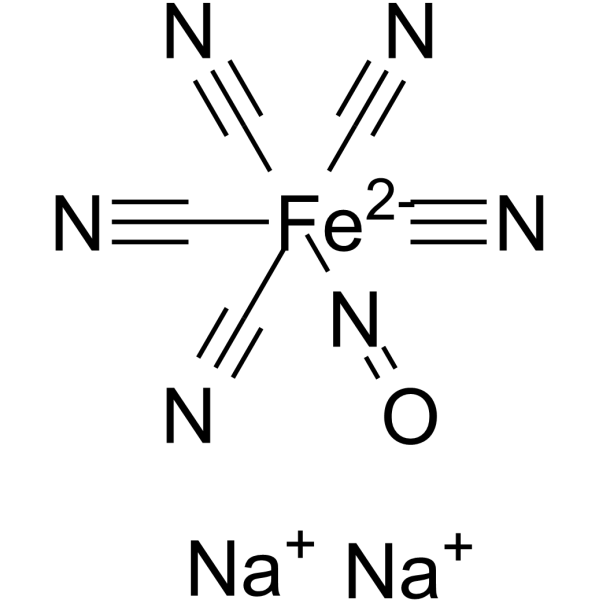
Sodium nitroprusside (Ro 21-2498) is a potent vasodilator working through releasing NO spontaneously in blood.
loading...
    loading...
18
18 Cited Publications
Cat. No.: HY-D0717
CAS No.: 254109-22-3
Synonyms: Diaminofluorescein-FM diacetate
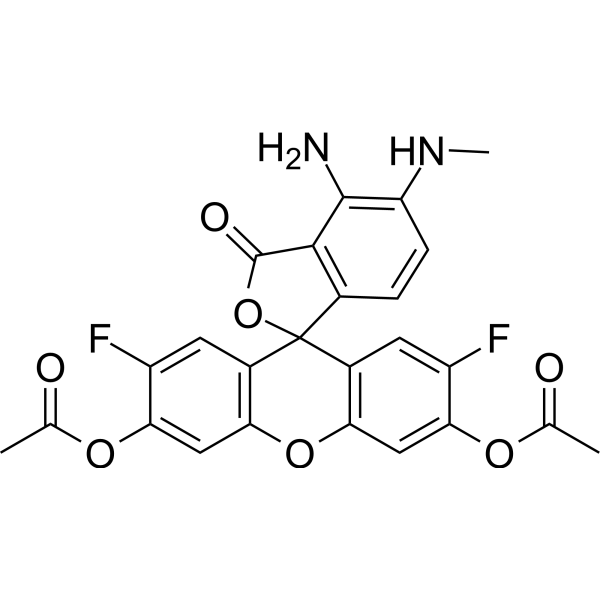
DAF-FM DA (Diaminofluorescein-FM diacetate) is a fluorescent probe for the detection and bioimaging of nitric oxide (NO). DAF-FM DA spontaneously crosses the plasma membrane and is subsequently cleaved by esterases to generate intracellular DAF-FM (Ex/Em=495/515 nm) .
loading...
    loading...
7
7 Cited Publications
Cat. No.: HY-17572
CAS No.: 90779-69-4
Synonyms: RW22164; RWJ22164
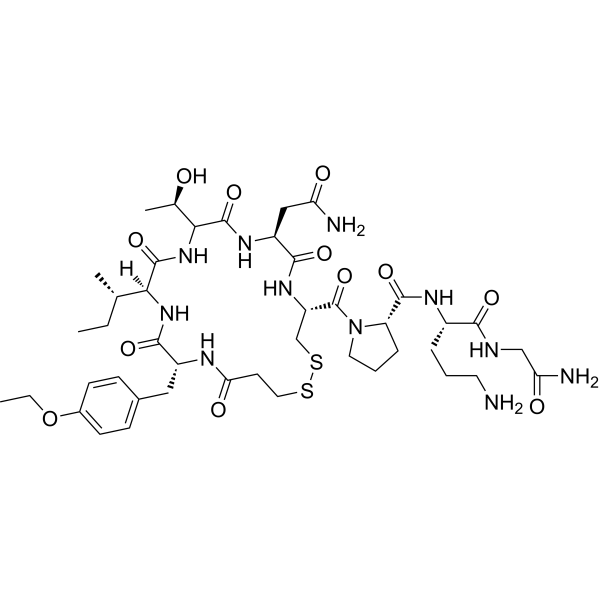
Atosiban (RW22164; RWJ22164) is a nonapeptide competitive vasopressin/oxytocin receptor antagonist, and is a desamino-oxytocin analogue. Atosiban is the main tocolytic agent and has the potential for spontaneous preterm labor research .
loading...
    loading...
7
7 Cited Publications
Cat. No.: HY-17572A
CAS No.: 914453-95-5
Synonyms: RW22164 acetate; RWJ22164 acetate
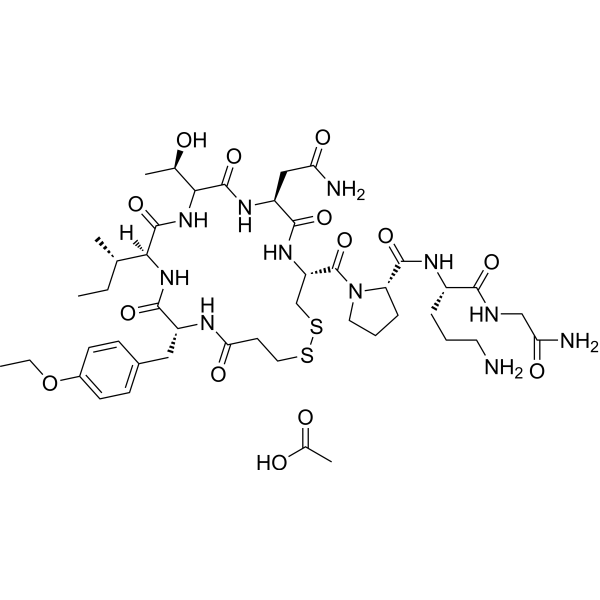
Atosiban acetate (RW22164 acetate;RWJ22164 acetate) is a nonapeptide competitive vasopressin/oxytocin receptor antagonist, and is a desamino-oxytocin analogue. Atosiban is the main tocolytic agent and has the potential for spontaneous preterm labor research .
loading...
    loading...
5
5 Cited Publications
Cat. No.: HY-I0960
CAS No.: 66-22-8
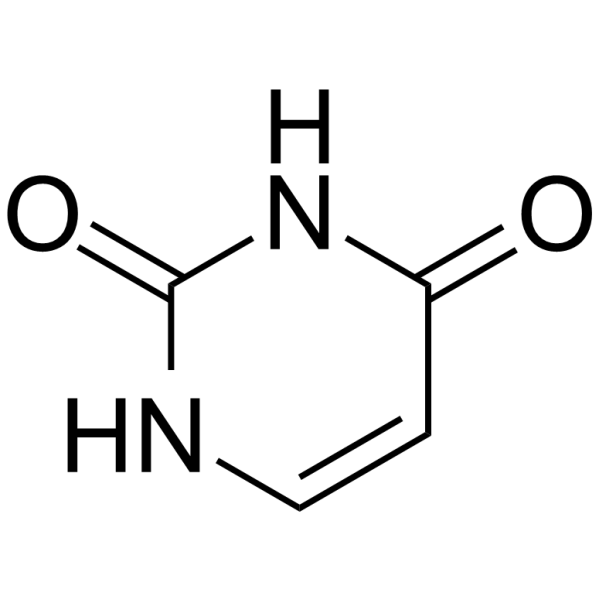
Uracil is a pyrimidine derivative and one of the four nucleobases in the nucleic acid of RNA. Uracil is a frequently occurring DNA base damage that results from the spontaneous or chemically induced deamination of cytosine and is mutagenic at the level of replication. Uracil could potentially alter transcriptional fidelity, resulting in production of mutant proteins .
loading...
    loading...
5
5 Cited Publications
Cat. No.: HY-B0569
CAS No.: 55-97-0
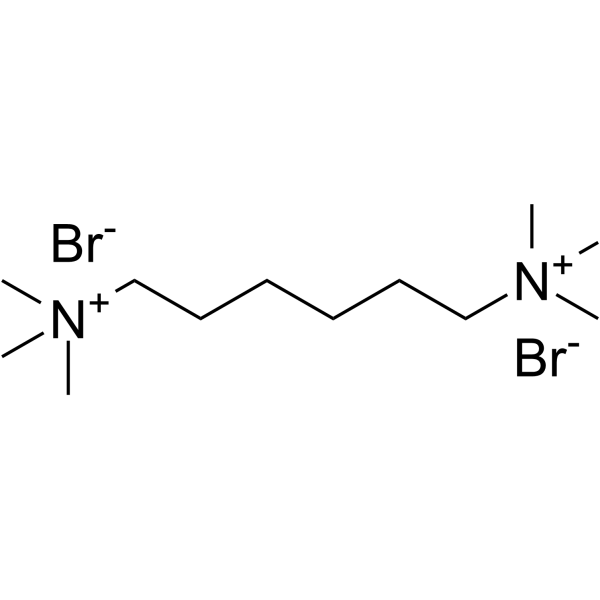
Hexamethonium Bromide is a non-selective ganglionic nicotinic-receptor antagonist (nAChR) antagonist, with mixed competitive and noncompetitive activity. Hexamethonium Bromide has anti-hypertensive activity. Hexamethonium Bromide attenuates sympathetic activity and blood pressure in spontaneously hypertensive animal models .
loading...
    loading...
5
5 Cited Publications
Cat. No.: HY-14290
CAS No.: 60560-33-0
Purity:  99.89%
Synonyms: P-1134
Target:  

Potassium Channel

Research Areas:  

Cardiovascular Disease

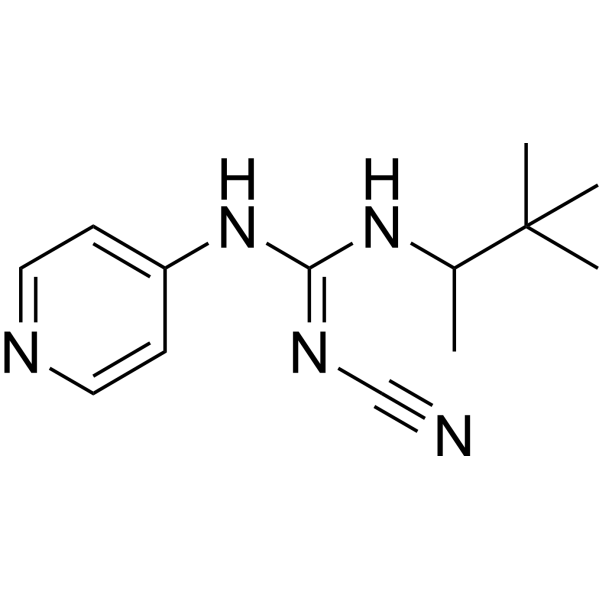
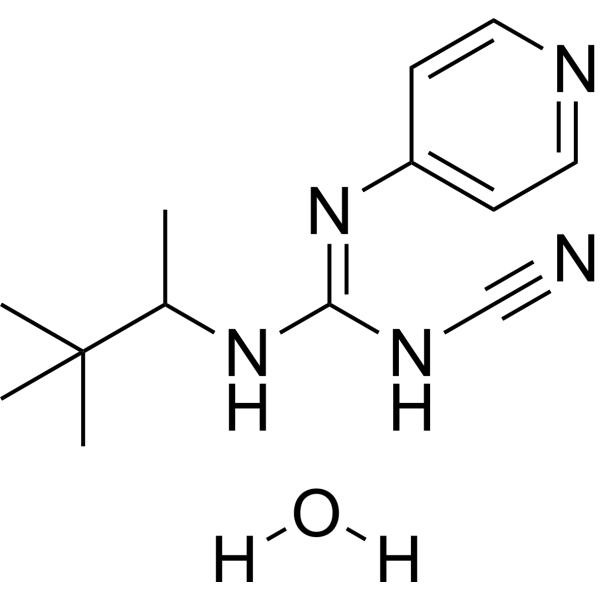
Pinacidil (P-1134) is a potent activator of ATP-sensitive potassium channel. Pinacidil is an antihypertensive agent hyperpolarizes vascular smooth muscle by opening K + channels. Pinacidil enhances K +-efflux in smooth muscle. Pinacidil has vasorelaxant properties. Pinacidil is able to inhibit spontaneous tone and of reducing agonist induced contractions. Pinacidil can be studied in research area such as cardiovascular diseases .
loading...
    loading...
5
5 Cited Publications
Cat. No.: HY-14290A
CAS No.: 85371-64-8
Purity:  99.82%
Synonyms: P-1134 monohydrate
Target:  

Potassium Channel

Research Areas:  

Cardiovascular Disease

Pinacidil (P-1134) monohydrate is a potent activator of ATP-sensitive potassium channel. Pinacidil monohydrate is an antihypertensive agent hyperpolarizes vascular smooth muscle by opening K + channels. Pinacidil monohydrate enhances K +-efflux in smooth muscle. Pinacidil monohydrate has vasorelaxant properties. Pinacidil monohydrate is able to inhibit spontaneous tone and of reducing agonist induced contractions. Pinacidil monohydrate can be studied in research area such as cardiovascular diseases .
loading...
    loading...
4
4 Cited Publications
Cat. No.: HY-101396
CAS No.: 582323-16-8
Purity:  99.20%
Target:  

Potassium Channel

Research Areas:  

Neurological Disease

ICA-069673 is a KCNQ2/Q3 potassium channel activator. ICA-069673 demonstrates greater selectivity for KV7.2/7.3 over KV7.3/KV7.5, with EC50s of 0.69 μM and 14.3 μM, respectively. ICA-069673 inhibits spontaneous phasic and nerve-evoked contractions in guinea pig detrusor smooth muscle (DSM). ICA-069673 also decreases the global intracellular Ca(2+) concentration in DSM cells .
loading...
    loading...
4
4 Cited Publications
Cat. No.: HY-109061
CAS No.: 1903008-80-9
Purity:  99.87%
Synonyms: YH25448; GNS-1480
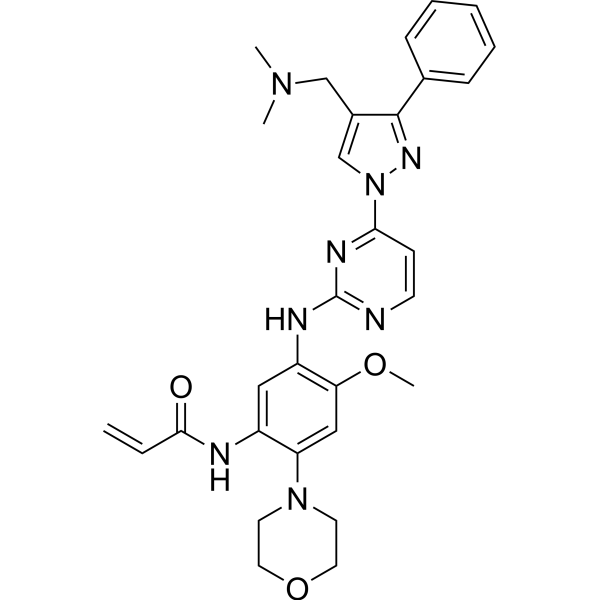
Lazertinib (YH25448; GNS-1480) is an orally active, blood-brain barrier permeable third-generation EGFR tyrosine kinase inhibitor, as well as an ABCB1/ABCG2 inhibitor and a TRPA1 activator. Lazertinib exhibits IC50 values of 0.4 mM and 0.2 mM against human ABCB1 and ABCG2, respectively. By inhibiting mutant EGFR signaling, EGFR phosphorylation and the downstream ERK/AKT pathway, as well as upregulating surface expression of EGFR/MET, Lazertinib induces cell cycle arrest, apoptosis, spontaneous calcium responses, hyperexcitability of dorsal root ganglion (DRG) neurons, and TRPA1-dependent pain-like behaviors. Lazertinib competitively binds to the substrate-binding sites of ABCB1/ABCG2, stimulates their ATPase activity without altering their expression or plasma membrane localization, thereby enhancing ADCC activity, acting as a chemosensitizer, and reversing ABCB1-mediated multidrug resistance. It exerts antitumor activity as a single agent or in combination with other drugs. Lazertinib is applicable to research related to non-small cell lung cancer, multidrug-resistant cancers, and paresthesia .
loading...
    loading...
4
4 Cited Publications
Cat. No.: HY-109061B
CAS No.: 2247995-37-3
Synonyms: YH25448 mesylate; GNS-1480 mesylate
Research Areas:  

Cancer

Lazertinib (YH25448; GNS-1480) mesylate is an orally active, blood-brain barrier permeable third-generation EGFR tyrosine kinase inhibitor, as well as an ABCB1/ABCG2 inhibitor and a TRPA1 activator. Lazertinib mesylate exhibits IC50 values of 0.4 mM and 0.2 mM against human ABCB1 and ABCG2, respectively. By inhibiting mutant EGFR signaling, EGFR phosphorylation and the downstream ERK/AKT pathway, as well as upregulating surface expression of EGFR/MET, Lazertinib mesylate induces cell cycle arrest, apoptosis, spontaneous calcium responses, hyperexcitability of dorsal root ganglion (DRG) neurons, and TRPA1-dependent pain-like behaviors. Lazertinib mesylate competitively binds to the substrate-binding sites of ABCB1/ABCG2, stimulates their ATPase activity without altering their expression or plasma membrane localization, thereby enhancing ADCC activity, acting as a chemosensitizer, and reversing ABCB1-mediated multidrug resistance. It exerts antitumor activity as a single agent or in combination with other drugs. Lazertinib mesylate is applicable to research related to non-small cell lung cancer, multidrug-resistant cancers, and paresthesia .
loading...
    loading...
3
3 Cited Publications
Cat. No.: HY-14247B
CAS No.: 176702-70-8
Synonyms: CGS 16949A hemihydrate; (Rac)-FAD286 hydrochloride hemihydrate
Target:  

Cytochrome P450

Research Areas:  

Endocrinology Cancer

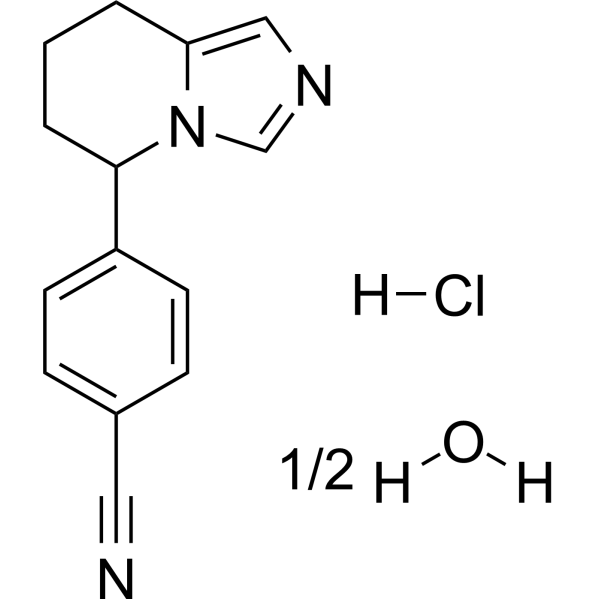
Fadrozole hydrochloride hemihydrate is an orally active, potent, selective and nonsteroidal aromatase inhibitor, with an IC50 of 6.4 nM. Fadrozole hydrochloride hemihydrate inhibits the production of estrogen and progesterone, with IC50 values of 0.03 and 120 μM. Fadrozole hydrochloride hemihydrate shows prevention of spontaneous tumours. Fadrozole hydrochloride hemihydrate can be used for the research of estrogen-dependent disease and cancer .
loading...
    loading...
3
3 Cited Publications
Cat. No.: HY-N6065
CAS No.: 73069-27-9
Synonyms: (+)-Praeruptorin A
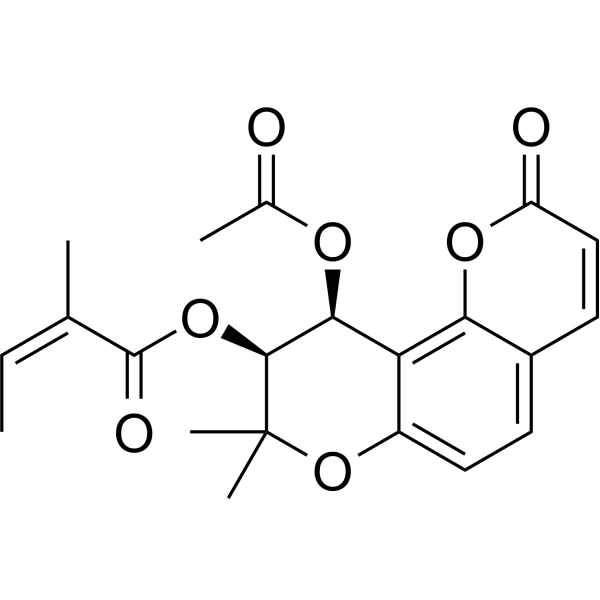
Praeruptorin A ((+)-Praeruptorin A) is an orally active isomer of (±)-Praeruptorin A (HY-N0081). Praeruptorin A also acts as a Calcium channel blocker. Praeruptorin A can be isolated from Peucedanum. Praeruptorin A serves as a substrate for CYP3A4. Praeruptorin A downregulates NMDA receptors containing GluN2B and inhibits neuronal Apoptosis. Praeruptorin A mediates vasodilation, inhibits vascular hypertrophy and reduces blood pressure. Praeruptorin A can be used in research related to neurological diseases, myocardial ischemia, heart failure, exertional angina, renovascular hypertension and spontaneous hypertension .
loading...
    loading...
3
3 Cited Publications
Cat. No.: HY-114041
CAS No.: 552830-51-0
Purity:  95.30%
Synonyms: RvE1
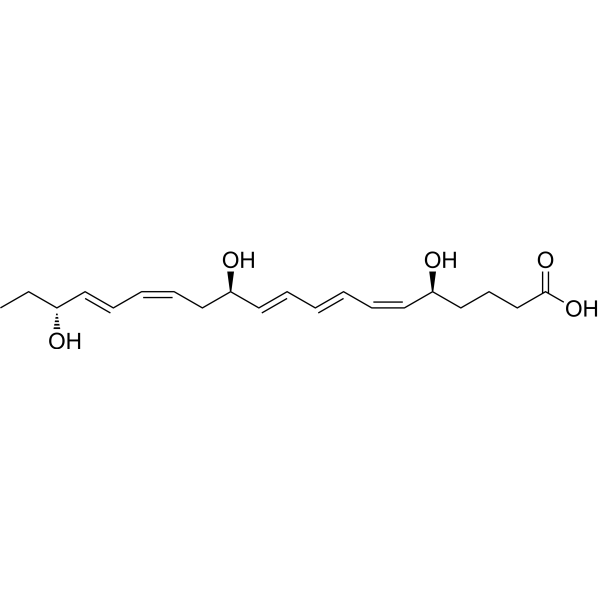
Resolvin E1 (RvE1), a potent endogenous pro-resolving mediator of inflammation, is derived from omega-3 fatty acid eicosapentaenoic acid (EPA). Resolvin E1 is endogenously biosynthesized from EPA in the presence of Aspirin during the spontaneous resolution phase of acute inflammation, where specific cell-cell interactions occur. Resolvin E1 possesses unique counterregulatory actions that inhibit polymorphonuclear leukocyte (PMN) transendothelial migration. Resolvin E1 also acts as a potent inhibitor of leukocyte infiltration, dendritic cell migration, and IL-12 production .
loading...
    loading...
3
3 Cited Publications
Cat. No.: HY-B0327
CAS No.: 57381-26-7
Synonyms: Dicloguamine
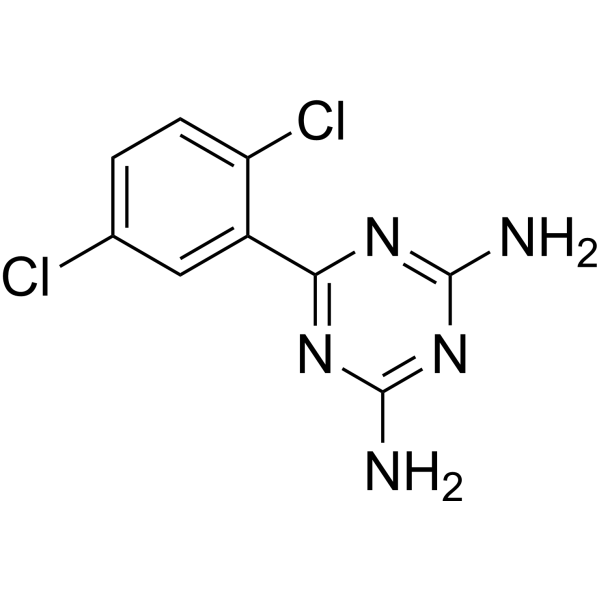
Irsogladine (Dicloguamine) is an orally active gastric mucosal protective agent. Irsogladine inhibits breast cancer recurrence and lung metastasis in nude mice . Irsogladine inhibits the transcriptional activities of NF-κB and AP-1, suppresses the activities of PDE and PDE4 to elevate intracellular cAMP levels, and activates TRPV1 and KATP channels. Irsogladine enhances iNOS expression, NO production, and the activation of cAMP-responsive elements. Irsogladine inhibits the development and progression of intestinal polyps in Apc-mutant mice. Irsogladine alleviates oxidative stress, increases gastric mucosal blood flow, and stimulates the production of endogenous prostaglandins. Irsogladine promotes insulin secretion in MIN6 cells. Irsogladine inhibits tumor angiogenesis, cancer cell proliferation, and the production of proinflammatory cytokines. Irsogladine exerts protective effects on astrocytes in ethanol/hydrochloric acid-induced gastric ulcers in mice. Irsogladine prevents colitis in IL-10 gene-deficient mice by reducing the production of IL-12 and IL-23. Irsogladine upregulates gap junction intercellular communication in pancreatic cancer cells via the PKA pathway. Irsogladine is applicable to research related to breast cancer, intestinal polyposis, gastric ulcer, spontaneous colitis, glioma, liver cancer, and pancreatic cancer [5][6] .
loading...
    loading...
2
2 Cited Publications
Cat. No.: HY-W011689
CAS No.: 793-24-8
Research Areas:  

Others

6PPD is a rubber antioxidant that scavenges ozone and forms nitro radicals. Exposure to 6PPD reduces the hatching rate, impairs spontaneous locomotor activity, shortens body length and causes malformations in zebrafish embryos. 6PPD also induces oxidative stress in zebrafish embryos .
loading...
    loading...
2
2 Cited Publications
Cat. No.: HY-15950
CAS No.: 802904-66-1
Research Areas:  

Inflammation/Immunology

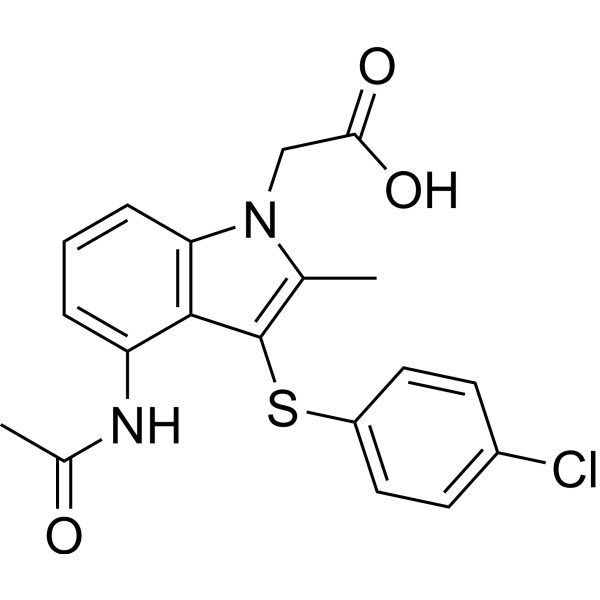
AZD1981 is the antagonist for GPR44 (also known also PTGDR2, DP2 or CRTh). AZD1981 blocks the binding of PGD2 to CRTH2. AZD1981 exhibits immunomodulatory effects and can be used in research of chronic spontaneous urticaria .
loading...
    loading...
2
2 Cited Publications
Cat. No.: HY-101200
CAS No.: 16142-27-1
Purity:  99.97%
Synonyms: SIN-1 chloride
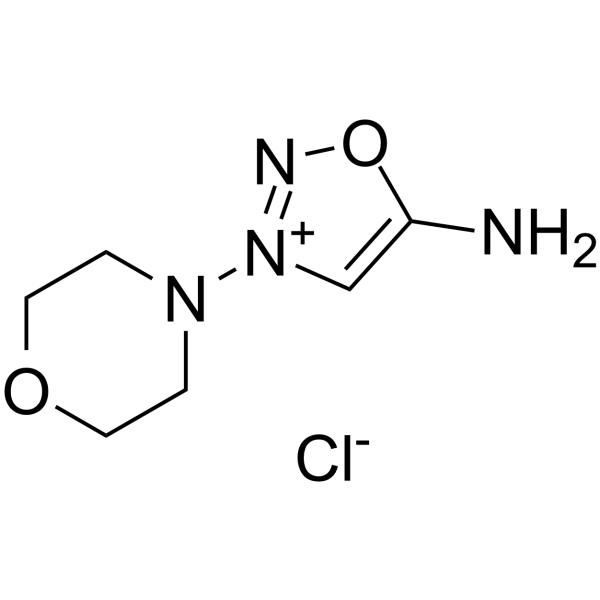
Linsidomine hydrochloride (SIN-1 chloride) is a spontaneous ROS/RNS generator and peroxynitrite donor. Linsidomine hydrochloride is a vasodilator and platelet aggregation inhibitor. Linsidomine hydrochloride induces oxidative stress-induced chondrocyte apoptosis and necrosis. Linsidomine hydrochloride inhibits the migration, proliferation and neointima formation of vascular smooth muscle cells by inhibiting the expression of annexin A2. In addition, low doses of Linsidomine hydrochloride shows protective effects on Zn 2+ treated nerve cells .
loading...
    loading...

