82 Results for "

striatal

" in MedChemExpress (MCE) Product Catalog:
Products (82)

82 Results for "striatal" in MCE Product Catalog:

8
8 Publications Verification
Cat. No.: HY-12294A
Purity:  ≥98.0%
Synonyms: NVP-AAM077 tetrasodium hydrate
Target:  

Apoptosis Caspase iGluR

Research Areas:  

Neurological Disease

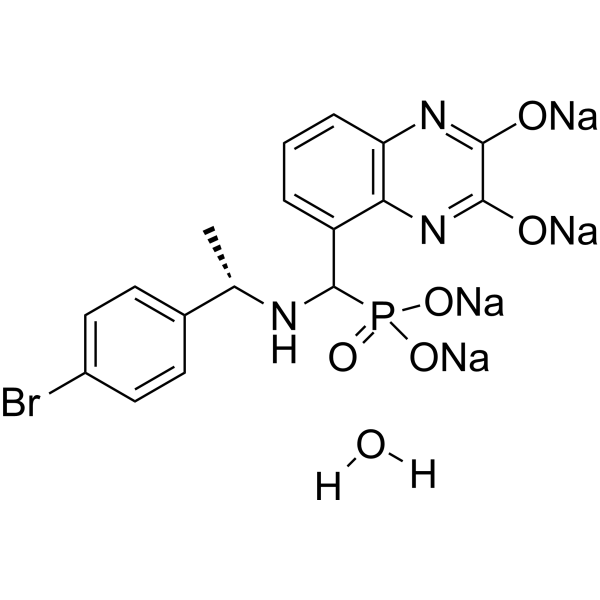
PEAQX tetrasodium hydrate (NVP-AAM077 tetrasodium hydrate) is a tetrasodium hydrate of PEAQX (HY-12294). PEAQX tetrasodium hydrate is an orally active and selective NMDA antagonist, with IC50 values of 270 nM and 29.6 μM for hNMDAR 1A/2A and hNMDAR 1A/2B, respectively. PEAQX tetrasodium hydrate can promote the activation of caspase-3 and induce cell apoptosis in cortical striatal slice cultures .
loading...
    loading...
5
5 Cited Publications
Cat. No.: HY-N0259
CAS No.: 110623-73-9
Synonyms: Epmedin B
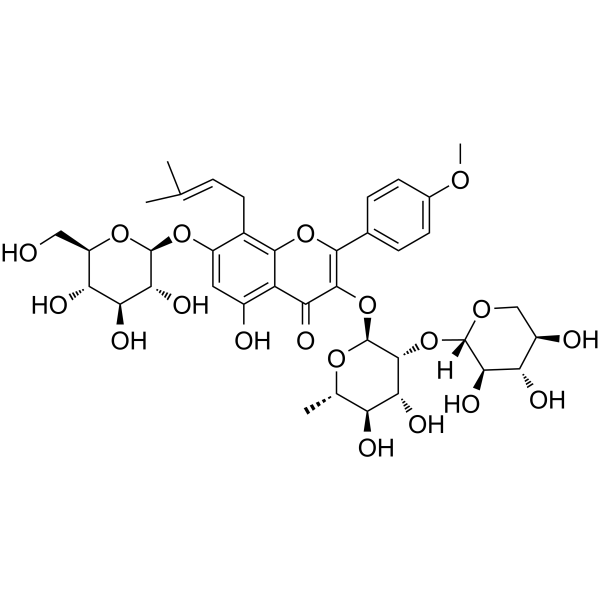
Epimedin B (Epmedin B) is a flavonoid active component found in Epimedium, with oral activity, and exhibits anti-osteoporotic and neuroprotective effects. Epimedin B inhibits RANKL-induced osteoclast differentiation, F-actin ring formation, and mature osteoclast bone resorption, inhibits the phosphorylation of JNK, p38 MAPK, PI3K, and AKT, activates the AMPK-Nrf2 antioxidant pathway, and reduces cellular and mitochondrial ROS. Epimedin B acts on ESR1 and exerts its effects via GPER. Epimedin B alleviates bone loss and improves bone microstructure in vivo, and in Parkinson's models protects dopaminergic neurons and maintains striatal dopamine levels through anti-apoptotic and anti-endoplasmic reticulum stress effects. Epimedin B can be used for research related to osteoporosis, diabetic osteoporosis, and Parkinson's disease .
loading...
    loading...
4
4 Cited Publications
Cat. No.: HY-10435A
CAS No.: 74115-01-8
Purity:  99.82%
Synonyms: (±)-SKF-82958 hydrobromide; Chloro-APB hydrobromide
Target:  

Dopamine Receptor

Research Areas:  

Neurological Disease

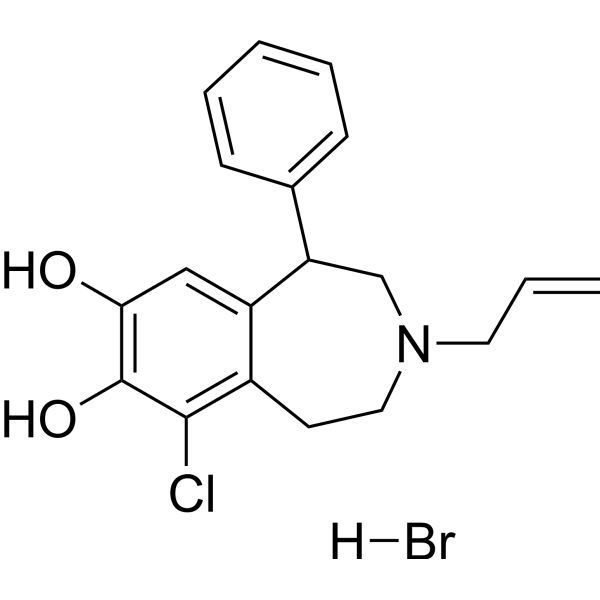
SKF-82958 ((±)-SKF 82958) hydrobromide is a dopamine D1 receptor full agonist (K0.5=4 nM), displays selective for D1 over D2 receptors (K0.5=73 nM). SKF-82958 hydrobromide induces dopamine D1 receptor-dependent adenylate cyclase activity in rat striatal membranes (EC50=491 nM) .
loading...
    loading...
2
2 Cited Publications
Cat. No.: HY-12472
CAS No.: 1238697-26-1
Purity:  99.47%
Synonyms: TAK-063
Balipodect (TAK-063) is a selective, brain-penetrant and orally active PDE10A inhibitor with an IC50 of 0.30 nM. Balipodect shows >15000-fold selectivity over other PDEs. Balipodect elevates striatal cAMP and cGMP levels in mice. Balipodect can be used for the study of schizophrenia[1].
loading...
    loading...
2
2 Cited Publications
Cat. No.: HY-W052144
CAS No.: 13078-04-1
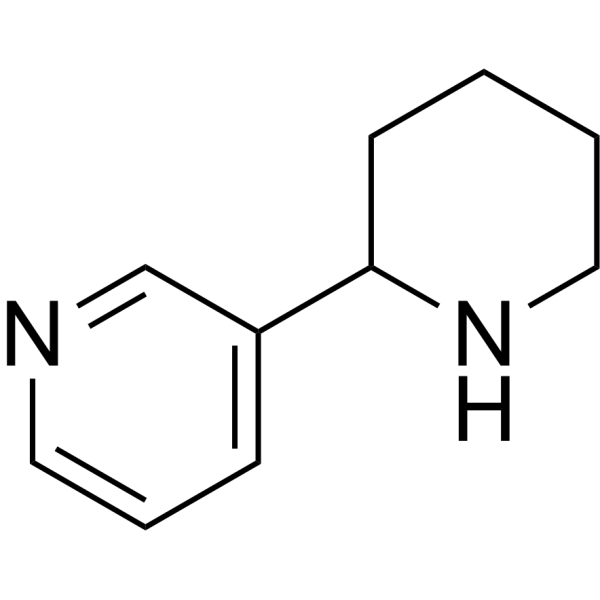
(±) Anabasine is the racemic form of Anabasine (HY-B1532). (±) Anabasine stimulates the release of [ 3H]-Dopamine from mouse striatal synaptosomes. (±) Anabasine inhibits the high-affinity binding of [ 3H]-S-(-)-Nicotine to the striatal membrane. Anabasine is an agonist of α7nAChR and possesses anti-inflammatory and insecticidal activities .
loading...
    loading...
1
1 Cited Publications
Cat. No.: HY-B1124
CAS No.: 34161-24-5
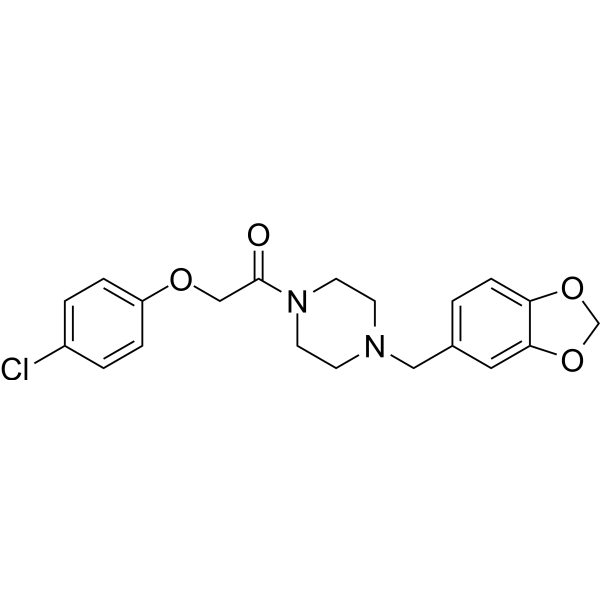
Fipexide, a parachloro-phenossiacetic acid derivative, is an orally active nootropic agent. Fipexide reduces striatal adenylate cyclase activity. Fipexide has positive effect on cognitive performance by dopaminergic neurotransmission. Fipexide is used for senile dementia research. Fipexide acts as a chemical inducer in callus formation, shoot regeneration and Agrobacterium infection .
loading...
    loading...
1
1 Cited Publications
Cat. No.: HY-B0344
CAS No.: 155-41-9
Synonyms: (-)-Scopolamine methyl bromide; Hyoscine methyl bromide
Target:  

mAChR

Research Areas:  

Neurological Disease

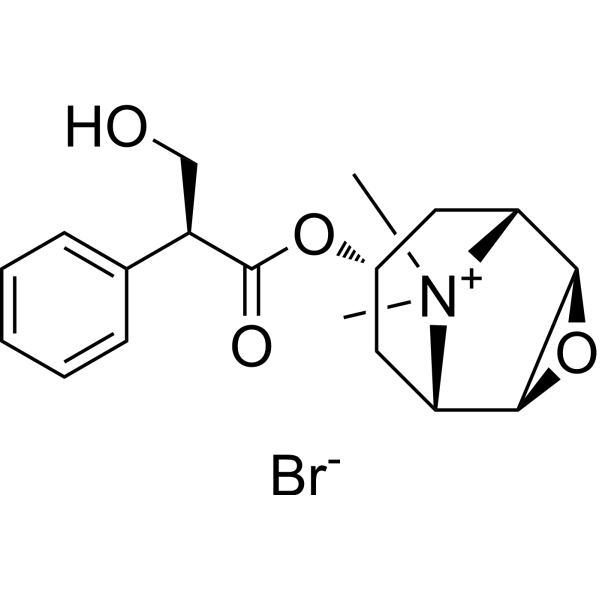
Methscopolamine bromide ((-)-Scopolamine methyl bromide; Hyoscine methyl bromide) is a peripherally acting muscarinic receptor (mAChR) antagonist that cannot cross the blood-brain barrier. Methscopolamine bromide blocks the muscarinic negative feedback regulation of acetylcholine release from striatal cholinergic terminals, thereby increasing acetylcholine release in the striatum of freely moving rats. Methscopolamine bromide does not induce motor excitation in freely moving rats, nor does it alter the duration of ethanol-induced loss of righting reflex in mice. Methscopolamine bromide fails to antagonize the arecoline-mediated reduction in the duration of ethanol-induced loss of righting reflex in mice .
loading...
    loading...
1
1 Cited Publications
Cat. No.: HY-Z0283
CAS No.: 55-21-0
Synonyms: Benzenecarboxamide; Phenylamide
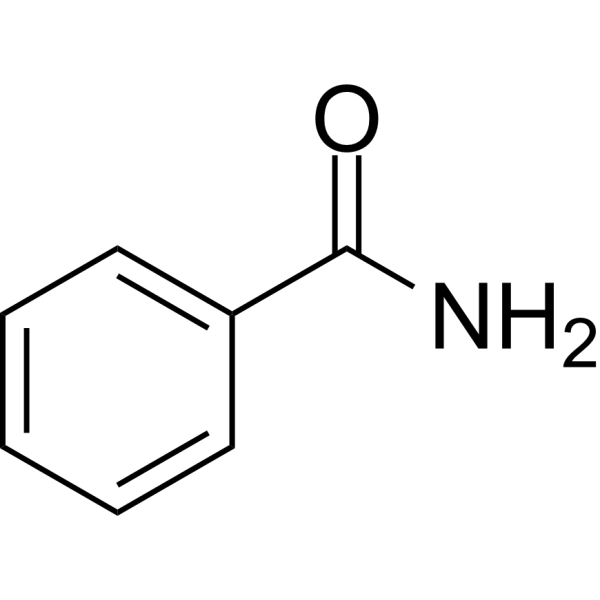
Benzamide (Benzenecarboxamide) is a potent poly(ADP-ribose) polymerase (PARP) inhibitor. Benzamide has protective activity against both glutamate- and methamphetamine (METH)-induced neurotoxicity in vitro. Benzamide can attenuate the METH-induced dopamine depletions and exhibits neuroprotective activity in mice, also has no acute effect on striatal dopamine metabolism and does not reduce body temperature .
loading...
    loading...
1
1 Cited Publications
Cat. No.: HY-B1124A
CAS No.: 34161-23-4
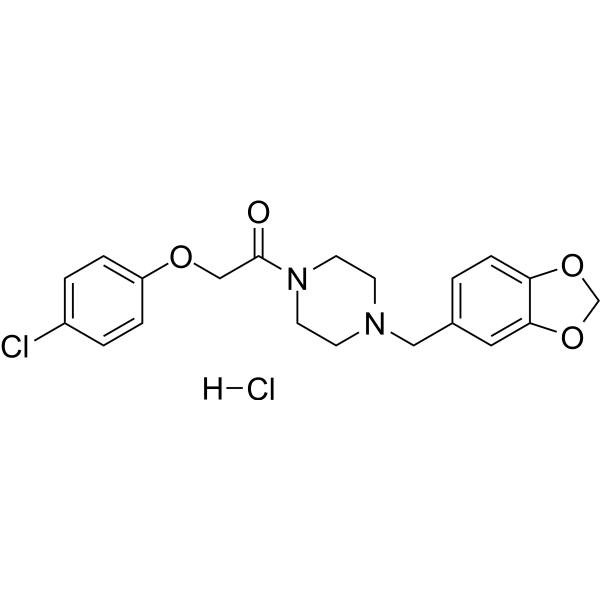
Fipexide hydrochloride, a parachloro-phenossiacetic acid derivative, is an orally active nootropic agent. Fipexide hydrochloride reduces striatal adenylate cyclase activity. Fipexide hydrochloride has positive effect on cognitive performance by dopaminergic neurotransmission. Fipexide hydrochloride is used for senile dementia research. Fipexide hydrochloride acts as a chemical inducer in callus formation, shoot regeneration and Agrobacterium infection .
loading...
    loading...
1
1 Cited Publications
Cat. No.: HY-152170
CAS No.: 525596-64-9
Purity:  99.65%
Target:  

nAChR

Research Areas:  

Neurological Disease

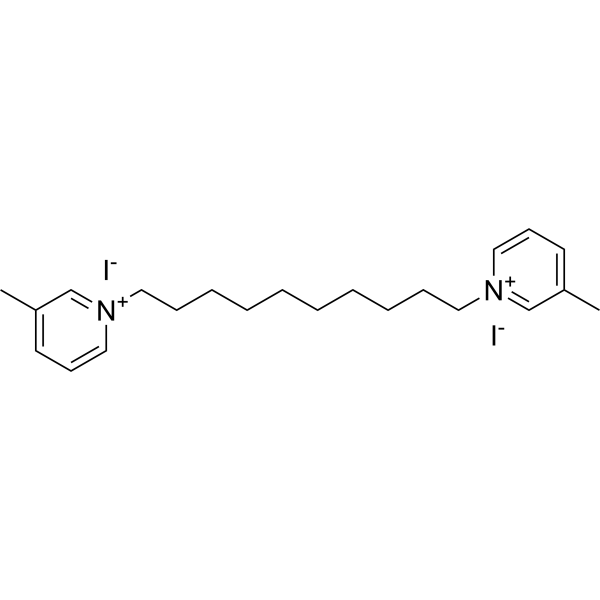
bPiDI is a novel selective α6β2 nicotinic receptor antagonist. bPiDI inhibits nicotine-evoked striatal dopamine (DA) release through an interaction with α6β2-containing nAChRs .
loading...
    loading...
Cat. No.: HY-160019
CAS No.: 2750895-97-5
Research Areas:  

Neurological Disease

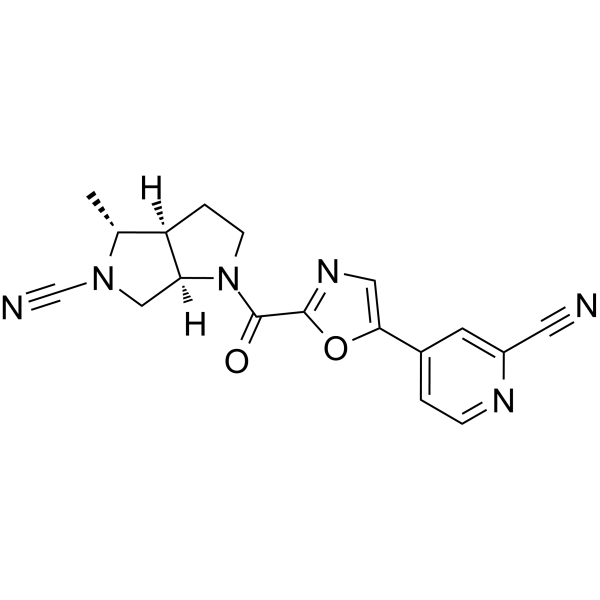
MTX115325 (Example 1) is an orally active, brain-penetrating USP30 inhibitor (IC50=12 nM) with neuroprotective activity. MTX115325 increases ubiquitination (EC50=32 nM) of the mitochondrial outer membrane protein TOM20 (a USP30 substrate), increasing mitophagy. MTX115325 prevents dopaminergic neuron loss and preserves striatal dopamine .
loading...
    loading...
Cat. No.: HY-145468
CAS No.: 1239987-91-7
Purity:  99.80%
Target:  

GPR52

Research Areas:  

Neurological Disease

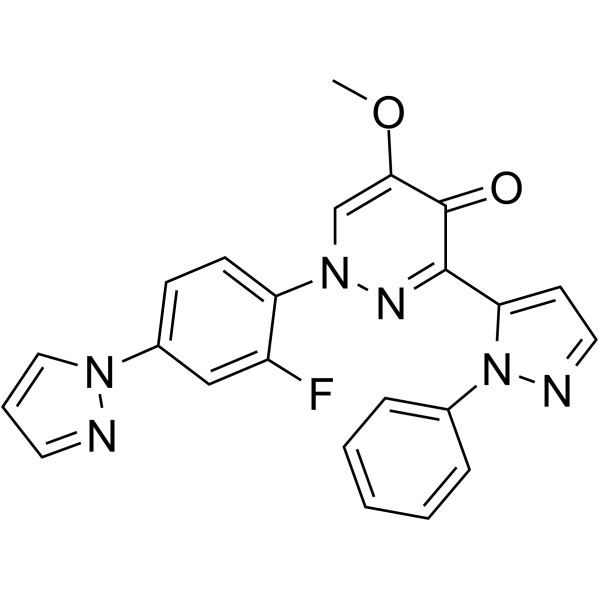
GPR52 antagonist-1 (Compound 43) is a GPR52 antagonist with an IC50 of 0.63 μM. GPR52 antagonist-1 reduces mHTT (mutant huntingtin protein) levels by targeting GPR52 and promotes survival of mouse primary striatal neurons .
loading...
    loading...
Cat. No.: HY-B1382
CAS No.: 79-55-0
Synonyms: 1,2,2,6,6-Pentamethylpiperidine
Target:  

nAChR

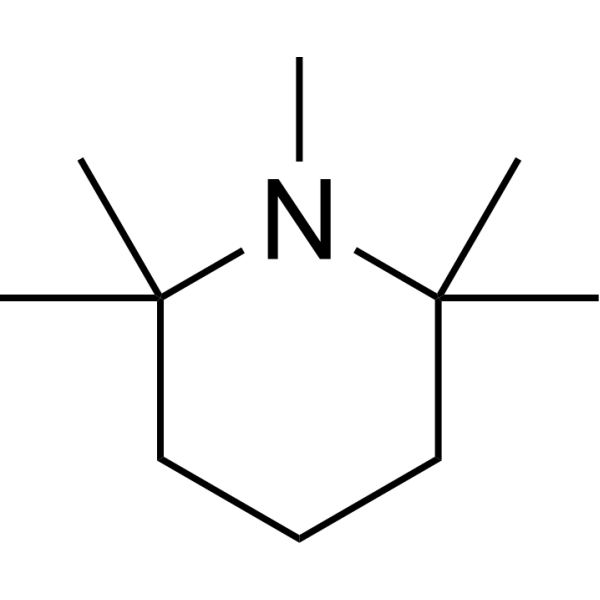
Pempidine (1,2,2,6,6-Pentamethylpiperidine) is an orally active ganglionic blocking agent used in hypertension-related conditions. Pempidine is a nicotinic receptor blocker. Pempidine can antagonize the nicotine-induced increase of the striatal dopamine (DA) in vitro .
loading...
    loading...
Cat. No.: HY-124591
CAS No.: 1381769-23-8
Purity:  98.73%
Research Areas:  

Neurological Disease

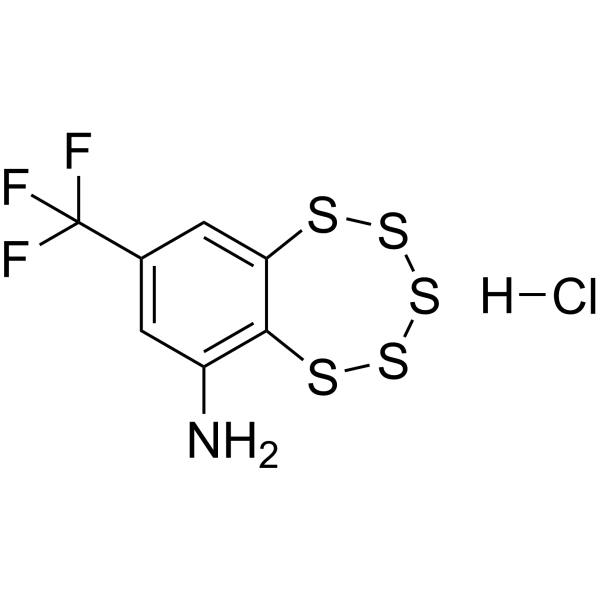
TC-2153 is a selective inhibitor of striatal-enriched protein tyrosine phosphatase (STEP), with psychotropic activity and low acute toxicity. TC-2153 increases the expression of brain-derived neurotropic factor (BDNF) in the brain. And it decreases MAOA and 5-HT1A receptors mRNA level in midbrain. TC-2153 also inhibits 5-HT2A receptor-mediated signaling .
loading...
    loading...
Cat. No.: HY-107969
CAS No.: 74050-97-8
Purity:  99.67%
Research Areas:  

Neurological Disease Cancer

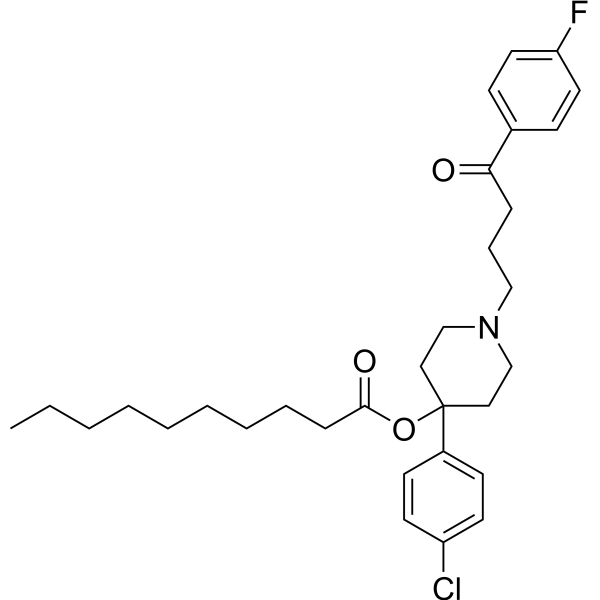
Haloperidol decanoate is a depot preparation of haloperidol, a commonly used butyrophenone derivative with antipsychotic activity. Haloperidol decanoate can increase the striatal D2 receptor in rat. Haloperidol decanoate can improve conditions of psychoses (mainly schizophrenia). Haloperidol decanoate can lead to increased accumulation of the dopamine metabolites homo-vanillic acid. Haloperidol decanoate can reduce intestinal transport, increase gastric emptying and reduce acid output in rat model .
loading...
    loading...
Cat. No.: HY-145512
CAS No.: 259143-19-6
Synonyms: NLT
Target:  

Dopamine Receptor

Research Areas:  

Neurological Disease

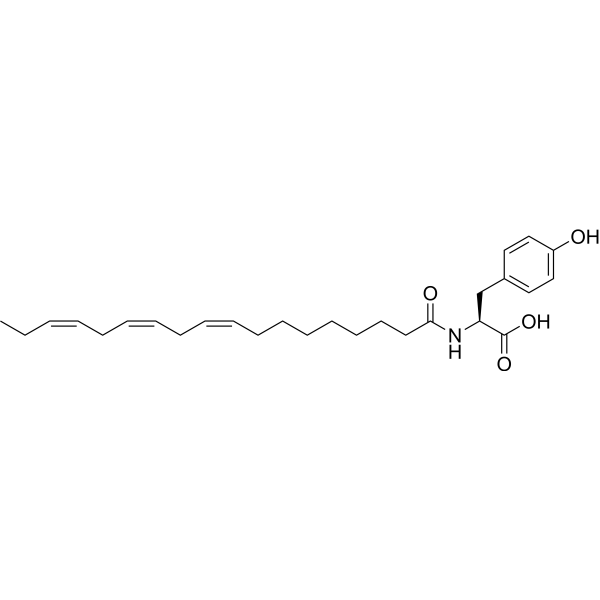
N-(α-Linolenoyl) tyrosine (NLT) is a dopaminergic agonist capable of crossing the blood-brain barrier. N-(α-Linolenoyl) tyrosine increases the level, turnover rate and release amount of dopamine in the striatum. N-(α-Linolenoyl) tyrosine modulates rotational behavior in a rat model with unilateral striatal injury and alleviates excessive blinking symptoms in models induced by dopamine-depleting agents. N-(α-Linolenoyl) tyrosine can be used for research on Parkinson's disease and idiopathic blepharospasm .
loading...
    loading...
Cat. No.: HY-16677A
CAS No.: 120635-25-8
Synonyms: MDL72974A
Target:  

Monoamine Oxidase VAP-1

Research Areas:  

Neurological Disease

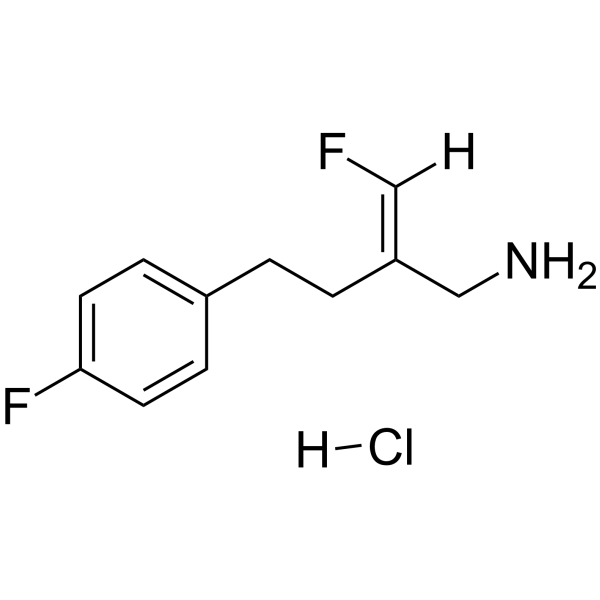
Mofegiline hydrochloride (MDL-72974A) is an orally active and blood-brain barrier-penetrant MAO-B/SSAO selective inhibitor, with an IC50 of 3.6 nM for MAO-B and 10 nM for SSAO. Mofegiline hydrochloride is a cationic amphiphilic compound that can induce indirect sympathomimetic effects, lysosomal accumulation, hERG channel interactions, phospholipidosis, and cell death. Mofegiline hydrochloride protects mice from MPTP-induced depletion of striatal dopamine, DOPAC, and HVA. Mofegiline hydrochloride can be used in research related to Parkinson's disease .
loading...
    loading...
Cat. No.: HY-159829
CAS No.: 1803346-98-6
Synonyms: NBI-1117568; HTL-0016878
Target:  

mAChR

Research Areas:  

Neurological Disease

Direclidine (NBI-1117568, HTL-0016878) is a selective orthosteric agonist targeting the muscarinic acetylcholine M4 receptor, exhibiting very low affinity for M1, M2, M3, and M5 receptors. It binds to the orthosteric site of the M4 receptor in a non-covalent, competitive manner. Direclidine specifically activates the M4 receptor, inhibiting the release of acetylcholine from striatal cholinergic interneurons, thereby regulating the balance of the dopaminergic system and reducing psychiatric symptoms associated with excessive dopamine release. Direclidine can improve symptoms associated with neuropsychiatric disorders and is used in research on schizophrenia and other neuropsychiatric disorders .
loading...
    loading...
Cat. No.: HY-120017
CAS No.: 134564-82-2
Synonyms: MD-370503
Target:  

Monoamine Oxidase

Research Areas:  

Neurological Disease

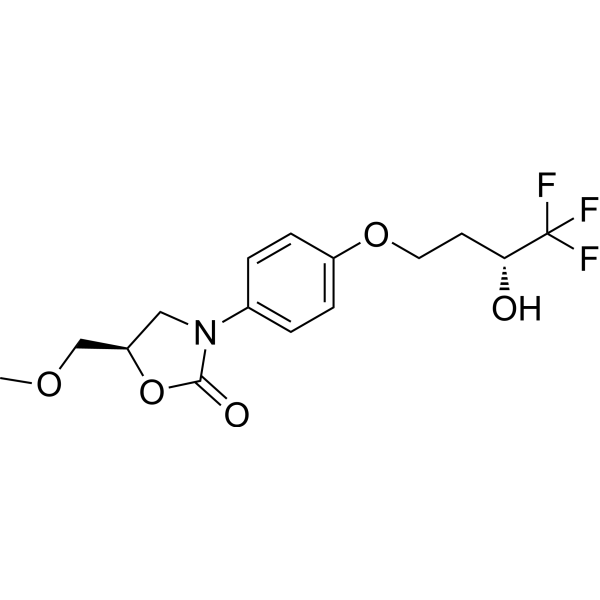
Befloxatone (MD-370503) is an orally active, selective and reversible inhibitor of Monoamine Oxidase A (MAO-A) (IC50=4 nM). Befloxatone increases the tissue level of monoamine, striatal dopamine and cortical norepinephrine. Befloxatone has antidepressant potential .
loading...
    loading...
Cat. No.: HY-B0884A
CAS No.: 25953-17-7
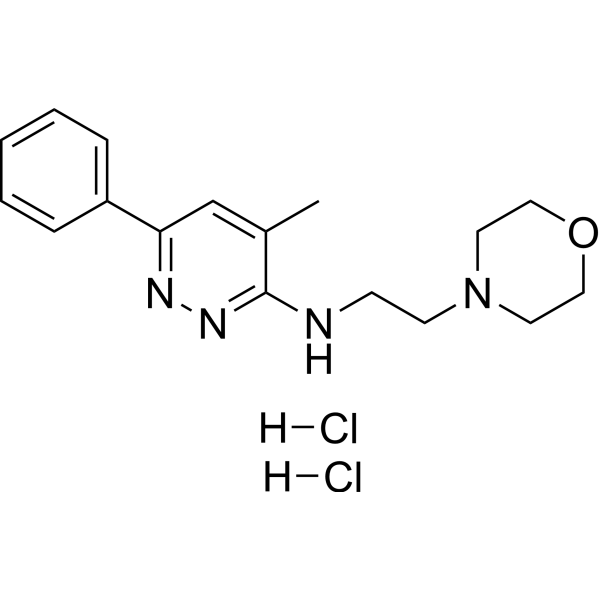
Minaprine dihydrochloride is a brain-penetrant monoamine oxidase inhibitor. Minaprine dihydrochloride also weakly inhibits acetylcholinesterase (AChE) activity. Minaprine dihydrochloride reduces intraneuronal dopamine metabolism, lowers striatal homovanillic acid and dihydroxyphenylacetic acid levels, and raises striatal 3-methoxytyramine and 5-hydroxytryptamine levels. Minaprine dihydrochloride exhibits convulsant, antidepressant properties .
loading...
    loading...

