156 Results for "

substrate metabolism

" in MedChemExpress (MCE) Product Catalog:
Products (156)

156 Results for "substrate metabolism" in MCE Product Catalog:

11
11 Publications Verification
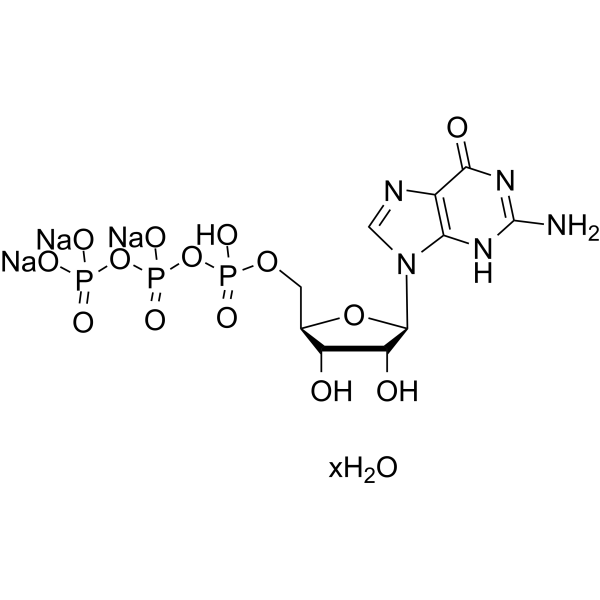
Cat. No.: HY-12695B
CAS No.: 207300-85-4
Purity:  ≥95.0%
Synonyms: GTP trisodium salt hydrate
Guanosine triphosphate (GTP) trisodium salt hydrate is a critical nucleotide and regulator of cellular metabolism. Guanosine triphosphate trisodium salt hydrate promotes ribosomal DNA localization, pre-rRNA transcription and ribosome biogenesis by binding to RNA polymerase I and GPN proteins (GPN1/3). Guanosine triphosphate trisodium salt hydrate links MYC-dependent ribosome biogenesis to nucleotide sufficiency, acts as a metabolic gatekeeper supporting protein synthesis, DNA/RNA synthesis and cellular signal transduction, while also participating in the physiological activities of pancreatic β-cells and serving as an oxidative substrate for reactive oxygen species. In small cell lung cancer with high MYC expression, Guanosine triphosphate trisodium salt hydrate accumulates through the IMPDH-driven synthetic pathway, thereby affecting apoptosis and mitotic processes. Guanosine triphosphate trisodium salt hydrate is used in the research of small cell lung cancer, hepatoblastoma and cellular metabolism .
loading...
    loading...
11
11 Publications Verification
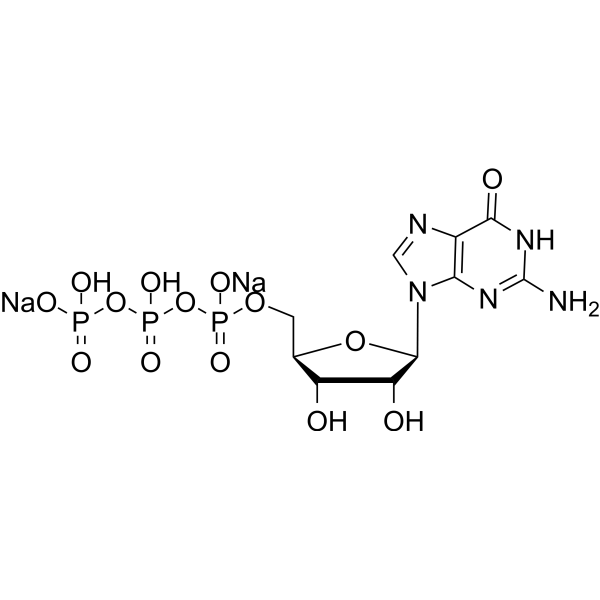
Cat. No.: HY-W010737
CAS No.: 56001-37-7
Synonyms: GTP disodium
Guanosine triphosphate (GTP) disodium is a critical nucleotide and regulator of cellular metabolism. Guanosine triphosphate disodium promotes ribosomal DNA localization, pre-rRNA transcription and ribosome biogenesis by binding to RNA polymerase I and GPN proteins (GPN1/3). Guanosine triphosphate disodium links MYC-dependent ribosome biogenesis to nucleotide sufficiency, acts as a metabolic gatekeeper supporting protein synthesis, DNA/RNA synthesis and cellular signal transduction, while also participating in the physiological activities of pancreatic β-cells and serving as an oxidative substrate for reactive oxygen species. In small cell lung cancer with high MYC expression, Guanosine triphosphate disodium accumulates through the IMPDH-driven synthetic pathway, thereby affecting apoptosis and mitotic processes. Guanosine triphosphate disodium is used in the research of small cell lung cancer, hepatoblastoma and cellular metabolism .
loading...
    loading...
8
8 Cited Publications
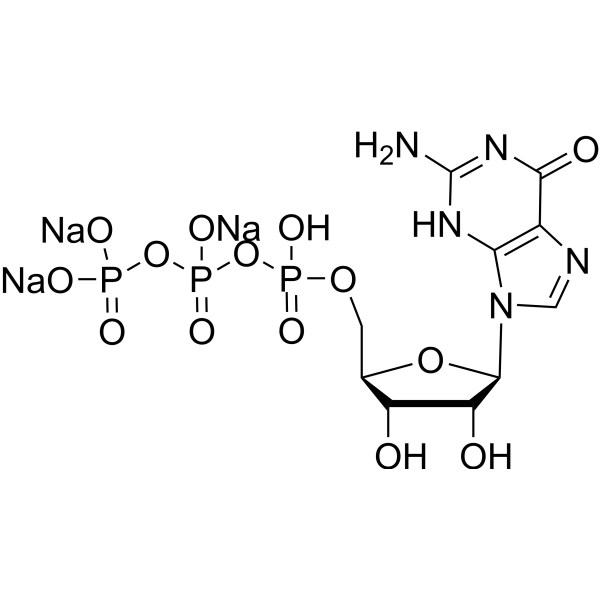
Cat. No.: HY-12695
CAS No.: 36051-31-7
Purity:  ≥95.0%
Synonyms: GTP trisodium
Guanosine triphosphate (GTP) trisodium is a critical nucleotide and regulator of cellular metabolism. Guanosine triphosphate trisodium promotes ribosomal DNA localization, pre-rRNA transcription and ribosome biogenesis by binding to RNA polymerase I and GPN proteins (GPN1/3). Guanosine triphosphate trisodium links MYC-dependent ribosome biogenesis to nucleotide sufficiency, acts as a metabolic gatekeeper supporting protein synthesis, DNA/RNA synthesis and cellular signal transduction, while also participating in the physiological activities of pancreatic β-cells and serving as an oxidative substrate for reactive oxygen species. In small cell lung cancer with high MYC expression, Guanosine triphosphate trisodium accumulates through the IMPDH-driven synthetic pathway, thereby affecting apoptosis and mitotic processes. Guanosine triphosphate trisodium is used in the research of small cell lung cancer, hepatoblastoma and cellular metabolism .
loading...
    loading...
5
5 Cited Publications
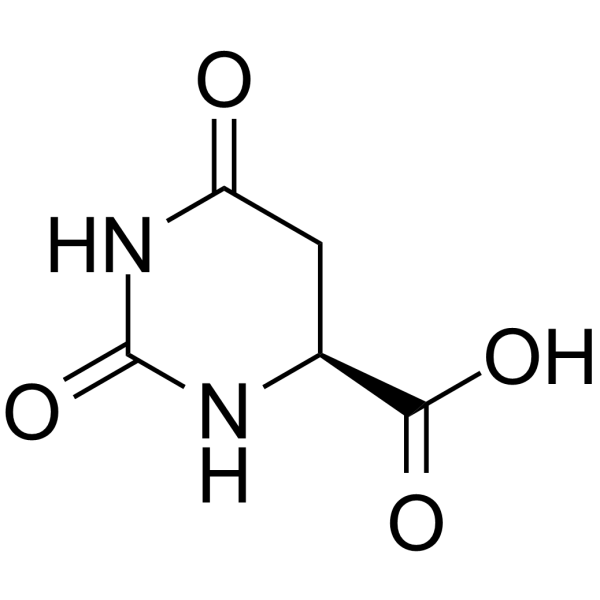
Cat. No.: HY-W015495
CAS No.: 5988-19-2
L-Dihydroorotic acid is an important intermediate in the metabolism of orotic acid and a substrate of dihydroorotate dehydrogenase (DHODH). L-Dihydroorotic acid can reversibly hydrolyze to yield the acyclic L-ureidosuccinic acid by dihydrowhey enzyme .
loading...
    loading...
4
4 Cited Publications
Cat. No.: HY-112537
CAS No.: 56-73-5
Purity:  99.90%
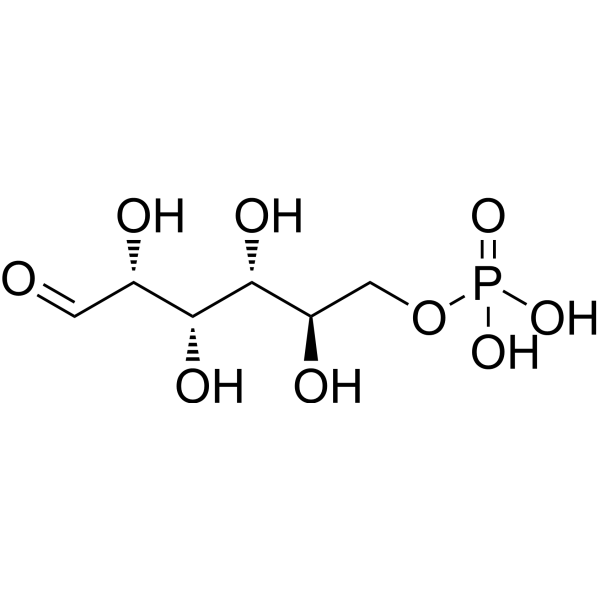
D-Glucose 6-phosphate is a key central node metabolite in glucose metabolism. It serves as the initiating metabolite for glycolysis and the pentose phosphate pathway, as well as a substrate for glycogen synthesis. D-Glucose 6-phosphate acts as a metabolic stress signal, which activates the mTOR pathway to promote protein synthesis, especially when phosphoglucose isomerase (PGI) is inhibited, thereby participating in cardiac remodeling processes. D-Glucose 6-phosphate can be used in research related to non-insulin-dependent diabetes mellitus and heart failure .
loading...
    loading...
3
3 Cited Publications
Cat. No.: HY-112537B
CAS No.: 54010-71-8
Purity:  ≥98.0%
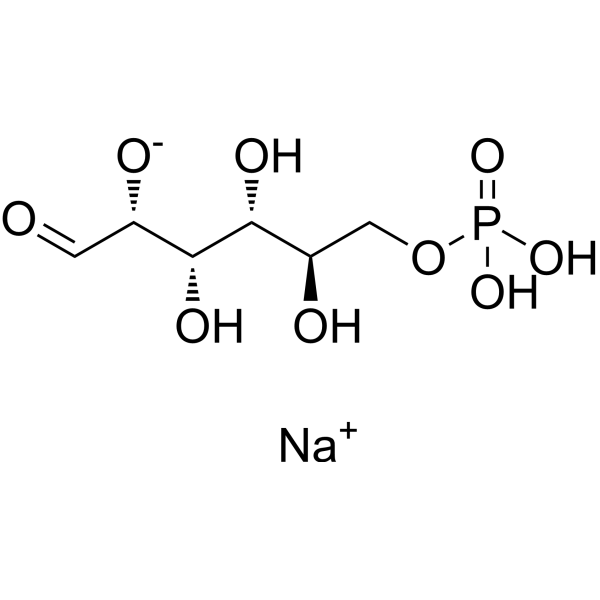
D-Glucose 6-phosphate sodium is a key central node metabolite in glucose metabolism. It serves as the initiating metabolite for glycolysis and the pentose phosphate pathway, as well as a substrate for glycogen synthesis. D-Glucose 6-phosphate sodium acts as a metabolic stress signal, which activates the mTOR pathway to promote protein synthesis, especially when phosphoglucose isomerase (PGI) is inhibited, thereby participating in cardiac remodeling processes. D-Glucose 6-phosphate sodium can be used in research related to non-insulin-dependent diabetes mellitus and heart failure .
loading...
    loading...
3
3 Cited Publications
Cat. No.: HY-113225B
CAS No.: 103192-46-7
Synonyms: GTP tritris solution (100 mM)
Guanosine triphosphate (GTP) tritris solution (100 mM) is a critical nucleotide and regulator of cellular metabolism. Guanosine triphosphate tritris solution (100 mM) promotes ribosomal DNA localization, pre-rRNA transcription and ribosome biogenesis by binding to RNA polymerase I and GPN proteins (GPN1/3). Guanosine triphosphate tritris solution (100 mM) links MYC-dependent ribosome biogenesis to nucleotide sufficiency, acts as a metabolic gatekeeper supporting protein synthesis, DNA/RNA synthesis and cellular signal transduction, while also participating in the physiological activities of pancreatic β-cells and serving as an oxidative substrate for reactive oxygen species. In small cell lung cancer with high MYC expression, Guanosine triphosphate tritris solution (100 mM) accumulates through the IMPDH-driven synthetic pathway, thereby affecting apoptosis and mitotic processes. Guanosine triphosphate tritris solution (100 mM) is used in the research of small cell lung cancer, hepatoblastoma and cellular metabolism .
loading...
    loading...
2
2 Cited Publications
Cat. No.: HY-P2733
CAS No.: 9046-28-0
Synonyms: GPO
Glycerol-3-phosphate oxidase, E. coli (GPO) is a key intermediate in glycerol metabolism. Glycerol-3-phosphate oxidase, E. coli is the skeleton of phospholipids in membrane lipids, and also a substrate in the respiratory chain. Glycerol-3-phosphate oxidase, E. coli produces electrons through oxidation. Glycerol-3-phosphate oxidase, E. coli is an enzyme with important functions in the field of biochemistry, and is widely used in medical testing and scientific research .
loading...
    loading...
2
2 Cited Publications
Cat. No.: HY-P2733B
CAS No.: 9046-28-0
Synonyms: GPO, Aerococcus viridans
Target:  

Endogenous Metabolite

Research Areas:  

Metabolic Disease

Glycerol-3-phosphate oxidase, Aerococcus viridans (GPO, Aerococcus viridans) is a key intermediate in glycerol metabolism. Glycerol-3-phosphate oxidase is the skeleton of phospholipids in membrane lipids, and also a substrate of respiratory chain. Glycerol-3-phosphate oxidase produces electrons through oxidation .
loading...
    loading...
2
2 Cited Publications
Cat. No.: HY-P2733D
Target:  

Endogenous Metabolite

Research Areas:  

Metabolic Disease

Glycerol 3-phosphate Oxidase, Streptococcus thermophilus (EC 1.1.3.21), is an oxidoreductase that acts on the CH-OH group in donor molecules and uses oxygen as an acceptor. Glycerol 3-phosphate Oxidase participates in glycerophospholipid metabolism and utilizes a cofactor, FAD. The two substrates of Glycerol 3-phosphate Oxidase are sn-glycerol-3-phosphate and O2, while its two products are glycerophosphate and H2O2.
loading...
    loading...
1
1 Cited Publications
Cat. No.: HY-128895
CAS No.: 1800405-30-4
Purity:  99.94%
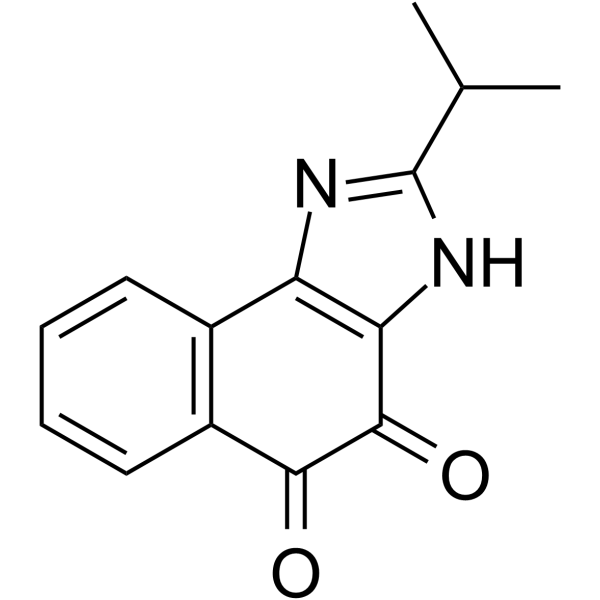
KL1333, a derivative of β-lapachone, is an orally available NAD+ modulator. KL1333 reacts with NAD(P)H:quinone oxidoreductase 1 (NQO1) as a substrate, resulting in increases in intracellular NAD+ levels via NADH oxidation. KL1333 improves energy metabolism and mitochondrial dysfunction in MELAS fibroblasts. KL1333 protects against Cisplatin-induced ototoxicity in mouse cochlear cultures .
loading...
    loading...
1
1 Cited Publications
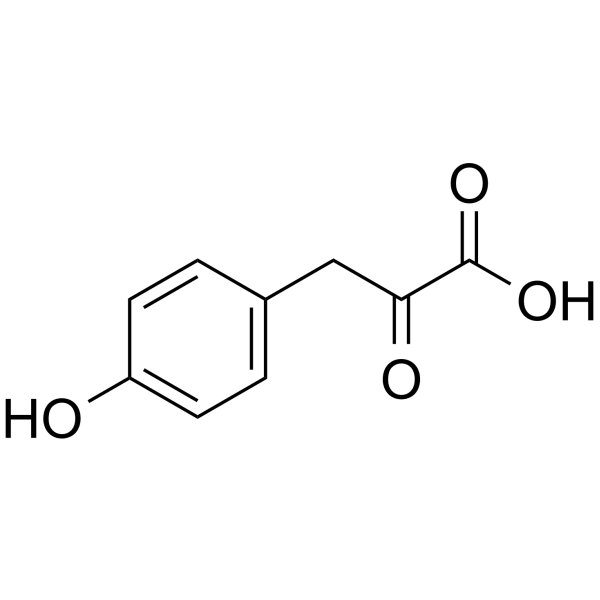
Cat. No.: HY-W010040
CAS No.: 156-39-8
4-Hydroxyphenylpyruvic acid is an intermediate in the metabolism of the amino acid phenylalanine. 4-Hydroxyphenylpyruvic acid is a substrate of 4-hydroxyphenylpyruvic acid dioxygenase (HPPA). 4-Hydroxyphenylpyruvic acid can be used in the study of HPD-related diseases, such as type III tyrosinemia and hawkinsinuria .
loading...
    loading...
1
1 Cited Publications
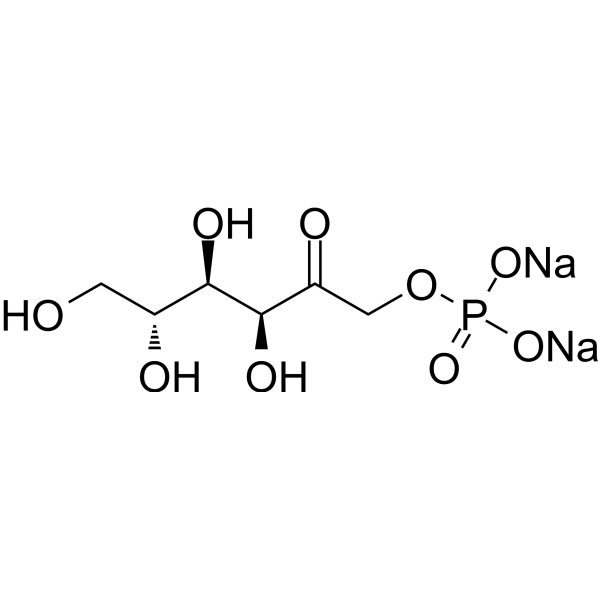
Cat. No.: HY-112253A
CAS No.: 71662-09-4
D-Fructose 1-phosphate disodium is a key intermediate metabolite in the fructose metabolic pathway. As a key signaling molecule linking fructose metabolism and glucose metabolic regulation, D-Fructose 1-phosphate disodium acts as an allosteric modulator to counteract the inhibitory effect of the glucokinase-regulatory protein complex, thereby finely regulating the direction of hepatic glucose metabolism at the substrate level .
loading...
    loading...
1
1 Cited Publications
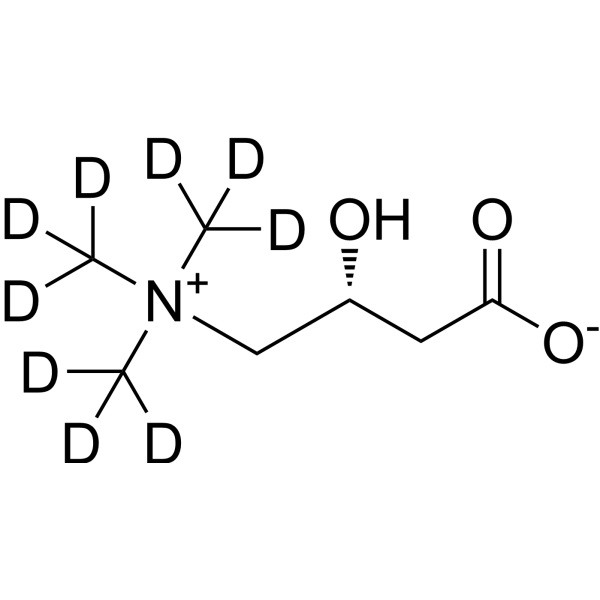
Cat. No.: HY-B0399S
CAS No.: 126827-79-0
Synonyms: (R)-Carnitine-d9; Levocarnitine-d9
L-Carnitine-d9 is the deuterium labeled L-Carnitine. L-Carnitine (Levocarnitine) is an endogenous molecule involved in fatty acid metabolism, biosynthesized within the human body using amino acids: L-lysine and L-methionine, as substrates. L-Carnitine functions to transport long chain fatty acyl-CoAs into the mitochondria for degradation by β-oxidation. L-carnitine can ameliorate metabolic imbalances in many inborn errors of metabolism .
loading...
    loading...
1
1 Cited Publications
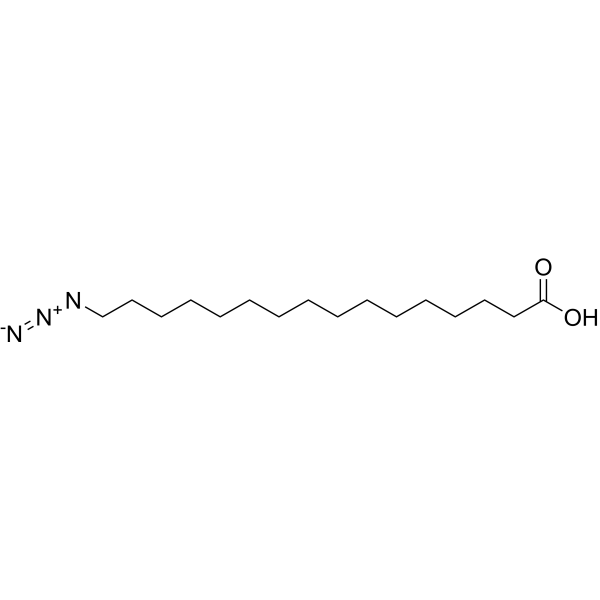
Cat. No.: HY-147309
CAS No.: 112668-54-9
Purity:  ≥98.0%
Target:  

FATP

Research Areas:  

Others

16-Azidohexadecanoic acid is a fatty acid metabolism probe and a substrate of fatty acid transport protein (FATP). 16-Azidohexadecanoic acid serves as a metabolic probe for fatty acid analysis via click chemistry and HPLC/MS detection .
loading...
    loading...
1
1 Cited Publications
Cat. No.: HY-N10574
CAS No.: 72496-59-4
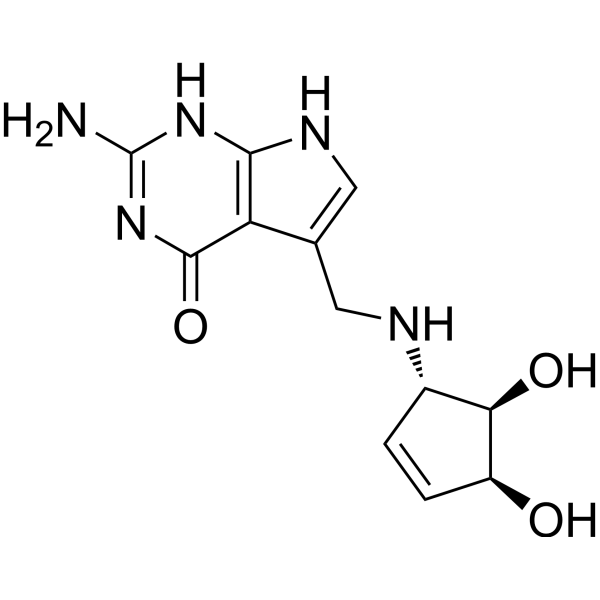
Queuine is a selective substrate for tRNA guanine transglycosylase (TGT) and can be incorporated into eukaryotic tRNA. Queuine promotes tRNA modification, affecting mitochondrial function and Warburg metabolic phenotype. If Queuine is deficient, aerobic glycolysis can be enhanced, oxidative phosphorylation can be inhibited, and Warburg metabolism can be promoted, accompanied by increased ammonia and lactate production and increased lactate dehydrogenase activity. Queuine can be used for autoimmune diseases (such as experimental models of multiple sclerosis) and cancer metabolic regulation, and its deficiency is associated with low tRNA modification in tumor cells .
loading...
    loading...
1
1 Cited Publications
Cat. No.: HY-N10574A
CAS No.: 86496-18-6
Queuine dihydrochloride is a selective substrate for tRNA guanine transglycosylase (TGT) and can be incorporated into eukaryotic tRNA. Queuine dihydrochloride promotes tRNA modification, affecting mitochondrial function and Warburg metabolic phenotype. If Queuine dihydrochloride is deficient, aerobic glycolysis can be enhanced, oxidative phosphorylation can be inhibited, and Warburg metabolism can be promoted, accompanied by increased ammonia and lactate production and increased lactate dehydrogenase activity. Queuine dihydrochloride can be used for autoimmune diseases (such as experimental models of multiple sclerosis) and cancer metabolic regulation, and its deficiency is associated with low tRNA modification in tumor cells .
loading...
    loading...
1
1 Cited Publications
Cat. No.: HY-D0889
CAS No.: 556-50-3
Synonyms: Gly-Gly; H-Gly-Gly-OH
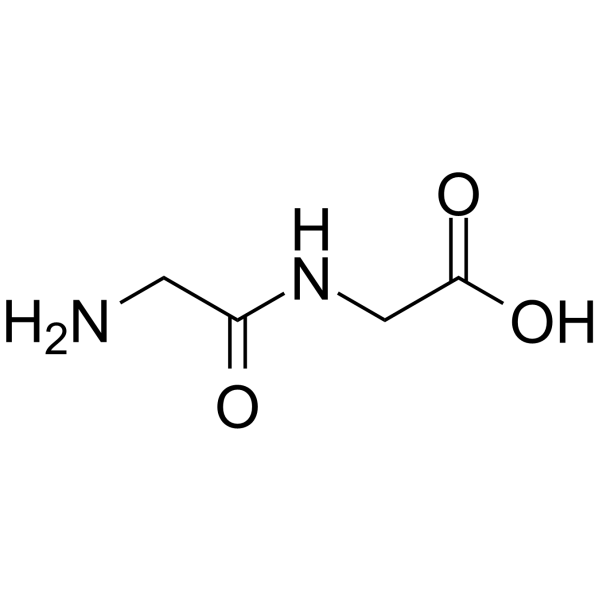
Glycylglycine is a non-selective glycylglycine dipeptidase substrate and iNOS inhibitor. Glycylglycine can cross the cell membrane by passive diffusion and is hydrolyzed to glycine in the cell, participating in energy metabolism and antioxidant processes. Glycylglycine promotes spermatogonial stem cells (SSCs) proliferation, inhibits astrocyte overactivation and reduces nitric oxide (NO) release, while upregulating the expression of neurotrophic factors (such as PDGFA, FGF2, CNTF) to support nerve myelin repair. Glycylglycine can be used to study male reproductive biology (such as SSCs proliferation regulation) and neurodegenerative diseases (such as neuroprotective mechanisms in multiple sclerosis) .
loading...
    loading...
1
1 Cited Publications
Cat. No.: HY-P2857
CAS No.: 9032-08-0
Synonyms: Amyloglucosidase, Aspergillus niger
Amyloglucosidase, Aspergillus niger (Amyloglucosidase, Aspergillus niger) is a starch-hydrolyzing enzyme with high catalytic efficiency towards soluble starch and raw starch. Amyloglucosidase, Aspergillus niger hydrolyzes α-1,4 and α-1,6 glycosidic linkages in starch and similar substrates, and primarily releases β-glucose molecules from the non-reducing ends. Amyloglucosidase, Aspergillus niger participates in glycogen metabolism and is associated with type II glycogen storage disease. Amyloglucosidase, Aspergillus niger converts starch into glucose, and is applicable to the industrial production of high-fructose syrup, ethanol and other fermented products .
loading...
    loading...
1
1 Cited Publications
Cat. No.: HY-P2857A
CAS No.: 9032-08-0
Synonyms: Amyloglucosidase, Rhizopus sp.
Target:  

Glycosidase

Research Areas:  

Metabolic Disease

Glucoamylase, Rhizopus sp. (Amyloglucosidase, Rhizopus sp.) is a starch-hydrolyzing enzyme with high catalytic efficiency towards soluble starch and raw starch. Glucoamylase, Rhizopus sp. hydrolyzes α-1,4 and α-1,6 glycosidic linkages in starch and similar substrates, and primarily releases β-glucose molecules from the non-reducing ends. Glucoamylase, Rhizopus sp. participates in glycogen metabolism and is associated with type II glycogen storage disease. Glucoamylase, Rhizopus sp. converts starch into glucose, and is applicable to the industrial production of high-fructose syrup, ethanol and other fermented products .
loading...
    loading...

