139 Results for "

substrate phosphorylation

" in MedChemExpress (MCE) Product Catalog:
Products (139)

139 Results for "substrate phosphorylation" in MCE Product Catalog:

154
154 Publications Verification
Cat. No.: HY-12008
CAS No.: 183319-69-9
Purity:  99.94%
Synonyms: CP-358774 hydrochloride; NSC 718781 hydrochloride; OSI-774 hydrochloride
Target:  

EGFR OAT ERK GSK-3 β-catenin

Research Areas:  

Endocrinology Cancer

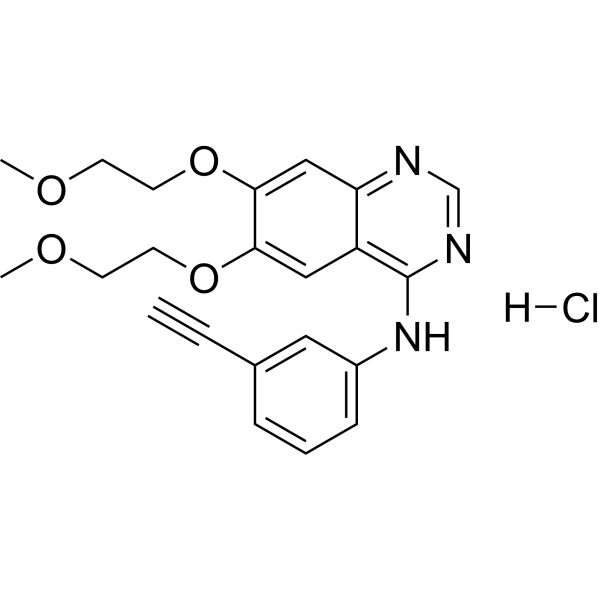
Erlotinib (CP-358774) Hydrochloride is a selective, orally active EGFR tyrosine kinase inhibitor. Erlotinib Hydrochloride also acts as a substrate and inhibitor of OATP2B1, with an IC50 of approximately 0.079 μM for inhibiting OATP2B1-mediated uptake of estrone 3-sulfate. Erlotinib Hydrochloride blocks EGFR phosphorylation, downstream signal transduction, as well as the growth and proliferation of cancer cells. Erlotinib Hydrochloride inhibits MMP-10-mediated renal injury, fibrotic lesions, the ERK1/2, GSK-3β and β-catenin signaling pathways, as well as the deposition of fibronectin, α-SMA, collagen and renal injury markers. Erlotinib Hydrochloride is metabolized via CYP3A to produce the active metabolite OSI-420. Erlotinib Hydrochloride can be used in research related to non-small cell lung cancer, gastric cancer, papillary renal cell carcinoma, EGFR inhibitor resistance and renal fibrosis .
loading...
    loading...
154
154 Publications Verification
Cat. No.: HY-50896
CAS No.: 183321-74-6
Synonyms: CP-358774; NSC 718781; OSI-774
Target:  

EGFR OAT ERK GSK-3 β-catenin

Research Areas:  

Endocrinology Cancer

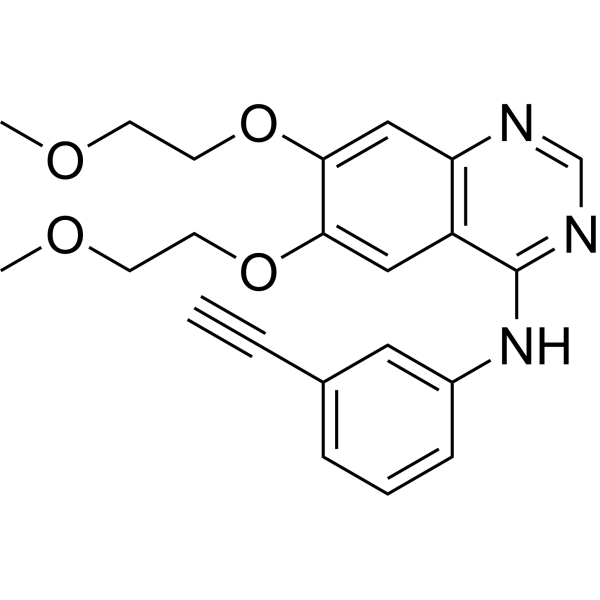
Erlotinib (CP-358774) is a selective, orally active EGFR tyrosine kinase inhibitor. Erlotinib also acts as a substrate and inhibitor of OATP2B1, with an IC50 of approximately 0.079 μM for inhibiting OATP2B1-mediated uptake of estrone 3-sulfate. Erlotinib blocks EGFR phosphorylation, downstream signal transduction, as well as the growth and proliferation of cancer cells. Erlotinib inhibits MMP-10-mediated renal injury, fibrotic lesions, the ERK1/2, GSK-3β and β-catenin signaling pathways, fibronectin, α-SMA, collagen deposition, and renal injury markers. Erlotinib is metabolized via CYP3A to produce the active metabolite OSI-420. Erlotinib can be used in research related to non-small cell lung cancer, gastric cancer, papillary renal cell carcinoma, pancreatic cancer, renal fibrosis, and other conditions .
loading...
    loading...
6
6 Cited Publications
Cat. No.: HY-162001
CAS No.: 2745060-92-6
Target:  

CDK

Research Areas:  

Cancer

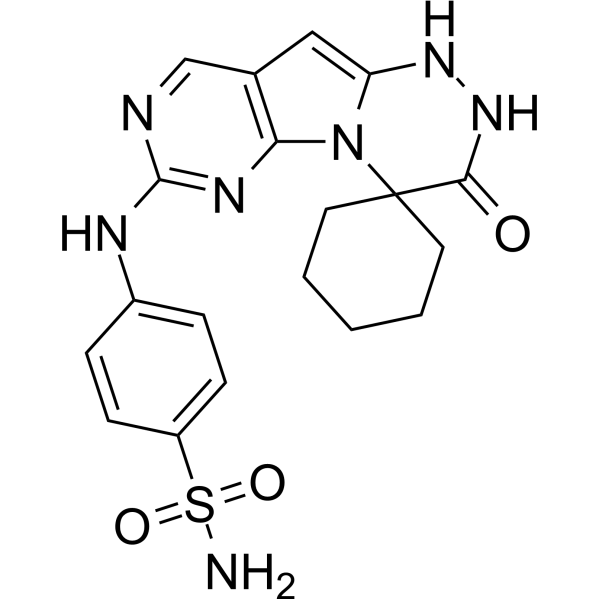
INX-315 is an orally active and selective CDK2 inhibitor that induces cell cycle arrest in the G1 phase. INX-315 reduces CDK2 substrate phosphorylation and inhibits tumor growth in a dose-dependent manner in xenograft mouse models. INX-315 may be used in cancer research .
loading...
    loading...
5
5 Cited Publications
Cat. No.: HY-125878
CAS No.: 2381320-35-8
Purity:  99.89%
Synonyms: SGK3-PROTAC1
Target:  

PROTACs SGK

Research Areas:  

Cancer

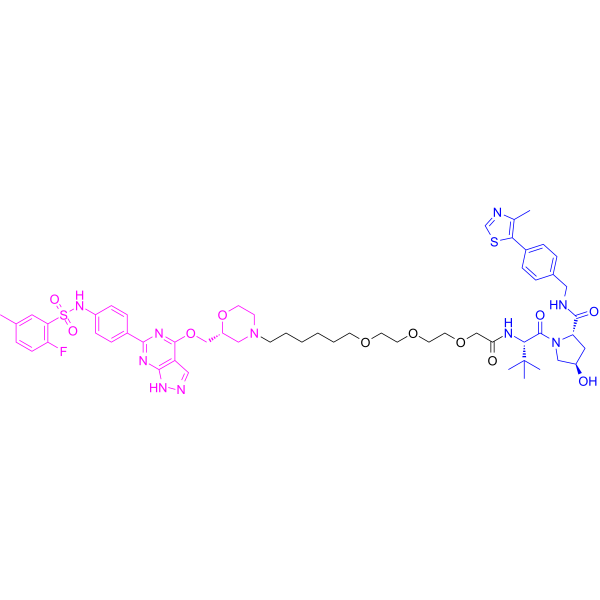
PROTAC SGK3 degrader-1 (SGK3-PROTAC1), a chemical probe, is a von Hippel-Lindau ligand-based SKG3 PROTAC composed of a PEG3-C4-OBn (HY-130620) alkyl linker, an SGK3 degrader (red structure), and a VHL ligand (HY-150803, blue structure). PROTAC SGK3 degrader-1 (0.3 μM) induced 50% endogenous SGK3 degradation within 2 hours, and 80% SGK3 degradation was observed at 8 hours, accompanied by loss of phosphorylation of NDRG1 (SGK3 substrate) .
loading...
    loading...
4
4 Cited Publications
Cat. No.: HY-137506
CAS No.: 2607143-50-8
Purity:  99.26%
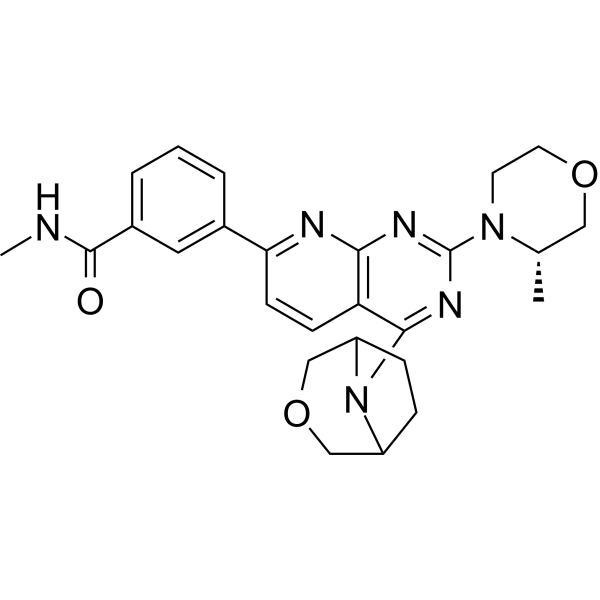
XST-14 is a potent, competitive and highly selective ULK1 inhibitor with an IC50 of 26.6 nM. XST-14 induces autophagy inhibition by reducing the phosphorylation of the ULK1 downstream substrate. XST-14 induces apoptosis in hepatocellular carcinoma (HCC) cells and has antitumor effects .
loading...
    loading...
4
4 Cited Publications
Cat. No.: HY-109061
CAS No.: 1903008-80-9
Purity:  99.87%
Synonyms: YH25448; GNS-1480
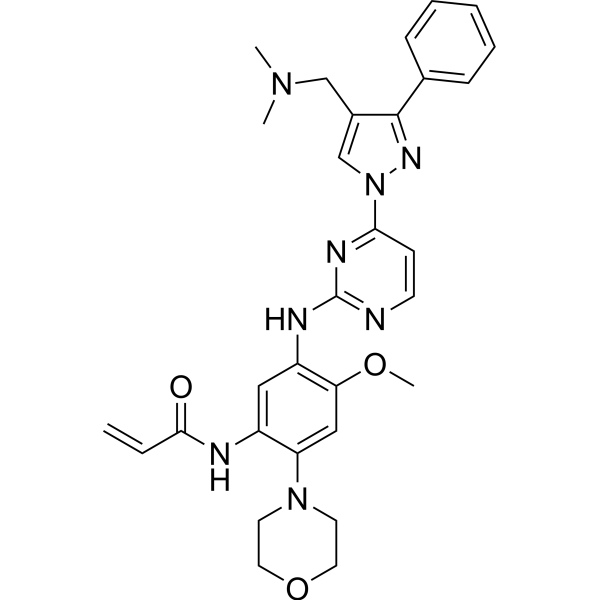
Lazertinib (YH25448; GNS-1480) is an orally active, blood-brain barrier permeable third-generation EGFR tyrosine kinase inhibitor, as well as an ABCB1/ABCG2 inhibitor and a TRPA1 activator. Lazertinib exhibits IC50 values of 0.4 mM and 0.2 mM against human ABCB1 and ABCG2, respectively. By inhibiting mutant EGFR signaling, EGFR phosphorylation and the downstream ERK/AKT pathway, as well as upregulating surface expression of EGFR/MET, Lazertinib induces cell cycle arrest, apoptosis, spontaneous calcium responses, hyperexcitability of dorsal root ganglion (DRG) neurons, and TRPA1-dependent pain-like behaviors. Lazertinib competitively binds to the substrate-binding sites of ABCB1/ABCG2, stimulates their ATPase activity without altering their expression or plasma membrane localization, thereby enhancing ADCC activity, acting as a chemosensitizer, and reversing ABCB1-mediated multidrug resistance. It exerts antitumor activity as a single agent or in combination with other drugs. Lazertinib is applicable to research related to non-small cell lung cancer, multidrug-resistant cancers, and paresthesia .
loading...
    loading...
4
4 Cited Publications
Cat. No.: HY-109061B
CAS No.: 2247995-37-3
Synonyms: YH25448 mesylate; GNS-1480 mesylate
Research Areas:  

Cancer

Lazertinib (YH25448; GNS-1480) mesylate is an orally active, blood-brain barrier permeable third-generation EGFR tyrosine kinase inhibitor, as well as an ABCB1/ABCG2 inhibitor and a TRPA1 activator. Lazertinib mesylate exhibits IC50 values of 0.4 mM and 0.2 mM against human ABCB1 and ABCG2, respectively. By inhibiting mutant EGFR signaling, EGFR phosphorylation and the downstream ERK/AKT pathway, as well as upregulating surface expression of EGFR/MET, Lazertinib mesylate induces cell cycle arrest, apoptosis, spontaneous calcium responses, hyperexcitability of dorsal root ganglion (DRG) neurons, and TRPA1-dependent pain-like behaviors. Lazertinib mesylate competitively binds to the substrate-binding sites of ABCB1/ABCG2, stimulates their ATPase activity without altering their expression or plasma membrane localization, thereby enhancing ADCC activity, acting as a chemosensitizer, and reversing ABCB1-mediated multidrug resistance. It exerts antitumor activity as a single agent or in combination with other drugs. Lazertinib mesylate is applicable to research related to non-small cell lung cancer, multidrug-resistant cancers, and paresthesia .
loading...
    loading...
3
3 Cited Publications
Cat. No.: HY-111424
CAS No.: 2226507-04-4
Purity:  98.18%
Target:  

Cdc42-binding kinase

Research Areas:  

Cancer

BDP9066 is a potent and selective myotonic dystrophy-related Cdc42-binding kinase MRCK inhibitor with an IC50 of 64 nM for MRCKβ in SCC12 cells, Ki values of 0.0136 nM and 0.0233 nM for MRCKα/β in house determinations, respectively. BDP9066 has therapeutic effect on skin cancer by reducing substrate phosphorylation.
loading...
    loading...
2
2 Cited Publications
Cat. No.: HY-144981
CAS No.: 1226443-41-9
Purity:  98.10%
Target:  

CDK Molecular Glues

Research Areas:  

Cancer

HQ461 is a molecular glue that promotes CDK12-DDB1 interaction to trigger cyclin K degradation. HQ461-mediated degradation of cyclin K impairs CDK12 function, resulting in decreased CDK12 substrate phosphorylation, downregulation of DNA damage response genes, and cell death .
loading...
    loading...
1
1 Cited Publications
Cat. No.: HY-N1420
CAS No.: 3615-41-6
Synonyms: L-Rhamnose
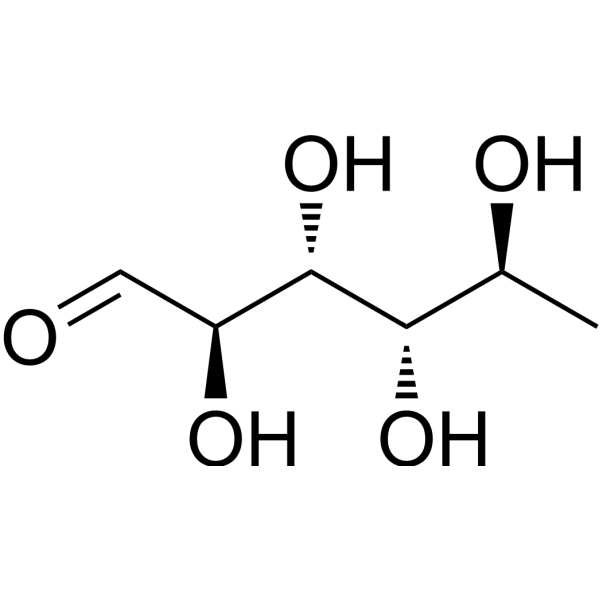
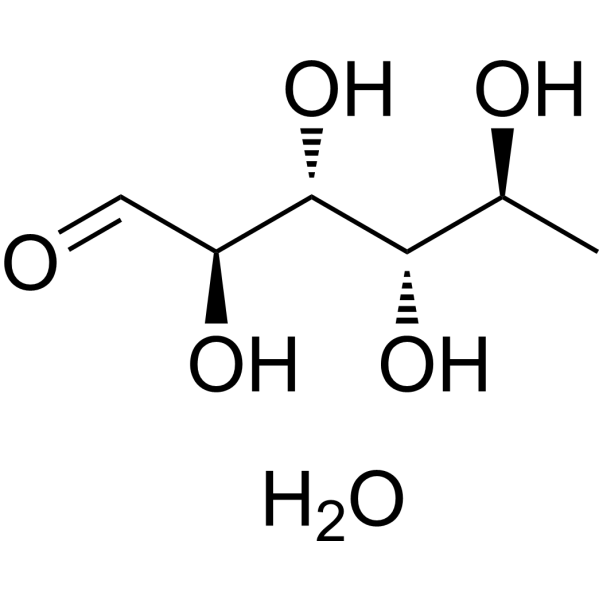
Rhamnose (L-Rhamnose ) is an orally active deoxysugar. Rhamnose can inhibit levels of pro-inflammatory interleukin and matrix metalloproteinases (MMPs) in skin aging models. Rhamnose can promote the phosphorylation levels of PKA substrates and HSL in SVF-derived adipocytes, stimulating PKA signaling. Rhamnose can act against obesity in mice by stimulating fat dopamine receptors and inducing thermogenesis. Rhamnose shows anti-aging effects. Rhamnose monohydrate can be used in the study of Ehrlich’s solid tumors and sarcomas .
loading...
    loading...
1
1 Cited Publications
Cat. No.: HY-N10574
CAS No.: 72496-59-4
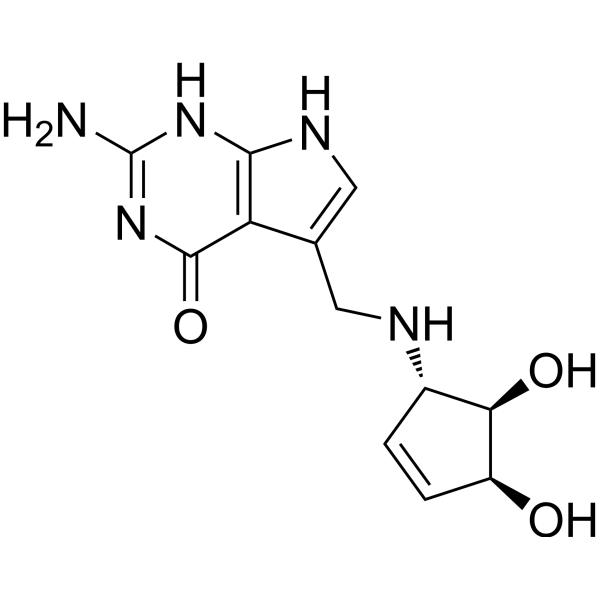
Queuine is a selective substrate for tRNA guanine transglycosylase (TGT) and can be incorporated into eukaryotic tRNA. Queuine promotes tRNA modification, affecting mitochondrial function and Warburg metabolic phenotype. If Queuine is deficient, aerobic glycolysis can be enhanced, oxidative phosphorylation can be inhibited, and Warburg metabolism can be promoted, accompanied by increased ammonia and lactate production and increased lactate dehydrogenase activity. Queuine can be used for autoimmune diseases (such as experimental models of multiple sclerosis) and cancer metabolic regulation, and its deficiency is associated with low tRNA modification in tumor cells .
loading...
    loading...
1
1 Cited Publications
Cat. No.: HY-145752
CAS No.: 2365478-58-4
Purity:  98.18%
Target:  

PROTACs SGK PI3K

Research Areas:  

Cancer

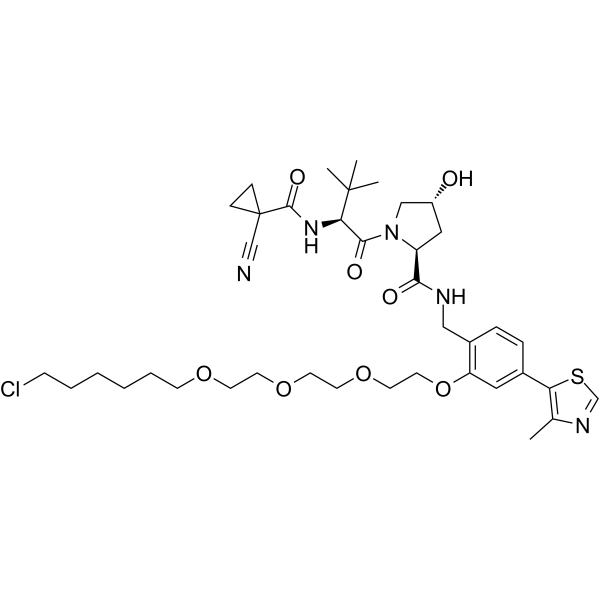
HaloPROTAC-E is a SGK3/VPS34 HaloPROTAC degrader that degrades Halo-tagged SGK3 and VPS34, with a DC50 of 3-10 nM in HEK293 cells. HaloPROTAC-E induces ubiquitination and proteasomal degradation of target proteins. HaloPROTAC-E blocks downstream phosphorylation of SGK3 substrate NDRG1. HaloPROTAC-E is applicable for cancer research .
loading...
    loading...
1
1 Cited Publications
Cat. No.: HY-N1495
CAS No.: 34620-76-3
Synonyms: Maltopentose
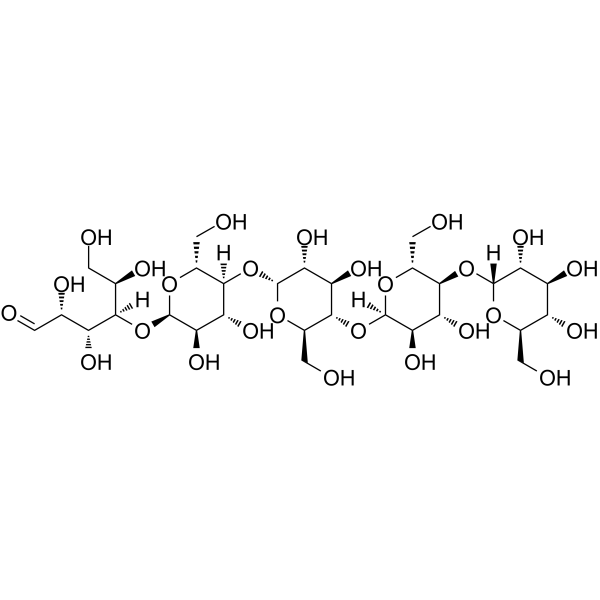
Maltopentaose is the shortest chain oligosaccharide. Maltopentaose is a substrate for α-amylases. Maltopentaose can be classified as maltodextrin and is also used in a study to investigate glycation and phosphorylation of α-lactalbumin. Maltopentaose is used to study the inhibition kinetics of human pancreatic α-amylase by dehydrodieugenol B .
loading...
    loading...
1
1 Cited Publications
Cat. No.: HY-N1420A
CAS No.: 10030-85-0
Synonyms: L-Rhamnose monohydrate
Rhamnose monohydrate (L-Rhamnose monohydrate) is an orally active deoxysugar. Rhamnose monohydrate can inhibit levels of pro-inflammatory interleukin and matrix metalloproteinases (MMPs) in skin aging models. Rhamnose can promote the phosphorylation levels of PKA substrates and HSL in SVF-derived adipocytes, stimulating PKA signaling. Rhamnose monohydrate can act against obesity in mice by stimulating fat dopamine receptors and inducing thermogenesis. Rhamnose monohydrate shows anti-aging effects. Rhamnose monohydrate can be used in the study of Ehrlich’s solid tumors and sarcomas .
loading...
    loading...
1
1 Cited Publications
Cat. No.: HY-126077
CAS No.: 1567915-38-1
Purity:  99.98%
Synonyms: LXI-15029
Target:  

mTOR

Research Areas:  

Inflammation/Immunology Cancer

MTI-31 (LXI-15029) is a potent, orally active and highly selective inhibitor of mTORC1 and mTORC2. MTI-31 is selective for mTOR (Kd: 0.20 nM) versus PIK3CA, PIK3CB and PIK3G with >5,000 fold selectivity in mTOR binding assays. MTI-31 shows an IC50 of 39 nM for mTOR in LANCE assay of mTOR substrate phosphorylation with 100 μM ATP. MTI-31 can be used for the research of breast cancer .
loading...
    loading...
1
1 Cited Publications
Cat. No.: HY-G0017
CAS No.: 404844-02-6
Synonyms: Norimatinib; Imatinib metabolite N-Desmethyl imatinib; CGP 74588
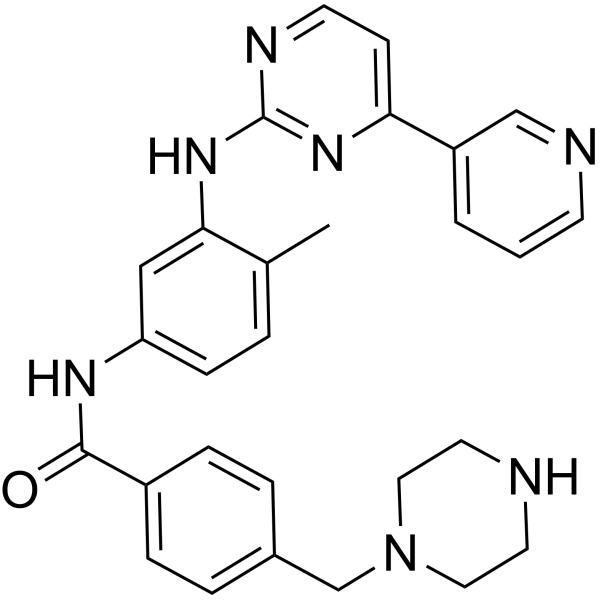
N‑Desmethyl imatinib (Norimatinib) is an active metabolite of Imatinib (HY-15463), a selective c‑Abl inhibitor, and a substrate of P‑glycoprotein. N-Desmethyl imatinib binds to the c-Abl catalytic domain to prevent substrate phosphorylation, inhibits c-Abl-mediated α-synuclein activation and downstream inflammatory signaling pathways. N-Desmethyl imatinib induces apoptosis in K562 human leukemia cells. N-Desmethyl imatinib shows significantly elevated plasma levels in gastrointestinal stromal tumor (GIST) models with mild SARS-CoV-2 infection. N-Desmethyl imatinib can be used for the research of Parkinson’s disease, gastrointestinal stromal tumor, and chronic myeloid leukemia .
loading...
    loading...
1
1 Cited Publications
Cat. No.: HY-145935
CAS No.: 1198078-60-2
Purity:  98.57%
Target:  

Insulin Receptor STAT

Research Areas:  

Cancer

NT219 is a potent and dual inhibitor of insulin receptor substrates 1/2 (IRS1/2) and STAT3. IRS1/2 and STAT3 are major signaling junctions regulated by various oncogenes. NT219 affects IRS1/2 degradation and inhibits STAT3 phosphorylation. NT219 has the potential for the research of cancer diseases .
loading...
    loading...
1
1 Cited Publications
Cat. No.: HY-P10602
CAS No.: 103659-06-9
Synonyms: RII phosphopeptide
Target:  

PKA

Research Areas:  

Others

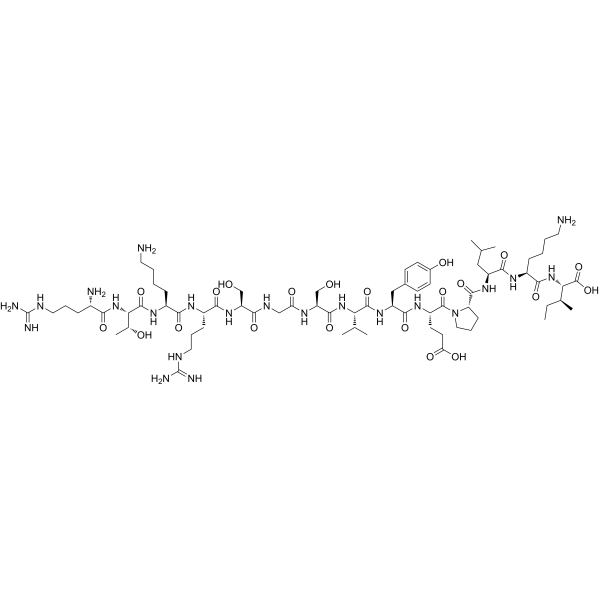
PKA Regulatory Subunit II Substrate (RII phosphopeptide) is a tool peptide derived from the regulatory subunit Type II (RII) of cyclic AMP-dependent protein kinase (PKA). PKA Regulatory Subunit II Substrate is commonly used to mimic the phosphorylation of protein kinases and as a specific substrate for protein phosphatases to assess the activities of these enzymes .
loading...
    loading...
1
1 Cited Publications
Cat. No.: HY-N10574A
CAS No.: 86496-18-6
Queuine dihydrochloride is a selective substrate for tRNA guanine transglycosylase (TGT) and can be incorporated into eukaryotic tRNA. Queuine dihydrochloride promotes tRNA modification, affecting mitochondrial function and Warburg metabolic phenotype. If Queuine dihydrochloride is deficient, aerobic glycolysis can be enhanced, oxidative phosphorylation can be inhibited, and Warburg metabolism can be promoted, accompanied by increased ammonia and lactate production and increased lactate dehydrogenase activity. Queuine dihydrochloride can be used for autoimmune diseases (such as experimental models of multiple sclerosis) and cancer metabolic regulation, and its deficiency is associated with low tRNA modification in tumor cells .
loading...
    loading...
1
1 Cited Publications
Cat. No.: HY-P1597
CAS No.: 86555-35-3
Target:  

PKA PKC

Research Areas:  

Cancer

Malantide is a synthetic dodecapeptide derived from the site phosphorylated by cAMP-dependent protein kinase (PKA) on the β-subunit of phosphorylase kinase. Malantide is a highly specific substrate for PKA with a Km of 15 μM and shows protein inhibitor (PKI) inhibition >90% substrate phosphorylation in various rat tissue extracts . Malantide is also an efficient substrate for PKC with a Km of 16 μM .
loading...
    loading...

