62 Results for "

table olive brines

" in MedChemExpress (MCE) Product Catalog:
Products (62)

62 Results for "table olive brines" in MCE Product Catalog:

10
10 Publications Verification
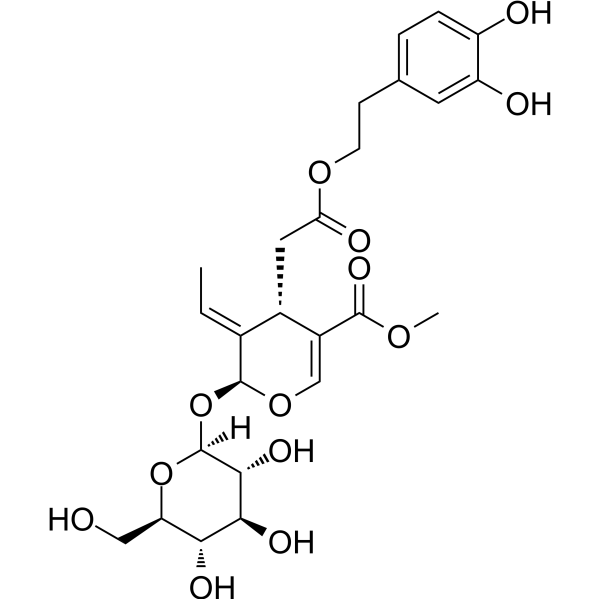
Cat. No.: HY-N0292
CAS No.: 32619-42-4
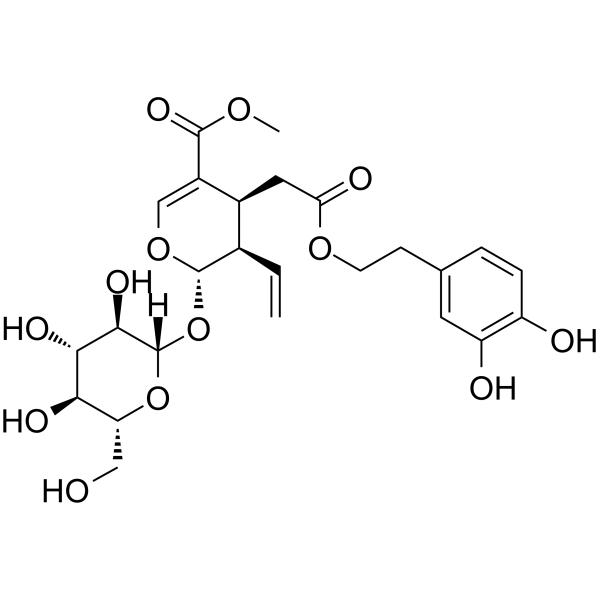
Oleuropein, found in olive leaves and oil, exerts antioxidant, anti-inflammatory and anti-atherogenic effects through direct inhibition of PPARγ transcriptional activity . Oleuropein induces apoptosis in breast cancer cells via the p53-dependent pathway and through the regulation of Bax and Bcl2 genes. Oleuropein also inhibits aromatase .
loading...
    loading...
9
9 Cited Publications
Cat. No.: HY-108749
CAS No.: 8001-25-0
Synonyms: Cropure OL
Olive oil (Cropure OL) is an oleaginous compound found in the fruit of the Olea europaea tree . Olive oil contains many phenolic components and exerts antioxidant activity. Olive oil exhibits hydroxyl radical scavenging, platelet aggregation inhibition and xanthine oxidase inhibitory activity. Olive oil can promote wound healing and relieve inflammation. Olive oil can be used for the research of inflammation, cancer, metabolic and cardiovascular disease, such as diabetic foot ulcers and inflammatory bowel disease .
loading...
    loading...
1
1 Cited Publications
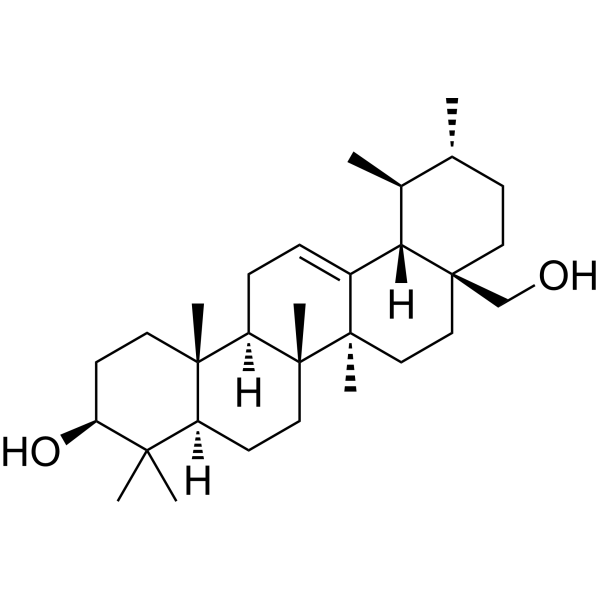
Cat. No.: HY-N1109
CAS No.: 545-46-0
Uvaol, a triterpene present in olives and virgin olive oil, possesses anti-inflammatory properties and antioxidant effects. Uvaol is an orally active inducer of apoptosis in astroglioma cells. Uvaol also has anti-cancer activities. Uvaol attenuates pleuritis and eosinophilic inflammation in ovalbumin-induced allergy in mice .
loading...
    loading...
1
1 Cited Publications
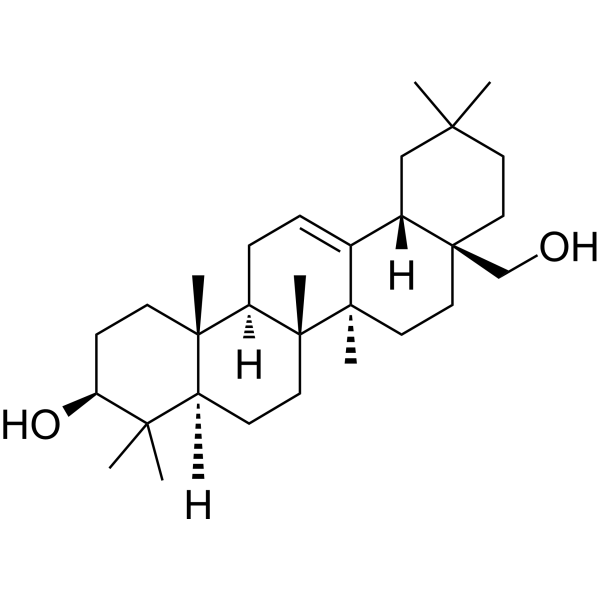
Cat. No.: HY-N2419
CAS No.: 545-48-2
Erythrodiol is an olive oil component. Erythrodiol promotes Cholesterol efflux (ChE) by selectively inhibiting the degradation of ABCA1 protein. Erythrodiol is a good candidate to be further explored for therapeutic or preventive application in the context of atherosclerosis .
loading...
    loading...
1
1 Cited Publications
Cat. No.: HY-N6906
CAS No.: 116383-31-4
Oleuroside is a phenolic secoiridoid in olive. Oleuroside can protect against mitochondrial dysfunction in models of early Alzheimer's disease and brain ageing .
loading...
    loading...
1
1 Cited Publications
Cat. No.: HY-N2512
CAS No.: 589-68-4
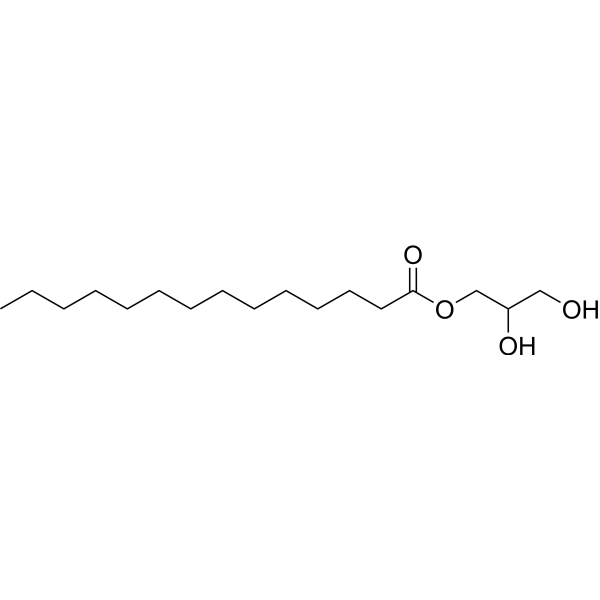
1-Monomyristin acts as an insecticide, enzyme inhibitor, antibacterial and antifungal agent, with an IC50 of 18 μM against rat FAAH and an IC50 of 32 μM against rat MAGL. 1-Monomyristin inhibits 2-oleoylglycerol hydrolysis via MAGL. 1-Monomyristin suppresses the growth of Staphylococcus aureus, Aggregatibacter actinomycetemcomitans and Candida albicans. 1-Monomyristin is lethal to brine shrimp . 1-Monomyristin exhibits marginal cytotoxicity against prostate cancer cells. 1-Monomyristin is applicable to research related to bacterial infections, fungal infections, renal cancer, prostate adenocarcinoma and pancreatic cancer .
loading...
    loading...
1
1 Cited Publications
Cat. No.: HY-11105
CAS No.: 956958-53-5
Purity:  99.74%
Synonyms: XL147 analogue
Target:  

PI3K Apoptosis

Research Areas:  

Cancer

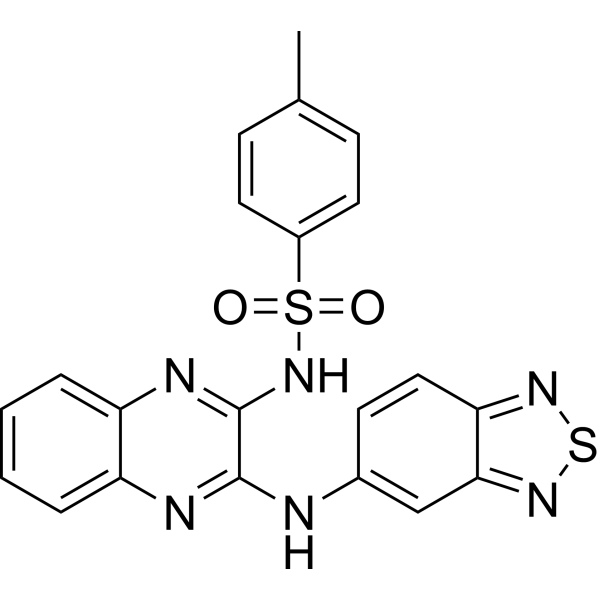
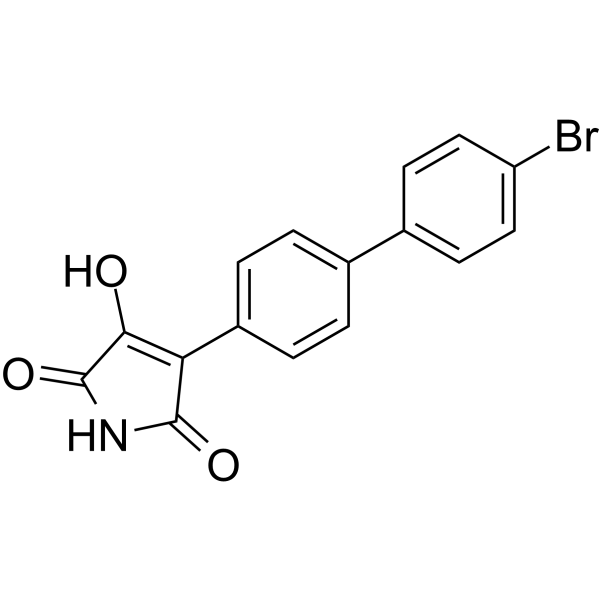
Pilaralisib analogue (XL147 analogue) is a representative and selective PI3Kα inhibitor extracted from patent WO2012006552A1, Compound 147 in Table 1.
loading...
    loading...
Cat. No.: HY-Y0801
CAS No.: 303-07-1
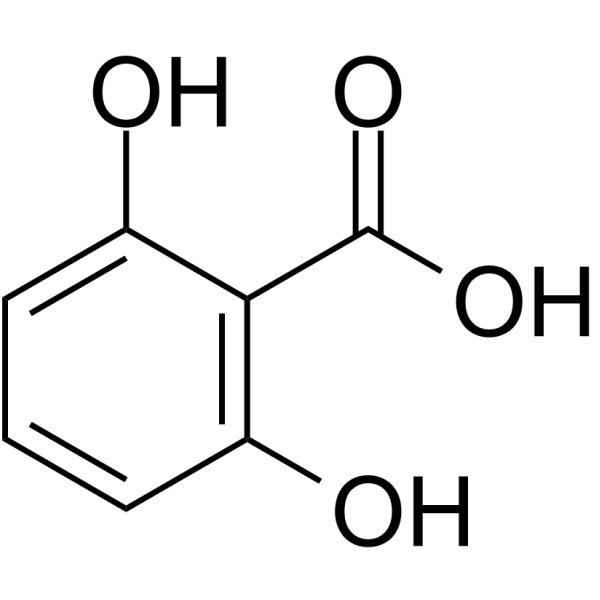
2,6-Dihydroxybenzoic acid is an aromatic compound containing phenolic hydroxyl groups and carboxyl groups, and it is a secondary metabolite of Salicylic acid (HY-B0167). 2,6-Dihydroxybenzoic acid is also present in olive oil wastewater .
loading...
    loading...
Cat. No.: HY-124481
CAS No.: 289030-99-5
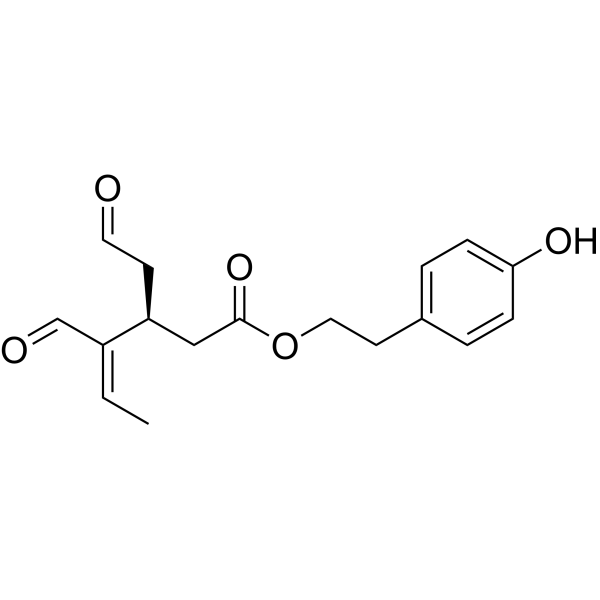
Oleocanthal is an orally active phenolic seciridoid compound. Oleocanthal can be extracted from olive oil. Oleocanthal inhibits COX-1 and COX-2, reduces ROS and NO, and upregulates Nrf-2 and HO-1. Oleocanthal reduces Aβ deposition. Oleocanthal exhibits anti-Leishmania activity against promastigotes and amastigotes of L. major, with IC50 values of 18.7 and 87 μg/mL, respectively. Oleocanthal exhibits anticancer activity against colon, breast, liver, and melanoma cancers. Oleocanthal also exhibits anti-inflammatory and neuroprotective properties. Oleocanthal can be used in Alzheimer's disease research .
loading...
    loading...
Cat. No.: HY-W010066
CAS No.: 28822-73-3
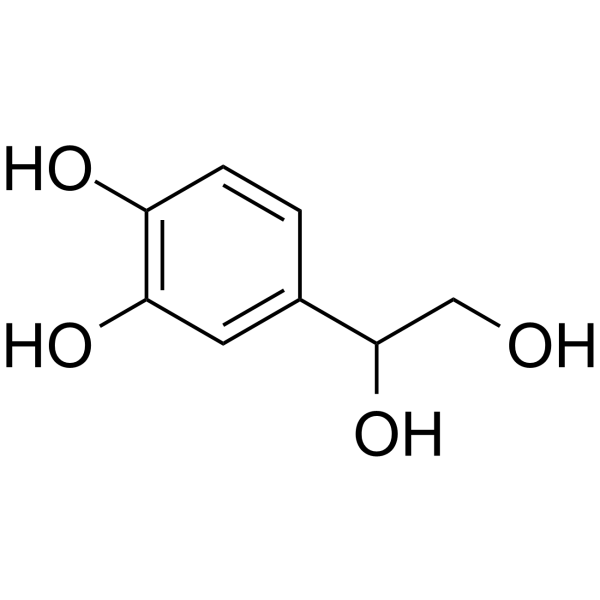
3,4-Dihydroxyphenylglycol is a phenolic compound and antioxidant. 3,4-Dihydroxyphenylglycol can be extracted from olive oil. 3,4-Dihydroxyphenylglycol downregulates the expression of proinflammatory enzymes (iNOS, COX-2) and prevents the degradation of IκBα. 3,4-Dihydroxyphenylglycol has antioxidant properties. 3,4-Dihydroxyphenylglycol has shown positive effects on frozen-thawed ram sperm. 3,4-Dihydroxyphenylglycol can be used in the study of inflammatory-related diseases (such as ulcerative colitis) and reproductive health (sperm cryopreservation) .
loading...
    loading...
Cat. No.: HY-N9811
CAS No.: 54695-80-6
Target:  

Drug Derivative

Hydroxytyrosol 4-O-glucoside is a phenolic compound found in olive pulp, vegetation water, and pomace of olive oil processing. Hydroxytyrosol 4-O-glucoside can be used in research on antibacterial, hypoglycemic, lipid-lowering, and cholesterol-lowering effects .
loading...
    loading...
Cat. No.: HY-U00308
CAS No.: 125235-15-6
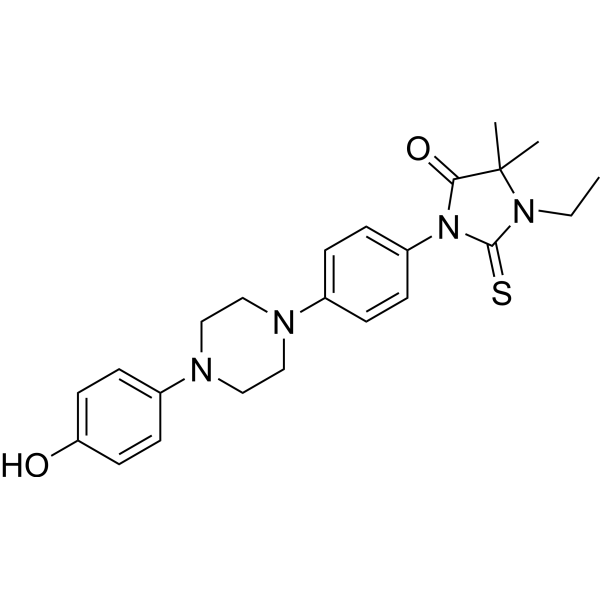
5-LOX-IN-4 is a 5-Lipoxygenase inhibitor extracted from patent EP 331232 A2, table 4, compound example 4.10.
loading...
    loading...
Cat. No.: HY-N3968
CAS No.: 17303-67-2
Synonyms: GTN; (R)-(+)-Goniothalamin
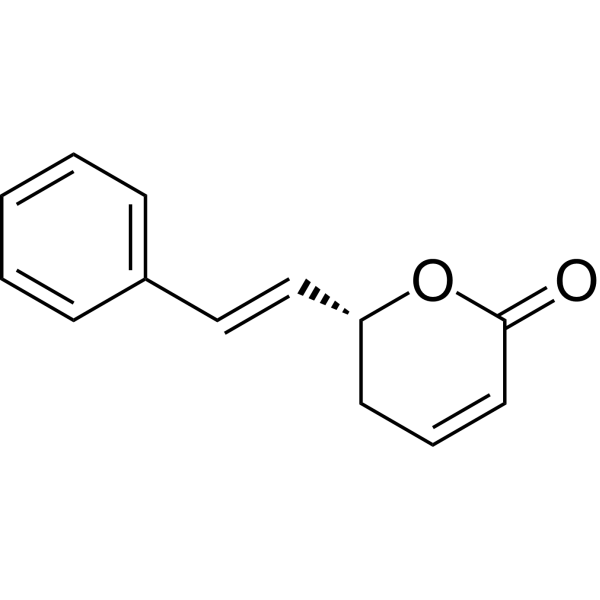
Goniothalamin (GTN) is a styryl lactone. Goniothalamin exhibits insecticidal, anti-tumor and antibacterial activities. Goniothalamin induces cell cycle arrest and apoptosis in tumor cells. Goniothalamin acts as a larvicide against Culex quinquefasciatus larvae and as a cytotoxin against brine shrimp larvae. Goniothalamin functions as an antibacterial agent against Gram-positive and Gram-negative bacteria, and also acts as an antifungal agent against pathogens including Candida albicans, Trichophyton rubrum and Trichophyton mentagrophytes. Goniothalamin is applicable to research related to breast cancer, lymphatic filariasis, bacterial infections and fungal infections .
loading...
    loading...
Cat. No.: HY-N0292R
CAS No.: 32619-42-4
Oleuropein (Standard) is the analytical standard of Oleuropein. This product is intended for research and analytical applications. Oleuropein, found in olive leaves and oil, exerts antioxidant, anti-inflammatory and anti-atherogenic effects through direct inhibition of PPARγ transcriptional activity . Oleuropein induces apoptosis in breast cancer cells via the p53-dependent pathway and through the regulation of Bax and Bcl2 genes. Oleuropein also inhibits aromatase .
loading...
    loading...
Cat. No.: HY-133823
CAS No.: 2271-34-3
Synonyms: C16:1 (cis-11/trans-11) Fatty acid
Category:  

Natural Products

Target:  

Endogenous Metabolite

11-Hexadecenoic acid is a monounsaturated fatty acid. 11-cis-Hexadecenoic acid and 11-trans-hexadecenoic acid have been found in ewe milk fat, and levels of each increase with dietary lipid supplementation of linseed, sunflower, olive, or fish oils. 11-trans-Hexadecenoic acid has also been found in intramuscular fat samples isolated from male and female foals. This product is a mixture of 11-cis- and 11-trans-hexadecenoic acids.
loading...
    loading...
Cat. No.: HY-22166
CAS No.: 77529-42-1
Target:  

Others

Research Areas:  

Metabolic Disease

Glycolic acid oxidase inhibitor 1 is a glycolate oxidase inhibitor, extracted from patent EP0021228A1, in Table IV.
loading...
    loading...
Cat. No.: HY-164054
CAS No.: 438599-31-6
Target:  

MicroRNA

Research Areas:  

Cancer

MicroRNA modulator-2 (TABLE9 compound 8) is an oxadiazole miR-21 inhibitor with AC50 of 16.48 μM .
loading...
    loading...
Cat. No.: HY-113878
CAS No.: 101901-73-9
Target:  

Endogenous Metabolite

Research Areas:  

Metabolic Disease

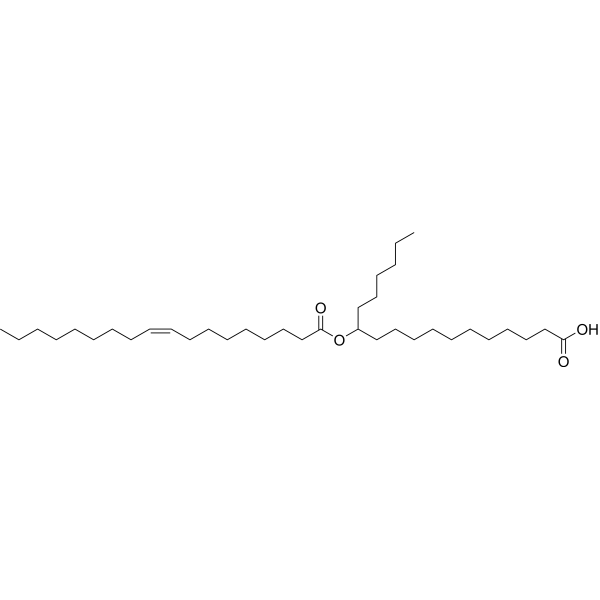
12-OAHSA is a component of olive oil. 12-OAHSA has oral activity, and improves glucose homeostasis in insulin resistant obese mice .
loading...
    loading...
Cat. No.: HY-N7953
CAS No.: 2190-20-7
Target:  

Endogenous Metabolite

Research Areas:  

Metabolic Disease

1,2-Dioleoyl-3-linoleoyl-rac-glycerol (OOL) is a triacylglycerol containing oleic acid at the sn-1 and sn-2 positions and linoleic acid at the sn-3 position. It is found in a variety of seed and vegetable oils, including pumpkin seed, olive, and sesame oils.
loading...
    loading...
Cat. No.: HY-U00429
CAS No.: 1015231-98-7
Research Areas:  

Neurological Disease

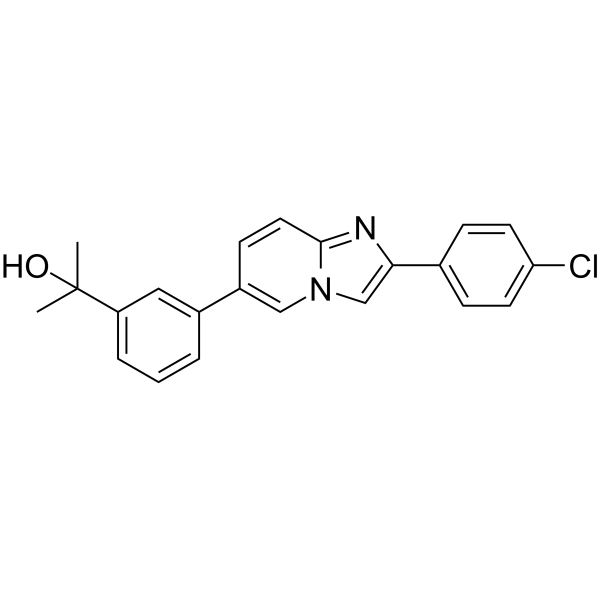
NOT Receptor Modulator 1 is a nuclear receptor Nurr-1/NOT modulator extracted from patent WO 2008034974 A1, Example 39 in table1.
loading...
    loading...

