
53 Results for "

teratogenic

" in MedChemExpress (MCE) Product Catalog:
Products (53)

53 Results for "teratogenic" in MCE Product Catalog:

6
6 Publications Verification
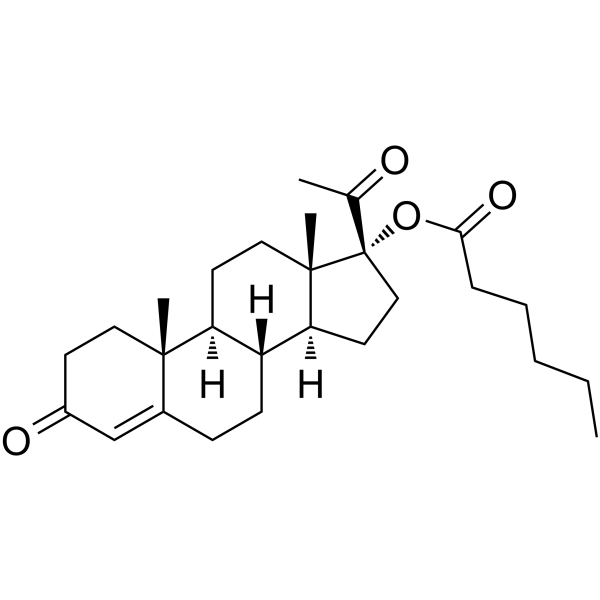
Cat. No.: HY-B0742
CAS No.: 630-56-8
Synonyms: 17α-Hydroxyprogesterone hexanoate; 17α-Hydroxyprogesterone caproate
Target:  

Progesterone Receptor

Research Areas:  

Endocrinology

Hydroxyprogesterone caproate (17α-Hydroxyprogesterone hexanoate; 17α-Hydroxyprogesterone caproate) is a progesterone receptor (progesterone receptor) ligand and steroid hormone transcription inhibitor. Hydroxyprogesterone caproate downregulates estrogen receptors in target tissues and activates their metabolic pathways, and exhibits equivalent affinity for progesterone receptor A and progesterone receptor B. Hydroxyprogesterone caproate shows no consistent teratogenicity or developmental toxicity in rat, mouse and monkey models, but induces resorption or abortion in rhesus monkeys at human-equivalent doses. Hydroxyprogesterone caproate promotes the production of TNF-α in lipopolysaccharide-stimulated whole blood from non-pregnant women. Hydroxyprogesterone caproate can be used in scientific research related to preterm birth .
loading...
    loading...
5
5 Cited Publications
Cat. No.: HY-P2149
CAS No.: 11028-71-0
Concanavalin A can be coupled to agarose to form Concanavalin A (agarose) (HY-P2149A). Concanavalin A (ConA) is a selective, competitive binding agent that targets specific carbohydrate structures containing glucose and mannose; it acts as a mitogen and exhibits varying degrees of cytotoxicity, hepatotoxicity, and teratogenicity. Concanavalin A is also utilized for in vivo blood glucose monitoring in the context of diabetes .
loading...
    loading...
5
5 Cited Publications
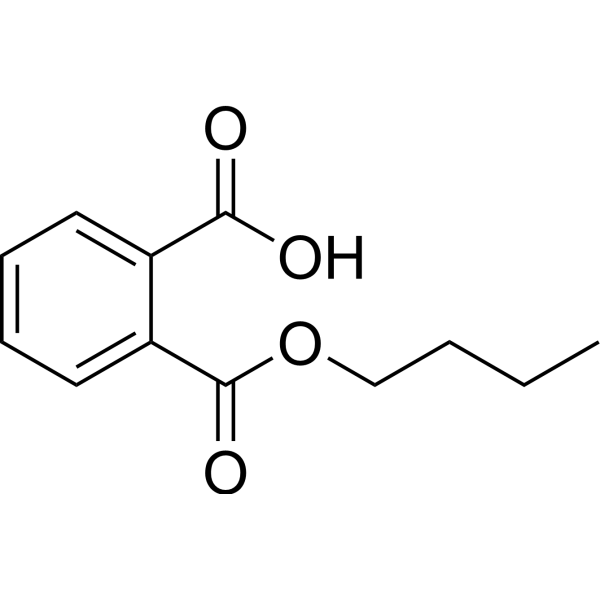
Cat. No.: HY-N7143
CAS No.: 131-70-4
Monobutyl phthalate is an orally active metabolite of Di-n-butyl phthalate (HY-Y0304) and an embryotoxic agent. Monobutyl phthalate regulates mesodermal lineage gene expression, inhibits uterine decidualization, reduces fetal testosterone levels without directly binding to the androgen receptor, and induces teratogenic effects during organogenesis. Monobutyl phthalate induces testicular oxidative stress and sperm abnormalities. Monobutyl phthalate can be used in studies of developmental toxicity and male reproductive toxicity .
loading...
    loading...
4
4 Cited Publications
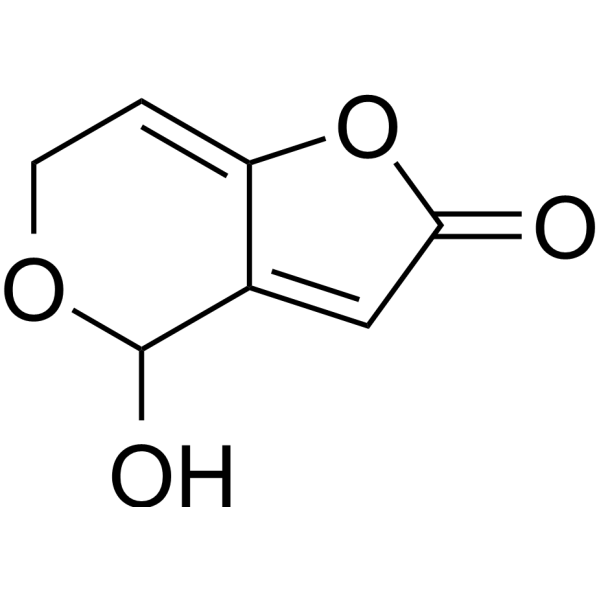
Cat. No.: HY-N6779
CAS No.: 149-29-1
Synonyms: Terinin
Patulin (Terinin) is a mycotoxin produced by fungi including the Aspergillus, Penicillium, and Byssochlamys species, causes chromosome breakage, mutation, teratogenic and cytotoxic. Patulin induces autophagy-dependent apoptosis through lysosomal-mitochondrial axis, and causes DNA damage .
loading...
    loading...
2
2 Cited Publications
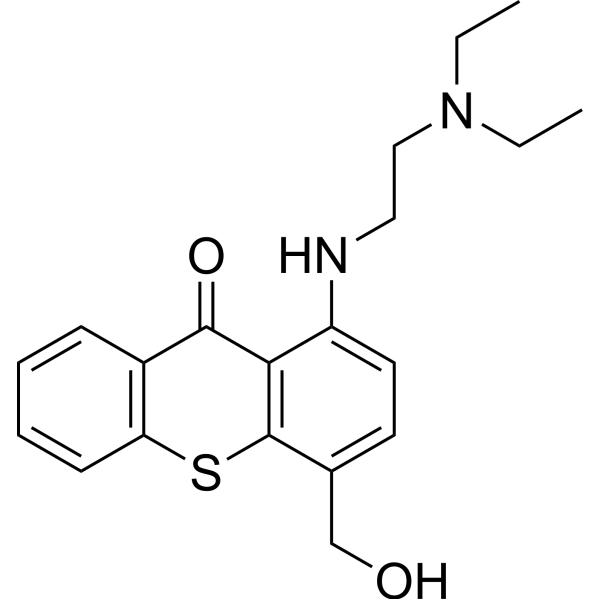
Cat. No.: HY-B1099
CAS No.: 3105-97-3
Hycanthone is an apurinic/apyrimidinic endonuclease 1 (APE1) inhibitor, DNA intercalator and Antischistosomal agent, with an IC50 of 80 nM against APE1. Hycanthone irreversibly inhibits thymidine incorporation into DNA in adult sensitive *Schistosoma mansoni*, while exerts weak inhibitory effects on uridine and leucine incorporation. Hycanthone reduces influenza virus-induced interferon production. Hycanthone exhibits mutagenic effects in various organisms, shows teratogenicity in mice and rabbits, and induces neoplastic liver lesions in partially hepatectomized mice. Hycanthone can be used in research related to schistosomiasis and cancer .
loading...
    loading...
1
1 Cited Publications
Cat. No.: HY-Y1275
CAS No.: 872-50-4
Synonyms: NMP; 1-Methyl-2-pyrrolidinone
Research Areas:  

Cancer

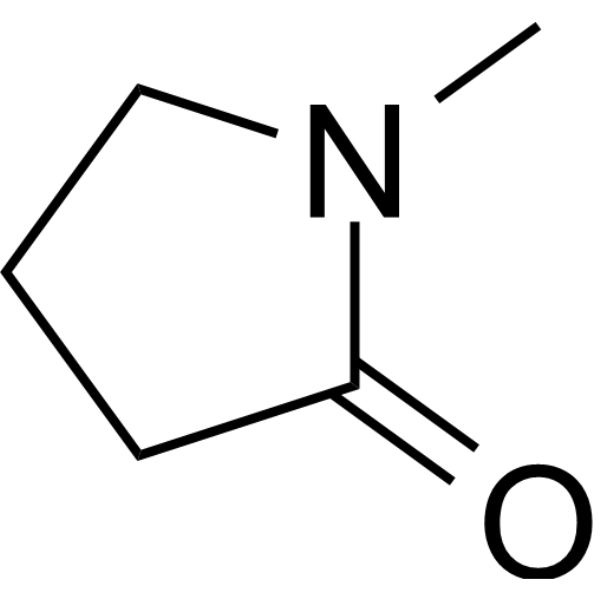
N-Methylpyrrolidone (1-Methyl-2-pyrrolidinone), a five-membered cyclic amide, is an orally active organic polar solvent with teratogenicity and toxicity. N-Methylpyrrolidone is low in acute toxicity with a LD50 value of 3914 mg/kg in rats and of 4050 mg/kg in mice. N-Methylpyrrolidone is extensively used in the manufacture of adhesives, paints, fuels, and pharmaceuticals .
loading...
    loading...
1
1 Cited Publications
Cat. No.: HY-W050044
CAS No.: 2133-34-8
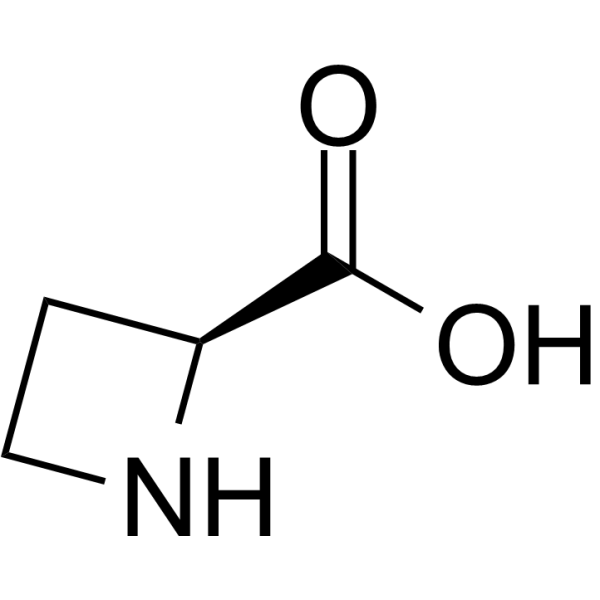
L-Azetidine-2-carboxylic acid is a proline analog. L-Azetidine-2-carboxylic acid upregulates the lipid autophagy marker LC3-II via activation of the PERK pathway. L-Azetidine-2-carboxylic acid increases pro-apoptotic BAX protein. L-Azetidine-2-carboxylic acid induces ATF6 cleavage and upregulates phosphorylated eIF2α levels. L-Azetidine-2-carboxylic acid induces ER stress, inducing protein misfolding and aggregation. L-Azetidine-2-carboxylic acid shows teratogenic, pro-inflammatory and pro-apoptotic effects .
loading...
    loading...
1
1 Cited Publications
Cat. No.: HY-75308
CAS No.: 2517-04-6
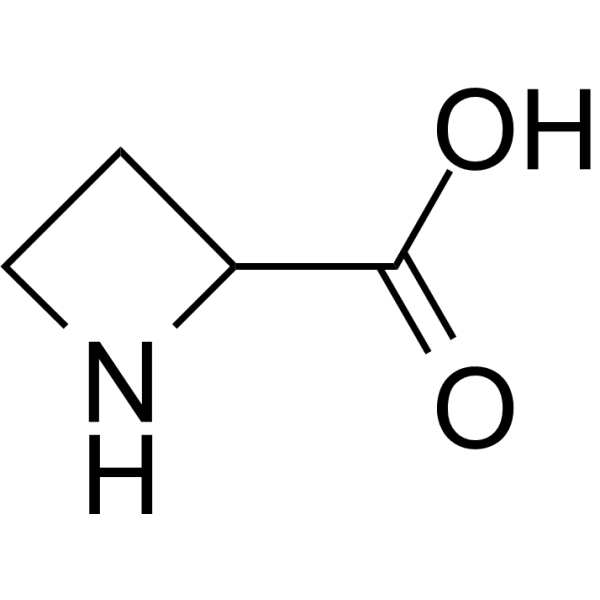
Azetidine-2-carboxylic acid is a non proteinogenic amino acid homologue of proline. Found in common beets. Azetidine-2-carboxylic acid can be misincorporated into proteins in place of proline in many species, including humans. Toxic and teratogenic agent .
loading...
    loading...
1
1 Cited Publications
Cat. No.: HY-N6643
CAS No.: 514-66-9
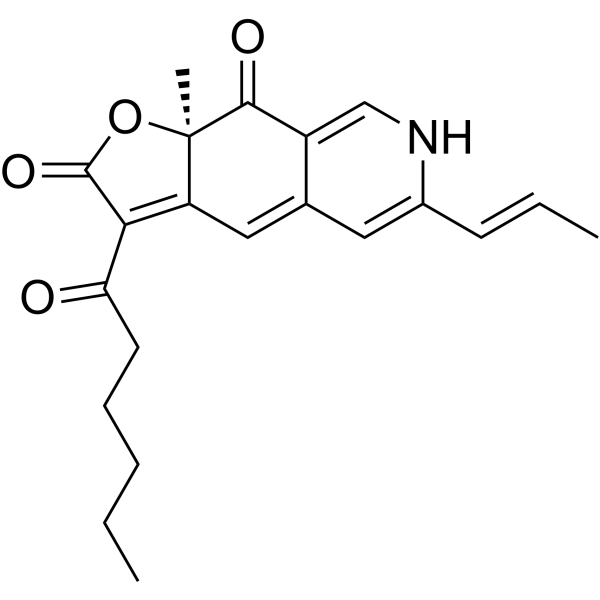
Rubropunctamine is a redMonascus pigment. Not only Rubropunctamine exerts antibiotic action against bacteria but also against some yeast and filamentous fungi strains. Rubropunctamine has potential embryotoxicity and teratogenicity .
loading...
    loading...
1
1 Cited Publications
Cat. No.: HY-W011215
CAS No.: 84-75-3
Dihexyl phthalate is an orally active phthalate ester (PAEs) widely used as a plasticizer, and it acts as an environmental endocrine disruptor. Dihexyl phthalate exhibits endocrine-disrupting and reproductive toxic properties, induces oxidative stress and inflammation, and ultimately causes apoptosis and damage to reproductive organs such as the testes. Dihexyl phthalate can be used in studies related to developmental toxicity, embryonic lethality, teratogenicity, and abnormal development of the male reproductive system .
loading...
    loading...
1
1 Cited Publications
Cat. No.: HY-138793
CAS No.: 26581-81-7
Purity:  99.67%
Synonyms: EM-12
Research Areas:  

Cancer

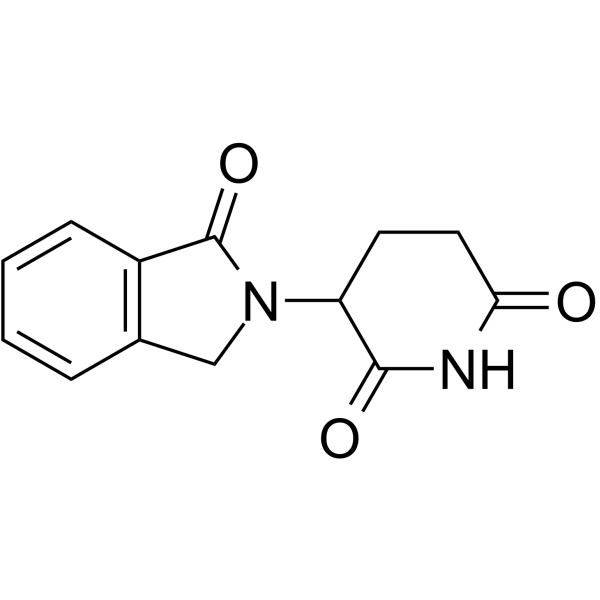
2-(2,6-Dioxopiperidin-3-yl)phthalimidine (EM-12), a teratogenic Thalidomide analogue, is more active than Thalidomide and is much more stable for hydrolysis. 2-(2,6-Dioxopiperidin-3-yl)phthalimidine enhances 1,2-dimethylhydrazine-induction of rat colon adenocarcinomas .
loading...
    loading...
1
1 Cited Publications
Cat. No.: HY-146459
Purity:  99.74%
Target:  

Akt

Research Areas:  

Cancer

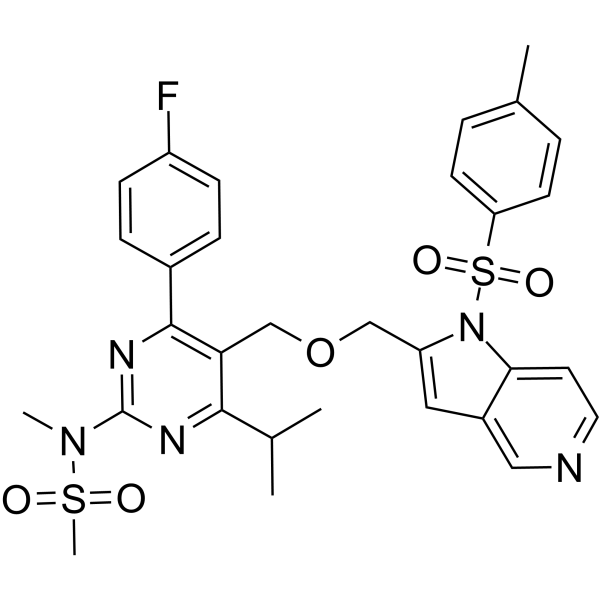
Akt1-IN-1 (compound 5b) is a potent and selective Akt1 inhibitor with an IC50 value of 18.79 nM in MIA Paca-2 cells. Akt1-IN-1 does not exhibit obvious teratogenicity, hepatotoxicity and cardiotoxicity (No Observed Adverse Effect Level > 100 µM). Akt1-IN-1 can be used for researching anticancer .
loading...
    loading...
Cat. No.: HY-P2149A
CAS No.: 11028-71-0
Concanavalin A (agarose) is composed of Concanavalin A (HY-P2149) conjugated with agarose. Concanavalin A (ConA) is a selective competitive binder targeting the specific carbohydrate structures of glucose and mannose, inducing mitosis, and exhibiting certain cytotoxicity, hepatotoxicity, and teratogenicity. Concanav in A (agarose) can be used for in vivo blood glucose monitoring in diabetes, and for "fishing out" specific glycoproteins or removing sugar impurities from complex samples .
loading...
    loading...
Cat. No.: HY-14658A
CAS No.: 841-67-8
Purity:  99.52%
Synonyms: (S)-(-)-Thalidomide
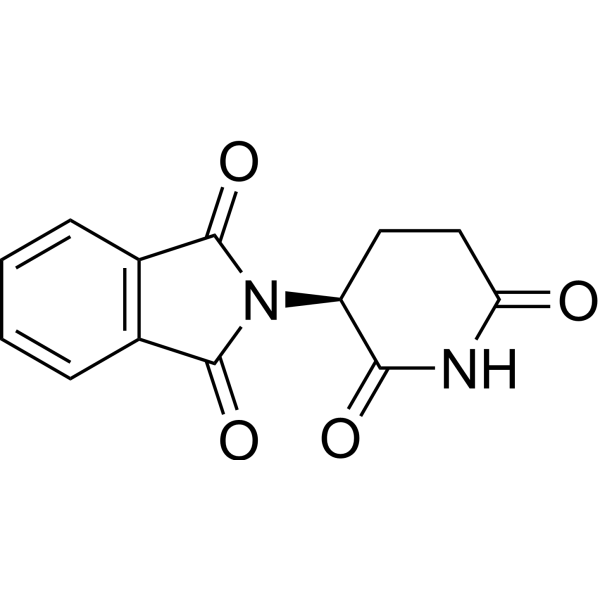
(S)-Thalidomide ((S)-(-)-Thalidomide) is the S-enantiomer of Thalidomide. (S)-Thalidomide has immunomodulatory, anti-inflammatory, antiangiogenic and pro-apoptotic effects . (S)-Thalidomide induces teratogenic effects by binding to cereblon (CRBN) .
loading...
    loading...
Cat. No.: HY-W019815
CAS No.: 759-73-9
Synonyms: ENU; N-Nitroso-N-ethylurea
Target:  

DNA/RNA Synthesis

Research Areas:  

Neurological Disease Cancer

N-Ethyl-N-nitrosourea (ENU) is a DNA alkylating agent. N-Ethyl-N-nitrosourea induces leukemia by alkylating nucleobases, disrupting DNA, and resulting in bone marrow suppression and the formation of leukemic cells. N-Ethyl-N-nitrosourea is teratogenic in vivo, inducing tumor formation and paw malformations in pregnant rats. N-Ethyl-N-nitrosourea cause central nervous system (CNS) tumors and genetic disorders .
loading...
    loading...
Cat. No.: HY-131551
CAS No.: 2440-22-4
Purity:  99.81%
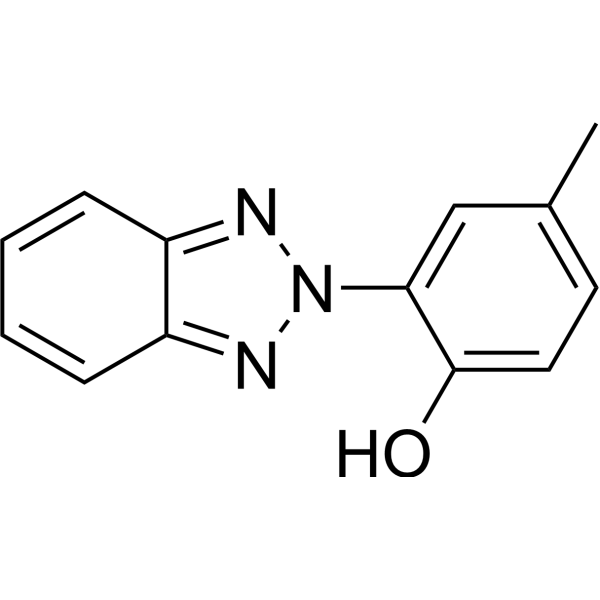
Drometrizole is an orally active UV absorber and can be used in cosmetic research. Drometrizole has low acute toxicity, no teratogenicity and carcinogenicity .
loading...
    loading...
Cat. No.: HY-153898
CAS No.: 1332175-56-0
Purity:  99.10%
Target:  

Amyloid-β

Research Areas:  

Neurological Disease

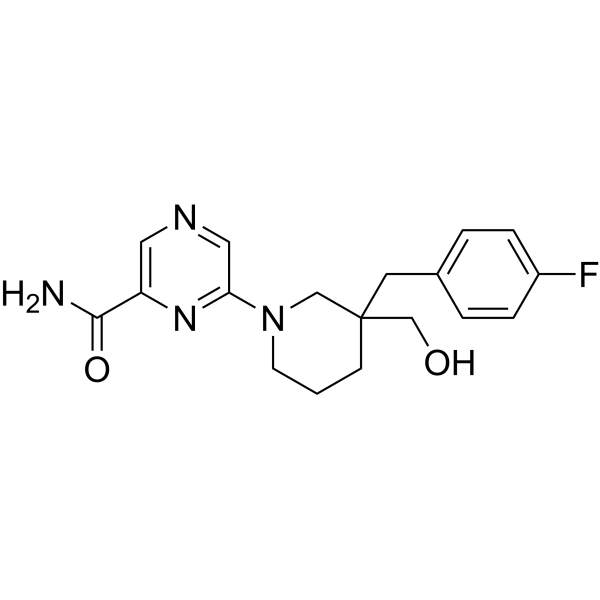
rTRD01 is an orally active, specific TDP-43 binder that targets the RRM1 and RRM2 domains of TDP-43. rTRD01 partially disrupts the interaction between TDP-43 and c9orf72 repeat RNA, but does not affect the binding of TDP-43 to canonical binding sequences. rTRD01 exhibits significant neuroprotective effects in zebrafish models, improves motor function and protects against paraquat (a widely used herbicide)-induced neurodegeneration, with no teratogenicity at high concentrations. rTRD01 is not a general antioxidant and cannot counteract Rotenone (HY-B1756)-induced neuronal death. rTRD01 can be used to study amyotrophic lateral sclerosis and other TDP-43 proteinopathies .
loading...
    loading...
Cat. No.: HY-N6725
CAS No.: 10048-13-2
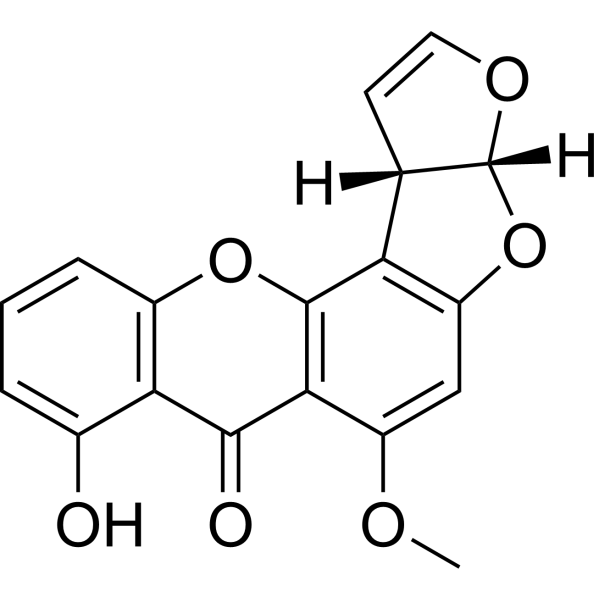
Sterigmatocystine is a precursor of aflatoxins and a mycotoxin produced by common mold strains from Aspergillus versicolor . Sterigmatocystine, a inhibitor of G1 Phase and DNA synthesis, is used to inhibit p21 activity. Sterigmatocystine has teratogenic, and carcinogenic effects in animals .
loading...
    loading...
Cat. No.: HY-B1853
CAS No.: 1014-70-6
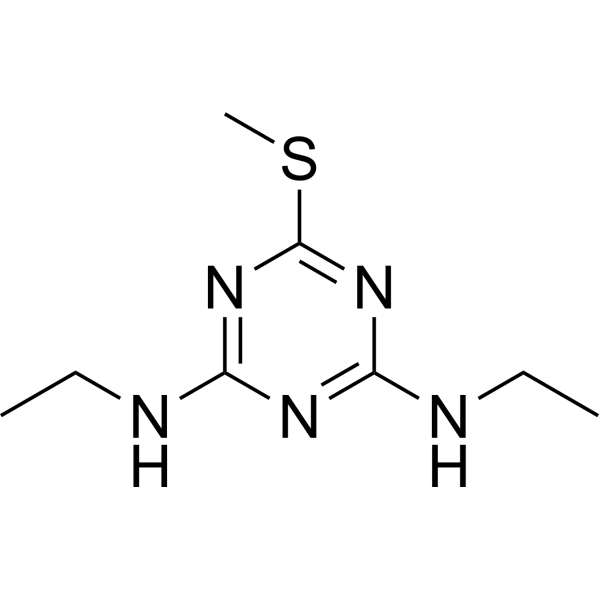
Simetryn is a triazine herbicide that exerts teratogenicity. Simetryn inhibits photosynthesis by blocking electron transfer in the chloroplast photosystem II and activates the MEK/Erk signaling pathway. Simetryn triggers vascular and developmental abnormalities in zebrafish and tadpoles, suppresses proliferation, enhances apoptosis, and induces malformations. Simetryn serves as a tool to establish a zebrafish model for studying arteriovenous malformations and related pathogenesis. Simetryn controls paddy weeds and can be used for research on developmental and vascular disorders .
loading...
    loading...
Cat. No.: HY-W010593
CAS No.: 96-45-7
Research Areas:  

Cancer

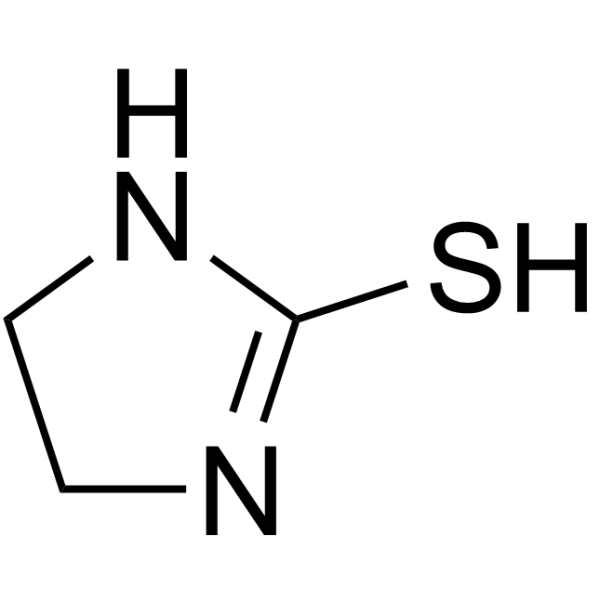
Ethylenethiourea is a degradation product of the ethylenebisthiocarbamate group of fungicides. Ethylenethiourea is tumorigenic and teratogenic. Ethylenethiourea is orally active .
loading...
    loading...

