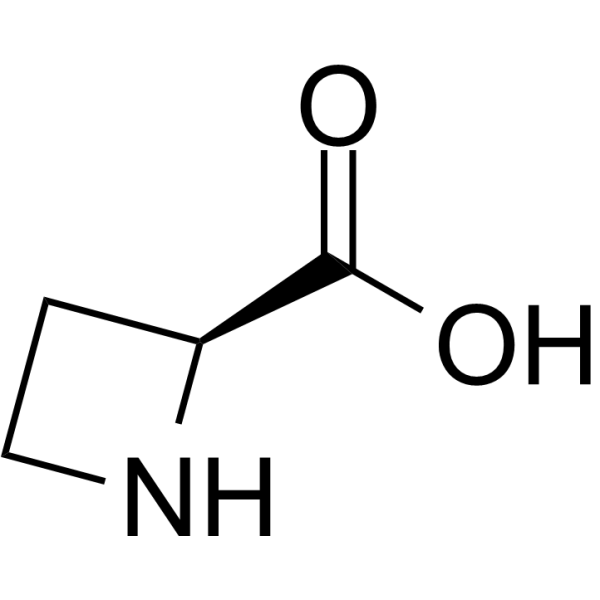
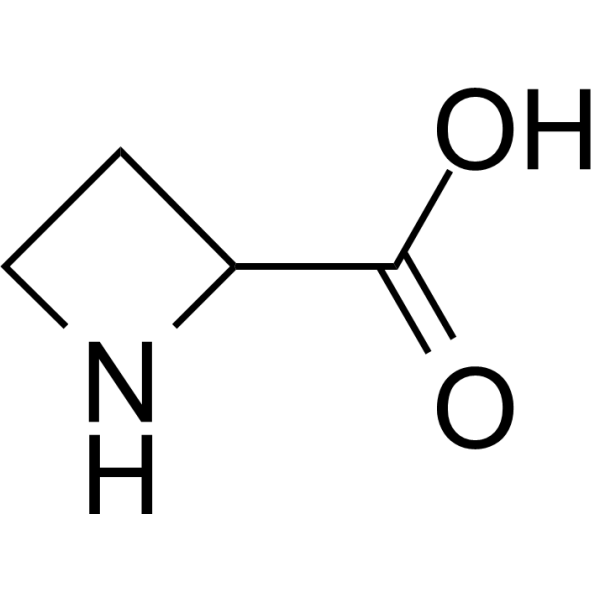
53 Results for "

teratogenicity

" in MedChemExpress (MCE) Product Catalog:
Products (53)

53 Results for "teratogenicity" in MCE Product Catalog:
6
6 Publications Verification
Cat. No.: HY-B0742
CAS No.: 630-56-8
Synonyms: 17α-Hydroxyprogesterone hexanoate; 17α-Hydroxyprogesterone caproate
Target:  

Progesterone Receptor

Research Areas:  

Endocrinology

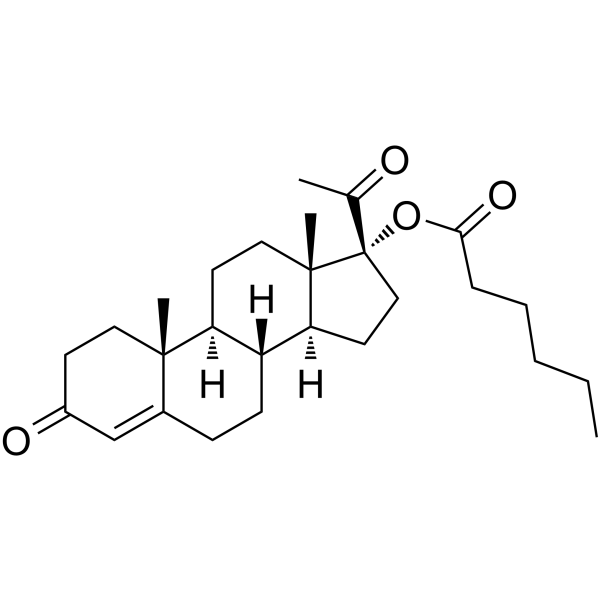
Hydroxyprogesterone caproate (17α-Hydroxyprogesterone hexanoate; 17α-Hydroxyprogesterone caproate) is a progesterone receptor (progesterone receptor) ligand and steroid hormone transcription inhibitor. Hydroxyprogesterone caproate downregulates estrogen receptors in target tissues and activates their metabolic pathways, and exhibits equivalent affinity for progesterone receptor A and progesterone receptor B. Hydroxyprogesterone caproate shows no consistent teratogenicity or developmental toxicity in rat, mouse and monkey models, but induces resorption or abortion in rhesus monkeys at human-equivalent doses. Hydroxyprogesterone caproate promotes the production of TNF-α in lipopolysaccharide-stimulated whole blood from non-pregnant women. Hydroxyprogesterone caproate can be used in scientific research related to preterm birth .
loading...
    loading...
5
5 Cited Publications
Cat. No.: HY-P2149
CAS No.: 11028-71-0
Concanavalin A can be coupled to agarose to form Concanavalin A (agarose) (HY-P2149A). Concanavalin A (ConA) is a selective, competitive binding agent that targets specific carbohydrate structures containing glucose and mannose; it acts as a mitogen and exhibits varying degrees of cytotoxicity, hepatotoxicity, and teratogenicity. Concanavalin A is also utilized for in vivo blood glucose monitoring in the context of diabetes .
loading...
    loading...
5
5 Cited Publications
Cat. No.: HY-N7143
CAS No.: 131-70-4
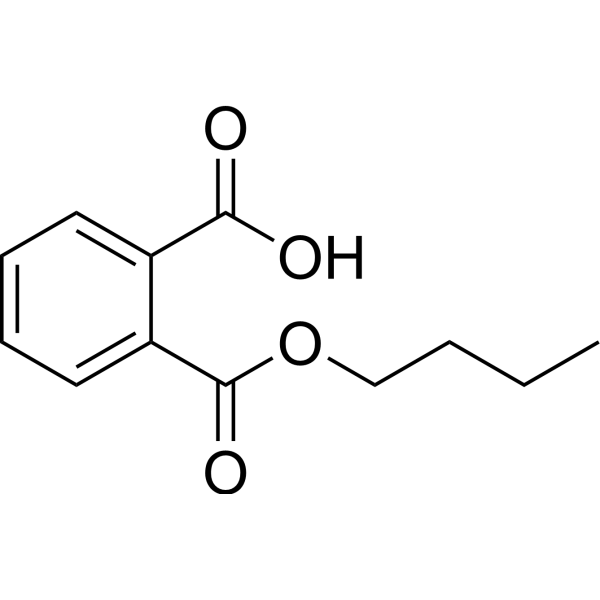
Monobutyl phthalate is an orally active metabolite of Di-n-butyl phthalate (HY-Y0304) and an embryotoxic agent. Monobutyl phthalate regulates mesodermal lineage gene expression, inhibits uterine decidualization, reduces fetal testosterone levels without directly binding to the androgen receptor, and induces teratogenic effects during organogenesis. Monobutyl phthalate induces testicular oxidative stress and sperm abnormalities. Monobutyl phthalate can be used in studies of developmental toxicity and male reproductive toxicity .
loading...
    loading...
4
4 Cited Publications
Cat. No.: HY-N6779
CAS No.: 149-29-1
Synonyms: Terinin
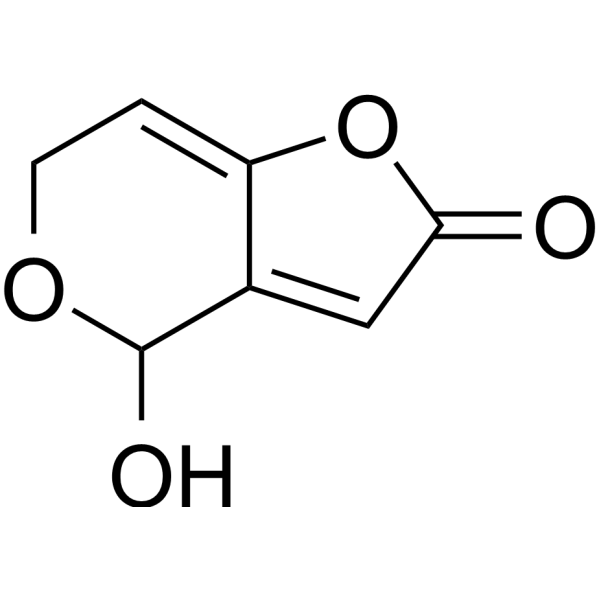
Patulin (Terinin) is a mycotoxin produced by fungi including the Aspergillus, Penicillium, and Byssochlamys species, causes chromosome breakage, mutation, teratogenic and cytotoxic. Patulin induces autophagy-dependent apoptosis through lysosomal-mitochondrial axis, and causes DNA damage .
loading...
    loading...
2
2 Cited Publications
Cat. No.: HY-B1099
CAS No.: 3105-97-3
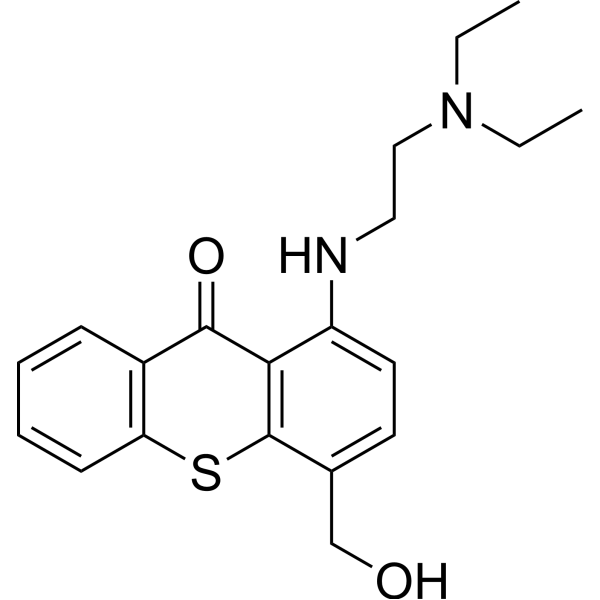
Hycanthone is an apurinic/apyrimidinic endonuclease 1 (APE1) inhibitor, DNA intercalator and Antischistosomal agent, with an IC50 of 80 nM against APE1. Hycanthone irreversibly inhibits thymidine incorporation into DNA in adult sensitive *Schistosoma mansoni*, while exerts weak inhibitory effects on uridine and leucine incorporation. Hycanthone reduces influenza virus-induced interferon production. Hycanthone exhibits mutagenic effects in various organisms, shows teratogenicity in mice and rabbits, and induces neoplastic liver lesions in partially hepatectomized mice. Hycanthone can be used in research related to schistosomiasis and cancer .
loading...
    loading...
1
1 Cited Publications
Cat. No.: HY-Y1275
CAS No.: 872-50-4
Synonyms: NMP; 1-Methyl-2-pyrrolidinone
Research Areas:  

Cancer

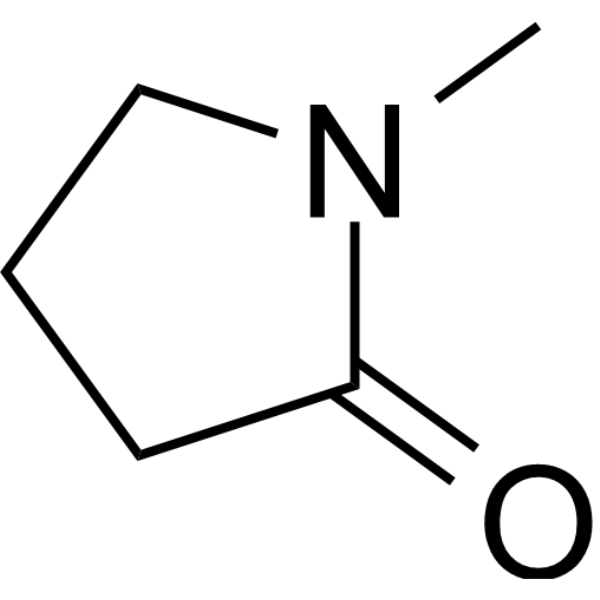
N-Methylpyrrolidone (1-Methyl-2-pyrrolidinone), a five-membered cyclic amide, is an orally active organic polar solvent with teratogenicity and toxicity. N-Methylpyrrolidone is low in acute toxicity with a LD50 value of 3914 mg/kg in rats and of 4050 mg/kg in mice. N-Methylpyrrolidone is extensively used in the manufacture of adhesives, paints, fuels, and pharmaceuticals .
loading...
    loading...
1
1 Cited Publications
Cat. No.: HY-W050044
CAS No.: 2133-34-8
L-Azetidine-2-carboxylic acid is a proline analog. L-Azetidine-2-carboxylic acid upregulates the lipid autophagy marker LC3-II via activation of the PERK pathway. L-Azetidine-2-carboxylic acid increases pro-apoptotic BAX protein. L-Azetidine-2-carboxylic acid induces ATF6 cleavage and upregulates phosphorylated eIF2α levels. L-Azetidine-2-carboxylic acid induces ER stress, inducing protein misfolding and aggregation. L-Azetidine-2-carboxylic acid shows teratogenic, pro-inflammatory and pro-apoptotic effects .
loading...
    loading...
1
1 Cited Publications
Cat. No.: HY-75308
CAS No.: 2517-04-6
Category:  

Amino acids Chenopodiaceae Extract 500 - Internal Server Error | MedChemExpress

Oops!

Sorry, Something went wrong on our server.
Our team has been notified and is working to fix the issue.