107 Results for "

termite movement

" in MedChemExpress (MCE) Product Catalog:
Products (107)

107 Results for "termite movement" in MCE Product Catalog:

31
31 Publications Verification
Cat. No.: HY-16926
CAS No.: 442633-00-3
Target:  

Arp2/3 Complex HIV

Research Areas:  

Infection Cancer

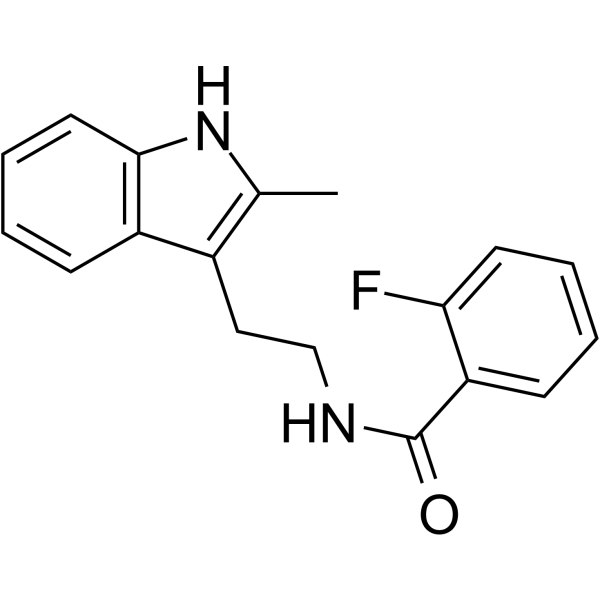
CK-666 is a cell-permeable actin-related protein Arp2/3 complex inhibitor (IC50=12 μM). CK-666 binds to Arp2/3 complex, stabilizes the inactive state of the complex, blocking movement of the Arp2 and Arp3 subunits into the activated filament-like (short pitch) conformation .
loading...
    loading...
4
4 Cited Publications
Cat. No.: HY-66012
CAS No.: 5875-06-9
Synonyms: Proxymetacaine hydrochloride
Target:  

Sodium Channel

Research Areas:  

Neurological Disease

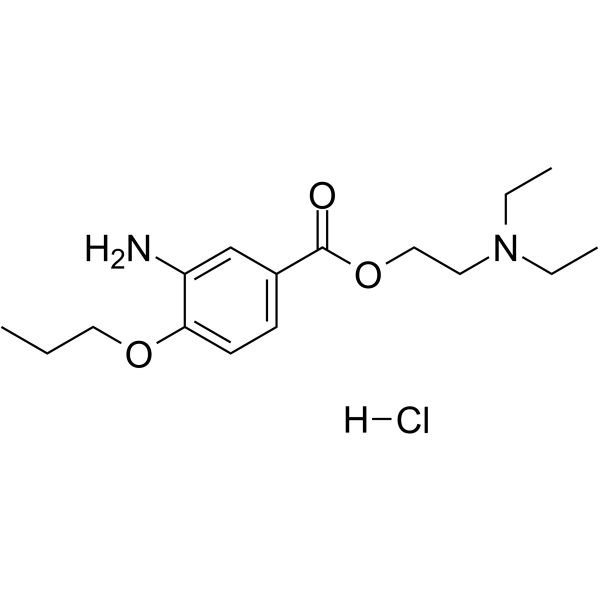
Proparacaine (Proxymetacaine) hydrochloride is a local anesthetic. Proparacaine hydrochloride blocks voltage-gated sodium channels on neuronal cell membranes, thereby inhibiting signal conduction and nociceptive signal transmission. Proparacaine hydrochloride blocks nociceptive signals in the eye and induces ocular muscle relaxation to reduce eye movement during surgery. Proparacaine hydrochloride is used in research related to cataracts .
loading...
    loading...
3
3 Cited Publications
Cat. No.: HY-B1277
CAS No.: 52-49-3
Research Areas:  

Neurological Disease

Trihexyphenidyl hydrochloride is a selective and orally active M1 muscarinic receptor antagonist with an IC50 of 3.7 nM for rat cerebral cortex M1 muscarinic receptors. Trihexyphenidyl hydrochloride modulates cholinergic activity, countering acetylcholine supersensitivity in neural pathways. Trihexyphenidyl hydrochloride improves movement disorder, inhibits McN-A-343 (HY-107648)-induced pressor responses, vagally-induced bradycardia and vasodilatation. Trihexyphenidyl hydrochloride can be used for the research of Parkinson's disease. .
loading...
    loading...
3
3 Cited Publications
Cat. No.: HY-D1727
Target:  

Fluorescent Dye

Research Areas:  

Others

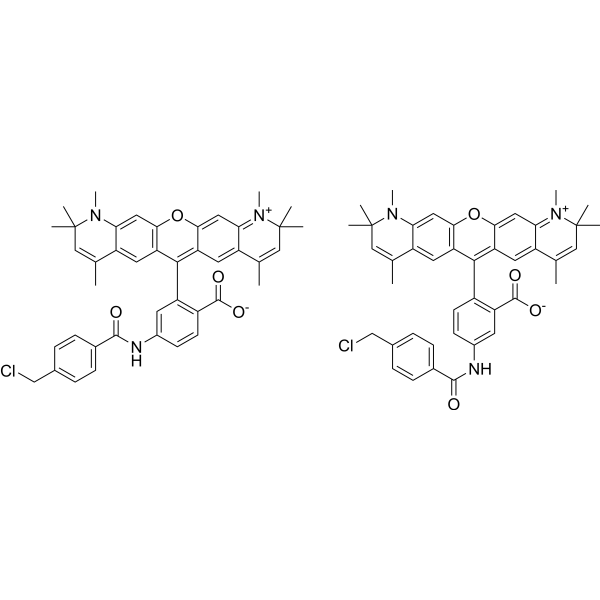
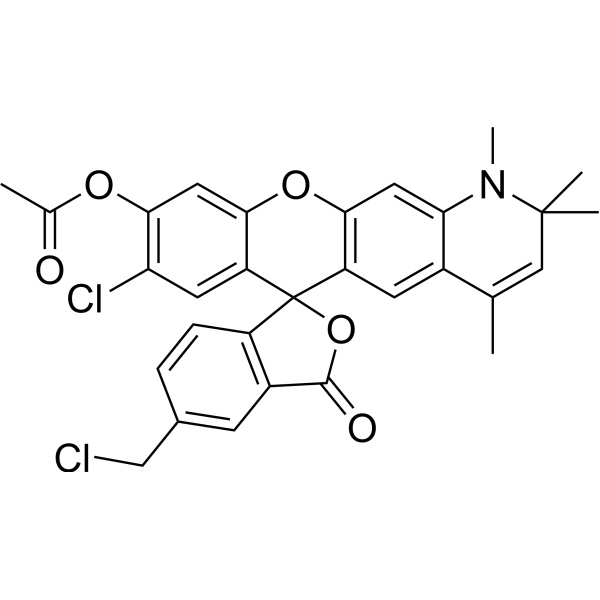
CellTracker Red CMTPX is a cell-permeable fluorescent dye that can be used as a cell tracer for monitoring cell movement and location (Ex/Em=586/614 nm) .
loading...
    loading...
3
3 Cited Publications
Cat. No.: HY-119486
CAS No.: 1643489-24-0
Purity:  99.94%
Synonyms: PF-06649751; CVL-751
Target:  

Dopamine Receptor

Research Areas:  

Neurological Disease

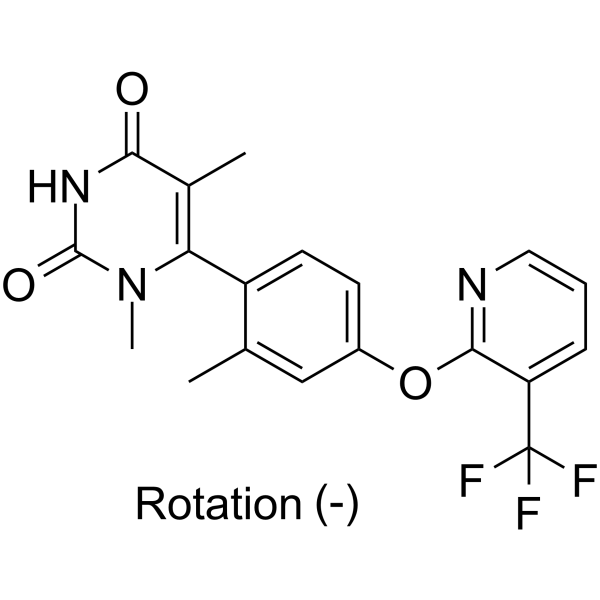
Tavapadon (PF-06649751) is an orally active and highly selective dopamine D1/D5 receptor partial agonist. Tavapadon is effective in enabling movement and reducing disability and has the potential for Parkinson's disease .
loading...
    loading...
2
2 Cited Publications
Cat. No.: HY-109160
CAS No.: 2167246-24-2
Purity:  99.27%
Synonyms: CAD-1883
Target:  

Potassium Channel

Research Areas:  

Neurological Disease

Rimtuzalcap (CAD-1883) is a first-in-class selective positive allosteric modulator of small-conductance calcium-activated potassium channels (SK channels). Rimtuzalcap can be used for the research of movement disorders including essential tremor (ET) and spinocerebellar ataxia (SCA) .
loading...
    loading...
2
2 Cited Publications
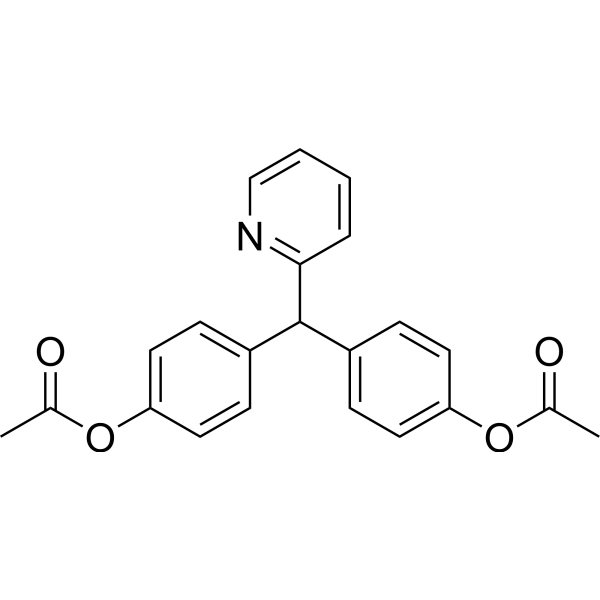
Cat. No.: HY-B0557
CAS No.: 603-50-9
Bisacodyl is a stimulant laxative agent that works directly on the colon to produce a bowel movement. Bisacodyl increases the secretion of PGE2 by direct activation of colon macrophages. PGE2 acts as a paracrine factor and decreases the expression of AQP3 in the colon, which inhibits water transfer from the luminal to the vascular side and leads to a laxative effect .
loading...
    loading...
1
1 Cited Publications
Cat. No.: HY-109139
CAS No.: 1337962-47-6
Purity:  99.84%
Synonyms: NIR178; PBF509
Target:  

Adenosine Receptor

Research Areas:  

Neurological Disease Cancer

Taminadenant (NIR178; PBF509) is a highly potent and orally active adenosine A2A receptor (A2AR) antagonist. Taminadenant can antagonize A2AR agonist-mediated cAMP accumulation and impedance responses with KB values of 72.8 nM and 8.2 nM, respectively. Taminadenant reverses motor impairments in several rat models of movement disorders, including catalepsy, tremor, and hemiparkinsonism. Taminadenant can also inhibit tumor growth when combined with Spartalizumab (HY-P9972). Taminadenant reactivate the antitumor immune response .
loading...
    loading...
1
1 Cited Publications
Cat. No.: HY-N1739
CAS No.: 84-54-8
Synonyms: 2-Methylanthraquinone
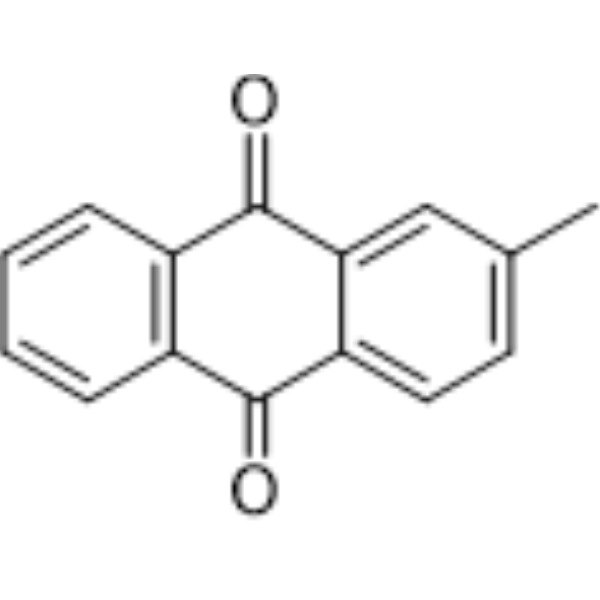
Tectoquinone (2-Methylanthraquinone) is an inhibitor for SARS CoV-2 major protease (SARS CoV-2 Mpro). Tectoquinone exhibits anti-termite and antiviral activities .
loading...
    loading...
1
1 Cited Publications
Cat. No.: HY-15446
CAS No.: 802906-73-6
Purity:  ≥98.0%
Synonyms: RG7090; RO4917523
Target:  

mGluR

Research Areas:  

Neurological Disease

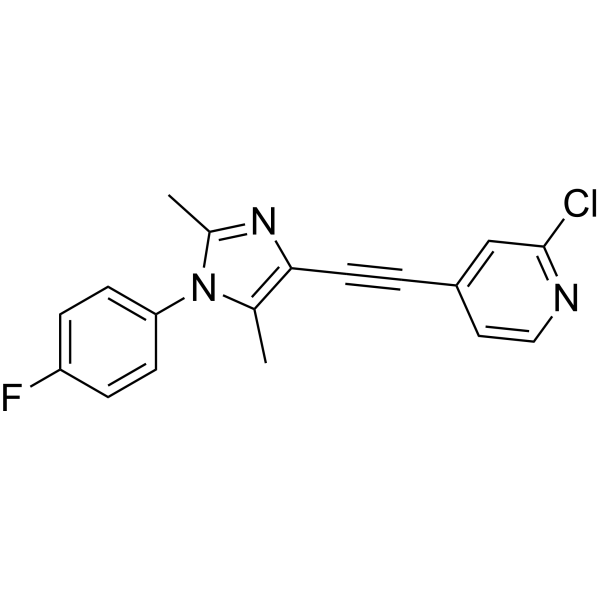
Basimglurant (RG7090; RO4917523) is a selective, orally active, blood-brain barrier permeable negative allosteric modulator of metabotropic glutamate receptor 5 (mGluR5), with a Ki of 1.4 nM (against [ 3H]-ABP688 (HY-110141)) and 35.6 nM (against [ 3H]-MPEP (HY-14609A)). Basimglurant inhibits mGlu5-mediated signaling pathways and receptor constitutive activity, regulates dopamine levels in the nucleus accumbens, exerts anxiolytic, antidepressant-like, analgesic and arousal-promoting effects, and alters δ-wave power during non-rapid eye movement sleep. Basimglurant can be used in research on depression, fragile X syndrome, anxiety disorders, etc .
loading...
    loading...
1
1 Cited Publications
Cat. No.: HY-W089845
CAS No.: 629-94-7
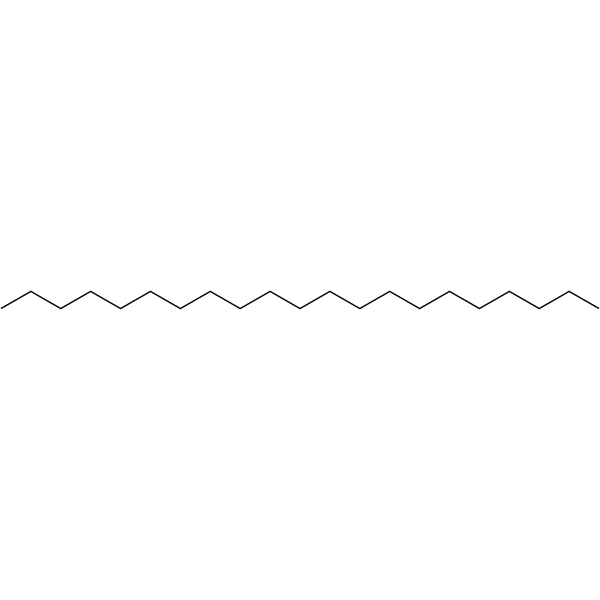
Heneicosane is a royal-specific pheromone of insects (such as subterranean termites) and is an identification signal for queens and kings in termites. Heneicosane mediates royal recognition and the maintenance of social division of labor by being sensed by worker ants and triggering vibrations and antennal behaviors. Heneicosane can exert anti-inflammatory, analgesic and antipyretic activities by inhibiting the release of inflammatory mediators (such as prostaglandins and cytokines). At the same time, Heneicosane can also inhibit the mycelial growth of aflatoxin-producing fungi and inhibit the production of aflatoxin. Heneicosane can be used in insect chemical ecology research to analyze the regulatory mechanism of termite social behavior, and is also a potential target for new anti-inflammatory drugs .
loading...
    loading...
1
1 Cited Publications
Cat. No.: HY-B0840
CAS No.: 122453-73-0
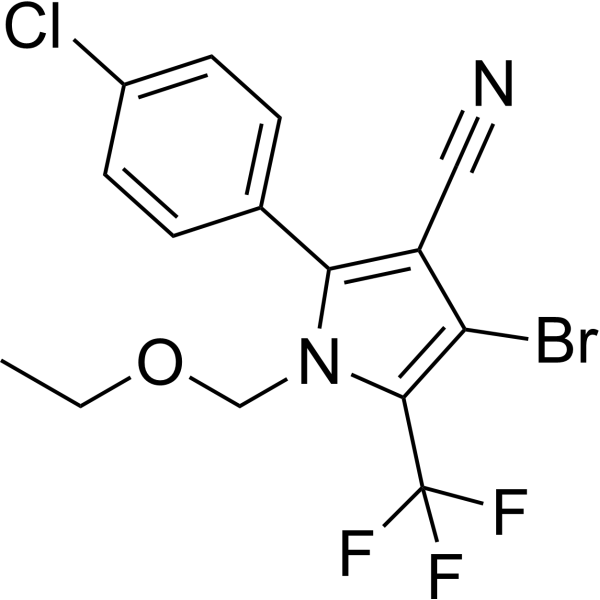
Chlorfenapyr is a pyrrole insecticide. Chlorfenapyr has a mode of action: the mixed function oxidase oxidizes and removes the Nethoxymethyl group to form the active metabolite, CL 303268. Chlorfenapyr is used for termite control and crop protection against a variety of insect and mite pests .
loading...
    loading...
1
1 Cited Publications
Cat. No.: HY-145001
Purity:  99.69%
Target:  

LDLR CETP

Research Areas:  

Metabolic Disease

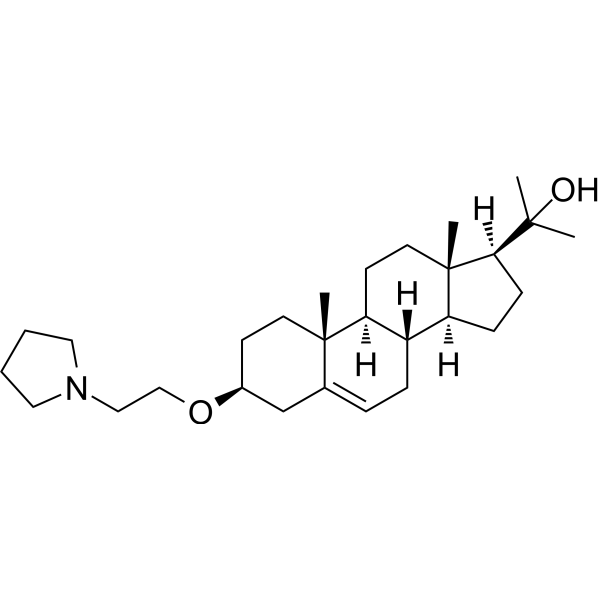
20-HC-Me-Pyrrolidine (compound AI-3d) is a potent Aster protein inhibitor with IC50s of 0.11 μM, 0.06 μM, and 0.71 μM for Aster-A, Aster-B, and Aster-C, respectively. 20-HC-Me-Pyrrolidine blocks the ability of Asters to bind and transfer cholesterol. 20-HC-Me-Pyrrolidine also inhibits the movement of low-density lipoprotein (LDL) cholesterol to the endoplasmic reticulum (ER) .
loading...
    loading...
1
1 Cited Publications
Cat. No.: HY-114899
CAS No.: 35575-96-3
Purity:  96.46%
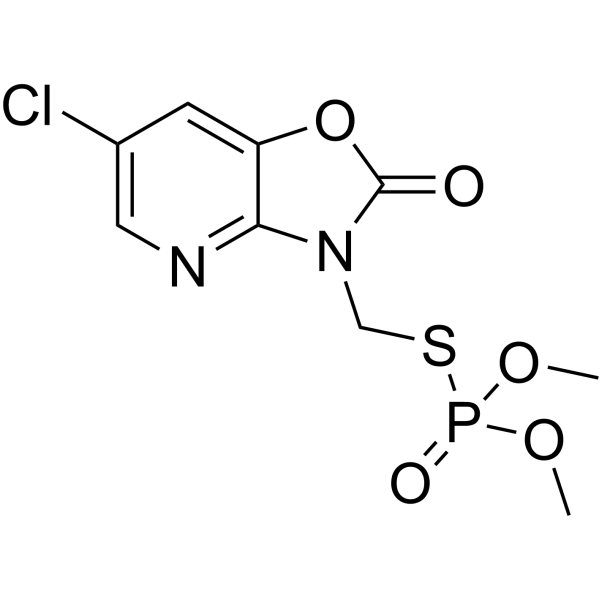
Azamethiphos is an acetylcholinesterase inhibitor and insecticide. Azamethiphos covalently binds to acetylcholinesterase via phosphorylation, inhibits its activity, causes acetylcholine to accumulate in cholinergic synapses, triggers uncontrolled excitation of cholinergic sites, induces paralysis and leads to death. Azamethiphos can be used as a bath insecticide in salmonid aquaculture to control sea lice infestations, and it exerts acute toxicity to European lobster larvae, including mortality and movement disorders .
loading...
    loading...
Cat. No.: HY-P0102
CAS No.: 823202-99-9
Target:  

nAChR

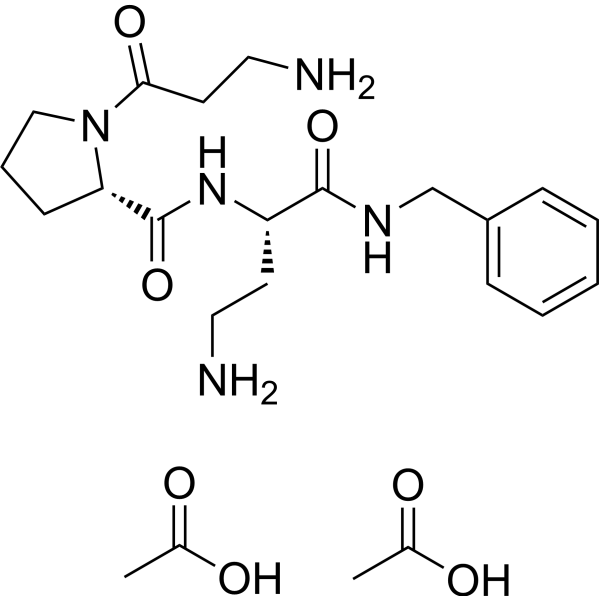
Dipeptide diaminobutyroyl benzylamide diacetate, a Wagerlin-1-mimicking peptide, is a nAChR antagonist. Dipeptide diaminobutyroyl benzylamide diacetate mimics Waglerin-1 to block neuromuscular junction nicotinic acetylcholine receptors, partially inhibits neuronal signal transduction, and relaxes muscles. Dipeptide diaminobutyroyl benzylamide diacetate reduces appearance of facial wrinkles linked to repeated muscle movement.Dipeptide diaminobutyroyl benzylamide diacetate can be used for the research of mild-to-moderate fine and coarse periocular and perioral wrinkles and periorbital ageing .
loading...
    loading...
Cat. No.: HY-D2865
Celltrack Deep Red is a fluorescent dye with a fluorescence signal that can be maintained for at least 72 h and has good stability. Celltrack Deep Red can be used for cell tracing and multi-generation cell movement tracking. Within a cell population, Celltrack Deep Red is only transferred to daughter cells and not to neighboring cells (Ex/Em = 630/650 nm) .
loading...
    loading...
Cat. No.: HY-156659
CAS No.: 445406-82-6
Target:  

Phosphatase ERK

Research Areas:  

Inflammation/Immunology

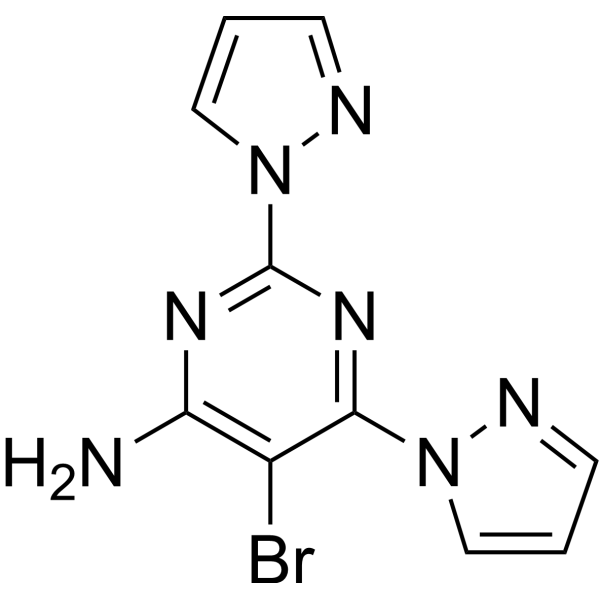
NC1 is a selective non-competitive and allosteric lymphoid-specific tyrosine phosphatase (LYP) inhibitor, with a Ki value 4.3 μM. NC1 allosterically regulates LYP/PTPN22 activity by restricting WPD loop movement. NC1 inhibits LYP activity in lymphoid T cells and enhances T-cell receptor signaling. NC1 can be used for the research of autoimmune diseases .
loading...
    loading...
Cat. No.: HY-D1569
CAS No.: 3031711-06-2
CellTracker Orange CMRA Dye is a fluorescent dye. CellTracker Orange CMRA Dye can be used for cell imaging and monitoring the movement and location of cells .
loading...
    loading...
Cat. No.: HY-111178
CAS No.: 90280-13-0
Purity:  99.18%
Synonyms: BisfluoroModafinil; CRL-40940; NLS-4
Target:  

Dopamine Transporter

Research Areas:  

Neurological Disease

Lauflumide (BisfluoroModafinil) is a selective dopamine reuptake inhibitor and wake-promoting agent. Lauflumide inhibits the dopamine transporter (DAT). Lauflumide induces sustained wakefulness without eliciting hyperlocomotion, stereotypy or abnormal behaviors in Mus musculus (house mice). Lauflumide reduces non-rapid eye movement (NREM) sleep rebound in rats, modulates electroencephalogram (EEG) spectral composition, and produces anti-aggressive effects. Lauflumide alleviates circadian rhythm disturbances in rats, increases spontaneous activity in fatigued rats, and facilitates their recovery from severe fatigue. Lauflumide can be used in research related to excessive daytime sleepiness as well as chronic severe fatigue/chronic fatigue syndrome (CFS) .
loading...
    loading...
Cat. No.: HY-100536
CAS No.: 687561-60-0
Purity:  99.27%
Research Areas:  

Cancer

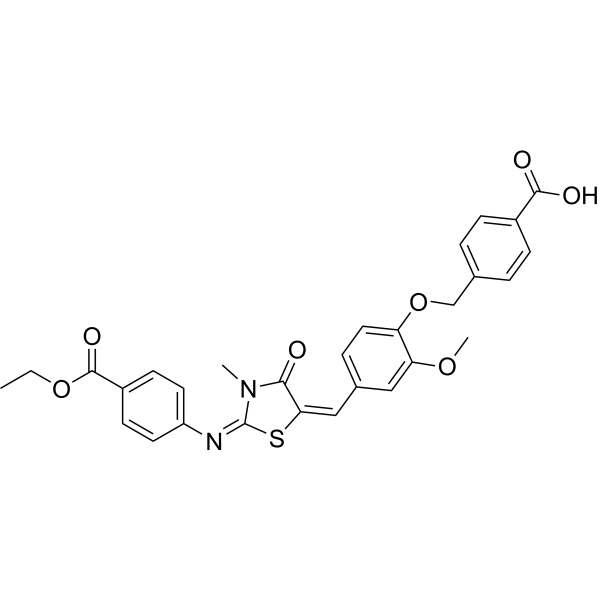
IWP-3 is a Wnt production inhibitor with an IC50 of 40 nM. IWP-3 also acts as a CK1δ inhibitor, with an IC50 of 1.89 μM against rat full-length CK1δ. IWP-3 inhibits the function of Porcupine (Porcn), thereby blocking the palmitoylation of Wnt proteins, suppressing the canonical Wnt signaling pathway, reducing the proliferative capacity of cancer cells, promoting the differentiation of mesoderm into cardiomyocytes and increasing cardiomyocyte yield. IWP-3 reduces embryonic cell division, alters the cell movement along the anterior-posterior axis of embryos, and causes embryonic shortening. IWP-3 can be used in studies related to cancers such as pancreatic cancer .
loading...
    loading...

