
421 Results for "

textile desizing

" in MedChemExpress (MCE) Product Catalog:
Products (421)

421 Results for "textile desizing" in MCE Product Catalog:

27
27 Publications Verification
Cat. No.: HY-Y0016
CAS No.: 81-88-9
Synonyms: Basic Violet 10; Brilliant Pink B; Rhodamine O; Tetraethylrhodamine
Target:  

Fluorescent Dye

Research Areas:  

Others

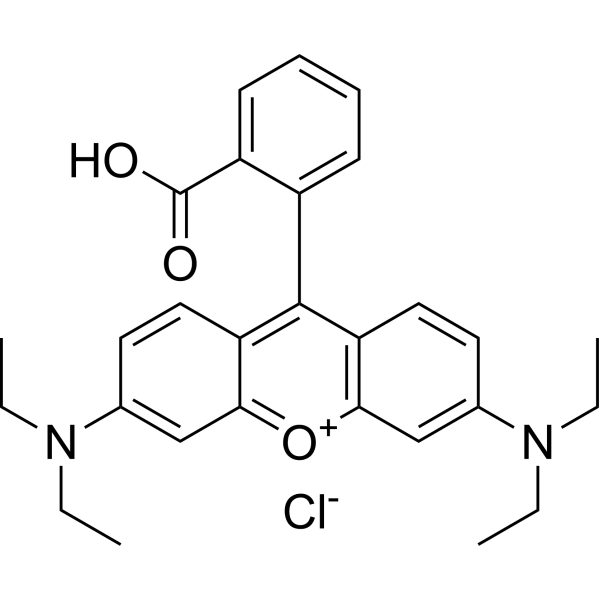
Rhodamine B is a staining fluorescent dye, commonly used for dyeing textiles, paper, soap, leather, and agents (Ex/Em = 546/610 nm).
loading...
    loading...
8
8 Cited Publications
Cat. No.: HY-13822
CAS No.: 312636-16-1
Purity:  99.25%
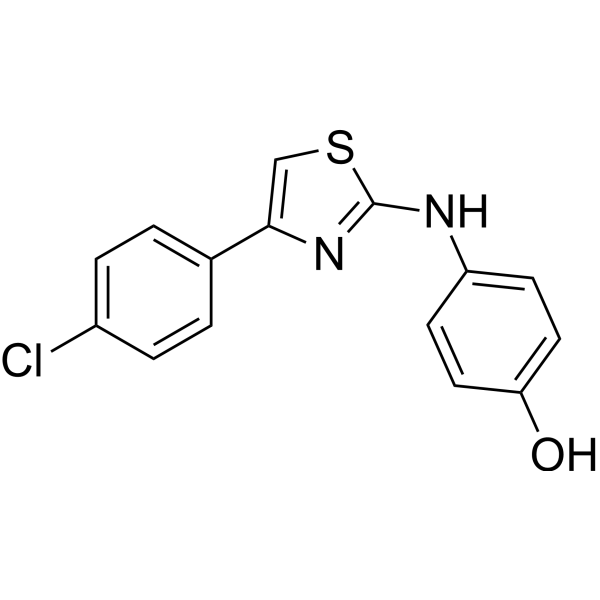
SKI-II is an orally active dual-target inhibitor of SphK1/2 and DES1, with Ki values of 16 µM and 0.3 µM against SphK1 and DES1, respectively. SKI-II activates the PERK-Nrf2 antioxidant pathway by stabilizing Nrf2, and synergizes with Temozolomide (HY-17364) to induce oxidative/endoplasmic reticulum stress and cancer cell death under hypoxic conditions. In vivo, SKI-II inhibits SphK activity, promotes ceramide accumulation and apoptosis, and synergizes with Cisplatin (HY-17394) to reverse drug resistance via the ras/MAPK pathway. SKI-II reduces measles virus replication by inhibiting mTORC1 activity. SKI-II binds to VCP to induce M1 polarization, enhances host tolerance to Staphylococcus aureus infection, and exerts radioprotective effects through Nrf2 activation and accelerated DNA repair. SKI-II can be used in research related to glioblastoma, acute myeloid leukemia, gastric cancer, measles virus infection, Staphylococcus aureus infection, and acute radiation syndrome .
loading...
    loading...
3
3 Cited Publications
Cat. No.: HY-125815
CAS No.: 13324-20-4
Purity:  ≥97.0%
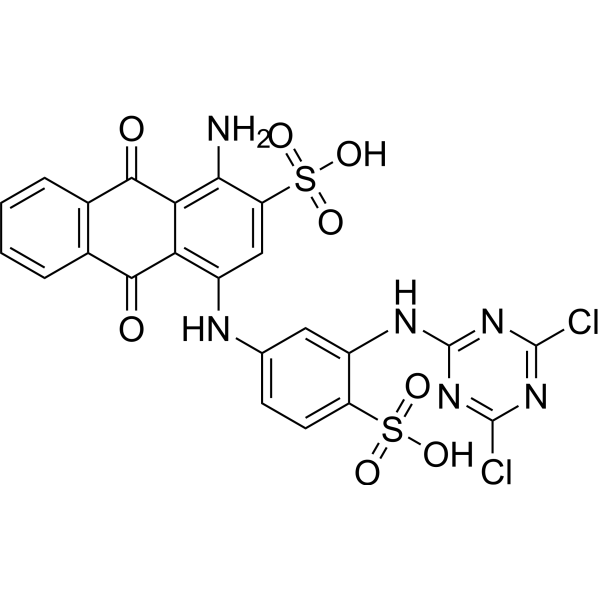
Reactive Blue 4 is an anthraquinone dye used extensively in the textile industry. Reactive Blue 4 is a single colorimetric chemosensor for sequential determination of multiple analytes with different optical responses in aqueous media .
loading...
    loading...
3
3 Cited Publications
Cat. No.: HY-Y0850H
CAS No.: 9002-89-5
Synonyms: PVA (Mw 89000-98000, 99+% hydrolyzed); Poly(Ethenol) (Mw 89000-98000, 99+% hydrolyzed)
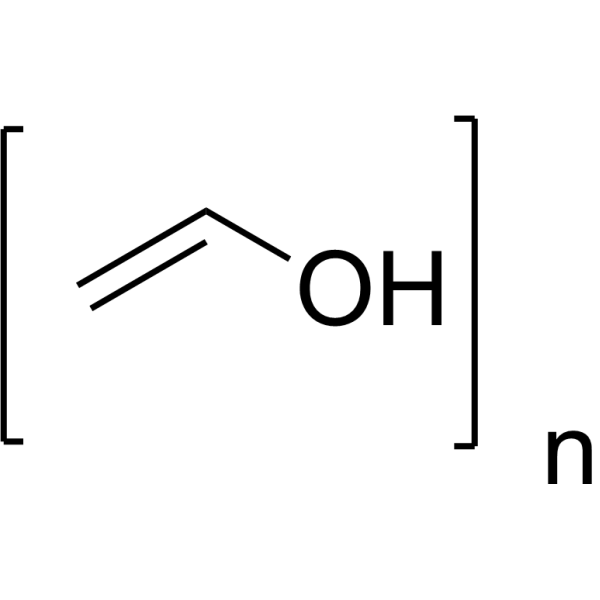
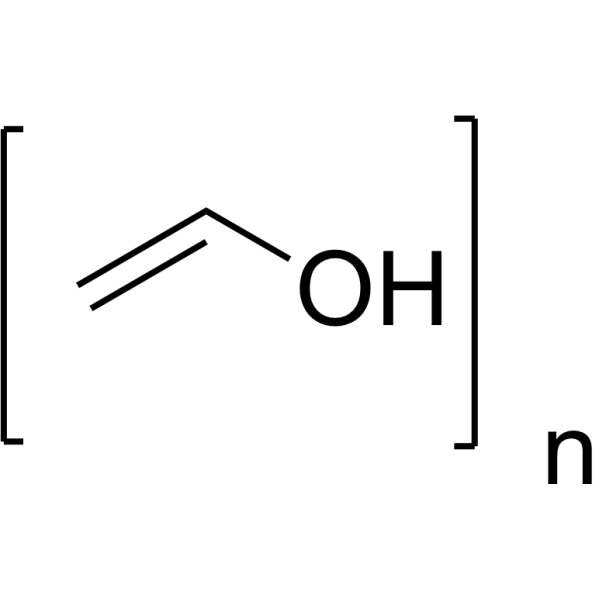
Polyvinyl alcohol (Mw 89000-98000, 99+% hydrolyzed) also known as PVA, is a vinyl water-soluble polymer that can be used as a non-ionic surfactant. It can also be used as a biodegradable polymer and can be used in adhesives, coatings, textiles, ceramics and cosmetics .
loading...
    loading...
3
3 Cited Publications
Cat. No.: HY-Y0850N
CAS No.: 9002-89-5
Synonyms: PVA (Mw 13000-23000, 98% hydrolyzed); Poly(Ethenol) (Mw 13000-23000, 98% hydrolyzed)
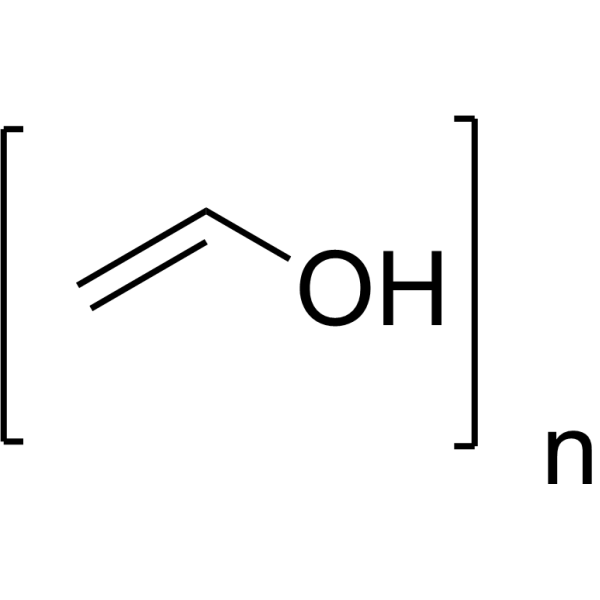
Polyvinyl alcohol (PVA; Poly(Ethenol)) (Mw 13000-23000, 98% hydrolyzed) , also known as PVA, is a vinyl water-soluble polymer that can be used as a non-ionic surfactant. Polyvinyl alcohol (Mw 13000-23000, 98% hydrolyzed) can also be used as a biodegradable polymer and can be used in adhesives, coatings, textiles, ceramics and cosmetics. Polyvinyl alcohol (Mw 13,000–23,000, 98% hydrolyzed) can be used in studies involving breast cancer as well as cisplatin (HY-17394)-induced sensorineural hearing loss .
loading...
    loading...
3
3 Cited Publications
Cat. No.: HY-Y0850K
CAS No.: 9002-89-5
Synonyms: PVA (Mw 31000-50000, 98-99% hydrolyzed); Poly(Ethenol) (Mw 31000-50000, 98-99% hydrolyzed)
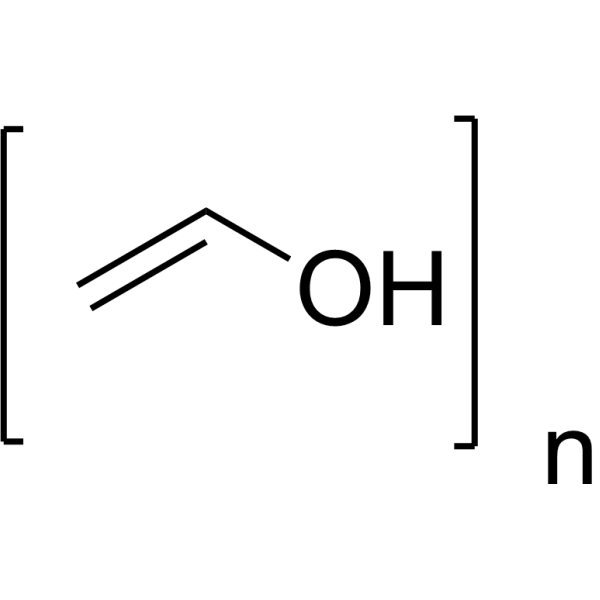
Polyvinyl alcohol (Mw 31000-50000, 98-99% hydrolyzed), also known as PVA, is a vinyl water-soluble polymer that can be used as a non-ionic surfactant. It can also be used as a biodegradable polymer and can be used in adhesives, coatings, textiles, ceramics and cosmetics. Polyvinyl alcohol can be used in tissue engineering by electrospinning. Polyvinyl alcohol can achieve high cellular density, infiltration, and uniform distribution, facilitating functional connections between cells. Polyvinyl alcohol can improve cell vitality through in vitro cultivation. Polyvinyl alcohol demonstrates promising inhibition of ostersarcoma cancer cells with Doxorubicin (HY-15142A) .
loading...
    loading...
3
3 Cited Publications
Cat. No.: HY-Y0850I
CAS No.: 9002-89-5
Synonyms: PVA (Mw 9000-10000, 80% hydrolyzed); Poly(Ethenol) (Mw 9000-10000, 80% hydrolyzed)
Polyvinyl alcohol (Mw 9000-10000, 80% hydrolyzed) also known as PVA, is a vinyl water-soluble polymer that can be used as a non-ionic surfactant. Polyvinyl alcohol (Mw 9000-10000, 80% hydrolyzed) can be used as a biodegradable polymer and can be used in adhesives, coatings, textiles, ceramics, and cosmetics. Polyvinyl alcohol can be used in tissue engineering by electrospinning. Polyvinyl alcohol can achieve high cellular density, infiltration, and uniform distribution, facilitating functional connections between cells. Polyvinyl alcohol can improve cell vitality through in vitro cultivation. Polyvinyl alcohol demonstrates promising inhibition of ostersarcoma cancer cells with Doxorubicin (HY-15142A) .
loading...
    loading...
2
2 Cited Publications
Cat. No.: HY-P0298A
CAS No.: 23827-91-0
[Des-Arg9]-Bradykinin acetate is a Bradykinin B1 receptor agonist that displays selectivity for B1 over B2 receptors.
loading...
    loading...
2
2 Cited Publications
Cat. No.: HY-D0896A
CAS No.: 28836-03-5
Synonyms: NSC 1746 ammonium; Peri acid, phenyl- ammonium; Phenyl peri acid ammonium
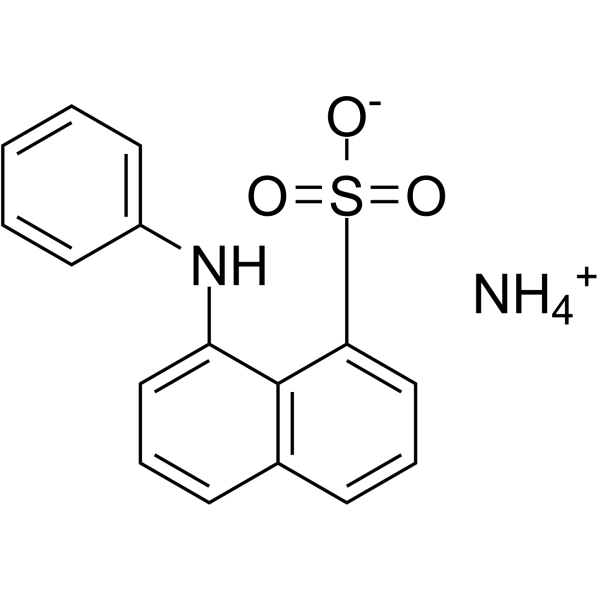
ANS ammonium is a potent antibacterial agent and a textile dye. ANS ammonium can be used as fluorescence probe. ANS ammonium blocks the binding of triiodothyronine to thyroxine binding globulin in radioimmunoassay of triiodothyronine .
loading...
    loading...
2
2 Cited Publications
Cat. No.: HY-D0256
CAS No.: 1937-37-7
Synonyms: Chlorazol Black E; Ferristatin II disodium; C.I. 30235
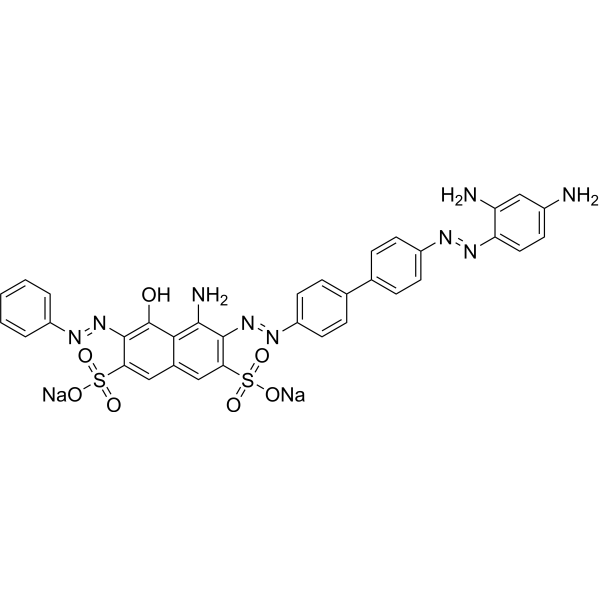
Direct Black 38 (Chlorazol Black E) is a benzidine-based azo dye, a substrate of Enterococcus gallinarum, and is mainly used for textile dyeing. Direct Black 38 is biodegradable after being reduced by microbial enzymes (such as Enterococcus gallinarum azoreductase), breaking the azo bonds and releasing benzidine and 4-aminobiphenyl. Direct Black 38 can be used in environmental toxicology, wastewater treatment and carcinogenicity studies, but its metabolite benzidine is listed as a human carcinogen .
loading...
    loading...
2
2 Cited Publications
Cat. No.: HY-125865
CAS No.: 9000-71-9
Purity:  97.40%
Casein is an orally active phosphoprotein that can be separated into various electrophoretic components, such as α2-Casein, κ-Casein, β-casein, and γ-casein. Casein has also been blended and grafted with other polymers, cross-linkers, or monomers to improve its functional properties. Casein enhances calcium absorption and reduces the extent of fissure as well as smooth-surface caries. Casein promotes proliferation of prostate cancer. Casein has various applications in the paper, leather, textile, and food industries, serving as coatings, adhesives, and packaging materials .
loading...
    loading...
1
1 Cited Publications
Cat. No.: HY-P1366
CAS No.: 293735-04-3
Target:  

GHSR

Research Areas:  

Metabolic Disease

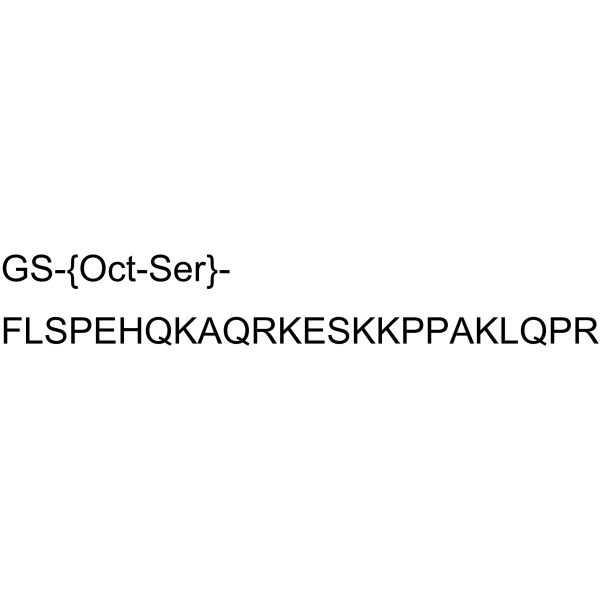
des-Gln14-Ghrelin is a second endogenous ligand for the growth hormone secretagogue receptor. a). des-Gln14-ghrelin potently induces increases in [Ca 2+]i in CHO-GHSR62 cells, with an EC50 of 2.4 nM .
loading...
    loading...
1
1 Cited Publications
Cat. No.: HY-P0048
CAS No.: 52435-06-0
Synonyms: Surfagon
Target:  

GnRH Receptor

Research Areas:  

Others

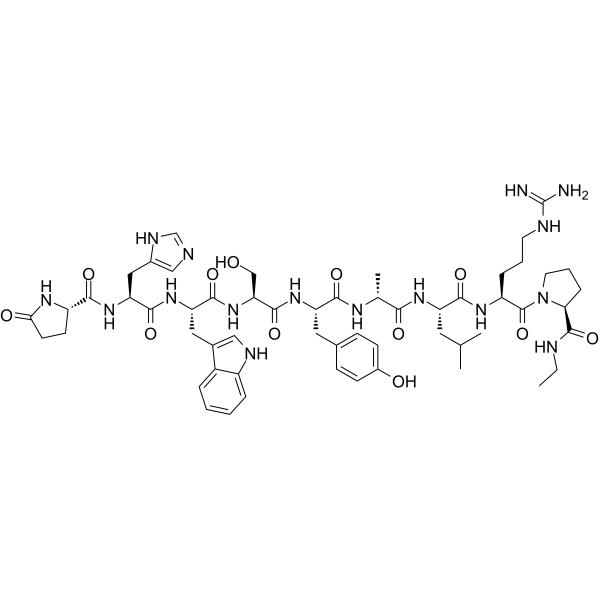
(Des-Gly10,D-Ala6,Pro-NHEt9)-LHRH (Surfagon, Mwt 1167.34 Da) is an agonist of gonadotropin-releasing hormone (GnRH). (Des-Gly10,D-Ala6,Pro-NHEt9)-LHRH can be used as an internal standard for the LC-MS analysis of leuprorelide acetate. (Des-Gly10,D-Ala6,Pro-NHEt9)-LHRH has potential applications in biochemical analysis and fertility .
loading...
    loading...
1
1 Cited Publications
Cat. No.: HY-122402
CAS No.: 851536-75-9
Purity:  99.35%
Target:  

Bacterial

Research Areas:  

Inflammation/Immunology

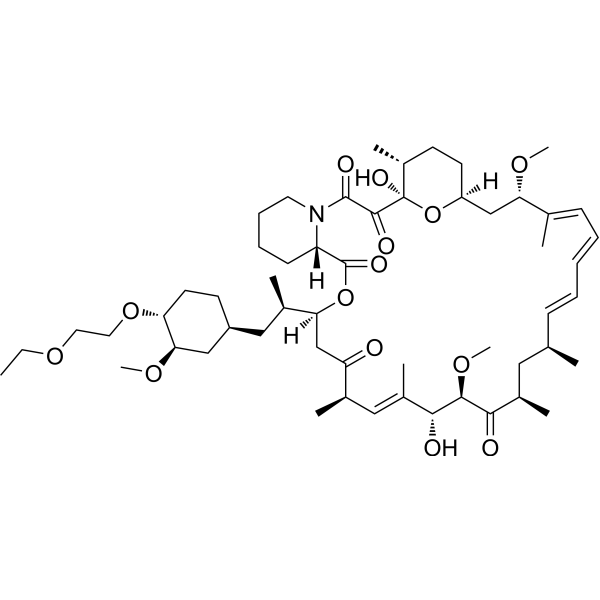
Umirolimus, a macrocyclic triene lactone Rapamycin derivative, is powerful immunosuppressant and anti-inflammatory agent. Umirolimus has highly lipophilicity and can be used agent-eluting stent (DES) applications .
loading...
    loading...
1
1 Cited Publications
Cat. No.: HY-P4676
CAS No.: 71800-37-8
Target:  

Bradykinin Receptor

Research Areas:  

Inflammation/Immunology

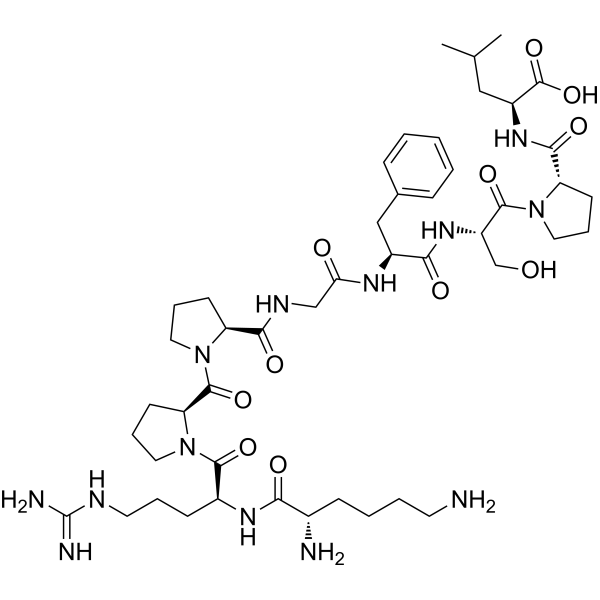
Lys-(Des-Arg9,Leu8)-Bradykinin is a selective bradykinin B1 receptor (BDKRB1) antagonist. Lys-(Des-Arg9,Leu8)-Bradykinin inhibits local inflammatory edema. Lys-(Des-Arg9,Leu8)-Bradykinin induces the production of systemic acute-phase proteins. Lys-(Des-Arg9,Leu8)-Bradykinin is applicable to research related to peptidoglycan-polysaccharide-induced acute arthritis .
loading...
    loading...
1
1 Cited Publications
Cat. No.: HY-P1143A
Target:  

GCGR

Research Areas:  

Metabolic Disease

[Des-His1,Glu9]-Glucagon amide TFA is a potent and peptide antagonist of the glucagon receptor, with a pA2 of 7.2. [Des-His1,Glu9]-Glucagon amide TFA is potentially useful in the study of the pathogenesis of diabetes .
loading...
    loading...
1
1 Cited Publications
Cat. No.: HY-P1143
CAS No.: 110084-95-2
Target:  

GCGR

Research Areas:  

Metabolic Disease

[Des-His1,Glu9]-Glucagon amide is a potent and peptide antagonist of the glucagon receptor, with a pA2 of 7.2. [Des-His1,Glu9]-Glucagon amide is potentially useful in the study of the pathogenesis of diabetes .
loading...
    loading...
1
1 Cited Publications
Cat. No.: HY-N9542
CAS No.: 53798-97-3
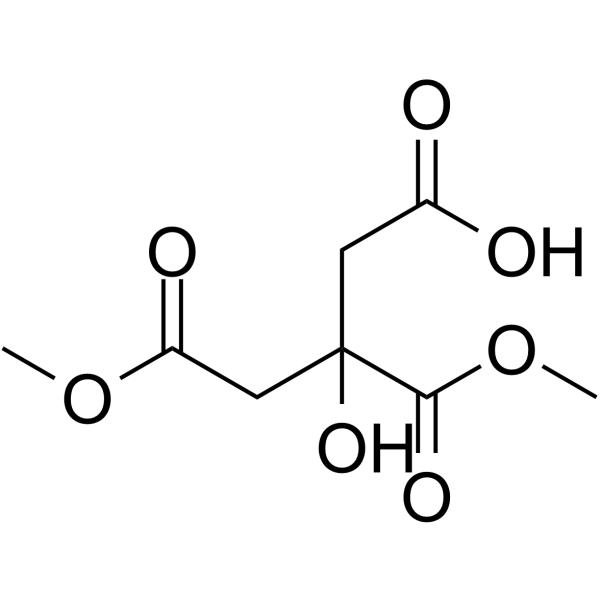
Dimethylurea/citric acid is a highly efficient deep eutectic solvent (DES). Dimethylurea/citric acid can be used as a catalyst and a green reaction medium for the synthesis of bis(indolyl)methanes, quinolines and aryl-4, 5-diphenyl-1H-imidazoles.
loading...
    loading...
1
1 Cited Publications
Cat. No.: HY-D0214A
CAS No.: 4159-77-7
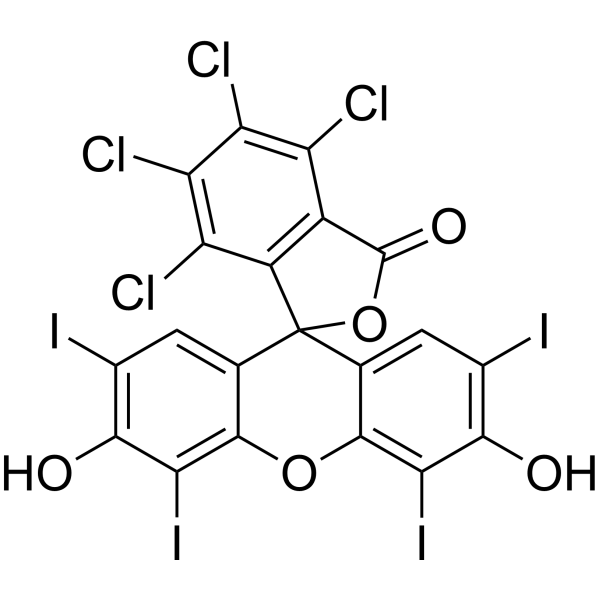
Acid Red 94 lactone is a multifunctional dye. Dyes are important tools in biological experiments. They can help researchers observe and analyze cell structures, track biomolecules, evaluate cell functions, distinguish cell types, detect biomolecules, study tissue pathology and monitor microorganisms. Their applications range from basic scientific research to clinical A wide range of diagnostics. Dyes are also widely used in traditional fields such as textile dyeing, as well as in emerging fields such as functional textile processing, food pigments and dye-sensitized solar cells.
loading...
    loading...
1
1 Cited Publications
Cat. No.: HY-D1223
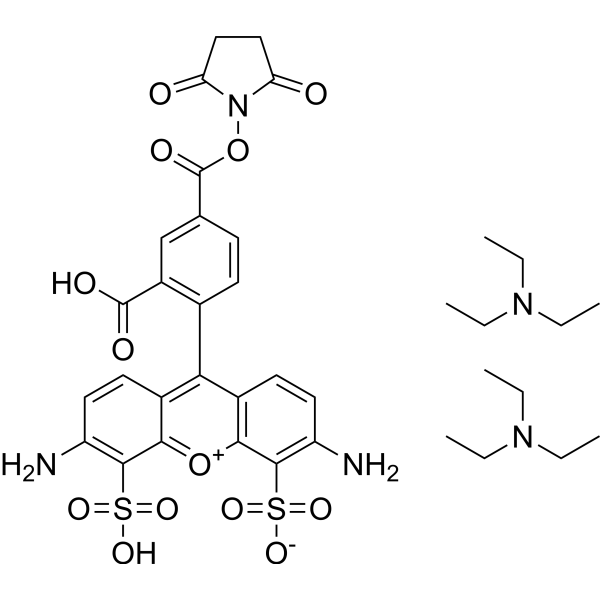
AF488 NHS ester diTEA is a multifunctional dye. Dyes are important tools in biological experiments. They can help researchers observe and analyze cell structures, track biomolecules, evaluate cell functions, distinguish cell types, detect biomolecules, study tissue pathology and monitor microorganisms. Their applications range from basic scientific research to clinical A wide range of diagnostics. Dyes are also widely used in traditional fields such as textile dyeing, as well as in emerging fields such as functional textile processing, food pigments and dye-sensitized solar cells. AF488 exhibits the λem and λex wavelength of 520 nm and 470 nm, respectively .
loading...
    loading...

