304 Results for "

toxic effects

" in MedChemExpress (MCE) Product Catalog:
Products (304)

304 Results for "toxic effects" in MCE Product Catalog:
399
399 Publications Verification
Cat. No.: HY-Y0320
CAS No.: 67-68-5
Synonyms: DMSO, meets analytical specification of Ch.P.
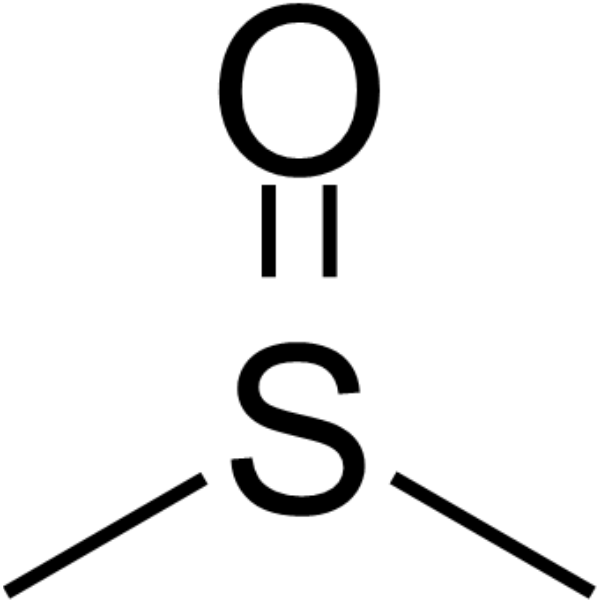
Dimethyl sulfoxide (DMSO), meets analytical specification of Ch.P. is an aprotic solvent that dissolves polar and non-polar compounds, including water-insoluble therapeutic and toxic agents. Dimethyl sulfoxide (DMSO) has a strong affinity for water and can rapidly penetrate or enhance the penetration of other substances into biological membranes. Dimethyl sulfoxide also has potential free radical scavenging and anticholinesterase effects and may affect coagulation activity. Dimethyl sulfoxide also induces histamine release from mast cells but is thought to have low systemic toxicity. Dimethyl sulfoxide also exhibits antifreeze and antibacterial properties .
MCE provides Dimethyl sulfoxide that complies with the inspection standards (Ch.P) of Part 4 of the Chinese Pharmacopoeia (2020 Edition). Amicrobic, low endotoxin, can be used in various biochemical experiments such as drug dissolution.
loading...
    loading...
66
66 Cited Publications
Cat. No.: HY-Y0320C
CAS No.: 67-68-5
Synonyms: DMSO
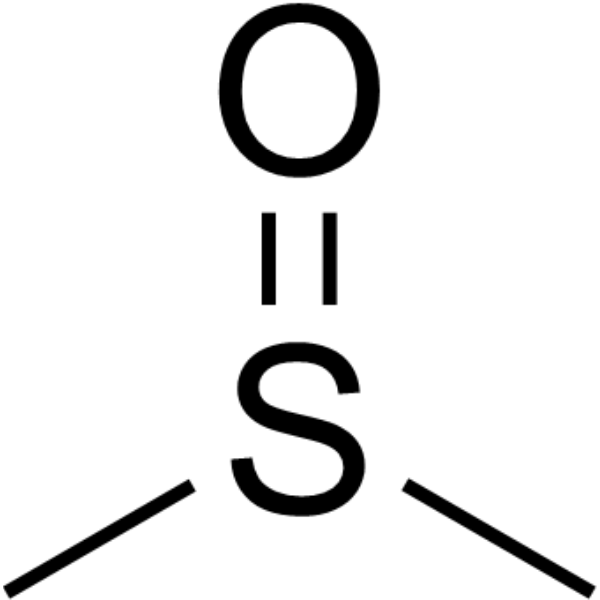
Dimethyl sulfoxide (DMSO) is an aprotic solvent that can dissolve water-insoluble therapeutic and toxic agents. Dimethyl sulfoxide (DMSO) has a strong affinity for water and has the ability to rapidly penetrate or enhance the penetration of other substances through biological membranes. Dimethyl sulfoxide also has potential free radical scavenging and anticholinesterase effects and may affect coagulation activity. Dimethyl sulfoxide also induces histamine release from mast cells but is thought to have low systemic toxicity .
Low endotoxin, can be used in various biochemical experiments such as drug dissolution.
loading...
    loading...
30
30 Cited Publications
Cat. No.: HY-P1363
Synonyms: Amyloid β-peptide (1-42) (human) TFA
Target:  

Amyloid-β

Research Areas:  

Neurological Disease

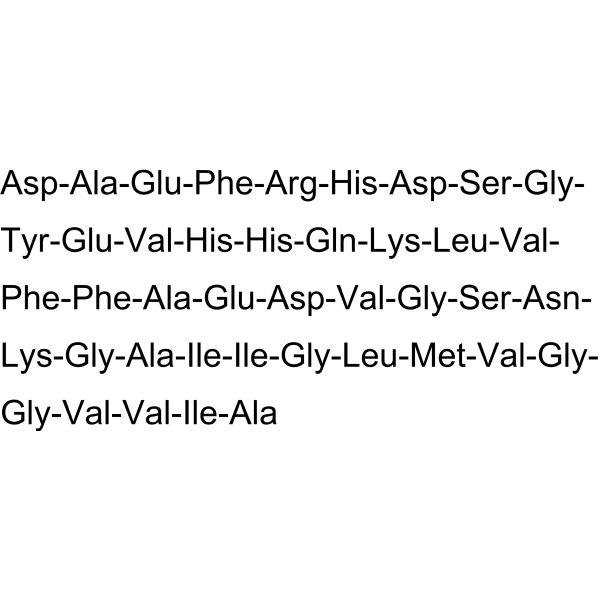
β-Amyloid (1-42) (Amyloid β-peptide (1-42), human TFA, a 42-amino acid peptide that has not been treated with HFIP, is a brain-penetrant amyloid protein fragment, which can be used in research on Alzheimer's disease and Down’s syndrome. β-Amyloid (1-42), human TFA remaining as a monomer exhibits antioxidant and neuroprotective effects. β-Amyloid (1-42), human TFA, after being monomericized by HFIP and dissolved in DMSO to form the stock solution, on the one hand, can form soluble oligomers (AβOs) when incubated at 4 °C, which have synaptic toxicity and neurotoxicity; on the other hand, it can be incubated at 37 °C to form insoluble fibrils, with lower neurotoxicity, and participating in the oxidative damage process. Aβ42 oligomers bind to various neuronal surface receptors (such as PrPc, mGluR5, NMDA receptors, etc.), triggering oxidative stress, calcium homeostasis imbalance, and synaptic toxicity via activating downstream signaling pathways, leading to neuronal dysfunction and death .
loading...
    loading...
30
30 Cited Publications
Cat. No.: HY-P1363A
CAS No.: 107761-42-2
Synonyms: Amyloid β-peptide (1-42) (human)
Target:  

Amyloid-β

Research Areas:  

Neurological Disease

β-Amyloid (1-42) (Amyloid β-peptide (1-42)), human, a 42-amino acid peptide that has not been treated with HFIP, is a brain-penetrant amyloid protein fragment, which can be used in research on Alzheimer's disease and Down’s syndrome. β-Amyloid (1-42), human remaining as a monomer exhibits antioxidant and neuroprotective effects. β-Amyloid (1-42), human, after being monomericized by HFIP and dissolved in DMSO to form the stock solution, on the one hand, can form soluble oligomers (AβOs) when incubated at 4 °C, which have synaptic toxicity and neurotoxicity; on the other hand, it can be incubated at 37 °C to form insoluble fibrils, with lower neurotoxicity, and participating in the oxidative damage process. Aβ42 oligomers bind to various neuronal surface receptors (such as PrPc, mGluR5, NMDA receptors, etc.), triggering oxidative stress, calcium homeostasis imbalance, and synaptic toxicity via activating downstream signaling pathways, leading to neuronal dysfunction and death .
loading...
    loading...
30
30 Cited Publications
Cat. No.: HY-P1363B
CAS No.: 107761-42-2
Target:  

Amyloid-β

Research Areas:  

Neurological Disease

β-Amyloid (1-42), human, HFIP-treated, a 42-amino acid peptide that has been treated with HFIP from β-Amyloid (1-42), human (HY-P1363A), is a brain-penetrant amyloid protein fragment, which can be used in research on Alzheimer's disease and Down’s syndrome. β-Amyloid (1-42), human, HFIP-treated remaining as a monomer exhibits antioxidant and neuroprotective effects. β-Amyloid (1-42), human, HFIP-treated, after being dissolved in DMSO to form the stock solution, on the one hand, can form soluble oligomers (AβOs) when incubated at 4°C, which have synaptic toxicity and neurotoxicity; on the other hand, it can be incubated at 37°C to form insoluble fibrils, with lower neurotoxicity, and participating in the oxidative damage process. Aβ42 oligomers bind to various neuronal surface receptors (such as PrPc, mGluR5, NMDA receptors, etc.), triggering oxidative stress, calcium homeostasis imbalance, and synaptic toxicity via activating downstream signaling pathways, leading to neuronal dysfunction and death .
loading...
    loading...
15
15 Cited Publications
Cat. No.: HY-128612
CAS No.: 70-25-7
Purity:  99.96%
Synonyms: MNNG
Research Areas:  

Cancer

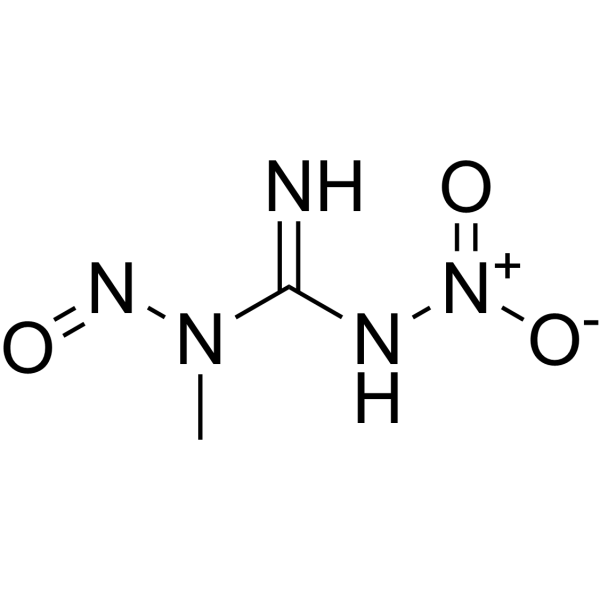
Methylnitronitrosoguanidine (MNNG) is an orally active alkylating agent with toxic and mutagenic effects. Methylnitronitrosoguanidine can as a carcinogen and mutagen . 50% water content, specifications are based on dry weight.
loading...
    loading...
14
14 Cited Publications
Cat. No.: HY-B1945
CAS No.: 117-81-7
Synonyms: Bis(2-ethylhexyl) phthalate; Ergoplast FDO; ESBO-D 82
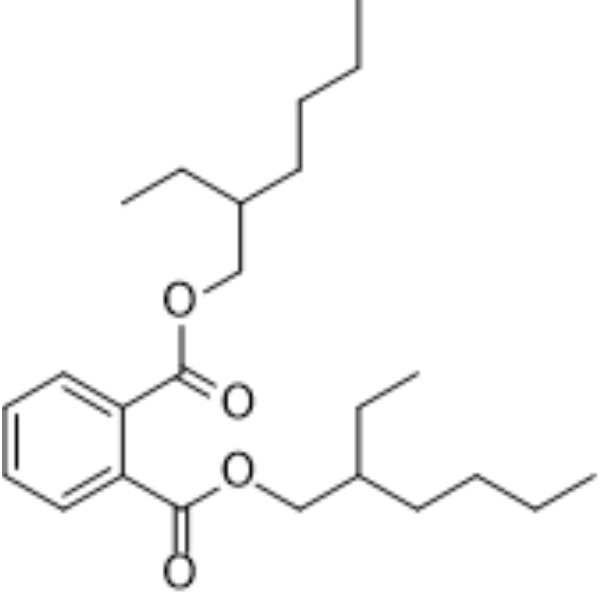
DEHP (Bis(2-ethylhexyl) phthalate) is a widely used plasticizer, which has orally active. DEHP can produce a wide spectrum of toxic effects on organisms including neurotoxicity, liver toxicity, immunotoxicity, and reproductive toxicity .
loading...
    loading...
12
12 Cited Publications
Cat. No.: HY-Y0304
CAS No.: 84-74-2
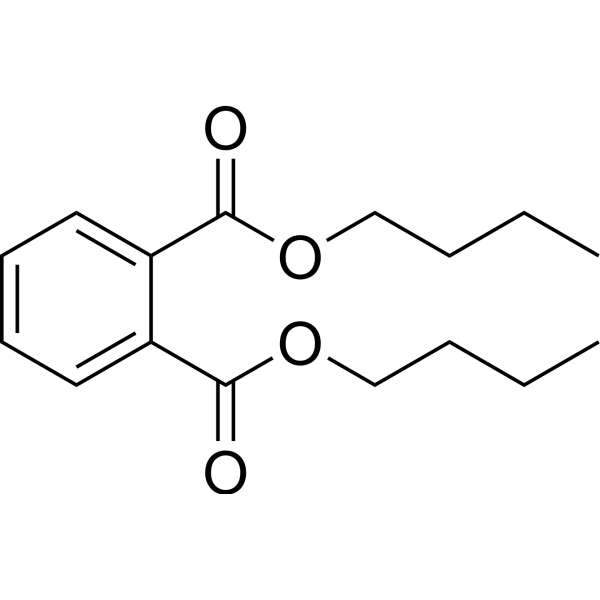
Dibutyl phthalate is a commonly used plasticizer commonly found in some food packaging materials, personal care products, and the coating of oral medications . May cause toxicity and adverse neurobehavioral effects .
loading...
    loading...
11
11 Cited Publications
Cat. No.: HY-103447
CAS No.: 17924-92-4
Purity:  98.22%
Synonyms: Mycotoxin F2; Toxin F2
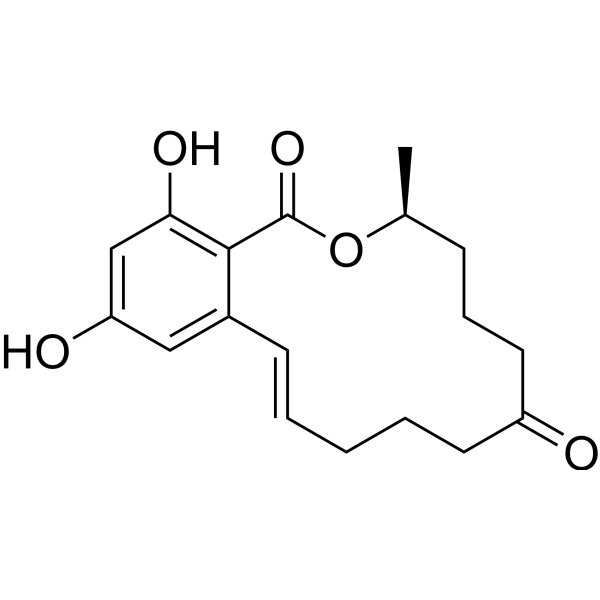
Zearalenone is a mycotoxin produced mainly by fungi belonging to the genus Fusarium in foods and feeds. Possess oestrogenic activity in pigs, cattle and sheep, with low acute toxicity. Causes precocious development of mammae and other estrogenic effects in young gilts .
loading...
    loading...
10
10 Cited Publications
Cat. No.: HY-128586
CAS No.: 1848959-10-3
Purity:  99.52%
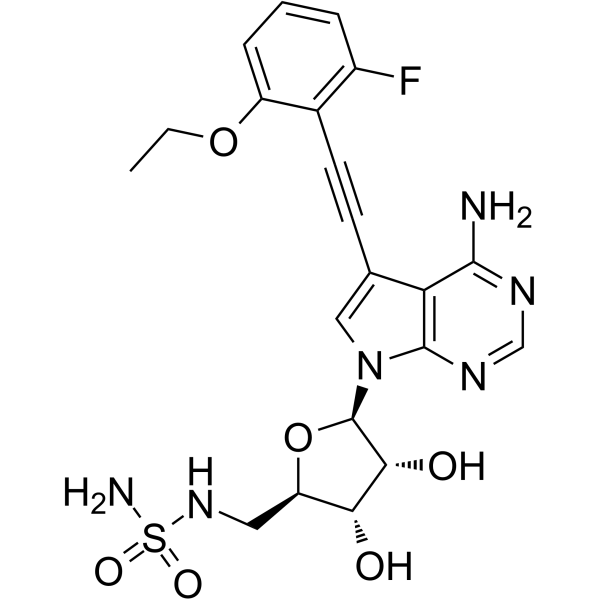
TAS4464 is a long-acting, highly selective covalent inhibitor targeting NEDD8-activating enzyme (NAE) (IC50=0.955 nM), and also inhibits CAII with an IC50 of 0.73 μM, which is less potent than MLN4924 (HY-70062). The IC50 values of TAS4464 against other E1 enzymes UAE and SAE are 449 nM and 1280 nM, respectively. TAS4464 targets NEDD8 in an ATP-dependent manner to inhibit NAE, blocks the neddylation pathway, causes accumulation of CRL ubiquitin ligase substrates (such as CDT1, p27, phosphorylated IκBα), and further induces tumor cell apoptosis. TAS4464 exhibits antiproliferative and cytotoxic effects, and has broad-spectrum antitumor activity against various hematologic and solid tumor cell lines as well as patient-derived tumor cells. TAS4464 has a wide selcetive window, without obvious toxicity. TAS4464 can be used in the research of hematologic malignancies (leukemia, lymphoma, multiple myeloma, etc.) and solid tumors (small cell lung cancer, colorectal cancer, sarcoma, endometrial cancer, ovarian cancer, etc.) .
loading...
    loading...
10
10 Cited Publications
Cat. No.: HY-128586A
CAS No.: 1848959-11-4
Purity:  98.91%
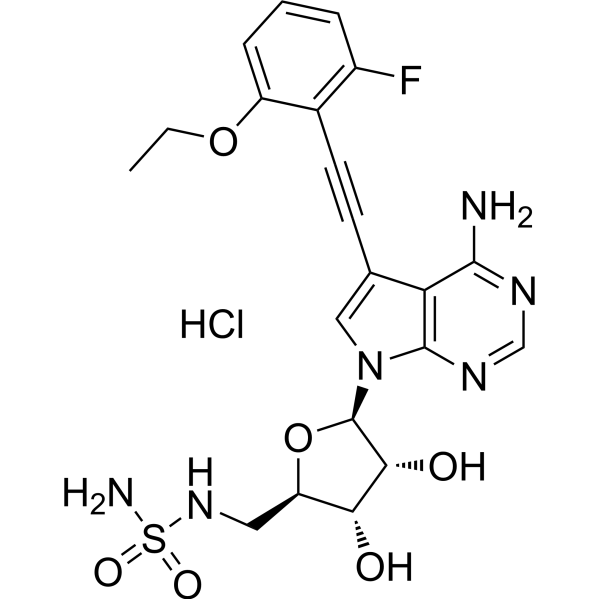
TAS4464 hydrochloride is a long-acting, highly selective covalent inhibitor targeting NEDD8-activating enzyme (NAE) (IC50=0.955 nM), and also inhibits CAII with an IC50 of 0.73 μM, which is less potent than MLN4924 (HY-70062). The IC50 values of TAS4464 hydrochloride against other E1 enzymes UAE and SAE are 449 nM and 1280 nM, respectively. TAS4464 hydrochloride targets NEDD8 in an ATP-dependent manner to inhibit NAE, blocks the neddylation pathway, causes accumulation of CRL ubiquitin ligase substrates (such as CDT1, p27, phosphorylated IκBα), and further induces tumor cell apoptosis. TAS4464 hydrochloride exhibits antiproliferative and cytotoxic effects, and has broad-spectrum antitumor activity against various hematologic and solid tumor cell lines as well as patient-derived tumor cells. TAS4464 hydrochloride has a wide therapeutic window, without obvious toxicity. TAS4464 hydrochloride can be used in the research of hematologic malignancies (leukemia, lymphoma, multiple myeloma, etc.) and solid tumors (small cell lung cancer, colorectal cancer, sarcoma, endometrial cancer, ovarian cancer, etc.) .
loading...
    loading...
8
8 Cited Publications
Cat. No.: HY-14197
CAS No.: 17780-72-2
Purity:  99.76%
Synonyms: M&B 9302
Clorgyline (M&B 9302) is a selective, irreversible monoamine oxidase A (MAO-A) inhibitor that can cross the blood-brain barrier and exhibits activity against the 5-HT Receptor at very high doses. Clorgyline regulates monoamine neurotransmitter levels, the release of dopamine and acetylcholine, the uptake and effects of Tyramine (HY-W007606), noradrenergic function, circadian locomotor activity rhythms, feeding behavior, and body weight. Clorgyline induces tumor-suppressive transcriptional programs, secretory differentiation, androgen signaling regulation, Bcl-2 expression, and radioprotective effects in non-malignant cells. Clorgyline is used in the research of high-grade prostate cancer, Huntington's disease, major affective disorder, radiation-induced normal tissue toxicity, and obesity .
loading...
    loading...
8
8 Cited Publications
Cat. No.: HY-14197A
CAS No.: 17780-75-5
Purity:  99.92%
Synonyms: M&B 9302 hydrochloride
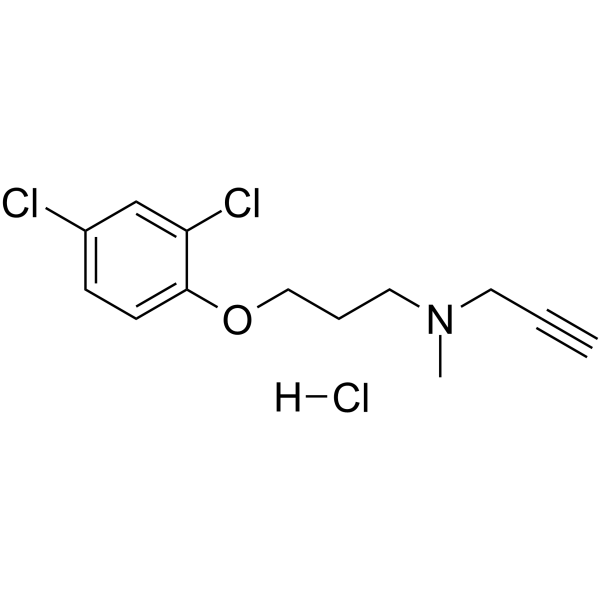
Clorgyline hydrochloride (M&B 9302 hydrochloride) is a selective, irreversible monoamine oxidase A (MAO-A) inhibitor that can cross the blood-brain barrier and exhibits activity against the 5-HT Receptor at very high doses. Clorgyline hydrochloride regulates monoamine neurotransmitter levels, the release of dopamine and acetylcholine, the uptake and effects of Tyramine (HY-W007606), noradrenergic function, circadian locomotor activity rhythms, feeding behavior, and body weight. Clorgyline hydrochloride induces tumor-suppressive transcriptional programs, secretory differentiation, androgen signaling regulation, Bcl-2 expression, and radioprotective effects in non-malignant cells. Clorgyline hydrochloride is used in the research of high-grade prostate cancer, Huntington's disease, major affective disorder, radiation-induced normal tissue toxicity, and obesity .
loading...
    loading...
7
7 Cited Publications
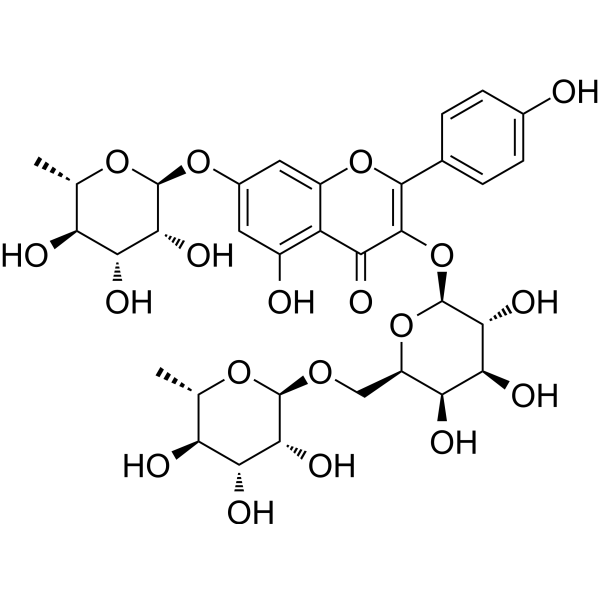
Cat. No.: HY-N1346
CAS No.: 301-19-9
Category:  

Flavonols Flavonoids 500 - Internal Server Error | MedChemExpress

Oops!

Sorry, Something went wrong on our server.
Our team has been notified and is working to fix the issue.