36 Results for "

tubulin depolymerization

" in MedChemExpress (MCE) Product Catalog:
Products (36)

36 Results for "tubulin depolymerization" in MCE Product Catalog:

183
183 Publications Verification
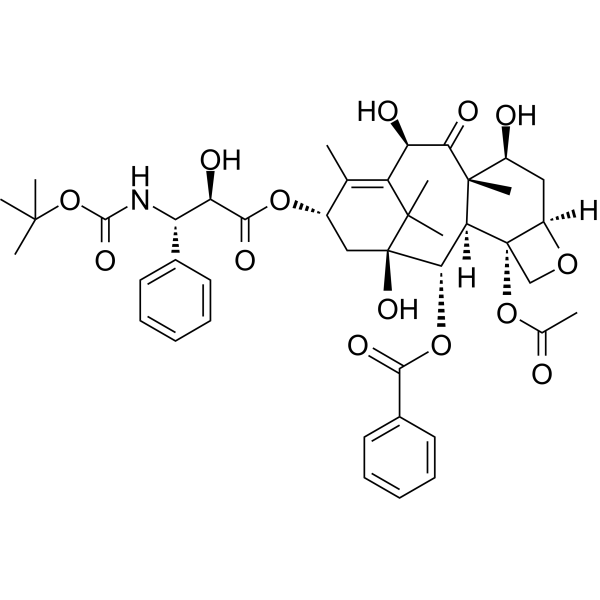
Cat. No.: HY-B0011
CAS No.: 114977-28-5
Synonyms: RP-56976
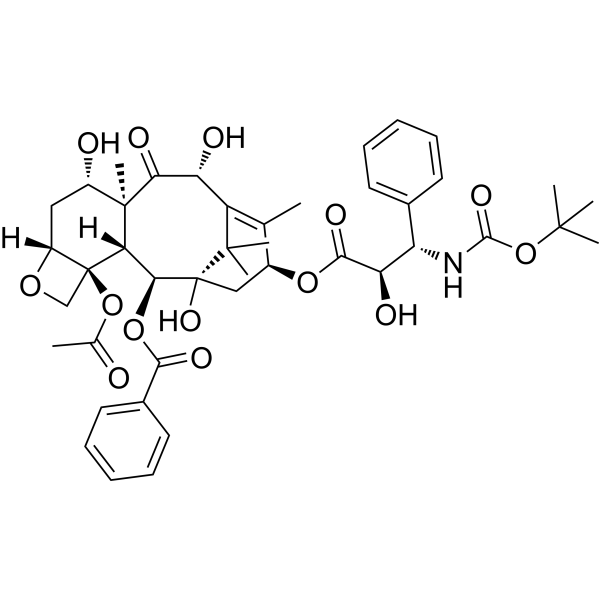
Docetaxel (RP-56976) is an orally active tubulin stabilizer with antitumor activity. Docetaxel is a P-glycoprotein substrate and is metabolized by CYP3A to inactive products. Docetaxel binds tubulin, promotes tubulin polymerization, and inhibits microtubule depolymerization. Docetaxel induces aberrant mitosis followed by necrotic-like cell death at low concentrations, and induces G2/M mitotic arrest and drives apoptosis at high concentrations. Docetaxel induces renal injury/renal alterations, sex-dependent granule toxicity/uptake, low cardiac delivery, and decreased hepatic SOD/increased catalase/hepatotoxicity. Docetaxel can be used in cancer-related research .
loading...
    loading...
183
183 Publications Verification
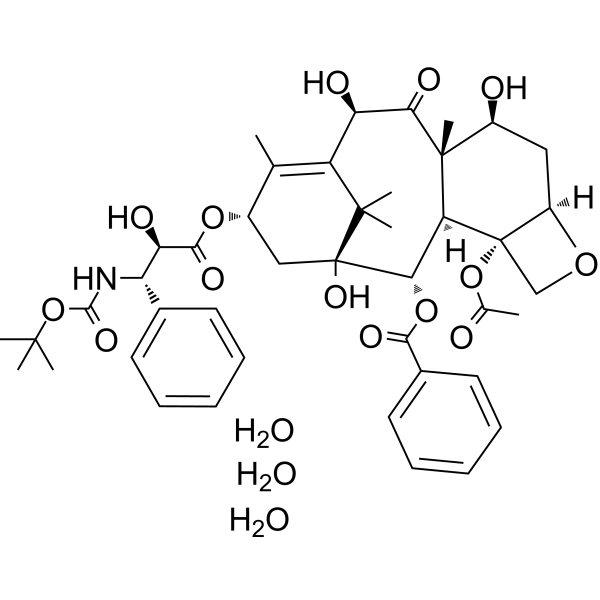
Cat. No.: HY-B0011A
CAS No.: 148408-66-6
Synonyms: RP-56976 Trihydrate
Docetaxel Trihydrate (RP-56976 Trihydrate) is an orally active tubulin stabilizer with antitumor activity. Docetaxel Trihydrate is a P-glycoprotein substrate and is metabolized by CYP3A to inactive products. Docetaxel Trihydrate binds tubulin, promotes tubulin polymerization, and inhibits microtubule depolymerization. Docetaxel Trihydrate induces aberrant mitosis followed by necrotic-like cell death at low concentrations, and induces G2/M mitotic arrest and drives apoptosis at high concentrations. Docetaxel Trihydrate induces renal injury/renal alterations, sex-dependent granule toxicity/uptake, low cardiac delivery, and decreased hepatic SOD/increased catalase/hepatotoxicity. Docetaxel Trihydrate can be used in cancer-related research .
loading...
    loading...
4
4 Cited Publications
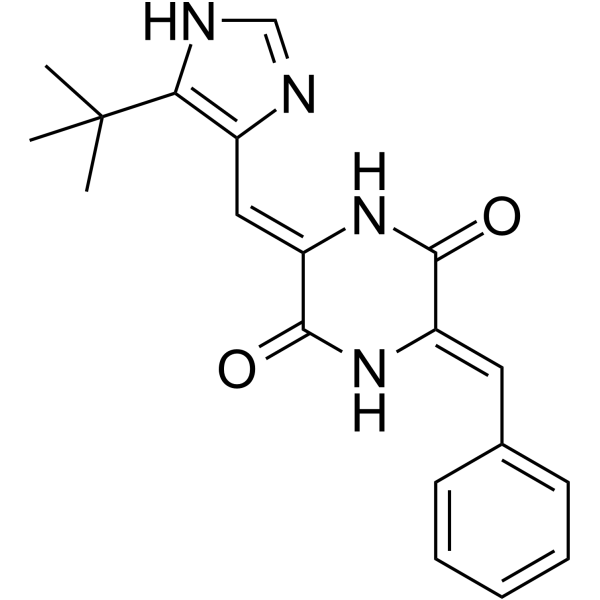
Cat. No.: HY-14444
CAS No.: 714272-27-2
Purity:  ≥98.0%
Synonyms: NPI-2358
Target:  

Microtubule/Tubulin

Research Areas:  

Cancer

Plinabulin (NPI-2358) is a vascular disrupting agen (VDA) against tubulin-depolymerizing with an IC50 of 9.8 nM against HT-29 cells . Plinabulin binds the colchicine binding site of β-tubulin preventing polymerization and has potent inhibitory to tumor cells .
loading...
    loading...
2
2 Cited Publications
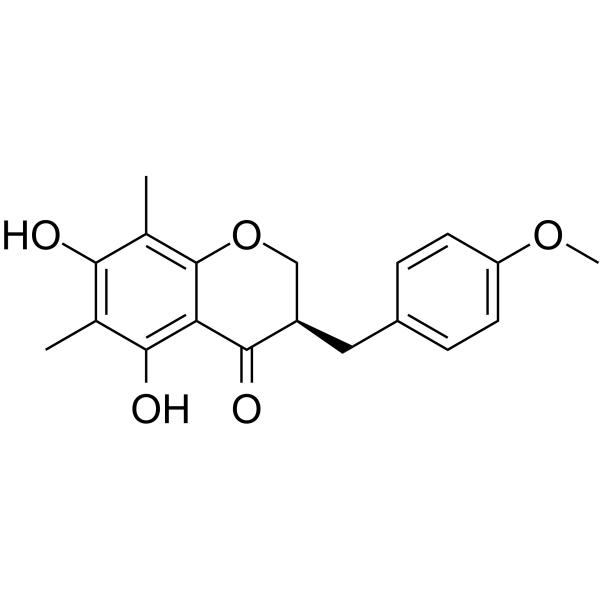
Cat. No.: HY-N2438
CAS No.: 74805-91-7
Methylophiopogonanone B is a homoisoflavonoid compound. Methylophiopogonanone B can be isolated from O. japonicus root. Methylophiopogonanone B promotes Rho activation and Tubulin depolymerization. Methylophiopogonanone B significantly increases GTP-Rho, but not GTP-Rac or GTP-CDC42. Methylophiopogonanone B induces cell morphological change via melanocyte dendrite retraction and stress fiber formation. Methylophiopogonanone B exhibits strong antioxidant activity. Methylophiopogonanone B can be used in the research of cervical cancer .
loading...
    loading...
1
1 Cited Publications
Cat. No.: HY-121993
CAS No.: 109971-63-3
Purity:  97.03%
Target:  

Wnt Microtubule/Tubulin

Research Areas:  

Cancer

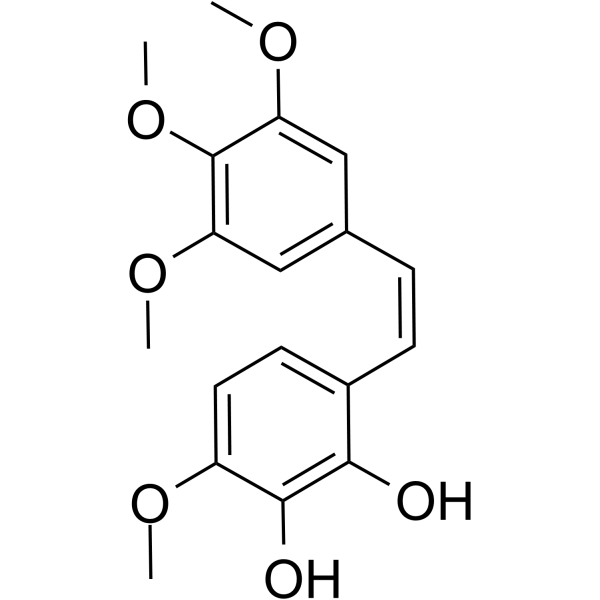
Combretastatin A-1 is a microtubule polymerization inhibitor that binds to the colchicine-binding site of tubulin. Combretastatin A-1 inhibits the Wnt/β-catenin pathway through tubulin depolymerization mediated AKT deactivation. Combretastatin A-1 exhibits anti-tumor and anti-vascular effects .
loading...
    loading...
1
1 Cited Publications
Cat. No.: HY-16191
CAS No.: 1233948-35-0
ELR510444 is an orally active tubulin inhibitor with an IC50 of 10 μM. ELR510444 binds to the colchicine-binding site on β-tubulin, inhibits tubulin assembly, depolymerizes microtubules and blocks HIF activity. ELR510444 induces cellular microtubule loss, abnormal mitotic spindle, mitotic arrest, apoptosis, morphological changes in tumor endothelial cells, and inhibits cancer cell proliferation, angiogenesis and tumor growth. ELR510444 can be used in research related to various cancers such as renal cell carcinoma .
loading...
    loading...
Cat. No.: HY-N1408
CAS No.: 22255-22-7
Synonyms: trans-trismethoxy Resveratrol; (E)-Resveratrol trimethyl ether; trans-3,5,4'-Trimethoxystilbene
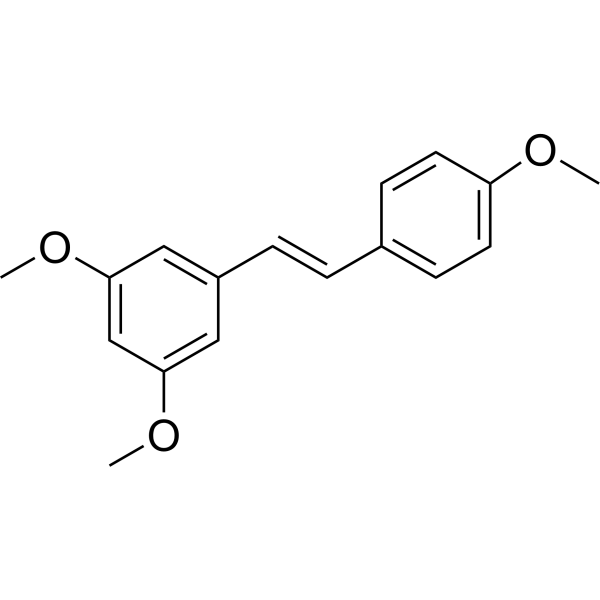
Trans-Trimethoxyresveratrol (trans-trismethoxy Resveratrol; (E)-Resveratrol trimethyl ether; trans-3,5,4'-Trimethoxystilbene) is an orally active natural derivative of Resveratrol (HY-16561). Trans-Trimethoxyresveratrol has an enhanced anticancer profile compared to Resveratrol, exhibiting higher potency than resveratrol, with improved cancer cell proliferation inhibition, induction of cell cycle arrest, decreased metastasis, and increased apoptosis. Trans-Trimethoxyresveratrol causes microtubule disassembling and tubulin depolymerization and exerts anti-angiogenic effects through VEGFR2. Trans-Trimethoxyresveratrol can be used for the studies of anti-angiogenic and anti-cancer (such as non-small cell lung cancer and osteosarcoma) .
loading...
    loading...
Cat. No.: HY-B0011S
CAS No.: 940867-25-4
Synonyms: RP-56976-d9
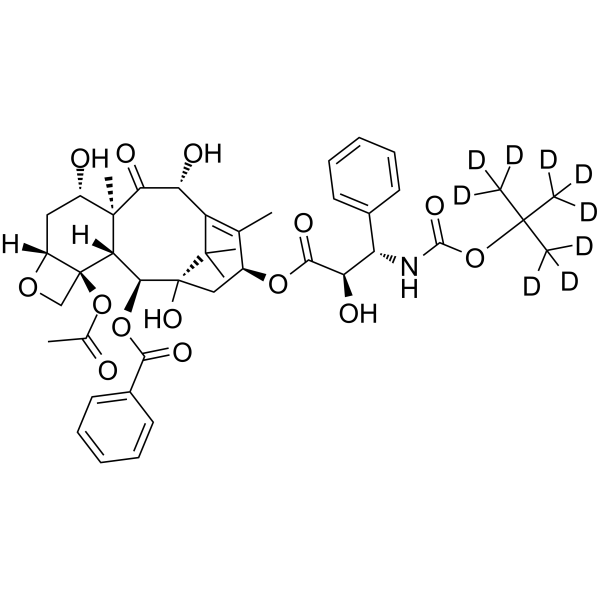
Docetaxel-d9 (RP-56976-d9) is the deuterated-labeled Docetaxel (HY-B0011). Docetaxel (RP-56976) is an orally active tubulin stabilizer with antitumor activity. Docetaxel is a P-glycoprotein substrate and is metabolized by CYP3A to inactive products. Docetaxel binds tubulin, promotes tubulin polymerization, and inhibits microtubule depolymerization. Docetaxel induces aberrant mitosis followed by necrotic-like cell death at low concentrations, and induces G2/M mitotic arrest and drives apoptosis at high concentrations. Docetaxel induces renal injury/renal alterations, sex-dependent granule toxicity/uptake, low cardiac delivery, and decreased hepatic SOD/increased catalase/hepatotoxicity. Docetaxel can be used in cancer-related research .
loading...
    loading...
Cat. No.: HY-N10093
CAS No.: 69618-96-8
Synonyms: Chamaejasmin
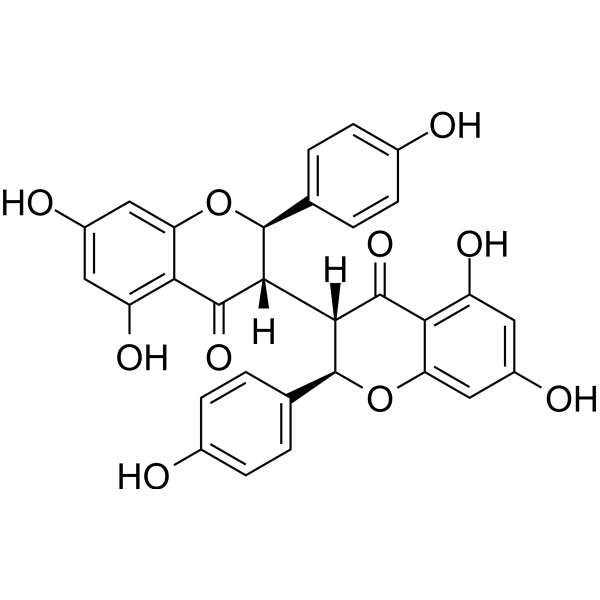
Chamaejasmine (Chamaejasmin) is a natural biflavonoid found in the roots of Stellera chamaejasme, exhibiting antitumor activity. Chamaejasmine inhibits Bcl-2, upregulates Bax, and induces cleavage of caspase-9/-3 and PARP. Chamaejasmine induces ROS production, Δψm loss, cytochrome c release, G2/M arrest, apoptosis, and autophagy. Chamaejasmine induces apoptosis and autophagy through activation of AMPK and inhibition of mTOR, and inhibits microtubule depolymerization by binding to β-tubulin. Chamaejasmine inhibits IL-4, IgE, β-hexosaminidase, and mast cell infiltration, and improves skin barrier function in AD models. Chamaejasmine exhibits cytotoxicity against various cancer cells. Chamaejasmine can be used in research related to various cancers such as lung adenocarcinoma and osteosarcoma, as well as atopic dermatitis .
loading...
    loading...
Cat. No.: HY-B0011R
CAS No.: 114977-28-5
Synonyms: RP-56976 (Standard)
Docetaxel (Standard) (RP-56976 (Standard)) is the analytical standard of Docetaxel (HY-B0011). This product is intended for research and analytical applications. Docetaxel (RP-56976) is an orally active tubulin stabilizer with antitumor activity. Docetaxel is a P-glycoprotein substrate and is metabolized by CYP3A to inactive products. Docetaxel binds tubulin, promotes tubulin polymerization, and inhibits microtubule depolymerization. Docetaxel induces aberrant mitosis followed by necrotic-like cell death at low concentrations, and induces G2/M mitotic arrest and drives apoptosis at high concentrations. Docetaxel induces renal injury/renal alterations, sex-dependent granule toxicity/uptake, low cardiac delivery, and decreased hepatic SOD/increased catalase/hepatotoxicity. Docetaxel can be used in cancer-related research .
loading...
    loading...
Cat. No.: HY-148128
CAS No.: 1802498-63-0
Purity:  98.53%
Research Areas:  

Cancer

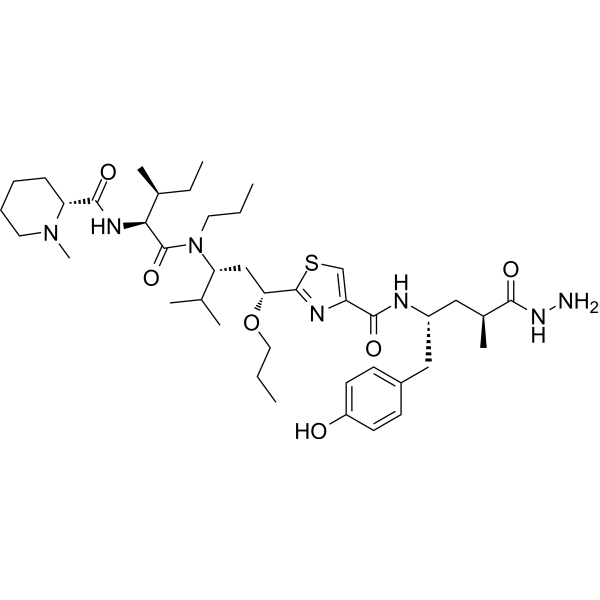
TAM470 is a novel cytolysin, inhibiting tubulin polymerization and microtubule depolymerization. TAM470 can be used in the synthesis of OMTX705 as payload molecule, OMTX705 is a novel FAP-targeting antibody-drug conjugates (ADCs) with antitumor activity .
loading...
    loading...
Cat. No.: HY-169183
Target:  

Myosin

Research Areas:  

Others

Myokinasib-II is a MLCK1 inhibitor with an IC50 of 4.4 μM. Myokinasib-II induces cell cortex softening, impairs cell migration capacity, induces multinucleation, reduces cell stiffness, alters membrane tether dynamics, decreases actomyosin tension and changes nuclear morphology. Myokinasib-II is a MLCK1 chemical biology probe with a unique structure that does not depolymerize tubulin and maintains cell viability even under high-concentration treatment in fibroblasts .
loading...
    loading...
Cat. No.: HY-116920
CAS No.: 646-23-1
Research Areas:  

Cancer

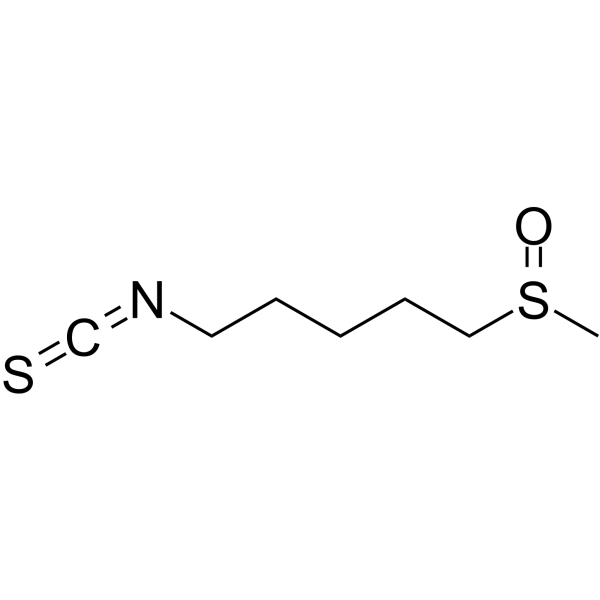
Alyssin, found in Cruciferous Vegetables, exerts anticancer activity in HepG2 by increasing intracellular reactive oxygen species and tubulin depolymerization .
loading...
    loading...
Cat. No.: HY-W653942
Synonyms: RP-56976-d5
Docetaxel-d5 (RP-56976-d5) is the deuterated-labeled Docetaxel (HY-B0011). Docetaxel (RP-56976) is an orally active tubulin stabilizer with antitumor activity. Docetaxel is a P-glycoprotein substrate and is metabolized by CYP3A to inactive products. Docetaxel binds tubulin, promotes tubulin polymerization, and inhibits microtubule depolymerization. Docetaxel induces aberrant mitosis followed by necrotic-like cell death at low concentrations, and induces G2/M mitotic arrest and drives apoptosis at high concentrations. Docetaxel induces renal injury/renal alterations, sex-dependent granule toxicity/uptake, low cardiac delivery, and decreased hepatic SOD/increased catalase/hepatotoxicity. Docetaxel can be used in cancer-related research .
loading...
    loading...
Cat. No.: HY-101287
CAS No.: 1346169-92-3
Purity:  99.63%
Research Areas:  

Cancer

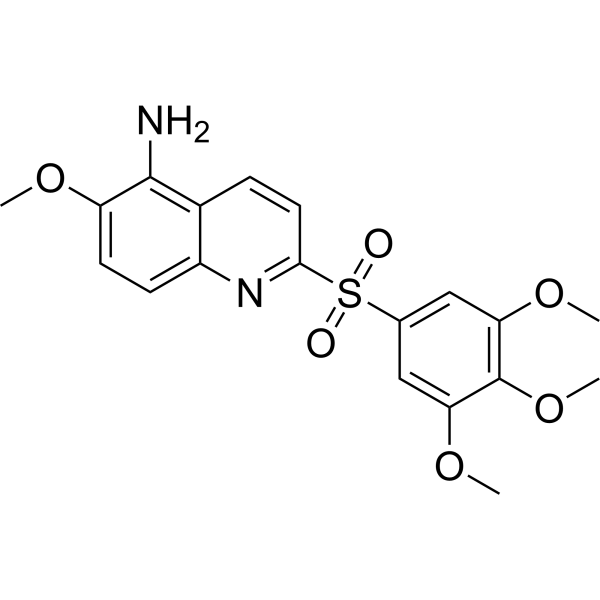
MPT0B392, an orally active quinoline derivative, induces c-Jun N-terminal kinase (JNK) activation, leading to apoptosis. MPT0B392 inhibits tubulin polymerization and triggers induction of the mitotic arrest, followed by mitochondrial membrane potential loss and caspases cleavage by activation of JNK and ultimately leads to apoptosis. MPT0B392 is demonstrated to be a novel microtubule-depolymerizing agent and enhances the cytotoxicity of sirolimus in sirolimus-resistant acute leukemic cells and the multidrug resistant cell line .
loading...
    loading...
Cat. No.: HY-16491
CAS No.: 333754-36-2
Synonyms: DJ-927
Target:  

Microtubule/Tubulin

Research Areas:  

Cancer

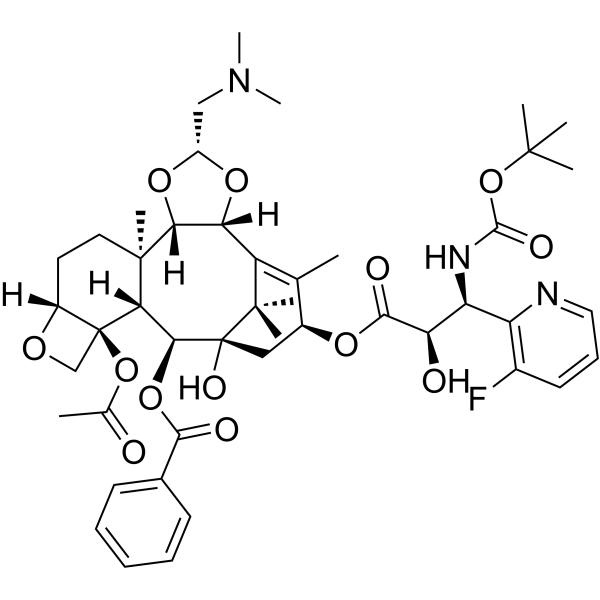
Tesetaxel (DJ-927) is an orally active and brain-penetrant taxane tubulin inhibitor. Tesetaxel inhibits tubulin depolymerization with an IC50 of 0.44 μM. Tesetaxel inhibits cancer cells proliferation and shows potent antitumor activity against P-glycoprotein-positive cancer cells. Tesetaxel can be used for the research of cancer, such as solid tumors, liver metastasis, and advanced breast cancer .
loading...
    loading...
Cat. No.: HY-B0011AS
Synonyms: RP-56976-d5 trihydrate
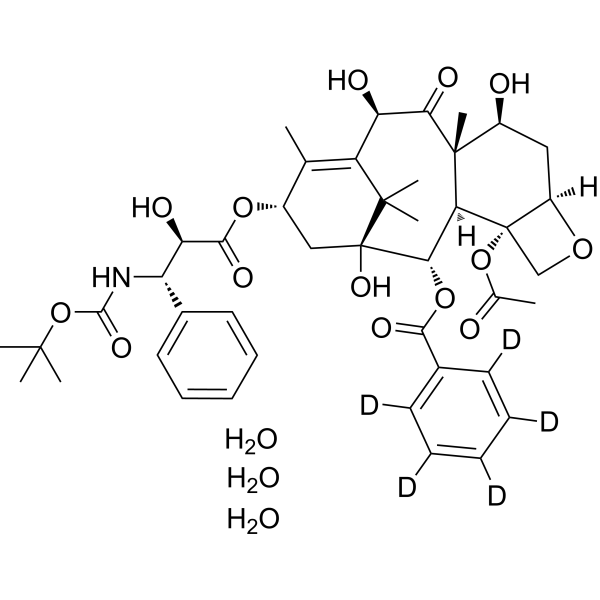
Docetaxel-d5 trihydrate (RP-56976-d5 trihydrate) is the deuterated-labeled Docetaxel trihydrate (HY-B0011A). Docetaxel Trihydrate (RP-56976 Trihydrate) is an orally active tubulin stabilizer with antitumor activity. Docetaxel Trihydrate is a P-glycoprotein substrate and is metabolized by CYP3A to inactive products. Docetaxel Trihydrate binds tubulin, promotes tubulin polymerization, and inhibits microtubule depolymerization. Docetaxel Trihydrate induces aberrant mitosis followed by necrotic-like cell death at low concentrations, and induces G2/M mitotic arrest and drives apoptosis at high concentrations. Docetaxel Trihydrate induces renal injury/renal alterations, sex-dependent granule toxicity/uptake, low cardiac delivery, and decreased hepatic SOD/increased catalase/hepatotoxicity. Docetaxel Trihydrate can be used in cancer-related research .
loading...
    loading...
Cat. No.: HY-146362
CAS No.: 2454175-89-2
Research Areas:  

Cancer

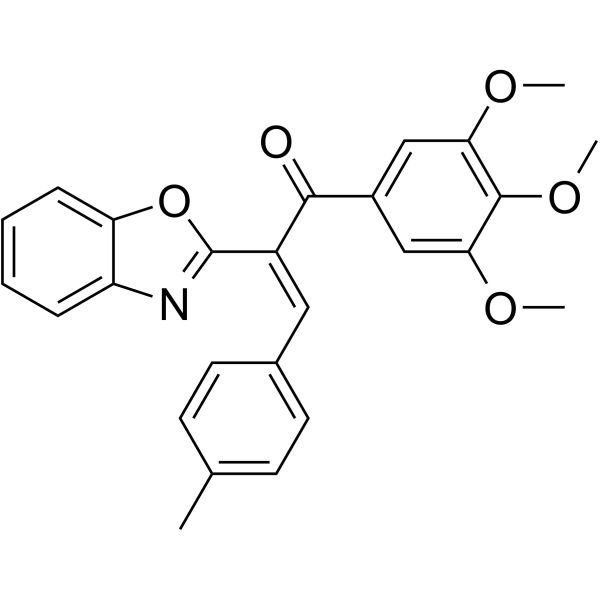
Tubulin polymerization-IN-17 (compound 23g) is a potent inhibitor of tubulin polymerization. Tubulin polymerization-IN-17 exhibits tubulin depolymerization and induced cell apoptosis and inhibits migration. Tubulin polymerization-IN-17 has the potential for the research of cancer diseases .
loading...
    loading...
Cat. No.: HY-124624
CAS No.: 354759-10-7
Research Areas:  

Cancer

PBOX-15 is a microtubule targeting agent. PBOX-15 induces apoptosis by promoting tubulin depolymerization in tumor cells .
loading...
    loading...
Cat. No.: HY-116920A
CAS No.: 167963-06-6
Research Areas:  

Cancer

(R)-Alyssin is a enantiomer of Alyssin (HY-116920). Alyssin, found in Cruciferous Vegetables, exerts anticancer activity in HepG2 by increasing intracellular reactive oxygen species and tubulin depolymerization .
loading...
    loading...

