

121 Results for "

venous obstruction

" in MedChemExpress (MCE) Product Catalog:
Products (121)

121 Results for "venous obstruction" in MCE Product Catalog:

6
6 Publications Verification
Cat. No.: HY-N0794
CAS No.: 20347-71-1
Proanthocyanidin (Procyanidin) are a class of polyphenolic that are widely distributed in higher plants, consisted of an electrophilic flavanyl unit. Proanthocyanidin can be used as antioxidant and anti-cancers agent. Proanthocyanidin also exhibit anti-inflammatory, cardioprotective, antibacterial and antifungal properties, which can be used in the treatment of chronic venous insufficiency, capillary fragility, sunburn and retinopathy. .
loading...
    loading...
4
4 Cited Publications
Cat. No.: HY-14151
CAS No.: 179474-81-8
Purity:  99.81%
Research Areas:  

Neurological Disease Cancer

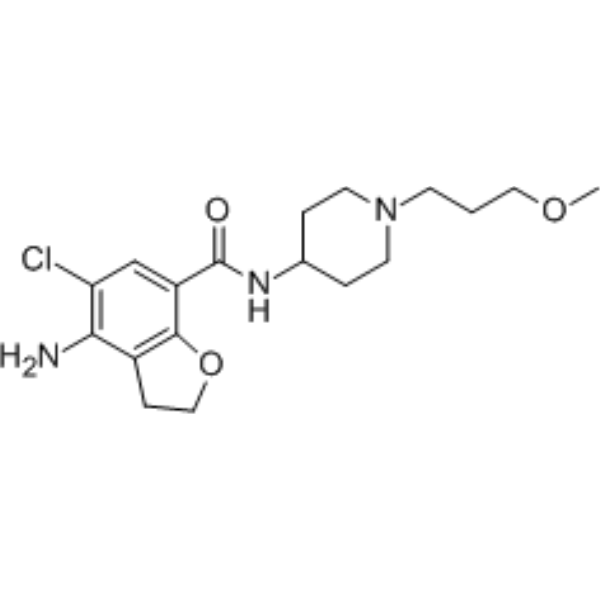
Prucalopride is an orally active, selective and specific 5-HT 4 receptor agonist (high affinity), with pKis of 8.6 and 8.1 for human 5-HT4a/4b receptors, respectively. Prucalopride improves intestinal motility by promoting regeneration of the intestinal nervous system in rats. Prucalopride also shows anticancer activity by blocking of the PI3K/AKT/mTor signaling pathway. Prucalopride can be used in studies of chronic constipation, pseudo-intestinal obstruction and cancer .
loading...
    loading...
4
4 Cited Publications
Cat. No.: HY-12694
CAS No.: 179474-85-2
Purity:  99.95%
Synonyms: R-108512
Research Areas:  

Metabolic Disease Cancer

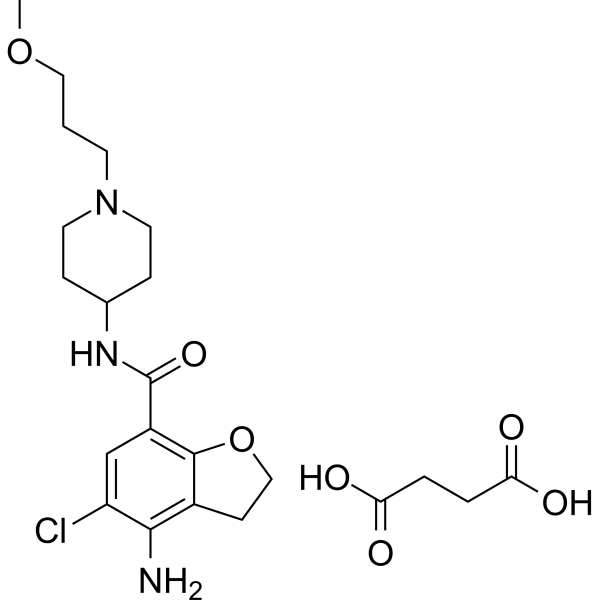
Prucalopride succinate is an orally active, selective and specific 5-HT 4 receptor agonist (high affinity), with pKis of 8.6 and 8.1 for human 5-HT4a/4b receptors, respectively. Prucalopride succinate improves intestinal motility by promoting regeneration of the intestinal nervous system in rats. Prucalopride succinate also shows anticancer activity by blocking of the PI3K/AKT/mTor signaling pathway. Prucalopride succinate can be used in studies of chronic constipation, pseudo-intestinal obstruction and cancer .
loading...
    loading...
4
4 Cited Publications
Cat. No.: HY-110318
CAS No.: 1785665-61-3
Purity:  98.28%
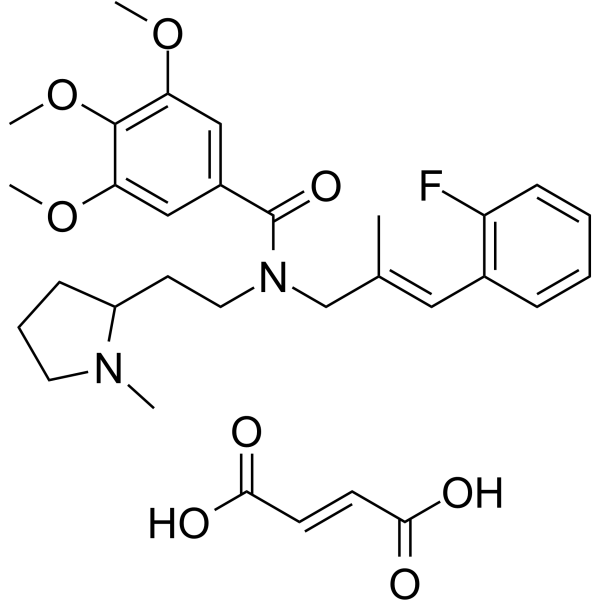
VUF11207 fumarate is a potent, selective, and orally active CXCR7/ACKR3 agonist (pKi = 8.1). VUF11207 fumarate specifically activates CXCR7/ACKR3, recruits β-arrestin, and induces receptor internalization, while downregulating the pro-inflammatory, pro-osteoclastogenic, and tumor immunosuppressive signaling mediated by the CXCL12-CXCR4 axis. VUF11207 fumarate can be used for research on glioblastoma, hypertension, and venous thrombosis .
loading...
    loading...
4
4 Cited Publications
Cat. No.: HY-100677
CAS No.: 1378524-41-4
Purity:  94.56%
VUF11207 is a potent, selective, and orally active CXCR7/ACKR3 agonist (pKi = 8.1). VUF11207 specifically activates CXCR7/ACKR3, recruits β-arrestin, and induces receptor internalization, while downregulating the pro-inflammatory, pro-osteoclastogenic, and tumor immunosuppressive signaling mediated by the CXCL12-CXCR4 axis. VUF11207 can be used for research on glioblastoma, hypertension, and venous thrombosis .
loading...
    loading...
3
3 Cited Publications
Cat. No.: HY-17553
CAS No.: 135463-81-9
Synonyms: MKC-231
Target:  

iGluR

Research Areas:  

Neurological Disease

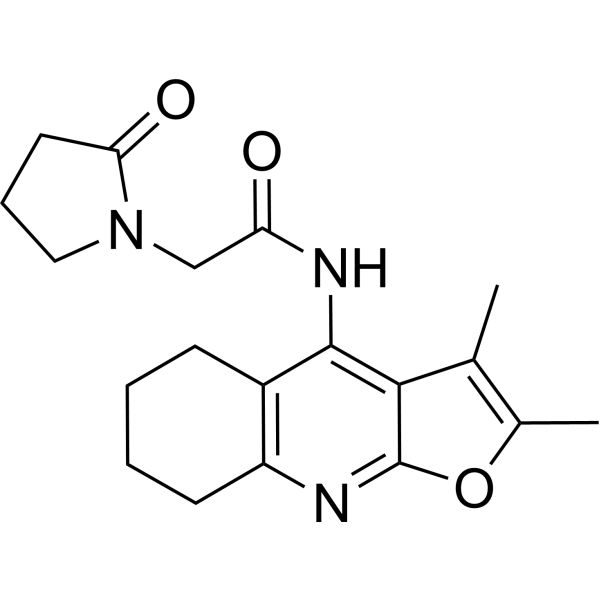
Coluracetam (MKC-231) is an orally taken choline uptake enhancer. Coluracetam can improve the reduced acetylcholine levels in the hippocampus of rats and mice, enhancing learning difficulties, memory deficits, and cognitive impairments. Coluracetam induces a lower degree of hepatic venous hyperglycemia .
loading...
    loading...
3
3 Cited Publications
Cat. No.: HY-W592871
CAS No.: 765-01-5
Synonyms: 10-HDA; Queen Bee Acid
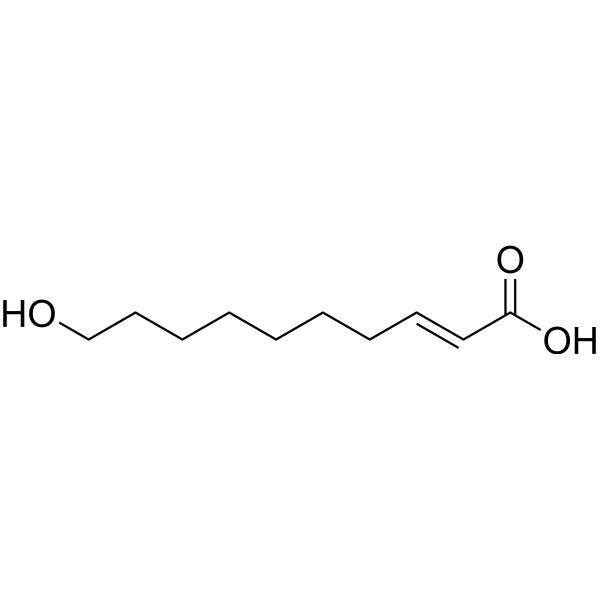
10-Hydroxy-2-decenoic acid (10-HDA) is an orally active unsaturated medium-chain fatty acid with various physiological activities. 10-Hydroxy-2-decenoic acid induces ROS-mediated apoptosis in A549 cells. 10-Hydroxy-2-decenoic acid inhibits VEGF-induced angiogenesis in human venous endothelial cells. 10-Hydroxy-2-decenoic acid alleviates non-alcoholic fatty liver disease (NAFLD) by activating the AMPK-α signaling pathway. 10-Hydroxy-2-decenoic acid protects against bone loss by inhibiting NF-κB signaling downstream of FFAR4. 10-Hydroxy-2-decenoic acid is an antibiotic against many bacteria and fungi, such as Neurospora sitophila, molds and Staphylococcus aureus. 10-Hydroxy-2-decenoic acid has longevity-promoting effects in C. elegans. 10-Hydroxy-2-decenoic acid prevents osteoarthritis by targeting aspartyl β hydroxylase and inhibiting chondrocyte senescence .
loading...
    loading...
2
2 Cited Publications
Cat. No.: HY-125864
CAS No.: 9001-32-5
Fibrinogen (Bovine) is a selective proteolytic molecule that can be activated by thrombin to assemble fibrin clots. Fibrinogen can regulate the activation of NF-KB in endothelial cells and upregulate the expression of inflammatory chemokines MCP-1 and MCP-1. Fibrinogen plays a key role in blood clotting, thrombosis, atherosclerosis and the pathological development of venous grafts, and can be used in the study of blood clotting and vascular diseases .
loading...
    loading...
2
2 Cited Publications
Cat. No.: HY-125923
CAS No.: 498-59-9
Purity:  ≥98.0%
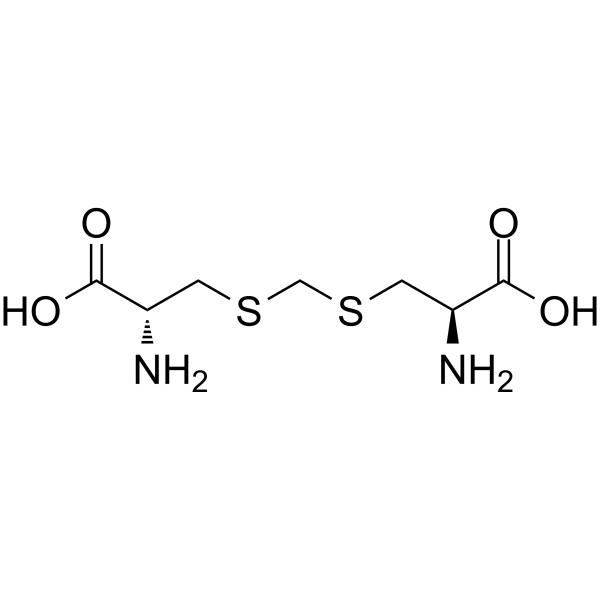
Djenkolic acid is a sulfur-containing amino acid. Djenkolic acid can be isolated from the djenkol beans of the Southeast Asian plant Archidendron jiringa. Djenkolic acid de-inhibits the SO4 2- uptake system in Pseudomonas fluorescens. Djenkolic acid causes supersaturation of the urinary system with djenkolic acid crystals, leading to urinary tract obstruction and acute kidney injury .
loading...
    loading...
2
2 Cited Publications
Cat. No.: HY-125864D
CAS No.: 9001-32-5
Research Areas:  

Cardiovascular Disease

Rabbit Fibrinogen is a native fibrinogen from rabbit plasma. Fibrinogen is a selective proteolytic molecule that can be activated by thrombin to assemble fibrin clots. Fibrinogen can regulate the activation of NF-KB in endothelial cells and upregulate the expression of inflammatory chemokines MCP-1 and MCP-1. Fibrinogen plays a key role in blood clotting, thrombosis, atherosclerosis and the pathological development of venous grafts, and can be used in the study of blood clotting and vascular diseases .
loading...
    loading...
2
2 Cited Publications
Cat. No.: HY-19655
CAS No.: 205110-48-1
Synonyms: ABT-773; Abbott-195773; A-195773
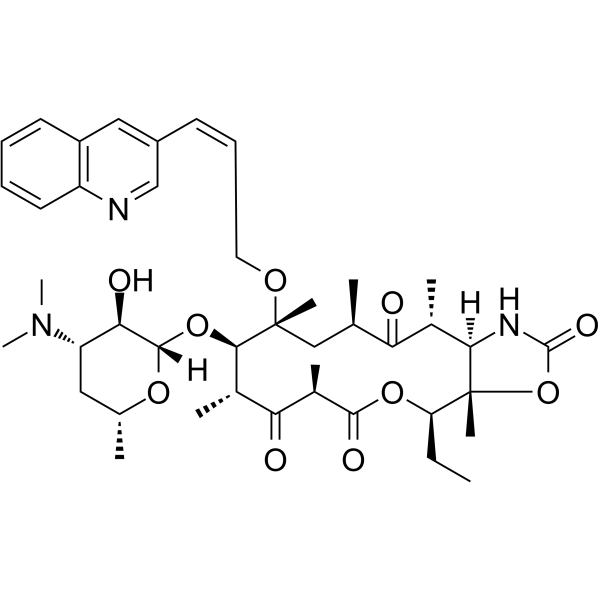
Cethromycin (ABT-773; Abbott-195773) is an orally effective ketolide antibiotic with broad-spectrum antibacterial activity. Cethromycin binds to domains II/V of the 23S rRNA of the 50S subunit, inhibiting bacterial protein synthesis. Cethromycin can accumulate in lung tissue, alveolar macrophages, epithelial lining fluid, and human polymorphonuclear leukocytes. Cethromycin exhibits potent in vitro activity against a variety of respiratory pathogens, including Mycoplasma pneumoniae. Cethromycin exhibits significant intracellular and pulmonary enrichment and anti-inflammatory effects against mycoplasma pneumonia in mouse models, improving airway obstruction and airway hyperresponsiveness. Cethromycin disrupts the apicoplast and reduces liver-stage parasite burden during the liver stage of Plasmodium berghei. Cethromycin can be used in research related to pneumonia, Staphylococcus aureus infection, gonorrhea, and malaria .
loading...
    loading...
1
1 Cited Publications
Cat. No.: HY-111603
CAS No.: 20123-80-2
Purity:  99.82%
Target:  

Apoptosis

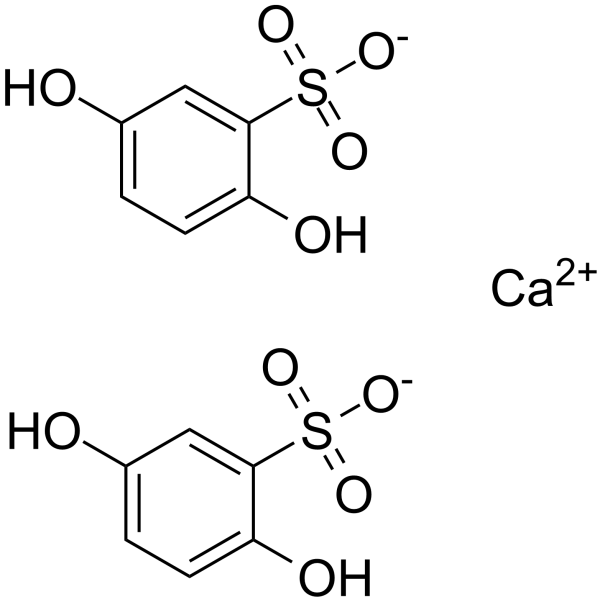
Calcium dobesilate is a vascular protector with oral activity that can clear hydroxyl free radicals, with an IC50 of 1.1 pM. Calcium dobesilate has antioxidant activity and helps to reduce oxidative stress and inflammation in the retinas of diabetic mice. Calcium dobesilate can be used to study chronic venous diseases, diabetic retinopathy, and the occurrence of hemorrhoids, among other conditions .
loading...
    loading...
1
1 Cited Publications
Cat. No.: HY-108858
CAS No.: 143831-71-4
Synonyms: rhDNase
Research Areas:  

Inflammation/Immunology

Dornase alfa (rhDNase) is a recombinant human deoxyribonuclease I (rhDNase) that can specifically degrade extracellular DNA. Dornase alfa catalyzes the cleavage of DNA released by neutrophils in respiratory mucus, reduces sputum viscosity, thereby improving mucus clearance efficiency, reducing airway obstruction and alleviating inflammatory responses. Dornase alfa can be used to improve lung function (such as FEV_1) in cystic fibrosis (CF), reduce the risk of acute pulmonary exacerbations, and has good in vivo tolerability. Dornase alfa acts locally on the respiratory tract through aerosol inhalation, specifically improving the high viscosity of mucus caused by DNA accumulation and related respiratory symptoms .
loading...
    loading...
1
1 Cited Publications
Cat. No.: HY-108011
CAS No.: 15687-37-3
Purity:  ≥99.0%
Research Areas:  

Cardiovascular Disease

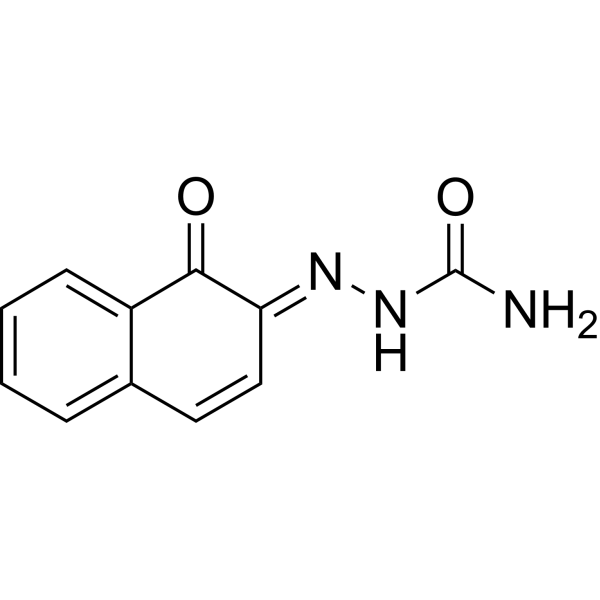
Naftazone is a naphthoquinone derivative, it can be used for the research of venous insufciency. Naftazone protects blood vessels, increases venous tonicity and capillary resistance, and improves lymphatic and venous circulation .
loading...
    loading...
1
1 Cited Publications
Cat. No.: HY-16485
CAS No.: 560130-42-9
Synonyms: TD-6424 hydrochloride
Target:  

Antibiotic Bacterial

Research Areas:  

Infection

Telavancin hydrochloride (TD-6424 hydrochloride) is a bactericidal agent that exhibits inhibitory activity against Staphylococcus aureus. Telavancin hydrochloride inhibits bacterial cell wall synthesis by binding to the lipid-linked N-acetylglucosamine-N-muramyl pentapeptide (with a D-Ala-D-Ala terminus), a peptidoglycan precursor, and blocks the transglycosylation and transpeptidation steps. Telavancin hydrochloride disrupts bacterial membrane barrier function, induces dissipation of bacterial membrane potential, and causes leakage of cytoplasmic ATP and potassium ions, with its activity restricted exclusively to bacterial membranes. Telavancin hydrochloride can be used in research on bacterial infections, central venous catheter-related bloodstream infections, and Gram-positive bacterial pneumonia .
loading...
    loading...
1
1 Cited Publications
Cat. No.: HY-113331
CAS No.: 54397-85-2
Purity:  ≥99.0%
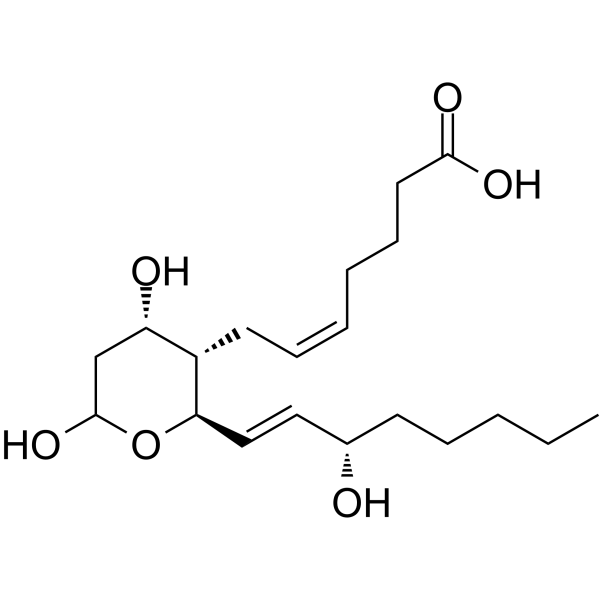
Thromboxane B2 is a prostaglandin derivative that is released during anaphylaxis. Thromboxane B2 induces arterial contraction and platelet aggregation. Thromboxane B2 is a biological inactive product and circulating catabolite of thromboxane A2. Thromboxane B2 levels in peripheral venous blood and coronary sinus blood can be used as a diagnostic marker for angina. Thromboxane B2 level in serum is also associated with inhibition of COX-1 activity inhibition in platelets. Thromboxane B2 is a major product of prostaglandin endoperoxide metabolism. Thromboxane B2 produces dose-related decreases in airflow rate, tidal volume and dynamic lung compliance, whilst simultaneously increasing pulmonary airway resistance in dog model. Thromboxane B2 appears to be a naturally occurring bronchoactive metabolite in the bioconversion of arachidonic acid .
loading...
    loading...
Cat. No.: HY-100897
CAS No.: 57821-29-1
Synonyms: Vessel due F
Target:  

Thrombin

Research Areas:  

Cardiovascular Disease

Sulodexide is a mixture of glycosaminoglycans available in soft capsule form for oral administration. It is composed of low molecular weight heparin (80%) and dermatan sulfate (20%). Sulodexide exhibits antithrombotic activity through interaction with antithrombin III (AT III) and heparin cofactor II (HC II), and inhibition of thrombin formation. Sulodexide exhibits profibrinolytic activity through release of tissue plasminogen activator (tPA). Sulodexide exhibits endothelial protective and anti-inflammatory effect, ameliorates chronic venous disease . Sulodexide is a glycosaminoglycan mixture available in soft gelatin capsule form for oral administration.
loading...
    loading...
Cat. No.: HY-159821
CAS No.: 2830607-59-3
Synonyms: CK-4021586; CK-586
Target:  

Myosin

Research Areas:  

Cardiovascular Disease

Ulacamten (CK-4021586; CK-586) is an orally active cardiac myosin inhibitor and an inhibitor of the double-headed cardiac heavy meromyosin (HMM)ATPase (excluding single-headed myosin subfragment-1), with an EC50 of 2.9 μM. Ulacamten regulates cardiac myosin, reduces excessive myocardial contractility, and alleviates left ventricular outflow tract obstruction. Ulacamten increases the left ventricular short-axis systolic internal diameter, inhibits dobutamine-induced exacerbation of obstruction, and exerts only a mild reducing effect on left ventricular systolic function. Ulacamten also inhibits the fractional shortening of the short axis without altering calcium transients. Ulacamten shows good safety and tolerability in purpose-bred cats with naturally occurring obstructive hypertrophic cardiomyopathy .
loading...
    loading...
Cat. No.: HY-153999A
Purity:  98.20%
Synonyms: BT200 sodium
Rondaptivon pegol (BT200) sodium is a pegylated aptamer targeting von Willebrand factor (VWF), with an EC50 of 33 nM in humans. Rondaptivon pegol sodium effectively alleviates acute myocardial ischemia-reperfusion injury in mice by inhibiting VWF activity, reducing microvascular obstruction, inflammatory responses and cardiomyocyte apoptosis (apoptosis). Rondaptivon pegol sodium inhibits the binding of VWF to platelet glycoprotein GPIb, thereby preventing arterial thrombosis in cynomolgus monkeys. Rondaptivon pegol sodium can be used in research related to arterial thrombosis, stroke, myocardial infarction and myocardial ischemia-reperfusion injury .
loading...
    loading...
Defibrotide sodium
0 Images
Defibrotide (sodium)
Cat. No.: HY-108746
CAS No.: 83712-60-1
Defibrotide sodium is a complex mixture of single stranded polydeoxyribonucleotides. Defibrotide sodium has liver protection, anti-inflammatory, antithrombotic, profibrinolytic, and anti-ischemic properties. Defibrotide sodium can be used for sinusoidal obstruction syndrome (SOS)/veno-occlusive disease (VOD) research .
loading...
    loading...

