



Caspase Inducer
- 1
- 2
-
L-Leucyl-L-Leucine methyl ester hydrobromide
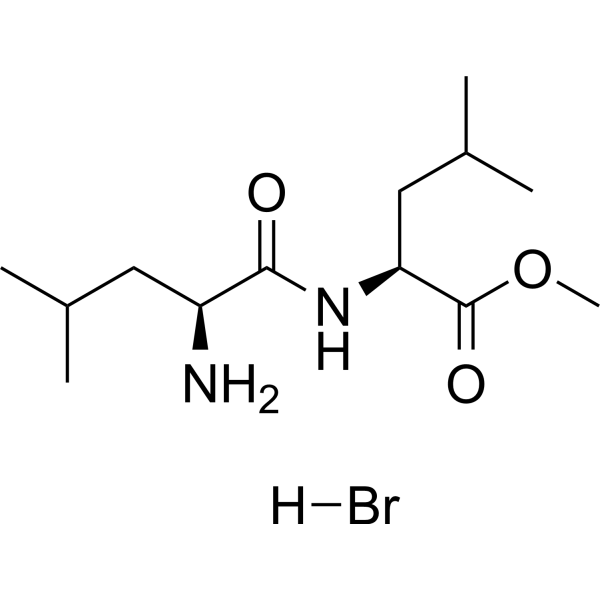 0 ImagesSynonyms: LLOMe hydrobromide; Leu-Leu methyl ester hydrobromide; H-Leu-Leu-OMe hydrobromide
L-Leucyl-L-Leucine methyl ester (LLOMe; Leu-Leu methyl ester; H-Leu-Leu-OMe) hydrobromide is a lysosomal disrupting agent and apoptosis inducer that, through receptor-mediated endocytosis and lysosomal dipeptidyl peptidase I conversion, induces caspase activation, lysosomal membrane permeabilization, and DNA fragmentation, and requires cathepsin C to exert membrane-lytic activity, thereby selectively killing natural killer cells. L-Leucyl-L-Leucine methyl ester hydrobromide can be used for research related to lysosomal function and apoptosis.
-
L-Leucyl-L-Leucine methyl ester hydrochloride
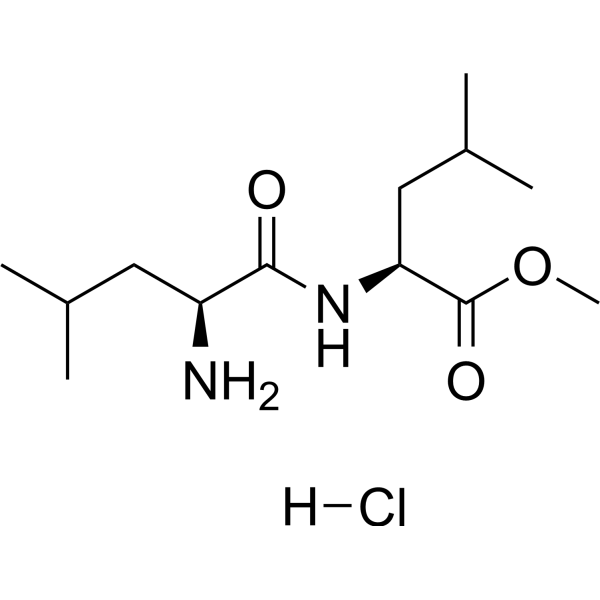 0 ImagesSynonyms: LLOMe hydrochloride; Leu-Leu methyl ester hydrochloride; H-Leu-Leu-OMe hydrochloride
L-Leucyl-L-Leucine methyl ester (LLOMe; Leu-Leu methyl ester; H-Leu-Leu-OMe) hydrochloride is a lysosomal disrupting agent and apoptosis inducer that, through receptor-mediated endocytosis and lysosomal dipeptidyl peptidase I conversion, induces caspase activation, lysosomal membrane permeabilization, and DNA fragmentation, and requires cathepsin C to exert membrane-lytic activity, thereby selectively killing natural killer cells. L-Leucyl-L-Leucine methyl ester hydrochloride can be used for research related to lysosomal function and apoptosis.
-
Lometrexol
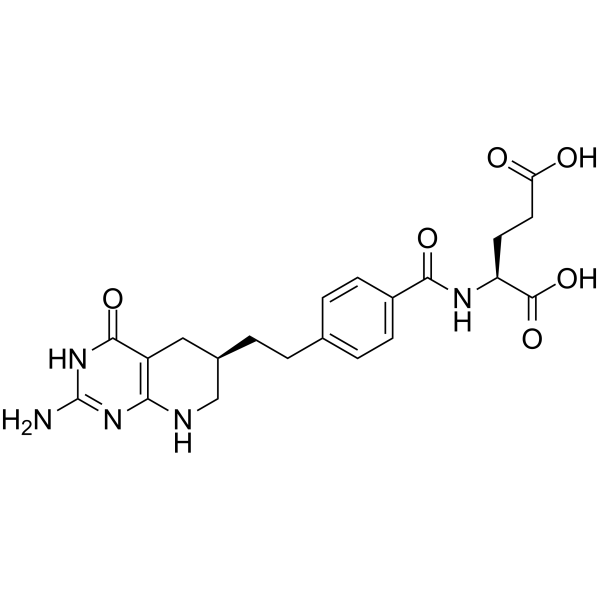 0 ImagesSynonyms: DDATHF
Lometrexol (DDATHF), an antipurine antifolate, can inhibit the activity of glycinamide ribonucleotide formyltransferase (GARFT) but do not induce detectable levels of DNA strand breaks. Lometrexol can further inhibit de novo purine synthesis, causing abnormal cell proliferation and apoptosis, even cell cycle arrest. Lometrexol has anticancer activity. Lometrexol also is a potent human Serine hydroxymethyltransferase1/2 (hSHMT1/2) inhibitor.
-
Coenzyme Q0
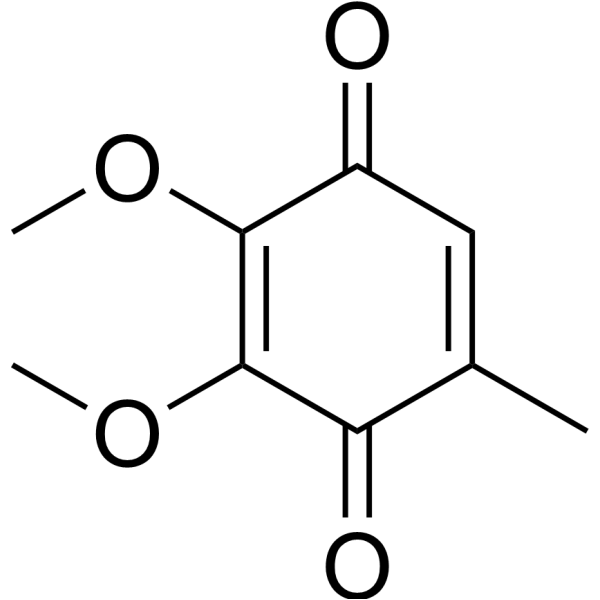 0 ImagesSynonyms: CoQ0
Coenzyme Q0 (CoQ0) is a potent, oral active ubiquinone compound can be derived from Antrodia cinnamomea. Coenzyme Q0 induces apoptosis and autophagy, suppresses of HER-2/AKT/mTOR signaling to potentiate the apoptosis and autophagy mechanisms. Coenzyme Q0 regulates NFκB/AP-1 activation and enhances Nrf2 stabilization in attenuation of inflammation and redox imbalance. Coenzyme Q0 has anti-angiogenic activity through downregulation of MMP-9/NF-κB and upregulation of HO-1 signaling.
-
Lobaplatin
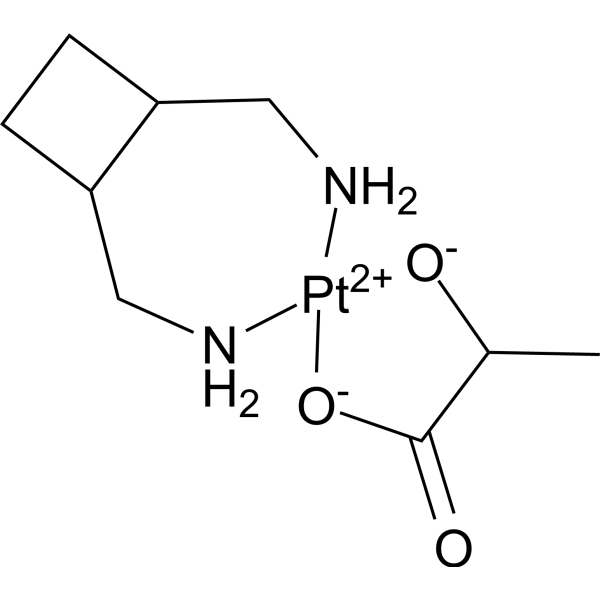 0 ImagesSynonyms: D-19466
-
Guaiazulene
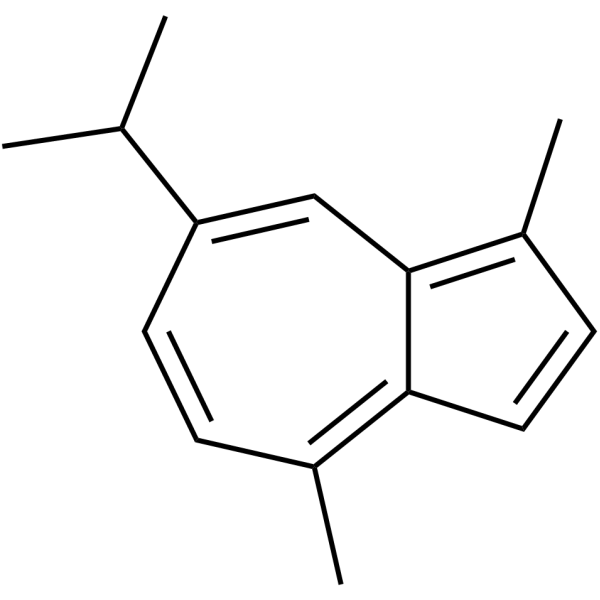 0 Images
Guaiazulene is a bicyclic sesquiterpene. Guaiazulene exhibits various biological activities such as anti-inflammatory, antioxidant, hepatoprotective, antibacterial, and anti-tumor properties. Guaiazulene is also commonly used as a colorant in cosmetics. Guaiazulene shows in vitro cytotoxicity to rat neuronal cells and N2a neuroblastoma cells at high concentrations.
-
Gossypin
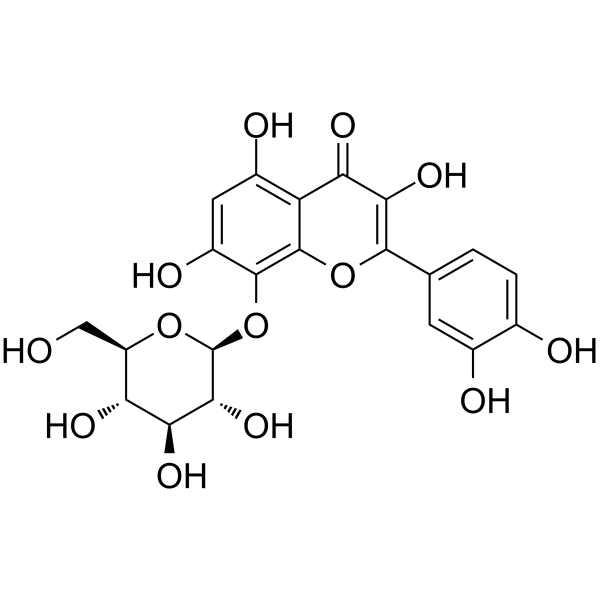 0 Images
Gossypin is an orally active flavone isolated from Hibiscus vitifolius. Gossypin has antioxidant, antiinflammatory, anticancer, anticataract, antidiabetic, and hepatoprotective activities. Gossypin inhibits NF-κB and NF-κB-regulated gene expression. Gossypin inhibits AURKA and RSK2. Gossypin inhibits invasion and induces apoptosis. Gossypin can be used for gastric cancer study.
-
Epifriedelanol
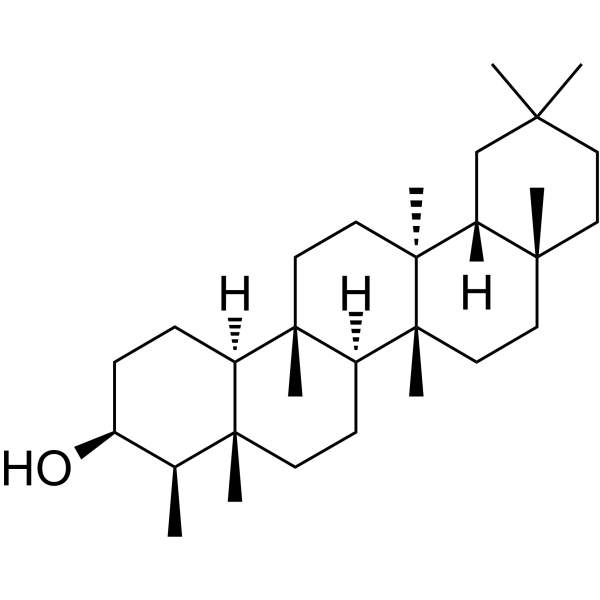 0 Images
Epifriedelanol is a triterpenoid found in the root bark of Ulmus davidiana. Epifriedelanol induces apoptosis in DU145 cells. Epifriedelanol has antitumor and anti-inflammatory activities. Epifriedelanol inhibits cellular senescence in human primary cells.
-
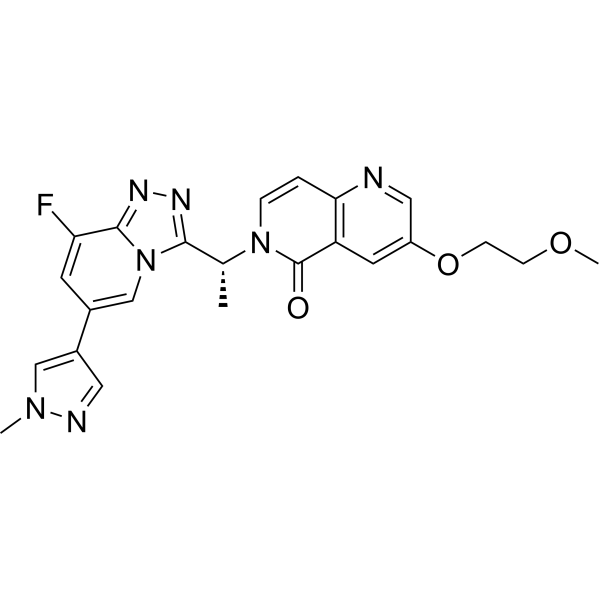
AMG-337
 0 Images
AMG-337 is a potent, orally active, selective MET kinase inhibitor with IC50 values of 1, 1, 4.7, 5, 21.5, 1077 and >4000 nM of WT MET, H1094R MET, M1250T MET, HGF-stimulated pMET (PC3 cells) MET, V1092I MET, Y1230H MET, and D1228H MET, respectively. AMG 337 inhibits the phosphorylation of MET and downstream effectors in MET-amplified cancer cell lines, resulting in an inhibition of MET-dependent cell proliferation and induction of apoptosis.
-
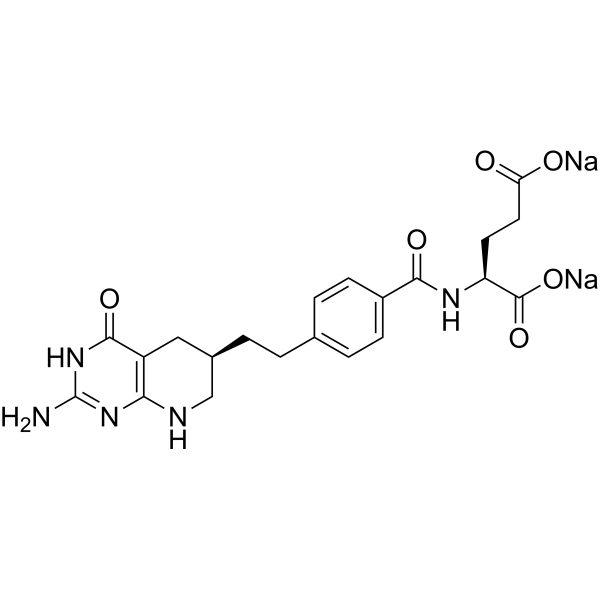
Lometrexol disodium
 0 ImagesSynonyms: DDATHF disodium
Lometrexol (DDATHF) disodium, an antipurine antifolate, can inhibit the activity of glycinamide ribonucleotide formyltransferase (GARFT) but do not induce detectable levels of DNA strand breaks. Lometrexol disodium can further inhibit de novo purine synthesis, causing abnormal cell proliferation and apoptosis, even cell cycle arrest. Lometrexol disodium has anticancer activity. Lometrexol disodium also is a potent human Serine hydroxymethyltransferase1/2 (hSHMT1/2) inhibitor.
-
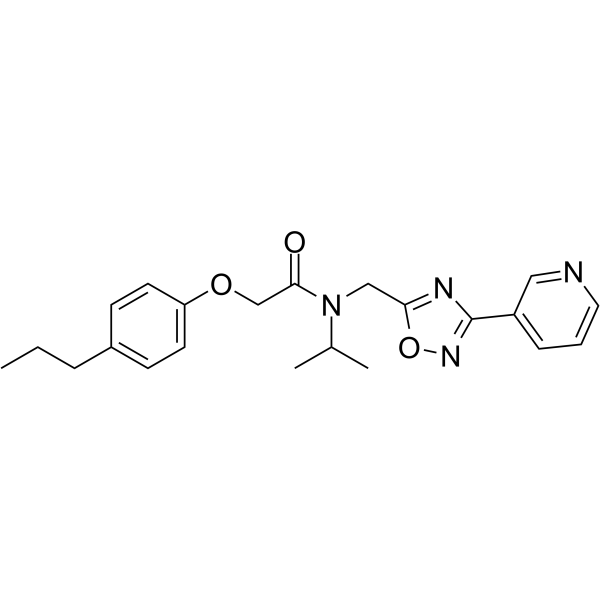
PI-1840
 0 Images
PI-1840 is a potent and selective chymotrypsin-like (CT-L) inhibitor for with an IC50 value of 27 nM. PI-1840 inhibits cell proliferation and arrest cell cycle at G2/M phase. PI-1840 induces apoptosis and induces autophagy. PI-1840 induces the accumulation of proteasome substrates p27, Bax, and IκB-α.
-
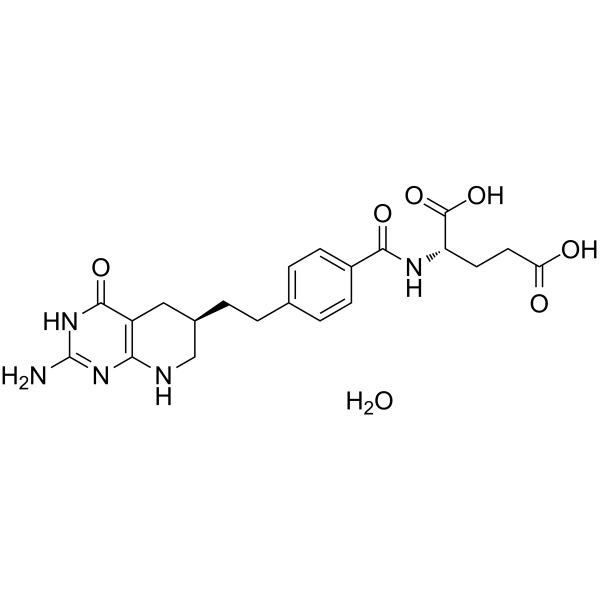
Lometrexol hydrate
 0 ImagesSynonyms: DDATHF hydrate
Lometrexol (DDATHF) hydrate, an antipurine antifolate, can inhibit the activity of glycinamide ribonucleotide formyltransferase (GARFT) but do not induce detectable levels of DNA strand breaks. Lometrexol hydrate can further inhibit de novo purine synthesis, causing abnormal cell proliferation and apoptosis, even cell cycle arrest. Lometrexol hydrate has anticancer activity. Lometrexol hydrate also is a potent human Serine hydroxymethyltransferase1/2 (hSHMT1/2) inhibitor.
-
L-Leucyl-L-Leucine methyl ester hydrochloride (Standard)
 0 ImagesCat. No.: HY-129905RCAS No.: 6491-83-4Synonyms: LLOMe hydrochloride (Standard); Leu-Leu methyl ester hydrochloride (Standard); H-Leu-Leu-OMe hydrochloride (Standard)
L-Leucyl-L-Leucine methyl ester hydrochloride (Standard) (LLOMe hydrochloride (Standard); Leu-Leu methyl ester hydrochloride (Standard); H-Leu-Leu-OMe hydrochloride (Standard)) is the analytical standard of L-Leucyl-L-Leucine methyl ester hydrochloride (HY-129905). This product is intended for research and analytical applications. L-Leucyl-L-Leucine methyl ester (LLOMe; Leu-Leu methyl ester; H-Leu-Leu-OMe) hydrochloride is a lysosomal disrupting agent and apoptosis inducer that, through receptor-mediated endocytosis and lysosomal dipeptidyl peptidase I conversion, induces caspase activation, lysosomal membrane permeabilization, and DNA fragmentation, and requires cathepsin C to exert membrane-lytic activity, thereby selectively killing natural killer cells. L-Leucyl-L-Leucine methyl ester hydrochloride can be used for research related to lysosomal function and apoptosis.
-
L-Leucyl-L-Leucine methyl ester hydrobromide (Standard)
 0 ImagesCat. No.: HY-129905ARCAS No.: 16689-14-8Synonyms: LLOMe hydrobromide (Standard); Leu-Leu methyl ester hydrobromide (Standard); H-Leu-Leu-OMe hydrobromide (Standard)
L-Leucyl-L-Leucine methyl ester hydrobromide (Standard) (LLOMe hydrobromide (Standard); Leu-Leu methyl ester hydrobromide (Standard); H-Leu-Leu-OMe hydrobromide (Standard)) is the analytical standard of L-Leucyl-L-Leucine methyl ester hydrobromide (HY-129905A). This product is intended for research and analytical applications. L-Leucyl-L-Leucine methyl ester (LLOMe; Leu-Leu methyl ester; H-Leu-Leu-OMe) hydrobromide is a lysosomal disrupting agent and apoptosis inducer that, through receptor-mediated endocytosis and lysosomal dipeptidyl peptidase I conversion, induces caspase activation, lysosomal membrane permeabilization, and DNA fragmentation, and requires cathepsin C to exert membrane-lytic activity, thereby selectively killing natural killer cells. L-Leucyl-L-Leucine methyl ester hydrobromide can be used for research related to lysosomal function and apoptosis.
-
Anticancer agent 137
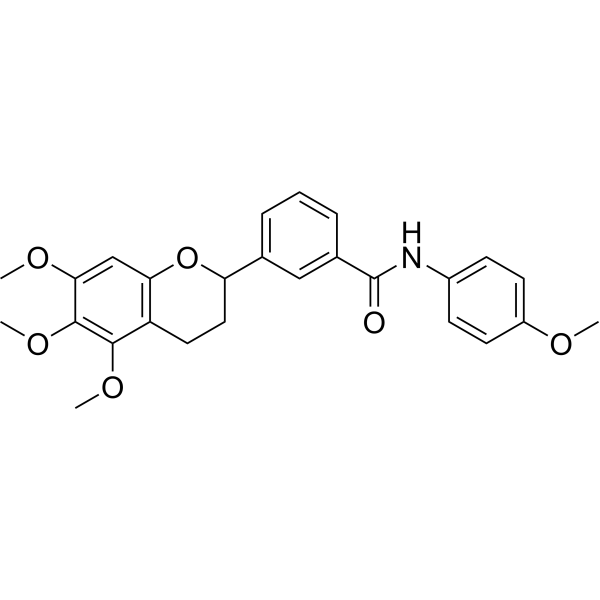 0 ImagesCat. No.: HY-155570
Anticancer agent 137 (8q) is a potent PI3k inhibitor. Anticancer agent 137 has broad-spectrum anticancer activity. Anticancer agent 137 induces G2/M cell cycle arrest and apoptosis. Anticancer agent 137 increases cleaved PARP, caspase 3, and 7. Anticancer agent 137 can be used in research of cancer.
-
TCF4/β-catenin-IN-1
 0 ImagesCat. No.: HY-172393
TCF4/β-catenin-IN-1 (Compound 8b) is an inhibitor of TCF4/β-catenin, and induces apoptosis. TCF4/β-catenin-IN-1 up-regulates p53, caspase-3, caspase-8, caspase-9 levels and Bax protein expression as well as down-regulates Bcl-2 protein expression. TCF4/β-catenin-IN-1 can inhibit CYP3A4, CYP1A2, CYP2C19, and shows promising cytotoxic activity in cancer cells.
-
Euptox A
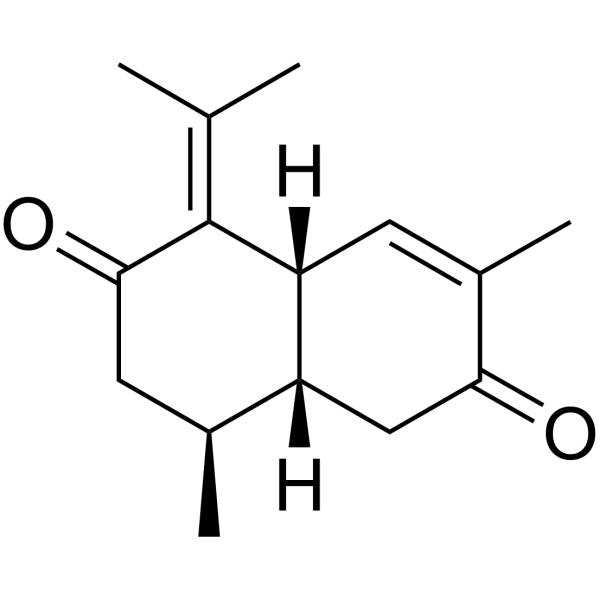 0 ImagesCat. No.: HY-N2802CAS No.: 79491-71-7Synonyms: 9-Oxo-10,11-dehydroageraphorone
Euptox A (9-Oxo-10, 11-dehydroageraphorone), a cadenine sesquiterpene, is the main toxin that can be isolated from Eupatorium adenophorum. Euptox A induces apoptosis by improving the gene expression level of apoptotic proteases such as caspase-10 in HeLa cells.
-
NL13
 0 ImagesCat. No.: HY-162895
NL13 is a Polo-like kinase 4 (PLK4) inhibitor with an IC50 value of 2.32 μM. NL13 can inhibit the viability of PC3 and DU145 prostate cancer cells, with IC50 values of 3.51 μM and 2.53 μM, respectively. NL13 can lead to the inactivation of the AKT signaling pathway by downregulating CCNB1/CDK1, inducing G2/M cell cycle arrest, and triggering apoptosis through the cleavage of caspase-9/caspase-3. In prostate cancer mice, NL13 can inhibit tumor growth.
-
Gossypin (Standard)
 0 ImagesCat. No.: HY-125911RCAS No.: 652-78-8
Gossypin (Standard) is the analytical standard of Gossypin. This product is intended for research and analytical applications. Gossypin is an orally active flavone isolated from Hibiscus vitifolius. Gossypin has antioxidant, antiinflammatory, anticancer, anticataract, antidiabetic, and hepatoprotective activities. Gossypin inhibits NF-κB and NF-κB-regulated gene expression. Gossypin inhibits AURKA and RSK2. Gossypin inhibits invasion and induces apoptosis. Gossypin can be used for gastric cancer study.
-
BYBC-1
 0 ImagesCat. No.: HY-181284CAS No.: 2563902-57-6
BYBC‑1 is a selective G4‑RNA‑targeting ligand with high affinity forKRAS and NRAS G4‑RNAs (Kd = 0.05-0.28 μM). BYBC‑1 stabilizes G4‑RNA structures in KRAS and NRAS mRNA, blocks thePI3K/AKT and MAPK/ERK pathways, activates the DNA damage response (DDR), suppresses energy metabolism, and induces S‑phase arrest and apoptosis. BYBC‑1 exhibits high selectivity over non‑malignant fibroblasts and significantly inhibits the growth of HCT‑116 xenograft tumors in vivo. BYBC‑1 can be used for the study of colorectal cancer.
- 1
- 2



