



Oleuropein Aglycone
Based on 1 publication(s) in Google Scholar
Oleuropein Aglycone (3,4-DHPEA-EA) is a secoiridoid that exerts antioxidant, anti-inflammatory, and anti-apoptotic effects by promoting ERK/AMPK/eNOS phosphorylation and inhibiting JNK/p38 MAPK and inflammation-related signaling pathways. Oleuropein Aglycone is used in research on acute kidney injury induced by ischemia-reperfusion injury, pleurisy, osteoporosis, Alzheimer's disease, neurodegenerative diseases, and triple-negative breast cancer.
For research use only. We do not sell to patients.
- Purity : 98.46%
- CAS No.: 31773-95-2
- Formula: C19H22O8
- Molecular Weight:378.37
-
Storage:
-20°C, sealed storage, away from moisture
* In solvent : -80°C, 6 months; -20°C, 1 month (sealed storage, away from moisture)


To place orders, for customer services and technical support, please contact: MedChemExpress USA
Tel: 609-228-6898 E-mail: [email protected] [email protected]


-
 Biological Activity
-
Chemical Information
-
Solvent & Solubility
- Protocols
- Purity & Documentation
- References
-
 Help & FAQs


-
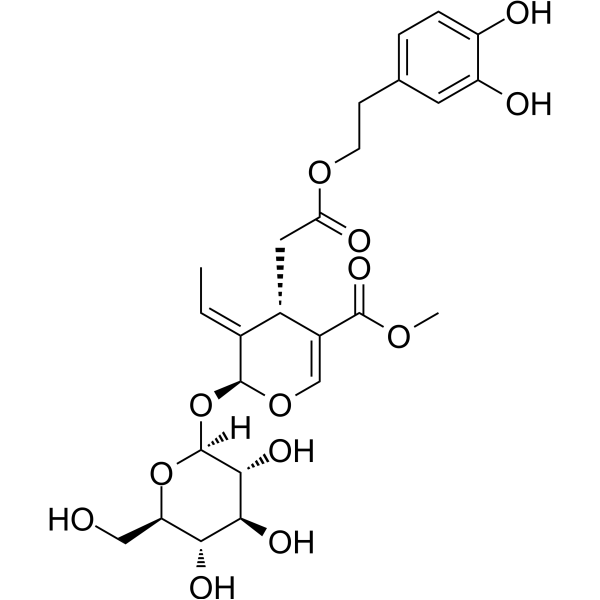
HY-N0292
OleuropeinApoptosis Inducer -

HY-P4146
SurvodutideGCGR/GLP-1R Agonist -
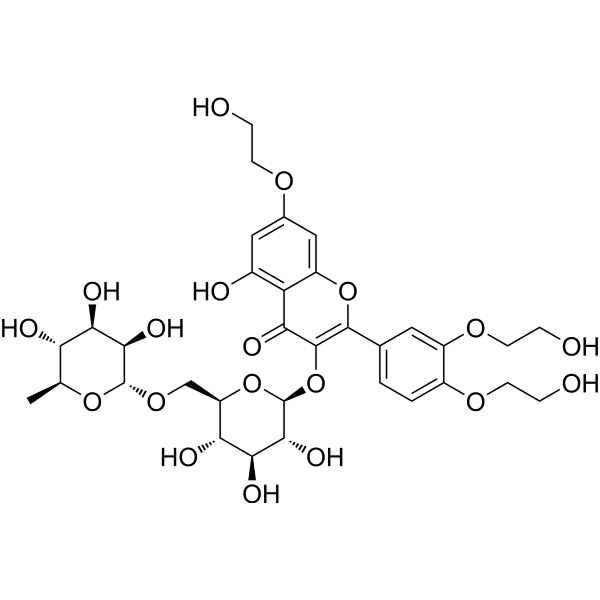
HY-N0139
TroxerutinNOD-like Receptor (NLR) Inhibitor -
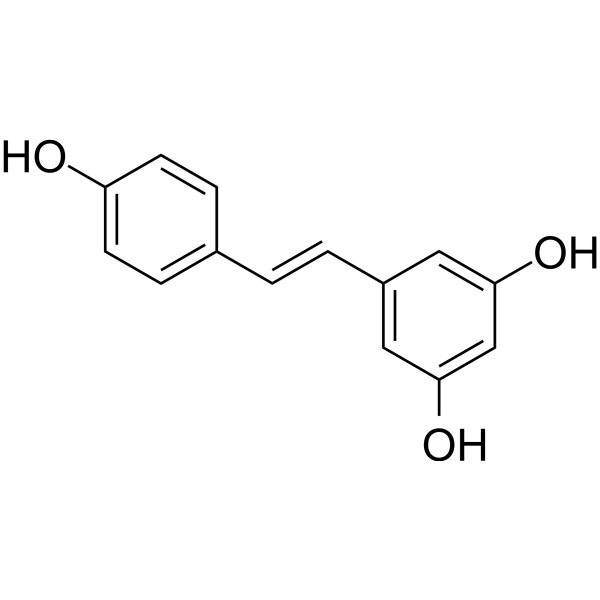
HY-16561
ResveratrolPolyphenolic Phytoalexin -
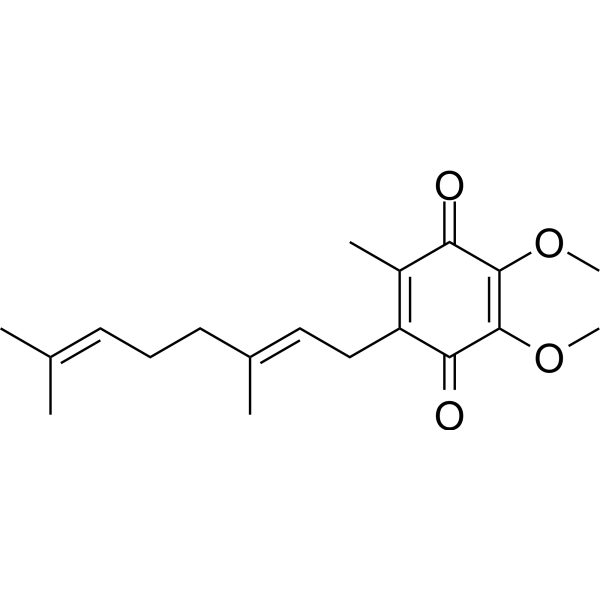
HY-118075
Coenzyme Q2Apoptosis Inducer -
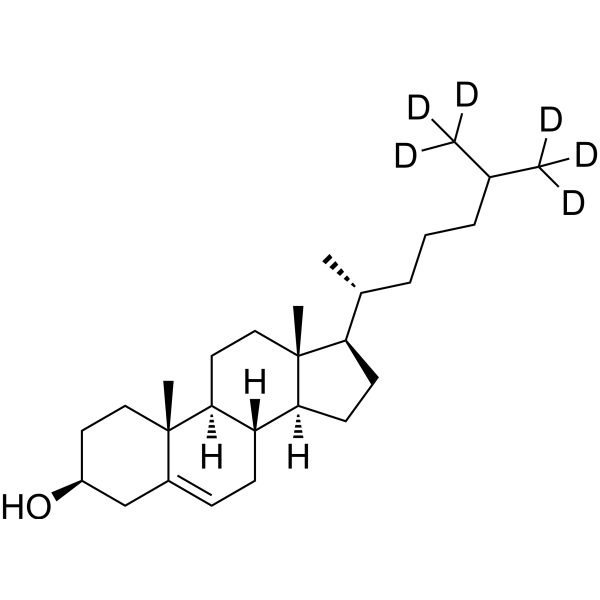
HY-N0322S1
Cholesterol-d6Stable Isotope -
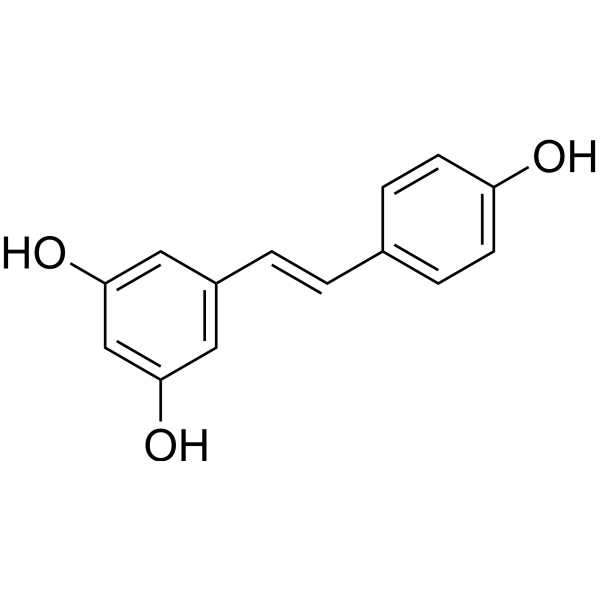
HY-16561R
Resveratrol (Standard) -
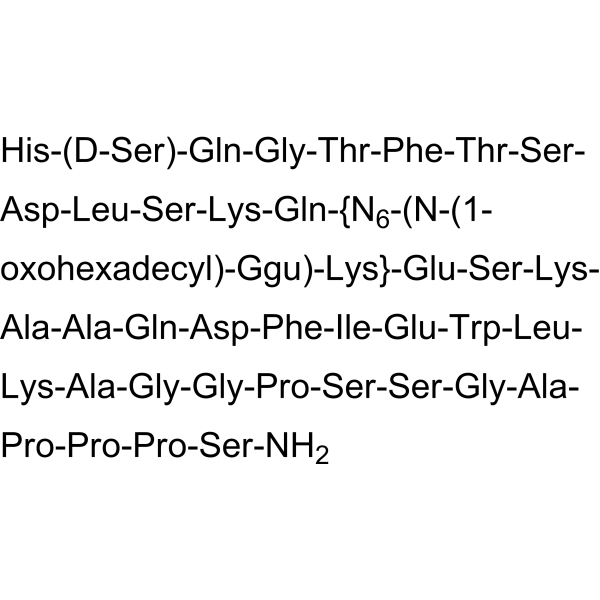
HY-P10018
BamadutideGLP-1R/GCGR Agonist -

HY-12294B
(Rac)-PEAQXNMDA Receptor Antagonist -
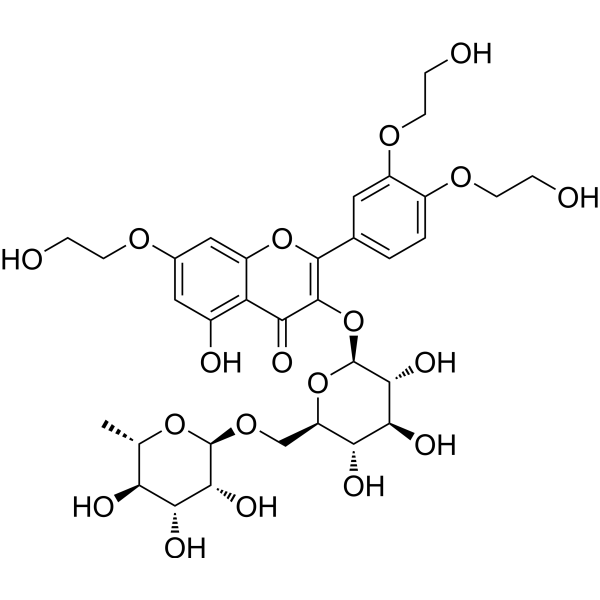
HY-N0139R
Troxerutin (Standard) -

HY-16561G
Resveratrol (GMP)Polyphenolic Phytoalexin -

HY-124920
MethiocarbInsecticide
Publications Citing Use of MedChemExpress (MCE) Oleuropein Aglycone
MoreAll AMPK Isoforms
More

Biological Activity
Description
In Vitro
Oleuropein aglycone (1:0-1:10; 6-48 h) reduces the length and number of S100A9 amyloid fibrils and protein oligomerization in a concentration-dependent manner[4].
Oleuropein aglycone (137 μM) depolymerizes preformed S100A9 fibrils and converts them into non-fibrillar aggregates[4].
Oleuropein aglycone inhibits the development of S100A9 amyloid and reduces the β-sheet content in preformed fibrils[4].
Oleuropein aglycone interacts with both native and amyloid S100A9, with apparent dissociation constants of 0.5 and 200 μM[4].
Oleuropein aglycone (1:2; 1-48 h) depolymerizes preformed S100A9 fibrils into non-fibrillar aggregates that are no longer toxic[4].
Oleuropein aglycone (1:1-1:10; 10-60 min) attenuates the S100A9 amyloid-induced increase in intracellular free Ca2+ levels in SH-SY5Y cells, returning to baseline levels at S100A9 to OleA molar ratios of 1:5 and 1:10[4].
Oleuropein aglycone (1:1-1:10; 24 h) targets S100A9 amyloid on the cell membrane and reduces its accumulation in GM1-containing membrane rafts[4].
Oleuropein Aglycone (compound 4) (10 μM) exhibits peroxyl radical scavenging capacity, with an ORACFL value of 60.1 μM[10].
Oleuropein Aglycone (100 μM; 24 h) significantly reduces H2O2-induced intracellular ROS generation in HeLa cells[10].
Oleuropein Aglycone (IC50; 24 h) significantly increases γH2A.X levels in MDA-MB-231 cells to approximately 165% of the control, exhibiting the greatest effect among the tested olive oil phenolics[9].
MedChemExpress (MCE) has not independently confirmed the accuracy of these methods. They are for reference only.
-
Cell Line:Human bone marrow mesenchymal stromal cells (BMSCs)
-
Concentration:5, 10, 25, 50, 100 μM; 5 μM (selected for further experiments)
-
Incubation Time:24 h
-
Result:Determined the concentration of oleuropein aglycone that would ensure at least 85% cell viability to be 5 μM.
-
Cell Line:Human bone marrow mesenchymal stromal cells (BMSCs)
-
Concentration:5 μM
-
Incubation Time:14 days
-
Result:Induced a more modest reduction in intracellular lipid droplet accumulation.
Showed a reduction in the percentage of stained area in OA-treated ADMSCs compared to untreated ADMSCs.
-
Cell Line:SH-SY5Y cells
-
Concentration:S100A9 to OleA molar ratio of 1:2
-
Incubation Time:1 to 48 h
-
Result:A decrease of the cytotoxic effect of the preformed S100A9 amyloids was observed when they were treated with OleA.
-
Cell Line:SH-SY5Y
-
Concentration:0.5, 1, 10, 100 μM
-
Incubation Time:24 h
-
Result:At a concentration of 0.1 μM, the percentage of control cell growth was almost 100%.
-
Cell Line:Young HUVECs, Replicative Senescent HUVECs (RS-HUVECs), THP-1 monocytic cells, and primary human small airway epithelial cells (hSAECs)
-
Concentration:5, 10, 25, 50, 100 μM (0.36-36 µg/mL)
-
Incubation Time:24 h
-
Result:Maintained at least 85% cell viability at concentrations up to 5 µM.
-
Cell Line:Young HUVECs
-
Concentration:5 µM
-
Incubation Time:2 h (pre-treatment); 3 h (LPS stimulation)
-
Result:Inhibited IL-1β and IL-8 mRNA expression.
Exerted a significant reduction in IL-6 secretion.
-
Cell Line:THP-1 monocytic cells
-
Concentration:5 µM
-
Incubation Time:2 h (pre-treatment); 3 h (LPS stimulation)
-
Result:Significantly reduced TNF-α and IL-8 mRNA expression.
Significantly reduced the production of IL-6 evaluated in cell lysates.
-
Cell Line:Replicative senescent HUVECs (RS-HUVECs)
-
Concentration:5 µM
-
Incubation Time:24 h
-
Result:Significantly reduced the mRNA expression of IL-1β, TNF-α, ICAM-1, and VCAM.
Efficiently reduced IL-6 release in the conditioned medium.
Observed a slight, but not significant, increase in SOD2 expression.
-
Cell Line:Human small airway epithelial cells (hSAECs)
-
Concentration:5 µM
-
Incubation Time:2 h (pre-treatment); 24 h (Poly(I:C) treatment)
-
Result:Significantly lowered IL-1β and SOD2 mRNA expression.
Significantly reduced IL-6 release.
Significantly downregulated P-NF-kB protein expression.
Significantly reduced ACE2 mRNA and downregulated ACE2 protein level.
Did not affect TMPRSS2 protein expression.
In Vivo
Oleuropein aglycone (12.5 mg/kg; i.p.; three times per week; until day 35) reduces endpoint tumor burden by 22.0% in a TNBC xenograft mouse model [9].
Oleuropein aglycone (6.25 mg/kg; i.p.; three times per week; until day 35) and 2.5 mg/kg OLC retain antitumor activity, reducing endpoint tumor burden by 23.7% in a TNBC xenograft mouse model[9].
MedChemExpress (MCE) has not independently confirmed the accuracy of these methods. They are for reference only.
-
Animal Model:CD mice (male, 20-25 g)[2]
-
Dosage:100 μM/kg; 40 μM/kg
-
Administration:i.p.; 30 min after carrageenan challenge
-
Result:Reduced the degree of lung injury.
Attenuated neutrophil infiltration into the lung tissue.
No positive staining for ICAM-1 or P-selectin was observed in the lungs.
Attenuated the release of TNF-α and IL-1β in pleural exudates.
Significantly reduced NO exudate levels.
No positive staining for nitrotyrosine was found in the lungs.
Significantly attenuated lipid peroxidation in the lungs.
Reduced the degree of PARP activation.
-
Animal Model:CB17-SCID (cr-Prkdcscid/scid/Rj) mice[9]
-
Dosage:12.5 mg/kg
-
Administration:i.p.; three times per week; until Day 35
-
Result:Reduced endpoint tumor weight to 0.23 g, corresponding to a 22.0% decrease compared with the vehicle control group.
-
Animal Model:CB17-SCID (cr-Prkdcscid/scid/Rj) mice[9]
-
Dosage:6.25 mg/kg
-
Administration:i.p.; three times per week; until Day 35
-
Result:Decreased endpoint tumor weight to 0.225 g, corresponding to a 23.7% reduction compared with the vehicle control group.


Chemical Information
-
CAS No. 31773-95-2
-
Appearance Oil
-
Molecular Weight 378.37
-
Formula C19H22O8
-
Color Off-white to light yellow
-
SMILES
O=C(OCCC1=CC=C(O)C(O)=C1)C[C@H]2/C([C@H](O)OC=C2C(OC)=O)=C\C
-
Synonyms
3,4-DHPEA-EA
-
Shipping
Room temperature in continental US; may vary elsewhere.
-
Storage
-20°C, sealed storage, away from moisture
* In solvent : -80°C, 6 months; -20°C, 1 month (sealed storage, away from moisture)


Publications (1)
-
Journal Impact Factor
-
Most Recent


Solvent & Solubility
In Vitro:
DMSO : 50 mg/mL (132.15 mM; Need ultrasonic; Hygroscopic DMSO has a significant impact on the solubility of product, please use newly opened DMSO)
Please refer to the solubility information to select the appropriate solvent. Once prepared, please aliquot and store the solution to prevent product inactivation from repeated freeze-thaw cycles.
Storage method and period of stock solution: -80°C, 6 months; -20°C, 1 month (sealed storage, away from moisture). When stored at -80°C, please use it within 6 months. When stored at -20°C, please use it within 1 month.
Concentration (start) × Volume (start) = Concentration (final) × Volume (final)


Purity & Documentation
-
Data Sheet (297 KB)
-
SDS (394 KB)
- English - EN (394 KB)
- Français - FR (394 KB)
- Deutsch - DE (394 KB)
- Norwegian - NO (394 KB)
- Español - ES (394 KB)
- Swedish - SV (394 KB)
- Italian - IT (394 KB)
- Korean - KR (394 KB)
- Portuguese - PT (394 KB)
-
Handling Instructions (2659 KB)
References


Complete Stock Solution Preparation Table
Please refer to the solubility information to select the appropriate solvent. Once prepared, please aliquot and store the solution to prevent product inactivation from repeated freeze-thaw cycles.
Storage method and period of stock solution: -80°C, 6 months; -20°C, 1 month (sealed storage, away from moisture). When stored at -80°C, please use it within 6 months. When stored at -20°C, please use it within 1 month.
| Optional Solvent | Concentration Solvent Mass | 1 mg | 5 mg | 10 mg | 25 mg |
|---|---|---|---|---|---|
| DMSO | 1 mM | 2.6429 mL | 13.2146 mL | 26.4292 mL | 66.0729 mL |
| 5 mM | 0.5286 mL | 2.6429 mL | 5.2858 mL | 13.2146 mL | |
| 10 mM | 0.2643 mL | 1.3215 mL | 2.6429 mL | 6.6073 mL | |
| 15 mM | 0.1762 mL | 0.8810 mL | 1.7619 mL | 4.4049 mL | |
| 20 mM | 0.1321 mL | 0.6607 mL | 1.3215 mL | 3.3036 mL | |
| 25 mM | 0.1057 mL | 0.5286 mL | 1.0572 mL | 2.6429 mL | |
| 30 mM | 0.0881 mL | 0.4405 mL | 0.8810 mL | 2.2024 mL | |
| 40 mM | 0.0661 mL | 0.3304 mL | 0.6607 mL | 1.6518 mL | |
| 50 mM | 0.0529 mL | 0.2643 mL | 0.5286 mL | 1.3215 mL | |
| 60 mM | 0.0440 mL | 0.2202 mL | 0.4405 mL | 1.1012 mL | |
| 80 mM | 0.0330 mL | 0.1652 mL | 0.3304 mL | 0.8259 mL | |
| 100 mM | 0.0264 mL | 0.1321 mL | 0.2643 mL | 0.6607 mL |


Oleuropein Aglycone Related Classifications
HY-135115 Related Classifications
 Powered by Bioz