



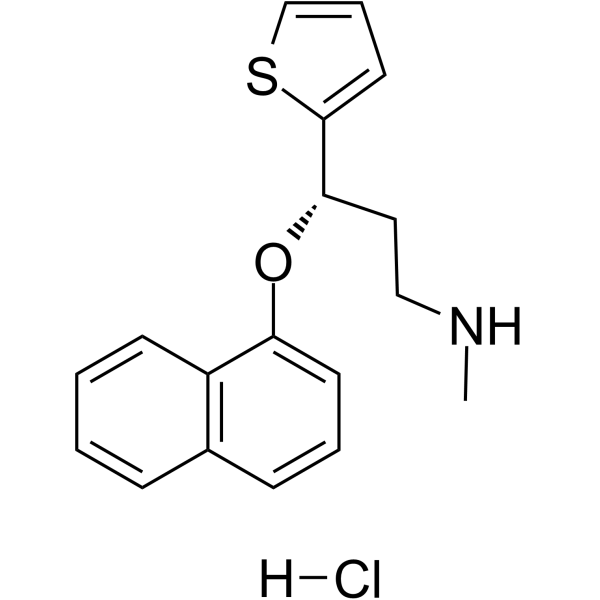
(R)-Duloxetine hydrochloride
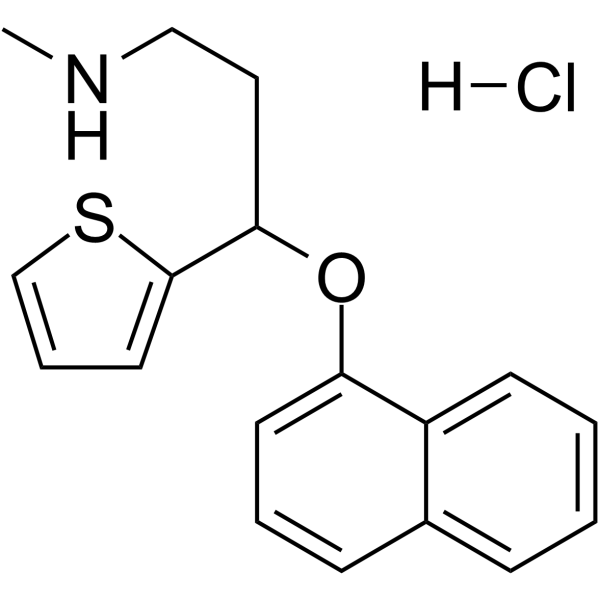
(R)-Duloxetine hydrochloride ((R)-LY248686 hydrochloride) is a neuronal voltage-gated sodium channel blocker with analgesic activity. (R)-Duloxetine hydrochloride blocks Na+ currents with higher affinity for the inactivated state than for the resting state. (R)-Duloxetine hydrochloride alleviates postoperative mechanical allodynia and hyperalgesia. (R)-Duloxetine hydrochloride exerts its effects through a local peripheral mechanism of action. (R)-Duloxetine hydrochloride can be used for research on postoperative (post-incisional) pain.
For research use only. We do not sell to patients.
- CAS No.: 910138-96-4
- Formula: C18H20ClNOS
- Molecular Weight:333.88
-
Storage:
Please store the product under the recommended conditions in the Certificate of Analysis.


To place orders, for customer services and technical support, please contact: MedChemExpress USA
Tel: 609-228-6898 E-mail: [email protected] [email protected]


-
 Biological Activity
-
Chemical Information
- Purity & Documentation
- References
-
 Help & FAQs


-
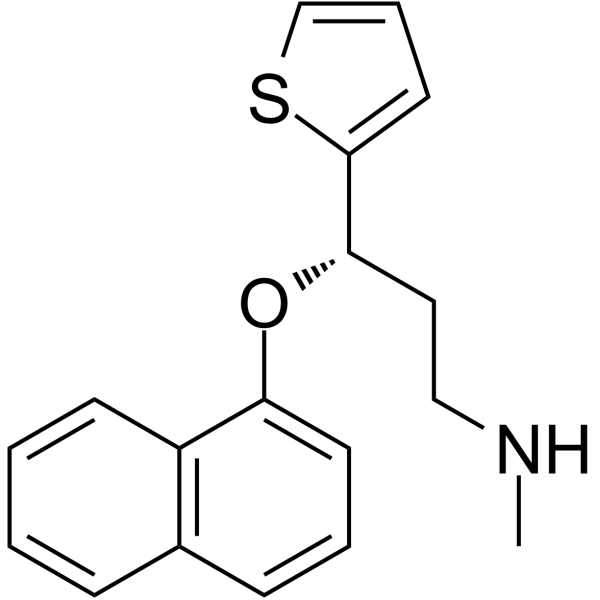
HY-B0161
DuloxetineSerotonin-norepinephrine Reuptake Inhibitor -
HY-B0161A
Duloxetine hydrochlorideSerotonin-norepinephrine Reuptake Inhibitor -
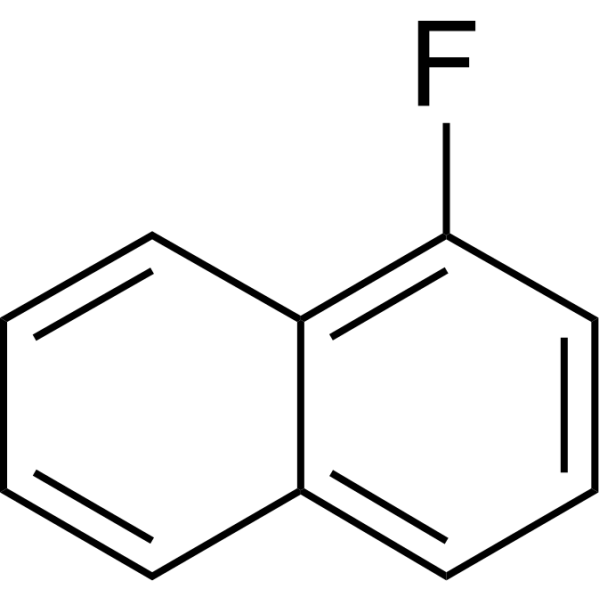
HY-32126
1-FluoronaphthaleneOrganofluorine Compound -

HY-32126R
1-Fluoronaphthalene (Standard)Organofluorine Compound -
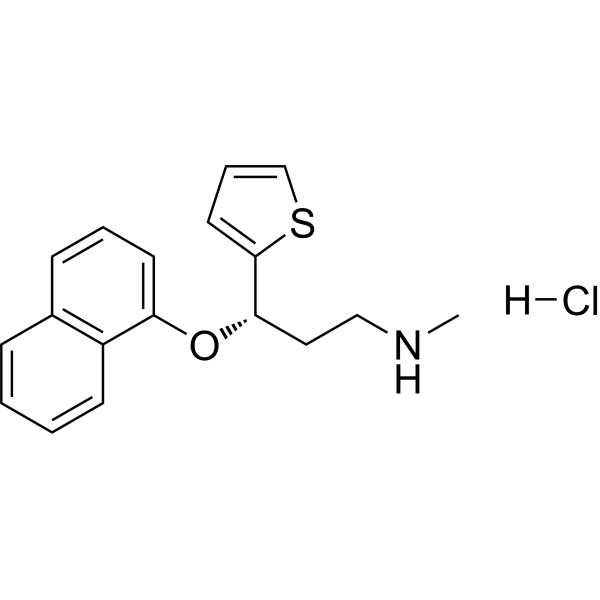
HY-B0161AR
Duloxetine hydrochloride (Standard)Serotonin-norepinephrine Reuptake Inhibitor -
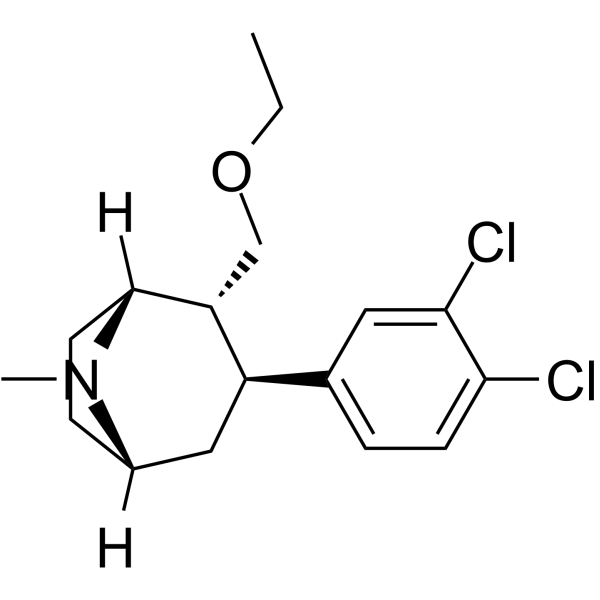
HY-14472
TesofensineDA/NE/5-HT Inhibitor -
HY-B0161E
(±)-Duloxetine hydrochlorideSerotonin Transporter Inhibitor -

HY-14472R
Tesofensine (Standard)DA/NE/5-HT Inhibitor


Biological Activity
Description
In Vitro
MedChemExpress (MCE) has not independently confirmed the accuracy of these methods. They are for reference only.
In Vivo
MedChemExpress (MCE) has not independently confirmed the accuracy of these methods. They are for reference only.
-
Animal Model:Sprague-Dawley (male; weight 250-300 g; skin incision plus extension model on dorsothoracic skin)[1]
-
Dosage:2 mg (ipsilateral s.c.); 10 mg (i.p.); 10 mg (contralateral s.c.)
-
Administration:s.c. (ipsilateral to incision; single injection; 1 hour prior to surgery); i.p. (single injection; 1 hour prior to surgery); s.c. (contralateral to incision; single injection; 1 hour prior to surgery)
-
Result:Reduced 4 g von Frey allodynia 5-day AUC to 11% of control at 0.5 cm, 27% of control at 1.0 cm, 41% of control at 2.0 cm, and 46% of control at the contralateral site following 2 mg ipsilateral subcutaneous administration.
Reduced 15 g von Frey hyperalgesia 5-day AUC to 1% of control at 0.5 cm, 11% of control at 1.0 cm, and 65% of control at the contralateral site following 2 mg ipsilateral subcutaneous administration.
Produced analgesic effects on allodynia from time 0 through 5 days at all ipsilateral sites, with contralateral allodynia relief lasting 1 day post-injection after 2 mg ipsilateral subcutaneous administration.
Produced antihyperalgesic effects persisting for 5 days at ipsilateral sites, with responses below baseline at 0.5-1 cm from day 0 to day 3 after 2 mg ipsilateral subcutaneous administration.
Reduced 4 g allodynia 5-day AUC to 31% of control at 0.5 cm, 37% of control at 1.0 cm, 54% of control at 2.0 cm, and 72% of control at the contralateral site following 10 mg intraperitoneal administration.
Reduced 15 g hyperalgesia 5-day AUC to 35% of control at 0.5 cm, 40% of control at 1.0 cm, 48% of control at 2.0 cm, and 52% of control at the contralateral site following 10 mg intraperitoneal administration.
Produced immediate systemic allodynia reduction post-injection following 10 mg intraperitoneal administration.
Produced minimal analgesic effects on allodynia and hyperalgesia at the ipsilateral incision side, with 4 g allodynia AUC values at 89%-105% of control and 15 g hyperalgesia AUC values at 84%-92% of control across 0.5-2.0 cm ipsilateral sites following 10 mg contralateral subcutaneous administration.


Chemical Information
-
CAS No. 910138-96-4
-
Molecular Weight 333.88
-
Formula C18H20ClNOS
-
SMILES
CNCC[C@H](C1=CC=CS1)OC2=CC=CC3=C2C=CC=C3.Cl
-
Synonyms
LY248686 hydrochloride
-
Shipping
Room temperature in continental US; may vary elsewhere.
-
Storage
Please store the product under the recommended conditions in the Certificate of Analysis.


Purity & Documentation
References

Calculators
Concentration (start) × Volume (start) = Concentration (final) × Volume (final)


(R)-Duloxetine hydrochloride Related Classifications
HY-B0161D Related Classifications
 Powered by Bioz
Keywords
- (R)-Duloxetine
- 910138-96-4
- LY248686
- LY 248686
- LY-248686
- Sodium Channel
- local peripheral mechanism of action
- analgesic activity
- rat GH3 cells
- Na+ currents
- neuronal voltage-gated sodium channel blocker
- voltage-gated Na+ channels
- rat postoperative pain model
- postoperative mechanical allodynia
- postincisional pain
- hyperalgesia
- Inhibitor
- inhibitor
- inhibit