
468 Results for "

O2

" in MedChemExpress (MCE) Product Catalog:
Products (468)

468 Results for "O2" in MCE Product Catalog:

Cat. No.: HY-P2888D
Research Areas:  

Metabolic Disease

Bilirubin Oxidase, Myrothecium verrucaria (EC 1.3.3.5) is a family of oxidoreductases that act on the CH-CH group as a donor and use oxygen as an acceptor. Bilirubin Oxidase, Myrothecium verrucaria (EC 1.3.3.5) is involved in the metabolism of porphyrins and chlorophyll. The two substrates of Bilirubin Oxidase, Myrothecium verrucaria (EC 1.3.3.5) are bilirubin and O2, while its two products are biliverdin and H2O.
loading...
    loading...
Cat. No.: HY-108298R
CAS No.: 306-94-5
Synonyms: PP 5 (Standard); Perfluorodecahydronaphthalene (Standard)
Research Areas:  

Others

Perfluorodecalin (Standard) is the analytical standard of Perfluorodecalin (HY-108298). This product is intended for research and analytical applications. Perfluorodecalin liquids are largrly used in vitreoretinal surgery. Perfluorodecalin with tamponade lasting more than two days is detrimental to the retina in the case of rabbit. Perfluorodecalin can be used for the research of giant retinal tears [2]. Perfluorodecalin is a non-toxic, non-flammable, thermally stable, non-bio-accumulating O2-carrier and used as artificial blood . Perfluorodecalin enhances bone regeneration and cell viability .
loading...
    loading...
Cat. No.: HY-129109
CAS No.: 1955505-54-0
Purity:  99.94%
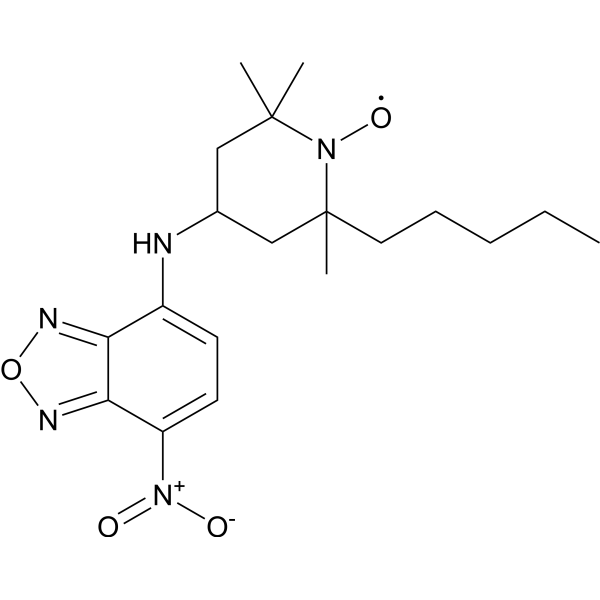
NBD-Pen is the first fluorescence probe for lipid radicals with high selectivity and sensitivity (λex: 470 nm, λem: 530 nm). NBD-Pen specifically detects lipid derived radicals over other reactive species present in biological systems, including H2O2, ClO -, O2 -?, and ?OH. NBD-Pen directly detects lipid radicals in living cells by turn-on fluorescence. NBD-Pen decreases inflammation, apoptosis, and oxidative stress markers. NBD-Pen can be studied in various disease models such as hepatic carcinoma .
loading...
    loading...
Cat. No.: HY-E72042
Research Areas:  

Others

Abieta-7,13-dien-18-ol hydroxylase (EC 1.14.13.109) is an oxidoreductase that can convert abieta-7,13-dien-18-ol, 2 reduced [NADPH--hemoprotein reductase] and 2 O2 into abieta-7,13-dien-18-oate, 2 oxidized [NADPH--hemoprotein reductase], 3 H2O and 3 H +.
loading...
    loading...
Cat. No.: HY-150175
CAS No.: 1786411-17-3
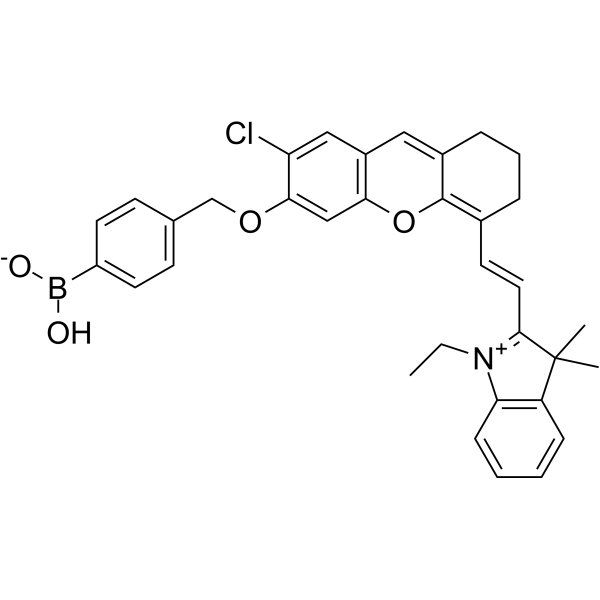
HKSOX-1 is a fluorescent probe for the detection and imaging of superoxide anion radicals (O2 •−) with selectivity. HKSOX-1 reacts with superoxide anion radicals, cleaving the aryl triflate group to generate a free phenol and produce turn-on fluorescence. Derivative variants of HKSOX-1 include HKSOX-1r and HKSOX-1m. HKSOX-1 is applicable to studies related to endogenous superoxide detection .
loading...
    loading...
Cat. No.: HY-E72038
Research Areas:  

Others

9β-Pimara-7,15-diene oxidase (EC 1.14.13.144) is an oxidoreductase that can convert 9beta-pimara-7,15-diene, 3 reduced [NADPH--hemoprotein reductase] and 3 O2 into 9beta-pimara-7,15-dien-19-oate, 3 oxidized [NADPH--hemoprotein reductase], 4 H2O and 4 H +.
loading...
    loading...
Cat. No.: HY-W543267
CAS No.: 1167993-47-6
Target:  

MOFs Drug Intermediate

Research Areas:  

Others

1,3,5-Tri (1H-1,2,3-triazol-5-yl) benzene is a tritopic triazole-bridged ligand (H3BTTri) that forms a sodalite-type metal-organic framework with coordinatively unsaturated cobalt (II) centers. This framework exhibits selective O2-binding capacity over N2. 1,3,5-Tri (1H-1,2,3-triazol-5-yl) benzene can be used for the synthesis of metal-organic framework (MOF)-related materials .
loading...
    loading...
Cat. No.: HY-170938
AChE-IN-82 (compound 49) is an acetylcholinesterase (AChE) inhibitor. AChE-IN-82 inhibits eeAChE, eqBChE, hMAO-A, hMAO-B, and BACE-1 with IC50s of 0.072, 9.81, 14.52, 0.024, 2.42 μM, respectively. AChE-IN-82 inhibits COX-1, COX-2 and 5-LOX with IC50s of 60.41, 0.187, 0.18 μM, respectively. AChE-IN-82 shows an excellent neuroprotective effect by significantly reducing oxidative stress induced by H2 O2 .
loading...
    loading...
Cat. No.: HY-D3065
CAS No.: 2587588-33-6
Target:  

Fluorescent Dye

Research Areas:  

Neurological Disease Cancer

BODIPY-DOH is a reversible near-infrared photoacoustic/fluorescence dual-modal redox probe. BODIPY-DOH undergoes conversion of its catechol group to o-quinone upon oxidation by O2 •-, causing a red shift of the absorption peak from 680 nm to 750 nm, and can be reduced and restored by L-Glutathione reduced (GSH) (HY-D0187), thereby achieving a reversible response of the PA750/PA680 ratiometric signal (fluorescence Ex = 633 nm; photoacoustic dual-channel at 680/750 nm). BODIPY-DOH is applicable for research in tumor oxidative microenvironment imaging, spinal cord injury, and other oxidative stress-related disease fields [2].
loading...
    loading...
Cat. No.: HY-D3066
CAS No.: 2207602-75-1
Target:  

Fluorescent Dye

Research Areas:  

Inflammation/Immunology

APNO-5 is a photoacoustic probe for in vivo nitric oxide (NO) detection. APNO-5 contains a PEGylated tetraalkylammonium group, which reduces aggregation and promotes tissue and cellular uptake. APNO-5 rapidly reacts with NO via N-nitrosation in the presence of O2 to generate the N-nitroso product tAPNO-5, causing a 91 nm blueshift in the maximum absorption wavelength (from 764 nm to 673 nm), thereby enabling ratiometric photoacoustic imaging at excitation wavelengths of 770 nm (APNO-5) and 680 nm (tAPNO-5). APNO-5 exhibits high selectivity for NO over other reactive nitrogen species, oxidants, and biological carbonyl species [2] .
loading...
    loading...
Cat. No.: HY-76705S
CAS No.: 2562378-12-3
Methyl N-methylanthranilate-d3 is the deuterated-labeled Methyl N-methylanthranilate (HY-76705). Methyl N-methylanthranilate is an N-alkylated anthranilate with a sweet citrus aroma, which is commonly used in perfume manufacturing. Methyl N-methylanthranilate is the dominant component in the defensive secretion of the millipede Typhloiulus orpheus. Methyl N-methylanthranilate exhibits quorum sensing inhibition and anti-biofilm activity against P. aeruginosa; it interferes with PQS synthesis via competitive inhibition of PqsA, but lacks bactericidal activity. Methyl N-methylanthranilate is sensitive to UVA/sunlight in human skin cells, and generates O2• - through type I photodynamic reactions, leading to lysosomal/mitochondrial damage, double-strand DNA breaks and apoptosis, with potential phototoxicity [2] .
loading...
    loading...
Cat. No.: HY-N18465
CAS No.: 681152-39-6
Synonyms: 2''-O-(2'''-methylbutyryl)isoswertisin
Isoswertisin 2''-O-(2'''-methylbutyrate) (2''-O-(2'''-methylbutyryl) isoswertisin) is an influenza A virus inhibitor. Isoswertisin 2''-O-(2'''-methylbutyrate) can be isolated from the flowers of Trollius chinensis and exhibits anti-influenza A virus activity in vitro. Isoswertisin 2''-O-(2'''-methylbutyrate) can be used in studies related to influenza A virus infection .
loading...
    loading...
Cat. No.: HY-151650
CAS No.: 1254054-60-8
Target:  

ADC Linkers

Research Areas:  

Others

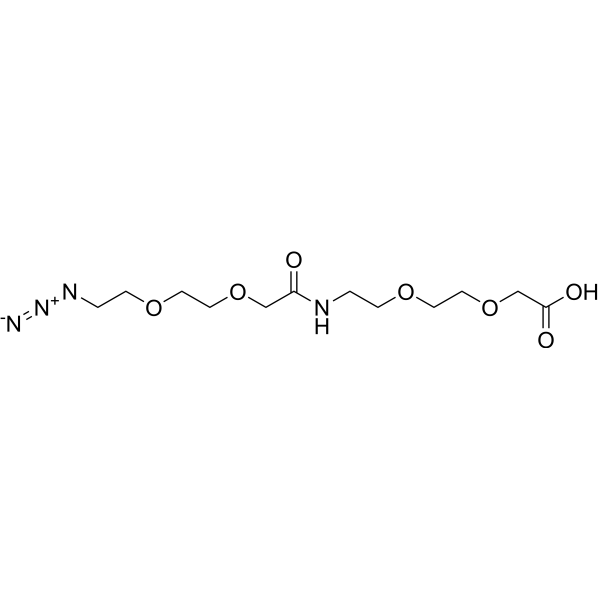
N3-O2Oc-O2Oc-OH is a click chemistry reagent containing an azide . N3-O2Oc-O2Oc-OH is a click chemistry reagent, it contains an Azide group and can undergo copper-catalyzed azide-alkyne cycloaddition reaction (CuAAc) with molecules containing Alkyne groups. It can also undergo strain-promoted alkyne-azide cycloaddition (SPAAC) reactions with molecules containing DBCO or BCN groups.
loading...
    loading...
Cat. No.: HY-W051271
CAS No.: 13463-67-7
Synonyms: Titanium dioxide
Titanium(IV) oxide is a photosensitizer and photocatalyst. Titanium(IV) oxide can be used as a pharmaceutical excipient such as a flow aid, coating agent, sunscreen, colorant, etc. Pharmaceutical excipients or pharmaceutical excipients refer to other chemical substances used in the pharmaceutical process other than the drug ingredients. Pharmaceutical excipients generally refer to inactive ingredients in pharmaceutical preparations that can improve the stability, solubility and processability of pharmaceutical preparations. Pharmaceutical excipients also affect the absorption, distribution, metabolism and elimination (ADME) process of co-administered drugs. Titanium(IV) oxide can use light energy to generate electron-hole pairs to degrade pollutants. Photons excite electrons in TiO2 to generate active oxygen species (such as ·OH and ·O2 -), thereby oxidizing and mineralizing pollutants such as organic compounds and heavy metals. TiO2 can be used in the research of environmental remediation fields such as water treatment, air purification and self-cleaning materials [2] .
loading...
    loading...
Cat. No.: HY-D1065
CAS No.: 1392488-04-8
NIR-H2O2 is a cell-permeable near-infrared (NIR) fluorescent turn-on sensor. NIR-H2O2 has both absorption and emission in the NIR region. NIR-H2O2 responds to H2O2 with a large turn-on NIR fluorescence signal upon excitation in the NIR region. NIR-H2O2 is capable of imaging endogenously produced H2O2 in living cells and mice .
loading...
    loading...
Cat. No.: HY-B0389S31
Synonyms: Glucose-18O-2; D-(+)-Glucose-18O-2; Dextrose-18O-2
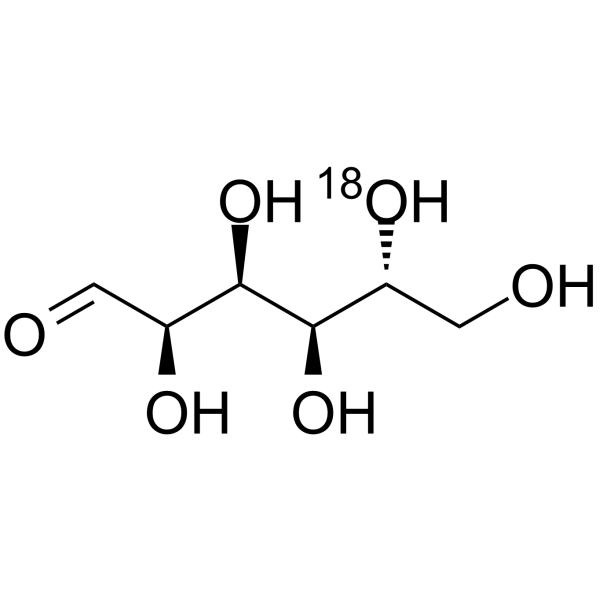
D-Glucose- 18O-2 is the 18O labeled D-Glucose. D-Glucose (Glucose), a monosaccharide, is an important carbohydrate in biology. D-Glucose is a carbohydrate sweetener and critical components of the general metabolism, and serve as critical signaling molecule
loading...
    loading...
Cat. No.: HY-185272
CAS No.: 959755-19-2
Target:  

DNA/RNA Synthesis

Research Areas:  

Others

3'-O-(2-Nitrobenzyl)-dCTP is a reversible terminator. 3'-O-(2-Nitrobenzyl)-dCTP can be recognized and incorporated by polymerases, thereby temporarily terminating primer extension during DNA synthesis. After incorporation into the extending DNA strand, 3'-O-(2-Nitrobenzyl)-dCTP temporarily halts the DNA polymerase extension reaction, and its 3'-O-(2-nitrobenzyl) blocking group can be removed by laser irradiation to regenerate a free 3'-OH for subsequent primer extension cycles. 3'-O-(2-Nitrobenzyl)-dCTP is applicable for resolving homopolymeric regions in DNA templates .
loading...
    loading...
Cat. No.: HY-185274
CAS No.: 219607-49-5
Target:  

DNA/RNA Synthesis

Research Areas:  

Others

3'-O-(2-Nitrobenzyl)-dTTP acts as a reversible terminator for DNA chain elongation. 3'-O-(2-Nitrobenzyl)-dTTP interacts with 9°N polymerase (exo-) A485L/Y409V, gets recognized and incorporated into the elongating DNA chain, thereby temporarily terminating the polymerase reaction. 3'-O-(2-Nitrobenzyl)-dTTP carries a 3'-O-(2-nitrobenzyl) blocking group, which can be removed by laser irradiation to regenerate the free 3'-OH − group and restore polymerase activity. 3'-O-(2-Nitrobenzyl)-dTTP is applicable in DNA sequencing studies .
loading...
    loading...
Cat. No.: HY-W048491
CAS No.: 168427-74-5
Research Areas:  

Others

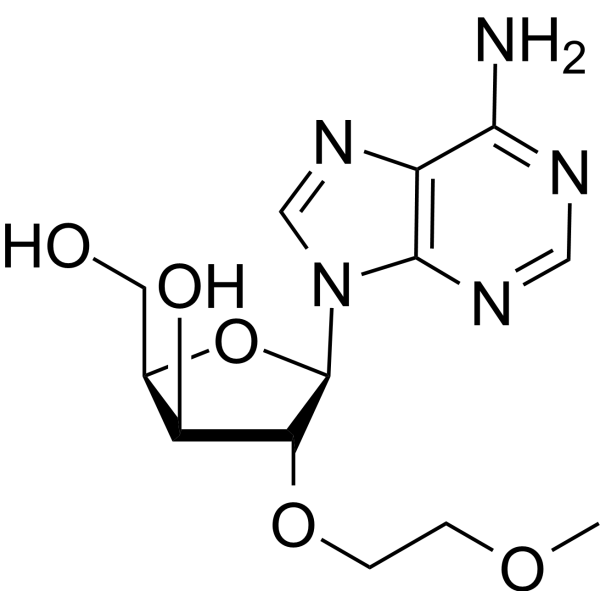
2′-O-(2-Methoxyethyl)adenosine is an ATP (HY-B2176) derivative. 2′-O-(2-Methoxyethyl)adenosine can be used for oligonucleotide synthesis .
loading...
    loading...
Cat. No.: HY-W048495
CAS No.: 223777-15-9
Research Areas:  

Cancer

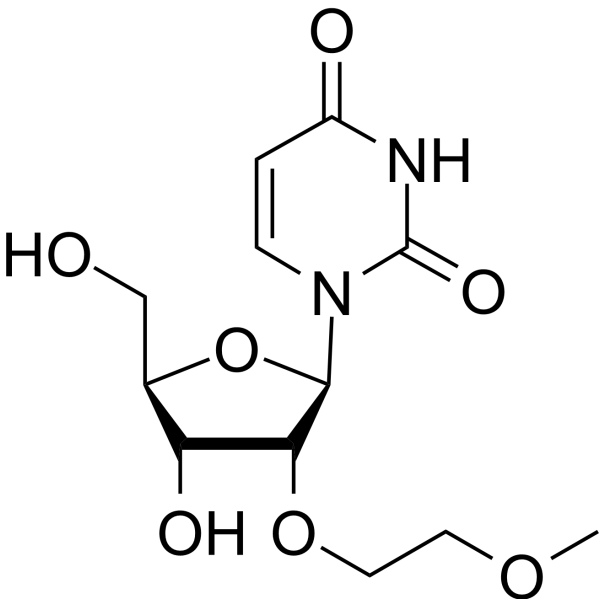
2'-O-(2-Methoxyethyl)-uridine is a synthetic oligonucleotide conversed from uridine. 2'-O-(2-Methoxyethyl)-uridine has the potential for chemotherapeutic agents development .
loading...
    loading...

