

76 Results for "

Aβ aggregate

" in MedChemExpress (MCE) Product Catalog:
Products (76)

76 Results for "Aβ aggregate" in MCE Product Catalog:

2
2 Cited Publications
Cat. No.: HY-103442
CAS No.: 145915-58-8
Purity:  99.55%
Synonyms: DAPH
Target:  

EGFR Amyloid-β

Research Areas:  

Neurological Disease Cancer

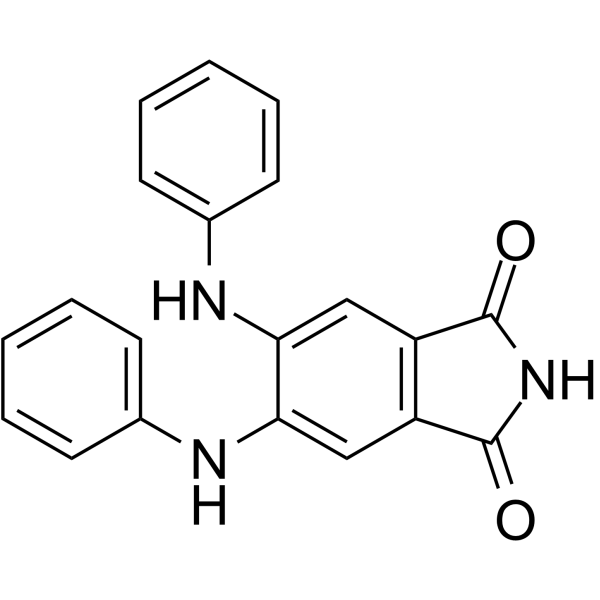
CGP52411 (DAPH) is a high selective, potent, orally active and ATP-competitive EGFR inhibitor with an IC50 of 0.3 μM. CGP52411 blocks the toxic influx of Ca 2+ ions into neuronal cells, and dramatic inhibits and reverses the formation of β-amyloid (Aβ42) fibril aggregates associated with Alzheimer's disease .
loading...
    loading...
Cat. No.: HY-101855
CAS No.: 882697-00-9
Purity:  99.93%
Synonyms: Anle138b
Target:  

Amyloid-β

Research Areas:  

Neurological Disease

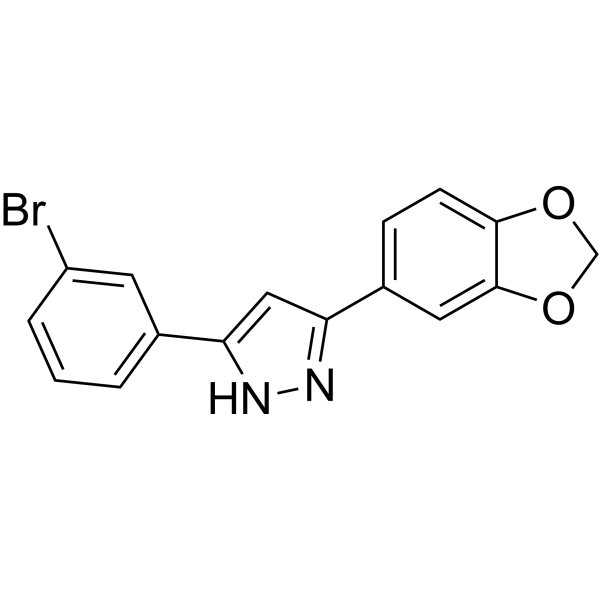
Emrusolmin (Anle138b), an oligomeric aggregation inhibitor, blocks the formation of pathological aggregates of prion protein (PrPSc) and of α-synuclein (α-syn). Emrusolmin strongly inhibits oligomer accumulation, neuronal degeneration, and disease progression in vivo. Emrusolmin has low toxicity and an excellent oral bioavailability and blood-brain-barrier penetration. Emrusolmin blocks Aβ channels and rescues disease phenotypes in a mouse model for amyloid pathology .
loading...
    loading...
Cat. No.: HY-P9967
CAS No.: 1384260-65-4
Synonyms: BIIB037

Target:  

Amyloid-β

Research Areas:  

Neurological Disease

Aducanumab (BIIB037) is a human monoclonal antibody that selectively targets aggregated amyloid-beta (Aβ). Aducanumab shows blood-brain-barrier penetration, and can be used for Alzheimer's disease (AD) research .
loading...
    loading...
Cat. No.: HY-103242
CAS No.: 1193447-34-5
Purity:  ≥98.0%
Target:  

Amyloid-β

Research Areas:  

Neurological Disease

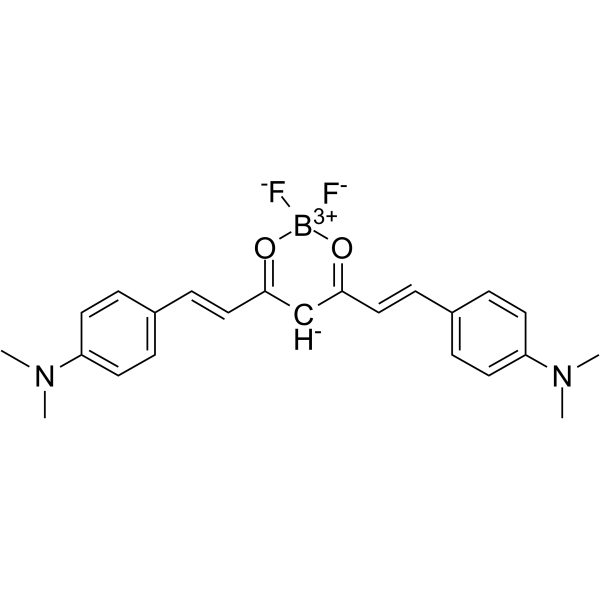
CRANAD-2 is a specific near-infrared (NIR) fluorescent probe for detecting Aβ plaques (unbound to Aβ: Ex=640 nm; Em=805 nm; after binding: Em=715 nm). CRANAD-2 penetrates the blood-brain barrier and has high affinity for Aβ aggregates, with a Kd value of 38 nM. CRANAD-2 is applicable to research related to Alzheimer's disease and neurodegenerative diseases .
loading...
    loading...
Cat. No.: HY-N7046
CAS No.: 142797-34-0
Synonyms: Silibinin B
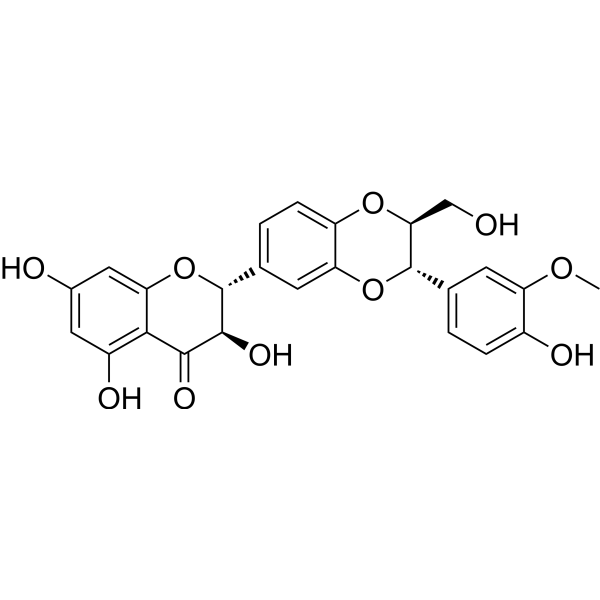
Silybin B (Silibinin B) is an orally active amyloid-β aggregation inhibitor and ATR pathway activator that can cross the blood-brain barrier. Silybin B inhibits Aβ fibril formation and promotes amorphous aggregate formation, while activating the ATR-mediated DNA damage repair pathway and inhibiting JNK/p38 MAPK signaling. Silybin B can reduce Cisplatin (HY-17394)-induced neuronal DNA damage and apoptosis. Silybin B has anti-oxidative stress, cell cycle regulation and neuroprotective activities. Silybin B is mainly used in the study of Alzheimer's disease and Cisplatin chemotherapy-related neurotoxicity .
loading...
    loading...
Cat. No.: HY-N7368
CAS No.: 55366-56-8
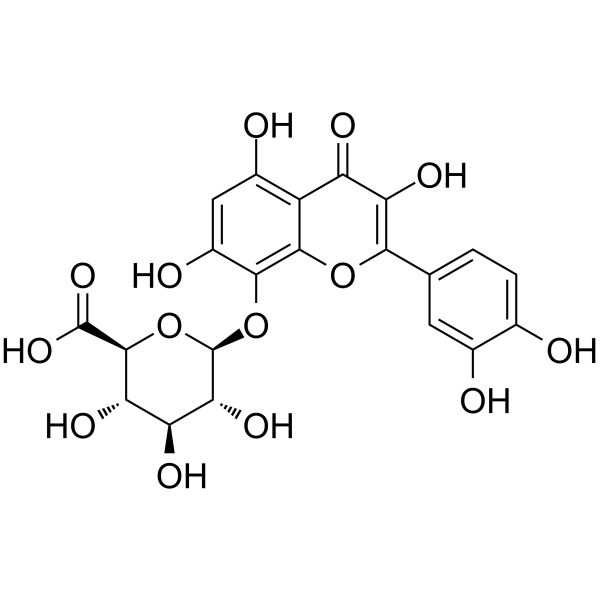
Hibifolin is a flavonol glycoside that can be isolated from Helicteres isora. Hibifolin is an inhibitor of adenosine deaminase (ADA) (Ki = 49.92 μM). Hibifolin protects neurons against β-amyloid-induced neurotoxicity. Hibifolin possesses a potent protective activity against cell death induced by aggregated Aβ. Hibifolin can abolish Aβ-induced caspase-3 and caspase-7 activation. Hibifolin induces Akt phosphorylation in cortical neurons. Hibifolin is also a natural sortase A (SrtA) inhibitor (IC50 = 31.2 μM) through direct binding to SrtA protein. Hibifolin attenuates the pathogenic behavior of Staphylococcus aureus including adhesion, invasion, and biofilm formation. Hibifolin improves the survival of pneumonia induced by Staphylococcus aureus in mouse model and alleviates pathological damage. Hibifolin shows a synergistic antibacterial effect with Cefotaxime (HY-A0088A) .
loading...
    loading...
Cat. No.: HY-D0873
CAS No.: 16052-06-5
Synonyms: EPPS
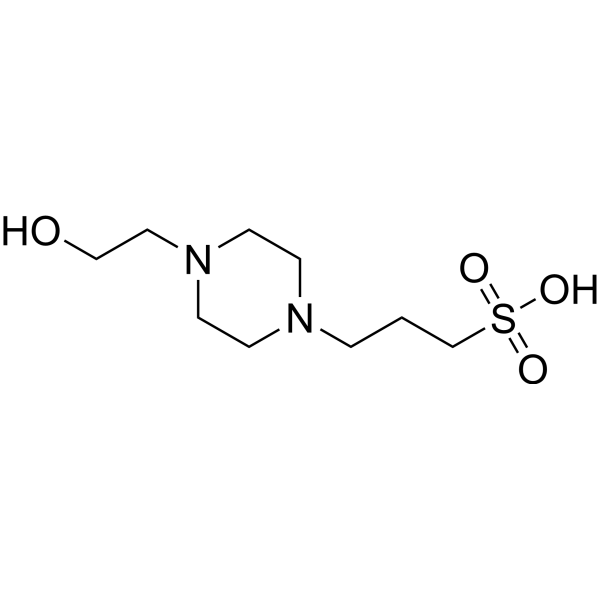
HEPPS (EPPS) is a buffering agent with the useful pH range from 7.3 ~ 8.7. HEPPS reduces Aβ-aggregate-induced memory deficits and rescues cognitive deficits in mice. EPPS is orally active and penetrates the blood-brain barrier .
loading...
    loading...
Cat. No.: HY-P990109

Target:  

Amyloid-β

Research Areas:  

Neurological Disease

Aducanumab (Mouse IgG2a) is a monoclonal antibody that selectively targets aggregated amyloid-beta (Aβ). The variable region of Aducanumab (Mouse IgG2a) is consistent with that of Aducanumab (HY-P9967), while the constant region is of Mouse IGG2a sequence. Aducanumab (Mouse IgG2a) has strong selectivity for Aβ fibrils with EC50s of >1 μM and 0.2 nM for monomeric Aβ1-40 and fibrillar Aβ1-42, respectively. Aducanumab (Mouse IgG2a) can be used for Alzheimer's disease (AD) research .
loading...
    loading...
Cat. No.: HY-W143216
CAS No.: 531-57-7
Synonyms: Monomethylthionine
Target:  

Amyloid-β Tau Protein HSP

Research Areas:  

Neurological Disease

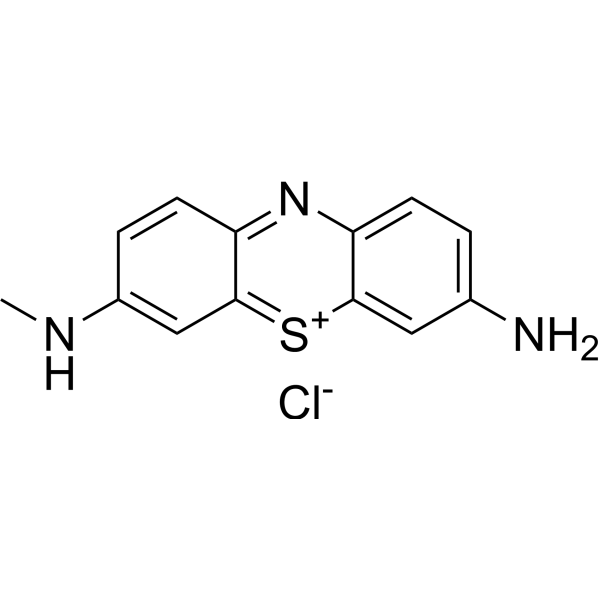
Azure C (Monomethylthionine) acts as a tau oligomer inhibitor and Aβ42 oligomerization inhibitor. Azure C regulates hsp70 ATPase activity, thereby mediating the clearance of tau protein. Azure C reduces the levels of toxic tau oligomers by promoting the formation of non-toxic tau aggregates, rescues neuroblastoma cells from tau oligomer-induced toxicity, and binds to and inhibits Aβ42 oligomerization. Azure C is generated via continuous oxidation of methylene blue or azure B through a horseradish peroxidase-mediated reaction. Azure C can be used in research related to tauopathies, including Alzheimer's disease .
loading...
    loading...
Cat. No.: HY-122958
CAS No.: 130464-57-2
Purity:  95.07%
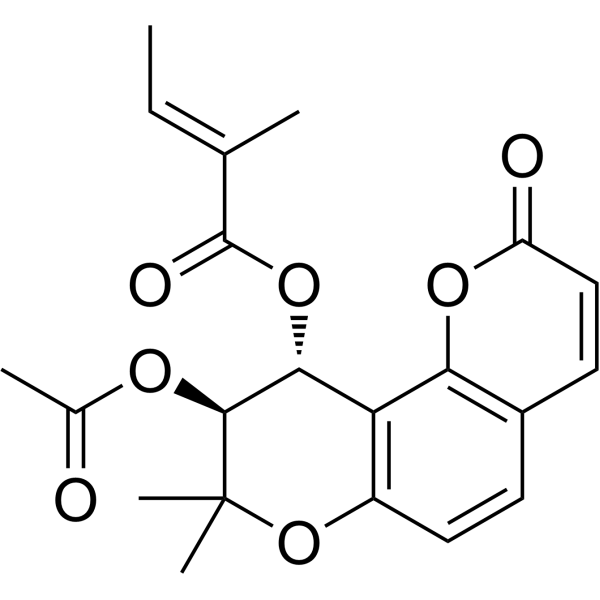
Peucedanocoumarin III is an α-synuclein fiber depolymerizer with blood-brain barrier permeability. Peucedanocoumarin III depolymerizes β-sheet aggregate structures, promotes aggregate clearance, inhibits β23-induced cytotoxicity, blocks the formation of Lewy body-like inclusions, and prevents dopaminergic neuron loss. Peucedanocoumarin III can be used in studies related to Parkinson's disease .
loading...
    loading...
Cat. No.: HY-P99185
CAS No.: 648895-38-9
Synonyms: AAB-001
Research Areas:  

Neurological Disease

Bapineuzumab (AAB-001) is a humanized IgG1 monoclonal antibody that binds to the N-terminal region of amyloid beta in a helical conformation. Bapineuzumab induces microglial activation by upregulating CD11B, producing pro-inflammatory cytokines (IL-1β and TNFα), clearing plaques, and reducing insoluble and aggregated Aβ. Bapineuzumab can be used for research on Alzheimer's disease .
loading...
    loading...
Cat. No.: HY-P991480
ONC-841 is a blood-brain barrier-permeable, humanized monoclonal antibody targeting SIGLEC10. As an immune checkpoint inhibitor, ONC-841 restores the functions of immune effector cells such as T cells and enhances anti-tumor immune responses by blocking inhibitory signals mediated by SIGLEC10. ONC-841 restores the phagocytic and migratory activities of microglia, and promotes the phagocytosis of Amyloid-β and Tau protein aggregates by microglia. ONC-841 is applicable to research related to solid tumors and Alzheimer's disease .
loading...
    loading...
Cat. No.: HY-P3688A
Synonyms: Aβ (1-38) TFA; Aβ38 TFA
Target:  

Amyloid-β

Research Areas:  

Neurological Disease

β-Amyloid (1-38) (Aβ (1-38)) TFA is a β-Amyloid (Aβ) peptide. β-Amyloid (1-38) TFA interferes with the conversion of Aβ(1-42) to a β-sheet-rich aggregate. β-Amyloid (1-38)TFA reverses the negative impact of Aβ(1-42) on long-term potentiation in acute hippocampal slices and on membrane conductance in primary neurons, and mitigates an Aβ(1-42) phenotype in Caenorhabditis elegans .
loading...
    loading...
Cat. No.: HY-W750960
CAS No.: 1377605-22-5
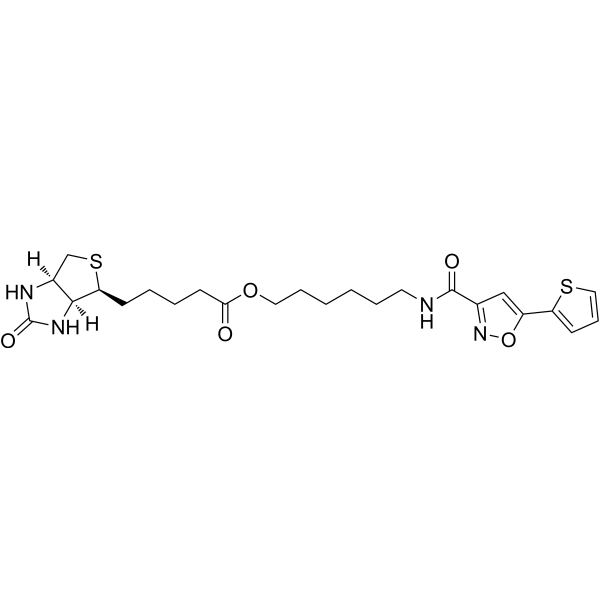
Biotinylated isoxazole is a chemical probe that selectively precipitates proteins containing prion-like low-complexity domains and Cross-β prion-like polymers through recognition of Cross-β structure. Biotinylated isoxazole induces precipitation of proteins containing intrinsically disordered regions through microcrystal formation in solution. Biotinylated isoxazole enables enrichment of Amyloid oligomers for ELISA-based detection. Biotinylated isoxazole decreases Gems and increases misfolded PFN1 aggregates .
loading...
    loading...
Cat. No.: HY-P1889
CAS No.: 721885-31-0
Target:  

Bcl-2 Family Amyloid-β

Research Areas:  

Neurological Disease

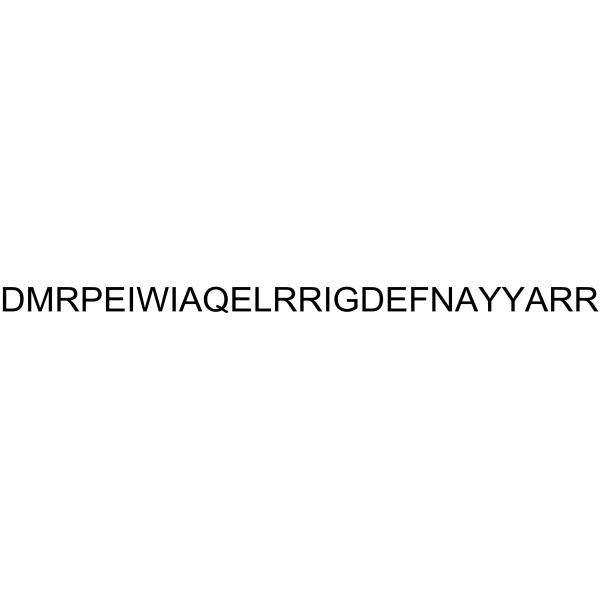
Bim BH3, Peptide IV is an Aβ42-binding peptide and the pro-apoptotic BH3 domain of the BIM protein. Bim BH3, Peptide IV binds Aβ42 with a Kd of 7.1 μM. Bim BH3, Peptide IV modulates Aβ42 structure, fibrillization pathways, aggregate morphology, and membrane interactions, inhibiting fibril formation while enhancing protofibril assembly. Bim BH3, Peptide IV promotes Aβ42 β-sheet formation and accelerates aggregation. Bim BH3, Peptide IV enhances Aβ42 membrane internalization and bilayer stiffening. Bim BH3, Peptide IV induces neuronal cell death by enhancing BH3-induced membrane interactions of Aβ42 prefibrillar species. Bim BH3, Peptide IV can be used for research on Alzheimer's disease .
loading...
    loading...
Cat. No.: HY-179492
CAS No.: 3033951-64-0
Target:  

hnRNP

Research Areas:  

Neurological Disease

ACI-19278 is a TDP-43 PET tracer with an average Kd of 25 nM. ACI-19278 only binds to pathological TDP-43 aggregates and does not cross-react with Aβ, Tau, etc. [ 18F]ACI-19278 successfully visualized the TDP-43 pathology in the human brain through positron emission computed tomography. ACI-19278 can be used for in vivo diagnosis of TDP-43 protein lesions .
loading...
    loading...
Cat. No.: HY-P99720A
CAS No.: 1373715-00-4
Synonyms: RAP-536

Target:  

TGF-beta/Smad

Research Areas:  

Metabolic Disease

Luspatercept (mIgG2a) (RAP-536) is a fusion protein, consisting of a modified extracellular domain of human ActRIIB linked to the murine IgG2a Fc domain. Luspatercept (mIgG2a) inhibits Smad2/3 signaling, promotes differentiation of late-stage erythroid precursors and mitigates ineffective erythropoiesis (IE) in murine β-thalassemia. Luspatercept (mIgG2a) reduces anemia, α-globin aggregates, hemolysis, and disease complications of IE such as iron overload, splenomegaly, and bone defects .
loading...
    loading...
Cat. No.: HY-150049
CAS No.: 1353570-40-7
Target:  

Amyloid-β

Research Areas:  

Neurological Disease

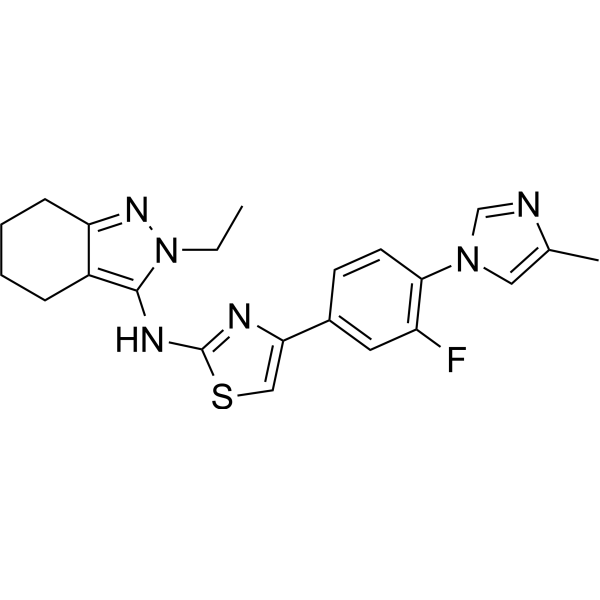
γ-Secretase modulator 13 (compound 4) is a gamma-secretase modulator (GSMs) that inhibits the production of the aggregated amyloid β-peptide Aβ42 with an IC50 value of 163 nM. γ-Secretase modulator 13 can be used in the study of Alzheimer's disease .
loading...
    loading...
Cat. No.: HY-177906
CAS No.: 1352477-26-9
Research Areas:  

Neurological Disease

h-FTAA is a luminescent conjugated oligothiophene (LCO) probe. h-FTAA can selectively bind to amyloid protein aggregates (such as Aβ plaques) and distinguish different conformations of the protein aggregates through changes in fluorescence signals. h-FTAA significantly reduces the neurotoxicity of Aβ1-42 and the Arctic mutant Aβ (AβArc), thereby protecting SH-SY5Y neuroblastoma cells. h-FTAA can be used to dynamically track the formation and maturation process of Aβ plaques .
loading...
    loading...
Cat. No.: HY-N2092
CAS No.: 61642-89-5
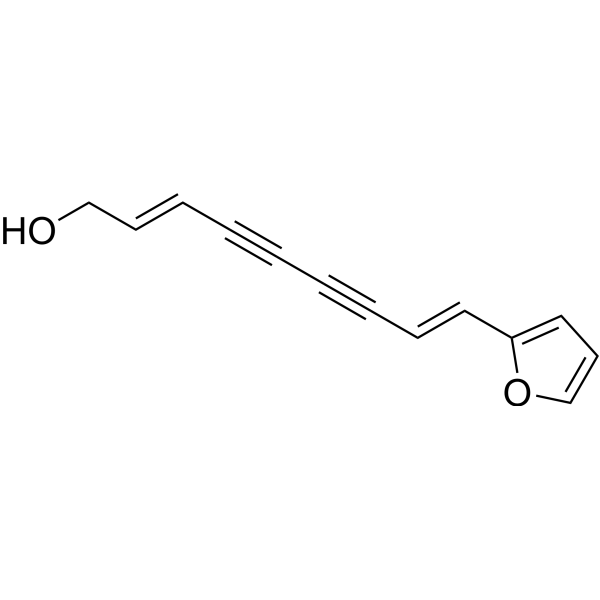
Atractylodinol, an antimicrobial, is a PRRSV (porcine reproductive and respiratory syndrome virus) inhibitor. Atractylodinol inhibits TGF-β receptor I recycling by binding to vimentin (KD of 454 nM) and inducing the formation of filamentous aggregates .
loading...
    loading...

