
458 Results for "

Biofilm

" in MedChemExpress (MCE) Product Catalog:
Products (458)

458 Results for "Biofilm" in MCE Product Catalog:

144
144 Publications Verification
Cat. No.: HY-Y1891
CAS No.: 9005-65-6
Synonyms: Polysorbate 80
Tween 80 (Polysorbate 80), a surfactant, has been widely used as a solvent for pharmacological experiments. Tween 80 can also reduce bacterial attachment and inhibit biofilm formation.
loading...
    loading...
40
40 Cited Publications
Cat. No.: HY-B1369
CAS No.: 74431-23-5
Synonyms: N-Formimidoyl thienamycin monohydrate; MK0787 monohydrate
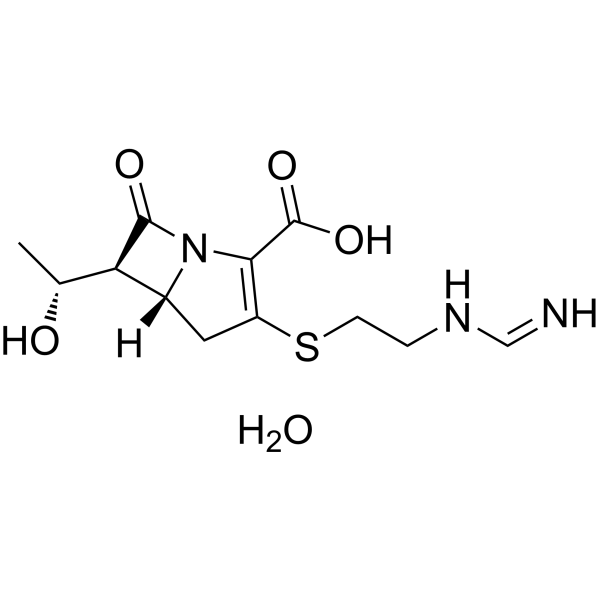
Imipenem monohydrate, a stable crystalline derivative of thienamycin, is an antibiotic and has the excellent activity against a broad range of gram-positive and gram-negative aerobic and anaerobic bacteria. Imipenem monohydrate can be used for the research of carbapenem-nonsusceptible and P. aeruginosa biofilm infections .
loading...
    loading...
40
40 Cited Publications
Cat. No.: HY-B1369A
CAS No.: 64221-86-9
Synonyms: N-Formimidoyl thienamycin; MK0787
Target:  

Antibiotic Bacterial

Research Areas:  

Infection

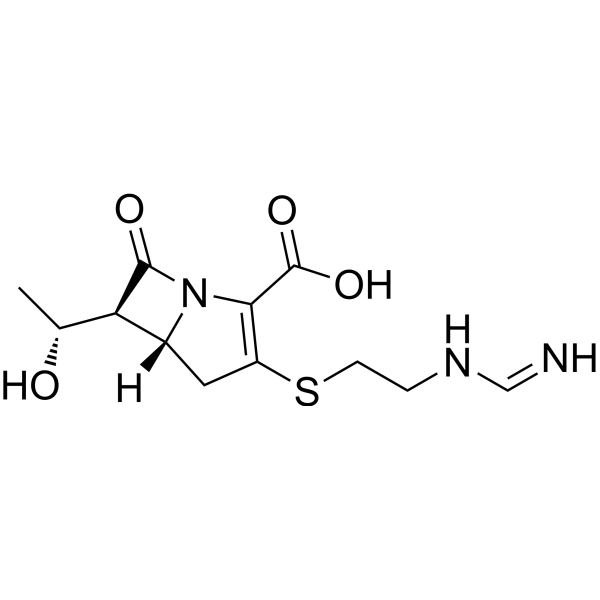
Imipenem (MK0787), a stable crystalline derivative of thienamycin, is an antibiotic and has the excellent activity against a broad range of gram-positive and gram-negative aerobic and anaerobic bacteria. Imipenem can be used for the research of carbapenem-nonsusceptible and P. aeruginosa biofilm infections .
loading...
    loading...
35
35 Cited Publications
Cat. No.: HY-16566
CAS No.: 59-01-8
Synonyms: Kanamycin A
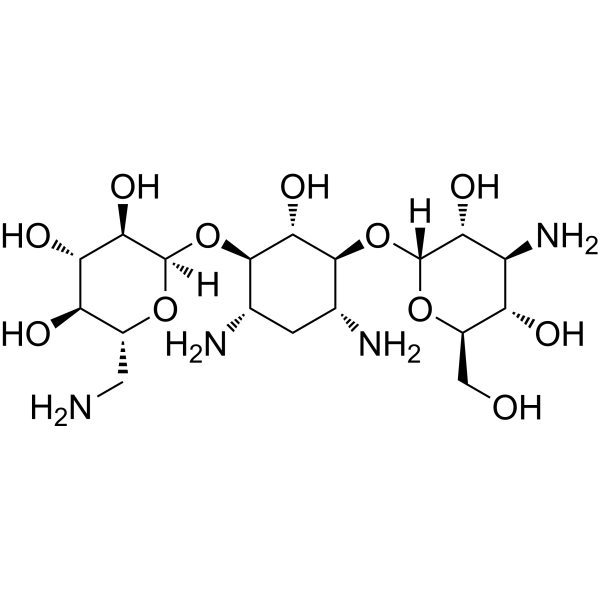
Kanamycin (Kanamycin A) is an antibacterial agent. Kanamycin blocks Kir4.1 channels. Kanamycin inhibits bacterial mRNA translation and exerts bactericidal effects against Gram-positive, Gram-negative, and acid-resistant microorganisms. Kanamycin produces ROS and superoxide and induces caspase-3-mediated apoptosis. Kanamycin inhibits biofilms and reduces persister bacteria, and reduces Mycobacterium tuberculosis within macrophages. Kanamycin can be used in research on bacterial infections, urinary tract infections, tuberculosis, and Staphylococcus aureus-induced peritonitis .
loading...
    loading...
35
35 Cited Publications
Cat. No.: HY-16566A
CAS No.: 25389-94-0
Synonyms: Kanamycin A sulfate
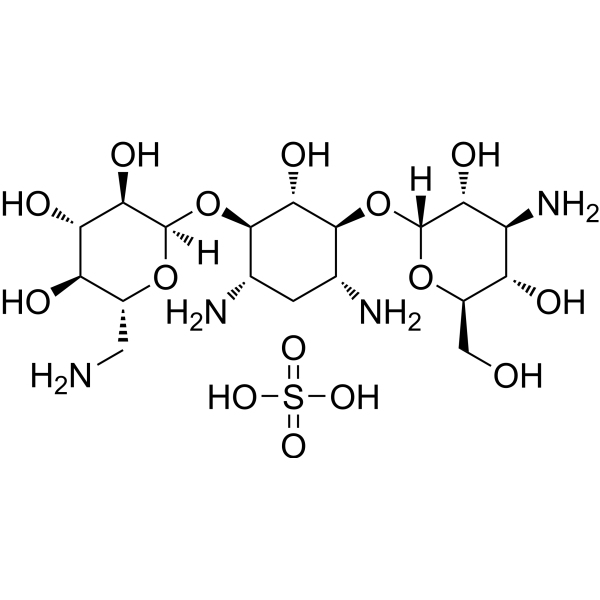
Kanamycin sulfate (Kanamycin A sulfate) is an antibacterial agent. Kanamycin sulfate blocks Kir4.1 channels. Kanamycin sulfate inhibits bacterial mRNA translation and exerts bactericidal effects against Gram-positive, Gram-negative, and acid-resistant microorganisms. Kanamycin sulfate produces ROS and superoxide and induces caspase-3-mediated apoptosis. Kanamycin sulfate inhibits biofilms and reduces persister bacteria, and reduces Mycobacterium tuberculosis within macrophages. Kanamycin sulfate can be used in research on bacterial infections, urinary tract infections, tuberculosis, and Staphylococcus aureus-induced peritonitis .
loading...
    loading...
25
25 Cited Publications
Cat. No.: HY-W718156
CAS No.: 64013-70-3
Synonyms: Kanamycin A disulfate
Kanamycin disulfate (Kanamycin A disulfate) is an antibacterial agent. Kanamycin disulfate blocks Kir4.1 channels. Kanamycin disulfate inhibits bacterial mRNA translation and exerts bactericidal effects against Gram-positive, Gram-negative, and acid-resistant microorganisms. Kanamycin disulfate produces ROS and superoxide and induces caspase-3-mediated apoptosis. Kanamycin disulfate inhibits biofilms and reduces persister bacteria, and reduces Mycobacterium tuberculosis within macrophages. Kanamycin disulfate can be used in research on bacterial infections, urinary tract infections, tuberculosis, and Staphylococcus aureus-induced peritonitis .
loading...
    loading...
13
13 Cited Publications
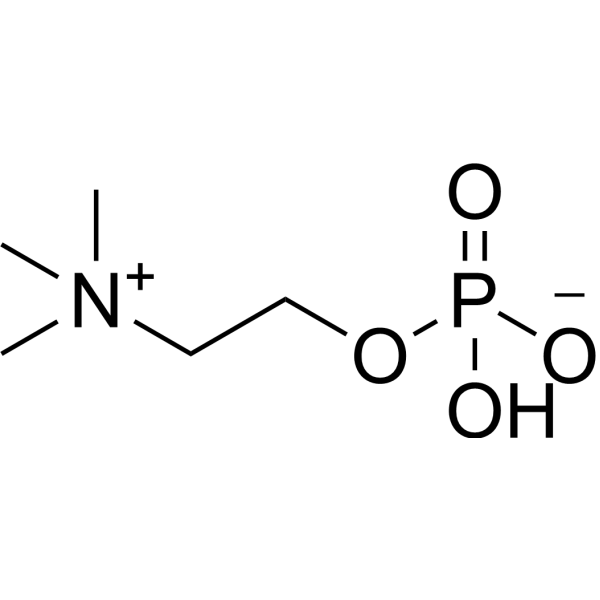
Cat. No.: HY-B2233B
CAS No.: 3616-04-4
Synonyms: Phosphocholine
Phosphatidylcholine is the main phospholipid component in eukaryotic biofilms. Phosphatidylcholine exists in commensal or pathogenic bacteria associated with eukaryotes in prokaryotes. Phosphorylcholine exhibits a surprising range of immunomodulatory properties .
loading...
    loading...
13
13 Cited Publications
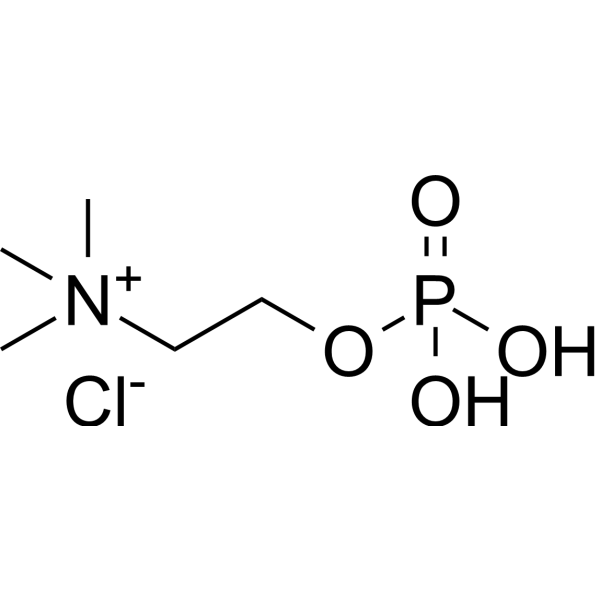
Cat. No.: HY-B2233
CAS No.: 107-73-3
Synonyms: Phosphocholine chloride
Phosphorylcholine chloride (Phosphocholine chloride) is the main phospholipid component in eukaryotic biofilms. Phosphorylcholine chloride exists in commensal or pathogenic bacteria associated with eukaryotes in prokaryotes. Phosphorylcholine chloride exhibits a surprising range of immunomodulatory properties .
loading...
    loading...
13
13 Cited Publications
Cat. No.: HY-B2233A
CAS No.: 4826-71-5
Calcium phosphorylcholine chloride, 98% is the main phospholipid component in eukaryotic biofilms. Calcium phosphorylcholine chloride, 98% exists in commensal or pathogenic bacteria associated with eukaryotes in prokaryotes. Calcium phosphorylcholine chloride, 98% exhibits a surprising range of immunomodulatory properties .
loading...
    loading...
9
9 Cited Publications
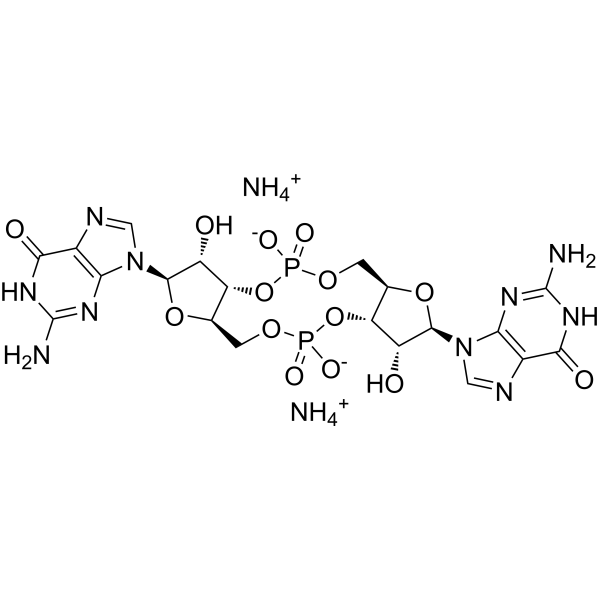
Cat. No.: HY-107780B
CAS No.: 609343-82-0
Purity:  99.07%
Synonyms: c-di-GMP diammonium; cyclic diguanylate diammonium; 5GP-5GP diammonium
Cyclic-di-GMP diammonium is a STING agonist and a bacterial second messenger that coordinates different aspects of bacterial growth and behavior, including motility, virulence, biofilm formation, and cell cycle progression. Cyclic-di-GMP diammonium has anti-cancer cell proliferation activity and also induces elevated CD4 receptor expression and cell cycle arrest. Cyclic-di-GMP diammonium can be used in cancer research .
loading...
    loading...
9
9 Cited Publications
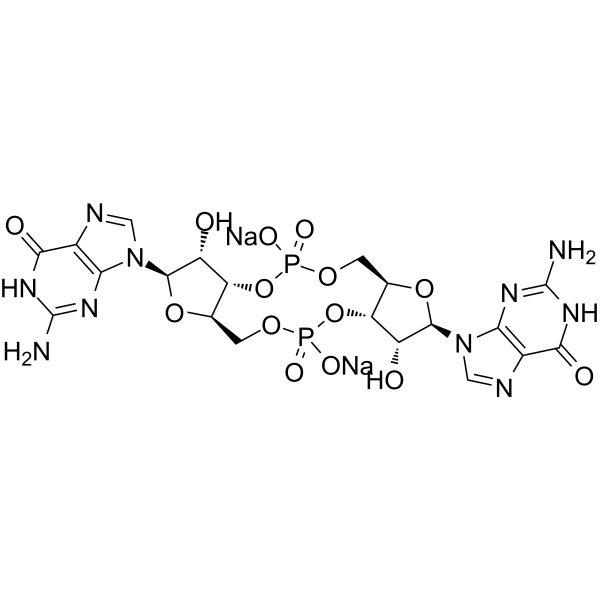
Cat. No.: HY-110382
CAS No.: 2222132-40-1
Purity:  98.78%
Synonyms: c-di-GMP disodium; cyclic diguanylate disodium; 5GP-5GP disodium
Cyclic-di-GMP disodium is a STING agonist and a bacterial second messenger that coordinates different aspects of bacterial growth and behavior, including motility, virulence, biofilm formation, and cell cycle progression. Cyclic-di-GMP disodium has anti-cancer cell proliferation activity and also induces elevated CD4 receptor expression and cell cycle arrest. Cyclic-di-GMP disodium can be used in cancer research .
loading...
    loading...
4
4 Cited Publications
Cat. No.: HY-17594
CAS No.: 2277-92-1
Research Areas:  

Infection

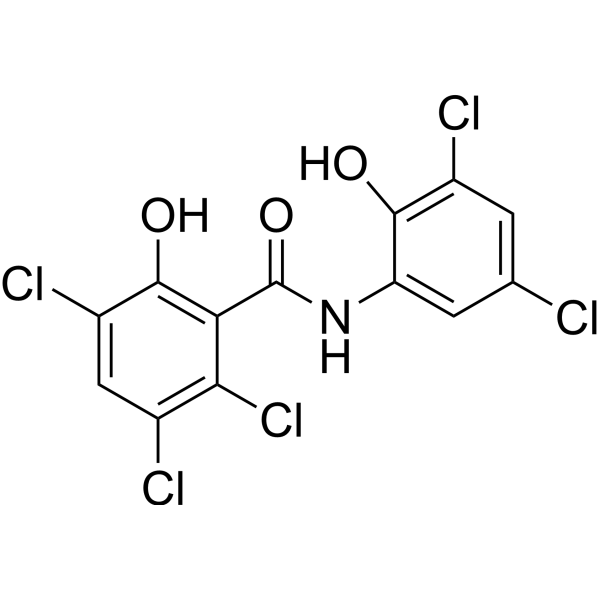
Oxyclozanide is an orally active salicylanilide anthelmintic agent that mainly acts by uncoupling oxidative phosphorylation in flukes. Oxyclozanide shows good anti-adenovirus, anti-biofilm, antifungal, and antibacterial activity .
loading...
    loading...
4
4 Cited Publications
Cat. No.: HY-B1159
CAS No.: 4008-48-4
Synonyms: 8-Hydroxy-5-nitroquinoline; 5-Nitro-8-quinolinol
Research Areas:  

Infection Cancer

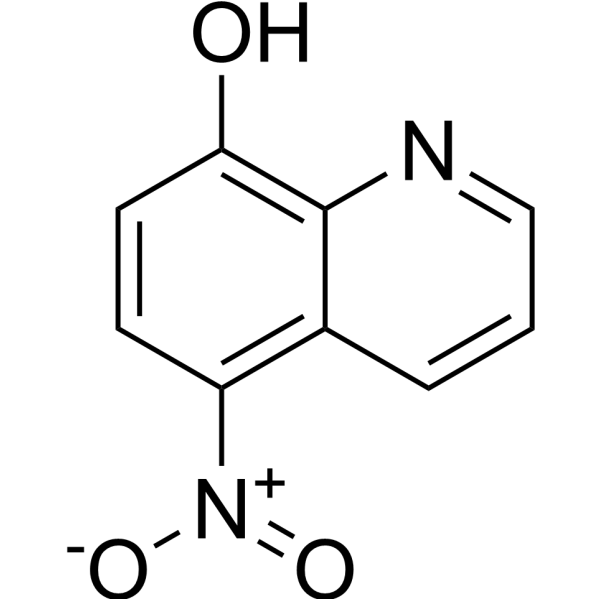
Nitroxoline (8-Hydroxy-5-nitroquinoline), an antibiotic, is an orally active antibiofilm agent. Nitroxoline reduces the formation and induces the dispersal of Pseudomonas aeruginosa biofilms by chelation of iron and zinc. Nitroxoline can be used for the urinary tract infections and cancer research .
loading...
    loading...
4
4 Cited Publications
Cat. No.: HY-A0269A
CAS No.: 32887-08-4
Mecillinam hydrochloride is a β-lactam Antibiotic. Mecillinam hydrochloride inhibits PBP2. Mecillinam hydrochloride exhibits activity against Gram-negative Enterobacteriaceae, and NDM-/OXA-producing E. coli and K. pneumoniae, and can eradicate catheter/bladder mucosa biofilms and clear planktonic bacteria in urine. Mecillinam hydrochloride acts synergistically with β-lactams and Avibactam (HY-14879), enhancing the activity of β-lactams against E. coli in vitro/in vivo. Mecillinam hydrochloride can be used in research on catheter-associated bacteriuria, chlamydial infection and peritonitis/sepsis .
loading...
    loading...
3
3 Cited Publications
Cat. No.: HY-114816
CAS No.: 67605-85-0
Purity:  98.77%
Synonyms: C4-HSL; N-Butyryl-L-homoserine lactone
Target:  

ADC Linkers Bacterial

Research Areas:  

Infection Inflammation/Immunology

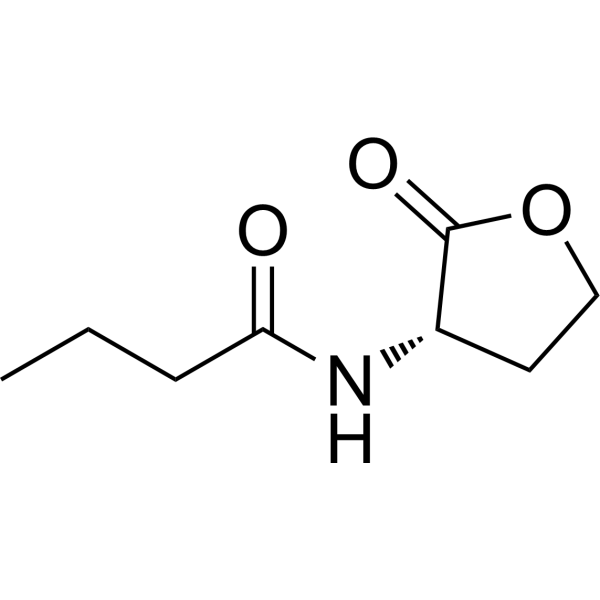
N-Butanoyl-L-homoserine lactone (C4-HSL) is a cleavable ADC linker used in the synthesis of antibody-drug conjugates (ADCs). N-Butanoyl-L-homoserine lactone has antibacterial activity and is used in antibacterial biofilm . N-Butanoyl-L-homoserine lactone aptamers blocks qurom sensing and inhibits biofilm formation in Pseudomonas aeruginosa .
loading...
    loading...
3
3 Cited Publications
Cat. No.: HY-W010155
CAS No.: 526-55-6
Synonyms: Indole-3-ethanol
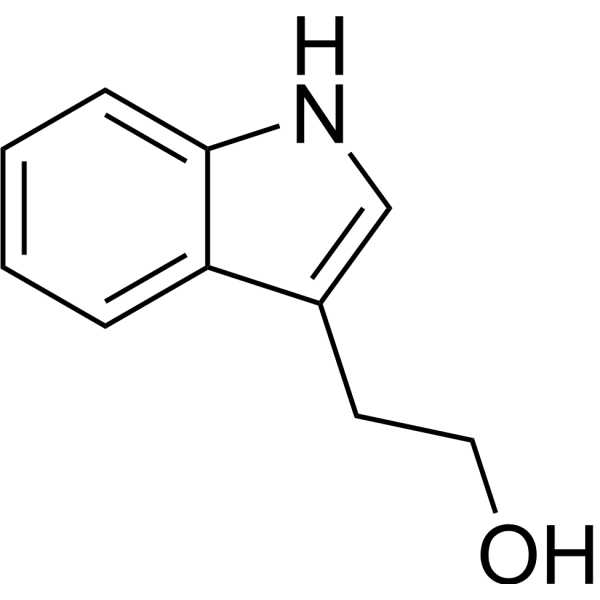
Tryptophol is an aromatic alcohol and secondary metabolite produced by microorganisms. Tryptophol induces apoptosis and cleavage of caspase-8. Tryptophol inhibits Cunninghamella blakesleeana biofilm. Tryptophol has anti-phage infection, biofilm formation regulation, anti-inflammatory, hemolytic, sleep induction, temperature change, seizure susceptibility and immune regulation activities. Tryptophol is used in the research of African trypanosomiasis, sleep disorders, epilepsy .
loading...
    loading...
3
3 Cited Publications
Cat. No.: HY-W001132
CAS No.: 120-72-9
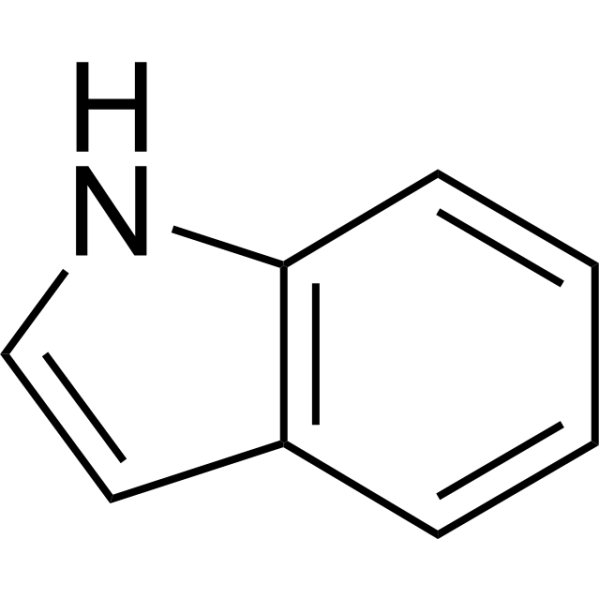
Indole is an aromatic, heterocyclic, organic compound which widely distributed in the natural environment and can be produced by a variety of bacteria. Indole regulates various aspects of bacterial physiology, including spore formation, plasmid stability, resistance to drugs, biofilm formation, and virulence as an intercellular signal molecule .
loading...
    loading...
3
3 Cited Publications
Cat. No.: HY-W015490
CAS No.: 130-15-4
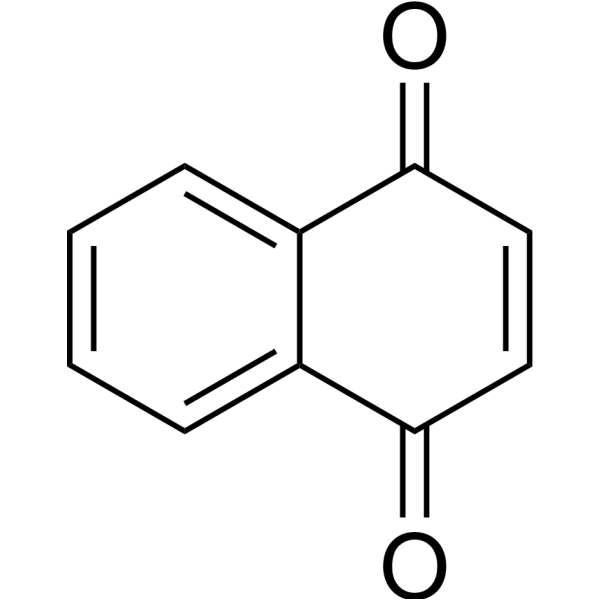
1,4-Naphthoquinone is an inhibitor with broad-spectrum inhibitory activity targeting DNA polymerase, NF-κB and monoamine oxidase (MAO-A/B), with antibacterial and anti-biofilm efficacy. 1,4-Naphthoquinone is a competitive inhibitor of MAO-B (Ki=1.4 μM) and a non-competitive inhibitor of MAO-A (Ki=7.7 μM). 1,4-Naphthoquinone inhibits DNA polymerase pol α, β, γ, δ, ε, λ with IC50 ranging from 5.57-128 μM. 1,4-Naphthoquinone inhibits tumor cell proliferation, induces apoptosis and necrosis, and has anti-angiogenic and anti-inflammatory activities by inducing oxidative stress, depleting glutathione (GSH), inhibiting DNA polymerase-mediated DNA synthesis and blocking NF-κB nuclear translocation. 1,4-Naphthoquinone can be used in anti-bacterial , anti-tumor and anti-inflammatory studies, including inhibition of melanoma and colon cancer cell growth and endothelial cell function, as well as LPS-induced inflammation models .
loading...
    loading...
2
2 Cited Publications
Cat. No.: HY-B0914
CAS No.: 112-38-9
Synonyms: Undecylenic acid
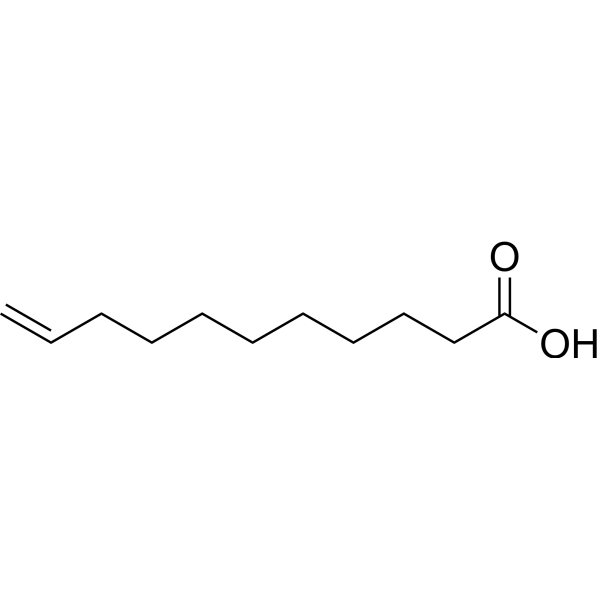
10-Undecenoic acid (Undecylenic acid) is an antifungal agent. 10-Undecenoic acid inhibits Aβ oligomerization, scavenges ROS and inhibits μ-calpain activity. 10-Undecenoic acid has neuroprotective effects. 10-Undecenoic acid has anticancer effects on a variety of tumors. 10-Undecenoic acid inhibits C. albicans biofilm formation and MRSA infection. 10-Undecenoic acid inhibits quorum sensing signals of Bacillus subtilis and Pseudomonas aeruginosa .
loading...
    loading...
2
2 Cited Publications
Cat. No.: HY-B0914A
CAS No.: 557-08-4
Synonyms: Zinc undecylenate
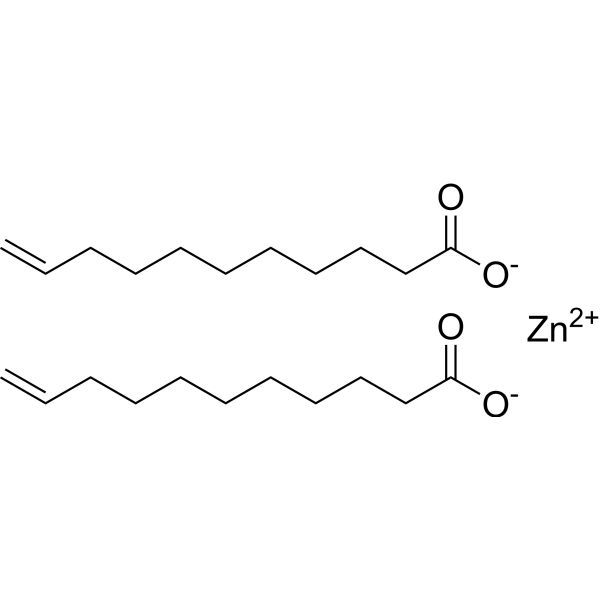
10-Undecenoic acid zinc salt (Undecylenic acid zinc salt) is an antifungal agent. 10-Undecenoic acid zinc salt inhibits Aβ oligomerization, scavenges ROS and inhibits μ-calpain activity. 10-Undecenoic acid zinc salt has neuroprotective effects. 10-Undecenoic acid zinc salt has anticancer effects on a variety of tumors. 10-Undecenoic acid zinc salt inhibits C. albicans biofilm formation and MRSA infection. 10-Undecenoic acid zinc salt inhibits quorum sensing signals of Bacillus subtilis and Pseudomonas aeruginosa .
loading...
    loading...

