171 Results for "

Biologic drugs

" in MedChemExpress (MCE) Product Catalog:
Products (171)

171 Results for "Biologic drugs" in MCE Product Catalog:

399
399 Publications Verification
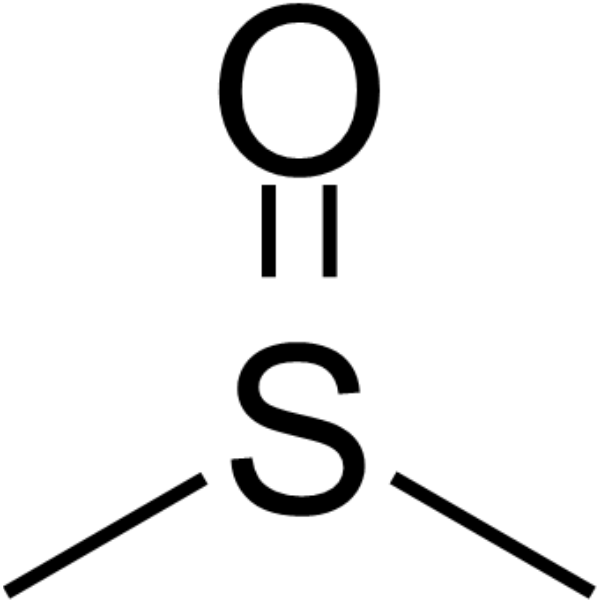
Cat. No.: HY-Y0320
CAS No.: 67-68-5
Synonyms: DMSO, meets analytical specification of Ch.P.
Dimethyl sulfoxide (DMSO), meets analytical specification of Ch.P. is an aprotic solvent that dissolves polar and non-polar compounds, including water-insoluble therapeutic and toxic agents. Dimethyl sulfoxide (DMSO) has a strong affinity for water and can rapidly penetrate or enhance the penetration of other substances into biological membranes. Dimethyl sulfoxide also has potential free radical scavenging and anticholinesterase effects and may affect coagulation activity. Dimethyl sulfoxide also induces histamine release from mast cells but is thought to have low systemic toxicity. Dimethyl sulfoxide also exhibits antifreeze and antibacterial properties .
MCE provides Dimethyl sulfoxide that complies with the inspection standards (Ch.P) of Part 4 of the Chinese Pharmacopoeia (2020 Edition). Amicrobic, low endotoxin, can be used in various biochemical experiments such as drug dissolution.
loading...
    loading...
66
66 Cited Publications
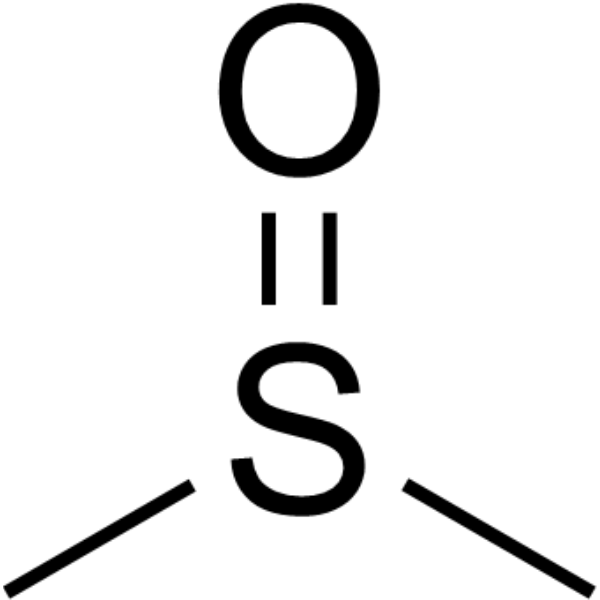
Cat. No.: HY-Y0320C
CAS No.: 67-68-5
Synonyms: DMSO
Dimethyl sulfoxide (DMSO) is an aprotic solvent that can dissolve water-insoluble therapeutic and toxic agents. Dimethyl sulfoxide (DMSO) has a strong affinity for water and has the ability to rapidly penetrate or enhance the penetration of other substances through biological membranes. Dimethyl sulfoxide also has potential free radical scavenging and anticholinesterase effects and may affect coagulation activity. Dimethyl sulfoxide also induces histamine release from mast cells but is thought to have low systemic toxicity .
Low endotoxin, can be used in various biochemical experiments such as drug dissolution.
loading...
    loading...
5
5 Cited Publications
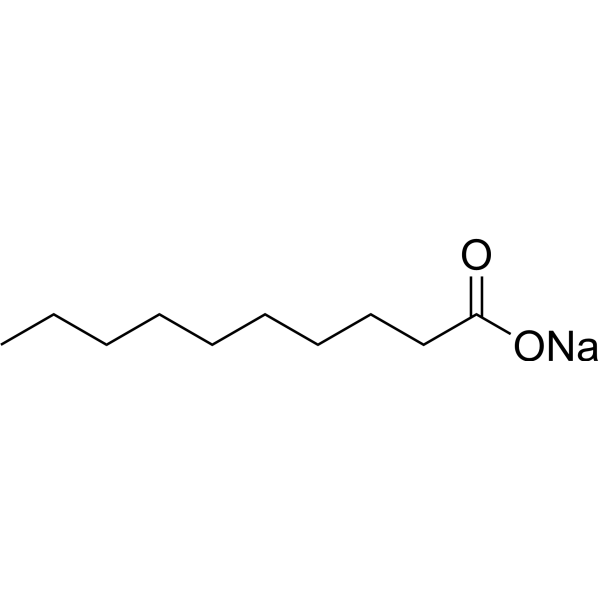
Cat. No.: HY-115340
CAS No.: 1002-62-6
Purity:  99.92%
Synonyms: Sodium decanoate; Sodium caprate
Decanoic acid sodium, also known as Decanoic acid sodium, is a salt of the fatty acid capric acid. It is easily soluble in water and has a slightly soapy smell. Decanoic acid sodium acts as a penetration enhancer, which means it increases the absorption and bioavailability of drugs across biological membranes, including the intestinal epithelium and the blood-brain barrier. This property makes it useful in pharmaceutical formulations to improve drug delivery and effectiveness. Furthermore, Decanoic acid sodium has potential applications in food preservatives and cosmetics due to its antibacterial properties.
loading...
    loading...
5
5 Cited Publications
Cat. No.: HY-K1099

MCE Endotoxin Detection Kit (Recombinant Factor C) is suitable for the detection of endotoxins in therapeutic injectable drugs for human use (such as chemical drugs, antibiotics, and biologics), as well as in medical devices including dialysis fluids and implantable devices. It can be applied throughout raw material screening, process development, manufacturing, and commercialization stages.

loading...
    loading...
4
4 Cited Publications
Cat. No.: HY-K0225

MCE Carboxyl Magnetic beads (200 nm, 10 mg/mL) are characterized by superparamagnetism, fast magnetic response, abundant carboxyl functional groups, monodispersity, and submicron scale particle size. Biological ligands (proteins, peptides, oligonucleotides, drug molecules, etc.) can be covalently coupled to the surface of microspheres under the action of special chemical reagents (such as EDC).

loading...
    loading...
1
1 Cited Publications
Cat. No.: HY-W014837
CAS No.: 15471-17-7
Synonyms: 3-(1-Pyridinio)-1-propanesulfonate
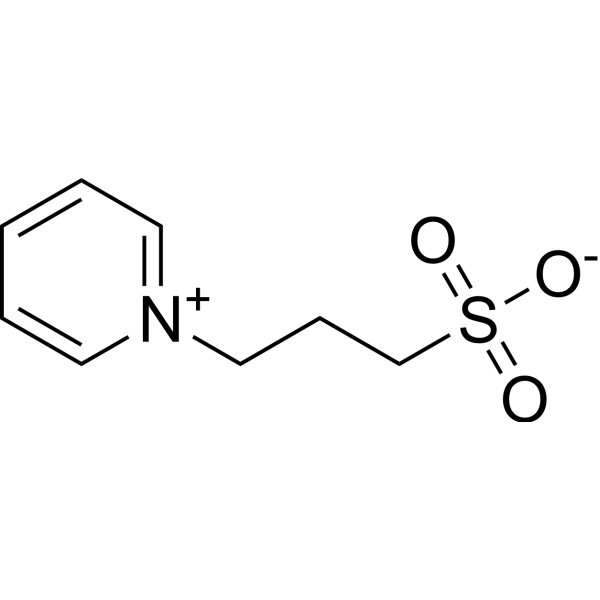
NDSB-201 consists of a pyridine group attached to a propane chain, which in turn is attached to a sulfonate group. This compound is commonly used as a buffer in biochemical and biological research, especially in electrophoretic applications. It maintains a stable pH in aqueous solutions and has low UV absorption, making it suitable for use in the UV spectrum. Furthermore, due to its ability to form stable complexes with DNA and other biomolecules, 3-(pyridin-1-ium-1-yl)propane-1-sulfonate has been investigated for its potential in drug delivery and genetic research.
loading...
    loading...
Cat. No.: HY-112624B
CAS No.: 9004-54-0
Synonyms: Dextran 70; Dextran D70; Dextran T70(MW 64000-76000)
Dextran 70,000 is a high molecular weight polysaccharide formed by glucose linked by α-(1→6) glycosidic bonds. Dextran 70,000 can expand blood volume through colloidal osmotic pressure effect and inhibit cell adhesion and platelet aggregation through steric hindrance. At the same time, Dextran 70,000 can be used as a drug carrier to achieve targeted delivery through endocytosis. Dextran 70,000 is biologically inert and has low immunogenicity. It can be used for clinical blood volume expansion, anti-thrombotic research, and evaluation of vascular permeability in in vitro experiments. It can also be combined with fluorescent dyes for cell tracking and drug delivery research. The Dextran series of compounds are also natural polysaccharide drug carriers that can be connected to drugs through covalent bonding methods such as ester bonds, amide bonds or click chemistry, or self-assembled to form carriers such as nanoparticles and hydrogels. Dextran is biodegradable and biocompatible, and can achieve targeted delivery and controlled release of drugs. Dextran derivatives can prolong the half-life of drugs, increase local concentrations, and reduce the activity of immune clearance.
loading...
    loading...
Cat. No.: HY-P1939
CAS No.: 2873-36-1
Synonyms: Cyclo(L-prolyl-L-leucyl)
Research Areas:  

Infection

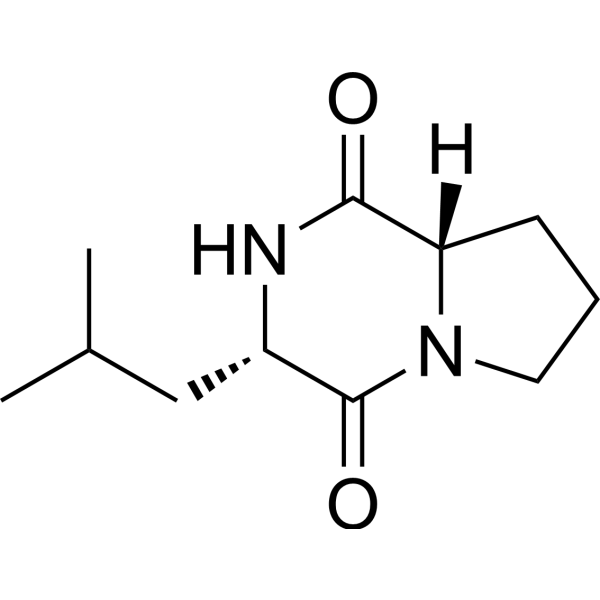
Cyclo(L-Leu-L-Pro) is a cyclic dipeptide with broad-spectrum antibacterial, antiviral and antifungal activities. Its biological activity is highly dependent on the stereoconfiguration and is widely present in microbial metabolites. Cyclo(L-Leu-L-Pro) efficiently and specifically inhibits the production of aflatoxin by Aspergillus flavus. The cis configuration of Cyclo(L-Leu-L-Pro) (cis-cyclo(L-Leu-L-Pro)) has broad-spectrum antibacterial activity against multi-drug resistant bacteria and significantly inhibits the influenza A virus H3N2 .
loading...
    loading...
Cat. No.: HY-W068119A
CAS No.: 134272-64-3
Synonyms: 2-Maleimidoethylamine hydrochloride
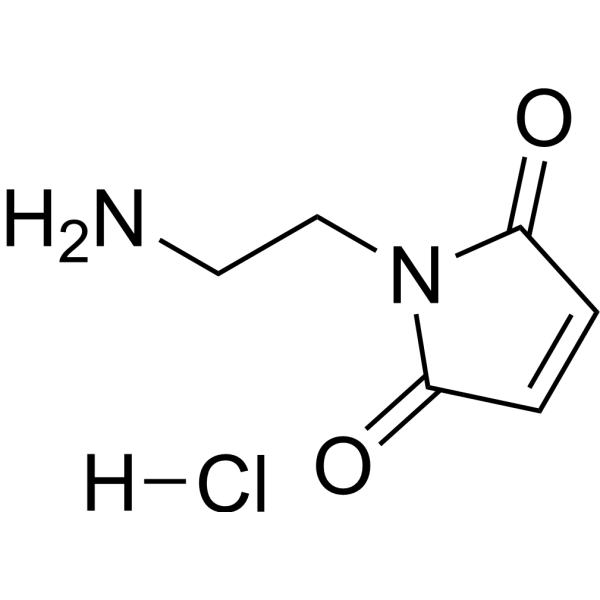
N-(2-Aminoethyl)maleimide (2-Maleimidoethylamine) hydrochloride is a selective covalent binding agent for thiol groups (RSGs), covalently binding to thiols via an irreversible thioether bond to prepare MMP-2-sensitive nanosystems. Under near-neutral conditions, the maleimide group in N-(2-Aminoethyl)maleimide hydrochloride binds to thiol groups via a nucleophilic addition reaction, and can be used to modify polymers or biological interfaces, enhancing mucosal adhesion and regulating the surface charge of biological interfaces. N-(2-Aminoethyl)maleimide hydrochloride can optimize the adhesion performance of drug delivery carriers and cell interactions with biological interfaces, and is applied in transmucosal drug delivery systems (such as drug carriers for oral and bladder sites) and biomaterial surface engineering research, providing support for tissue implantation, regeneration, and related drug delivery .
loading...
    loading...
Cat. No.: HY-CP002
CAS No.: 9048-46-8
Synonyms: Bovine Serum Albumin, Carrier Protein
Research Areas:  

Others

BSA Protein, Carrier Protein (Bovine Serum Albumin, Carrier Protein) is a 583 amino acid protein consisting of three homologous full alpha structural domains. BSA is a spherical protein essential for the transport of molecules such as fatty acids, drugs and hormones from the blood. It is used in many biochemical applications as a drug carrier for biologically active compounds. For long-term storage, recombinant protein solution should be diluted further with 0.1% BSA .
loading...
    loading...
Cat. No.: HY-114362
CAS No.: 1309573-60-1
Purity:  ≥99.0%
Synonyms: TPGS-750-M
Research Areas:  

Others

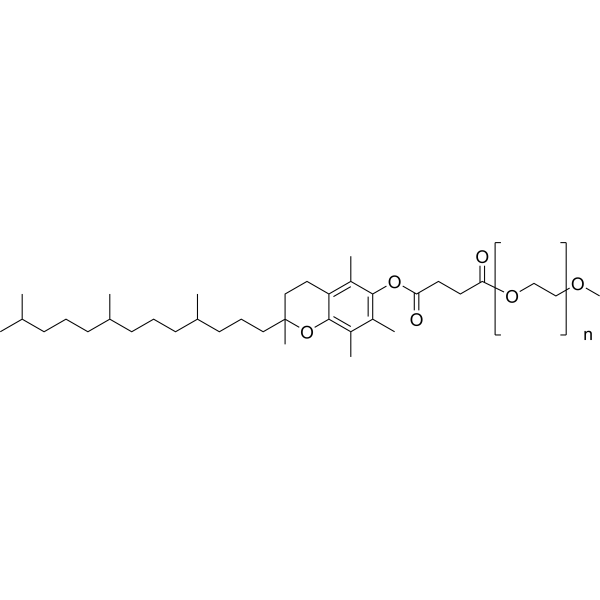
DL-alpha-Tocopherol methoxypolyethylene glycol succinate (TPGS-750-M) is an amphiphile, acts as a surfactant. DL-alpha-Tocopherol methoxypolyethylene glycol succinate has a positive effect on Suzuki-Miyaura cross coupling. DL-alpha-Tocopherol methoxypolyethylene glycol succinate increases the styrene titer. DL-alpha-Tocopherol methoxypolyethylene glycol succinate is used in the stability test of NPYM-modified drugs in biological fluids .
loading...
    loading...
Cat. No.: HY-111434A
CAS No.: 1994331-17-7
Purity:  ≥98.0%
Synonyms: UAA crosslinker 1 hydrochloride
Research Areas:  

Cancer

N6-[(2-Azidoethoxy)carbonyl]-L-lysine hydrochloride (UAA crosslinker 1 hydrochloride) is a click chemistry-reactive amino acid derivative. N6-[(2-Azidoethoxy)carbonyl]-L-lysine hydrochloride mediates the generation of antibody-drug conjugates (ADCs). N6-[(2-Azidoethoxy)carbonyl]-L-lysine hydrochloride is used for site-specific incorporation into recombinant proteins, or for synthesizing chemical probes and tools for biological research .
loading...
    loading...
Cat. No.: HY-143702
CAS No.: 1010076-97-7
Purity:  95.20%
Synonyms: NBD-DOTAP
Research Areas:  

Inflammation/Immunology Cancer

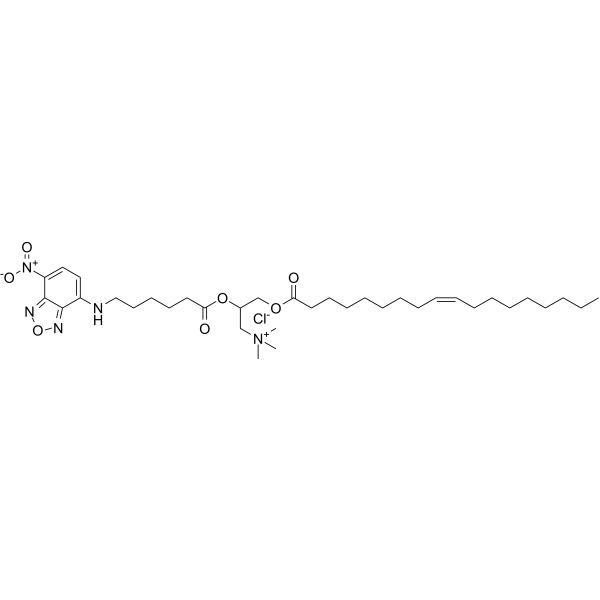
Fluorescent DOTAP (NBD-DOTAP) is a cationic lipid which can be used for nucleic acid and protein delivery. Fluorescent DOTAP is labeled with a fluorophore NBD (maximum excitation/emission wavelength ∼463/536 nm). Fluorescent DOTAP can be used for gene delivery systems, drug delivery, as well as cell imaging and nanocarrier tracking. Fluorescent DOTAP is an ideal candidate for both biological and pharmaceutical formulation (e.g. co-delivery of vaccines) research .
loading...
    loading...
Cat. No.: HY-121447
CAS No.: 2363-71-5
Purity:  ≥98.0%
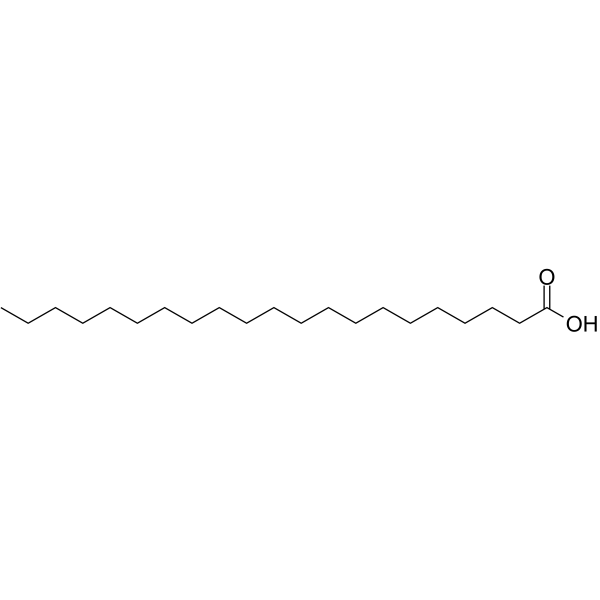
Heneicosanoic acid is an odd-chain saturated fatty acid widely present in human milk, fish, seeds, and cerebrosides in the cell membranes of the nervous system. Heneicosanoic acid can form Langmuir monolayers and is often used as a model to study lipid self-assembly and disassembly processes in biological membranes and drug delivery systems. In the low-temperature L'2 and CS crystalline phases, Heneicosanoic acid undergoes local oscillations, which in turn drive the spontaneous formation and expulsion of micelles and vesicles .
loading...
    loading...
Cat. No.: HY-W010649
CAS No.: 288-14-2
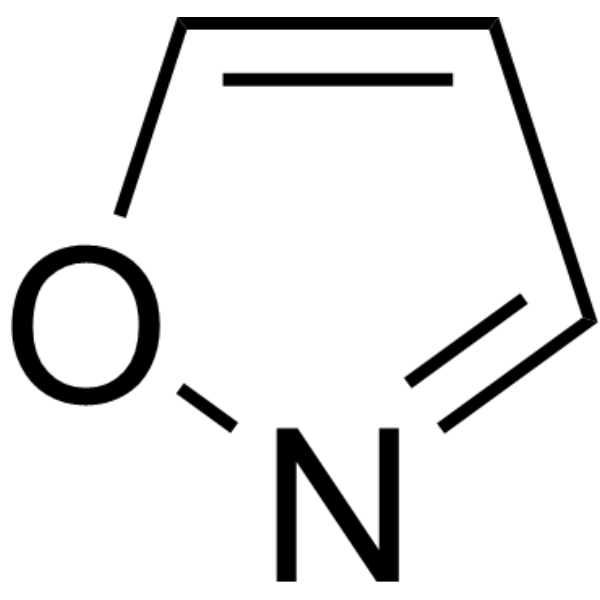
Isoxazole is a member of the five-membered heterocycle drug scaffold. Isoxazole has been used as a BET bromodomain inhibitor and can improve β-cell function in a diabetic mouse model. Isoxazole and its derivatives exhibit broad biological activities (such as antimicrobial, antibacterial, antifungal, antiviral, anticancer, anti-inflammatory, immunomodulatory, analgesic, anti-tuberculosis, and anti-diabetic effects). For example, the bicyclic Isoxazole can act as an HSP90 inhibitor, and the tricyclic Isoxazole is promising as a selective multidrug resistance protein (MRP1) inhibitor​ .
loading...
    loading...
Cat. No.: HY-111434
CAS No.: 1167421-25-1
Purity:  ≥98.0%
Synonyms: UAA crosslinker 1
Research Areas:  

Cancer

N6-[(2-Azidoethoxy) carbonyl]-L-lysine (UAA crosslinker 1) is a click chemistry-reactive amino acid derivative. N6-[(2-Azidoethoxy) carbonyl]-L-lysine mediates the generation of antibody-drug conjugates (ADCs). N6-[(2-Azidoethoxy) carbonyl]-L-lysine is used for site-specific incorporation into recombinant proteins, or for synthesizing chemical probes and tools for biological research .
loading...
    loading...
Cat. No.: HY-137129
CAS No.: 28459-40-7
Purity:  97.70%
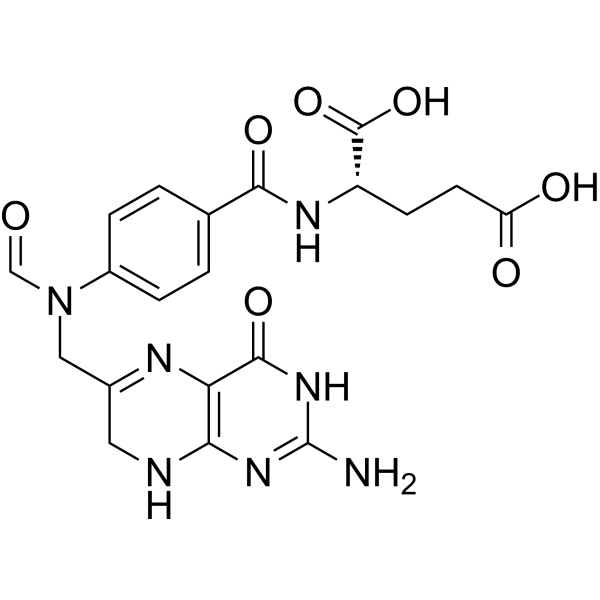
10-Formyl-7,8-dihydrofolic acid is a biologically active folic acid and growth promoter. 10-Formyl-7,8-dihydrofolic acid serves as a substrate for aminoimidazolecarboxamide ribonucleotide transformylase and dihydrofolate reductase (DHFR) to support catalytic reactions (with detection wavelengths of 552 nm and 340 nm, respectively). 10-Formyl-7,8-dihydrofolic acid not only promotes the growth of leukemia cells, but also effectively reverses the growth inhibition induced by antifolate drugs under folate-deficient conditions. 10-Formyl-7,8-dihydrofolic acid can be used in the research of leukemia .
loading...
    loading...
Cat. No.: HY-W588717
CAS No.: 3099388-13-0
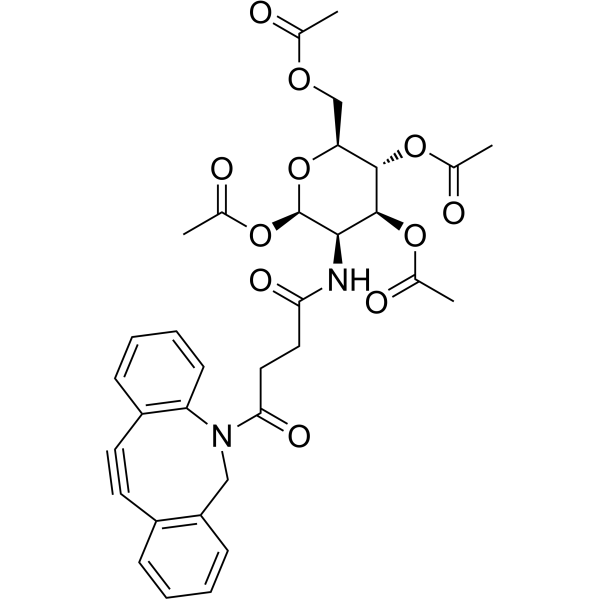
DBCO-Tetraacetyl mannosamine is an organic compound commonly used for chemical alteration and modification in biological research. It can be used to modify glycoproteins, cell surface molecules, and other biomolecules, and is widely used in biomarking and purification techniques. In addition, this compound is used as a carrier for drugs in certain drug controlled release systems. DBCO-Tetraacetyl mannosamine is a click chemistry reagent, it contains a DBCO group that can undergo strain-promoted alkyne-azide cycloaddition (SPAAC) with molecules containing Azide groups.
loading...
    loading...
Cat. No.: HY-32100
CAS No.: 578-67-6
Synonyms: Quinolin-5(1H)-one
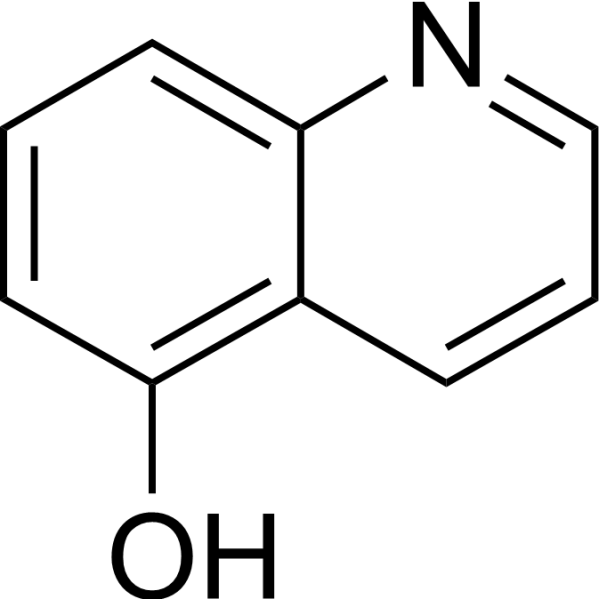
5-Hydroxyquinoline is an organic compound commonly used in certain chemical reactions and biological research. It can be used in the manufacture of dyes, cellulase, oxidants and passivators, etc., and is widely used in the pigment, paint and rubber industries. In addition, the compound is also used as the precursor, intermediate and metal ion complexing agent of certain drugs.
loading...
    loading...
Cat. No.: HY-158224
Synonyms: FibMA
Silk Fibroin Methacryloyl (FibMA) is methacrylated silk fibroin with excellent biocompatibility, stable mechanical properties and good processing properties, and was selected as the substrate for multifunctional microneedle (MN) patches. . MN patches made of Silk Fibroin Methacryloyl exhibit excellent biocompatibility, sustained drug release, pro-angiogenic, antioxidant and antibacterial properties depending on the specific drug encapsulated . Silk Fibroin Methacryloyl needs to self-assemble into fibrous hydrogel under the action of photoinitiator LAP (HY-44076), and target bioactive adhesion sites, play an inherent supporting role for tissue cells and biodegradable activity.
Application: cell culture, biological 3D printing, tissue engineering, etc.
loading...
    loading...

