103 Results for "

CYP3A

" in MedChemExpress (MCE) Product Catalog:
Products (103)

103 Results for "CYP3A" in MCE Product Catalog:

183
183 Publications Verification
Cat. No.: HY-B0011
CAS No.: 114977-28-5
Synonyms: RP-56976
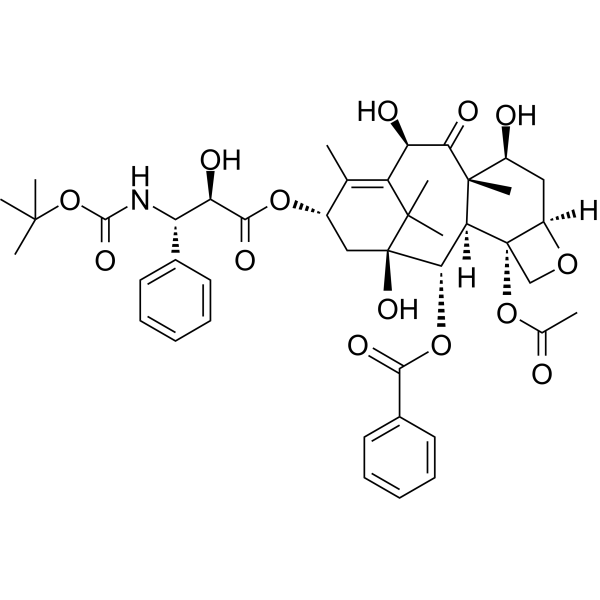
Docetaxel (RP-56976) is an orally active tubulin stabilizer with antitumor activity. Docetaxel is a P-glycoprotein substrate and is metabolized by CYP3A to inactive products. Docetaxel binds tubulin, promotes tubulin polymerization, and inhibits microtubule depolymerization. Docetaxel induces aberrant mitosis followed by necrotic-like cell death at low concentrations, and induces G2/M mitotic arrest and drives apoptosis at high concentrations. Docetaxel induces renal injury/renal alterations, sex-dependent granule toxicity/uptake, low cardiac delivery, and decreased hepatic SOD/increased catalase/hepatotoxicity. Docetaxel can be used in cancer-related research [3] .
loading...
    loading...
183
183 Publications Verification
Cat. No.: HY-B0011A
CAS No.: 148408-66-6
Synonyms: RP-56976 Trihydrate
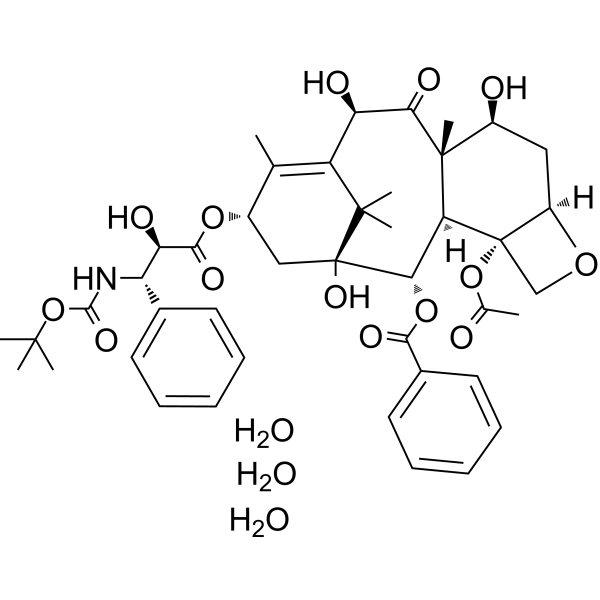
Docetaxel Trihydrate (RP-56976 Trihydrate) is an orally active tubulin stabilizer with antitumor activity. Docetaxel Trihydrate is a P-glycoprotein substrate and is metabolized by CYP3A to inactive products. Docetaxel Trihydrate binds tubulin, promotes tubulin polymerization, and inhibits microtubule depolymerization. Docetaxel Trihydrate induces aberrant mitosis followed by necrotic-like cell death at low concentrations, and induces G2/M mitotic arrest and drives apoptosis at high concentrations. Docetaxel Trihydrate induces renal injury/renal alterations, sex-dependent granule toxicity/uptake, low cardiac delivery, and decreased hepatic SOD/increased catalase/hepatotoxicity. Docetaxel Trihydrate can be used in cancer-related research [3] .
loading...
    loading...
154
154 Cited Publications
Cat. No.: HY-50896
CAS No.: 183321-74-6
Synonyms: CP-358774; NSC 718781; OSI-774
Target:  

EGFR OAT ERK GSK-3 β-catenin

Research Areas:  

Endocrinology Cancer

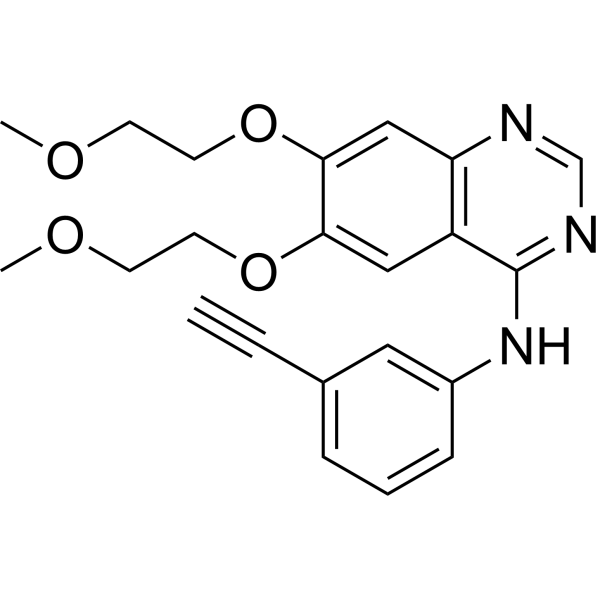
Erlotinib (CP-358774) is a selective, orally active EGFR tyrosine kinase inhibitor. Erlotinib also acts as a substrate and inhibitor of OATP2B1, with an IC50 of approximately 0.079 μM for inhibiting OATP2B1-mediated uptake of estrone 3-sulfate. Erlotinib blocks EGFR phosphorylation, downstream signal transduction, as well as the growth and proliferation of cancer cells. Erlotinib inhibits MMP-10-mediated renal injury, fibrotic lesions, the ERK1/2, GSK-3β and β-catenin signaling pathways, fibronectin, α-SMA, collagen deposition, and renal injury markers. Erlotinib is metabolized via CYP3A to produce the active metabolite OSI-420. Erlotinib can be used in research related to non-small cell lung cancer, gastric cancer, papillary renal cell carcinoma, pancreatic cancer, renal fibrosis, and other conditions [3] .
loading...
    loading...
154
154 Cited Publications
Cat. No.: HY-12008
CAS No.: 183319-69-9
Purity:  99.94%
Synonyms: CP-358774 hydrochloride; NSC 718781 hydrochloride; OSI-774 hydrochloride
Target:  

EGFR OAT ERK GSK-3 β-catenin

Research Areas:  

Endocrinology Cancer

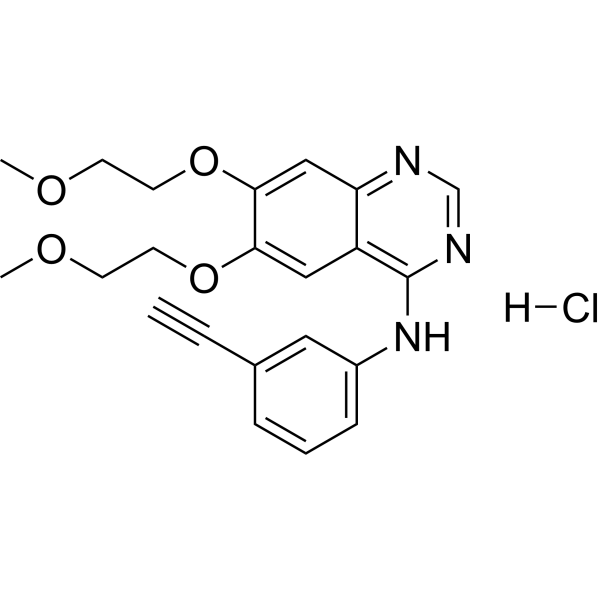
Erlotinib (CP-358774) Hydrochloride is a selective, orally active EGFR tyrosine kinase inhibitor. Erlotinib Hydrochloride also acts as a substrate and inhibitor of OATP2B1, with an IC50 of approximately 0.079 μM for inhibiting OATP2B1-mediated uptake of estrone 3-sulfate. Erlotinib Hydrochloride blocks EGFR phosphorylation, downstream signal transduction, as well as the growth and proliferation of cancer cells. Erlotinib Hydrochloride inhibits MMP-10-mediated renal injury, fibrotic lesions, the ERK1/2, GSK-3β and β-catenin signaling pathways, as well as the deposition of fibronectin, α-SMA, collagen and renal injury markers. Erlotinib Hydrochloride is metabolized via CYP3A to produce the active metabolite OSI-420. Erlotinib Hydrochloride can be used in research related to non-small cell lung cancer, gastric cancer, papillary renal cell carcinoma, EGFR inhibitor resistance and renal fibrosis [3] .
loading...
    loading...
14
14 Cited Publications
Cat. No.: HY-N0693
CAS No.: 61281-38-7
Synonyms: Schizandrin-A; Wuweizisu-A; Deoxyschizandrin
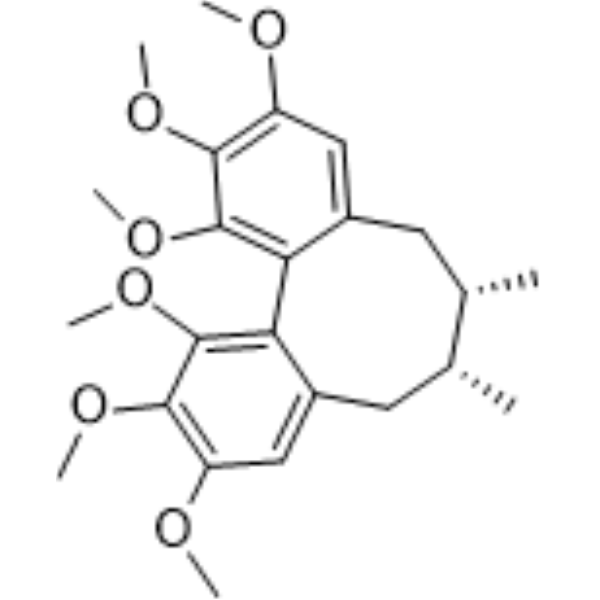
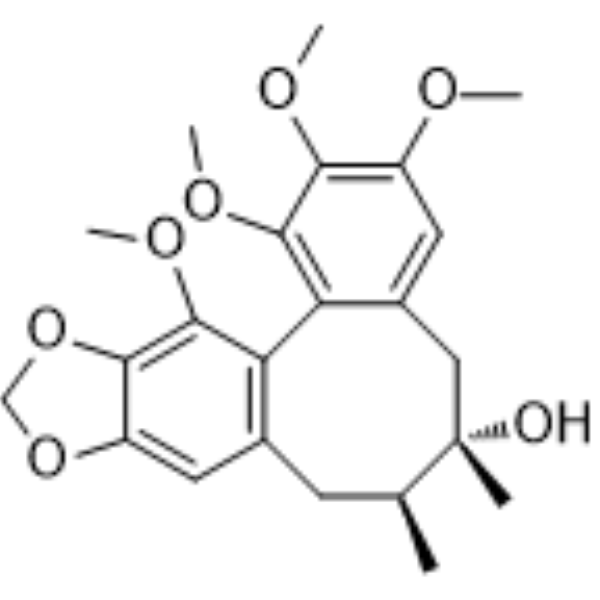
Schisandrin A inhibits CYP3A activity with an IC50 of 6.60 μM and Ki of 5.83 μM, respectively.
loading...
    loading...
12
12 Cited Publications
Cat. No.: HY-10493
CAS No.: 1004316-88-4
Purity:  99.49%
Synonyms: GS-9350
Target:  

Cytochrome P450 HIV

Research Areas:  

Infection Cancer

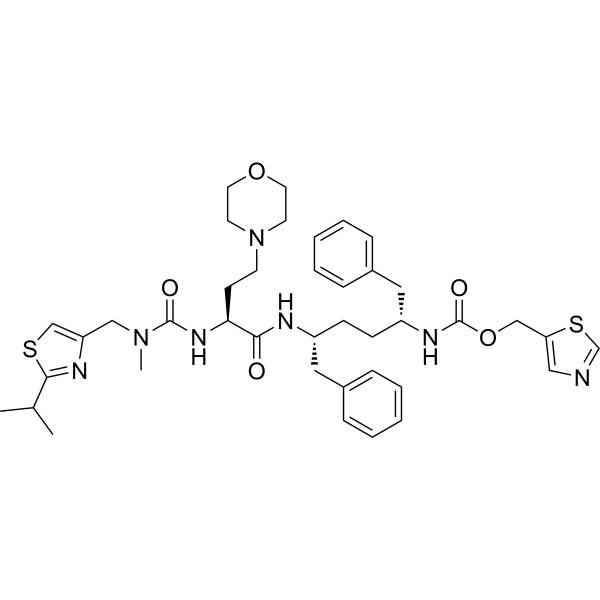
Cobicistat is a potent and selective inhibitor of cytochrome P450 3A (CYP3A) enzymes with IC50s of 30-285 nM. Cobicistat is a pharmacokinetic enhancer which increases the overall absorption of several HIV medications.
loading...
    loading...
5
5 Cited Publications
Cat. No.: HY-13463
CAS No.: 570406-98-3
Purity:  99.83%
Synonyms: AKR-501; E5501; YM477
Research Areas:  

Inflammation/Immunology Cancer

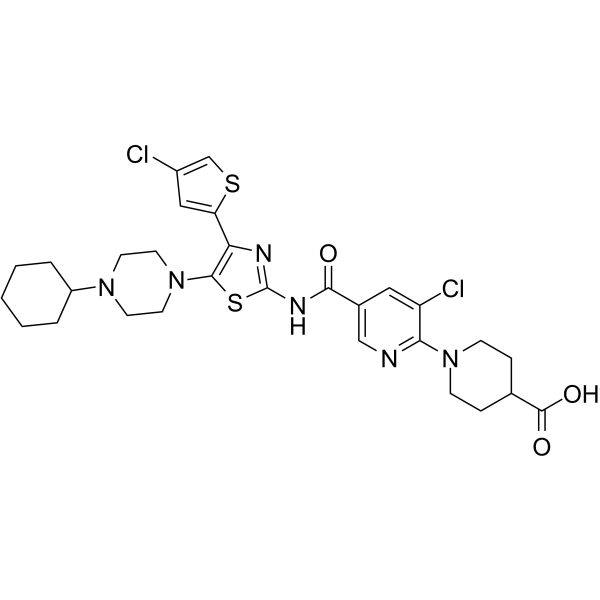
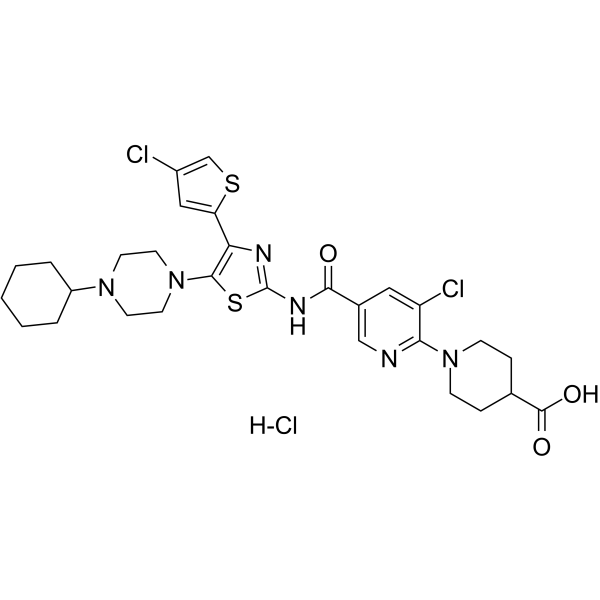
Avatrombopag (AKR-501) is an orally active, nonpeptide thrombopoietin (TPO) receptor agonist (EC50=3.3 nM). Avatrombopag mimics the biological activities of TPO. Avatrombopag increases platelet production by activating the intracellular signaling system, and promotes production of platelets and megakaryocytes from hemopoietic precursor cells. Avatrombopag is a substrate of cytochrome P450 (CYP) 2C9 and CYP3A [3].
loading...
    loading...
5
5 Cited Publications
Cat. No.: HY-13463A
CAS No.: 677007-74-8
Purity:  99.88%
Synonyms: AKR-501 maleate; E5501 maleate; YM477 maleate
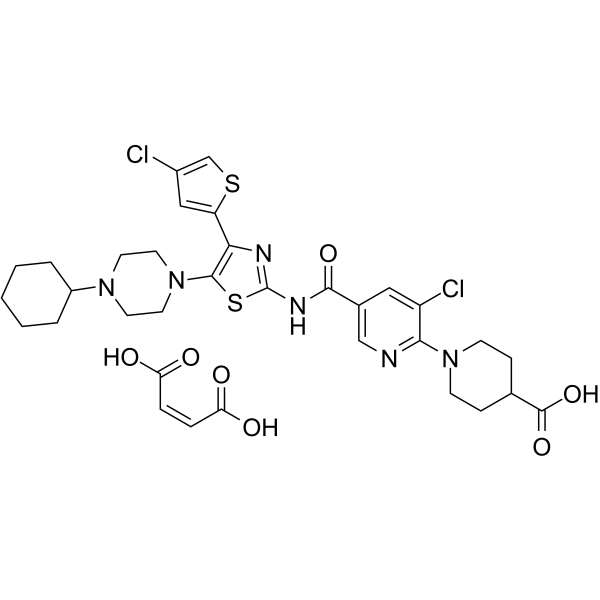
Avatrombopag (AKR-501) maleate is an orally active, non-peptide thrombopoietin receptor (TPO receptor) agonist (EC50: 3.3 nM). Avatrombopag maleate mimics the biological activity of TPO. Avatrombopag maleate increases platelet production by activating intracellular signaling systems and promotes the production of platelets and megakaryocytes from hematopoietic precursor cells. Avatrombopag maleate is a substrate for cytochrome P450 (CYP) 2C9 and CYP3A [3].
loading...
    loading...
5
5 Cited Publications
Cat. No.: HY-13463B
CAS No.: 570403-17-7
Purity:  97.05%
Synonyms: AKR-501 hydrochloride; E5501 hydrochloride; YM477 hydrochloride
Research Areas:  

Cardiovascular Disease Cancer

Avatrombopag (AKR-501) hydrochloride is an orally active, nonpeptide thrombopoietin (TPO) receptor agonist (EC50=3.3 nM). Avatrombopag hydrochloride mimics the biological activities of TPO. Avatrombopag hydrochloride increases platelet production by activating the intracellular signaling system, and promotes production of platelets and megakaryocytes from hemopoietic precursor cells. Avatrombopag hydrochloride is a substrate of cytochrome P450 (CYP) 2C9 and CYP3A [3].
loading...
    loading...
2
2 Cited Publications
Cat. No.: HY-N0692
CAS No.: 58546-54-6
Synonyms: Gomisin-A; TJN-101; Wuweizi alcohol-B
Schisandrol B (Gomisin-A) is a major active constituent of Schisandra chinensis with hepato-protective effects. Schisandrol B inhibits reactive oxygen species (ROS) production. Schisandrol B inhibits the activity of P-glycoprotein and CYP3A and also has anti-inflammatory, anti-diabetic and antioxidant activities [3].
loading...
    loading...
1
1 Cited Publications
Cat. No.: HY-P74210
Purity:  ≥ 90%, as determined by reducing SDS-PAGE.
Synonyms: CYP3A4; CYPIIIA3; Prev. CYP3A3; Cytochrome P450, Subfamily IIIA (Niphedipine Oxidase), Polypeptide 3; Cytochrome P450, Subfamily IIIA (Niphedipine Oxidase), Polypeptide 4; Taurochenodeoxycholate 6-Alpha-Hydroxylase; Cytochrome P450, Family 3, Subfamily A,
Species:  
Human
Source:  
E. coli
loading...
    loading...
Cat. No.: HY-108881
CAS No.: 2751-09-9
Purity:  ≥98.0%
Synonyms: Triacetyloleandomycin
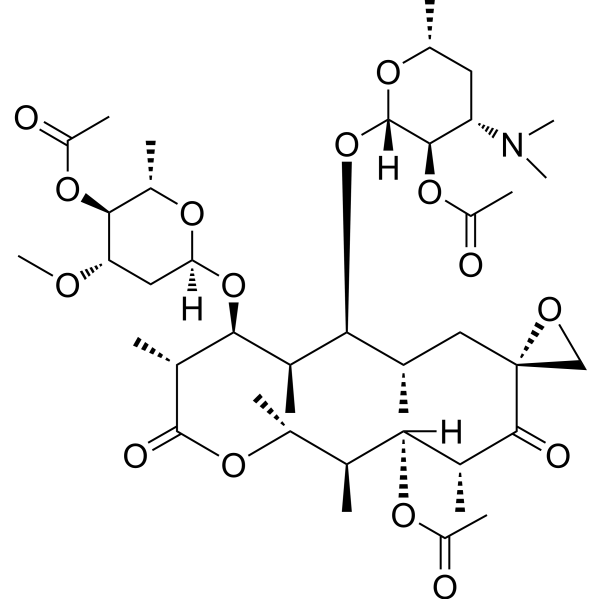
Troleandomycin (Triacetyloleandomycin), a macrolide acrolide antibiotic, is a selective CYP3A inhibitor. Troleandomycin is an oral corticosteroid for asthma study [3].
loading...
    loading...
Cat. No.: HY-B0696A
CAS No.: 145821-59-6
Synonyms: NO050328 hydrochloride; NO328 hydrochloride; TGB hydrochloride
Target:  

GABA Receptor

Research Areas:  

Neurological Disease

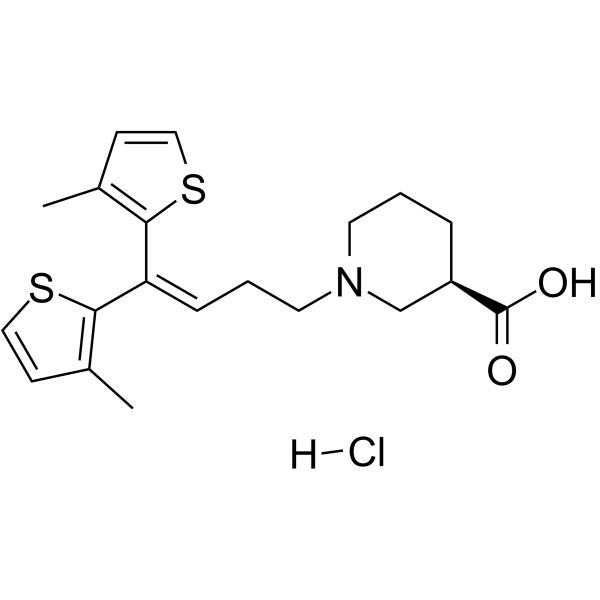
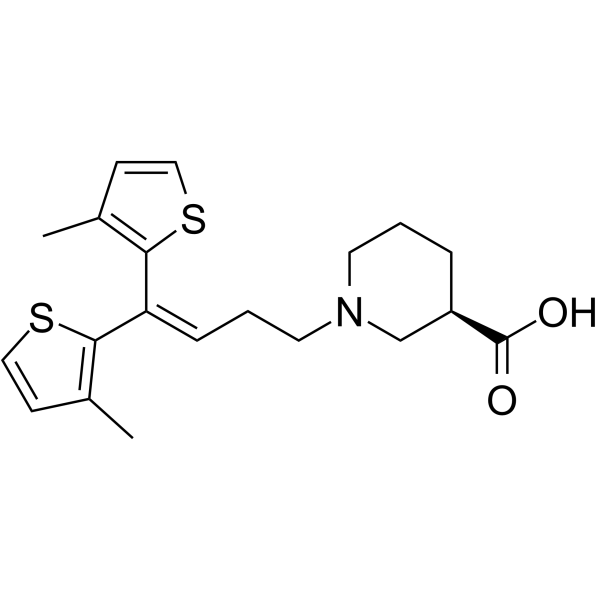
Tiagabine hydrochloride (NO050328; NO328; TGB) is an orally active, highly selective, and reversible GAT-1 inhibitor and anticonvulsant that crosses the blood-brain barrier. By blocking the reuptake of GABA in neurons and glial cells, tiagabine increases extracellular GABA levels to enhance inhibitory signal transduction, thereby exerting multiple activities such as anticonvulsant, neuroprotective, and antioxidant effects. Tiagabine hydrochloride exhibits linear pharmacokinetic properties. Although it is metabolized by CYP3A and has a high protein binding rate, it carries a low risk of cognitive impairment. Tiagabine hydrochloride is widely used in research on related diseases including epilepsy (including refractory partial seizures), alcohol withdrawal symptoms, and Huntington's disease [3] .
loading...
    loading...
Cat. No.: HY-B0696
CAS No.: 115103-54-3
Synonyms: NO050328; NO328; TGB
Target:  

GABA Receptor

Research Areas:  

Neurological Disease

Tiagabine (NO050328; NO328; TGB) is an orally active, highly selective, and reversible GAT-1 inhibitor and anticonvulsant that crosses the blood-brain barrier. By blocking the reuptake of GABA in neurons and glial cells, tiagabine increases extracellular GABA levels to enhance inhibitory signal transduction, thereby exerting multiple activities such as anticonvulsant, neuroprotective, and antioxidant effects. Tiagabine exhibits linear pharmacokinetic properties. Although it is metabolized by CYP3A and has a high protein binding rate, it carries a low risk of cognitive impairment. Tiagabine is widely used in research on related diseases including epilepsy (including refractory partial seizures), alcohol withdrawal symptoms, and Huntington's disease [3] .
loading...
    loading...
Cat. No.: HY-50896R
CAS No.: 183321-74-6
Synonyms: CP-358774 (Standard); NSC 718781 (Standard); OSI-774 (Standard)
Erlotinib Standard (CP-358774 Standard) is the analytical standard of Erlotinib (HY-50896). This product is intended for research and analytical applications. Erlotinib (CP-358774) is a selective, orally active EGFR tyrosine kinase inhibitor. Erlotinib also acts as a substrate and inhibitor of OATP2B1, with an IC50 of approximately 0.079 μM for inhibiting OATP2B1-mediated uptake of estrone 3-sulfate. Erlotinib blocks EGFR phosphorylation, downstream signal transduction, as well as the growth and proliferation of cancer cells. Erlotinib inhibits MMP-10-mediated renal injury, fibrotic lesions, the ERK1/2, GSK-3β and β-catenin signaling pathways, as well as the deposition of fibronectin, α-SMA, collagen and renal injury markers. Erlotinib is metabolized via CYP3A to produce the active metabolite OSI-420. Erlotinib can be used in research related to non-small cell lung cancer, gastric cancer, papillary renal cell carcinoma, EGFR inhibitor resistance and renal fibrosis [3] .
loading...
    loading...
Cat. No.: HY-A0069
CAS No.: 562-10-7
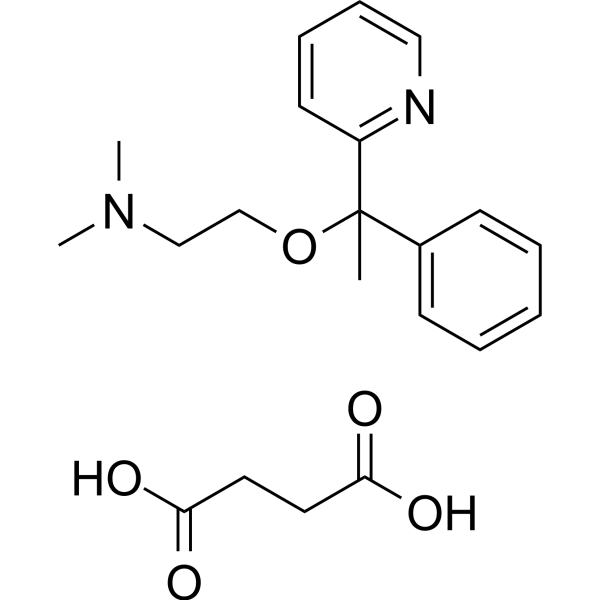
Doxylamine succinate is a first-generation antihistamine and acts as a histamine H1 receptor antagonist. Doxylamine succinate is orally active, possessing analgesic and hypnotic activities. Doxylamine succinate enhances the activities of CYP2B, CYP2A, CYP3A and thyroxine-glucuronosyltransferase via promoting substrate hydroxylation and thyroxine metabolic pathways. Doxylamine succinate decreases serum thyroxine (T4) level and elevates serum thyroid-stimulating hormone (TSH) level. Doxylamine succinate induces liver enlargement and increases the activities of hepatic microsomal cytochrome P450, cytochrome b5 and NADPH-cytochrome c reductase. Doxylamine succinate can be used for the research of nausea, allergy, insomnia [3].
loading...
    loading...
Cat. No.: HY-113327
CAS No.: 5415-44-1
Purity:  99.99%
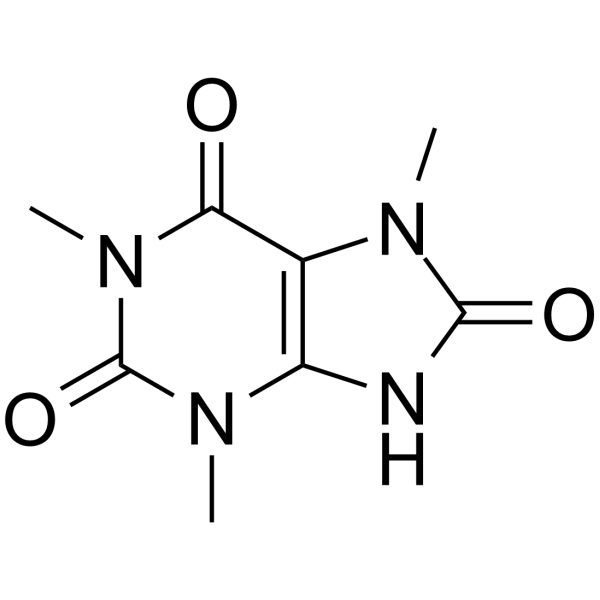
1,3,7-Trimethyluric acid is the metabolite of caffeine. The metabolic ratio 1,3,7-Trimethyluric acid to caffeine can be evaluated as a biomarker to describe variability in CYP3A activity in a cohort .
loading...
    loading...
Cat. No.: HY-113482
CAS No.: 80434-32-8
Synonyms: 1β-OH-DCA
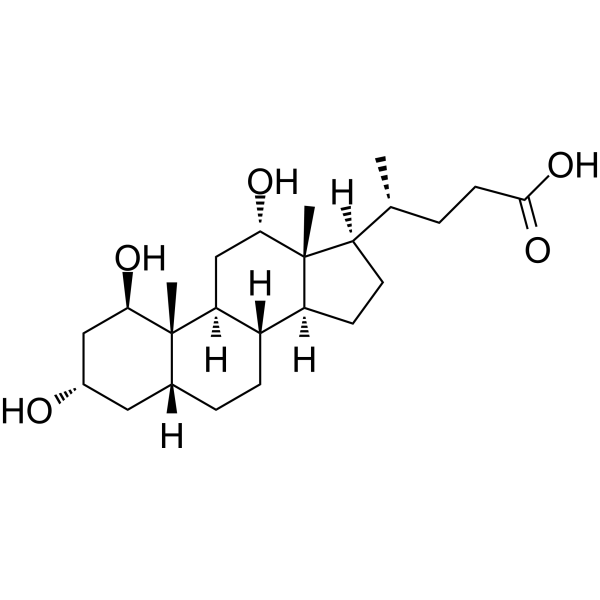
1β-Hydroxydeoxycholic acid (1β-OH-DCA) is an endogenous bile acid metabolite formed from deoxycholic acid via CYP3A-mediated 1β-hydroxylation. 1β-Hydroxydeoxycholic acid undergoes rapid metabolism in human hepatocytes, primarily through glycine conjugation to form G-1β-OH-DCA, with minor taurine conjugation and sulfation. The urinary ratio of 1β-Hydroxydeoxycholic acid to deoxycholic acid can be used as an endogenous biomarker for assessing CYP3A activity. 1β-Hydroxydeoxycholic acid can be used in metabolism-related research [3].
loading...
    loading...
Cat. No.: HY-W019847
CAS No.: 76530-44-4
Target:  

Cytochrome P450

Research Areas:  

Infection Metabolic Disease

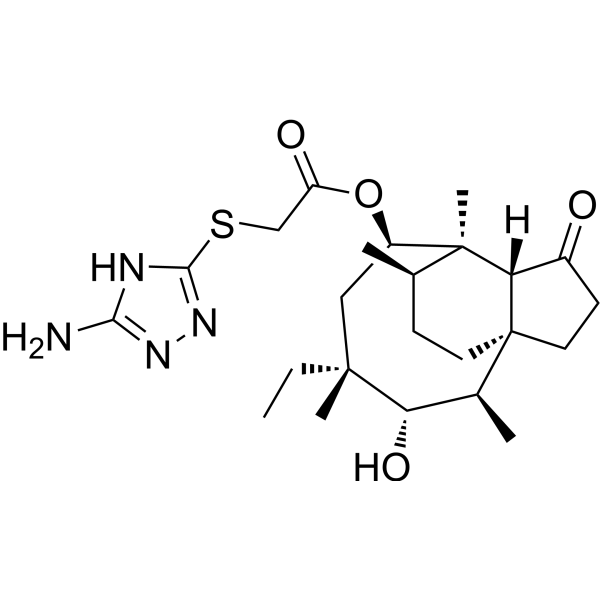
Azamulin is an irreversible, highly selective inhibitior of human CYP3Aa. Azamulin has CYP3A inhibition activity with IC50 values range from 0.03-0.24 μM. Azamulin can be used for the research of metabolism and antiinfection .
loading...
    loading...
Cat. No.: HY-W040468
CAS No.: 92321-29-4
Target:  

Cytochrome P450

Research Areas:  

Metabolic Disease

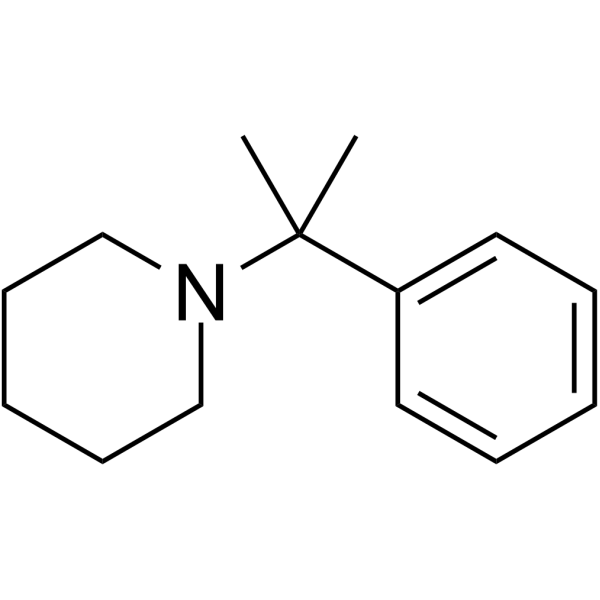
2-Phenyl-2-(1-piperidinyl)propane is a selective and reversible human CYP2B6 inhibitor with an IC50 of 5.1 μM and a Ki of 5.6. 2-Phenyl-2-(1-piperidinyl)propane inhibits CYP2D6 (IC50=74 μM), CYP3A (IC50=200 μM) .
loading...
    loading...

