
115 Results for "

Calcium Mobilization

" in MedChemExpress (MCE) Product Catalog:
Products (115)

115 Results for "Calcium Mobilization" in MCE Product Catalog:

6
6 Publications Verification
Cat. No.: HY-50688
CAS No.: 211096-49-0
Target:  

CXCR

Research Areas:  

Inflammation/Immunology

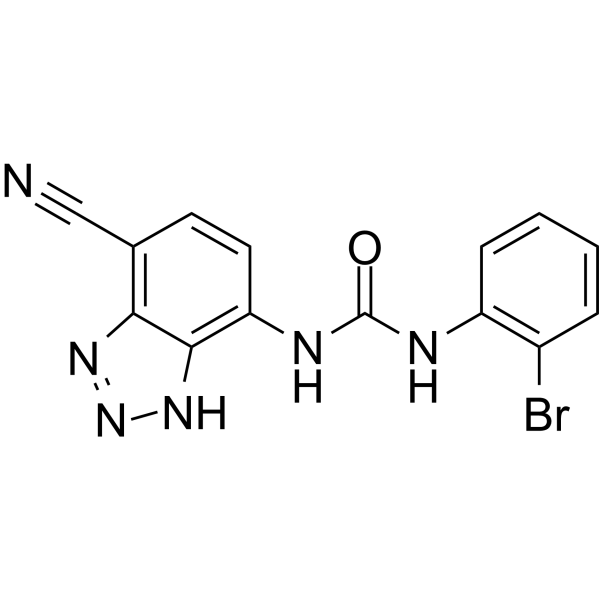
SB-265610 is a selective, competitive, nonpeptide and allosteric CXCR2 antagonist. SB-265610 blocks rat cytokine-induced neutrophil chemoattractant-1 (CINC-1)-induced calcium mobilization and neutrophil chemotaxis with IC50s of 3.7 nM and 70 nM, respectively .
loading...
    loading...
5
5 Cited Publications
Cat. No.: HY-111200
CAS No.: 887258-94-8
Purity:  99.47%
Synonyms: SCA-136
Target:  

5-HT Receptor

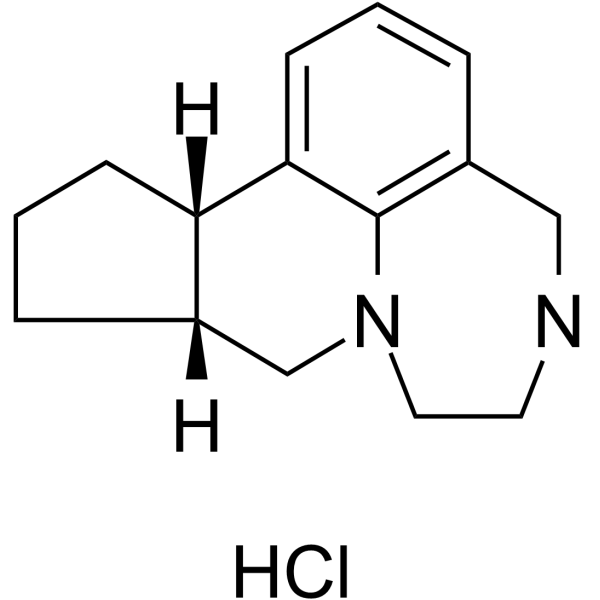
Vabicaserin hydrochloride (SCA-136) is a brain-penetrant, orally active, and selective 5-HT2C receptor agonist (Ki = 3 nM; EC50 = 8 nM). Vabicaserin hydrochloride specifically activates Gq-coupled 5-HT2C receptors to promote calcium mobilization, thereby selectively reducing dopamine release in the mesolimbic system without affecting the nigrostriatal pathway . Vabicaserin hydrochloride is an antagonist of 5-HT2A/5-HT2B receptors. Vabicaserin hydrochloride can be used for research on schizophrenia, obesity, chronic pain, and neurodegenerative diseases (such as Machado-Joseph disease) .
loading...
    loading...
4
4 Cited Publications
Cat. No.: HY-P0172
CAS No.: 1337878-62-2
Target:  

CXCR

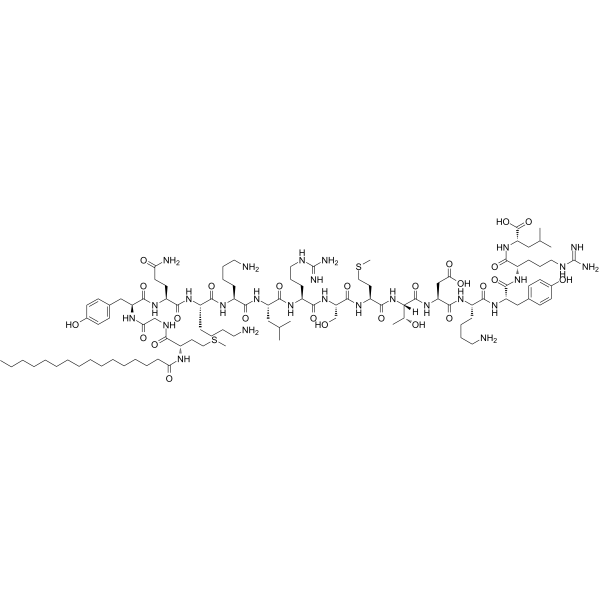
ATI-2341 is a potent and functionally selective allosteric agonist of C-X-C chemokine receptor type 4 (CXCR4), which functions as a biased ligand, favoring Gαi activation over Gα13. ATI-2341 activates the inhibitory heterotrimeric G protein (Gi) to promote inhibition of cAMP production and induce calcium mobilization. ATI-2341 is a potent and efficacious mobilizer of bone marrow polymorphonuclear neutrophils (PMNs) and hematopoietic stem and progenitor cells (HSPCs) .
loading...
    loading...
4
4 Cited Publications
Cat. No.: HY-P0172A
Target:  

CXCR

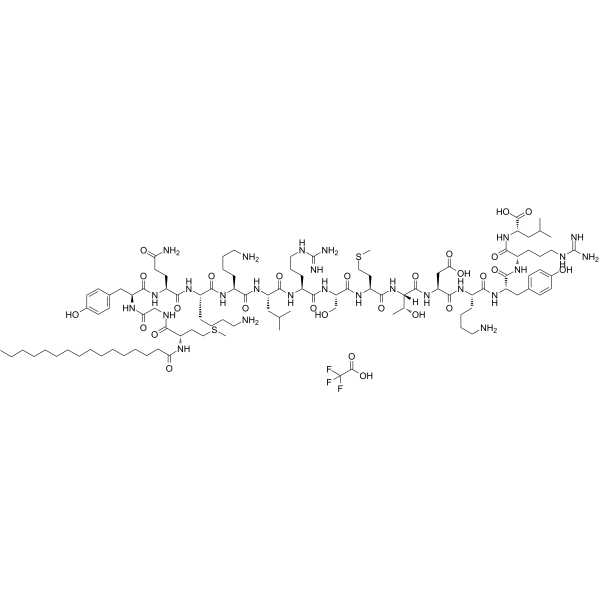
ATI-2341 is a potent and functionally selective allosteric agonist of C-X-C chemokine receptor type 4 (CXCR4), which functions as a biased ligand, favoring Gαi activation over Gα13. ATI-2341 activates the inhibitory heterotrimeric G protein (Gi) to promote inhibition of cAMP production and induce calcium mobilization. ATI-2341 is a potent and efficacious mobilizer of bone marrow polymorphonuclear neutrophils (PMNs) and hematopoietic stem and progenitor cells (HSPCs) .
loading...
    loading...
3
3 Cited Publications
Cat. No.: HY-B0499A
CAS No.: 26095-59-0
Synonyms: Octylonium bromide; SP63
Target:  

mAChR

Research Areas:  

Neurological Disease

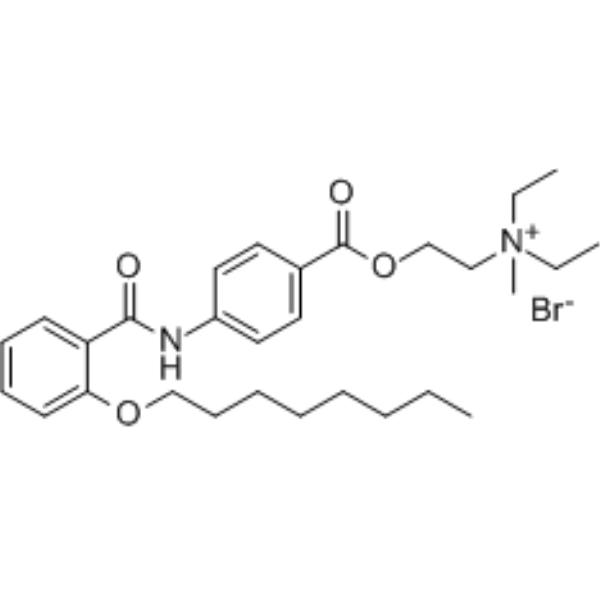
Otilonium bromide (OB) is an orally active mAChR inhibitor and smooth muscle relaxant which can interfere with the mobilization of calcium in intestinal smooth muscle, OB can be used for research of irritable bowel syndrome .
loading...
    loading...
2
2 Cited Publications
Cat. No.: HY-N7395
CAS No.: 119340-53-3
Synonyms: cADPR
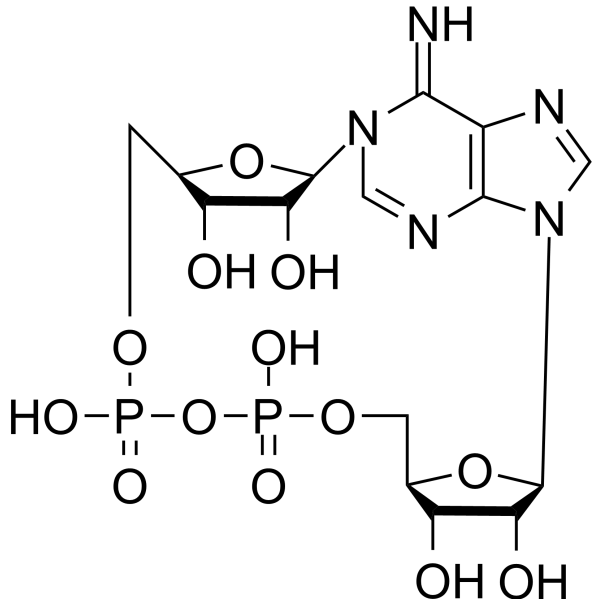
Cyclic ADP-ribose (cADPR) is a potent second messenger for calcium mobilization that is synthesized from NAD + by an ADP-ribosyl cyclase. Cyclic ADP-ribose increases cytosolic calcium mainly by Ryanodine receptor-mediated release from endoplasmic reticulum and also by extracellular influx through the opening of TRPM2 channels .
loading...
    loading...
2
2 Cited Publications
Cat. No.: HY-13628
CAS No.: 161172-51-6
Purity:  98.74%
Synonyms: LY293111; VML 295
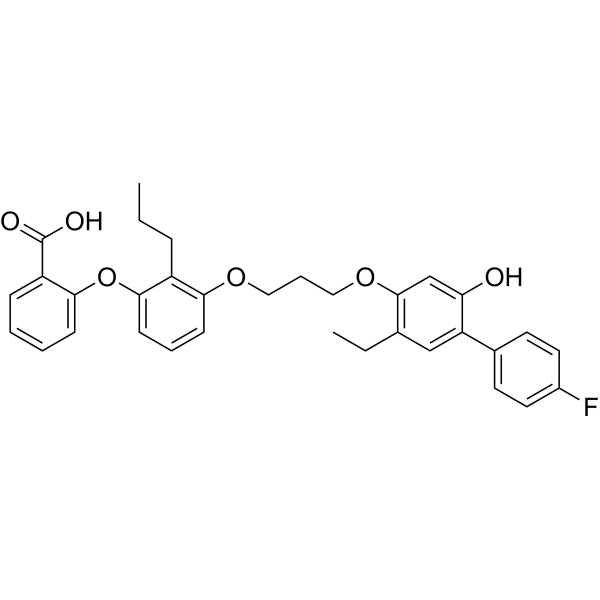
Etalocib (LY293111), an orally active leukotriene B4 receptor antagonist, inhibits the binding of [ 3H]LTB4, with a Ki of 25 nM. Etalocib (LY293111) prevents LTB4-induced calcium mobilization with an lC50 of 20 nM. Etalocib (LY293111) induces apoptosis .
loading...
    loading...
2
2 Cited Publications
Cat. No.: HY-N7395A
Synonyms: cADPR ammonium
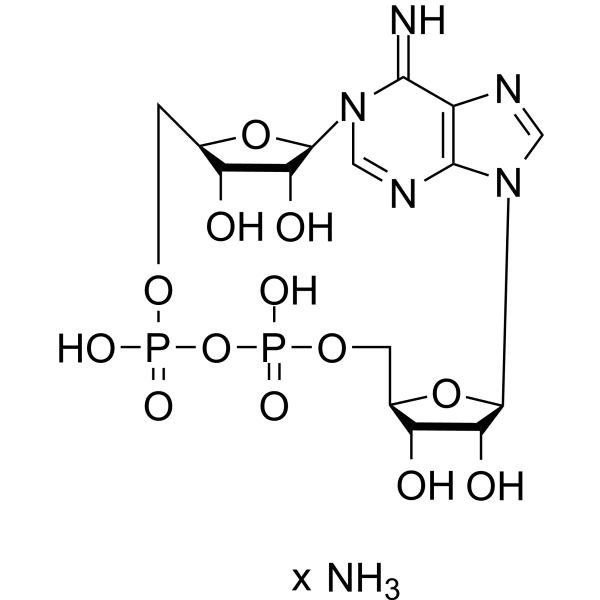
Cyclic ADP-ribose ammonium (cADPR ammonium) is a potent second messenger for calcium mobilization that is synthesized from NAD + by an ADP-ribosyl cyclase. Cyclic ADP-ribose ammonium increases cytosolic calcium mainly by Ryanodine receptor-mediated release from endoplasmic reticulum and also by extracellular influx through the opening of TRPM2 channels .
loading...
    loading...
2
2 Cited Publications
Cat. No.: HY-E70226
CAS No.: 71965-46-3
Synonyms: CTSS
Human Cathepsin S (CTSS) is a cysteine protease with elastinolytic activity. Human Cathepsin S is inhibited by cysteine protease inhibitors such as E-64 (HY-15282) and cystatin C. Human Cathepsin S cleaves substrates including elastin, TGF-β1, Myelin basic protein (HY-P1821), PAR2, SIRT1, collagen 18A1, FKN, and MHC-II invariant chain fragments, thereby driving processes such as elastic matrix degradation, TGF-β1 signaling, demyelination, PAR2-mediated calcium mobilization, NF-κB activation, hepatic fibrosis, immune homeostasis regulation, and antigen presentation. Human Cathepsin S can be used in the research of cardiovascular diseases, chronic kidney diseases, autoimmune diseases, tumors, Alzheimer's disease, and obesity .
loading...
    loading...
1
1 Cited Publications
Cat. No.: HY-103450
CAS No.: 1392487-51-2
Purity:  99.66%
Target:  

Estrogen Receptor/ERR

Research Areas:  

Endocrinology Cancer

G-36 is a cell-permeable nonsteroidal antagonist of the G protein-coupled estrogen receptor (GPER/GPR30), which selectively inhibits estrogen-mediated PI3K activation through GPER, rather than Erα. G-36 also inhibits estrogen-mediated calcium mobilization (IC50=112 nM). G-36 is promising for research in the field of cancer .
loading...
    loading...
1
1 Cited Publications
Cat. No.: HY-P1852
CAS No.: 277302-47-3
Target:  

Adenylate Cyclase PTHR

Research Areas:  

Neurological Disease

TIP 39, Tuberoinfundibular Neuropeptide is an endogenous PTH2 receptor agonist and antihypertensive agent. TIP 39, Tuberoinfundibular Neuropeptide selectively activates the PTH2 receptor with no activity on the PTH1 receptor, stimulates cAMP production, activates adenylate cyclase, and elevates intracellular calcium levels via mobilization from intracellular stores. TIP 39, Tuberoinfundibular Neuropeptide is highly conserved in humans, mice, and rats. TIP 39, Tuberoinfundibular Neuropeptide is applicable to research related to nociception and inflammation-induced pain .
loading...
    loading...
1
1 Cited Publications
Cat. No.: HY-128121
CAS No.: 315698-36-3
Purity:  99.94%
Target:  

Dopamine Receptor

Research Areas:  

Neurological Disease

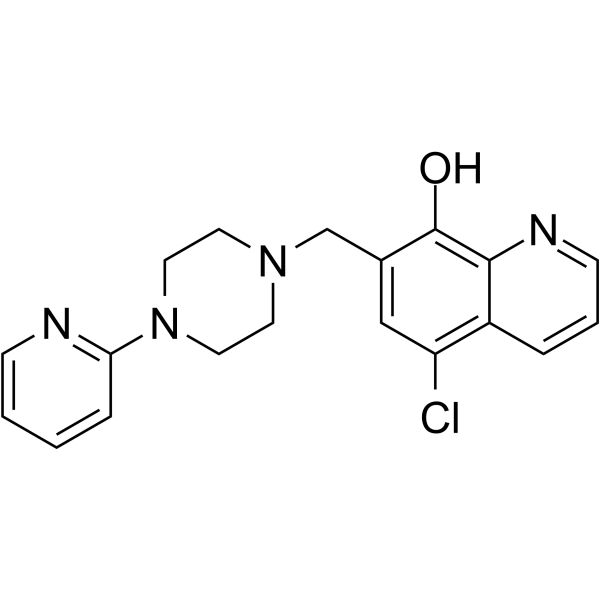
MLS1547 is a highly efficacious G protein-biased dopamine D2 receptor (D2R) agonist (Ki=1.2 μM). MLS1547 stimulates D2R G protein-mediated signaling (EC50=0.37 μM in a calcium mobilization assay). MLS1547 acts as an antagonist for dopamine (DA)-stimulated β-arrestin recruitment to the D2R (IC50=9.9 μM) .
loading...
    loading...
1
1 Cited Publications
Cat. No.: HY-132184
CAS No.: 87173-80-6
Purity:  ≥99.0%
Synonyms: 5,6-EET; (±)5,6-EpETrE
Research Areas:  

Endocrinology

5,6-Epoxyeicosatrienoic acid (5,6-EET; (±)5,6-EpETrE) is a fully racemic version of the enantiomeric forms biosynthesized from arachidonic acid by cytochrome P450 enzymes. In solution, 5,6-Epoxyeicosatrienoic acid degrades into 5,6-DiHET and 5,6-δ-lactone, which can be converted to 5,6-DiHET and quantified by GC-MS. In neuroendocrine cells, such as the anterior pituitary and pancreatic islets, 5,6-Epoxyeicosatrienoic acid has been implicated in the mobilization of calcium and hormone secretion. 5,6-Epoxyeicosatrienoic acid is an inhibitor of T-type voltage-gated calcium channels (Cav3) that inhibits isoforms Cav3.1, Cav3.2 (IC50=0.54 μM), and Cav3. and decreases nifedipine-resistant phenylephrine-induced vasoconstriction in isolated mouse mesenteric arteries via Cav3.2 blockade when used at a concentration of 3 μM. In addition, it is a substrate of COX-1 and COX-2.
loading...
    loading...
1
1 Cited Publications
Cat. No.: HY-N0805A
CAS No.: 18649-93-9
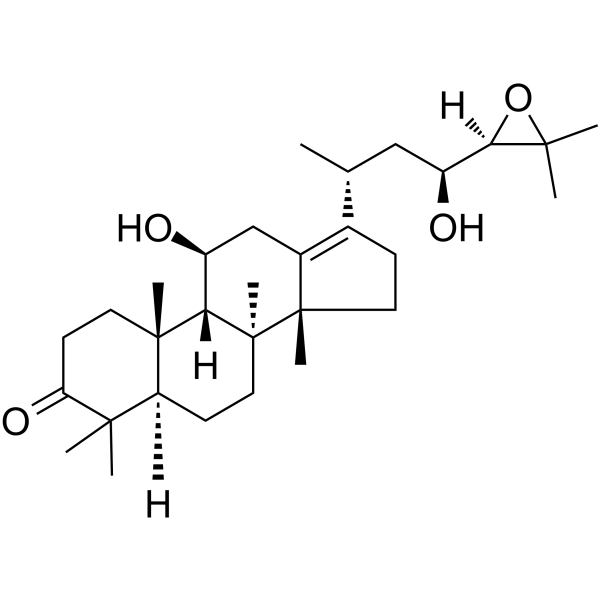
Alisol B is a triterpene with diverse biological activities. Alisol B binds human soluble epoxide hydrolase (sEH) with a Ki of 5.97 μM and reduces sEH activity. Alisol B inhibits RANKL-induced JNK phosphorylation, NFATc1 and c-Fos expression, osteoclast formation, mature osteoclast pit-forming and actin ring activity, and SERCA pump activity. Alisol B induces calcium mobilization, CaMKK-AMPK-mTOR pathway activation, autophagic flux, autophagosome formation, G1 phase cell cycle arrest, endoplasmic reticulum stress, unfolded protein responses, and cancer cell apoptosis. Alisol B can be used for the research of hypercalcemia, osteoporosis, rheumatoid arthritis, periodontitis, acute kidney injury, and breast cancer .
loading...
    loading...
1
1 Cited Publications
Cat. No.: HY-147222
CAS No.: 1241280-25-0
Purity:  98.60%
Synonyms: GPR183 antagonist-1
Target:  

EBI2/GPR183

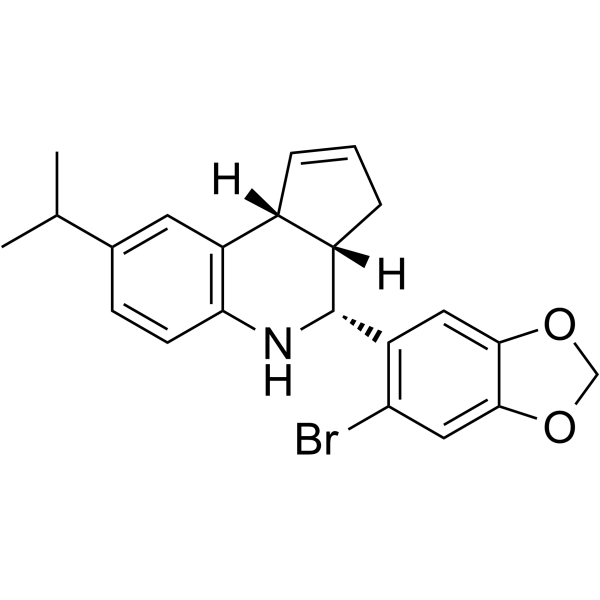
SAE-14 (compound SAE-14) is a potent, specific GPR183 antagonist with an IC50 value of 28.5 nM, can antagonize 7α, 25-OHC–induced calcium mobilization with IC50 value below 50 nM in HL-60 cells. GPR183 antagonist-1 can reverse allodynia in mice .
loading...
    loading...
1
1 Cited Publications
Cat. No.: HY-P2355
CAS No.: 66556-73-8
Synonyms: BOC2; Boc-Phe-dLeu-Phe-dLeu-Phe
Research Areas:  

Inflammation/Immunology

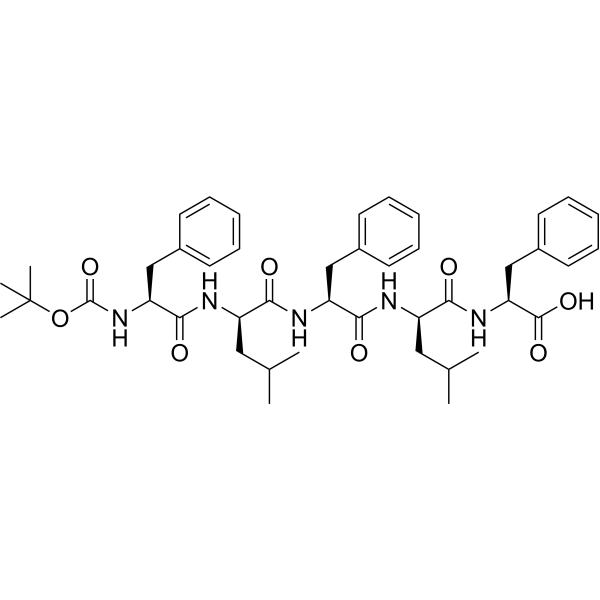
BOC-FlFlF (Boc-Phe-dLeu-Phe-dLeu-Phe) is a selective FPR1 antagonist. Boc-FlFlF has an apparent dissociation constant (KD) of 230 nM as determined by the intracellular calcium mobilization assay. Boc-FlFlF can be used for the study of inflammation .
loading...
    loading...
1
1 Cited Publications
Cat. No.: HY-118830
CAS No.: 59894-07-4
Purity:  99.90%
Synonyms: DK-PGD2; 15-Oxo-13,14-dihydro-PGD2; 13,14-Dihydro-15-keto-PGD2
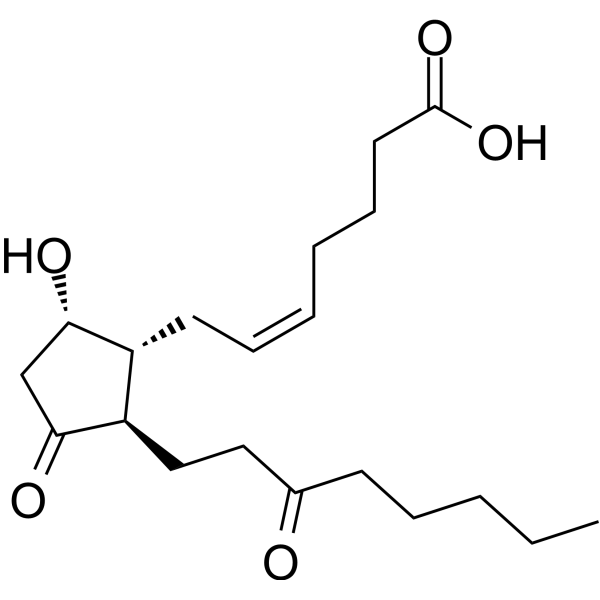
13,14-Dihydro-15-keto prostaglandin D2 (DK-PGD2; 15-Oxo-13,14-dihydro-PGD2; 13,14-Dihydro-15-keto-PGD2) is a metabolite of Prostaglandin D2 (HY-101988) and acts as a CRTH2 agonist. 13,14-Dihydro-15-keto-prostaglandin D2 exhibits binding activity to CRTH2, induces cellular calcium signaling flux, and mediates eosinophilia in vivo. 13,14-Dihydro-15-keto-prostaglandin D2 activates the CRTH2 receptor, triggering Gi-dependent intracellular calcium mobilization and promoting the migration and recruitment of leukocytes from bone marrow to peripheral blood in vivo. 13,14-Dihydro-15-keto prostaglandin D2 is used in research on inflammation-related diseases, such as bronchial asthma .
loading...
    loading...
1
1 Cited Publications
Cat. No.: HY-N0620
CAS No.: 102841-43-0
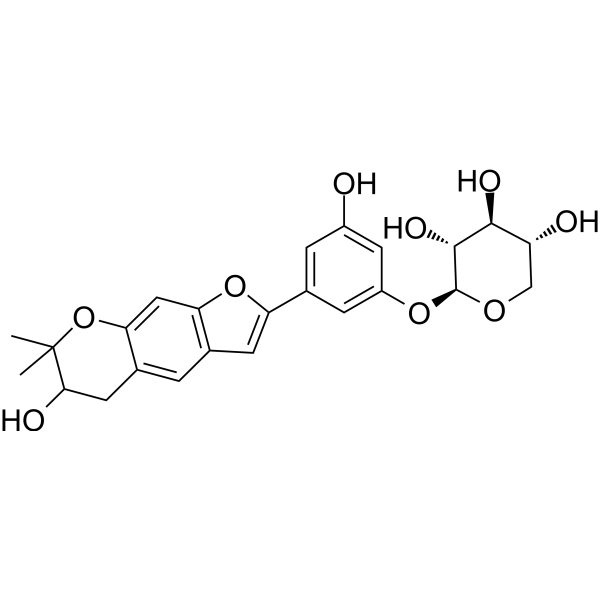
Mulberroside C is one of the main bioactive components in white mulberry (Morus alba L.). Mulberroside C exhibits antiplatelet, antiviral and neutrophil-regulating activities, and binds to EV-A71 VP1 with a Kd value of 1.289 nM. Mulberroside C reduces the phosphorylation level of ERK, promotes the phosphorylation of IP3RI at the Ser 1756 site, and decreases calcium influx and calcium mobilization. Mulberroside C inhibits the expression of P-selectin (P-selectin). Mulberroside C upregulates the cyclic nucleotide signaling pathway in human platelets. Mulberroside C binds to IL-23R, upregulates the expression of G-CSF, GM-CSF and RASGRP1, and activates the RAS/ERK signaling pathway. Mulberroside C promotes neutrophil maturation, accelerates the recovery of leukopenia, and enhances the antibacterial activity of neutrophils. Mulberroside C inhibits the replication of hepatitis C virus in replicon cells. Mulberroside C prevents the uncoating and genome release of EV-A71, and inhibits the synthesis of viral proteins and RNA. Mulberroside C can be used in studies related to thrombosis-mediated cardiovascular diseases, chemotherapy- and radiotherapy-induced leukopenia, hepatitis C virus infection, and hand, foot and mouth disease .
loading...
    loading...
Cat. No.: HY-P991734
VHB937 is a potent and selective TREM2 agonist, a human monoclonal antibody, with sub-nanomolar affinity. VHB937 enhances TREM2 surface expression and downstream signaling, such as Syk phosphorylation and calcium mobilization. VHB937 exhibits robust neuroprotective effects in vivo, significantly reducing pathology and pro-inflammatory markers across a broad range of animal models of neuroinflammation and neurodegeneration. VHB937 can be used for neurodegenerative diseases research .
loading...
    loading...
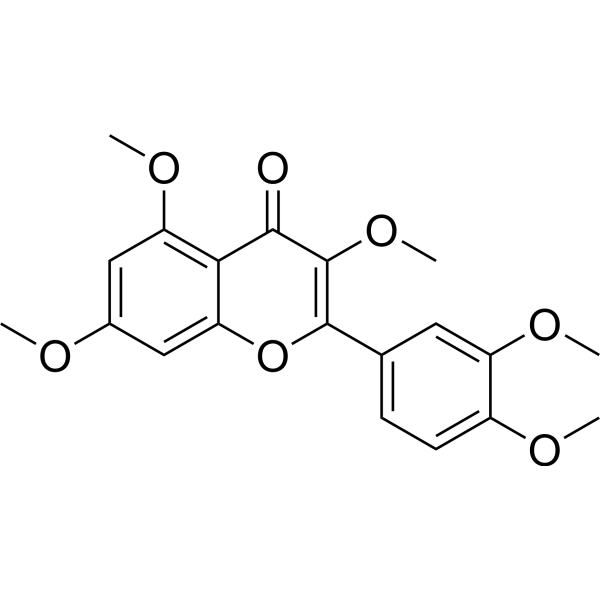
Cat. No.: HY-N7690
CAS No.: 1247-97-8
3,5,7,3’,4’-Pentamethoxyflavone is a Ca 2+ channel inhibitor. 3,5,7,3’,4’-Pentamethoxyflavone can protect DNA from oxidative damage. 3,5,7,3’,4’-Pentamethoxyflavone can induce relaxation of the human corpus cavernosum through calcium mobilization-related mechanisms. 3,5,7,3’,4’-Pentamethoxyflavone can promote the expression of eNOS and cystathionine gamma lyase CSE proteins in middle-aged male rats and regulate vascular function. 3,5,7,3’,4’-Pentamethoxyflavone can be used in research related to diabetes and cardiovascular diseases .
loading...
    loading...

