113 Results for "

Candida cells

" in MedChemExpress (MCE) Product Catalog:
Products (113)

113 Results for "Candida cells" in MCE Product Catalog:

4
4 Cited Publications
Cat. No.: HY-B0139
CAS No.: 2022-85-7
Synonyms: 5-Fluorocytosine; NSC 103805; Ro 2-9915
Target:  

Fungal Antibiotic

Research Areas:  

Infection Cancer

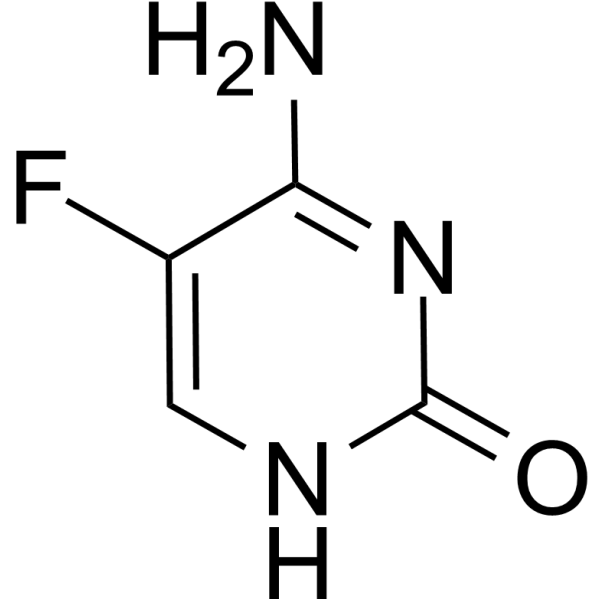
Flucytosine (5-Fluorocytosine) is an antifungal compound with oral activity. Flucytosine is a widely used cytotoxic drug that, after further metabolism, produces fluorinated ribonucleotides and deoxyribonucleotides, inhibits DNA and protein synthesis, and has multiple effects such as inhibiting candida and candida neoplasm infection and producies cytotoxicity to cancer cells .
loading...
    loading...
4
4 Cited Publications
Cat. No.: HY-B0852
CAS No.: 107534-96-3
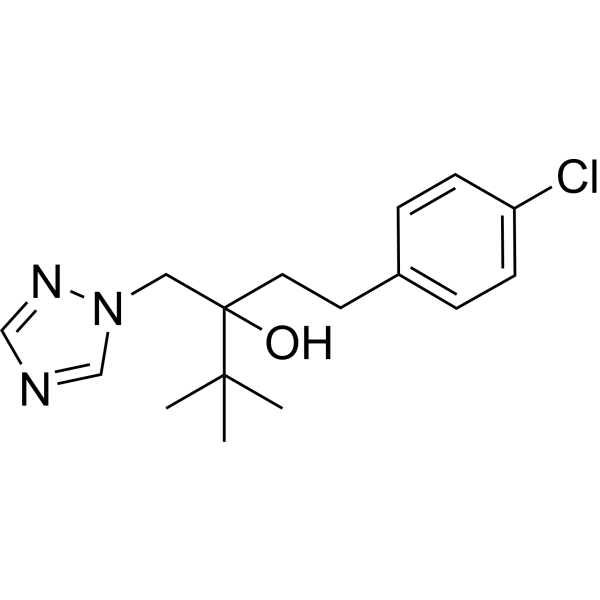
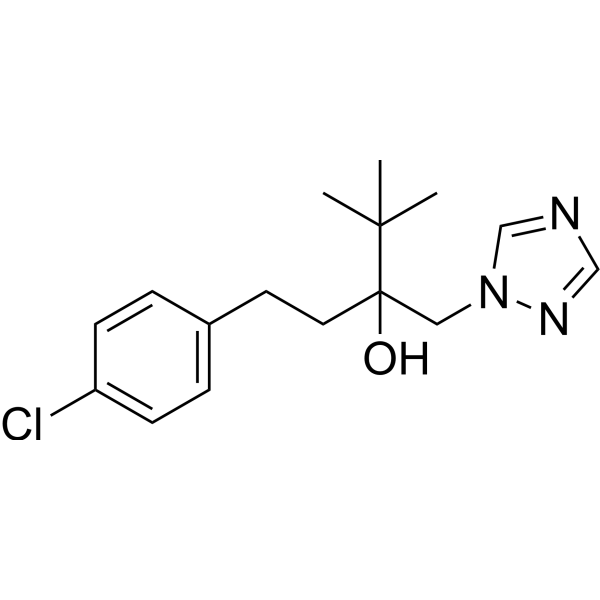
Tebuconazole is an orally active agricultural azole fungicide which can also inhibit CYP51 with IC50s of 0.9 and 1.3 μM for Candida albicans CYP51 (CaCYP51) and truncated Homo sapiens CYP51 (Δ60HsCYP51), respectively. Tebuconazole induces lipid accumulation and oxidative stress in HepG2 Cells. Tebuconazole decreases MAC-T cells viability and proliferation, induces ER-stress-mediated apoptosis and increases oxidative stress levels in MAC-T cells .
loading...
    loading...
3
3 Cited Publications
Cat. No.: HY-A0059
CAS No.: 4936-47-4
Synonyms: NF 113; SAP 113; Methylmercadone
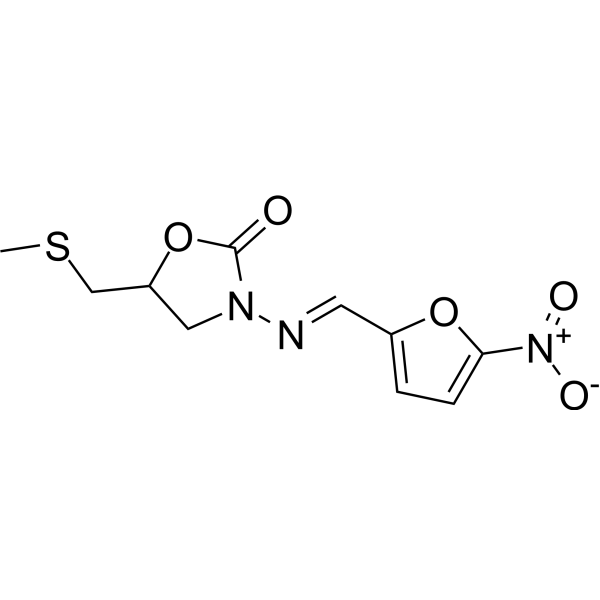
Nifuratel (NF 113) is an orally active broad-spectrum antibiotic with antiprotozoal, antibacterial, anticancer and anti-inflammatory activities, and has good inhibitory effects on Candida and Trichomonas. Nifuratel is also a STAT3 inhibitor, which significantly inhibits the growth and proliferation of human gastric cancer cells and induces apoptosis. In addition, Nifuratel also inhibits mast cell-mediated antigen hypersensitivity reactions and can be used in the study of IgE-mediated allergic diseases .
loading...
    loading...
2
2 Cited Publications
Cat. No.: HY-Y0248A
CAS No.: 4602-84-0
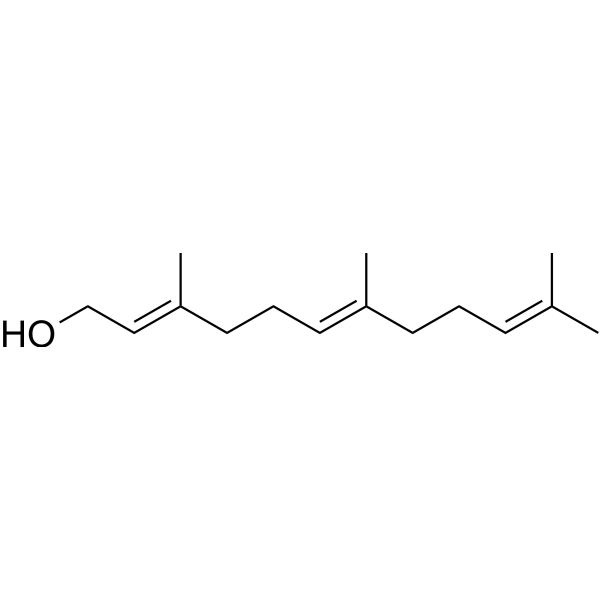
Farnesol is a sesquiterpene alcohol that modulates cell-to-cell communication in Candida albicans, and has the activity in inhibiting bacteria.
loading...
    loading...
2
2 Cited Publications
Cat. No.: HY-N10113
CAS No.: 4643-58-7
Synonyms: Muconomycin B
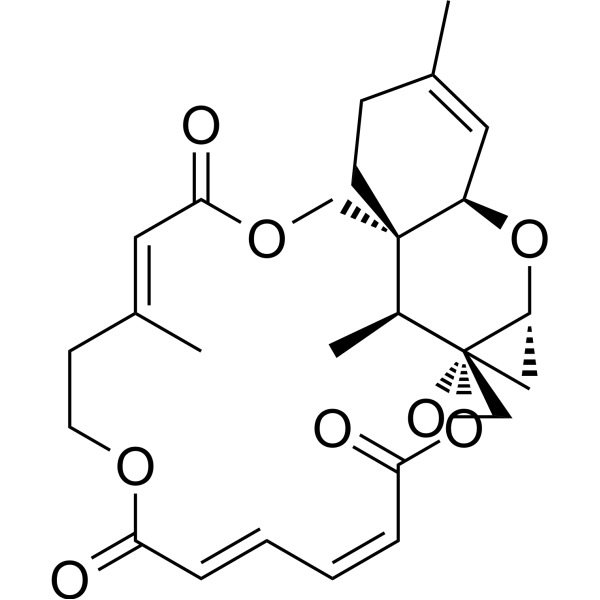
Verrucarin J (Muconomycin B) is a metabolite of the Myrothecium fungus family. Verrucarin J generates reactive oxygen species (ROS) and induces apoptosis of cancer cell lines, such as A549, HCT 116 and SW-620 cells. Verrucarin J shows activities against Candida albicans and Mucor miehei. Verrucarin J inhibits arenavirus Junin (JUNV) yield with an IC50 of 1.2 ng/mL .
loading...
    loading...
1
1 Cited Publications
Cat. No.: HY-102069
CAS No.: 956025-83-5
Purity:  99.66%
Research Areas:  

Others

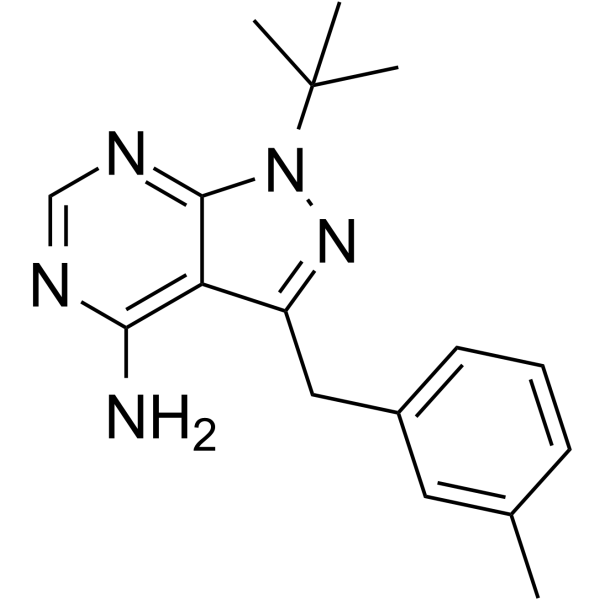
3MB-PP1, a bulky purine analog, is a Polo-like kinase 1 (Plk1) inhibitor. 3MB-PP1 blocks mitotic progression and cell division arise through target Plk1 in in cells expressing analog-sensitive Plk1 alleles. 3MB-PP1 specifically inhibits the activity of analog-sensitive Ssn3 (Cdk8). 3MB-PP1 inhibits Leu93 Mutant Zipper-interacting protein kinase (Leu93-ZIPK; IC50=2 μM). 3MB-PP1 can be used for the research of hypha formation of Candida albicans and cell division .
loading...
    loading...
1
1 Cited Publications
Cat. No.: HY-N2512
CAS No.: 589-68-4
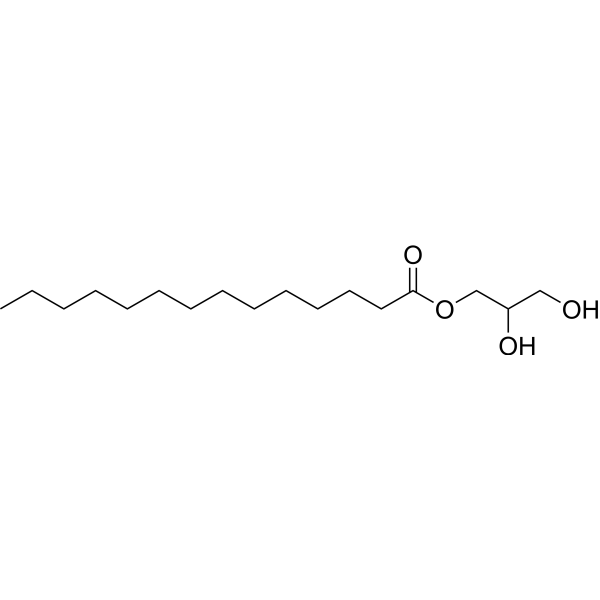
1-Monomyristin acts as an insecticide, enzyme inhibitor, antibacterial and antifungal agent, with an IC50 of 18 μM against rat FAAH and an IC50 of 32 μM against rat MAGL. 1-Monomyristin inhibits 2-oleoylglycerol hydrolysis via MAGL. 1-Monomyristin suppresses the growth of Staphylococcus aureus, Aggregatibacter actinomycetemcomitans and Candida albicans. 1-Monomyristin is lethal to brine shrimp . 1-Monomyristin exhibits marginal cytotoxicity against prostate cancer cells. 1-Monomyristin is applicable to research related to bacterial infections, fungal infections, renal cancer, prostate adenocarcinoma and pancreatic cancer .
loading...
    loading...
1
1 Cited Publications
Cat. No.: HY-N3307
CAS No.: 40957-99-1
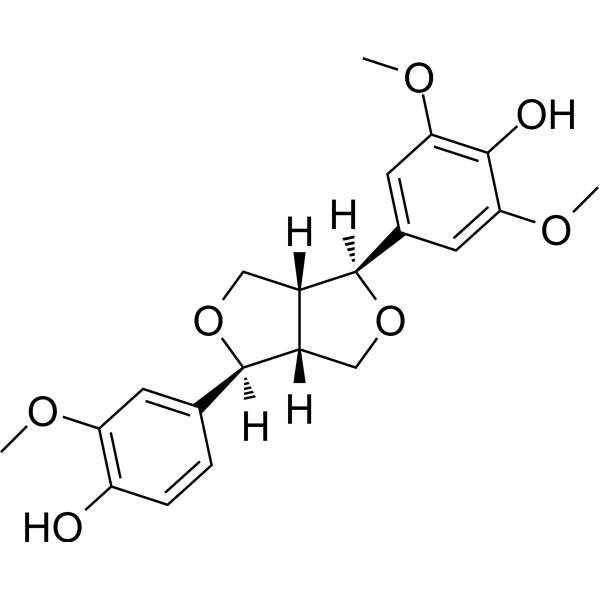
(+)-Medioresinol is a furofuran-type lignan with antifungal and antibacterial properties. (+)-Medioresinol synergizes with antibiotics to exert antimicrobial and antibiofilm effects. (+)-Medioresinol induces intracellular ROS accumulation and mitochondrial-mediated apoptosis in Candida albicans. (+)-Medioresinol inhibits LPS (HY-D1056)-stimulated IL-12p40 production. (+)-Medioresinol is a PGC-1α activator that protects against endothelial cell pyroptosis in ischemic stroke via the PPARα-GOT1 axis. (+)-Medioresinol can be used in research on fungal and bacterial infection, inflammation, and ischemic stroke .
loading...
    loading...
1
1 Cited Publications
Cat. No.: HY-B0364A
CAS No.: 536-43-6
Synonyms: Dyclocaine hydrochloride
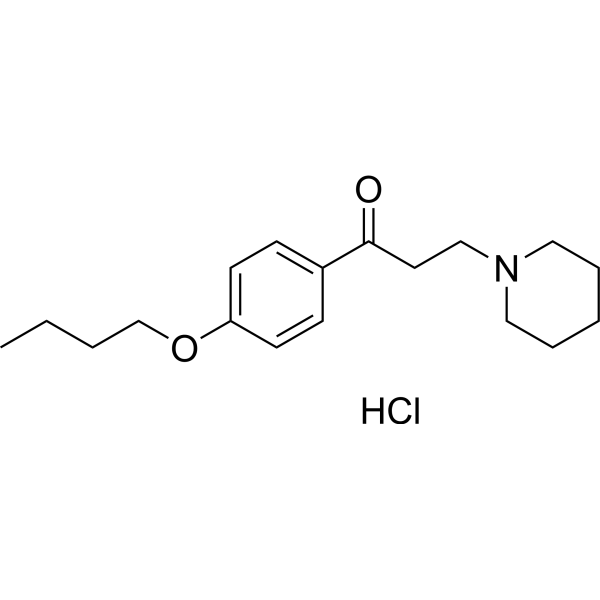
Dyclonine hydrochloride (Dyclocaine hydrochloride) is an orally active, blood-brain barrier-permeable piperidine phenylacetone small molecule commonly used as a local anesthetic. Dyclonine hydrochloride acts as a highly selective allosteric antagonist of TRPV3; it also reversibly inhibits G9a, ALDH2 and ALDH3A1, non-competitively blocks AChE. Dyclonine hydrochloride activates the Nrf2/ARE pathway, relieves the epigenetic silencing of FXN, blocks Aβ42 aggregation, and promotes remyelination and reparative polarization of microglia. Dyclonine hydrochloride alleviates pruritus via TRPV3 inhibition; it is used in studies of neurodegenerative disease models based on its AChE inhibitory, antioxidant and remyelinating effects; it sensitizes drug-resistant tumors through ALDH inhibition, and combined use with protease inhibitors induces more tumor cell apoptosis; it inhibits Candida albicans in vitro. Dyclonine hydrochloride can be used for research on multiple diseases including neurodegenerative diseases, cancer and pruritic dermatitis .
loading...
    loading...
Cat. No.: HY-126389
CAS No.: 1398-61-4
Chitin, from crab carapace (powder),biomedical research grade is a long-chain polymer of N-acetylglucosamine with β-(1-4) linkages. Chitin, from crab carapace (powder),biomedical research grade is found in the exoskeleton of crabs. Chitin, from crab carapace (powder),biomedical research grade inhibits the activation of NF-κB p65, alters the translocation of NF-κB p65 to the nucleus, and interacts with the cell wall of Candida species. Chitin, from crab carapace (powder),biomedical research grade exerts antifungal and anti-inflammatory effects. Chitin, from crab carapace (powder),biomedical research grade can be used in the research of gastric ulcer and candidiasis .
loading...
    loading...
Cat. No.: HY-N0538
CAS No.: 87-99-0
Synonyms: Xylite
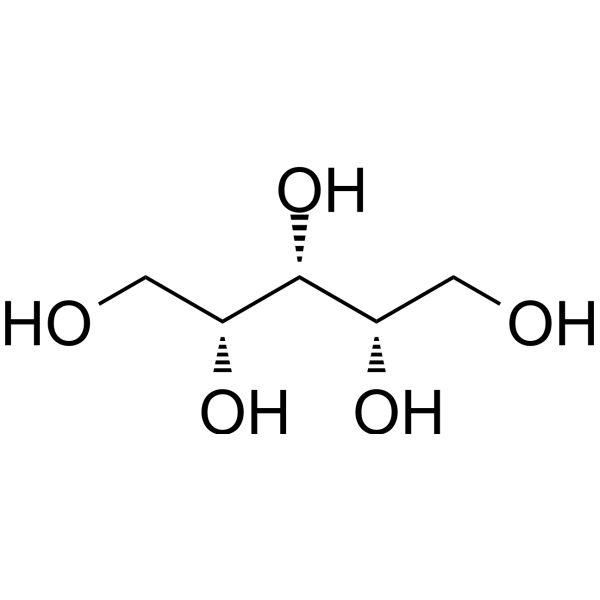
Xylitol can be classified as a polyol and sugar alcohol, exhibiting inhibitory activity on cancer cell proliferation. It induces autophagy (Autophagy) and cell death in A549 cells by activating the autophagy signaling pathway, as evidenced by the increased expression of LC3-II and Atg5-Atg12 upon Xylitol treatment. Additionally, Xylitol inhibits acetaldehyde production by Candida species, thereby reducing their carcinogenic potential. In vivo, Xylitol induces alterations in the gut microbiota of mice, which may enhance cholesterol accumulation and upregulate hepatic ChREBP, while also slowing tumor growth in the B16F10 melanoma C57BL/6 mouse model .
loading...
    loading...
Cat. No.: HY-P10304
CAS No.: 74838-83-8
Synonyms: Cyclo(Pro-Arg)
Target:  

Fungal

Research Areas:  

Others

Cyclo(Arg-Pro) (Cyclo(Pro-Arg)) is an inhibitor for chitinase. Cyclo(Arg-Pro) inhibits cell separation of Saccharomyces cerevisiae, without affecting its growth. Cyclo(Arg-Pro) inhibits the morphological change of Candida albicans from yeast form to filamentous form .
loading...
    loading...
Cat. No.: HY-12538
CAS No.: 485-61-0
Purity:  99.96%
Synonyms: Rutamine
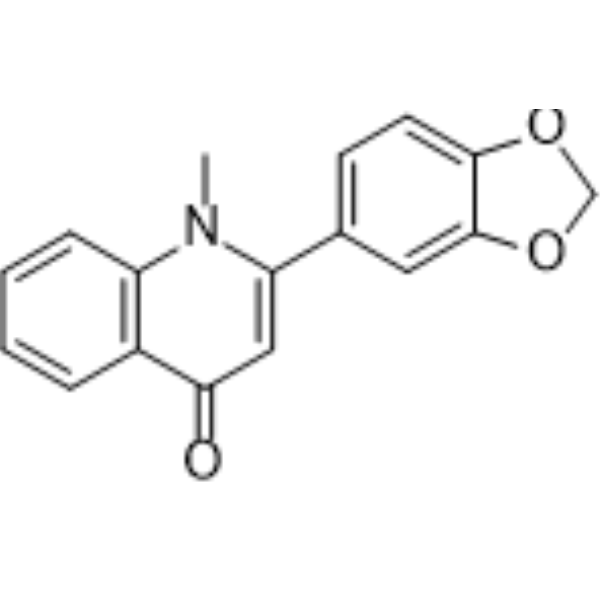
Graveoline (Rutamine) is an orally active alkaloid with various activities such as antifungal, antiparasitic, anti-inflammatory, and antitumor effects. Graveoline can induce tumor cell apoptosis and autophagy through a reactive oxygen species-mediated pathway. Graveoline has an MIC of 500 μg/mL for Candida albicans. Graveoline can be used in the research of various diseases such as tumors and liver injury .
loading...
    loading...
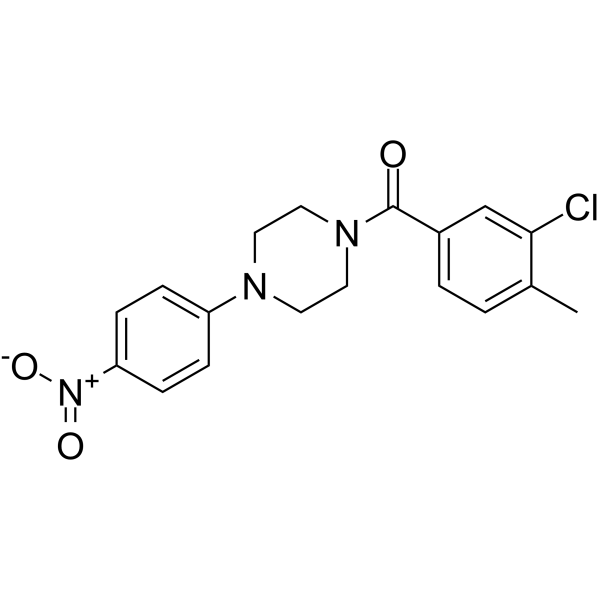
Cat. No.: HY-124701
CAS No.: 431996-53-1
Purity:  99.27%
Target:  

Fungal

Research Areas:  

Infection

Filastatin is a long-lasting inhibitor of Candida albicans filamentation. Filastatin inhibits adhesion by multiple pathogenic Candida species with an IC50 of ~3 μM in the GFP-based adhesion assay. Filastatin inhibits fungal adhesion to polystyrene and human cells, the yeast-to-hyphal morphological transition, induction of the hyphal-specific HWP1 promoter. Filastatin has potent antifungal effect .
loading...
    loading...
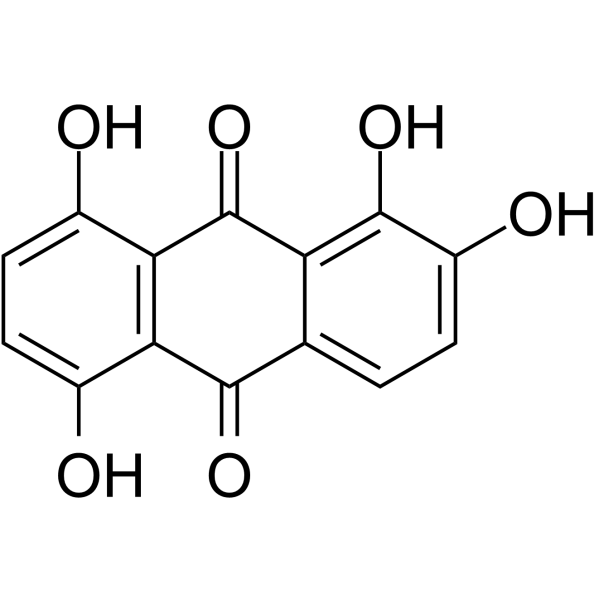
Cat. No.: HY-124833
CAS No.: 81-61-8
Purity:  97.1%
Quinalizarin is a protein kinase CK2 inhibitor with a Ki of 0.052 μM. Quinalizarin exhibits antifungal and anticancer activities. Quinalizarin induces ROS production, apoptotic signaling, mitochondrial pathway activation, cell cycle arrest, and cytotoxicity in cancer cells. Quinalizarin inhibits hyphal growth, biofilm formation, and mature biofilm integrity of Candida albicans. Quinalizarin can be used in research related to cancer and fungal infections .
loading...
    loading...
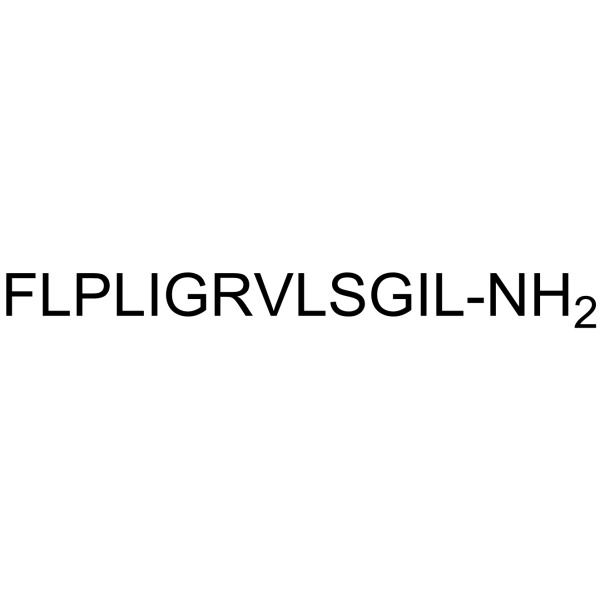
Cat. No.: HY-P1629
CAS No.: 188713-69-1
Research Areas:  

Infection

Temporin A is a short alpha-helical antimicrobial peptide isolated from the skin of the frog Rana temporaria. Temporin A is effective against a broad spectrum of Gram-positive bacteria. Temporin A interacts directly with the cell membrane of the microorganism and it is non-toxic to erythrocytes at concentrations that are antimicrobial. Temporin A also has antifungal activities (against yeast-like Candida albicans) .
loading...
    loading...
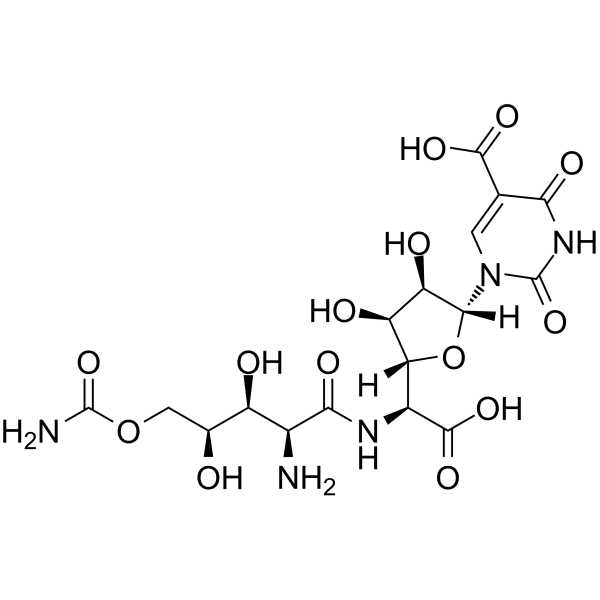
Cat. No.: HY-136461
CAS No.: 22976-86-9
Synonyms: Polyoxorim
Target:  

Fungal Antibiotic

Research Areas:  

Infection

Polyoxin D (Polyoxorim) is an Antifungal Antibiotic. Polyoxin D inhibits Chitin synthase with an I50 of 1 mM for Stomoxys calcitrans chitin synthase. Polyoxin D causes swelling and rupture of fungal hyphal tips and budding yeast cells, haustorial encasement, haustorial wall thickening, widening of the extrahaustorial matrix, and cytoplasmic vesicles and tubular structures. Polyoxin D causes swelling of filamentous chains in Candida albicans and morphological changes in Agaricus bisporus and Coprinus cinereus. Polyoxin D is used in research on bean rust and Candida albicans infections .
loading...
    loading...
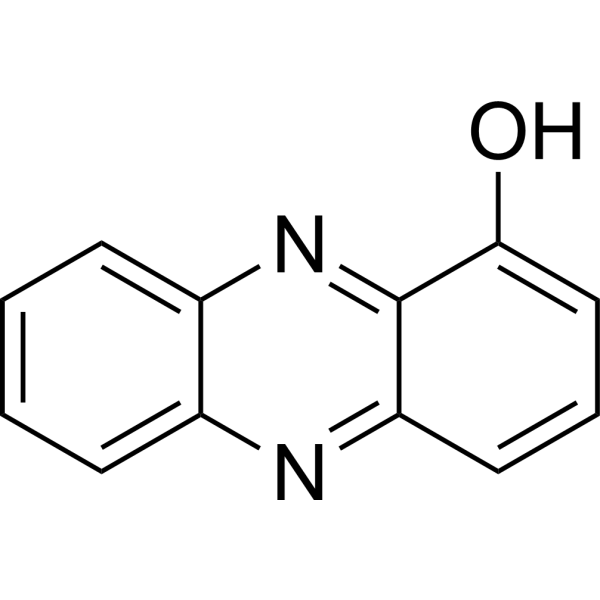
Cat. No.: HY-W068682
CAS No.: 528-71-2
Synonyms: Hemipyocyanine; 1-Phenazinol; Hemi-pyocyanin
1-Hydroxyphenazine (Hemipyocyanine; 1-Phenazinol; Hemi-pyocyanin) is an inhibitor for α-Amylase with an IC50 of 3.1 μg/mL . 1-Hydroxyphenazine exhibits anticancer and anti-inflammatory activity against cells A549, 1321N1 and RAW264.7, antifungal and antibacterial activity against strains Candida albicans, Aspergillus fumigatus, Escherichia coli and Xanthomonas campestris .
loading...
    loading...
Cat. No.: HY-B0852R
CAS No.: 107534-96-3
Tebuconazole (Standard) is the analytical standard of Tebuconazole. This product is intended for research and analytical applications. Tebuconazole is an orally active agricultural azole fungicide which can also inhibit CYP51 with IC50s of 0.9 and 1.3 μM for Candida albicans CYP51 (CaCYP51) and truncated Homo sapiens CYP51 (Δ60HsCYP51), respectively. Tebuconazole induces lipid accumulation and oxidative stress in HepG2 Cells. Tebuconazole decreases MAC-T cells viability and proliferation, induces ER-stress-mediated apoptosis and increases oxidative stress levels in MAC-T cells .
loading...
    loading...
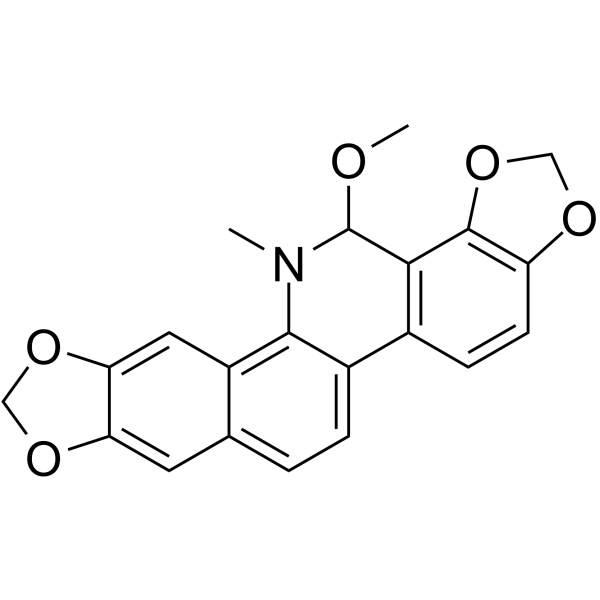
Cat. No.: HY-N3000
CAS No.: 72401-54-8
6-Methoxydihydrosanguinarine is an alkaloid with activity across multiple cancer cell types. 6-Methoxydihydrosanguinarine activates IRE1/JNK signaling, blocks Akt/mTOR and PI3K/AKT/mTOR pathways, reduces expression of Cdc25C, CyclinB1, Cdc2, YAP/TAZ, Survivin, GPX4, and EGFR, upregulates IRE1 and DR5, and activates JNK and caspases. 6-Methoxydihydrosanguinarine induces apoptosis, G2/M phase arrest, DNA damage, ROS generation, lipid peroxidation, ferroptosis, autophagy, and suppresses cancer cell growth. 6-Methoxydihydrosanguinarine disruptes the biofilm formation of Candida albicans (C. albicans). 6-Methoxydihydrosanguinarine can be used for the research of non-small cell lung cancer, hepatocellular carcinoma, melanoma, colon carcinoma, ovarian cancer and breast cancer .
loading...
    loading...

