

45 Results for "

Cell Counting

" in MedChemExpress (MCE) Product Catalog:
Products (45)

45 Results for "Cell Counting" in MCE Product Catalog:

4270
4270 Publications Verification
Cat. No.: HY-K0301

Cell Counting Kit-8 (CCK-8) allows sensitive colorimetric assays for the determination of cell viability in cell proliferation and cytotoxicity assays.The 5 mL volume is defined as the base specification. All larger sizes correspond to incremental volumes of this base.

loading...
    loading...
7
7 Cited Publications
Cat. No.: HY-110082
CAS No.: 130-89-2
Quinine hydrochloride is an alkaloid extracted from cinchona bark and exhibits oral activity, acting as a potassium channel inhibitor. Quinine hydrochloride modulates the tolerance of red blood cells and presents dose-dependent toxicity and embryonic effects. Quinine hydrochloride is a typical hemolysin that directly lyses red blood cells, with cellular components of red blood cell membranes as its action targets. Quinine hydrochloride disrupts red blood cell membranes and induces hemolysis at high concentrations, while merely weakening the anti-hemolytic capacity of red blood cells at low concentrations. Quinine hydrochloride continuously reduces red blood cell tolerance after in vivo administration, and high doses can also alter blood cell counts. Quinine hydrochloride can be applied to researches related to red blood cell hemolysis, cancer and malaria .
loading...
    loading...
3
3 Cited Publications
Cat. No.: HY-P99459
CAS No.: 909110-25-4
Synonyms: BG 9924; TT-47

Target:  

TNF Receptor CXCR

Research Areas:  

Inflammation/Immunology

Baminercept (BG 9924; TT-47) is an Ig fusion protein targeting the lymphotoxin β receptor (LTβR). Baminercept effectively regulates subsets of circulating immune cells by inhibiting LIGHT, LT-α1β2 and their receptors. Baminercept also increases blood lymphocyte counts and reduces plasma CXCL13 levels. Baminercept carries a high risk of hepatotoxicity. Baminercept can be used in research on rheumatoid arthritis and primary Sjögren's syndrome .
loading...
    loading...
2
2 Cited Publications
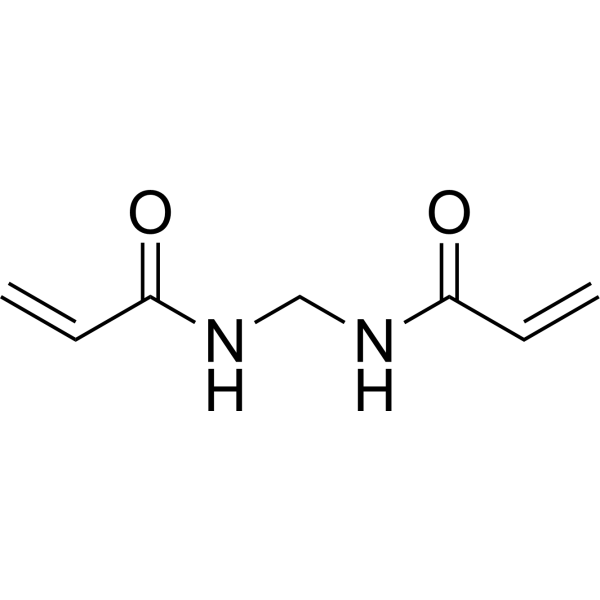
Cat. No.: HY-D0848
CAS No.: 110-26-9
Synonyms: Bisacrylamide; MBA; Methylenebisacrylamide; N,N-Methylenebisacrylamide
N,N'-Methylenebisacrylamide (Bisacrylamide) is an orally active acrylamide dimer and crosslinker. N,N'-Methylenebisacrylamide increases CYP2E1, P53, cleaved caspase-3. N,N'-Methylenebisacrylamide promotes hepatic cancer. N,N'-Methylenebisacrylamide changes sperm abnormality rate and sperm count. N,N'-Methylenebisacrylamide decreases the number of various cells in the blood as well as induces liver and testicular damage. N,N'-Methylenebisacrylamide is used to prepare polyacrylamide gel .
loading...
    loading...
1
1 Cited Publications
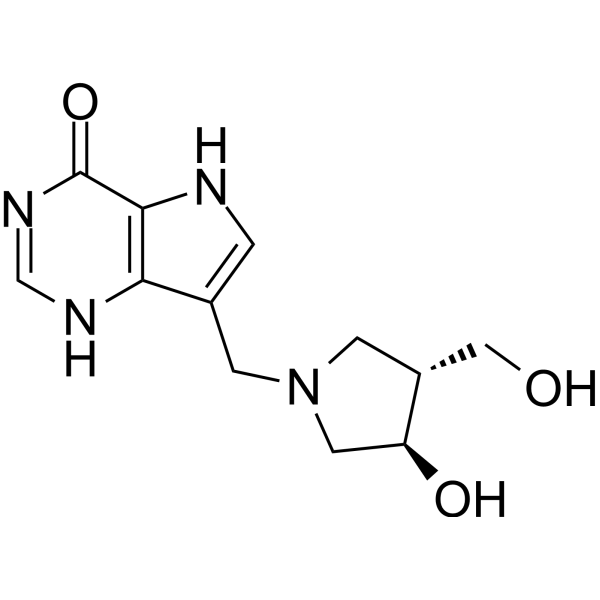
Cat. No.: HY-19480
CAS No.: 548486-59-5
Synonyms: BCX4208
Ulodesine (BCX4208) is a purine nucleoside phosphorylase (PNP) inhibitor, with an IC50 of 2.293 nM against human PNP, and low nanomolar IC50 values against mouse, rat and monkey PNP. Ulodesine blocks the production of uric acid precursors, reduces serum uric acid levels, clears accumulated uric acid in the blood, and elevates the levels of purine nucleosides including guanosine. Ulodesine reduces the counts of total lymphocytes, T lymphocytes and lymphocyte subsets, inhibits the proliferation of cancer cells and activated lymphocytes, and enhances vaccine immune responses. Ulodesine can be used in research related to hyperuricemia and gout .
loading...
    loading...
1
1 Cited Publications
Cat. No.: HY-K3034

Hanks’ Balanced Salt Solution (HBSS) is widely used in various cell culture applications, including washing cells prior to dissociation, transporting cells or tissue samples, diluting cells for cell counting, and preparing a variety of reagent solutions. Formulations without calcium and magnesium are suitable for washing chelating agents prior to cell dissociation procedures. The 500 mL is defined as the base specification. All larger sizes correspond to incremental volumes of this base.

loading...
    loading...
Cat. No.: HY-P990774
CAS No.: 2768386-15-6
Synonyms: ASP-7266; TRAB-1; UPB-101

Target:  

Interleukin Related

Research Areas:  

Inflammation/Immunology

Verekitug (ASP-7266; TRAB-1; UPB-101) is a human monoclonal antibody targeting the thymic stromal lymphopoietin receptor (TSLPR), with a mean half-life of approximately 20 days. At doses of Verekitug ≥100 mg, complete and sustained TSLPR-specific occupancy is achieved, and the antibody does not bind to IL-7Rα. By inhibiting TSLP-driven inflammatory responses, Verekitug blocks TSLP-induced cell proliferation and TARC expression, while reducing fractional exhaled NO levels, blood eosinophil counts, and levels of IL-5 and IgE. Verekitug significantly improves scores for nasal polyps, nasal congestion and olfactory dysfunction, with favorable safety and good tolerability; potential adverse reactions include headache, upper respiratory tract infection, sinusitis and nasopharyngitis. Verekitug is used in relevant studies on asthma, chronic rhinosinusitis with nasal polyps and chronic obstructive pulmonary disease .
loading...
    loading...
Cat. No.: HY-167874
CAS No.: 2488255-42-9
ASP-8731 is an orally active BACH1 inhibitor. ASP-8731 activates antioxidant, anti-inflammatory and globin gene pathways by relieving the inhibitory effect of BACH1 on NRF2-mediated gene transcription. ASP-8731 significantly upregulates the expression of HMOX1, FTH1 and various globins (such as HGB, HBG, HBA), increases fetal hemoglobin (HbF) levels, and effectively induces F-cell production in hydroxyurea-unresponsive cells. Meanwhile, ASP-8731 reduces inflammatory responses and white blood cell counts by downregulating VCAM1, ICAM-1 and the phosphorylation level of NF-κB(p65), and blocks heme-induced glutathione depletion and microcirculatory stasis. ASP-8731 holds potential for inhibiting sickle cell disease and related hematological disorders .
loading...
    loading...
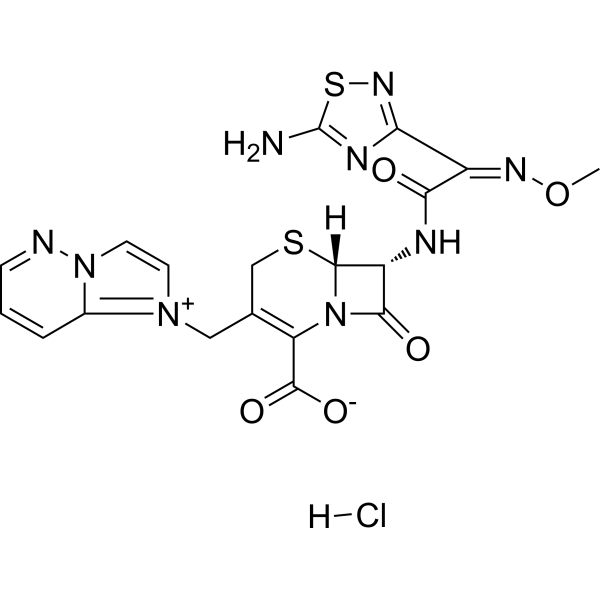
Cat. No.: HY-B0771A
CAS No.: 113981-44-5
Synonyms: SCE-2787 hydrochloride
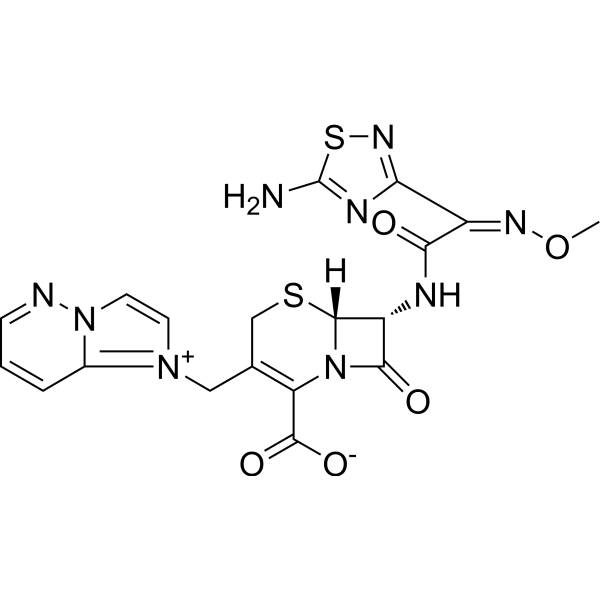
Cefozopran (SCE-2787) hydrochloride is a potent antibiotic with broad-spectrum antibacterial activity. Cefozopran hydrochloride binds PBPs, induces cell wall destruction, cell elongation, filamentation, irregular septa formation, and bactericidal, bacteriolytic activity. Cefozopran hydrochloride reduces bacterial counts and eradicates bacteria in mouse respiratory, urinary, and thigh muscle infections. Cefozopran hydrochloride can be used for the research of bacterial infections .
loading...
    loading...
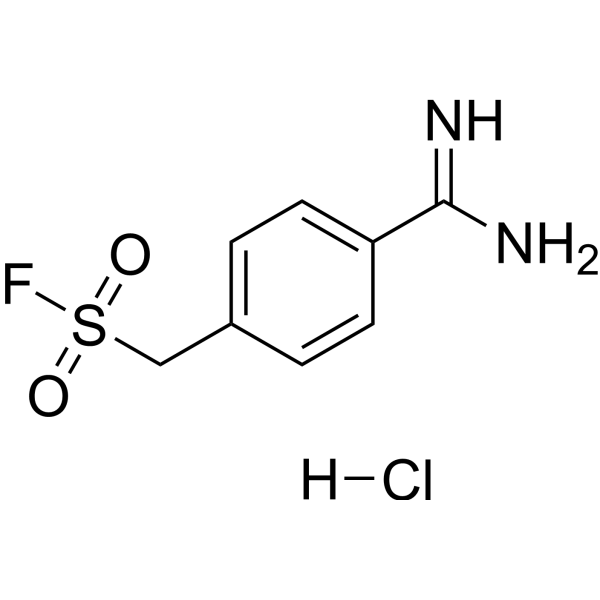
Cat. No.: HY-W014134
CAS No.: 74938-88-8
Synonyms: p-Amidinophenylmethylsulfonylfluoride hydrochloride
Target:  

Ser/Thr Protease

Research Areas:  

Inflammation/Immunology

p-APMSF (p-Amidinophenylmethylsulfonylfluoride) hydrochloride is a serine protease and trypsin inhibitor with the characteristic of rapid onset of action. p-APMSF hydrochloride reduces the enzymatic hydrolysis of recombinant human G-CSF in rat pulmonary mucosa. Combined intratracheal treatment with p-APMSF hydrochloride and Laureth-9 significantly enhances its absorption efficiency in rat lungs. Following intranasal administration, p-APMSF hydrochloride does not increase the concentration of recombinant human G-CSF in rat plasma, nor does it alter the effect of G-CSF on inducing an increase in total white blood cell count .
loading...
    loading...
Cat. No.: HY-154790
CAS No.: 114661-01-7
Purity:  ≥97.0%
Synonyms: Neu5Aca2-6GalNAc-a-Ser/Thr
Target:  

Ser/Thr Protease

Research Areas:  

Cancer

STn/sialyl-Tn is a sialic acid associated with breast cancer and its expression is closely related to HER2-pos. STn/sialyl-Tn can be used as a marker to count cells in malignant nipple discharge (PND) .
loading...
    loading...
Cat. No.: HY-P99149

Target:  

TNF Receptor

Research Areas:  

Inflammation/Immunology Cancer

Anti-Mouse TNFR2 Antibody (TR75-54.7) is an anti-mouse TNFR2 IgG monoclonal antibody. Anti-Mouse TNFR2 Antibody (TR75-54.7) can reduce white blood cell count (WBC) and decrease the expression of some pro-inflammatory cytokines such as CCL2 and CXCL5. Anti-Mouse TNFR2 Antibody (TR75-54.7) can be used for researches on inflammation conditions and cancer such as breast cancer .
loading...
    loading...
Cat. No.: HY-B0771
CAS No.: 113359-04-9
Synonyms: SCE-2787
Cefozopran (SCE-2787) is a potent antibiotic with broad-spectrum antibacterial activity. Cefozopran binds PBPs, induces cell wall destruction, cell elongation, filamentation, irregular septa formation, and bactericidal, bacteriolytic activity. Cefozopran reduces bacterial counts and eradicates bacteria in mouse respiratory, urinary, and thigh muscle infections. Cefozopran can be used for the research of bacterial infections .
loading...
    loading...
Cat. No.: HY-106509
CAS No.: 77858-21-0
Purity:  99.59%
Synonyms: BW 12C; 12C79; BW 12C79
Target:  

Hemoglobin

Research Areas:  

Cardiovascular Disease Cancer

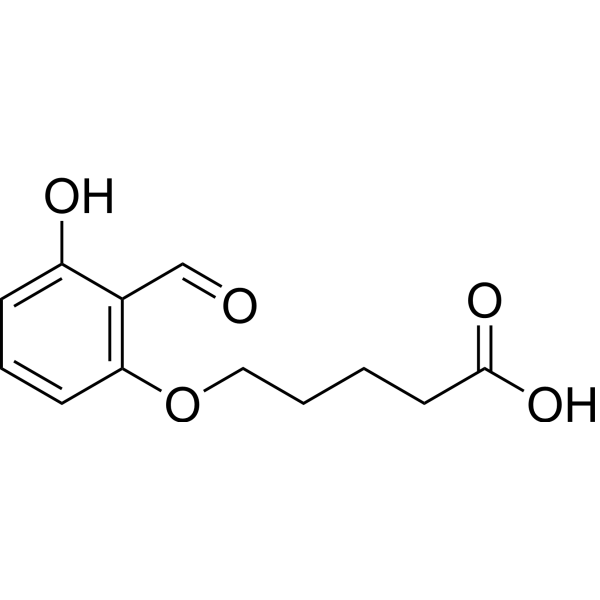
Velaresol (BW 12C) is a small molecule oxyhemoglobin stabilizer. Velaresol stabilizes hemoglobin’s oxy-conformation, shifts oxygen dissociation curves left, induces tumor hypoxia, alters radiosensitivity, protects normal tissues from radiation damage, and reduces sickled cell counts. Velaresol can be used for the research of cancer and sickle cell disease .
loading...
    loading...
Cat. No.: HY-W654020
CAS No.: 2075718-26-0
Synonyms: Propyl parahydroxybenzoate-13C6; Propyl 4-hydroxybenzoate-13C6
Propyl paraben- 13C6 (Propyl parahydroxybenzoate- 13C6) is 13C labeled Propylparaben. Propylparaben (Propyl parahydroxybenzoate) is an antibacterial preservative that can be produced by plants and bacteria. Propylparaben is commonly used in cosmetics, pharmaceuticals and foods. Propylparaben disrupts follicular growth and steroidogenic function by altering cell cycle, apoptosis and steroidogenic pathways. Propylparaben also reduced sperm count and motility in rats .
loading...
    loading...
Cat. No.: HY-174495
Target:  

mRNA

Research Areas:  

Others

Human EPO mRNA encodes the human erythropoietin (EPO) protein, a hormone that controls erythropoiesis, or red blood cell production. EPO also plays a role in wound healing and the brain’s response to neural injury. Kariko et al. showed that transfection of EPO mRNA in vivo resulted in significant increases of both reticulocyte counts and hematocrits.
loading...
    loading...
Cat. No.: HY-165528
CAS No.: 1464897-15-1
Synonyms: XC8
Target:  

CCR

Research Areas:  

Inflammation/Immunology

Histamine glutarimide (XC8) is an orally active anti-asthma agent. Histamine glutarimide blocks the maturation of chemokines (CCL2, CCL7, CCL8, CCL13) and inhibits the migration of eosinophils and the degranulation of mast cells. In asthma models induced by carrageenan and rat ovalbumin, Histamine glutarimide can reduce airway resistance and the count of eosinophils in bronchoalveolar lavage fluid. Histamine glutarimide can be used in asthma research .
loading...
    loading...
Cat. No.: HY-172533
Target:  

STING

Research Areas:  

Cancer

3’,5’-DiOA-dC is a hydrophobic nucleotide lipid and a ligand for the STING agonist c-di-GMP (CDG). 3’,5’-DiOA-dC can assemble with CDG and form stable cyclic dinucleotide nanoparticles via various supramolecular forces driven by molecular recognition. 3’,5’-DiOA-dC can decrease tumor weight and volume, increase CD8 T cell, neutrophils as well as NK cell counts in tumor microenvironment in combination with CDG. 3’,5’-DiOA-dC also increases the levels of TNF-α and IFN-γ in murine melanoma model .
loading...
    loading...
Cat. No.: HY-P990158

Target:  

Inhibitory Antibodies

Research Areas:  

Inflammation/Immunology

Anti-Mouse Ter-119 Antibody (TER-119) is an anti-mouse Ter-119 IgG2b monoclonal antibody. Anti-Mouse Ter-119 Antibody (TER-119) can increase platelet count. Anti-Mouse Ter-119 Antibody (TER-119) can remove red blood cells and their precursor cells to isolate and enrich natural killer (NK) cells. Anti-Mouse Ter-119 Antibody (TER-119) can be used for research on immune thrombocytopenia. Anti-Mouse Ter-119 Antibody (TER-119) can be used to construct a model of immune thrombocytopenic purpura combined with CD41 mAb .
loading...
    loading...
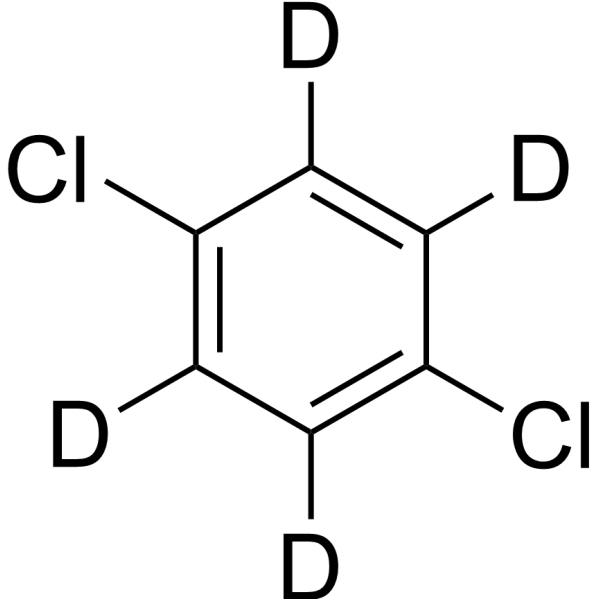
Cat. No.: HY-Y0496S
CAS No.: 3855-82-1
1,4-Dichlorobenzene-d4 is the deuterium labeled 1,4-Dichlorobenzene. 1,4-Dichlorobenzene is a non-genotoxic, orally active mitogenic/tumor-promoting carcinogen that is also widely used as a dye, resin intermediate, and deodorant, moth repellent/insecticide. 1,4-Dichlorobenzene induces liver tumors in mice and promotes the growth of spontaneous precancerous lesions, but shows no liver tumor-inducing activity in F344 rats. 1,4-Dichlorobenzene increases the levels of white blood cell count, serum alanine aminotransferase and blood urea nitrogen in occupationally exposed populations. 1,4-Dichlorobenzene is metabolized to 2,5-dichlorophenol and excreted in urine, and this metabolite can serve as a biomarker for 1,4-Dichlorobenzene exposure. Due to its specific hepatotoxic characteristics, 1,4-Dichlorobenzene is applicable to liver cancer-related research .
loading...
    loading...

