58 Results for "

CoA biosynthesis

" in MedChemExpress (MCE) Product Catalog:
Products (58)

58 Results for "CoA biosynthesis" in MCE Product Catalog:

5
5 Cited Publications
Cat. No.: HY-141540
CAS No.: 1926-57-4
Purity:  98.01%
Research Areas:  

Others

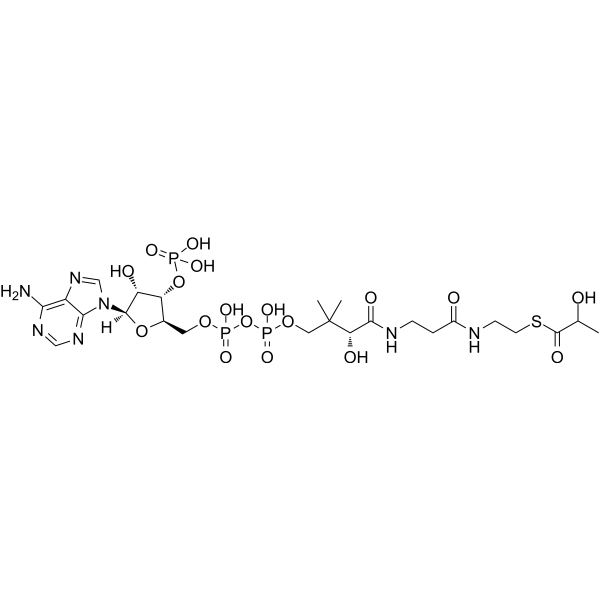
Lactyl-CoA is an acyl-CoA formally condensed from the sulfhydryl group of CoA and the carboxyl group of lactic acid, also known as lactyl-CoA. Lactyl-CoA is essential for the biosynthesis of biodegradable and biocompatible lactic acid-based copolymers .
loading...
    loading...
5
5 Cited Publications
Cat. No.: HY-137808
CAS No.: 108347-97-3
Purity:  94%
Synonyms: Succinyl-CoA sodium
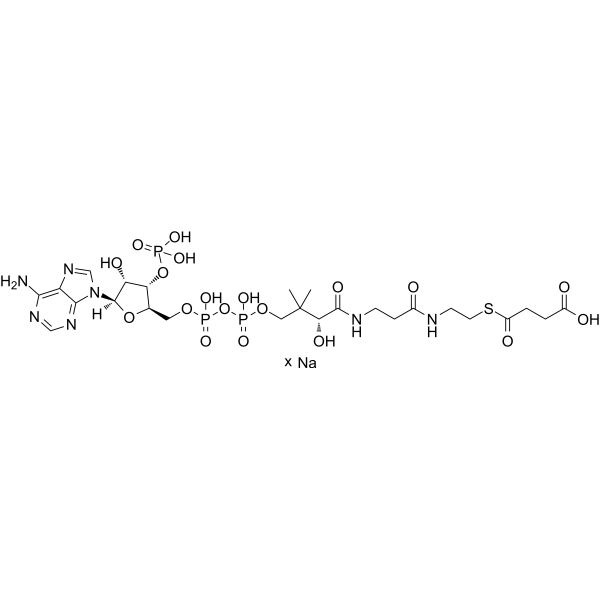
Succinyl CoA (Succinyl-coenzyme A) sodium is a pivotal intermediate metabolite in the tricarboxylic acid cycle and a key coenzyme A metabolite. Succinyl CoA sodium is biosynthesized from α-ketoglutarate or propionyl-CoA. Succinyl CoA sodium acts as a critical precursor and substrate for heme biosynthesis and gluconeogenesis. Succinyl CoA sodium insufficiency caused by cobalamin deficiency is directly linked to growth retardation, impaired heme synthesis, tissue glycine accumulation and neurological abnormalities. Succinyl CoA sodium can be used in research on metabolic, neurological, and hematological abnormalities (such as porphyria) caused by nutritional vitamin B12 deficiency (leading to a lack of Succinyl-Coenzyme A synthesis) .
loading...
    loading...
2
2 Cited Publications
Cat. No.: HY-134427
CAS No.: 188174-64-3
Purity:  96.00%
Synonyms: Palmitoyl CoA lithium
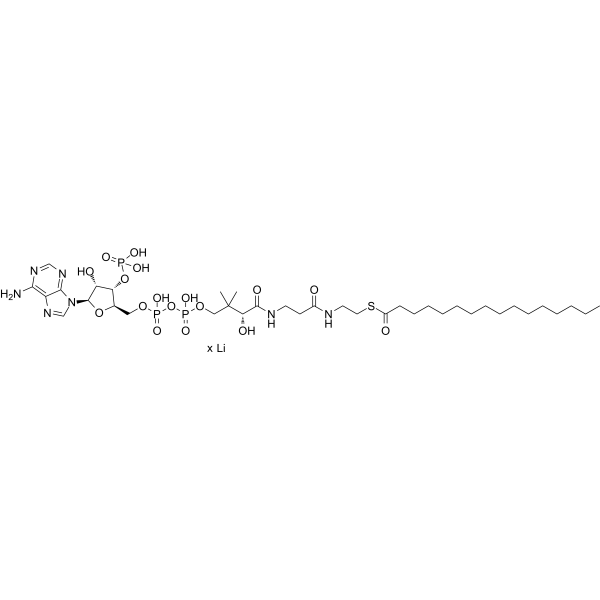
Palmitoyl coenzyme A lithium is an acyl-CoA thioester that can be transported into the mitochondrial matrix via the carnitine shuttle system and is involved in β-oxidation. Palmitoyl coenzyme A lithium can also be used as a substrate for sphingosine biosynthesis .
loading...
    loading...
2
2 Cited Publications
Cat. No.: HY-44170
CAS No.: 902614-04-4
Target:  

PANK

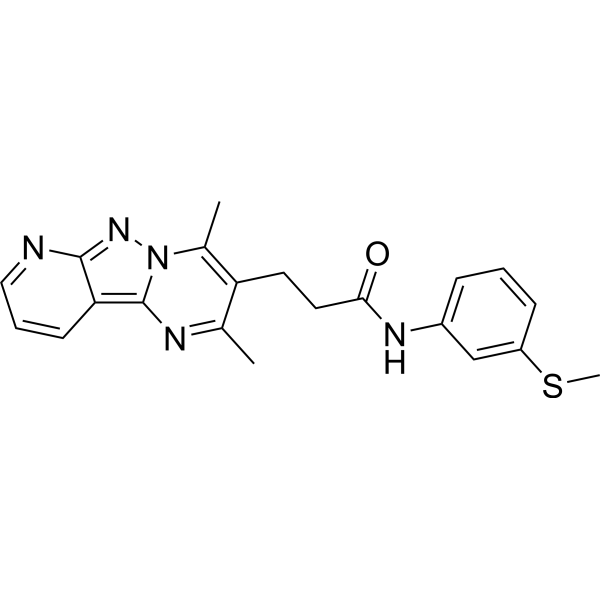
Pantothenate kinase-IN-2 is a pantothenate kinase inhibitor with IC50 values of 92 nM for PanK2, 70 nM for PanK1β, and 25 nM for PanK3. Pantothenate kinase-IN-2 can bind specifically to the ATP-PanK3 complex and block CoA biosynthesis. Pantothenate kinase-IN-2 can be used for the research of pank-associated neurodegeneration and type 2 diabetes .
loading...
    loading...
2
2 Cited Publications
Cat. No.: HY-Y1139
CAS No.: 111-16-0
Synonyms: Heptanedioic acid; 1,5-Pentanedicarboxylic acid; 1,7-Heptanedioic acid
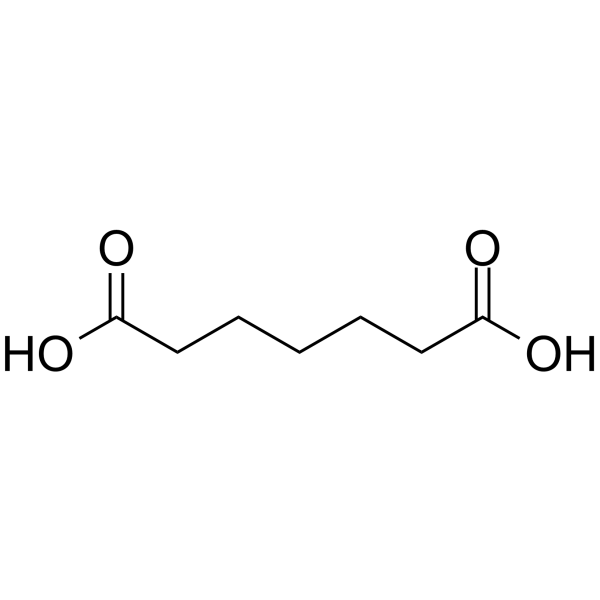
Pimelic acid (Heptanedioic acid; 1,5-Pentanedicarboxylic acid) is a seven-carbon α,ω-dicarboxylic acid and a downstream product of fatty acid synthesis. Pimelic acid is a key precursor in biotin biosynthesis. Pimelic acid can be converted to pimelic acid-CoA by the BioW enzyme, thereby bypassing exogenous biotin requirements to support growth in various biotinytrophic bacteria and fungi, and reversing antibiotic-induced inhibition of biotin synthesis. Furthermore, Pimelic acid has been proposed as a highly specific biomarker for oxygen-induced retinopathy in mice. Pimelic acid can be used to study retinopathy of preterm infants, oxygen-induced retinopathy, and microbial biotin metabolism .
loading...
    loading...
1
1 Cited Publications
Cat. No.: HY-104051
CAS No.: 79952-42-4
Purity:  99.22%
Synonyms: Antibiotic MB 530A; Lovastatin diol lactone
Research Areas:  

Metabolic Disease

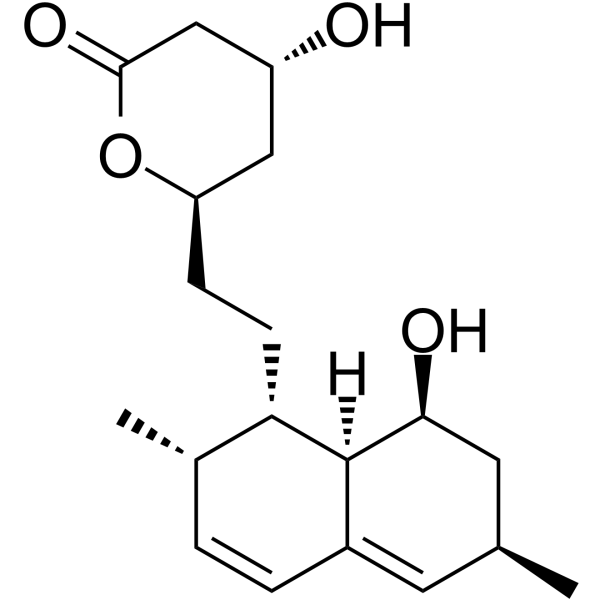
Monacolin J is an inhibitor of cholesterol biosynthesis, and inhibits the activity of HMG-CoA reductase.
loading...
    loading...
1
1 Cited Publications
Cat. No.: HY-137899
CAS No.: 3633-59-8
Purity:  96.00%
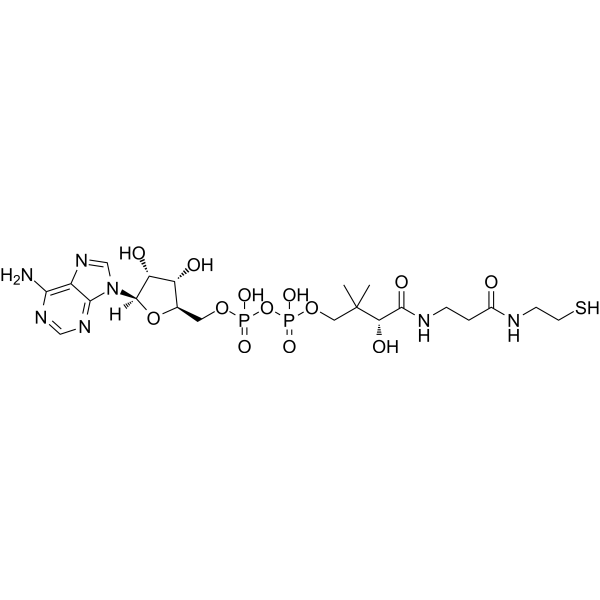
Dephospho-CoA is a key intermediate in the biosynthesis of coenzyme A (CoA), which is catalyzed to form CoA by GTP-dependent Dephospho-CoA kinase (DPCK). Dephospho-CoA completes the final synthetic step of CoA via phosphorylation and participates in energy metabolism and cellular signal transduction. Dephospho-CoA can be used in studies involving cancer (e.g., regulation of cell proliferation) and metabolic diseases (e.g., mitochondrial dysfunction) .
loading...
    loading...
Cat. No.: HY-W015924
CAS No.: 594-61-6
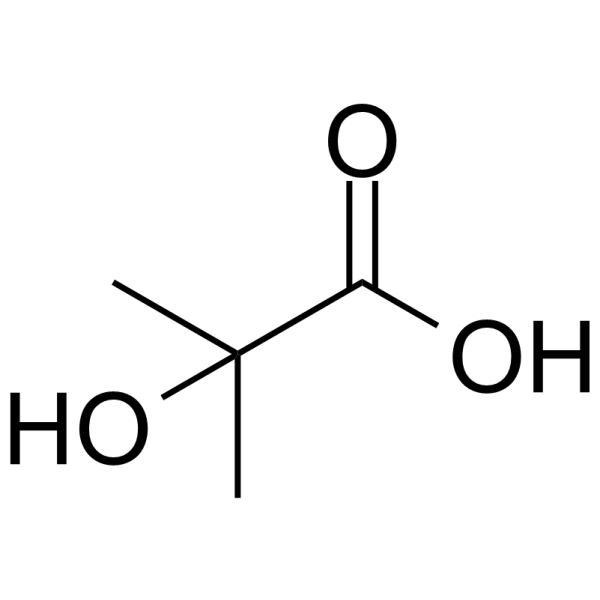
2-Hydroxyisobutyric acid (2-HIBA) is a selective modulator of the Insulin/IGF-1 pathway and the p38 MAPK pathway, which reduces reactive oxygen species (ROS) and fat accumulation in Caenorhabditis elegans. 2-Hydroxyisobutyric acid promotes β-oxidation and inhibits fatty acid synthesis by upregulating SKN-1/NRF2 and downregulating SREBP-1c transcription factors. 2-Hydroxyisobutyric acid has anti-aging and lipid-lowering effects, and can be used to study metabolic diseases such as obesity and diabetes. 2-Hydroxyisobutyric acid is also a renewable precursor of methacrylate through 2-HIB-CoA mutase-mediated biosynthesis[1][2].
loading...
    loading...
Cat. No.: HY-E70009
CAS No.: 61116-22-1
Synonyms: ACO
Research Areas:  

Others

Acyl-CoA oxidase (ACO) is a peroxisomal catalyst. Acyl-CoA oxidase acts as a key rate-limiting enzyme in the process of peroxisomal fatty acid β-oxidation. Acyl-CoA oxidase participates in lipid catabolism and phytohormone biosynthesis pathways .
loading...
    loading...
Cat. No.: HY-N7392A
Synonyms: 3-Oxobutanoyl-coenzyme A sodium hydrate
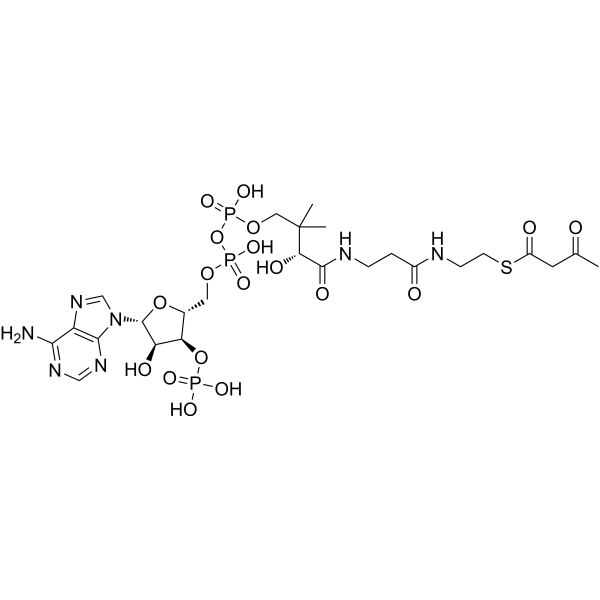
Acetoacetyl CoA sodium hydrate is the precursor of HMG-CoA in the mevalonate pathway. Acetoacetyl-CoA thiolase catalyzes the reaction to form acetoacetyl-CoA sodium hydrate from two acetyl-CoA molecules. Acetoacetyl CoA sodium hydrate is essential for cholesterol biosynthesis. Acetoacetyl-CoA sodium hydrate is also a intermediate in the biological breakdown and synthesis of fatty acids .
loading...
    loading...
Cat. No.: HY-B1189
CAS No.: 503-49-1
Synonyms: Dicrotalic acid; 3-Hydroxy-3-methylglutaric acid
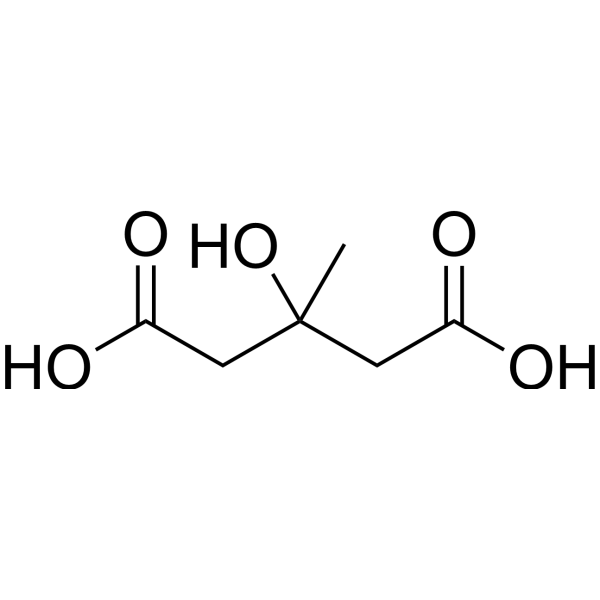
Meglutol is a lipid-lowering agent. Meglutol can reduces cholesterol, triglycerides, serum β-lipoprotein, and phospholipids, and inhibits the activity of HMG-CoA reductase (a rate-limiting enzyme in cholesterol biosynthesis). Meglutol can induce significant lipid oxidative damage in brain tissue. It is promising for research in the field of cardiovascular diseases and metabolic diseases .
loading...
    loading...
Cat. No.: HY-N7392
CAS No.: 1420-36-6
Synonyms: 3-Oxobutanoyl-coenzyme A
Acetoacetyl CoA is the precursor of HMG-CoA in the mevalonate pathway. Acetoacetyl-CoA thiolase catalyzes the reaction to form acetoacetyl-CoA from two acetyl-CoA molecules. Acetoacetyl CoA is essential for cholesterol biosynthesis. Acetoacetyl-CoA is also a intermediate in the biological breakdown and synthesis of fatty acids .
loading...
    loading...
Cat. No.: HY-112825
CAS No.: 704878-75-1
Purity:  98.52%
Research Areas:  

Inflammation/Immunology Cancer

TSI-01 is a selective LPCAT2 inhibitor, with IC50 values of 0.47 μM and 3.02 μM against LPCAT2 and LPCAT1, respectively. TSI-01 competitively inhibits acetyl-CoA (acetyl-CoA) targeting the lysophosphatidic acid acetyltransferase activity of LPCAT2, and suppresses PAF biosynthesis in calcium ionophore-stimulated mouse peritoneal macrophages. TSI-01 inhibits the proliferation of endometrial cancer cells and promotes endometrial cancer cell apoptosis (apoptosis). TSI-01 can be used for the research of endometrial cancer and PAF-related inflammatory diseases .
loading...
    loading...
Cat. No.: HY-115899
CAS No.: 524-14-1
Synonyms: Malonyl coenzyme A
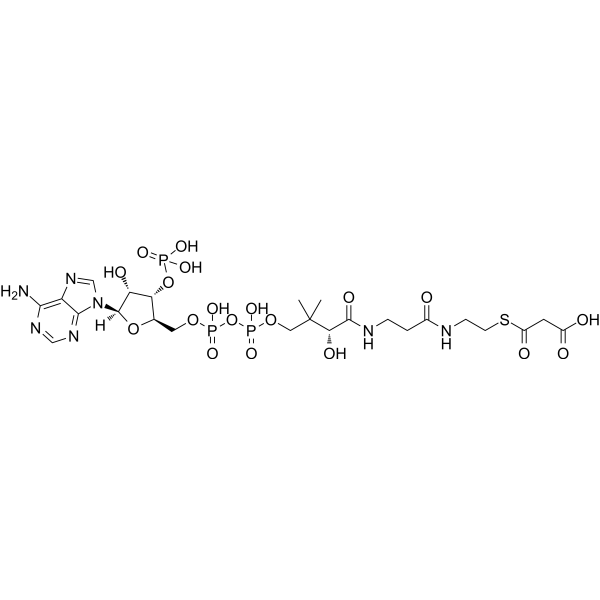
Malonyl CoA is a substrate for fatty acid biosynthesis and an inhibitor of fatty acid oxidation. Malonyl CoA is also a reversible inhibitor of mitochondrial carnitine palmitoyltransferase (CPT) 1 .
loading...
    loading...
Cat. No.: HY-N11658
CAS No.: 30802-00-7
Synonyms: 4-Coumaroyl-CoA; p-coumaroylcoenzyme A
p-Coumaroyl-CoA (4-Coumaroyl-CoA; p-coumaroylcoenzyme A) is a coenzyme A derivative . p-Coumaroyl-CoA serves as a key intermediate in the biosynthesis of lignin and flavonoids .
loading...
    loading...
Cat. No.: HY-148285
CAS No.: 604-98-8
Synonyms: Succinyl-coenzyme A; S-(Hydrogen succinyl)coenzyme A
Succinyl CoA (Succinyl-coenzyme A) is a pivotal intermediate metabolite in the tricarboxylic acid cycle and a key coenzyme A metabolite. Succinyl CoA is biosynthesized from α-ketoglutarate or propionyl-CoA. Succinyl CoA acts as a critical precursor and substrate for heme biosynthesis and gluconeogenesis. Succinyl CoA insufficiency caused by cobalamin deficiency is directly linked to growth retardation, impaired heme synthesis, tissue glycine accumulation and neurological abnormalities. Succinyl CoA can be used in research on metabolic, neurological, and hematological abnormalities (such as porphyria) caused by nutritional vitamin B12 deficiency (leading to a lack of Succinyl-Coenzyme A synthesis) .
loading...
    loading...
Cat. No.: HY-119896
CAS No.: 99129-21-2
Purity:  ≥95.0%
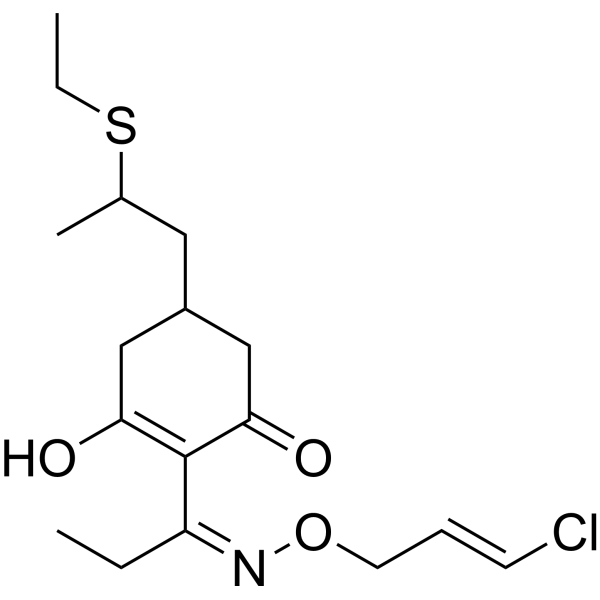
Clethodim is a potent acetyl-CoA A carboxylase (ACCase) inhibitor and herbicide. Clethodim inhibits ACCase in plants, thereby blocking fatty acid biosynthesis required for cell membrane and secondary metabolite production . Clethodim exhibits developmental toxicity and neurotoxicity in zebrafish embryos and larvae. Clethodim is used in studies on agricultural herbicides and developmental toxicity .
loading...
    loading...
Cat. No.: HY-N6663
CAS No.: 13466-78-9
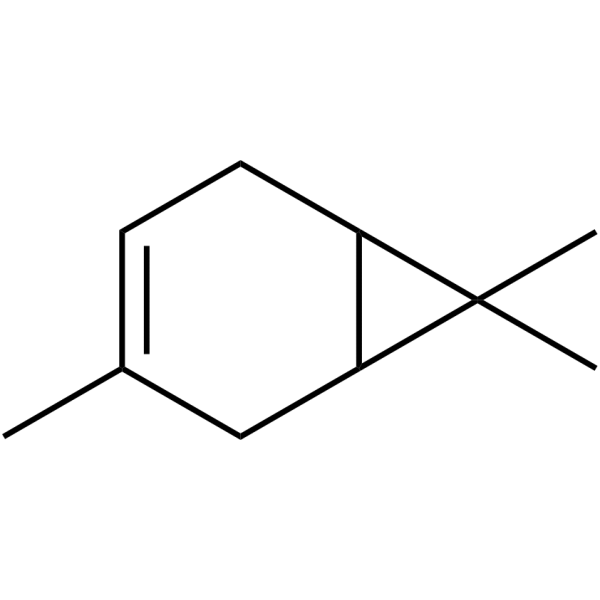
3-Carene is an orally active TCA cycle enzyme inhibitor. 3-Carene inhibits succinate dehydrogenase and malate dehydrogenase as well as pyruvate kinase, disrupting energy metabolism. 3-Carene disrupts cell wall and cell membrane integrity, leading to potassium ion leakage, protein leakage, membrane depolarization, ATP depletion, morphological disruption, and cell lysis. 3-Carene interferes with amino acid metabolism, pantothenate and CoA biosynthesis, purine and pyrimidine metabolism, and aminoacyl-tRNA biosynthesis. 3-Carene enhances GABA receptor-mediated synaptic responses. 3-Carene can be used in research on bacterial infections, inflammation, anxiety, and sleep disorders .
loading...
    loading...
Cat. No.: HY-114591
CAS No.: 283594-90-1
Purity:  97.20%
Synonyms: BSN 2060
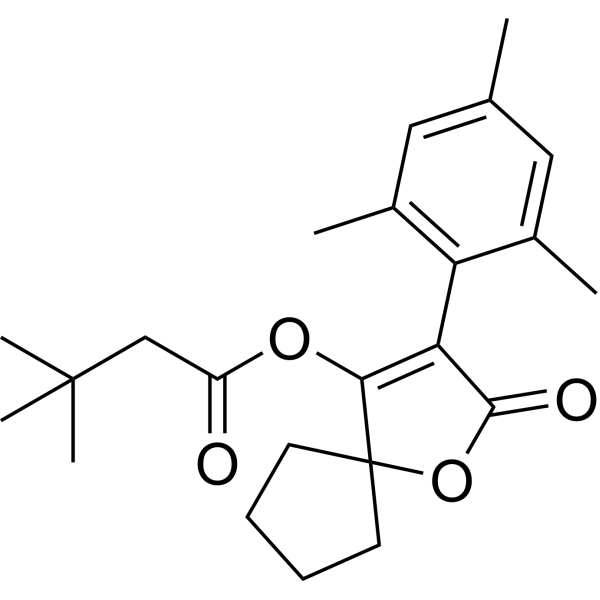
Spiromesifen (BSN 2060) is a broad-spectrum tetrachloro acid derivative acaricide. Spiromesifen reduces lipid biosynthesis via inhibition of acetyl-CoA carboxylase, and has no cross-resistance to any resistant mite or whitefly populations .
loading...
    loading...
Cat. No.: HY-126955
CAS No.: 6049-57-6
Synonyms: Ethylmalonyl coenzyme A
Target:  

Endogenous Metabolite

Research Areas:  

Metabolic Disease

Ethylmalonyl-CoA (Ethylmalonyl coenzyme A) is a metabolic intermediate and biosynthetic precursor associated with crotonyl-CoA carboxylase/reductase. Ethylmalonyl‑CoA is generated via the reductive carboxylation of crotonyl-CoA catalyzed by crotonyl-CoA carboxylase/reductase (CCR); it can be recognized by the PKS acyltransferase AT and participate in the biosynthesis of antibiotic polyketide natural products. Ethylmalonyl-CoA is used in biosynthesis-related research .
loading...
    loading...

