34 Results for "

DNA base pairs

" in MedChemExpress (MCE) Product Catalog:
Products (34)

34 Results for "DNA base pairs" in MCE Product Catalog:

191
191 Publications Verification
Cat. No.: HY-D0814
CAS No.: 28718-90-3
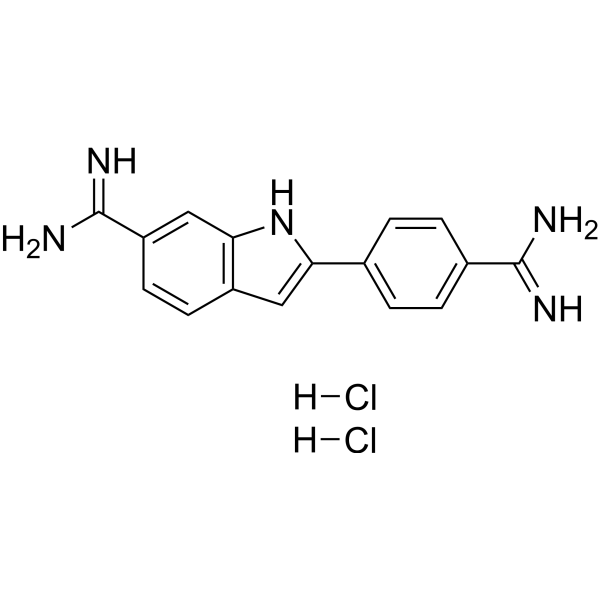
Synonyms: 4',6-Diamidino-2-phenylindole dihydrochloride
DAPI (4',6-Diamidino-2-phenylindole) dihydrochloride is a DAPI dye. DAPI is a fluorescent dye that binds strongly to DNA. It binds to the AT base pair of the double-stranded DNA minor groove, and one DAPI molecule can occupy three base pair positions. The fluorescence intensity of DAPI molecules bound to double-stranded DNA is increased by about 20 times, and it is commonly observed with fluorescence microscopy, and the amount of DNA can be determined based on the intensity of fluorescence. DAPI cannot penetrate intact cell membranes and is commonly used for staining damaged and fixed cells . DAPI (Compound 3) is an acid-sensing ion channel 3 (ASIC3) inhibitor. DAPI binds to ASIC3 and blocks the channel function. DAPI can be used in the study of chronic pain treatment (Ex/Em = 356/451 nm).
loading...
    loading...
191
191 Publications Verification
Cat. No.: HY-D2868
CAS No.: 47165-04-8
Synonyms: 4',6-Diamidino-2-phenylindole
DAPI (4',6-Diamidino-2-phenylindole) is a DAPI dye. DAPI is a fluorescent dye that binds strongly to DNA. It binds to the AT base pair of the double-stranded DNA minor groove, and one DAPI molecule can occupy three base pair positions. The fluorescence intensity of DAPI molecules bound to double-stranded DNA is increased by about 20 times, and it is commonly observed with fluorescence microscopy, and the amount of DNA can be determined based on the intensity of fluorescence. DAPI cannot penetrate intact cell membranes and is commonly used for staining damaged and fixed cells . DAPI (Compound 3) is an acid-sensing ion channel 3 (ASIC3) inhibitor. DAPI binds to ASIC3 and blocks the channel function. DAPI can be used in the study of chronic pain treatment (Ex/Em = 356/451 nm).
loading...
    loading...
185
185 Cited Publications
Cat. No.: HY-D1738
CAS No.: 28718-91-4
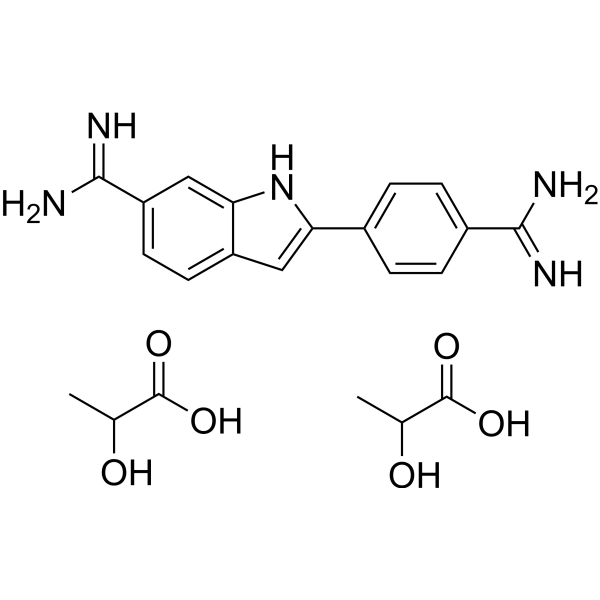
Synonyms: 4',6-Diamidino-2-phenylindole dilactate
DAPI (4',6-Diamidino-2-phenylindole) dilactate is a DAPI dye. DAPI is a fluorescent dye that binds strongly to DNA. It binds to the AT base pair of the double-stranded DNA minor groove, and one DAPI molecule can occupy three base pair positions. The fluorescence intensity of DAPI molecules bound to double-stranded DNA is increased by about 20 times, and it is commonly observed with fluorescence microscopy, and the amount of DNA can be determined based on the intensity of fluorescence. DAPI cannot penetrate intact cell membranes and is commonly used for staining damaged and fixed cells . DAPI (Compound 3) is an acid-sensing ion channel 3 (ASIC3) inhibitor. DAPI binds to ASIC3 and blocks the channel function. DAPI can be used in the study of chronic pain treatment (Ex/Em = 356/451 nm) .
loading...
    loading...
15
15 Cited Publications
Cat. No.: HY-12404
CAS No.: 908-54-3
Purity:  99.16%
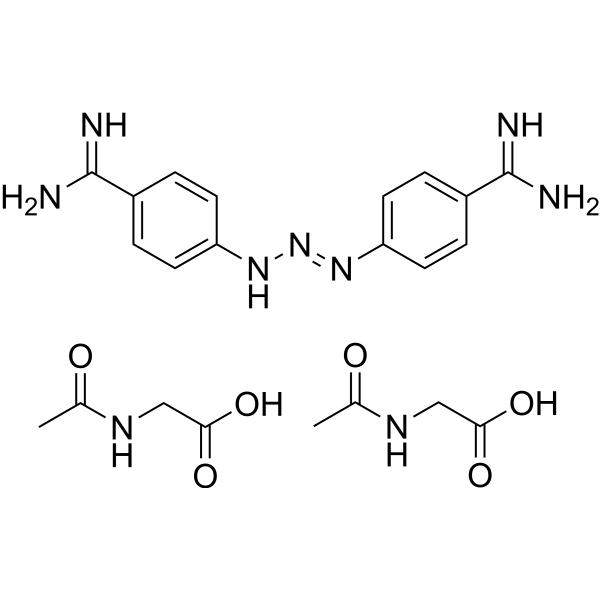
Synonyms: Diminazene diaceturate
Diminazene aceturate (Diminazene diaceturate) is an anti-trypanosome agent for livestock. The main biochemical mechanism of the trypanocidal actions of Diminazene aceturate is by binding to trypanosomal kinetoplast DNA (kDNA) in a non-intercalative manner through specific interaction with sites rich in adenine-thymine base pairs. Diminazene aceturate is also an angiotensin-converting enzyme 2 (ACE2) activator and has strong and potent anti-inflammatory properties .
loading...
    loading...
6
6 Cited Publications
Cat. No.: HY-D1191
CAS No.: 2225748-05-8
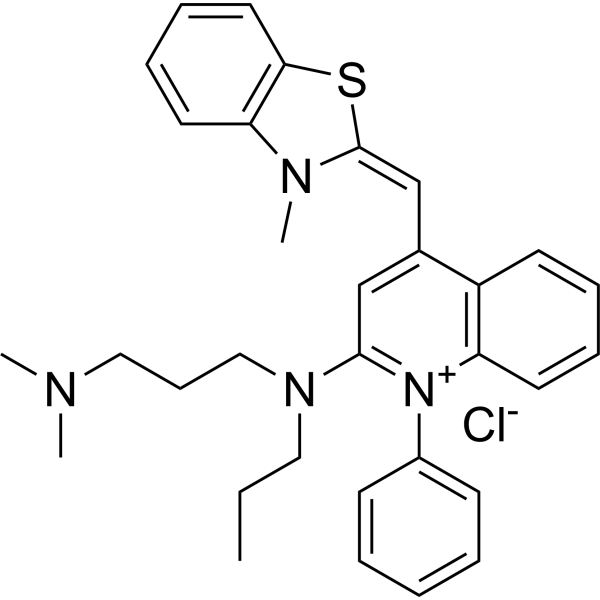
SYBR Green I chloride is a highly sensitive fluorescent nucleic acid dye that binds specifically to the minor groove of double-stranded DNA or intercalates between base pairs. SYBR Green I chloride exhibits weak fluorescence in the unbound state but emits bright fluorescence upon binding, and it preferentially binds to large-fragment DNA and DNA with high G+C content. SYBR Green I chloride is suitable for real-time PCR technology; its fluorescence intensity correlates with the amount and size of amplification products, enabling accurate quantification of gene expression and discrimination of amplicons via melting curve analysis without additional post-processing. SYBR Green I chloride is widely used in preclinical in vitro nucleic acid detection .
loading...
    loading...
3
3 Cited Publications
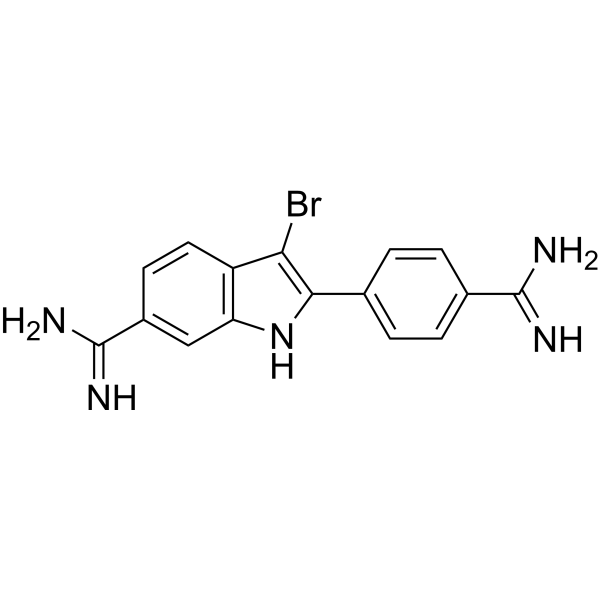
Cat. No.: HY-D1396
CAS No.: 2387906-44-5
Research Areas:  

Others

Br-DAPI is a marker dye in DAPI series. DAPI is a fluorescent dye that binds strongly to DNA. It binds to the AT base pair of the double-stranded DNA minor groove, and one DAPI molecule can occupy three base pair positions. The fluorescence intensity of DAPI molecules bound to double-stranded DNA is increased by about 20 times, and it is commonly observed with fluorescence microscopy, and the amount of DNA can be determined based on the intensity of fluorescence. DAPI cannot penetrate intact cell membranes and is commonly used for staining damaged and fixed cells . Storage: Keep away from light.
loading...
    loading...
2
2 Cited Publications
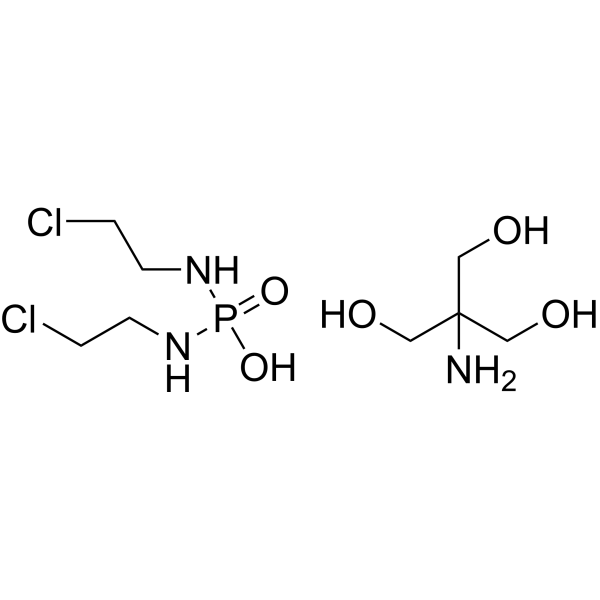
Cat. No.: HY-114577
CAS No.: 1070409-31-2
Synonyms: Isophosphoramide mustard tromethamine; IPM tromethamine; ZIO-201 tromethamine
Research Areas:  

Cancer

Palifosfamide (tromethamine) is a synthetic alkylating agent with potential antineoplastic activity. As the stabilized active metabolite of ifosfamide, palifosfamide (tromethamine) irreversibly alkylates and crosslinks DNA through GC base pairs. This leads to an inhibition of DNA replication and ultimately cell death. Compared to ifosfamide, palifosfamide (tromethamine) is less toxic.
loading...
    loading...
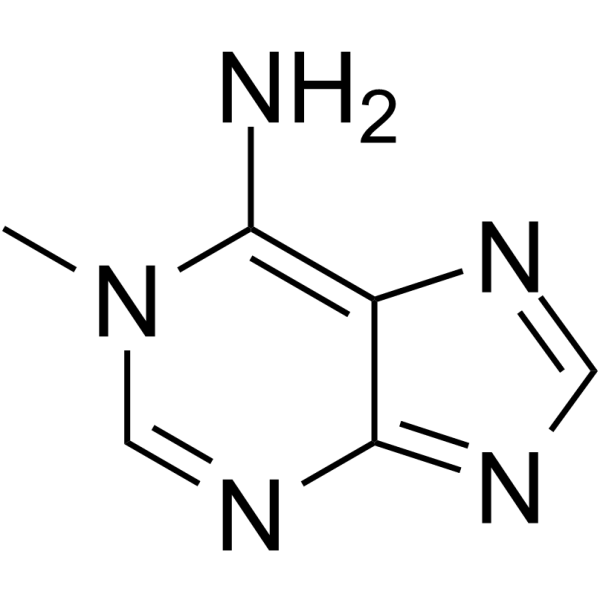
Cat. No.: HY-113306
CAS No.: 5142-22-3
Purity:  99.88%
1-Methyladenine is a gonad maturation-promoting regulator. 1-Methyladenine is produced in testes and ovarian follicle cells of starfish under the induction of gonad-stimulating substance (GSS). 1-Methyladenine promotes starfish oocyte maturation and spawning, and modifies bases that regulate DNA structure. 1-Methyladenine converts T-A base pairs in double-stranded DNA into non-disruptive T (anti)m1A (syn) Hoogsteen conformation. If this conformational base is not repaired in a timely manner, 1-Methyladenine transforms into cytotoxic DNA damage and blocks the replication process .
loading...
    loading...
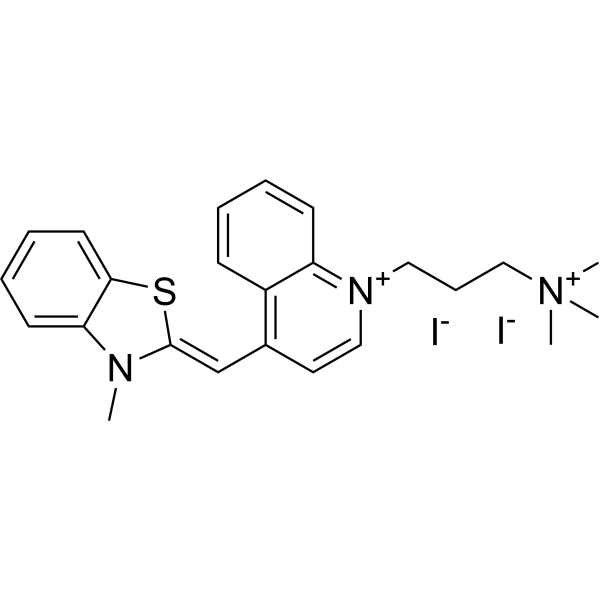
Cat. No.: HY-D0917
CAS No.: 157199-59-2
NIR-Red Dead Cell-1 Dye is a DNA-binding fluorescent dye for non-living cells (Ex/Em=515 nm/531 nm). NIR-Red Dead Cell-1 Dye can intercalate into base pairs of double-stranded DNA and produce stronger fluorescence. NIR-Red Dead Cell-1 Dye is suitable for necrotic cells or late apoptotic cells with damaged cell membranes, showing green fluorescence under fluorescence microscopy or flow cytometry. NIR-Red Dead Cell-1 Dye can be used to distinguish live cells from dead cells and distinguish cell membrane integrity. NIR-Red Dead Cell-1 Dye can be attached to the surface of Feraheme (FH) nanoparticles (NPs) to obtain fluorescent dye-functionalized NPs for drug delivery studies .
loading...
    loading...
Cat. No.: HY-W002272
CAS No.: 108-53-2
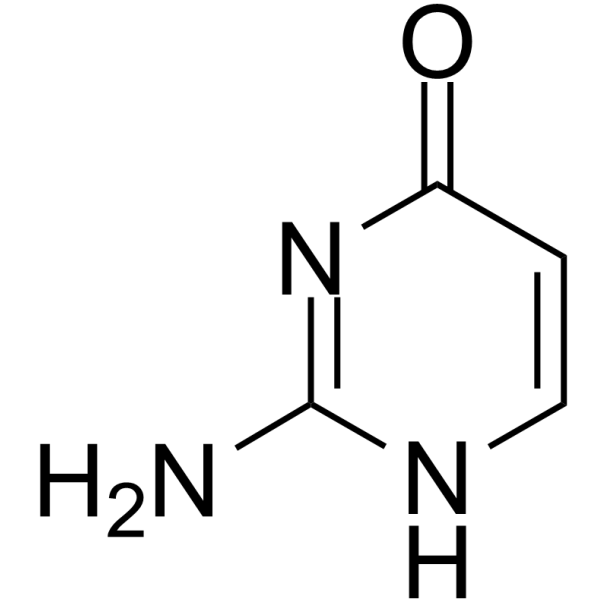
Isocytosine is a non-natural nucleobase and an isomer of cytosine. It is used in combination with Isoguanine in studies of unnatural nucleic acid analogues of the normal base pairs in DNA and used as a nucleobase of hachimoji RNA .
loading...
    loading...
Cat. No.: HY-50071
CAS No.: 211555-30-5
Research Areas:  

Others

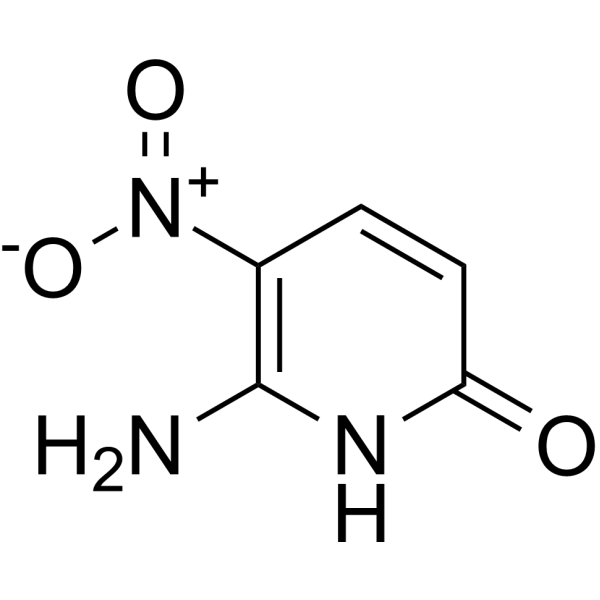
6-Amino-5-nitropyridin-2-one is a pyridine base and used as a nucleobase of hachimoji DNA, in which it pairs with 5-aza-7-deazaguanine .
loading...
    loading...
Cat. No.: HY-145726
CAS No.: 250755-32-9
ISIS 104838 is an antisense oligonucleotide targeting TNF-α. ISIS 104838 specifically binds to human TNF-α mRNA via Watson-Crick base pairing to form a DNA:RNA hybrid duplex, thereby recruiting the ubiquitously expressed intracellular enzyme RNase H to degrade the target mRNA and inhibit TNF-α protein synthesis at the transcriptional level. ISIS 104838 induces moderate, self-limiting thrombocytopenia in cynomolgus monkeys. ISIS 104838 can be used for the study of inflammatory diseases .
loading...
    loading...
Cat. No.: HY-112817
CAS No.: 139307-94-1
Synonyms: 8-Oxo-Deoxyguanosine triphosphate
8-Oxo-dGTP (8-Oxo-Deoxyguanosine triphosphate) is an oxidized guanine nucleotide formed by ROS-mediated oxidative modification of dGTP, and it also serves as a key substrate for 8-oxo-dGTP pyrophosphohydrolases (such as hMTH1 and E. coli MutT). 8-Oxo-dGTP acts as a DNA mutagen, inserts into nascent DNA and pairs with adenine and cytosine, inducing A:T to C:G transversion mutations. Furthermore, 8-Oxo-dGTP causes oxidative DNA base modification, strand breakage and S-phase arrest, and ultimately triggers AIF-mediated apoptosis and promotes spontaneous carcinogenesis in mth1-deficient mice. Accumulation of 8-Oxo-dGTP in cells induces genomic instability, but it exhibits a tumor-suppressive effect that reduces tumor incidence in mouse models instead. 8-Oxo-dGTP is widely used in studies related to spontaneous carcinogenesis, Parkinson's disease, Alzheimer's disease, heart failure and tumor mechanisms .
loading...
    loading...
Cat. No.: HY-119840
CAS No.: 602-64-2
Purity:  99.55%
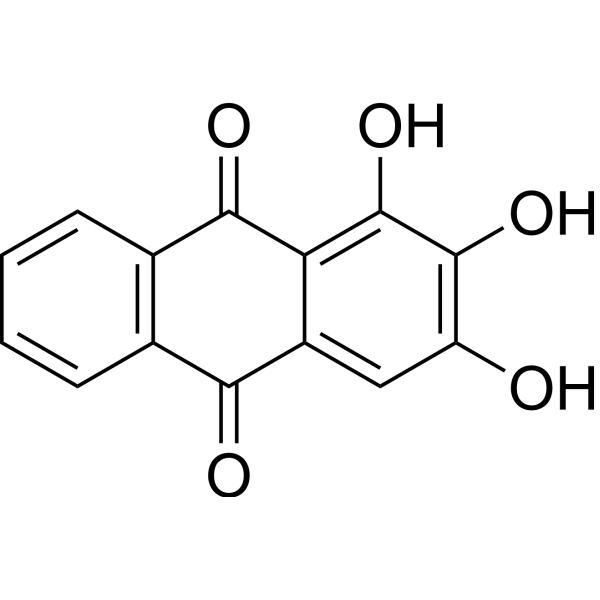
Anthragallol can insert base pairs of DNA. Anthragallol exhibits cytotoxicity by binding to DNA .
loading...
    loading...
Cat. No.: HY-157549A
Synonyms: AYX1 sodium
Research Areas:  

Neurological Disease

Brivoligide (AYX1) sodium is a double-stranded, unprotected, 23 base-pair oligonucleotide. Brivoligide sodium can reduce acute post-surgical pain. Brivoligide sodium mimics the DNA sequence normally bound by EGR1 on chromosomes .
loading...
    loading...
Cat. No.: HY-145726A
Purity:  96.37%
ISIS 104838 sodium is an antisense oligonucleotide targeting TNF-α. ISIS 104838 sodium specifically binds to human TNF-α mRNA via Watson-Crick base pairing to form a DNA:RNA hybrid duplex, thereby recruiting the ubiquitously expressed intracellular enzyme RNase H to degrade the target mRNA and inhibit TNF-α protein synthesis at the transcriptional level. ISIS 104838 sodium induces moderate, self-limiting thrombocytopenia in cynomolgus monkeys. ISIS 104838 sodium can be used for the study of inflammatory diseases .
loading...
    loading...
Cat. No.: HY-157549
CAS No.: 1803075-42-4
Synonyms: AYX1
Research Areas:  

Neurological Disease

Brivoligide (AYX1) is a double-stranded, unprotected, 23 base-pair oligonucleotide. Brivoligide can reduce acute post-surgical pain. Brivoligide mimics the DNA sequence normally bound by EGR1 on chromosomes .
loading...
    loading...
Cat. No.: HY-131740
CAS No.: 67460-15-5
Synonyms: C7dATP
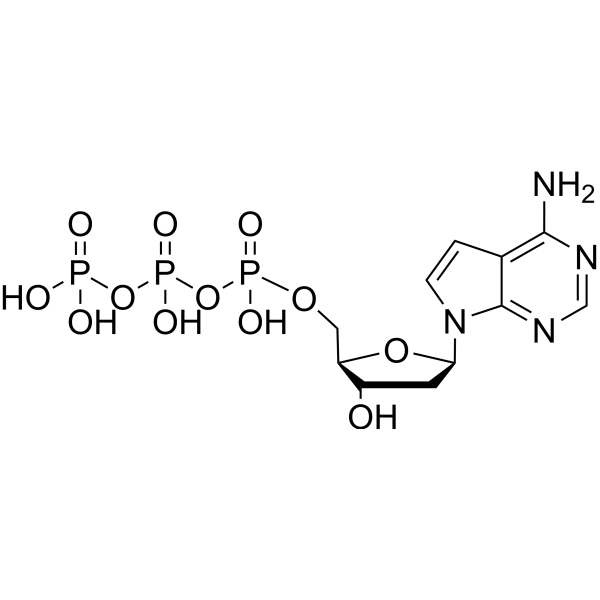
2'-Deoxytubercidin 5'-triphosphate (C7dATP) is a deoxyadenosine triphosphate (dATP) analog that serves as a substrate for DNA polymerases. 2'-Deoxytubercidin 5'-triphosphate eliminates Hoogsteen base-pairing capacity and weakens base-stacking interactions; it is recognized and incorporated into nascent DNA strands by DNA polymerases such as Klenow and T7; it reduces DNA electrophoresis compression artifacts; it is effectively degraded by apyrase, thereby lowering the enzyme product inhibition effect caused by dATPaS. 2'-Deoxytubercidin 5'-triphosphate reduces abnormal electrophoretic mobility caused by compression of G or A residues and is used to improve the quality of DNA sequencing data .
loading...
    loading...
Cat. No.: HY-D0922
CAS No.: 1284240-77-2
Target:  

Fluorescent Dye

Research Areas:  

Others

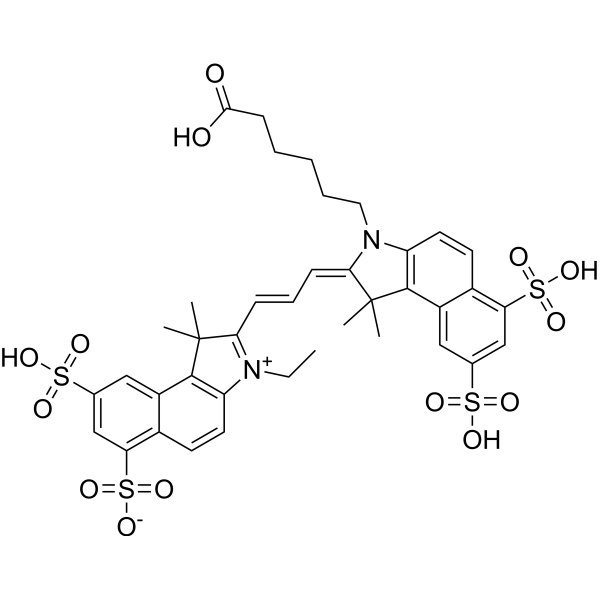
Cy3.5 is a cyanine-based red fluorescent dye (Ex/Em ≈ 560-581/600-612 nm). After covalent conjugation with proteins, Cy3.5 exhibits extraordinary fluorescence enhancement with minimal quenching even at high labeling ratios. Cy3.5 can form a FRET dye pair with Cy5.5, which maintains stable FRET efficiency in various biochemical buffers and deoxygenated systems. Cy3.5 is applicable to studies related to fluorescent labeling of antibodies/proteins, single-molecule FRET imaging of double-stranded DNA and nucleosomes, SPION functionalization, in vivo tracing, and other relevant research .
loading...
    loading...
Cat. No.: HY-W006395R
CAS No.: 1122-47-0
1-Methylcytosine is a methylated form of the DNA base cytosine and used as a nucleobase of hachimoji DNA, in which it pairs with Isoguanine .
loading...
    loading...

