215 Results for "

DNA binding activity

" in MedChemExpress (MCE) Product Catalog:
Products (215)

215 Results for "DNA binding activity" in MCE Product Catalog:

126
126 Publications Verification
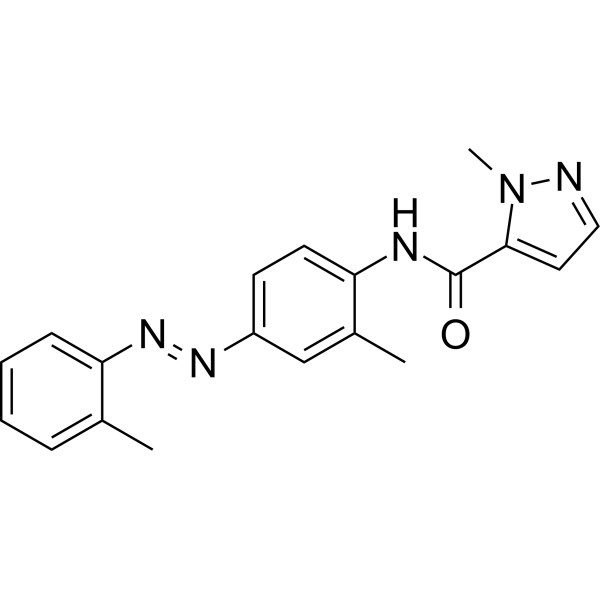
Cat. No.: HY-12684
CAS No.: 301326-22-7
Purity:  99.96%
Research Areas:  

Cancer

CH-223191 is a potent and specific antagonist of aryl hydrocarbon receptor (AhR). CH-223191 inhibits TCDD-mediated nuclear translocation and DNA binding of AhR, and inhibits TCDD-induced luciferase activity with an IC50 of 0.03 μM .
loading...
    loading...
113
113 Cited Publications
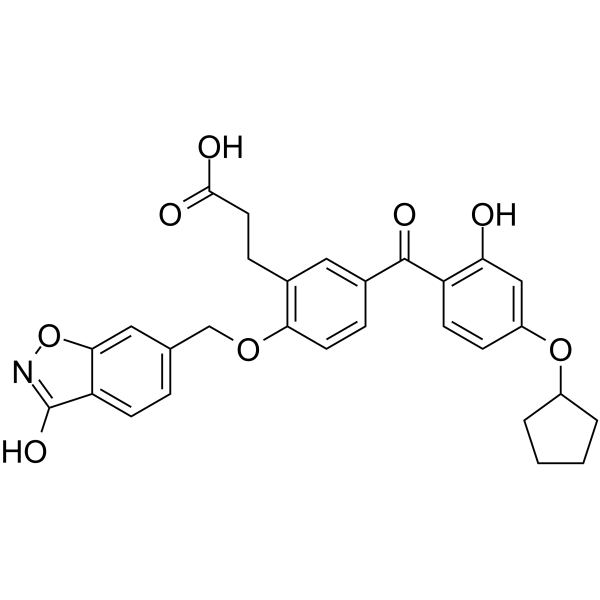
Cat. No.: HY-12270
CAS No.: 530141-72-1
Purity:  99.03%
Target:  

AP-1 MMP

T-5224 is a transcription factor c-Fos/activator protein (AP)-1 inhibitor with anti-inflammatory effects, which specifically inhibits the DNA binding activity of c-Fos/c-Jun without affecting other transcription factors. T-5224 inhibits the IL-1β-induced up-regulation of Mmp-3, Mmp-13 and Adamts-5 transcription .
loading...
    loading...
69
69 Cited Publications
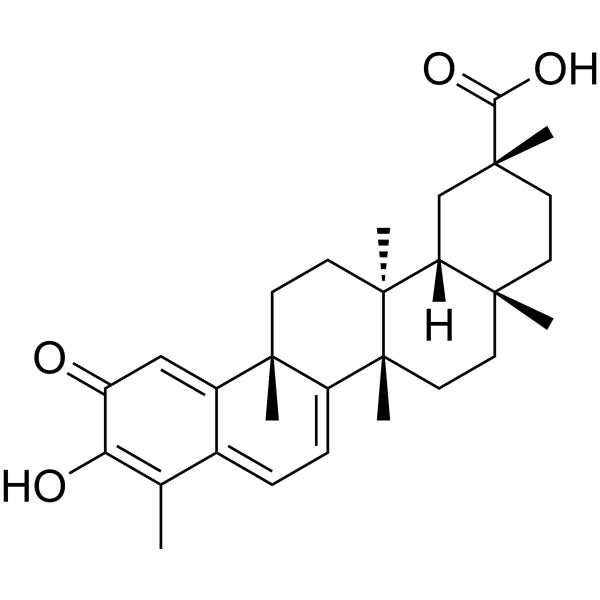
Cat. No.: HY-13067
CAS No.: 34157-83-0
Purity:  99.64%
Synonyms: Tripterine; Tripterin
Celastrol (Tripterine;Tripterin) is a proteasome inhibitor which potently and preferentially inhibits the chymotrypsin-like activity of a purified 20S proteasome with IC50 of 2.5 μM. In addition, Celastrol is also an antibiotic with potent antimicrobial activity against standard and clinical methicillin-resistant Staphylococcus aureus (MRSA) strains, inducing oxidative stress and inhibiting DNA synthesis by binding to P5CDH .
loading...
    loading...
23
23 Cited Publications
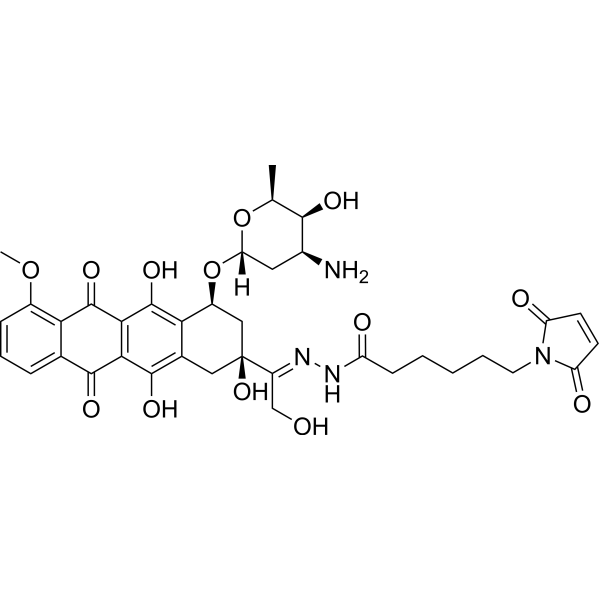
Cat. No.: HY-16261
CAS No.: 1361644-26-9
Synonyms: INNO-206; DOXO-EMCH
Research Areas:  

Cancer

Aldoxorubicin (INNO-206) is an albumin-binding proagent of Doxorubicin (DNA topoisomerase II inhibitor), which is released from albumin under acidic conditions. Aldoxorubicin (INNO-206) has potent antitumor activities in various cancer cell lines and in murine tumor models.
loading...
    loading...
17
17 Cited Publications
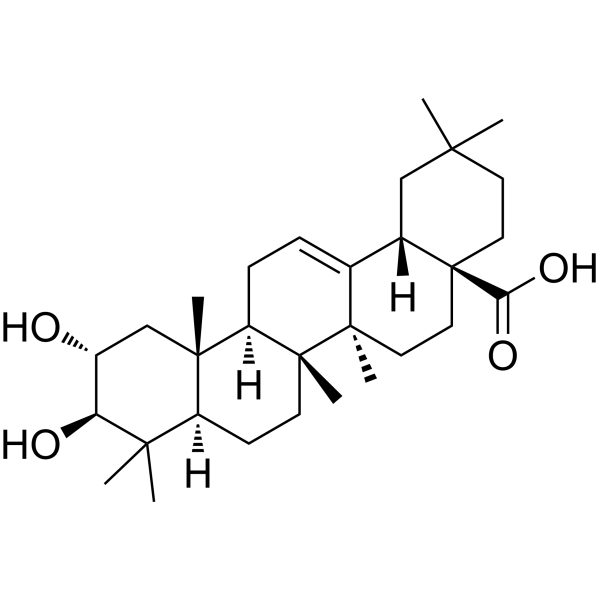
Cat. No.: HY-N0629
CAS No.: 4373-41-5
Synonyms: Crategolic acid; 2α-Hydroxyoleanolic acid
Maslinic acid can inhibit the DNA-binding activity of NF-κB p65 and abolish the phosphorylation of IκB-α, which is required for p65 activation.
loading...
    loading...
14
14 Cited Publications
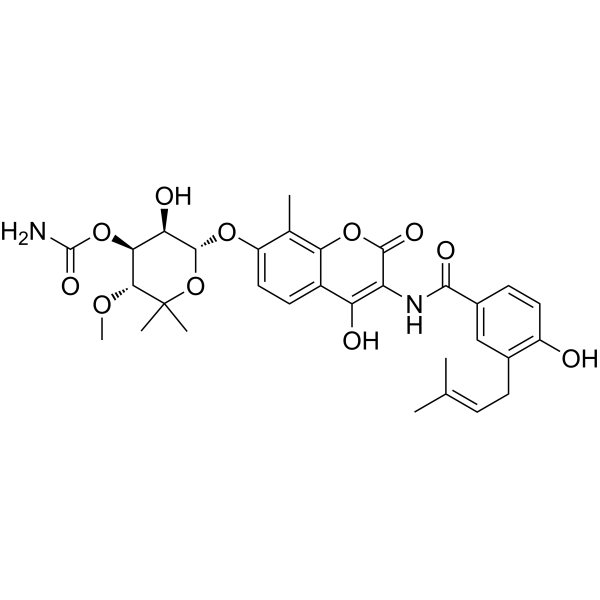
Cat. No.: HY-B0425
CAS No.: 303-81-1
Synonyms: Albamycin; Cathomycin
Novobiocin (Albamycin; Cathomycin) is an orally active antibiotic and Hsp-90 antagonist that also inhibits the Polθ helicase/ATPase domain with IC50 values of 24 μM and 15-17 μM, respectively. Novobiocin binds to Hsp90, GyrB, and POLθ, inhibiting their ATPase activity and ssDNA binding. Novobiocin inhibits molecular chaperone function and DNA repair, and induces apoptosis and genomic instability. Novobiocin exhibits bactericidal and antiparasitic activities. Novobiocin inhibits tumor growth in vivo. Novobiocin is used for research on equine piroplasmosis, ovarian cancer, breast cancer, anthrax, and melioidosis .
loading...
    loading...
14
14 Cited Publications
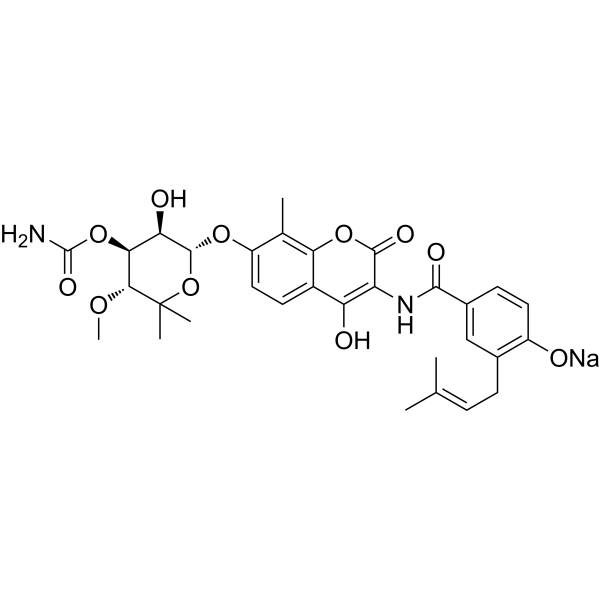
Cat. No.: HY-B0425A
CAS No.: 1476-53-5
Synonyms: Albamycin sodium; Cathomycin sodium
Novobiocin (Albamycin; Cathomycin) sodium is an orally active antibiotic and Hsp-90 antagonist that also inhibits the Polθ helicase/ATPase domain with IC50 values of 24 μM and 15-17 μM, respectively. Novobiocin sodium binds to Hsp90, GyrB, and POLθ, inhibiting their ATPase activity and ssDNA binding. Novobiocin sodium inhibits molecular chaperone function and DNA repair, and induces apoptosis and genomic instability. Novobiocin sodium exhibits bactericidal and antiparasitic activities. Novobiocin sodium inhibits tumor growth in vivo. Novobiocin sodium is used for research on equine piroplasmosis, ovarian cancer, breast cancer, anthrax, and melioidosis .
loading...
    loading...
13
13 Cited Publications
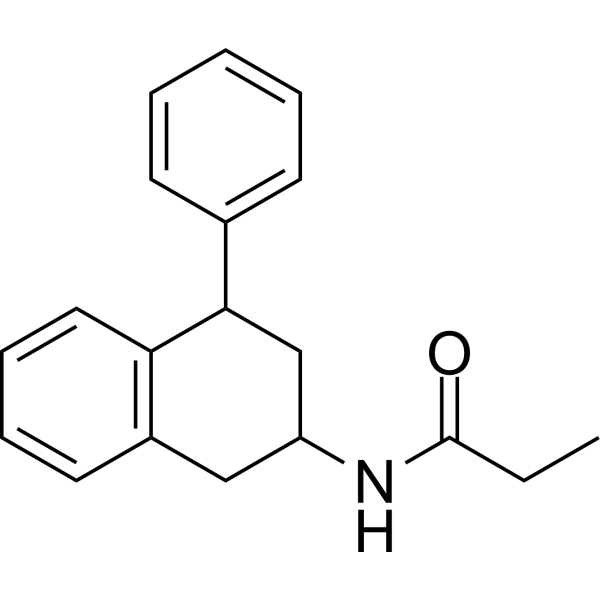
Cat. No.: HY-100609
CAS No.: 134865-74-0
Purity:  99.90%
Target:  

Melatonin Receptor

Research Areas:  

Neurological Disease

4-P-PDOT is a potent, selective and affinity Melatonin receptor (MT2) antagonist. 4-P-PDOT is >300-fold more selective for MT2 than MT1. 4-P-PDOT significantly counteracts Melatonin-mediated antioxidant effects (GSH/GSSG ratio, phospho-ERK, Nrf2 nuclear translocation, Nrf2 DNA-binding activity) .
loading...
    loading...
12
12 Cited Publications
Cat. No.: HY-128729
CAS No.: 35973-25-2
Purity:  98.51%
Target:  

DNA/RNA Synthesis

Research Areas:  

Cancer

DNA2 inhibitor C5 is a potent, competitive, and specific DNA2 nuclease inhibitor with an IC50 of 20 μM. DNA2 inhibitor C5 inhibits the nuclease, DNA-dependent ATPase, helicase, and DNA-binding activities of DNA2. DNA2 inhibitor C5 can be used in breast cancer and colorectal cancer research .
loading...
    loading...
12
12 Cited Publications
Cat. No.: HY-106101
CAS No.: 512-64-1
Purity:  98.57%
Synonyms: Quinomycin A; NSC-13502
Research Areas:  

Cancer

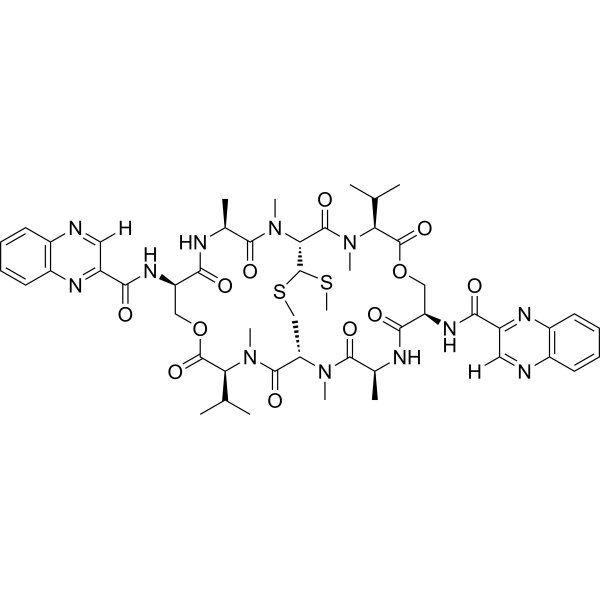
Echinomycin (Quinomycin A) is potent small-molecule and cell-permeable inhibitor of hypoxia-inducible factor-1 (HIF-1) DNA-binding activity. Echinomycin selectively inhibits the cancer stem cells (CSCs) with an IC50 of 29.4 pM .
loading...
    loading...
11
11 Cited Publications
Cat. No.: HY-12695B
CAS No.: 207300-85-4
Purity:  ≥95.0%
Synonyms: GTP trisodium salt hydrate
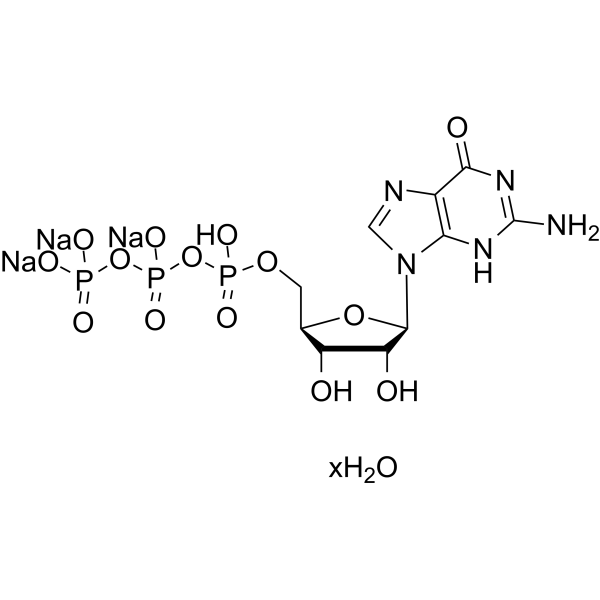
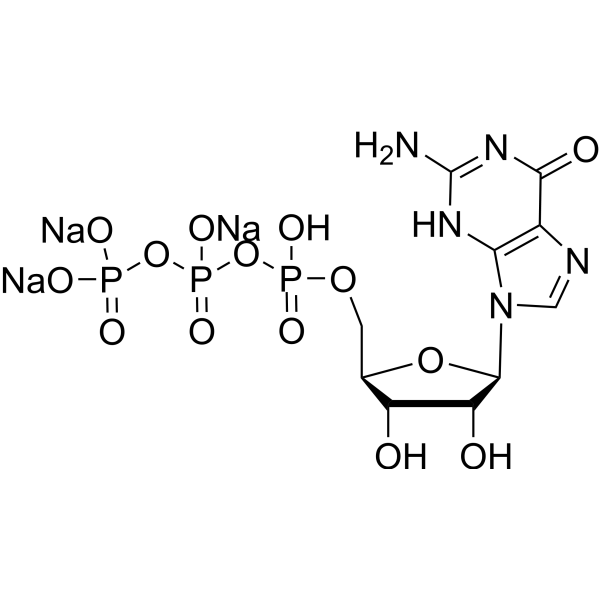
Guanosine triphosphate (GTP) trisodium salt hydrate is a critical nucleotide and regulator of cellular metabolism. Guanosine triphosphate trisodium salt hydrate promotes ribosomal DNA localization, pre-rRNA transcription and ribosome biogenesis by binding to RNA polymerase I and GPN proteins (GPN1/3). Guanosine triphosphate trisodium salt hydrate links MYC-dependent ribosome biogenesis to nucleotide sufficiency, acts as a metabolic gatekeeper supporting protein synthesis, DNA/RNA synthesis and cellular signal transduction, while also participating in the physiological activities of pancreatic β-cells and serving as an oxidative substrate for reactive oxygen species. In small cell lung cancer with high MYC expression, Guanosine triphosphate trisodium salt hydrate accumulates through the IMPDH-driven synthetic pathway, thereby affecting apoptosis and mitotic processes. Guanosine triphosphate trisodium salt hydrate is used in the research of small cell lung cancer, hepatoblastoma and cellular metabolism .
loading...
    loading...
11
11 Cited Publications
Cat. No.: HY-W010737
CAS No.: 56001-37-7
Synonyms: GTP disodium
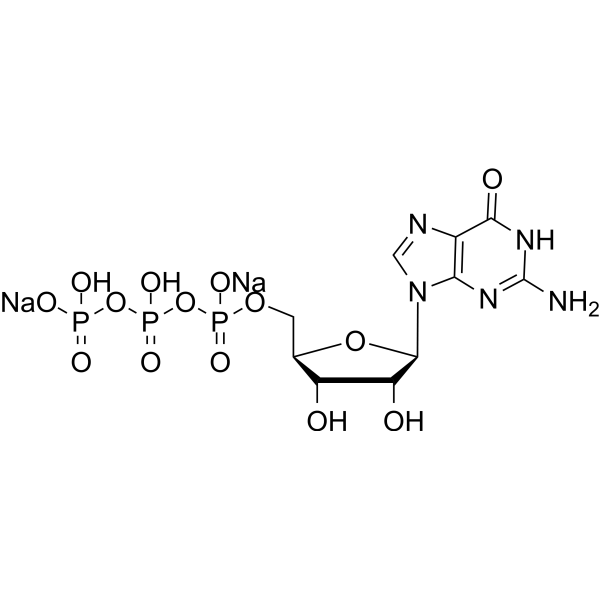
Guanosine triphosphate (GTP) disodium is a critical nucleotide and regulator of cellular metabolism. Guanosine triphosphate disodium promotes ribosomal DNA localization, pre-rRNA transcription and ribosome biogenesis by binding to RNA polymerase I and GPN proteins (GPN1/3). Guanosine triphosphate disodium links MYC-dependent ribosome biogenesis to nucleotide sufficiency, acts as a metabolic gatekeeper supporting protein synthesis, DNA/RNA synthesis and cellular signal transduction, while also participating in the physiological activities of pancreatic β-cells and serving as an oxidative substrate for reactive oxygen species. In small cell lung cancer with high MYC expression, Guanosine triphosphate disodium accumulates through the IMPDH-driven synthetic pathway, thereby affecting apoptosis and mitotic processes. Guanosine triphosphate disodium is used in the research of small cell lung cancer, hepatoblastoma and cellular metabolism .
loading...
    loading...
8
8 Cited Publications
Cat. No.: HY-122727
CAS No.: 1326852-06-5
Purity:  ≥98.0%
Target:  

DNA-PK Apoptosis

Research Areas:  

Cancer

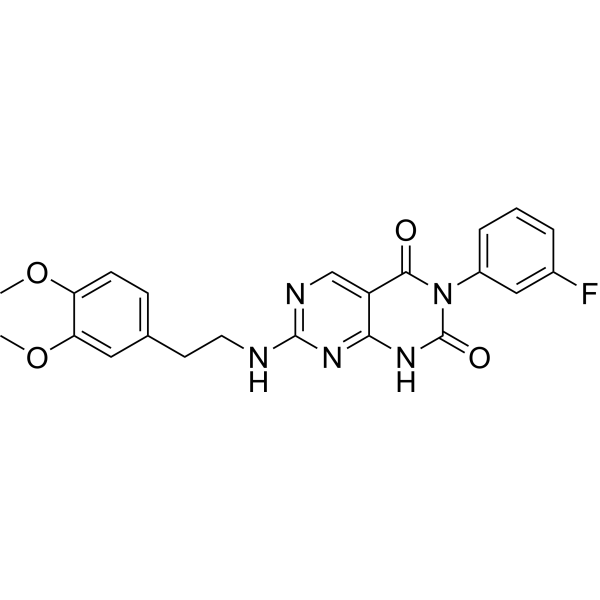
STL127705 (Compound L) is a potent Ku 70/80 heterodimer protein inhibitor with an IC50 of 3.5 μM. STL127705 interferes the binding of Ku70/80 to DNA and by inhibits the activation of the DNA-PKCS kinase. STL127705 shows antiproliferative and anticancer activity. STL127705 induces apoptosis .
loading...
    loading...
8
8 Cited Publications
Cat. No.: HY-138280
CAS No.: 897326-30-6
Purity:  99.82%
Target:  

HSP

Research Areas:  

Cancer

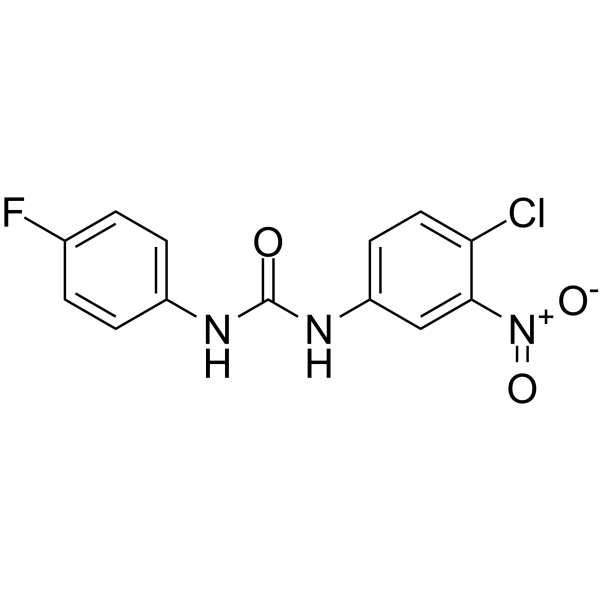
DTHIB is a direct and selective heat shock factor 1 (HSF1) inhibitor with a Kd of 160 nM for DTHIB binding to the HSF1 DNA binding domain (DBD). DTHIB inhibits HSF1 cancer gene signature (HSF1 CaSig) and selectively stimulates degradation of nuclear HSF1. DTHIB has potently anticancer activities and can be used for prostate cancer research .
loading...
    loading...
8
8 Cited Publications
Cat. No.: HY-12695
CAS No.: 36051-31-7
Purity:  ≥95.0%
Synonyms: GTP trisodium
Guanosine triphosphate (GTP) trisodium is a critical nucleotide and regulator of cellular metabolism. Guanosine triphosphate trisodium promotes ribosomal DNA localization, pre-rRNA transcription and ribosome biogenesis by binding to RNA polymerase I and GPN proteins (GPN1/3). Guanosine triphosphate trisodium links MYC-dependent ribosome biogenesis to nucleotide sufficiency, acts as a metabolic gatekeeper supporting protein synthesis, DNA/RNA synthesis and cellular signal transduction, while also participating in the physiological activities of pancreatic β-cells and serving as an oxidative substrate for reactive oxygen species. In small cell lung cancer with high MYC expression, Guanosine triphosphate trisodium accumulates through the IMPDH-driven synthetic pathway, thereby affecting apoptosis and mitotic processes. Guanosine triphosphate trisodium is used in the research of small cell lung cancer, hepatoblastoma and cellular metabolism .
loading...
    loading...
6
6 Cited Publications
Cat. No.: HY-119970
CAS No.: 6754-13-8
Purity:  99.90%
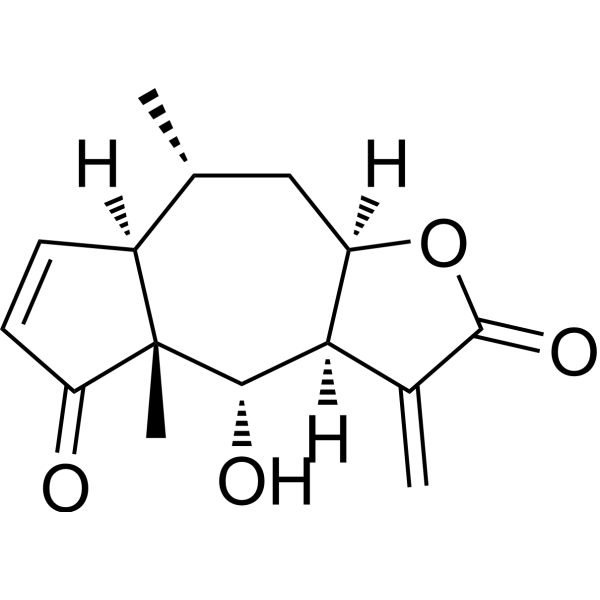
Helenalin is an anti-inflammatory sesquiterpene lactone. Helenalin selectively inhibits transcription factor NF-κB by directly targeting p65. Helenalin has alkylating activity, targets the cysteine sulfhydryl groups in the p65 subunit of NF-κB, thereby inhibits its DNA binding .
loading...
    loading...
5
5 Cited Publications
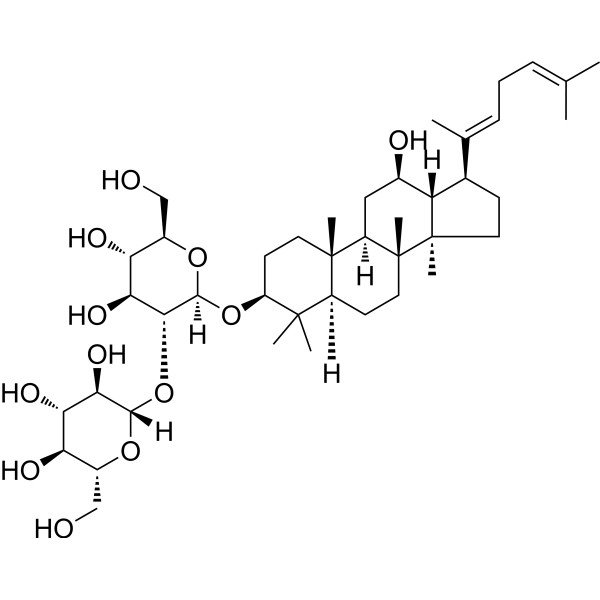
Cat. No.: HY-N0908
CAS No.: 186763-78-0
Ginsenoside Rg5 is the main component of Red ginseng and IGF-1R agonist. Ginsenoside Rg5 compets for the binding site of IGF-1R and blocks the binding of IGF-1 to IGF-1R (IC50 about 90 nM). Ginsenoside Rg5 also inhibits the mRNA expression of COX-2 via suppression of the DNA binding activities of NF-κB p65.
loading...
    loading...
5
5 Cited Publications
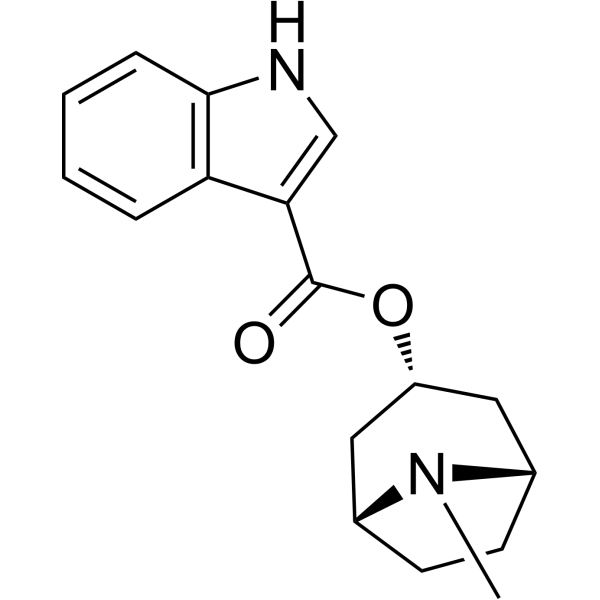
Cat. No.: HY-B0072
CAS No.: 89565-68-4
Synonyms: SDZ-ICS-930 free base
Tropisetron is an orally active 5-HT3R antagonist (Ki = 5.3 nM) as well as being a potent and selective α7 nicotinic partial agonist (EC50 = 1.3 μM). Tropisetron prevents phosphorylation and activation of the p38 MAPK. Tropisetron inhibits both IL-2 gene transcription and IL-2 synthesis in stimulated T cells. Tropisetron inhibits the binding to DNA and the transcriptional activity of NFAT and AP-1. Tropisetron is anti-inflammatory and antiemetic. Tropisetron has antitumor and neuroprotective effects. Tropisetron can be studied in research for diseases including hemorrhagic cystitis, chronic joint inflammation, lung cancer and chronic cerebral hypoperfusion .
loading...
    loading...
4
4 Cited Publications
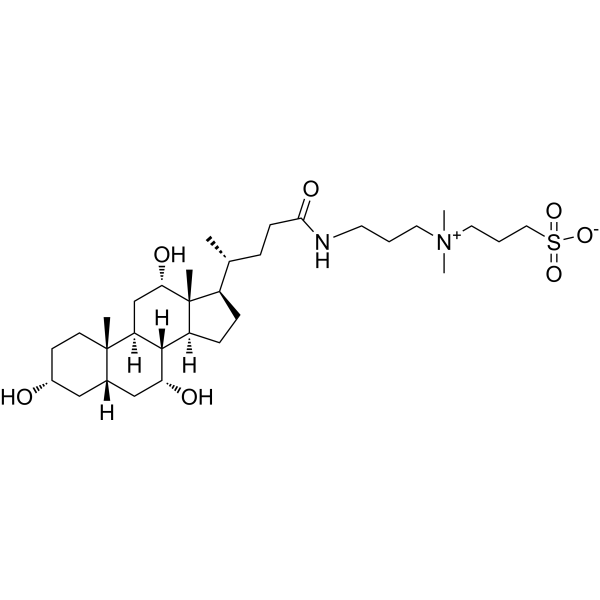
Cat. No.: HY-15435
CAS No.: 75621-03-3
Purity:  99.91%
Research Areas:  

Others

CHAPS is a cholic acid-derived, sulfobetaine-type zwitterionic detergent and micelle-forming agent. CHAPS exhibits properties of weak cationic or nonionic surfactants in different solution systems, undergoes micellization, and forms small, loose hydrophilic aggregates that are temperature-dependent. CHAPS stabilizes mononucleosomes under different ionic strengths, reduces nucleosome sequence specificity, promotes sliding of histone cores along DNA, solubilizes Tamm-Horsfall protein to reduce its interference with urinary exosome isolation, and maintains vesicle structure and the activity of related proteins at the same time. CHAPS is used to recover native folded fusion proteins, enhance the binding capacity of GST fusion proteins, and restore GST enzyme activity. However, CHAPS cannot refold proteins denatured by urea, guanidine hydrochloride or heat, nor can it construct the structure of intrinsically disordered proteins. CHAPS is commonly used in research on the separation and purification of membrane proteins .
loading...
    loading...
4
4 Cited Publications
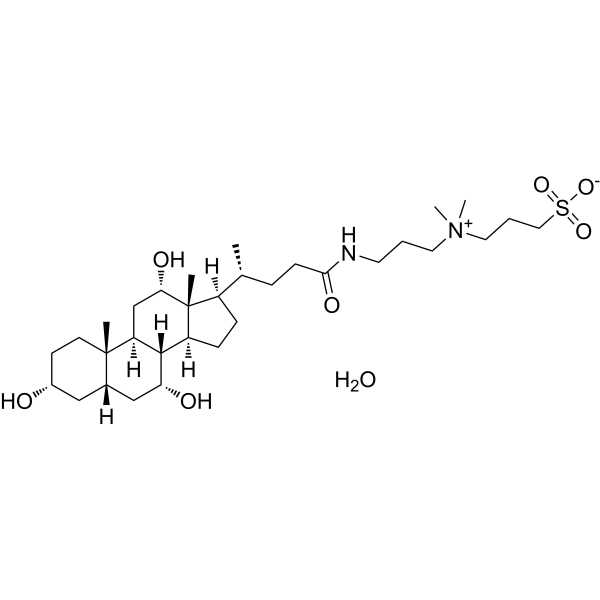
Cat. No.: HY-15435A
CAS No.: 331717-45-4
Purity:  ≥98.0%
CHAPS hydrate is a cholic acid-derived, sulfobetaine-type zwitterionic detergent and micelle-forming agent. CHAPS hydrate exhibits properties of weak cationic or nonionic surfactants in different solution systems, undergoes micellization, and forms small, loose hydrophilic aggregates that are temperature-dependent. CHAPS hydrate stabilizes mononucleosomes under different ionic strengths, reduces nucleosome sequence specificity, promotes sliding of histone cores along DNA, solubilizes Tamm‑Horsfall protein to reduce its interference with urinary exosome isolation, and maintains vesicle structure and the activity of related proteins at the same time. CHAPS hydrate is used to recover native folded fusion proteins, enhance the binding capacity of GST fusion proteins, and restore GST enzyme activity. However, CHAPS hydrate cannot refold proteins denatured by urea, guanidine hydrochloride or heat, nor can it construct the structure of intrinsically disordered proteins. CHAPS hydrate is commonly used in research on the separation and purification of membrane proteins .
loading...
    loading...

