29 Results for "

GSH-Px

" in MedChemExpress (MCE) Product Catalog:
Products (29)

29 Results for "GSH-Px" in MCE Product Catalog:

25
25 Publications Verification
Cat. No.: HY-P80450
Synonyms: Phospholipid hydroperoxide glutathione peroxidase GPx4, PHGPx, Glutathione peroxidase 4, GPx-4, GSHPx-4, GPx4

Host:  

Rabbit

Application:  

WB, IHC-P, ICC/IF, FC

Reactivity:  

Human, Mouse, Rat

loading...
    loading...
5
5 Cited Publications
Cat. No.: HY-112540B
CAS No.: 623-58-5
Purity:  ≥98.0%
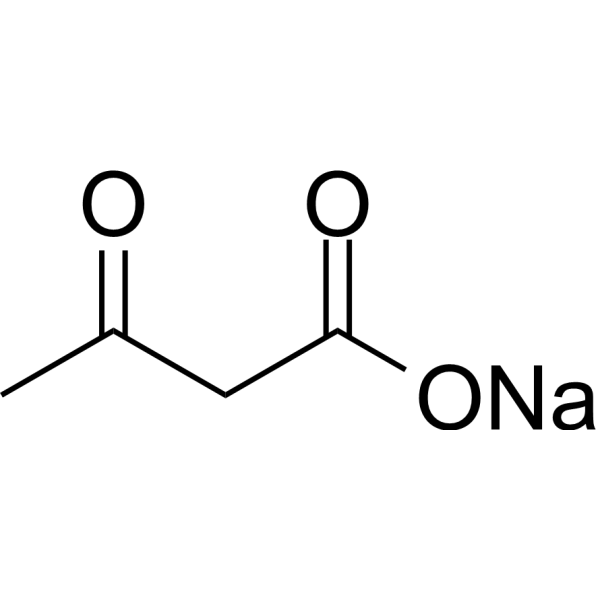
Acetoacetic acid sodium is an oxidative stress inducer that affects the antioxidant enzyme system and lipoprotein metabolism. Acetoacetic acid sodium induces oxidative stress by decreasing the mRNA expression and activity of superoxide dismutase (SOD), catalase (CAT), and glutathione peroxidase (GSH-Px), increasing MDA content, and inhibiting very low density lipoprotein (VLDL) assembly by downregulating apolipoprotein ApoB100, ApoE, and low density lipoprotein receptor (LDLR), leading to triglyceride (TG) accumulation in hepatocytes. Acetoacetic acid sodium can be used to study metabolic diseases .
loading...
    loading...
5
5 Cited Publications
Cat. No.: HY-112540
CAS No.: 541-50-4
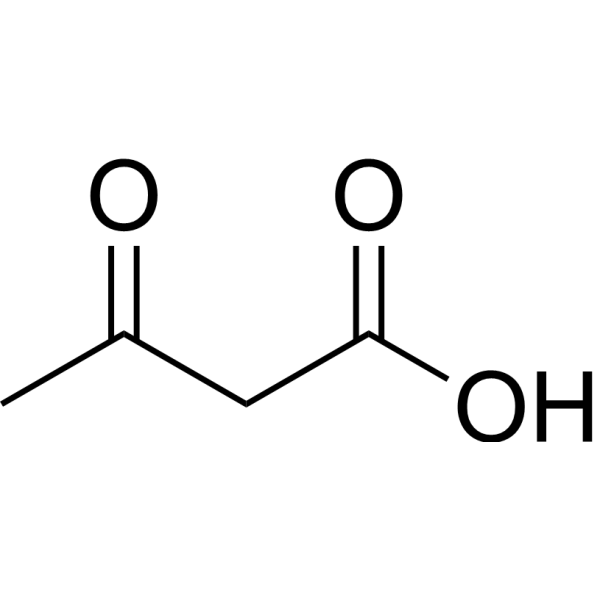
Acetoacetic acid is an oxidative stress inducer that affects the antioxidant enzyme system and lipoprotein metabolism. Acetoacetic acid induces oxidative stress by decreasing the mRNA expression and activity of superoxide dismutase (SOD), catalase (CAT), and glutathione peroxidase (GSH-Px), increasing MDA content, and inhibiting very low density lipoprotein (VLDL) assembly by downregulating apolipoprotein ApoB100, ApoE, and low density lipoprotein receptor (LDLR), leading to triglyceride (TG) accumulation in hepatocytes. Acetoacetic acid can be used to study metabolic diseases .
loading...
    loading...
5
5 Cited Publications
Cat. No.: HY-112540A
CAS No.: 3483-11-2
Purity:  ≥98.0%
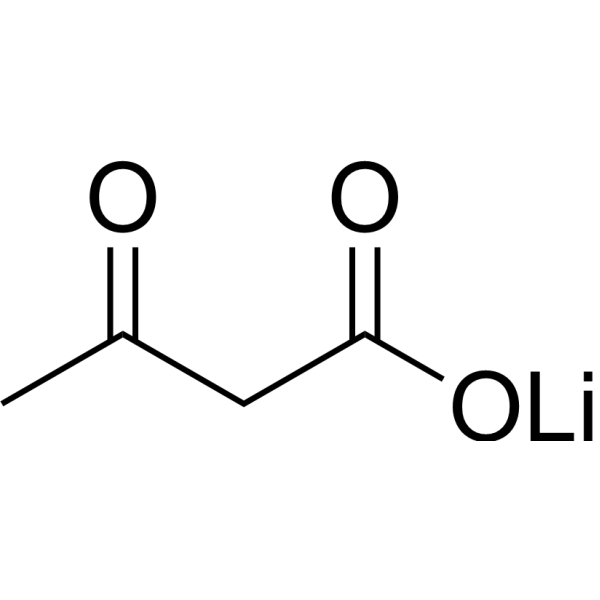
Acetoacetic acid lithium is an oxidative stress inducer that affects the antioxidant enzyme system and lipoprotein metabolism. Acetoacetic acid lithium induces oxidative stress by decreasing the mRNA expression and activity of superoxide dismutase (SOD), catalase (CAT), and glutathione peroxidase (GSH-Px), increasing MDA content, and inhibiting very low density lipoprotein (VLDL) assembly by downregulating apolipoprotein ApoB100, ApoE, and low density lipoprotein receptor (LDLR), leading to triglyceride (TG) accumulation in hepatocytes. Acetoacetic acid lithium can be used to study metabolic diseases .
loading...
    loading...
5
5 Cited Publications
Cat. No.: HY-P80692
Synonyms: Phospholipid hydroperoxide glutathione peroxidase; mitochondrial; PHGPx; EC 1.11.1.12; Glutathione peroxidase 4; GPx-4; GSHPx-4

Host:  

Rabbit

Application:  

WB, IHC-F, IHC-P, ICC/IF

Reactivity:  

Human, Mouse, Rat

loading...
    loading...
3
3 Cited Publications
Cat. No.: HY-N5027
CAS No.: 549-21-3
Synonyms: Oxyberberin; Berlambine; 8-Oxoberberine
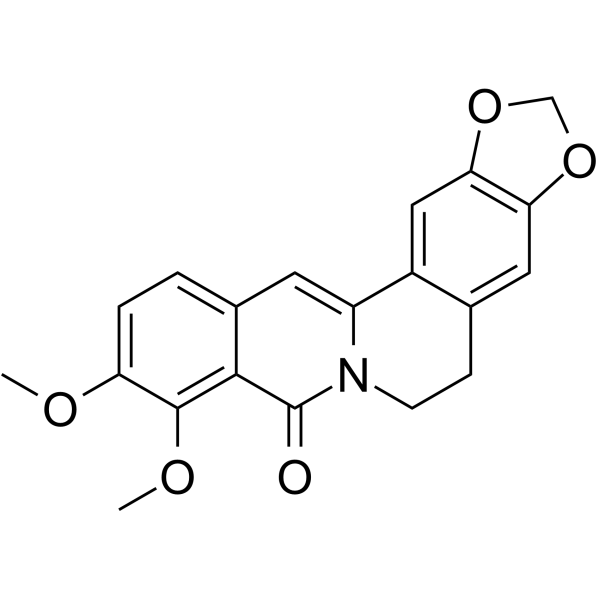
Oxyberberine (Oxyberberin; Berlambine) is an orally effective heme oxygenase HO-1 agonist that can activate antioxidant mechanisms by regulating the PI3K/Akt/AMPK signaling pathway. Oxyberberine induces HO-1 expression, increases SOD and GSH-Px activity, inhibits NF-κB-mediated inflammatory responses, and improves insulin sensitivity and glucose metabolism. Oxyberberine has anti-diabetic, neuroprotective, anti-inflammatory and antioxidant effects, and can be used to study type 2 diabetes, traumatic brain injury (TBI) and inflammatory bowel disease .
loading...
    loading...
2
2 Cited Publications
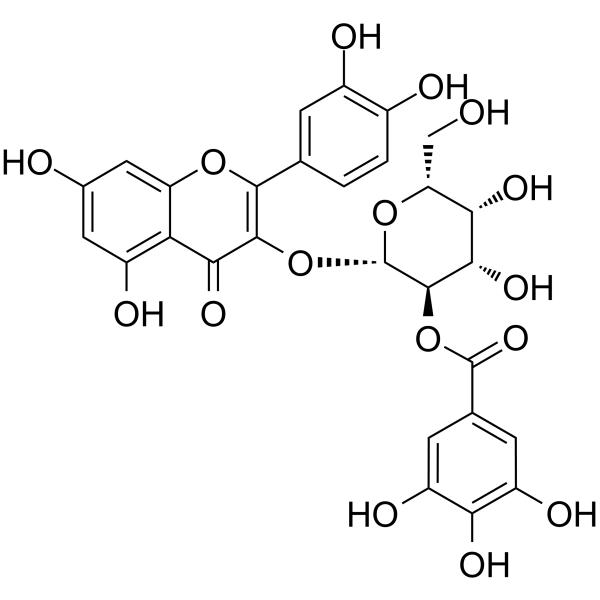
Cat. No.: HY-N0526
CAS No.: 53209-27-1
2''-O-Galloylhyperin is an active natural compound with anti‑inflammatory, antioxidant, anti‑adipogenic, antifibrotic, and cytostatic activities. 2''-O-Galloylhyperin upregulates SIRT1/Nrf2 signaling, inhibits NF-κB and MAPK (ERK1/2, p38, JNK) phosphorylation, suppresses TSHR activation, reduces ROS accumulation, and enhances SOD and GSH-Px activities. 2''-O-Galloylhyperin protects against LPS-induced tissue injury, enhances survival, and inhibits adipogenesis and fibrosis. 2"-O-Galloylhyperin can be used for the research of sepsis, acute lung injury, and thyroid eye disease .
loading...
    loading...
Cat. No.: HY-P2833
CAS No.: 9013-66-5
Synonyms: GSH-Px; EC 1.11.1.9
Research Areas:  

Metabolic Disease

Glutathione Peroxidase (GSH-Px; EC 1.11.1.9) belongs to the peroxidase family and is commonly used in biochemical research. Glutathione Peroxidase can catalyze reduced glutathione (GSH) to form a disulfide bridge with another glutathione molecule, convert it into oxidized glutathione (GSSG), and react with hydrogen peroxide or lipid peroxide reaction, reducing it to H2O. Glutathione Peroxidase is an effective antioxidant against oxidative stress .
loading...
    loading...
Cat. No.: HY-N0729D
CAS No.: 60-33-3
Research Areas:  

Cardiovascular Disease

Linoleic acid is a critical component of polyunsaturated fatty acids. Linoleic acid reduces GSH-PX and T-SOD activities. Linoleic acid functions as a structural component to maintain a certain level of membrane fluidity of the transdermal water barrier of the epidermis. Linoleic acid can cause acute oxidative damage to red blood cells, ultimately leading to partial acute anemia. Linoleic acid can be used in the research of skin diseases associated with linoleic acid deficiency .
loading...
    loading...
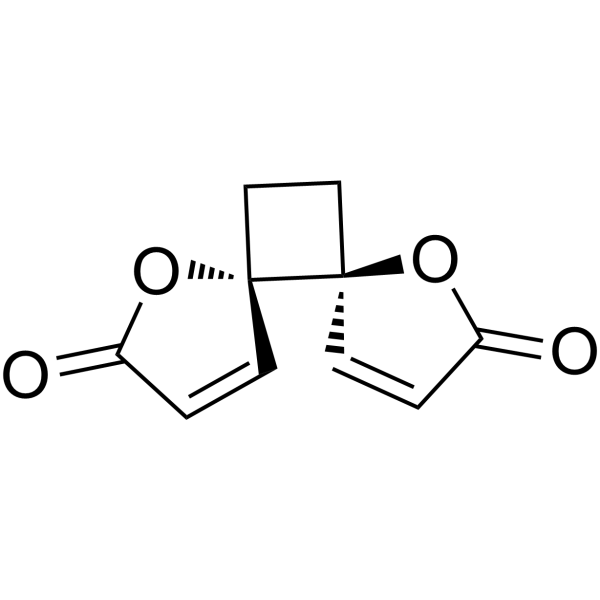
Cat. No.: HY-N0278
CAS No.: 508-44-1
Synonyms: Pulsatilla camphor; Anemonine; trans-Anemonin
Anemonin (Pulsatilla camphor; Anemonine; trans-Anemonin) is a naturally occurring bislactone small molecule derived from Ranunculaceae with blood-brain barrier permeability, possessing a variety of activities including anti-inflammatory, antioxidant, neuroprotective, melanogenesis-inhibiting, and antiparasitic effects. Anemonin inhibits iNOS to reduce NO release; it inhibits PKC-θ protein expression and downregulates the pro-inflammatory factors TNF-α, IL-1β, and IL-6; it enhances the activities of the antioxidant enzymes SOD, CAT, and GSH-Px, and reduces MDA and ROS levels. Anemonin modulates the Bcl-2 / Bax / caspase-3 pathway to inhibit apoptosis; it downregulates melanogenesis-related molecules including MITF, TYR, TRP1, and TRP2, thereby inhibiting melanin synthesis in human melanocytes. Anemonin inhibits Leishmania and Schistosoma mansoni. Anemonin is used in research related to diseases such as hyperpigmentation, cerebral ischemia/reperfusion injury, inflammation, sepsis-induced acute lung injury, acute ulcerative colitis, leishmaniasis, and schistosomiasis .
loading...
    loading...
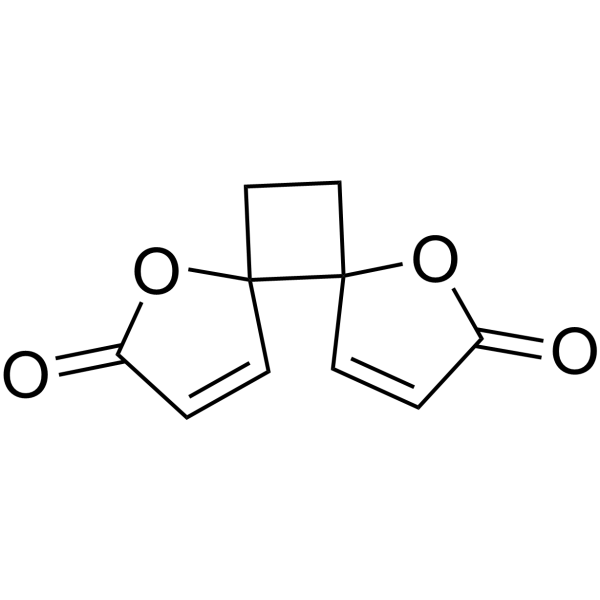
Cat. No.: HY-N0278A
CAS No.: 90921-11-2
Synonyms: (Rac)-Pulsatilla camphor; (Rac)-Anemonine
(Rac)-Anemonin ((Rac)-Pulsatilla camphor; (Rac)-Anemonine) is an isomer of Anemonin. Anemonin is a naturally occurring bislactone small molecule derived from Ranunculaceae with blood-brain barrier permeability, possessing a variety of activities including anti-inflammatory, antioxidant, neuroprotective, melanogenesis-inhibiting, and antiparasitic effects. Anemonin inhibits iNOS to reduce NO release; it inhibits PKC-θ protein expression and downregulates the pro-inflammatory factors TNF-α, IL-1β, and IL-6; it enhances the activities of the antioxidant enzymes SOD, CAT, and GSH-Px, and reduces MDA and ROS levels. Anemonin modulates the Bcl-2 / Bax / caspase-3 pathway to inhibit apoptosis; it downregulates melanogenesis-related molecules including MITF, TYR, TRP1, and TRP2, thereby inhibiting melanin synthesis in human melanocytes. Anemonin inhibits Leishmania and Schistosoma mansoni. Anemonin is used in research related to diseases such as hyperpigmentation, cerebral ischemia/reperfusion injury, inflammation, sepsis-induced acute lung injury, acute ulcerative colitis, leishmaniasis, and schistosomiasis .
loading...
    loading...
Cat. No.: HY-120253
CAS No.: 203313-25-1
Purity:  94.20%
Synonyms: BY-108330
Spirotetramat (BY-108330) is an orally active Insecticide and lipid biosynthesis inhibitor. Spirotetramat regulates the activities of superoxide dismutase (SOD) and glutathione peroxidase (GSH-Px), with short-term exposure increasing their activities and long-term exposure altering their activities. Spirotetramat induces the activity and mRNA expression of carboxylesterase (CarE). Spirotetramat induces oxidative stress and lipid peroxidation in tadpoles. Spirotetramat is toxic to amphibian tadpoles and exhibits sublethal/non-lethal toxicity to amphibians. Spirotetramat causes death in immature psyllids, aphids, scale insects, mealybugs, whiteflies and thrips, and shows a high lethal rate against Cacopsylla pyri nymphs. Spirotetramat reduces the fecundity of Aphis gossypii. Spirotetramat induces tolerance in the offspring of exposed Aphis gossypii, and acts on Myzus persicae, Bemisia tabaci and Tetranychus urticae .
loading...
    loading...
Cat. No.: HY-N9928
CAS No.: 432-68-8
Echinenone is an acetylcholinesterase (AChE) inhibitor (IC50=16.29 μg/mL) with anti-Aβ(25-35) activity. Echinenone can inhibit MDA content and increase superoxide dismutase (SOD), catalase (CAT) and glutathione peroxidase (GSH-Px) activities to cope with oxidative stress damage .
loading...
    loading...
Cat. No.: HY-N0526R
CAS No.: 53209-27-1
2"-O-Galloylhyperin (Standard) is the analytical standard of 2"-O-Galloylhyperin (HY-N0526). This product is intended for research and analytical applications. 2''-O-Galloylhyperin is an active natural compound with anti‑inflammatory, antioxidant, anti‑adipogenic, antifibrotic, and cytostatic activities. 2''-O-Galloylhyperin upregulates SIRT1/Nrf2 signaling, inhibits NF-κB and MAPK (ERK1/2, p38, JNK) phosphorylation, suppresses TSHR activation, reduces ROS accumulation, and enhances SOD and GSH-Px activities. 2''-O-Galloylhyperin protects against LPS-induced tissue injury, enhances survival, and inhibits adipogenesis and fibrosis. 2"-O-Galloylhyperin can be used for the research of sepsis, acute lung injury, and thyroid eye disease .
loading...
    loading...
Cat. No.: HY-P12327
CAS No.: 637030-43-4
H-Hyp-Leu-OH is a linear dipeptide of hydroxyproline-leucine with anti-inflammatory and antioxidant activities . H-Hyp-Leu-OH inhibits NO, IL-1β, IL-6, and TNF-α in macrophages, and upregulates IL-10. H-Hyp-Leu-OH extends lifespan, improves exercise capacity, reduces ROS and MDA, and increases SOD, CAT, and GSH-Px. H-Hyp-Leu-OH can be used for epithelial ovarian cancer and antioxidant-related research .
loading...
    loading...
Cat. No.: HY-P12336
MPQPPAK is a polypeptide obtained from the enzymatic hydrolysis of C-phycocyanin (HY-D1025) and possesses neuroprotective activity. MPQPPAK enhances the activities of antioxidant enzymes SOD, CAT, and GSH-Px, reduces ROS, inhibits apoptosis and acetylcholinesterase (AChE) activity in brain tissue, and decreases protein carbonyl content. In the MPTP (HY-W114750)-induced zebrafish Parkinson's disease model, MPQPPAK exhibits antioxidant effects, inhibits autophagy and apoptosis, reverses the loss of dopaminergic neurons and cerebral blood vessels, and alleviates motor deficits. MPQPPAK can be used for research on Parkinson's disease .
loading...
    loading...
Cat. No.: HY-P12337
MTAAAR is a polypeptide obtained from the enzymatic hydrolysis of C-phycocyanin (HY-D1025) and possesses neuroprotective activity. MTAAAR enhances the activities of antioxidant enzymes SOD, CAT, and GSH-Px, reduces ROS, inhibits apoptosis and acetylcholinesterase (AChE) activity in brain tissue, and decreases protein carbonyl content. In the MPTP (HY-W114750)-induced zebrafish Parkinson's disease model, MTAAAR exhibits antioxidant effects, inhibits autophagy and apoptosis, reverses the loss of dopaminergic neurons and cerebral blood vessels, and alleviates motor deficits. MTAAAR can be used for research on Parkinson's disease .
loading...
    loading...
Cat. No.: HY-P12279
MAAAHR is a neuroprotective agent. MAAAHR is isolated and purified from C-phycocyanin of Spirulina platensis. MAAAHR induces antioxidant gene expression through activating the Nrf2 signaling pathway. MAAAHR inhibits excessive Autophagy by reducing the expression of proteins such as α-Syn and Parkin. MAAAHR inhibits Apoptosis. MAAAHR scavenges excessive ROS, enhances SOD, CAT, and GSH-Px activities, and reduces protein carbonyl content. MAAAHR inhibits Acetylcholinesterase. MAAAHR protects zebrafish against MPTP (HY-15608)-induced dopaminergic neuronal and neurovascular loss and alleviates motor impairment. MAAAHR can be used for research on Parkinson's disease .
loading...
    loading...
Cat. No.: HY-RS23612
Research Areas:  

Others

Gpx1 Rat Pre-designed siRNA Set A contains three designed siRNAs for Gpx1 gene (Rat), as well as a negative control, a positive control, and a FAM-labeled negative control.

loading...
    loading...
Cat. No.: HY-P82408
Synonyms: GI GPx; GPRP; GPRP-2; GPx-GI; GPx2; GSHPx 2; GSHPx GI; GSHPx-2; GSHPx-GI

Host:  

Rabbit

Application:  

WB, IHC-P

Reactivity:  

Human

loading...
    loading...

