23 Results for "

HT29 cell lines

" in MedChemExpress (MCE) Product Catalog:
Products (23)

23 Results for "HT29 cell lines" in MCE Product Catalog:

1
1 Cited Publications
Cat. No.: HY-114858
CAS No.: 16470-02-3
Purity:  99.51%
Research Areas:  

Cancer

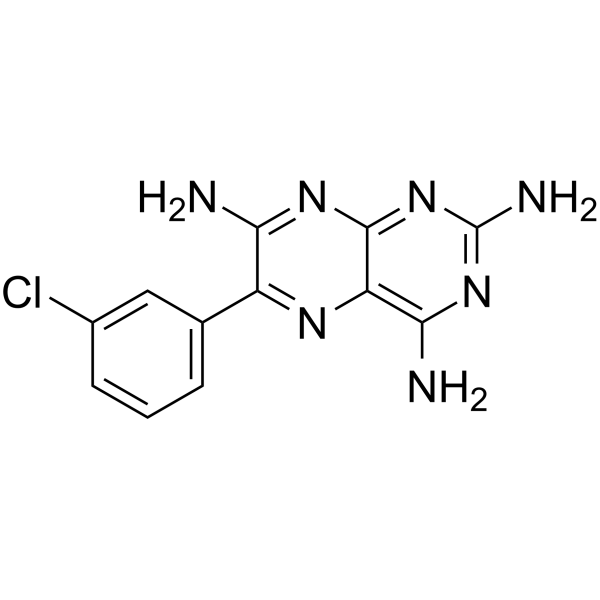
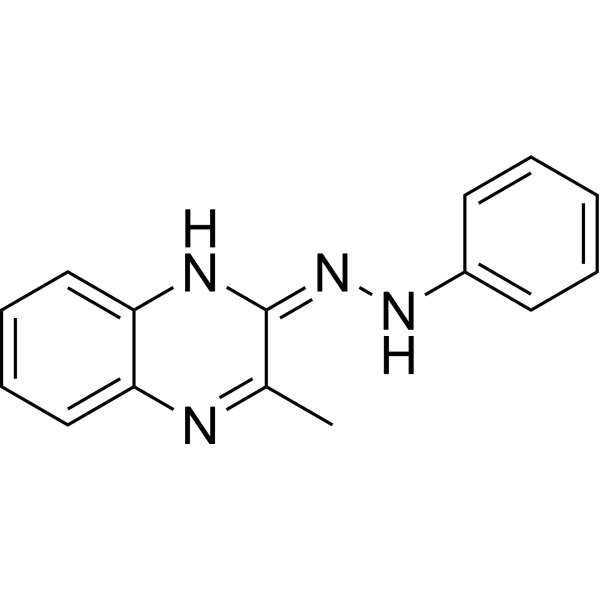
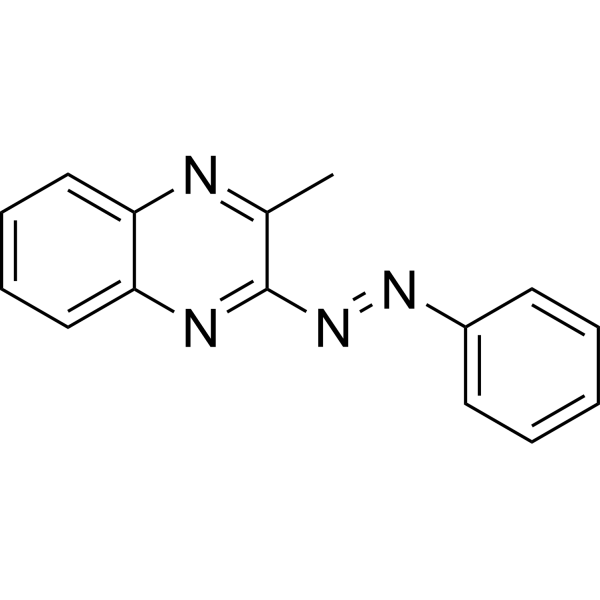
Epiblastin A is an ATP-competitive casein kinase 1 (CK1) inhibitor that inhibits CK1α, CK1δ, and CK1ε. Epiblastin A inhibits the kinase activity of STK10, BRSK1, EEF2K, EGFR, MKNK2, and RIPK2. Epiblastin A inhibits Ki-67 expression, induces Oct4-GFP expression, and enhances the conversion of mouse epiblast stem cells to embryonic stem cells. Epiblastin A selectively reduces the cell viability of colorectal cancer cell lines HCT116, HT29, and DLD1. Epiblastin A can be used in colorectal cancer-related research .
loading...
    loading...
Cat. No.: HY-121199
CAS No.: 465-02-1
Purity:  ≥99.0%
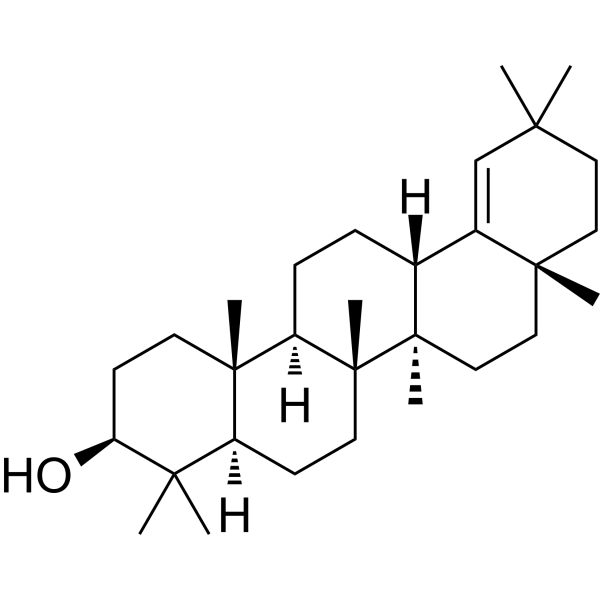
Germanicol is a selective antineoplastic agent against human colon cancer cell lines HCT-116 and HT29 . Germanicol induces apoptosis via chromatin condensation and DNA damage .
loading...
    loading...
Cat. No.: HY-118899
CAS No.: 343247-32-5
Purity:  97.39%
Target:  

Endogenous Metabolite

Research Areas:  

Cancer

XR5944 is an anti-tumor compound with DNA-targeting activity. As a topoisomerase inhibitor, XR5944 can effectively inhibit the activities of topoisomerase I and II. XR5944 shows excellent anti-tumor activity against human and mouse tumor cells in vitro and in vivo. XR5944 exhibits significant potency in multiple cell lines, with IC50 values of 0.04-0.4 nM. XR5944 is not affected by atypical drug resistance in cells and remains significantly active even in cells overexpressing P-glycoprotein or multidrug resistance-related proteins. XR5944 showed anti-tumor efficacy in human tumor models of H69 small cell lung cancer and HT29 colon cancer, inducing tumor regression in most animals in the HT29 model. XR5944 can be used to study biological processes related to colon and lung cancer .
loading...
    loading...
Cat. No.: HY-N1261
CAS No.: 905929-95-5
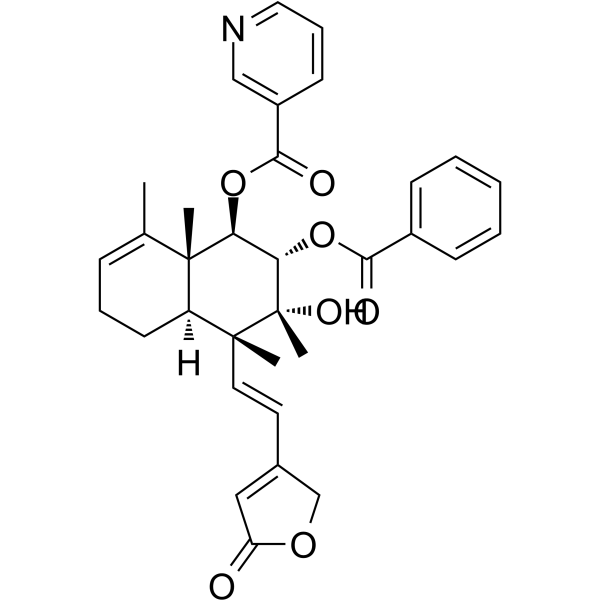
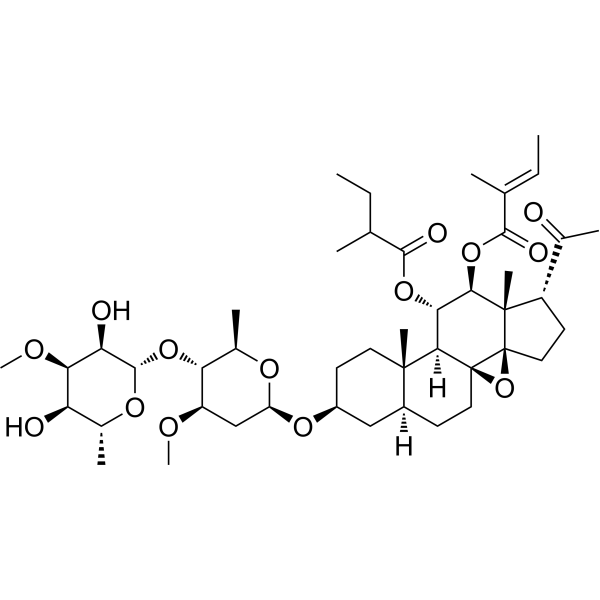
Scutebarbatine B shows significant cytotoxic activities against three human cancer lines, namely, HONE-1 nasopharyngeal, KB oral epidermoid carcinoma, and HT29 colorectal carcinoma cells, with IC50 values in the range 3.5-8.1 mM [1]<
loading...
    loading...
Cat. No.: HY-N8934
CAS No.: 1232676-22-0
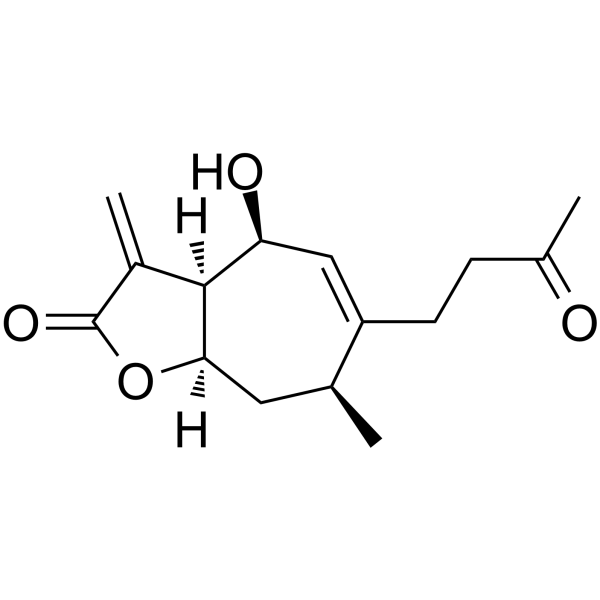
6β-Hydroxytomentosin, a sesquiterpenoid, can be found in flowers of Inula japonica. 6β-Hydroxytomentosin exhibits weak cytotoxicities against A549, SK-OV-3, HepG-2 and HT-29 cell lines .
loading...
    loading...
Cat. No.: HY-B1714
CAS No.: 91757-46-9
Target:  

Drug Derivative

Research Areas:  

Cancer

NSC 601980 analog is an analogue of NSC601980. In yeast screening experiments, NSC 601980 exhibited antitumor activity, effectively inhibiting cell proliferation in both COLO 205 and HT29 cell lines, with Log GI 50 values of -6.6 and -6.9, respectively.
loading...
    loading...
Cat. No.: HY-N1655
CAS No.: 873999-88-3
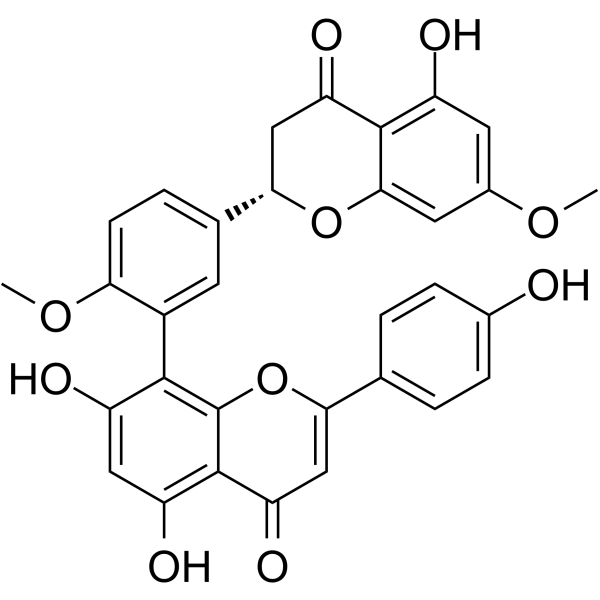
2,3-Dihydroamentoflavone 7,4'-dimethyl ether is a biflavonoid, which can be isolated from the aerial parts of Selaginella delicatula. 2,3-Dihydroamentoflavone 7,4'-dimethyl ether exhibits cytotoxicities against P-388 and HT-29 cell lines, with ED50 (median effective dose) values of 3.50 and 5.25 µg/mL, respectively .
loading...
    loading...
Cat. No.: HY-124007
CAS No.: 1219807-87-0
Synonyms: ISAHA
Target:  

HDAC

Research Areas:  

Cancer

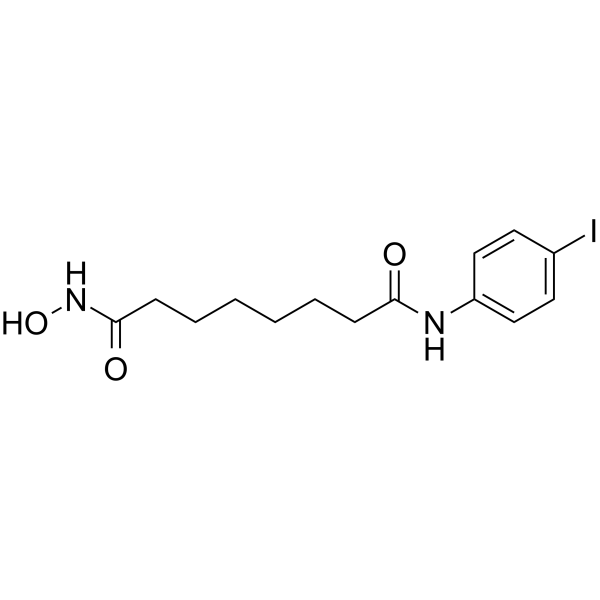
4-Iodo-SAHA (1k) is an orally active class I and class II histone deacetylase (HDAC) inhibitor with EC50s of 1.1, 0.95, 0.12, 0.24, 0.85 and 1.3 μM for Skbr3, HT29, U937, JA16 and HL60 cell lines, respectively. 4-Iodo-SAHA (1k) can be used for the research of cancer .
loading...
    loading...
Cat. No.: HY-179464
CAS No.: 3079943-00-0
Target:  

PI3K mTOR

Research Areas:  

Cancer

CC-M-1 is a potent and selective PI3K/mTOR inhibitor. CC-M-1 inhibits PI3Kα/β/γ/δ and mTOR with IC50 values of 0.68, 1.02, 1.03, 8.03, and 15 nM, respectively. CC-M-1 inhibits the proliferation of colorectal cancer cell lines, including HCT-116 (IC50 = 0.38 μM) and HT-29 (IC50 = 1.70 μM). CC-M-1 can be used for colorectal cancer (CRC) research .
loading...
    loading...
Cat. No.: HY-178960
Research Areas:  

Cancer

Tubulin-IN-59 (Compound 8g) is an orally active Tubulin inhibitor. Tubulin-IN-59 exhibits potent anti-proliferative activity against HCT116 colorectal cancer, HeLa cervical cancer, and HepG2 liver cancer cell lines, with its IC₅₀ value ranging from 16 to 35 nM. Tubulin-IN-59 arrests HeLa cells in the G2/M phase and induces cell apoptosis. Tubulin-IN-59 demonstrates significant anti-tumor activity in the HT29 human colon cancer mouse xenograft model. Tubulin-IN-59 can be used for the study of colorectal cancer and cervical cancer .
loading...
    loading...
Cat. No.: HY-120339
CAS No.: 1578247-29-6
STK899704 is a tubulin polymerization inhibitor. STK899704 exhibits broad-spectrum inhibitory activity against various cancer cell lines with IC50 values ​​ranging from 0.2 to 1.0 μM. STK899704 disrupts the mitotic spindle structure, inducing G2/M phase cell cycle arrest. STK899704 inhibits the migration ability of HT29 cells by downregulating the FAK-MEK-ERK signaling pathway, thereby suppressing the expression and activity of MMP-2 and MMP-9. STK899704 activates caspase-3/7/8/9, leading to PARP cleavage and inducing apoptosis. STK899704 induces cellular senescence through the p53 pathway. STK899704 can be used in research on skin cancer, lung cancer, colon cancer, and other cancers .
loading...
    loading...
Cat. No.: HY-N12430
CAS No.: 858360-56-2
Marsdenoside A (compound 7) is a Marsdenoside isolated from Alocasia genus. Marsdenoside A has a weak growth inhibitory effect on two tumor cell lines, MGC-803 and HT-29, with IC50 >50 μg/mL.
loading...
    loading...
Cat. No.: HY-N3123
CAS No.: 28342-33-8
Synonyms: Dihydrooxochelerythrine
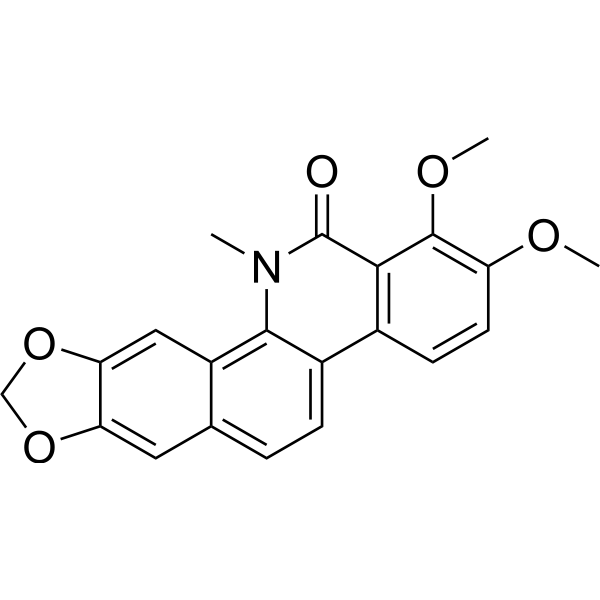
Oxychelerythrine is an alkaloid that can be isolated from Zanthoxylum integrifoliolum. Oxychelerythrine exhibits cytotoxicity against P-388 and HT-29 cell lines with ED50s of 3.25 and 5.48 μg/mL, respectively .
loading...
    loading...
Cat. No.: HY-N12437
CAS No.: 858360-57-3
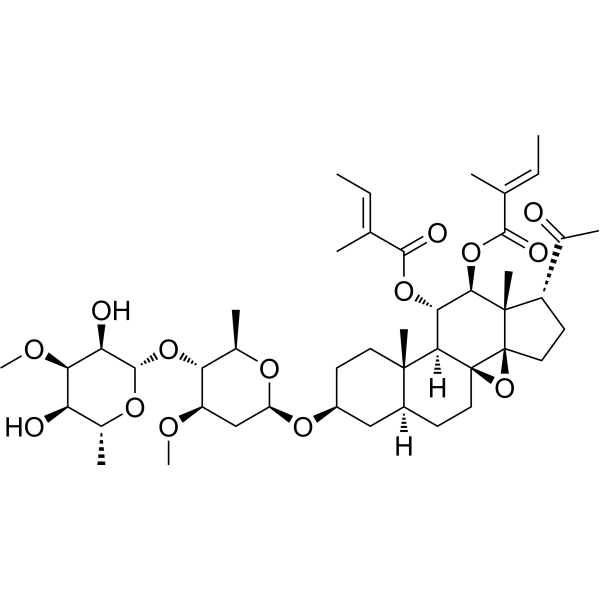
Marsdenoside B (compound 8) is a Marsdenoside isolated from Alocasia genus. Marsdenoside B inhibits the growth of tumor cell lines MGC-803 and HT-29 with IC50s of 25.6 μg/mL and 32.4 μg/mL, respectively.
loading...
    loading...
Cat. No.: HY-B1714A
CAS No.: 2070018-27-6
Target:  

Drug Derivative

Research Areas:  

Cancer

NSC 601980 is an anti-tumor compound. In yeast screening experiments, NSC 601980 inhibits cell proliferation in COLO205 and HT29 cell lines with LogGI50 of -6.6 and -6.9, respectively.
loading...
    loading...
Cat. No.: HY-169074
CAS No.: 2924858-30-8
Research Areas:  

Cancer

Thalidomide-N-methylpiperazine is an E3 Ligase Ligand-Linker Conjugate. Thalidomide-N-methylpiperazine can be used to synthesize PROTAC MLKL Degrader-2 (HY-169072) to exhibit antinecroptotic activity on human cell lines and effectively degrade MLKL in the HT-29 xenograft mouse model .
loading...
    loading...
Cat. No.: HY-155152
CAS No.: 3052839-42-3
Target:  

P-glycoprotein BCRP

Research Areas:  

Cancer

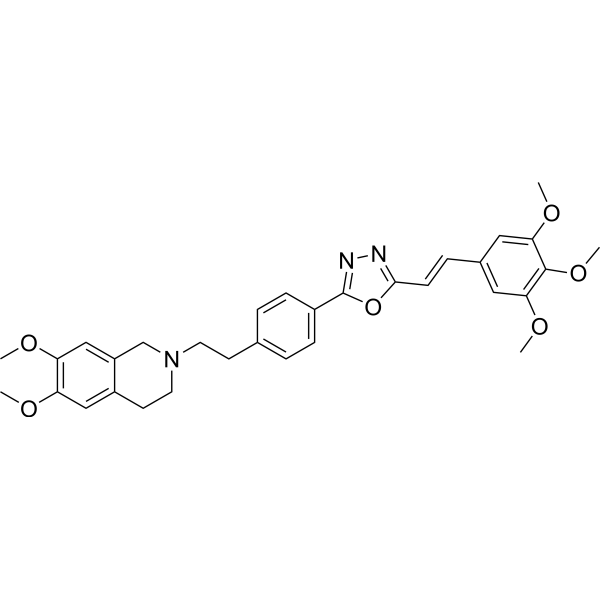
P-gp/BCRP-IN-2 (compound 15) is an oxadiazole derivative and a dual inhibitor of the ABC transporter P-glycoprotein (IC50: 1.6 nM) and BCRP (IC50: 600 nM). P-gp/BCRP-IN-2 also enhances the anti-proliferative effects of Doxorubicin (HY-15142A) in drug-resistant human adenocarcinoma colon cancer cell lines HT29/DX and MDCK-MDR1 cells .
loading...
    loading...
Cat. No.: HY-173074
CAS No.: 3025180-14-4
Research Areas:  

Cancer

Microtubulin-IN-1 (Compound 8g) is the inhibitor for microtubulin that targets colchicine-binding site, disrupts the microtubulin integrity, and induces the upregulation of p53. Microtubulin-IN-1 exhibits antiproliferative activity in a variety of cancer cell lines (IC50 for NCI-H460, BxPC-3 and HT-29 is 2.4, 1.6 and 2.07 nM, respectively), arrests the cell cycle at G2/M phase, and induces apoptosis in NCI-H460 .
loading...
    loading...
Cat. No.: HY-161900
Target:  

Wnt Apoptosis

Research Areas:  

Cancer

Apoptosis inducer 22 (QR-5) is an apoptosis inducer with IC50 values ​​of 63.1 and 46.5 μM for colon cancer cell lines SW480 and HT29, respectively. Apoptosis inducer 22 induces apoptosis by inhibiting the Wnt/β-catenin axis in colon cancer cells. Apoptosis inducer 22 can be used in anti-colon cancer research.
loading...
    loading...
Cat. No.: HY-169652
CAS No.: 864860-32-2
Research Areas:  

Cancer

NPC26 is a small molecule mitochondrial disruptor with anti-tumor activity. NPC-26 shows significant anti-proliferative and cytotoxic effects on CRC cell lines (HCT-116, DLD-1, and HT-29). NPC26 can damage mitochondrial function, leading to the opening of the mitochondrial permeability transition pore (mPTP) and the production of reactive oxygen species, ultimately inducing cell death. NPC-26 can kill CRC cells by activating the AMP-activated protein kinase (AMPK) signaling pathway .
loading...
    loading...

