22 Results for "

Hypoglycemic effect

" in MedChemExpress (MCE) Product Catalog:
Products (22)

22 Results for "Hypoglycemic effect" in MCE Product Catalog:

46
46 Publications Verification
Cat. No.: HY-P0264
CAS No.: 133514-43-9
Synonyms: Avexitide
Target:  

GLP Receptor

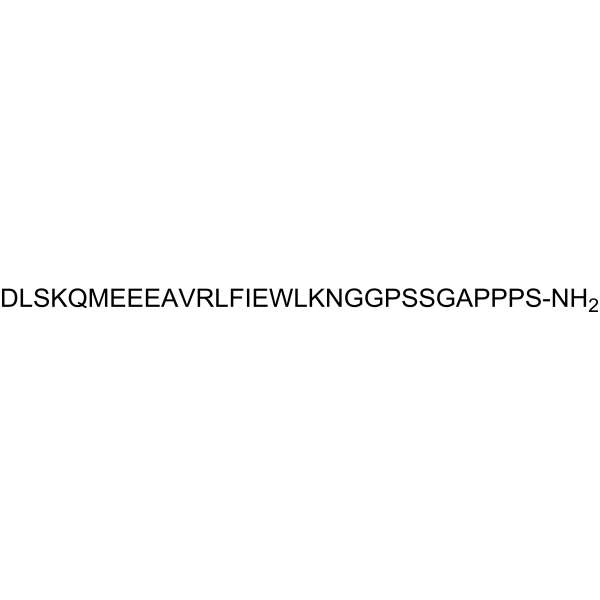
Exendin (9-39) amide (Avexitide) is a competitive GLP-1R antagonist. Exendin (9-39) amide blocks the Semaglutide (HY-114118)-induced increase in insulin secretion and also attenuates the hypoglycemic effect of Semaglutide. Exendin (9-39) amide abolishes the islet-protective effect of Liraglutide. Exendin (9-39) amide can be used in research on type 2 diabetes and type 1 diabetes .
loading...
    loading...
46
46 Publications Verification
Cat. No.: HY-P0264A
CAS No.: 2051593-46-3
Synonyms: Avexitide acetate
Target:  

GLP Receptor

Exendin (9-39) amide acetate (Avexitide acetate) is a competitive GLP-1R antagonist. Exendin (9-39) amide acetate blocks the Semaglutide (HY-114118)-induced increase in insulin secretion and also attenuates the hypoglycemic effect of Semaglutide. Exendin (9-39) amide acetate abolishes the islet-protective effect of Liraglutide. Exendin (9-39) amide acetate can be used in research on type 2 diabetes and type 1 diabetes .
loading...
    loading...
4
4 Cited Publications
Cat. No.: HY-B1429
CAS No.: 94-20-2
Target:  

Na+/K+ ATPase

Research Areas:  

Metabolic Disease Endocrinology

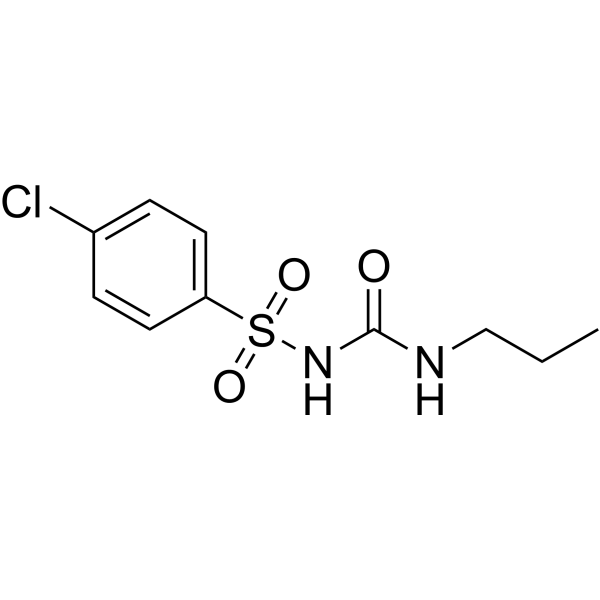
Chlorpropamide is an oral hypoglycemic agent that can influence acetaldehyde metabolism in mice and has a potentiating effect on antidiuretic hormone .
loading...
    loading...
1
1 Cited Publications
Cat. No.: HY-P4860
CAS No.: 1802086-30-1
Target:  

Akt Gli JNK PKA

Research Areas:  

Metabolic Disease

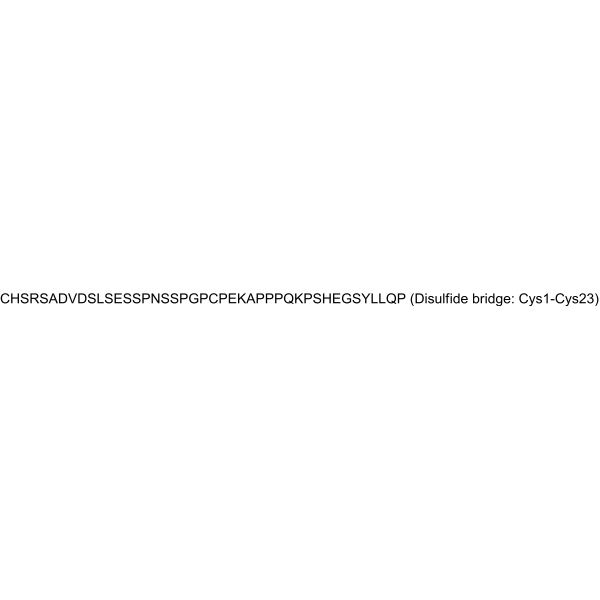
Adropin (34-76) is a secretory domain of Adropin. Adropin (34-76) can inhibit cAMP level and glucose production in hepatocytes, and has a hypoglycemic effect. Adropin (34-76) plays an antifibrotic role by inhibiting the GLI1 signaling pathway .
loading...
    loading...
1
1 Cited Publications
Cat. No.: HY-W540188A
Synonyms: Ketomalonic acid calcium trihydrate; Mesoxalic acid calcium trihydrate; Oxomalonic acid calcium trihydrate
Target:  

Insulin Receptor

Research Areas:  

Metabolic Disease

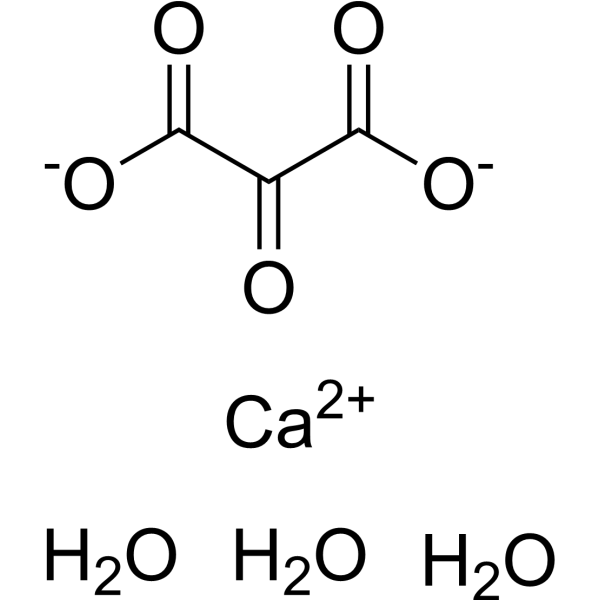
Calcium mesoxalate trihydrate (Ketomalonic acid calcium trihydrate) is an orally active antidiabetic agent. Calcium mesoxalate trihydrate increases pancreatic insulin content. Calcium mesoxalate trihydrate reduces dietary hyperglycemia. Calcium mesoxalate trihydrate inhibits Epinephrine-induced hyperglycemia in rabbits and exacerbates Alloxan (HY-116823)-induced hypoglycemic convulsions. Calcium mesoxalate trihydrate exerts no antidiabetic effect in pancreatectomized dogs and fails to reduce the susceptibility of rabbits to Alloxan-induced diabetes. Calcium mesoxalate trihydrate can be used in diabetes-related research .
loading...
    loading...
Cat. No.: HY-108767
CAS No.: 116094-23-6
Purity:  ≥95.0%
Synonyms: B28Asp; B28-Asp-insulin; INA-X 14; Insulin X 14
Research Areas:  

Metabolic Disease

Insulin aspart (B28Asp) is a rapid-acting h-Insulin (HY-P0035) analog. Insulin aspart induces a faster hypoglycemic effect. Insulin aspart can be used in diabetes-related research .
loading...
    loading...
Cat. No.: HY-N0500
CAS No.: 130567-83-8
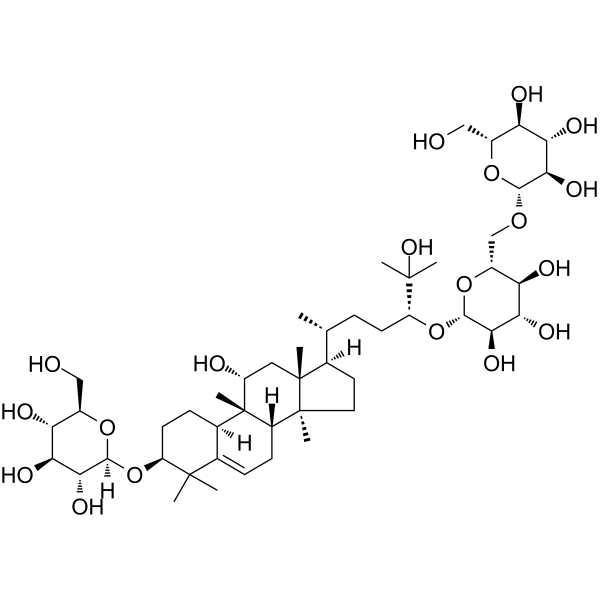
Mogroside III is a triterpenoid glycoside. Mogroside III exhibits maltase inhibitory effect with an IC50 value of 1.6 mM. Mogroside III enhances oocyte developmental potential by promoting autophagy in cumulus cells. Mogroside III, as the active ingredient of the low-polarity glycoside component (L-SGgly), L-SGgly can increase serum GLP-1 levels, improve insulin resistance, and reduce IL-6 levels, and has hypoglycemic, lipid-regulating and anti-inflammatory effects. Mogroside III can be used for the studies of type 2 diabetes mellitus (T2DM) and assisted reproductive technology .
loading...
    loading...
Cat. No.: HY-N7377
CAS No.: 17851-53-5
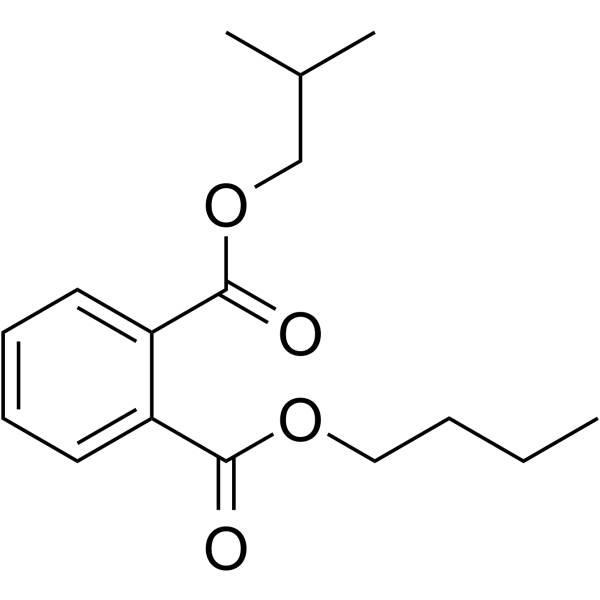
Butyl isobutyl phthalate is isolated from the rhizoid of Laminaria japonica. Butyl isobutyl phthalate is a non-competitive α-glucosidase inhibitor with an IC50 value of 38 μM. Butyl isobutyl phthalate shows a hypoglycemic effect and has the potential for diabetes treatment .
loading...
    loading...
Cat. No.: HY-128740
CAS No.: 31635-99-1
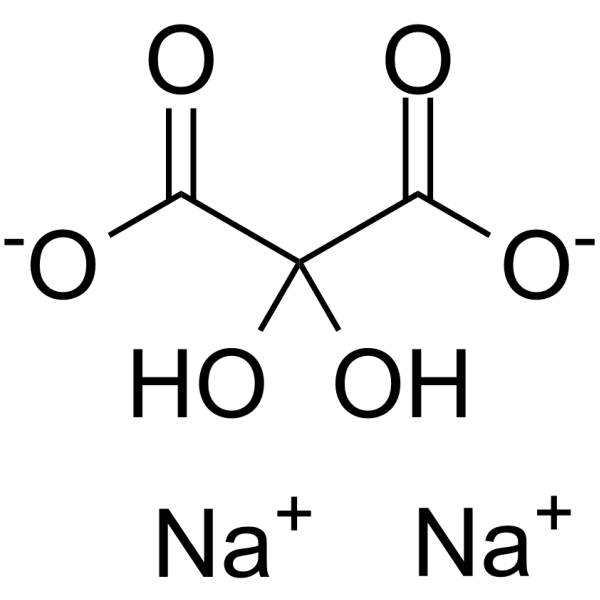
Mesoxalate sodium monohydrate is an orally active antidiabetic agent. Mesoxalate sodium monohydrate increases pancreatic insulin content. Mesoxalate sodium monohydrate reduces dietary hyperglycemia. Mesoxalate sodium monohydrate inhibits Epinephrine-induced hyperglycemia in rabbits and exacerbates Alloxan (HY-116823)-induced hypoglycemic convulsions. Mesoxalate sodium monohydrate exerts no antidiabetic effect in pancreatectomized dogs and fails to reduce the susceptibility of rabbits to Alloxan-induced diabetes. Mesoxalate sodium monohydrate can be used in diabetes-related research .
loading...
    loading...
Cat. No.: HY-114634
CAS No.: 473-90-5
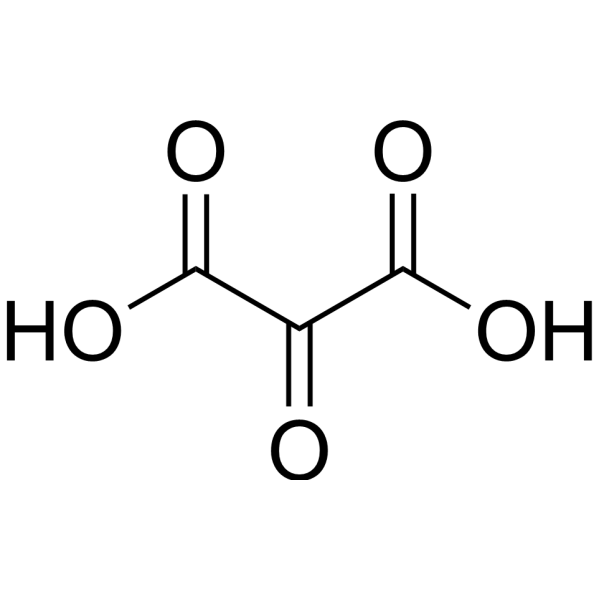
Synonyms: Ketomalonic acid; Mesoxalic acid; Oxomalonic acid
Target:  

Insulin Receptor

Research Areas:  

Metabolic Disease

Mesoxalate (Ketomalonic acid) is an orally active antidiabetic agent. Mesoxalate increases pancreatic insulin content. Mesoxalate reduces dietary hyperglycemia. Mesoxalate inhibits Epinephrine-induced hyperglycemia in rabbits and exacerbates Alloxan (HY-116823)-induced hypoglycemic convulsions. Mesoxalate exerts no antidiabetic effect in pancreatectomized dogs and fails to reduce the susceptibility of rabbits to Alloxan-induced diabetes. Mesoxalate can be used in diabetes-related research .
loading...
    loading...
Cat. No.: HY-W540188
CAS No.: 21085-60-9
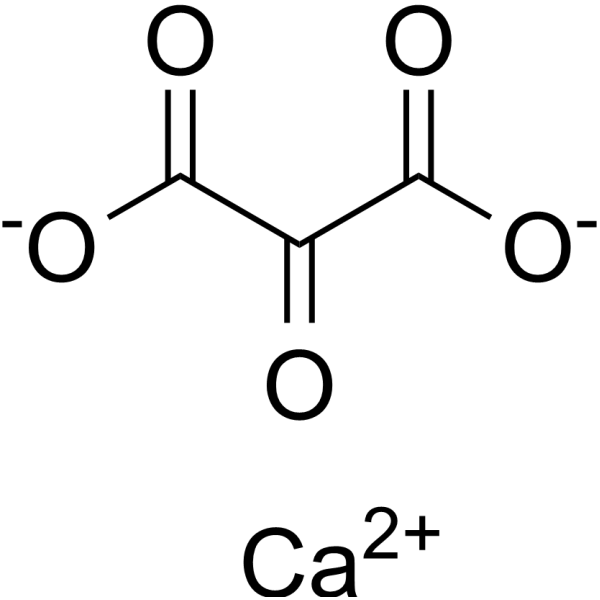
Synonyms: Ketomalonic acid calcium; Mesoxalic acid calcium; Oxomalonic acid calcium
Target:  

Insulin Receptor

Research Areas:  

Metabolic Disease

Calcium mesoxalate (Ketomalonic acid calcium) is an orally active antidiabetic agent. Calcium mesoxalate increases pancreatic insulin content. Calcium mesoxalate reduces dietary hyperglycemia. Calcium mesoxalate inhibits Epinephrine-induced hyperglycemia in rabbits and exacerbates Alloxan (HY-116823)-induced hypoglycemic convulsions. Calcium mesoxalate exerts no antidiabetic effect in pancreatectomized dogs and fails to reduce the susceptibility of rabbits to Alloxan-induced diabetes. Calcium mesoxalate can be used in diabetes-related research .
loading...
    loading...
Cat. No.: HY-162136
CAS No.: 1821647-46-4
Research Areas:  

Metabolic Disease

GPR40 agonist 7 (Compound 1) is an orally active G protein-coupled receptor 40 (GPR40) agonist. GPR40 agonist 7 can significantly increase insulin and GLP-1 secretion, and has a hypoglycemic effect in vivo with an ED50 of 0.58 mg/kg
loading...
    loading...
Cat. No.: HY-N20264
Synonyms: Gamazumi extract
Category:  

Extract

Target:  

Glycosidase

Viburnum dilatatum extract (Gamazumi extract) is an extract of Viburnum dilatatum that has a hypoglycemic effect.
loading...
    loading...
Cat. No.: HY-180784
Hypoglycemic agent 4 (Compound 5b) is a tetrahydroacridine derivative with orally active hypoglycemic activity. Hypoglycemic agent 4 has a good binding affinity for the key diabetic targets: DPP-IV, SGLT1, and GLUT2. Hypoglycemic agent 4 can inhibit glucose diffusion. Hypoglycemic agent 4 can reduce fasting blood sugar in Streptozotocin (HY-13753)-induced diabetic rats and its effect is comparable to Gliclazide (HY-B0753). Hypoglycemic agent 4 can be used for research of type 2 diabetes .
loading...
    loading...
Cat. No.: HY-N20603
Category:  

Extract

Target:  

Others

Morus alba bark extract is an extract from the bark of the mulberry tree (Morus alba) and has a hypoglycemic effect.
loading...
    loading...
Cat. No.: HY-W207669
CAS No.: 22587-11-7
Target:  

Insulin Receptor

Research Areas:  

Metabolic Disease

Centpiperalone is an orally active hypoglycemic agent. Centpiperalone mainly achieves its hypoglycemic effect by promoting the release of insulin by pancreatic β cells. Centpiperalone can effectively lower blood sugar levels in both normal and diabetic animals. Centpiperalone can be used in research on diabetes .
loading...
    loading...
Cat. No.: HY-N20286
Synonyms: Mulberry bark extract
Category:  

Extract

Target:  

Others

White mulberry root-bark extract (Mulberry bark extract) is an extract of the root bark of mulberry (Morus alba) and has a hypoglycemic effect.
loading...
    loading...
Cat. No.: HY-183205
CAS No.: 1628744-37-5
Target:  

Somatostatin Receptor

Research Areas:  

Metabolic Disease

SSTR5 antagonist 7 is an orally active SSTR5 antagonist, with an IC50 of 6.2 nM against hSSTR5 and an IC50 of 25 nM against mouse-derived SSTR5. SSTR5 antagonist 7 exerts a sustained hypoglycemic effect. SSTR5 antagonist 7 can be used for the research of diabetes .
loading...
    loading...
Cat. No.: HY-182280
Target:  

Insulin Receptor

Research Areas:  

Metabolic Disease

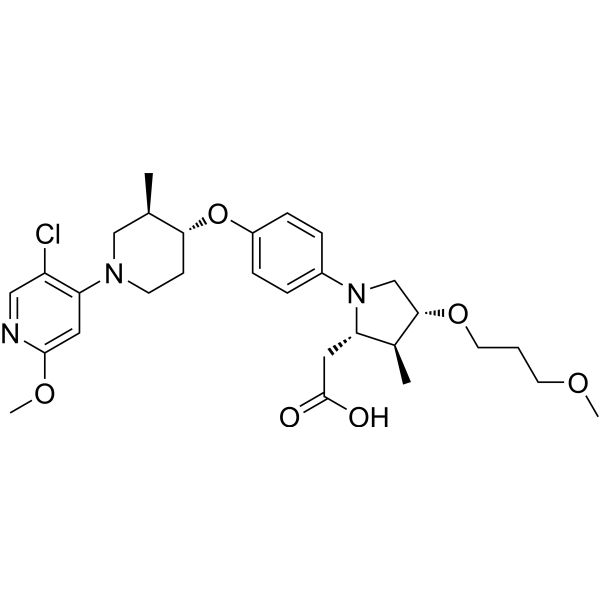
BDM71230 is an orally active inducer of insulin-degrading enzyme (IDE), with an EC50 of 1.9 μM against human IDE. BDM71230 binds to the interface of IDE dimers and enhances the catalytic activity of IDE via steric effects. BDM71230 can potentiate the hydrolytic effect of IDE on insulin and slightly attenuate the hypoglycemic effect of insulin. BDM71230 serves as a pharmacological tool for investigating IDE function and is applicable to studies related to glucose intolerance .
loading...
    loading...
Cat. No.: HY-105789
CAS No.: 538-03-4
Target:  

HIV Bacterial

Research Areas:  

Infection Inflammation/Immunology

Oxophenarsine hydrochloride is an anti-syphilitic agent, and also has non-classical applications including treating chronic discoid lupus erythematosus, inhibiting HIV-1 protein synthesis, and prolonging the duration of insulin action . Oxophenarsine hydrochloride forms an unstable insulin complex via sulfhydryl groups or free amino groups, thereby prolonging the hypoglycemic effect of insulin. Oxophenarsine hydrochloride inhibits HIV-1-specific protein synthesis and virus production .
loading...
    loading...

