55 Results for "

IL10 receptor

" in MedChemExpress (MCE) Product Catalog:
Products (55)

55 Results for "IL10 receptor" in MCE Product Catalog:

15
15 Publications Verification
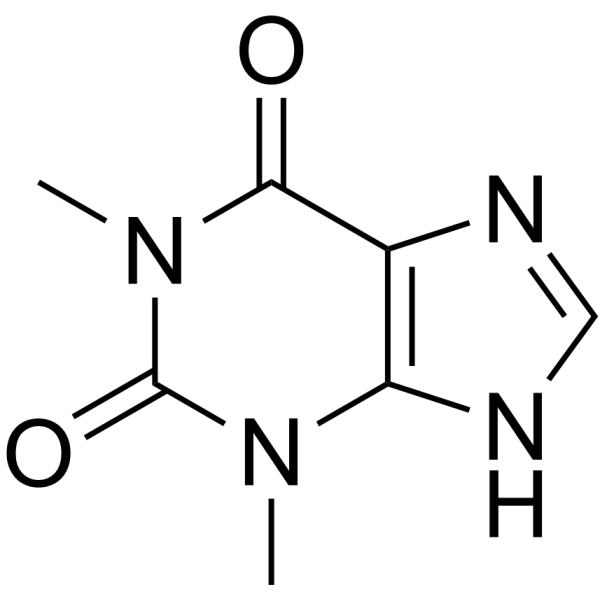
Cat. No.: HY-B0809
CAS No.: 58-55-9
Synonyms: 1,3-Dimethylxanthine; Theo-24
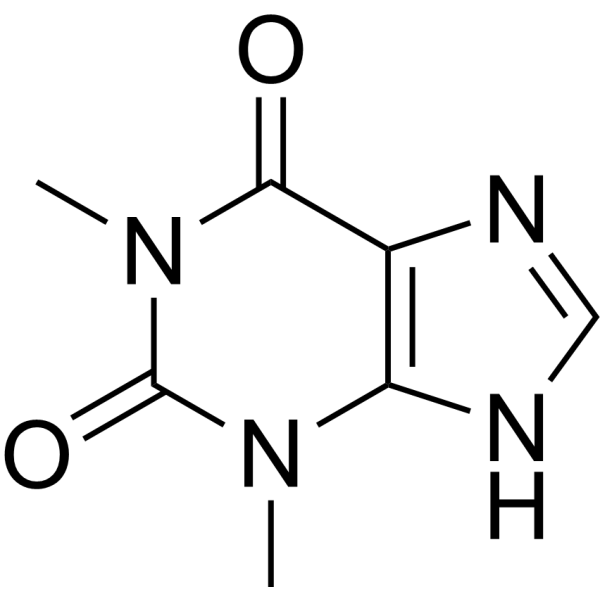
Theophylline (1,3-Dimethylxanthine) is a potent phosphodiesterase (PDE) inhibitor, adenosine receptor antagonist, and histone deacetylase (HDAC) activator. Theophylline (1,3-Dimethylxanthine) inhibits PDE3 activity to relax airway smooth muscle. Theophylline (1,3-Dimethylxanthine) has anti-inflammatory activity by increase IL-10 and inhibit NF-κB into the nucleus. Theophylline (1,3-Dimethylxanthine) induces apoptosis. Theophylline (1,3-Dimethylxanthine) can be used for asthma and chronic obstructive pulmonary disease (COPD) research .
loading...
    loading...
12
12 Cited Publications
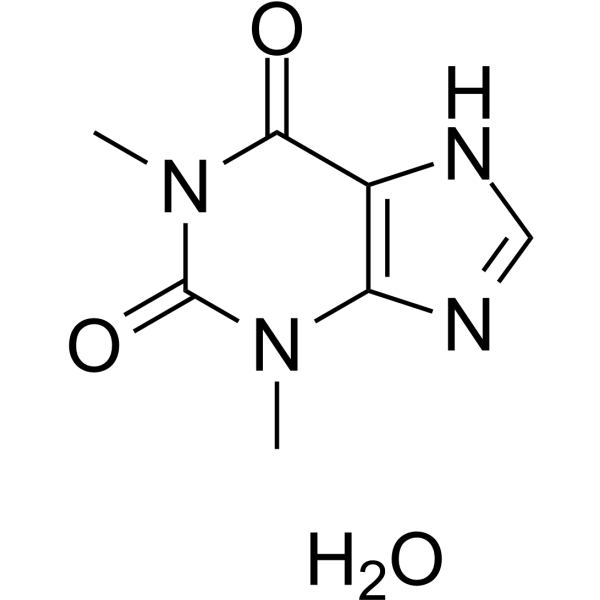
Cat. No.: HY-B0809A
CAS No.: 5967-84-0
Synonyms: 1,3-Dimethylxanthine monohydrate; Theo-24 monohydrate
Theophylline (1,3-Dimethylxanthine) monohydrate is a potent phosphodiesterase (PDE) inhibitor, adenosine receptor antagonist, and histone deacetylase (HDAC) activator. Theophylline (1,3-Dimethylxanthine) monohydrate inhibits PDE3 activity to relax airway smooth muscle. Theophylline (1,3-Dimethylxanthine) monohydrate has anti-inflammatory activity by increase IL-10 and inhibit NF-κB into the nucleus. Theophylline (1,3-Dimethylxanthine) monohydrate induces apoptosis. Theophylline (1,3-Dimethylxanthine) monohydrate can be used for asthma and chronic obstructive pulmonary disease (COPD) research .
loading...
    loading...
3
3 Cited Publications
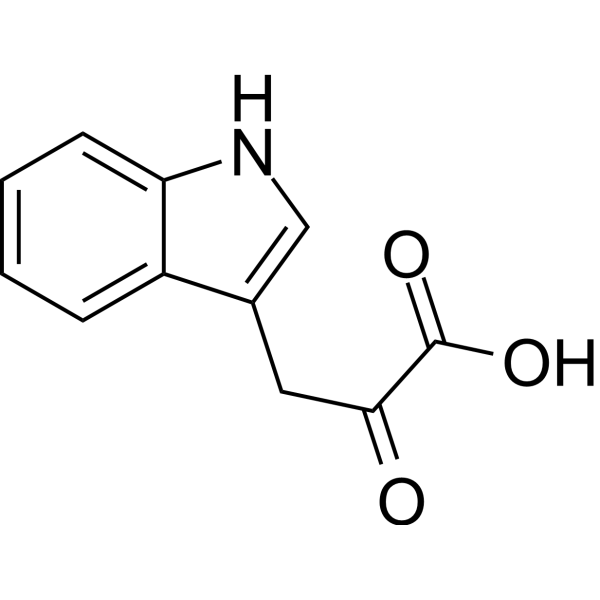
Cat. No.: HY-W028393
CAS No.: 392-12-1
Indole-3-pyruvic acid is an orally active ketone analog of tryptophan, and is an aryl hydrocarbon receptor (AHR) agonist. Indole-3-pyruvic acid inhibits p38/MAPK phosphorylation, regulates the tryptophan metabolic pathway, and also possesses protective activities against skin photodamage, as well as anti-inflammatory and anti-anxiety bioactivities in the gut. Indole-3-pyruvic acid can downregulate the expression of IL-1β, IL-6, Cox-2, and Bax to alleviate UVB-induced keratinocyte toxicity. Indole-3-pyruvic acid can activate AHR to promote Tr1 cell differentiation, increase IL-10, and inhibit Th1 cytokine production. Indole-3-pyruvic acid can alter the levels of kynurenine metabolites in the brain, mediating central nervous system-related effects. Indole-3-pyruvic acid can be used in research on skin lesions, colitis, and anxiety .
loading...
    loading...
1
1 Cited Publications
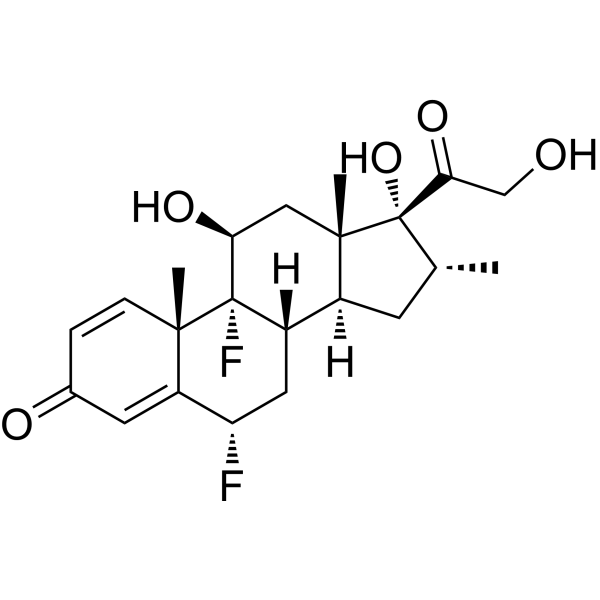
Cat. No.: HY-B1051
CAS No.: 2135-17-3
Synonyms: Flumetasone
Flumethasone (Flumetasone) is an orally active, high selective and potent glucocorticoid receptor (GR) agonist. Flumethasone activates GR to inhibit nuclear factor kappa B (NF-κB)-mediated pro-inflammatory cytokine production (TNF-α, IL-1β) and promotes anti-inflammatory gene expression (IL-10), while also regulating metabolic enzyme activity (tyrosine aminotransferase induction). Flumethasone is promising for research of inflammatory diseases, cancer, and endocrine regulation .
loading...
    loading...
1
1 Cited Publications
Cat. No.: HY-P72599
Purity:  ≥ 95%, as determined by reducing SDS-PAGE.
Synonyms: IL10RB; CDW210B; Prev. D21S58; IL-10 receptor Subunit Beta; Prev. D21S66; IL-10R Subunit Beta; Prev. CRFB4; IL-10R Subunit 2; IL-10R2; IL-10RB; CRF2-4; Cytokine receptor FamILy II, Member 4; Interleukin-10 receptor Subunit Beta; Cytokine receptor Class-II
Species:  
Human
Source:  
HEK293
loading...
    loading...
1
1 Cited Publications
Cat. No.: HY-P700639
Purity:  ≥ 95%, as determined by reducing SDS-PAGE.
Synonyms: IL10RA; Interleukin 10 receptor, Alpha; Prev. IL10R; IL-10R Subunit Alpha; Interleukin-10 receptor Subunit Alpha; IL-10R Subunit 1; Interleukin-10 receptor Subunit 1; IL-10R1; HIL-10R; CDw210a; CDW210A; Interleukin-10 receptor Alpha Chain; CD210a; CD210 A
Species:  
Human
Source:  
HEK293
loading...
    loading...
Cat. No.: HY-113058
CAS No.: 14292-27-4
Purity:  ≥98.0%
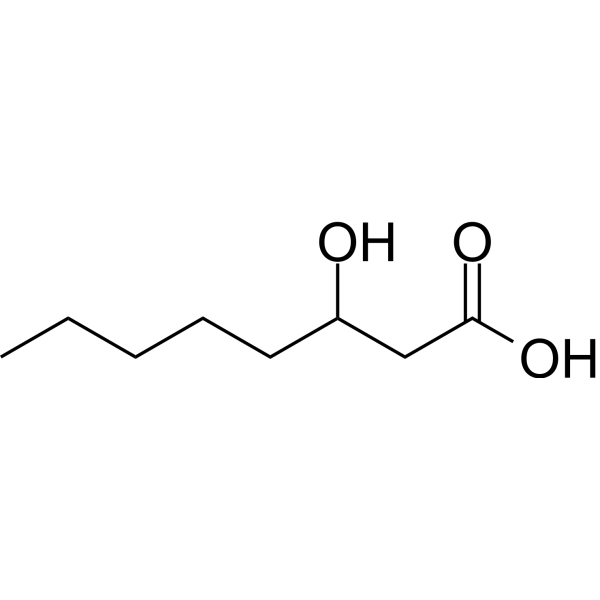
3-Hydroxyoctanoic acid is a medium-chain β-hydroxy fatty acid that possesses antibacterial, antifungal, and quorum-sensing regulatory activities. 3-Hydroxyoctanoic acid is an endogenous agonist of the human HCAR3 receptor, decreases intracellular cAMP, reduces IL-1beta secretion, increases IL-10 secretion, and decreases ROS production in macrophages. 3-Hydroxyoctanoic acid inhibits quorum-sensing-regulated pyocyanin production in Pseudomonas aeruginosa PAO1 and inhibits the yeast-to-hypha transition in Candida albicans. 3-Hydroxyoctanoic acid is used in research related to metabolism, bacterial infections, and fungal infections .
loading...
    loading...
Cat. No.: HY-W668775
CAS No.: 871100-12-8
Quin-C7 is an orally active FPR2/ALX antagonist. Quin-C7 binds to the orthosteric ligand-binding pocket of FPR2/ALX, modulates receptor activation, and inhibits pro-inflammatory ERK signaling mediated by serum amyloid A (SAA). Quin-C7 reduces pro-inflammatory mediators TNF-α levels, increases anti-inflammatory IL-10, decreases inflammatory neutrophils and pro-inflammatory M1 macrophages, downregulates ERK1/2 phosphorylation, and upregulates JNK1/2/3 phosphorylation. Quin-C7 blocks FPR2/mFpr2 signaling, reduces brain lesion volume. Quin-C7 can be used for the research of inflammatory bowel disease and neuromyelitis optica spectrum disorder .
loading...
    loading...
Cat. No.: HY-W028393R
CAS No.: 392-12-1
Indole-3-pyruvic acid (Standard) is the analytical standard of Indole-3-pyruvic acid (HY-W028393). This product is intended for research and analytical applications. Indole-3-pyruvic acid is an orally active ketone analog of tryptophan, and is an aryl hydrocarbon receptor (AHR) agonist. Indole-3-pyruvic acid inhibits p38/MAPK phosphorylation, regulates the tryptophan metabolic pathway, and also possesses protective activities against skin photodamage, as well as anti-inflammatory and anti-anxiety bioactivities in the gut. Indole-3-pyruvic acid can downregulate the expression of IL-1β, IL-6, Cox-2, and Bax to alleviate UVB-induced keratinocyte toxicity. Indole-3-pyruvic acid can activate AHR to promote Tr1 cell differentiation, increase IL-10, and inhibit Th1 cytokine production. Indole-3-pyruvic acid can alter the levels of kynurenine metabolites in the brain, mediating central nervous system-related effects. Indole-3-pyruvic acid can be used in research on skin lesions, colitis, and anxiety .
loading...
    loading...
Cat. No.: HY-N14039
CAS No.: 90082-75-0
Pinus pinaster bark extract is extracted from the bark of pine bark with antioxidant, anti-inflammatory and neuroprotective effects. Pinus pinaster bark extract increases toll-like receptor (TLR) activity, inducing production of IL-10 .
loading...
    loading...
Cat. No.: HY-P1194
CAS No.: 91224-37-2
Target:  

Neurokinin Receptor

Research Areas:  

Inflammation/Immunology

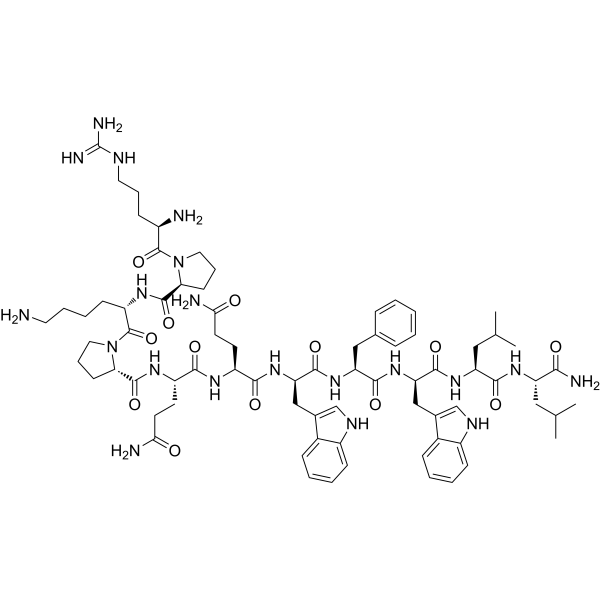
Spantide I, a substance P analog, is a selective NK1 receptor antagonist, with Ki values of 230 nM and 8150 nM for NK1 and NK2 receptor, respectively. Spantide I provides an approach to reduce type 1 and enhance the type 2 cytokine IL-10 in the infected cornea, leading to a significant reduction in corneal perforation .
loading...
    loading...
Cat. No.: HY-B0809R
CAS No.: 58-55-9
Synonyms: 1,3-Dimethylxanthine(Standard); Theo-24 (Standard)
Theophylline (Standard) is the analytical standard of Theophylline. This product is intended for research and analytical applications. Theophylline (1,3-Dimethylxanthine) is a potent phosphodiesterase (PDE) inhibitor, adenosine receptor antagonist, and histone deacetylase (HDAC) activator. Theophylline (1,3-Dimethylxanthine) inhibits PDE3 activity to relax airway smooth muscle. Theophylline (1,3-Dimethylxanthine) has anti-inflammatory activity by increase IL-10 and inhibit NF-κB into the nucleus. Theophylline (1,3-Dimethylxanthine) induces apoptosis. Theophylline (1,3-Dimethylxanthine) can be used for asthma and chronic obstructive pulmonary disease (COPD) research .
loading...
    loading...
Cat. No.: HY-P3483
CAS No.: 135374-80-0
Maxadilan is a specific irreversible PAC1 receptor agonist and a potent vasodilator peptide present in the salivary glands of sand flies. Maxadilan exhibits anti-apoptotic activity in hADSCs. Maxadilan inhibits pro-inflammatory cytokines (TNF-α) and enhances anti-inflammatory mediators (IL-10). Maxadilan can activate leukocytes and inhibit vascular permeability through PAC1 receptors. Maxadilan promotes neural differentiation of human adipose-derived stem cells. Maxadilan can be used to study endotoxin shock, atherosclerosis, and neurodegenerative diseases [1] [2] [3] [4] [5].
loading...
    loading...
Cat. No.: HY-N4267
CAS No.: 13060-14-5
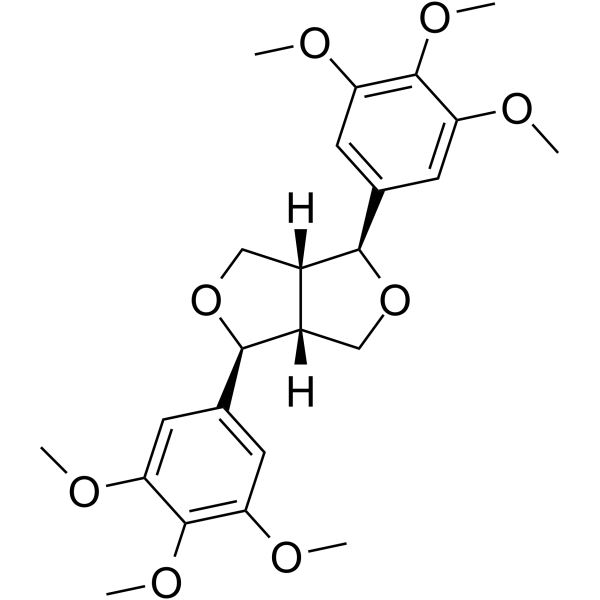
Yangambin is a PAF receptor antagonist and UGT1A1/UGT1A3 inhibitor, with an IC50 of 29.7 μM and a Ki of 17.1 μM against human UGT1A1, and an IC50 of 56.5 μM and a Ki of 66.8 μM against human UGT1A3. Yangambin blocks PAF-mediated responses, inhibits LTB4-mediated neutrophil infiltration, and suppresses inflammatory events and anaphylactic contraction. Yangambin acts as a central nervous system inhibitor to reduce spontaneous activity, and also exhibits analgesic, anticonvulsant, antileishmanial, vasodilatory and hypotensive effects. Yangambin blocks voltage-gated Ca 2+ channels, reduces the production of NO, TNF-α, IL-6 and PGE2 in cells, increases the production of IL-10, and exerts a protective effect against cardiovascular injury. Yangambin can be used in research related to allergies, cutaneous leishmaniasis, central nervous system diseases and cardiovascular diseases .
loading...
    loading...
Cat. No.: HY-107909
CAS No.: 8000-10-0
Synonyms: 1,3-Dimethylxanthine (sodium glycinate); Theo-24 (sodium glycinate)
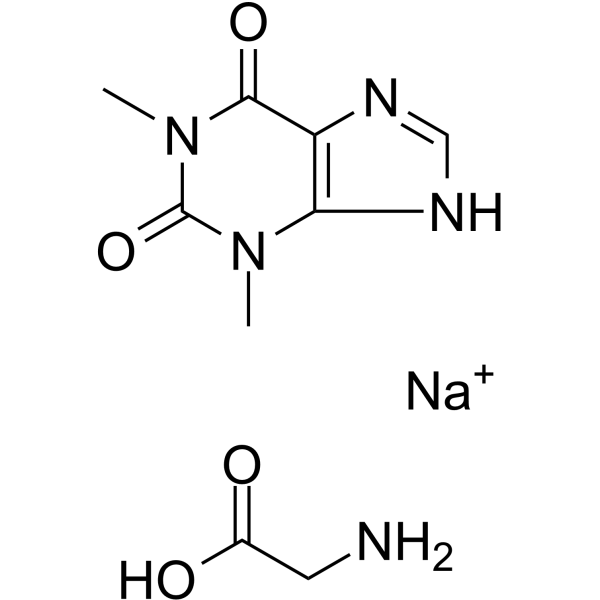
Theophylline (1,3-Dimethylxanthine) sodium glycinate is a potent phosphodiesterase (PDE) inhibitor, adenosine receptor antagonist, and histone deacetylase (HDAC) activator. Theophylline sodium glycinate inhibits PDE3 activity to relax airway smooth muscle. Theophylline sodium glycinate has anti-inflammatory activity by increase IL-10 and inhibit NF-κB into the nucleus. Theophylline sodium glycinate induces apoptosis. Theophylline sodium glycinate can be used for asthma and chronic obstructive pulmonary disease (COPD) research .
loading...
    loading...
Cat. No.: HY-147105A
(+)-LRH-1 modulator-1 is a stereoisomer of LRH-1 modulator-1. LRH-1 modulator-1 (compound 6N) is a potent LRH-1 (liver receptor homolog-1) modulator/agonist. LRH-1 modulator-1 has anti-inflammatory effects in intestinal organoids. LRH-1 modulator-1 induces the anti-inflammatory cytokine IL-10 and reduces the inflammatory cytokines IL-1b and TNFa .
loading...
    loading...
Cat. No.: HY-W700715
CAS No.: 1215622-76-6
3-Hydroxyoctanoic acid-d12 is the deuterated-labeled 3-Hydroxyoctanoic acid (HY-113058). 3-Hydroxyoctanoic acid is a medium-chain β-hydroxy fatty acid that possesses antibacterial, antifungal, and quorum-sensing regulatory activities. 3-Hydroxyoctanoic acid is an endogenous agonist of the human HCAR3 receptor, decreases intracellular cAMP, reduces IL-1beta secretion, increases IL-10 secretion, and decreases ROS production in macrophages. 3-Hydroxyoctanoic acid inhibits quorum-sensing-regulated pyocyanin production in Pseudomonas aeruginosa PAO1 and inhibits the yeast-to-hypha transition in Candida albicans. 3-Hydroxyoctanoic acid is used in research related to metabolism, bacterial infections, and fungal infections .
loading...
    loading...
Cat. No.: HY-178945
KOR agonist 7 (Compound 29) is a highly selective κ-opioid receptor (KOR) agonist with a Ki of 138 nM. KOR agonist 7 shows no activity at μ- and δ-opioid receptors or σ1 receptor, and exhibits extremely low affinity for σ2 receptor (Ki = 2.8 μM). KOR agonist 7 significantly reduces the secretion of pro-inflammatory cytokines such as IL-6, TNF-α, and IFN-γ, while increasing the production of the anti-inflammatory cytokine IL-10. KOR agonist 7 downregulates the expression of the pro-inflammatory M1 macrophage marker CD80 and upregulates the anti-inflammatory M2 macrophage marker CD163. KOR agonist 7 holds potential for applications in analgesia and immune modulation .
loading...
    loading...
Cat. No.: HY-P1194A
Target:  

Neurokinin Receptor

Research Areas:  

Inflammation/Immunology

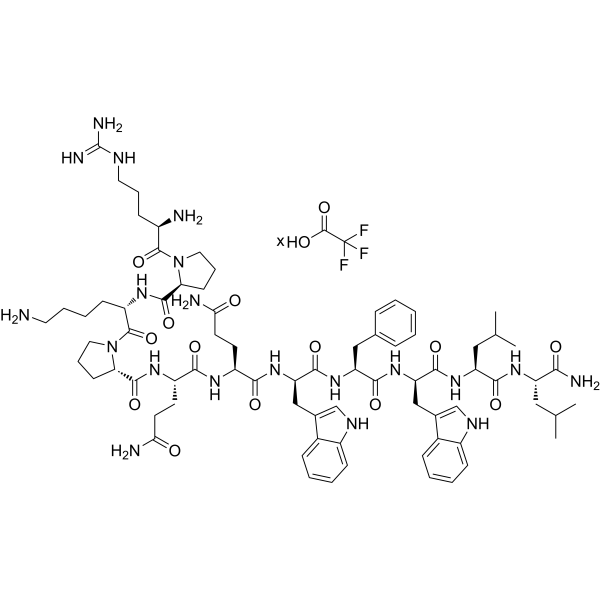
Spantide I TFA, a substance P analog, is a selective NK1 receptor antagonist, with Ki values of 230 nM and 8150 nM for NK1 and NK2 receptor, respectively. Spantide I provides an approach to reduce type 1 and enhance the type 2 cytokine IL-10 in the infected cornea, leading to a significant reduction in corneal perforation .
loading...
    loading...
Cat. No.: HY-130054
CAS No.: 83920-54-1
Synonyms: Lysine theophyllinate
Theophylline L-lysine (Lysine theophyllinate) is a soluble derivative of Theophylline (HY-B0809). Theophylline L-lysine is a potent phosphodiesterase (PDE) inhibitor, adenosine receptor antagonist, and histone deacetylase (HDAC) activator. Theophylline L-lysine inhibits PDE3 activity to relax airway smooth muscle. Theophylline L-lysine has anti-inflammatory activity by increasing IL-10 and inhibiting NF-κB into the nucleus. Theophylline L-lysine induces apoptosis. Theophylline L-lysine can be used for asthma and chronic obstructive pulmonary disease (COPD) research .
loading...
    loading...

