25 Results for "

Iron-Chelating

" in MedChemExpress (MCE) Product Catalog:
Products (25)

25 Results for "Iron-Chelating" in MCE Product Catalog:

51
51 Publications Verification
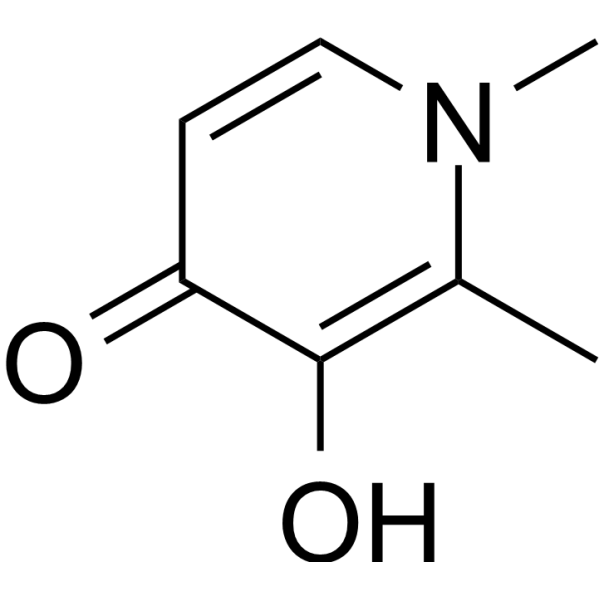
Cat. No.: HY-B0568
CAS No.: 30652-11-0
Deferiprone is a potent, orally active, brain-penetrant, cell-penetrant, skin-permeable, free iron chelating agent. Deferiprone inhibits the proliferation and migration, and stimulates apoptosis in tumor cell. Deferiprone can inhibit KDM. Deferiprone has antianemic, neuroprotective, anti-inflammatory, antioxidant, and antidotal activity. Deferiprone can be used in cancer, cardiovascular disease, infection, inflammation, and neurological disease study .
loading...
    loading...
20
20 Cited Publications
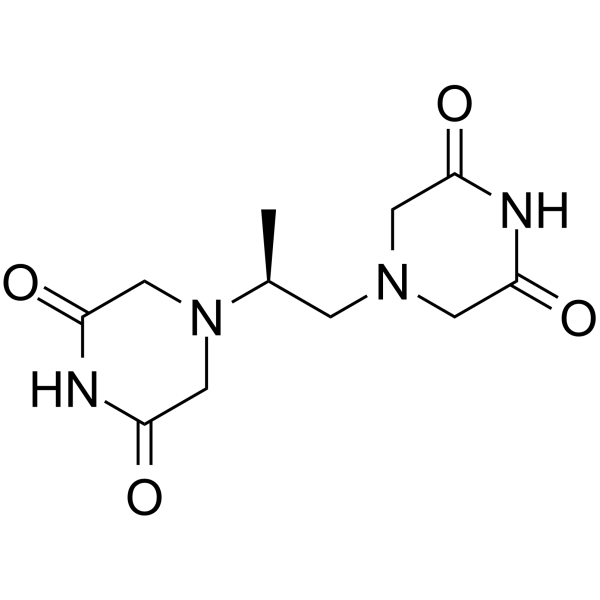
Cat. No.: HY-B0581
CAS No.: 24584-09-6
Synonyms: ICRF-187; ADR-529; NSC-169780
Dexrazoxane, as an intracellular iron chelating agent, reduces the formation of superoxide radicals and has cardioprotective, anti-inflammatory, antioxidant, anti-tumor and neuroprotective activities. Dexrazoxane inhibits ferroptosis of H9c2 cells by inhibiting HMGB1. Dexrazoxane induces DNA damage and apoptosis in human fibrosarcoma cells .
loading...
    loading...
9
9 Cited Publications
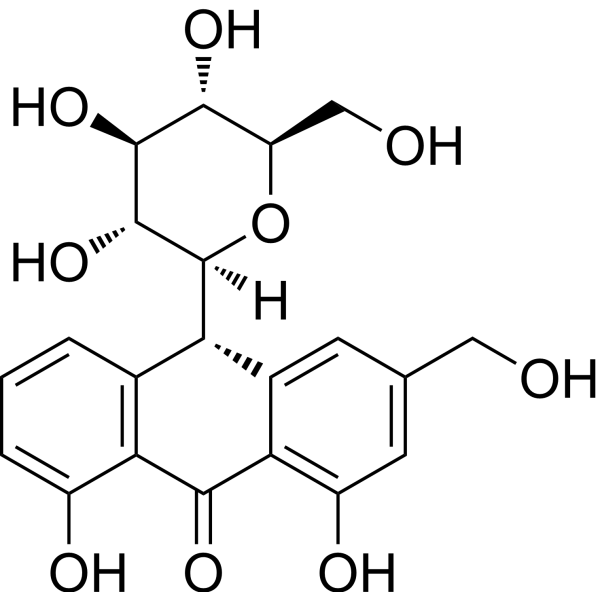
Cat. No.: HY-N0123
CAS No.: 1415-73-2
Synonyms: Barbaloin-A
Aloin (Aloin-A; Barbaloin-A) is a natural anti-tumor anthraquinone glycoside with iron chelating activity. Aloin induces the differentiation of MC3T3-E1 cells into osteoblasts through MAPK-mediated Wnt and Bmp signaling pathways. Alkaline phosphatase (ALP) is an early marker of osteoblast differentiation, and the activity of ALP is also enhanced by Aloin. Aloin also reduces brain edema, reduces blood-brain barrier disruption and improves cortical impact injuries. Aloin is used in research into osteoporosis and traumatic brain injury (TBI) .
loading...
    loading...
5
5 Cited Publications
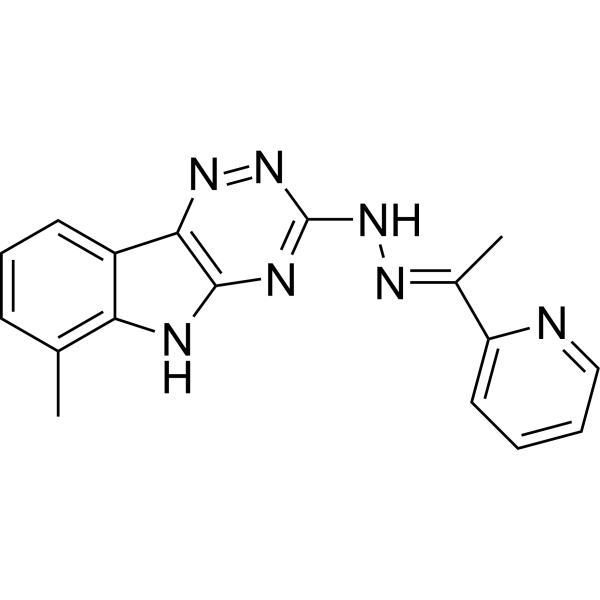
Cat. No.: HY-12406
CAS No.: 327031-55-0
Purity:  98.67%
VLX600 is an iron-chelating inhibitor of oxidative phosphorylation (OXPHOS). VLX600 causes mitochondrial dysfunction and induces a strong shift to glycolysis. VLX600 displays selective cytotoxic activity against malignant cell and induces autophagy. Anticancer activity .
loading...
    loading...
Cat. No.: HY-W345885
CAS No.: 87-73-0
Saccharic acid is a competitive and potent inhibitor of β-glucuronidase. Saccharic acid inhibits glucuronide synthesis. Saccharic acid as an efficient iron chelate to enhance photo-Fenton
degradation of organic contaminants .
loading...
    loading...
Cat. No.: HY-16564
CAS No.: 554435-83-5
Target:  

Ferroptosis Bacterial

Research Areas:  

Others

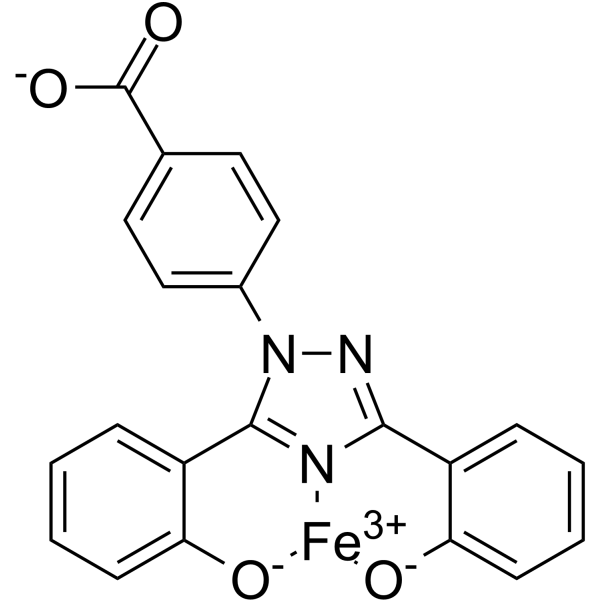
Deferasirox Fe3+ Chelate is an iron chelating agent extracted from patent WO2003053986 .
loading...
    loading...
Cat. No.: HY-103249
CAS No.: 303957-69-9
Purity:  98.08%
Synonyms: Reutericycline
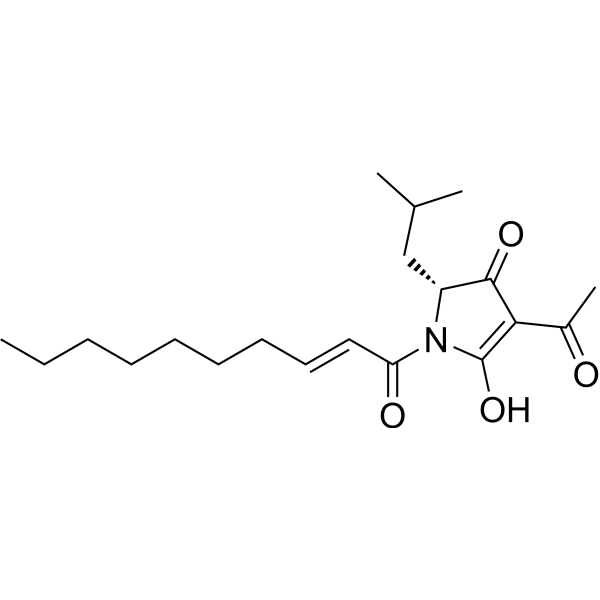
Reutericyclin (Reutericycline) is an orally active antibacterial and anti-obesity agent that selectively inhibits Gram-positive bacteria. By selectively dissipating transmembrane potential, Reutericyclin exerts non-lytic bactericidal or bacteriostatic activity against pathogens such as Clostridium difficile and Staphylococcus aureus, and rapidly kills vegetative cells and spores of Clostridium difficile. Reutericyclin possesses favorable properties including resistance to enzymatic hydrolysis, iron-chelating function, and poor absorption by colonic epithelium. Reutericyclin not only eradicates staphylococcal biofilms and inhibits drug-resistant strains, but also counteracts Risperidone (HY-11018)-induced weight gain by inducing changes in gut microbiota composition and restoring energy utilization efficiency. Reutericyclin can be used in research related to Clostridium difficile infection, Risperidone-induced weight gain, and staphylococcal superficial skin infections .
loading...
    loading...
Cat. No.: HY-W035520
CAS No.: 35369-53-0
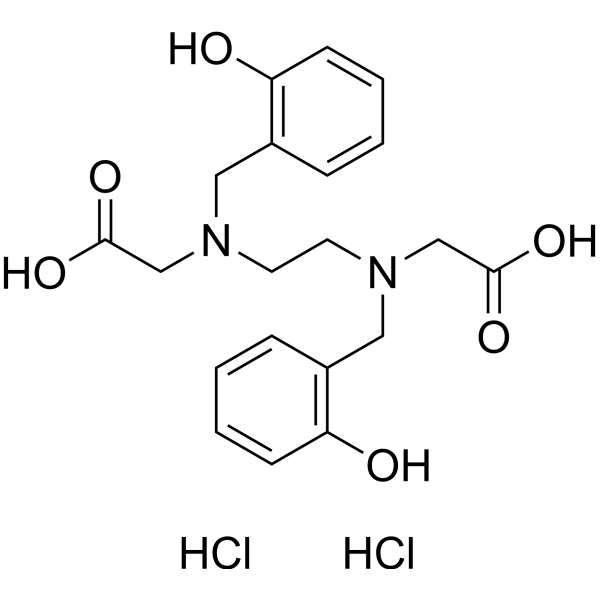
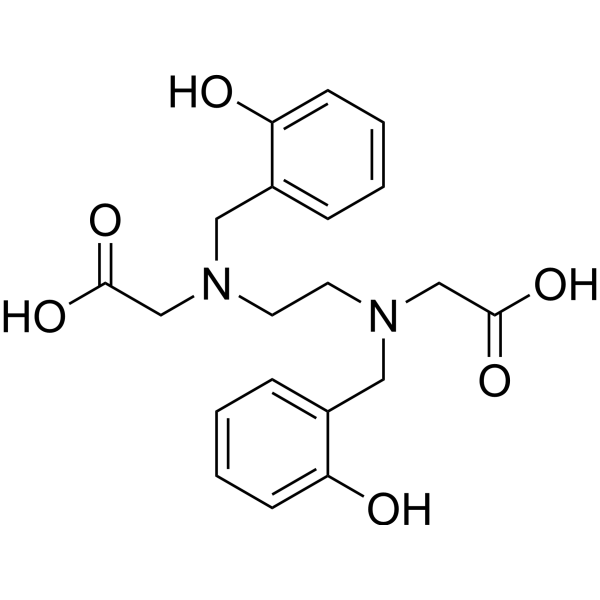
HBED dihydrochloride is an iron-chelating antioxidant. HBED dihydrochloride chelates ferrous iron, promotes its oxidation to ferric iron, and blocks superoxide-driven ferric iron reduction, preventing Haber-Weiss/Fenton hydroxyl radical production. HBED dihydrochloride donates H/electrons, undergoes protonation, reduces radical cations, and forms phenoxyl radicals. HBED dihydrochloride exerts cytoprotective effects against peroxide-induced lung fibroblast injury. HBED dihydrochloride crosses the blood-brain barrier and mitochondrial membrane, exhibits iron affinity/selectivity, and induces iron clearance in iron-loaded monkeys. HBED dihydrochloride reduces hippocampal AQP4, microgliosis, oxidative stress, cerebral edema, and hippocampal swelling, and improves motor function/recovery after traumatic brain injury. HBED dihydrochloride can be used in research on iron overload and traumatic brain injury (TBI) .
loading...
    loading...
Cat. No.: HY-131926
CAS No.: 15708-41-5
Synonyms: Ethylenediaminetetraacetic acid (Iron sodium)
Research Areas:  

Metabolic Disease Cancer

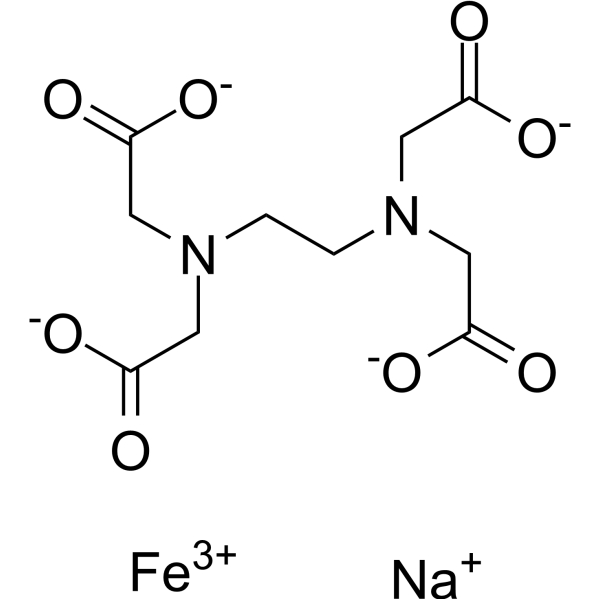
EDTA iron sodium (Ethylenediaminetetraacetic acid iron sodium) is an orally active food fortifier and iron chelate. EDTA iron sodium provides absorbable iron during consumption of fortified soy sauce, rice-based meals, or complementary foods made from high-phytate grains. EDTA iron sodium increases serum iron levels for up to 4 h, and total non-heme iron levels in the liver also rise with increasing doses. EDTA iron sodium is applicable to research on iron deficiency anemia and lymphoma .
loading...
    loading...
Cat. No.: HY-114837
CAS No.: 35998-29-9
Purity:  98.00%
HBED is an iron-chelating antioxidant. HBED chelates ferrous iron, promotes its oxidation to ferric iron, and blocks superoxide-driven ferric iron reduction, preventing Haber-Weiss/Fenton hydroxyl radical production. HBED donates H/electrons, undergoes protonation, reduces radical cations, and forms phenoxyl radicals. HBED exerts cytoprotective effects against peroxide-induced lung fibroblast injury. HBED crosses the blood-brain barrier and mitochondrial membrane, exhibits iron affinity/selectivity, and induces iron clearance in iron-loaded monkeys. HBED reduces hippocampal AQP4, microgliosis, oxidative stress, cerebral edema, and hippocampal swelling, and improves motor function/recovery after traumatic brain injury. HBED can be used in research on iron overload and traumatic brain injury (TBI) .
loading...
    loading...
Cat. No.: HY-B0568R
CAS No.: 30652-11-0
Deferiprone (Standard) is the analytical standard of Deferiprone. This product is intended for research and analytical applications. Deferiprone is a potent, orally active, brain-penetrant, cell-penetrant, skin-permeable, free iron chelating agent. Deferiprone inhibits the proliferation and migration, and stimulates apoptosis in tumor cell. Deferiprone has antianemic, neuroprotective, anti-inflammatory, antioxidant, and antidotal activity. Deferiprone can be used in cancer, cardiovascular disease, infection, inflammation, and neurological disease study .
loading...
    loading...
Cat. No.: HY-W068771
CAS No.: 943-89-5
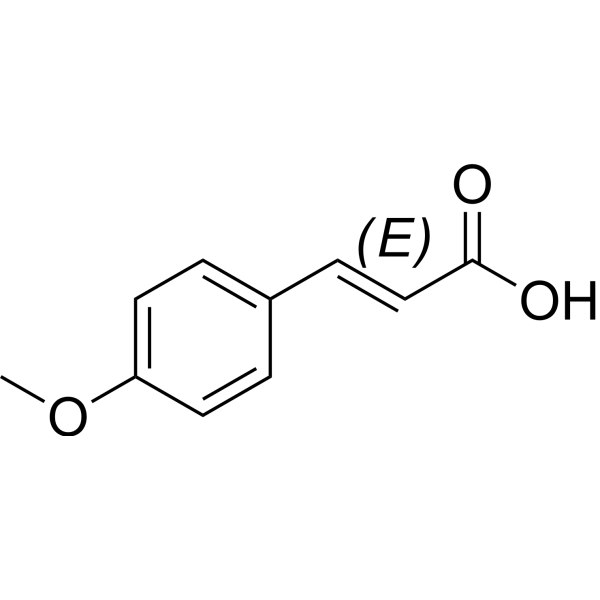
(E)-3-(4-Methoxyphenyl)acrylic acid is an antioxidant and metal chelator that modulates E-NTPDase and Na +/K + ATPase activities in iron-induced testicular injury by scavenging DPPH (HY-112053) free radicals, reducing ferric iron, chelating Fe 2+, inhibiting lipid peroxidation, and enhancing GSH, SOD, and CAT activities. (E)-3-(4-Methoxyphenyl)acrylic acid can be used for research on iron-induced testicular injury .
loading...
    loading...
Cat. No.: HY-117738
CAS No.: 143651-45-0
Purity:  95.79%
Benarthin is an orally active Pyroglutamyl peptidase inhibitor, THY1 inhibitor (with a Kd value of 5.13e-08 M) and competitive PGP-1 inhibitor (Ki = 1.2 µM). Benarthin is isolated from the culture broth of Streptomyces xanthophaeus MJ244-SF1. Benarthin disrupts the THY1-SFRP1 interaction, inhibits the activation of the GSK3α/β-β-catenin pathway, and reduces the upregulation of FASLG. Benarthin attenuates urothelial anoikis and reduces cell Apoptosis. Benarthin possesses iron-chelating activity. Benarthin maintains urothelial barrier integrity and blocks the pathological cascade of renal interstitial fibroblasts induced by HAP stimulation. Benarthin can be used in studies related to kidney stones .
loading...
    loading...
Cat. No.: HY-125605
CAS No.: 133705-25-6
Target:  

Others

Nannochelin A is an iron-chelating compound that can be isolated from Nannocystis exedens .
loading...
    loading...
Cat. No.: HY-N0123R
CAS No.: 1415-73-2
Synonyms: Barbaloin-A (Standard)
Aloin (Standard) is the analytical standard of Aloin. This product is intended for research and analytical applications. Aloin (Aloin-A; Barbaloin-A) is a natural anti-tumor anthraquinone glycoside with iron chelating activity. Aloin induces the differentiation of MC3T3-E1 cells into osteoblasts through MAPK-mediated Wnt and Bmp signaling pathways. Alkaline phosphatase (ALP) is an early marker of osteoblast differentiation, and the activity of ALP is also enhanced by Aloin. Aloin also reduces brain edema, reduces blood-brain barrier disruption and improves cortical impact injuries. Aloin is used in research into osteoporosis and traumatic brain injury (TBI) .
loading...
    loading...
Cat. No.: HY-149723
CAS No.: 2991058-60-5
Target:  

Ferroptosis

Research Areas:  

Cancer

Ferroptosis-IN-5 (compound 9c) is a ferroptosis inhibitor with iron-chelating and reactive oxygen species (ROS) scavenging activities .
loading...
    loading...
Cat. No.: HY-N14351
CAS No.: 114550-08-2
Ferrocin A is a lipopeptide compound that targets the SARS-CoV-2 RNA-dependent RNA polymerase (nsp12). Ferrocin A can stably bind to nsp12, and as an iron-chelating peptide, it reduces the concentration of free iron in the environment via complexation, thereby inhibiting bacterial growth by repressing the acquisition of essential metal cations. As an iron-chelating antiviral molecule, Ferrocin A may be used in studies related to COVID-19 and bacterial infections .
loading...
    loading...
Cat. No.: HY-163909
Target:  

Cholinesterase (ChE)

Research Areas:  

Neurological Disease

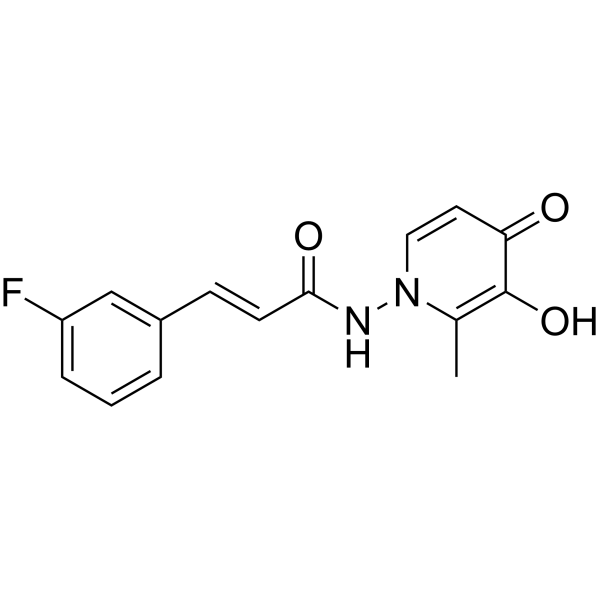
AChE-IN-72 (Compound 13a) is an inhibitor for acetylcholinesterase (AChE) with an IC50 of 0.59 μM. AChE-IN-72 inhibits BChE with an IC50 of 5.02 μM. AChE-IN-72 exhibits radical scavenging with IC50 of 5.88 μM. AChE-IN-72 exhibits iron-chelating property, inhibits Aβ1−42 aggregation, and inhibits NLRP3 inflammasome activation. AChE-IN-72 ameliorates memory impairment in Betaine (HY-B0710)-induced AD mouse model. AChE-IN-72 is blood-brain barrier (BBB) penetrable .
loading...
    loading...
Cat. No.: HY-B0581R
CAS No.: 24584-09-6
Synonyms: ICRF-187 (Standard); ADR-529 (Standard); NSC-169780 (Standard)
Dexrazoxane (Standard) is the analytical standard of Dexrazoxane. This product is intended for research and analytical applications. Dexrazoxane, as an intracellular iron chelating agent, reduces the formation of superoxide radicals and has cardioprotective, anti-inflammatory, antioxidant, anti-tumor and neuroprotective activities. Dexrazoxane inhibits ferroptosis of H9c2 cells by inhibiting HMGB1. Dexrazoxane induces DNA damage and apoptosis in human fibrosarcoma cells .
loading...
    loading...
Cat. No.: HY-B0568S
CAS No.: 1346601-82-8
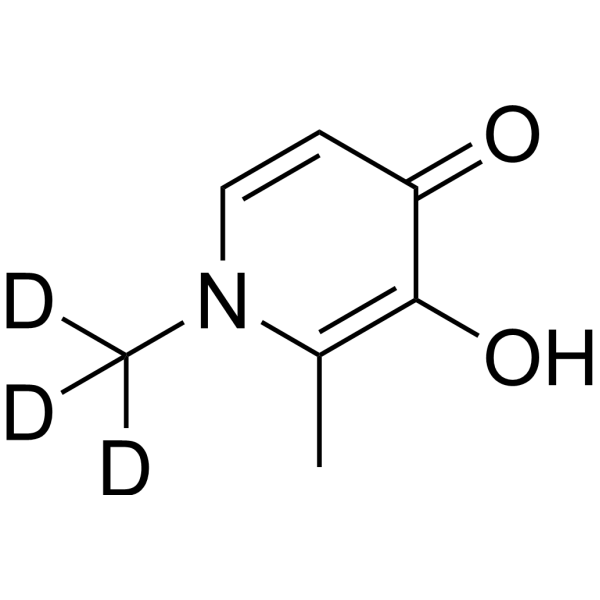
Deferiprone-d3 is the deuterium labeled Deferiprone (HY-B0568). Deferiprone is a potent, orally active, brain-penetrant, cell-penetrant, skin-permeable, free iron chelating agent. Deferiprone inhibits the proliferation and migration, and stimulates apoptosis in tumor cell. Deferiprone can inhibit KDM. Deferiprone has antianemic, neuroprotective, anti-inflammatory, antioxidant, and antidotal activity. Deferiprone can be used in cancer, cardiovascular disease, infection, inflammation, and neurological disease study .
loading...
    loading...

