
87 Results for "

LDL receptor

" in MedChemExpress (MCE) Product Catalog:
Products (87)

87 Results for "LDL receptor" in MCE Product Catalog:

52
52 Publications Verification
Cat. No.: HY-10626
CAS No.: 293754-55-9
Purity:  99.93%
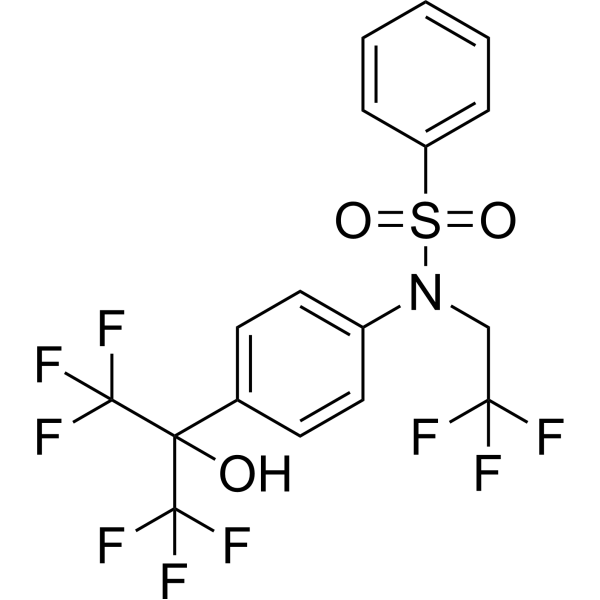
T0901317 is an orally active and highly selective LXR agonist with an EC50 of 20 nM for LXRα . T0901317 activates FXR with an EC50 of 5 μM . T0901317 is RORα and RORγ dual inverse agonist with Ki values of 132 nM and 51 nM, respectively . T0901317 induces apoptosis and inhibits the development of atherosclerosis in low-density lipoprotein (LDL) receptor-deficient mice .
loading...
    loading...
16
16 Cited Publications
Cat. No.: HY-B0144A
CAS No.: 147511-69-1
Synonyms: NK-104
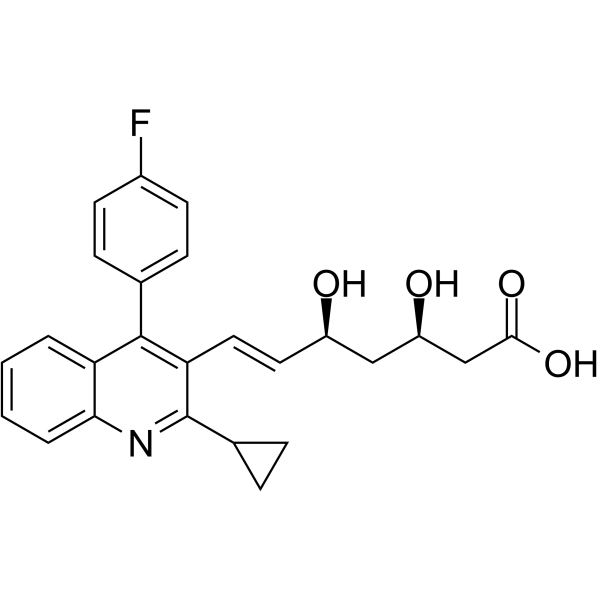
Pitavastatin (NK-104) is a potent hydroxymethylglutaryl-CoA (HMG-CoA) reductase inhibitor. Pitavastatin inhibits cholesterol synthesis from acetic acid with an IC50 of 5.8 nM in HepG2 cells. Pitavastatin is an efficient hepatocyte low-density lipoprotein-cholesterol (LDL-C) receptor inducer. Pitavastatin also possesses anti-atherosclerotic, anti-asthmatic, anti-osteoarthritis, antineoplastic, neuroprotective, hepatoprotective and reno-protective effects .
loading...
    loading...
16
16 Cited Publications
Cat. No.: HY-B0144
CAS No.: 147526-32-7
Synonyms: NK-104 hemicalcium; Pitavastatin hemicalcium
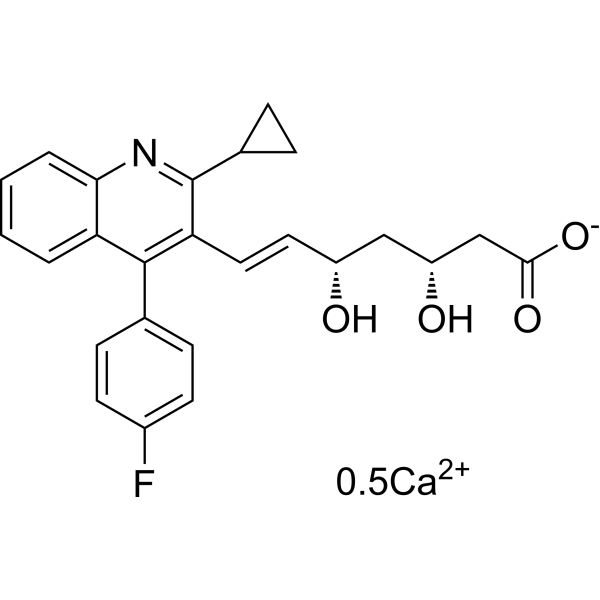
Pitavastatin Calcium (NK-104 hemicalcium) is a potent hydroxymethylglutaryl-CoA (HMG-CoA) reductase inhibitor. Pitavastatin Calcium (NK-104 hemicalcium) inhibits cholesterol synthesis from acetic acid with an IC50 of 5.8 nM in HepG2 cells. Pitavastatin Calcium is an efficient hepatocyte low-density lipoprotein-cholesterol (LDL-C) receptor inducer. Pitavastatin Calcium also possesses anti-atherosclerotic, anti-asthmatic, anti-osteoarthritis, antineoplastic, neuroprotective, hepatoprotective and reno-protective effects .
loading...
    loading...
5
5 Cited Publications
Cat. No.: HY-12402
CAS No.: 489415-96-5
Purity:  99.28%
Target:  

PCSK9

Research Areas:  

Cardiovascular Disease

SBC-115076 is a potent proprotein convertase subtilisin/kexin type 9 (PCSK9) inhibitor. PCSK9 is a proprotein convertase, which plays a crucial role in LDL receptor metabolism .
loading...
    loading...
2
2 Cited Publications
Cat. No.: HY-P1050
CAS No.: 514200-66-9
Target:  

nAChR

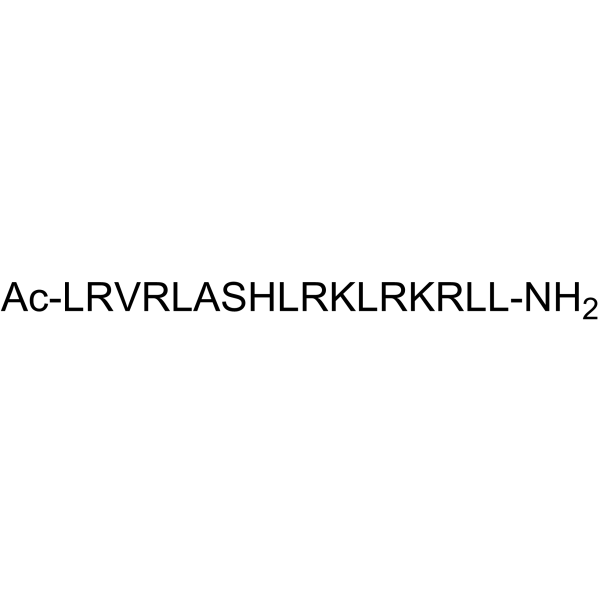
COG 133 is a fragment of Apolipoprotein E (APOE) peptide. COG 133 competes with the ApoE holoprotein for binding the LDL receptor, with potent anti-inflammatory and neuroprotective effects. COG 133 is also a nAChR antagonist with an IC50 of 445 nM .
loading...
    loading...
2
2 Cited Publications
Cat. No.: HY-P1050A
CAS No.: 2828432-37-5
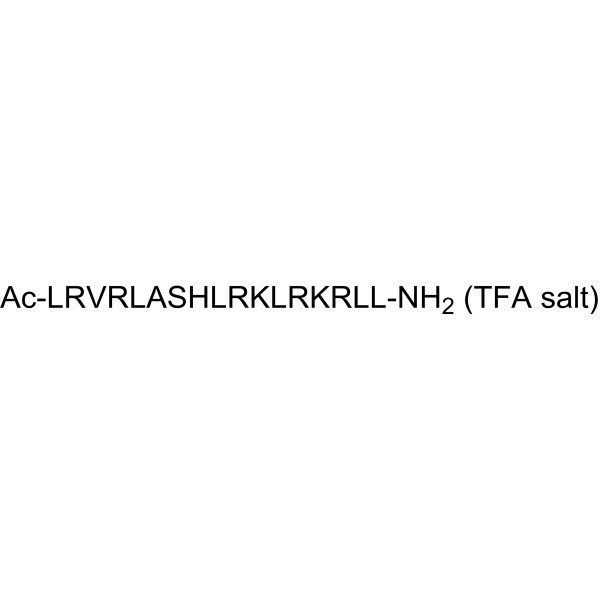
COG 133 TFA is a fragment of Apolipoprotein E (APOE) peptide. COG 133 TFA competes with the ApoE holoprotein for binding the LDL receptor, with potent anti-inflammatory and neuroprotective effects. COG 133 TFA is also a nAChR antagonist with an IC50 of 445 nM .
loading...
    loading...
2
2 Cited Publications
Cat. No.: HY-P70235
Purity:  ≥ 95%, as determined by reducing SDS-PAGE.
Synonyms: LDLR; LDL receptor; Low Density Lipoprotein receptor; Low-Density Lipoprotein receptor Class A Domain-Containing Protein 3; Low-Density Lipoprotein receptor; Familial Hypercholesterolemia; LDLCQ2; Low Density Lipoprotein
Species:  
Human
Source:  
HEK293
loading...
    loading...
1
1 Cited Publications
Cat. No.: HY-148673
CAS No.: 2455427-91-3
Purity:  99.97%
Synonyms: AZD0780; PCSK9-IN-12
Target:  

PCSK9

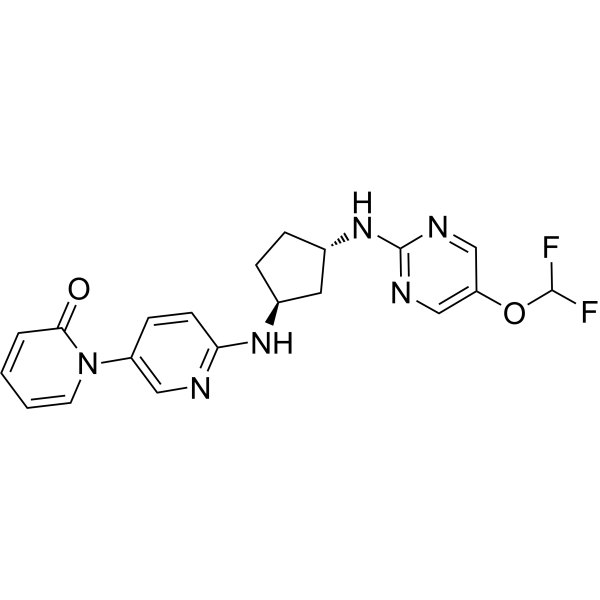
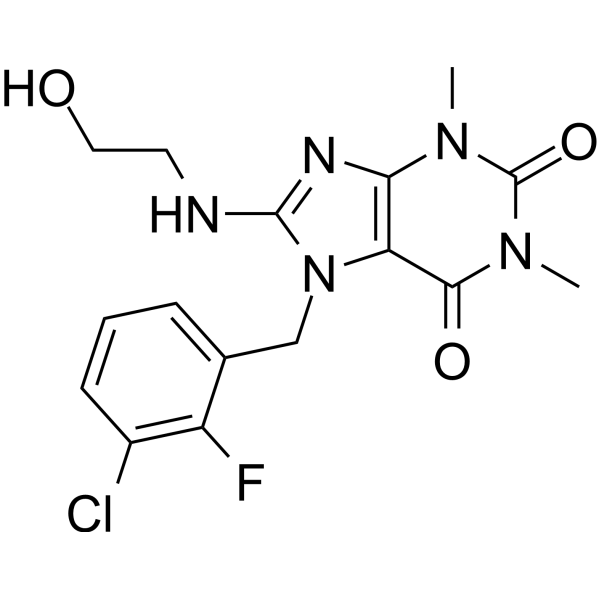
Laroprovstat (AZD0780) is an orall active PCSK9 inhibitor. PCSK9-IN-12 has bind affinity for PCSK9 with a Kd value of <200 nM. Laroprovstat binds to a pocket in the PCSK9 C-terminal domain and does not affect the PCSK9-LDL receptor (LDLR) interaction. Laroprovstat inhibits lysosomal trafficking of PSCK9-LDLR complexes and prevents PCSK9-induced LDLR degradation. Laroprovstat can be used for the research of hypercholesterolemia .
loading...
    loading...
1
1 Cited Publications
Cat. No.: HY-W010697
CAS No.: 604-33-1
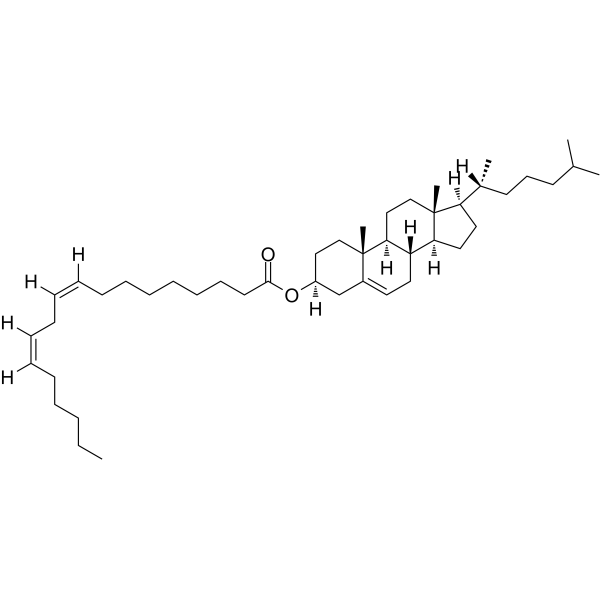
Cholesteryl linoleate is a cholesteryl ester with antibacterial activity that is present in low-density lipoprotein (LDL) particles, human nasal fluid, and respiratory epithelial secretions. Cholesteryl linoleate is oxidized by 12/15-lipoxygenase in macrophages and participates in selective uptake and efflux via LDL receptor-related protein. Cholesteryl linoleate does not induce endothelial adhesion molecule expression, nor does it induce monocyte binding to endothelial cells. Cholesteryl linoleate liposomal formulations inhibit the growth of multiple bacteria at physiological nasal fluid concentrations and act synergistically with antimicrobial peptides. Cholesteryl linoleate is useful for research related to atherosclerosis and bacterial infections .
loading...
    loading...
1
1 Cited Publications
Cat. No.: HY-152223
CAS No.: 2882035-56-3
Purity:  99.66%
Target:  

PCSK9

Research Areas:  

Cardiovascular Disease

PCSK9-IN-11 (compound 5r) is a potent and orally active PCSK9 inhibitor. PCSK9-IN-11 exhibits PCSK9 transcriptional inhibitory activity in HepG2 cells, with an IC50 of 5.7 μM. PCSK9-IN-11 increases LDL receptor (LDLR) protein level. PCSK9-IN-11 can be used for atherosclerosis research .
loading...
    loading...
1
1 Cited Publications
Cat. No.: HY-N2339
CAS No.: 61510-09-6
Synonyms: Cholesteryl docosanoate; Cholesterol behenate
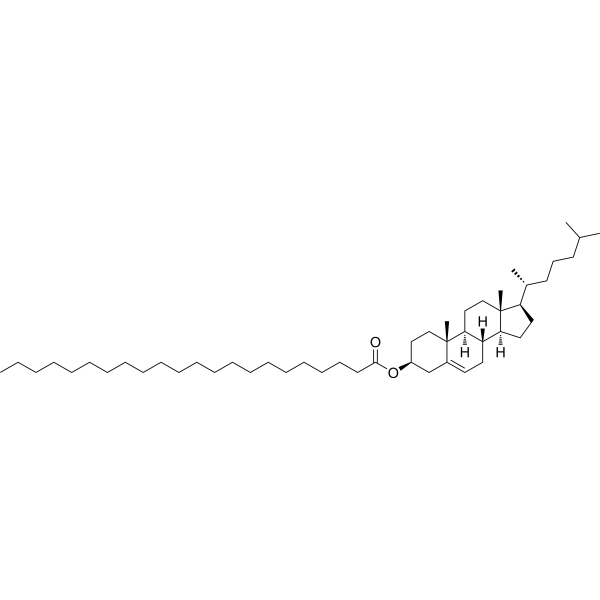
Cholesteryl behenate is a cholesterol ester associated with the neutral core of low density lipoprotein Receptor-LDL complexes are taken up by lysosomes and hydrolyzed to release cholesterol from the esters.
loading...
    loading...
1
1 Cited Publications
Cat. No.: HY-P80758
Synonyms: CD204; Scvr; Msr1; Macrophage scavenger receptor types I and II; Macrophage acetylated LDL receptor I and II; Scavenger receptor type A; SR-A

Host:  

Rabbit

Application:  

WB

Reactivity:  

Human, Mouse, Rat

loading...
    loading...
1
1 Cited Publications
Cat. No.: HY-P76782
Purity:  ≥ 90%, as determined by reducing SDS-PAGE.
Synonyms: MSR1; Macrophage Acetylated LDL receptor I And II; Macrophage Scavenger receptor 1; Scavenger receptor Class A Member 1; SCARA1; CDNA FLJ55770, Highly Similar To Macrophage Scavenger receptor Types I And II; SR-AIII; Macrophage Scavenger receptor Type III
Species:  
Mouse
Source:  
HEK293
loading...
    loading...
Cat. No.: HY-10473
CAS No.: 355129-15-6
Purity:  99.77%
Synonyms: KB2115
Research Areas:  

Metabolic Disease Endocrinology

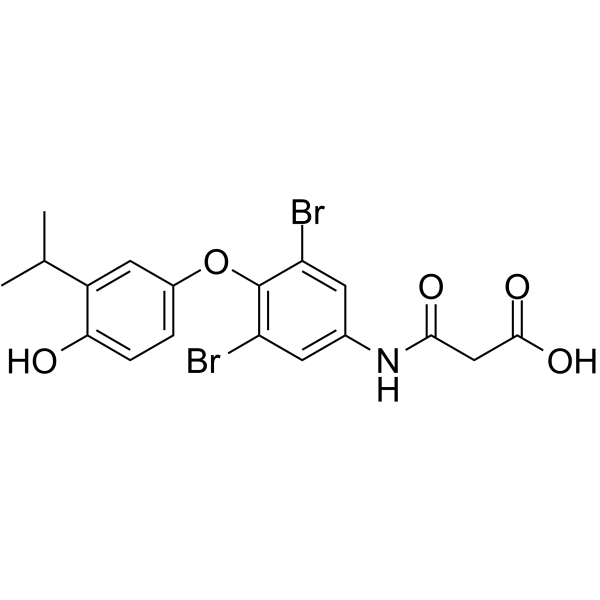
Eprotirome (KB2115) is a liver-selective thyroid hormone receptor (TR) agonist. KB2115 has modestly higher affinity for TRβ than for TRα. Eprotirome reduces low-density lipoprotein (LDL) cholesterol concentrations. Eprotirome can be used for dyslipidemias and obesity research .
loading...
    loading...
Cat. No.: HY-121186
CAS No.: 42864-78-8
Purity:  98.98%
Synonyms: SOM3355
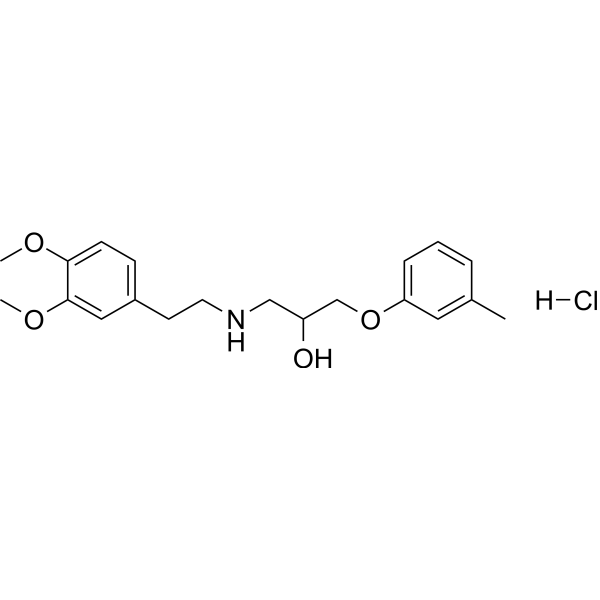
Bevantolol hydrochloride (SOM3355) is a selective β1-adrenergic receptor antagonist, with an IC50 of 35 nM for β1-adrenergic receptor and an IC50 of 60 nM for VMAT2. Bevantolol hydrochloride blocks β1-adrenergic receptors, exerts partial agonistic effects on α-adrenoceptor, inhibits calcium currents in the sinoatrial and atrioventricular nodes as well as sodium currents in cardiomyocytes, delays repolarization, and shortens the action potential duration of Purkinje cells. Bevantolol hydrochloride reduces peripheral vascular resistance, increases subendocardial blood flow, inhibits VMAT2, elevates the serum HDL/LDL ratio, and does not affect glomerular filtration rate or cause cold extremities. Bevantolol hydrochloride is applicable to research related to angina pectoris, hypertension, arrhythmia, and Huntington's disease .
loading...
    loading...
Cat. No.: HY-125544
CAS No.: 152755-31-2
Purity:  ≥98.0%
Synonyms: Agisterol
Target:  

LDLR

Research Areas:  

Metabolic Disease

LY 295427 is a LDL receptor modulator and a hypocholesterolemic agent. LY 295427 derepresses the transcription of the LDLR (LDL Receptor). LY 295427 can be used for hypercholesterolemia research .
loading...
    loading...
Cat. No.: HY-114294A
CAS No.: 103476-21-7
Purity:  ≥99.0%
Synonyms: HMG-CoA disodium hydrate
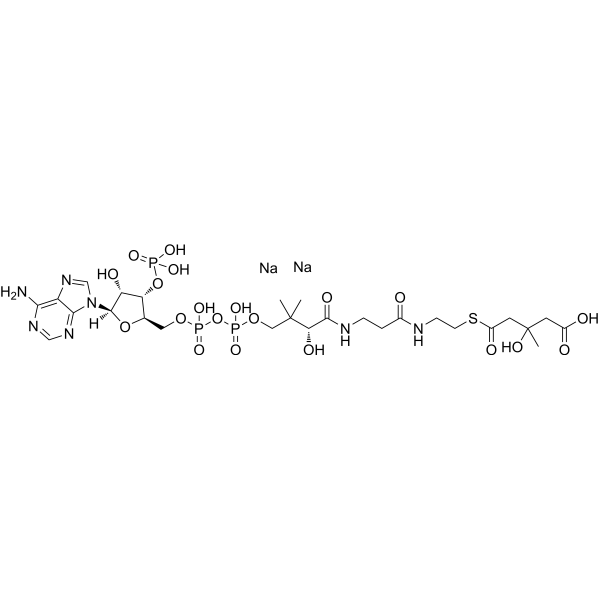
DL-3-Hydroxy-3-methylglutaryl coenzyme A disodium hydrate is a disodium salt compound of HMG-CoA, is a intermediate of terpenes and ketone bodies. DL-3-Hydroxy-3-methylglutaryl coenzyme A disodium also involves in ester metabolism in vivo, as a precursor for cholesterol synthesis, and regulates cholesterol synthesis by coupling LDL receptor .
loading...
    loading...
Cat. No.: HY-101529
CAS No.: 75689-93-9
Purity:  99.03%
Synonyms: HOE-402free base
Target:  

LDLR

Research Areas:  

Cardiovascular Disease

Imanixil (HOE-402 free base) is an orally active LDL receptor (LDLR) inducer. Imanixil can reduce cholesterol levels by inhibiting VLDL-lipid production. Imanixil can delay atherosclerosis profession. Imanixil can be used for the research of cardiovascular disease, such as atherosclerosis .
loading...
    loading...
Cat. No.: HY-126726
CAS No.: 439904-33-3
Purity:  99.00%
Research Areas:  

Others

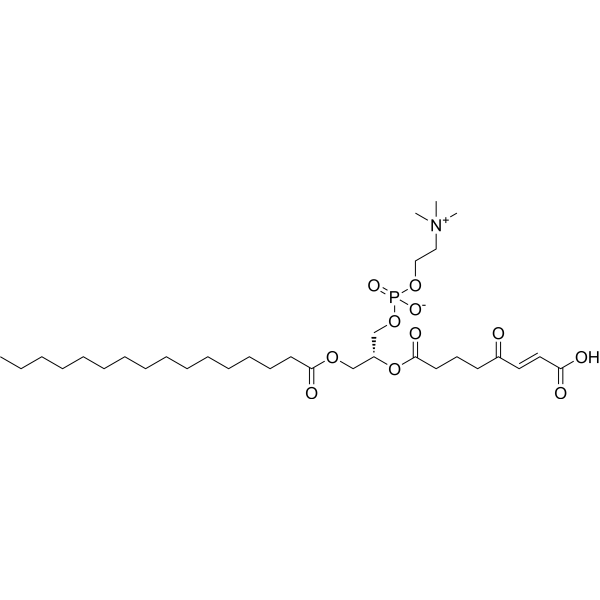
Oxidized low-density lipoprotein (oxLDL) particles contain low molecular weight species that are cytotoxic and proatherogenic. Many of these species were recently isolated and purified from oxLDL and identified as phosphatidylcholine species containing fragmented oxidized short-chain fatty acid residues at the sn-2 position. 1-(Palmitoyl)-2-(5-keto-6-octene-dioyl)phosphatidylcholine or KOdiA-PC is one of the most potent CD36 ligands of the oxLDL species. KOdiA-PC confers CD36 scavenger receptor binding affinity to LDL at a frequency of only 2 to 3 KOdiA-PC molecules/LDL particle and may be one of the more important structural determinants of oxLDL.
loading...
    loading...
Cat. No.: HY-P99552
CAS No.: 2225109-03-3
Synonyms: IBI306
Target:  

PCSK9

Research Areas:  

Cardiovascular Disease

Tafolecimab (IBI306) is a human lgG2 monoclonal antibody that specifically binds PCSK-9 and reduces LDL-C levels by inhibiting PCSK-9-mediated endocytosis of the LDL receptor, which in turn enhances clearance of LDL-C and leads to a reduction in LDL-C levels. Tafolecimab may be used in studies of hypercholesterolaemia .
loading...
    loading...

