146 Results for "

Metabolism intermediates

" in MedChemExpress (MCE) Product Catalog:
Products (146)

146 Results for "Metabolism intermediates" in MCE Product Catalog:

loading...
    loading...
8
8 Cited Publications
Cat. No.: HY-W010347
CAS No.: 6027-13-0
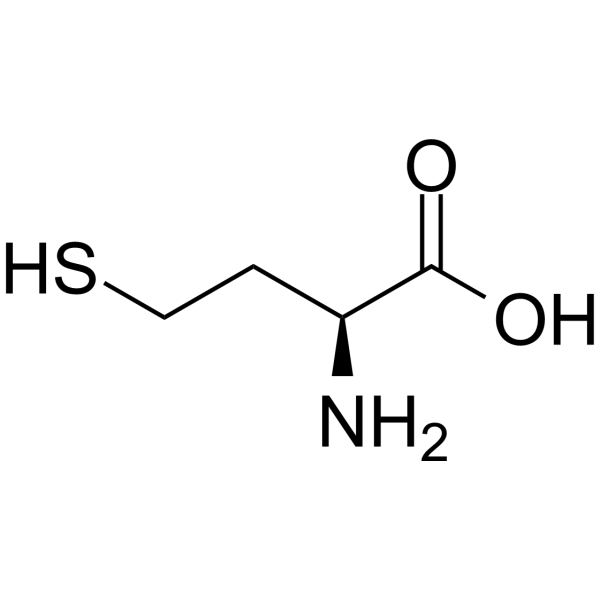
L-Homocysteine, an amino acid, is a homocysteine that has L configuration. Homocysteine is an essential intermediate in normal mammalian metabolism of methionine. L-Homocysteine induces upregulation of Cathepsin V that mediates vascular endothelial inflammation in hyperhomocysteinaemia .
loading...
    loading...
8
8 Cited Publications
Cat. No.: HY-113596
CAS No.: 102029-73-2
Purity:  99.22%
Synonyms: Acetyl-CoA trisodium
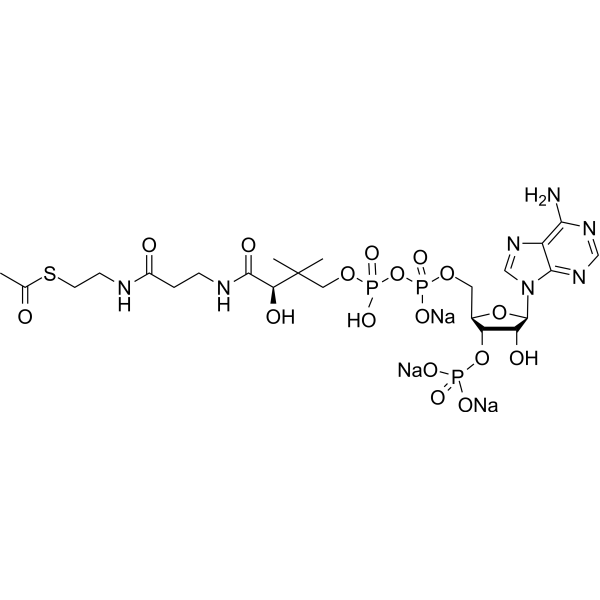
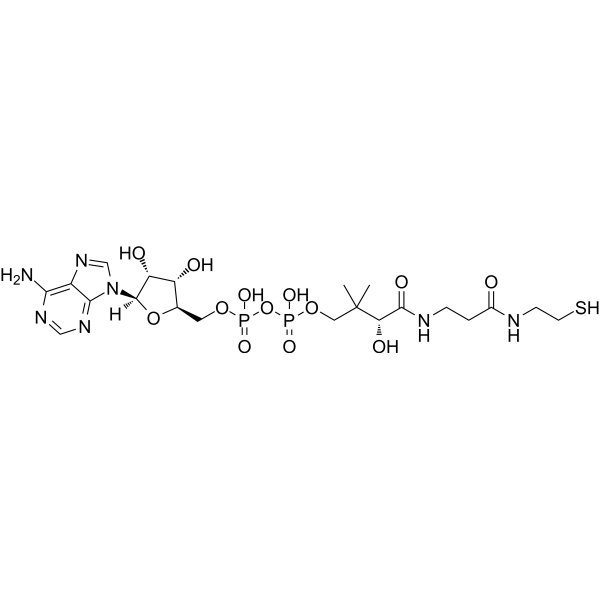
Acetyl-coenzyme A (Acetyl-CoA) trisodium is a membrane-impermeant central metabolic intermediate, participates in the TCA cycle and oxidative phosphorylation metabolism. Acetyl-coenzyme A trisodium, regulates various cellular mechanisms by providing (sole donor) acetyl groups to target amino acid residues for post-translational acetylation reactions of proteins. Acetyl Coenzyme A trisodium is also a key precursor of lipid synthesis .
loading...
    loading...
8
8 Cited Publications
Cat. No.: HY-113596A
CAS No.: 32140-51-5
Purity:  97%
Synonyms: Acetyl-CoA lithium
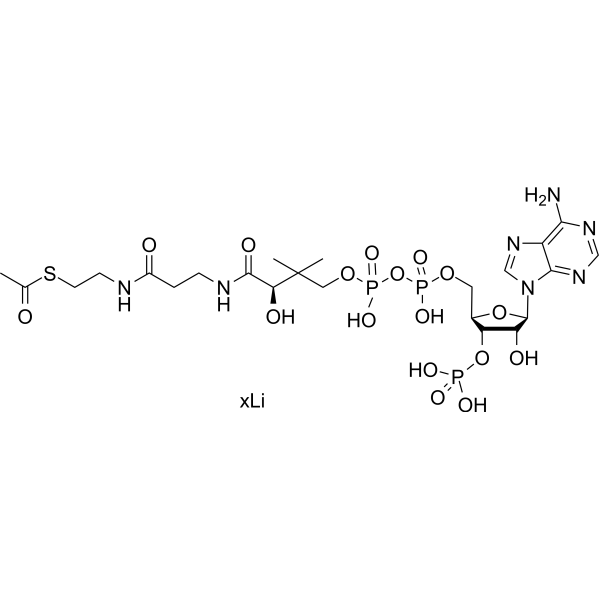
Acetyl-coenzyme A (Acetyl-CoA) lithium is a membrane-impermeant central metabolic intermediate, participates in the TCA cycle and oxidative phosphorylation metabolism. Acetyl-coenzyme A lithium, regulates various cellular mechanisms by providing (sole donor) acetyl groups to target amino acid residues for post-translational acetylation reactions of proteins. Acetyl Coenzyme A lithium is also a key precursor of lipid synthesis .
loading...
    loading...
5
5 Cited Publications
Cat. No.: HY-W015495
CAS No.: 5988-19-2
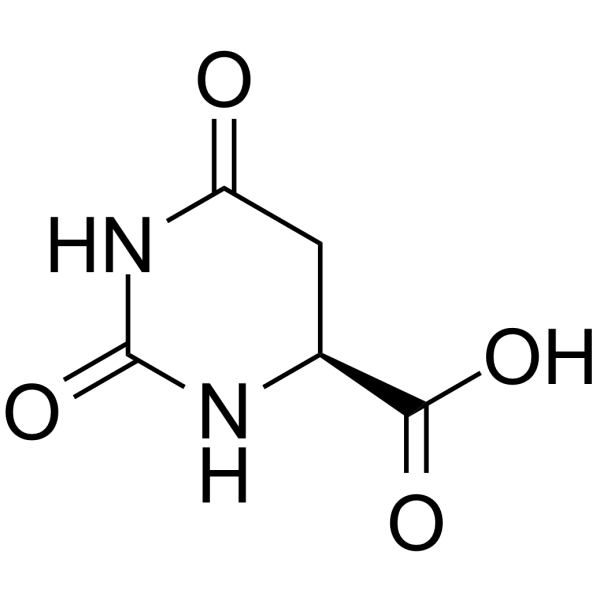
L-Dihydroorotic acid is an important intermediate in the metabolism of orotic acid and a substrate of dihydroorotate dehydrogenase (DHODH). L-Dihydroorotic acid can reversibly hydrolyze to yield the acyclic L-ureidosuccinic acid by dihydrowhey enzyme .
loading...
    loading...
3
3 Cited Publications
Cat. No.: HY-76082
CAS No.: 98-79-3
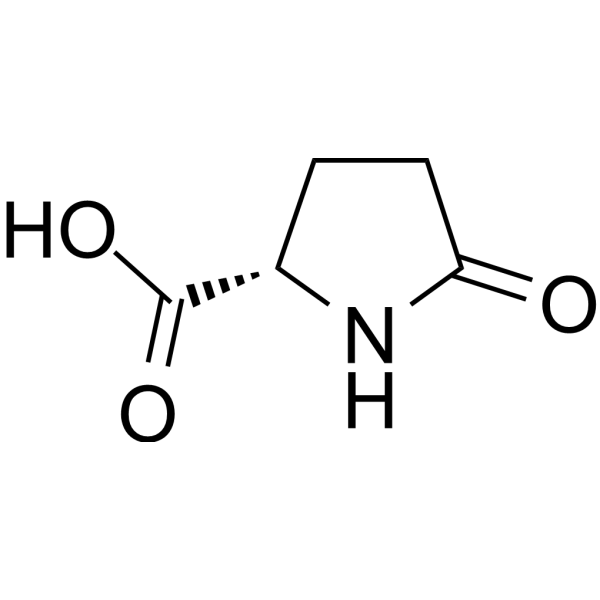
L-Pyroglutamic acid is the levo-isomer of Pyroglutamic acid. L-Pyroglutamic acid is the biologically active enantiomer in humans. Pyroglutamic acid is an intermediate in glutathione metabolism. L-Pyroglutamic acid can be used as a biomarker for systemic lupus erythematosus (SLE) .
loading...
    loading...
3
3 Cited Publications
Cat. No.: HY-76082A
CAS No.: 28874-51-3
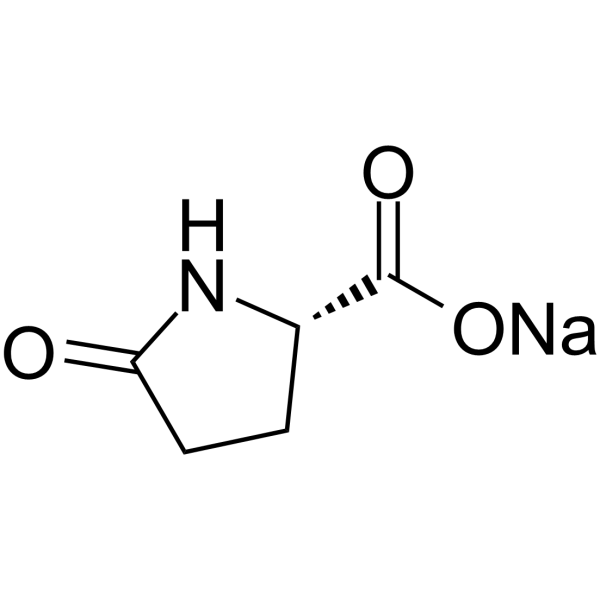
L-Pyroglutamic acid sodium is the levo-isomer of Pyroglutamic acid. L-Pyroglutamic acid sodium is the biologically active enantiomer in humans. Pyroglutamic acid is an intermediate in glutathione metabolism. L-Pyroglutamic acid sodium can be used as a biomarker for systemic lupus erythematosus (SLE) .
loading...
    loading...
2
2 Cited Publications
Cat. No.: HY-101017
CAS No.: 6865-14-1
Purity:  ≥98.0%
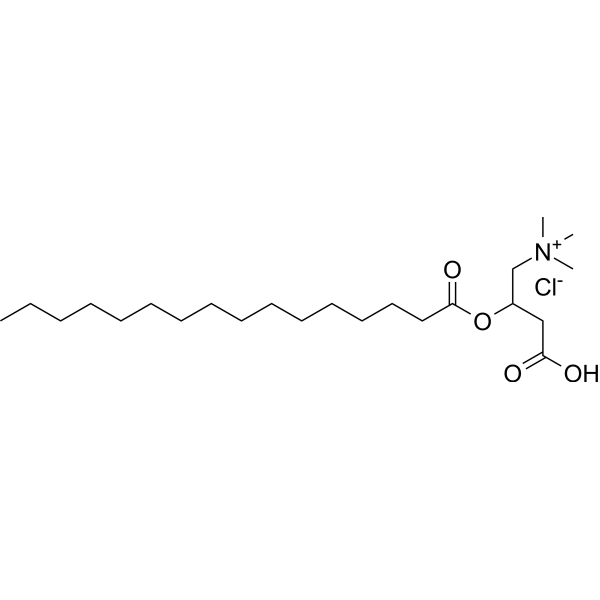
Palmitoylcarnitine chloride is a C16:0 long-chain acylcarnitine and an intermediate product of fatty acid oxidation. The level of Palmitoylcarnitine chloride in human prostate cancer tissues is higher than that in non-cancerous tissues. Palmitoylcarnitine chloride can be used in studies related to lipid metabolism associated with prostate cancer .
loading...
    loading...
2
2 Cited Publications
Cat. No.: HY-W653733
CAS No.: 331665-12-4
L-Homocysteine-d4 is deuterium labeled L-Homocysteine (HY-W010347) . L-Homocysteine, an amino acid, is a homocysteine that has L configuration. Homocysteine is an essential intermediate in normal mammalian metabolism of methionine. L-Homocysteine induces upregulation of Cathepsin V that mediates vascular endothelial inflammation in hyperhomocysteinaemia
loading...
    loading...
2
2 Cited Publications
Cat. No.: HY-23524
CAS No.: 346656-34-6
Target:  

Lipase

Research Areas:  

Metabolic Disease

HSL-IN-3 is a HSL inhibitor. HSL-IN-3 serves as an important intermediate for the synthesis of PARP-1 inhibitors. HSL-IN-3 can be used in studies related to lipid metabolism .
loading...
    loading...
2
2 Cited Publications
Cat. No.: HY-126357
CAS No.: 1935-18-8
Category:  

Lipids

Target:  

Endogenous Metabolite

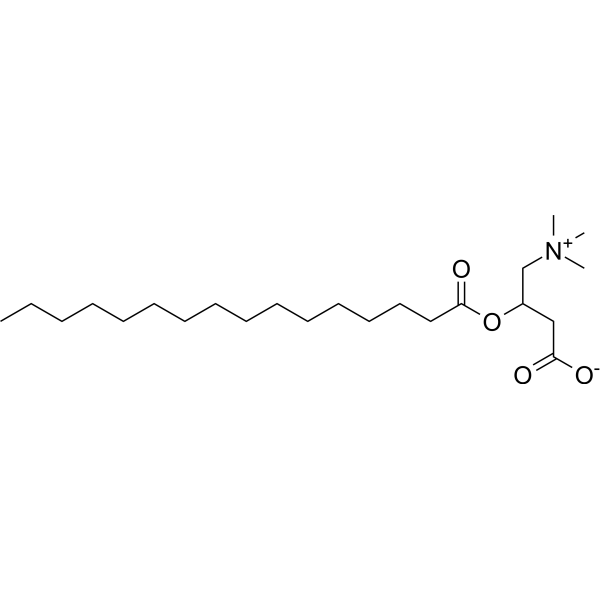
Palmitoylcarnitine is a C16:0 long-chain acylcarnitine and an intermediate product of fatty acid oxidation. The level of Palmitoylcarnitine in human prostate cancer tissues is higher than that in non-cancerous tissues. Palmitoylcarnitine can be used in studies related to lipid metabolism associated with prostate cancer .
loading...
    loading...
2
2 Cited Publications
Cat. No.: HY-P2733B
CAS No.: 9046-28-0
Synonyms: GPO, Aerococcus viridans
Target:  

Endogenous Metabolite

Research Areas:  

Metabolic Disease

Glycerol-3-phosphate oxidase, Aerococcus viridans (GPO, Aerococcus viridans) is a key intermediate in glycerol metabolism. Glycerol-3-phosphate oxidase is the skeleton of phospholipids in membrane lipids, and also a substrate of respiratory chain. Glycerol-3-phosphate oxidase produces electrons through oxidation .
loading...
    loading...
2
2 Cited Publications
Cat. No.: HY-P2733
CAS No.: 9046-28-0
Synonyms: GPO
Glycerol-3-phosphate oxidase, E. coli (GPO) is a key intermediate in glycerol metabolism. Glycerol-3-phosphate oxidase, E. coli is the skeleton of phospholipids in membrane lipids, and also a substrate in the respiratory chain. Glycerol-3-phosphate oxidase, E. coli produces electrons through oxidation. Glycerol-3-phosphate oxidase, E. coli is an enzyme with important functions in the field of biochemistry, and is widely used in medical testing and scientific research .
loading...
    loading...
1
1 Cited Publications
Cat. No.: HY-W008990
CAS No.: 25899-70-1
Synonyms: 5'-Xanthylic acid sodium salt
Target:  

DNA/RNA Synthesis

Research Areas:  

Metabolic Disease

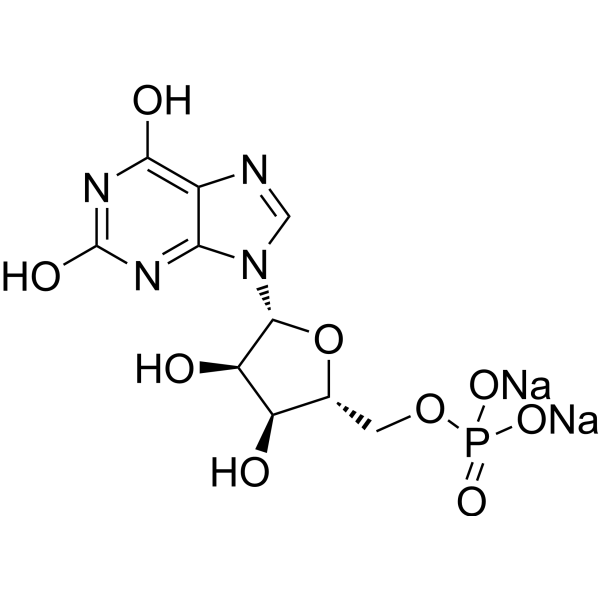
Xanthosine 5'-monophosphate sodium salt (5'-Xanthylic acid sodium salt) is an intermediate in purine metabolism. Xanthosine 5'-monophosphate sodium salt can be used for genetic code, nucleic acid structure, and DNA, RNA and protein synthesis research .
loading...
    loading...
1
1 Cited Publications
Cat. No.: HY-N0420S1
CAS No.: 14493-42-6
Synonyms: Wormwood acid-d4
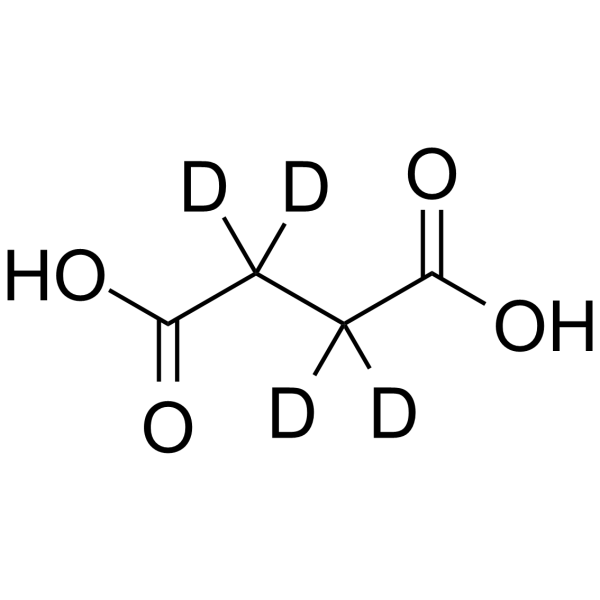
Succinic-2,2,3,3-d4 acid is the deuterium labeled Succinic acid. Succinic acid is an intermediate product of the tricarboxylic acid cycle, as well as one of fermentation products of anaerobic metabolism.
loading...
    loading...
1
1 Cited Publications
Cat. No.: HY-W010040
CAS No.: 156-39-8
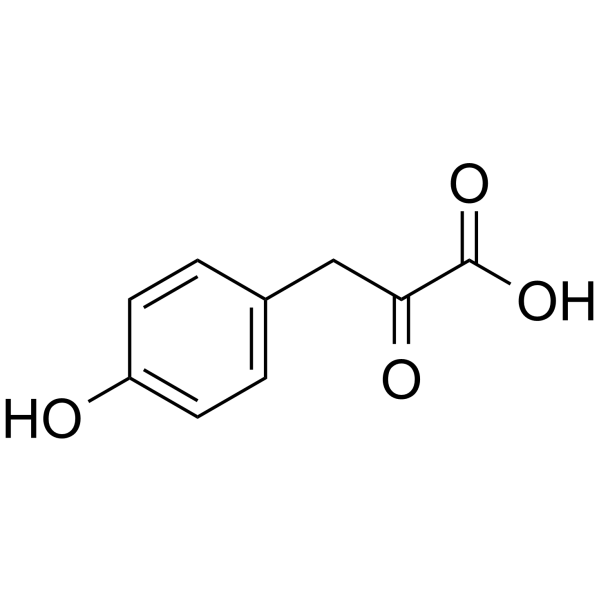
4-Hydroxyphenylpyruvic acid is an intermediate in the metabolism of the amino acid phenylalanine. 4-Hydroxyphenylpyruvic acid is a substrate of 4-hydroxyphenylpyruvic acid dioxygenase (HPPA). 4-Hydroxyphenylpyruvic acid can be used in the study of HPD-related diseases, such as type III tyrosinemia and hawkinsinuria .
loading...
    loading...
1
1 Cited Publications
Cat. No.: HY-112253A
CAS No.: 71662-09-4
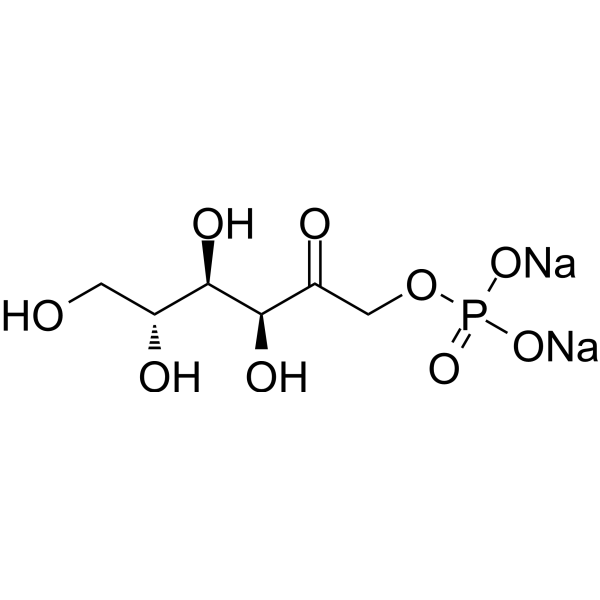
D-Fructose 1-phosphate disodium is a key intermediate metabolite in the fructose metabolic pathway. As a key signaling molecule linking fructose metabolism and glucose metabolic regulation, D-Fructose 1-phosphate disodium acts as an allosteric modulator to counteract the inhibitory effect of the glucokinase-regulatory protein complex, thereby finely regulating the direction of hepatic glucose metabolism at the substrate level .
loading...
    loading...
1
1 Cited Publications
Cat. No.: HY-76082S
CAS No.: 1086136-22-2
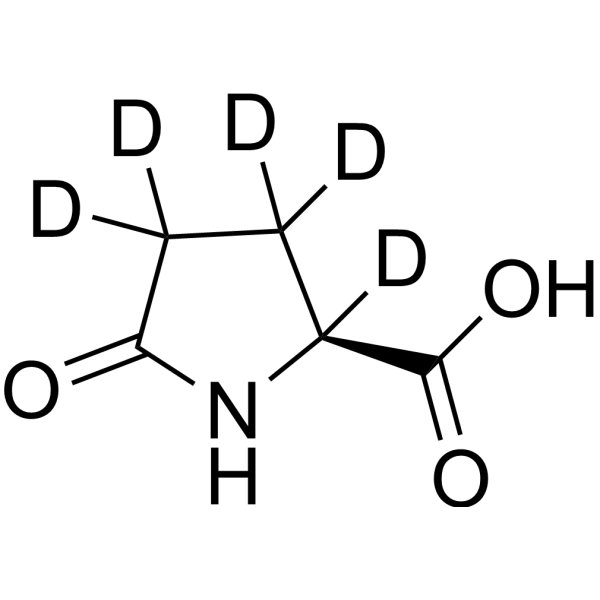
L-Pyroglutamic acid-d5 is the deuterium labeled L-Pyroglutamic acid (HY-76082). L-Pyroglutamic acid is the levo-isomer of Pyroglutamic acid. L-Pyroglutamic acid is the biologically active enantiomer in humans. Pyroglutamic acid is an intermediate in glutathione metabolism.
loading...
    loading...
1
1 Cited Publications
Cat. No.: HY-Y0641
CAS No.: 39515-51-0
Synonyms: m-Phenoxybenzaldehyde
Target:  

Drug Intermediate

Research Areas:  

Others

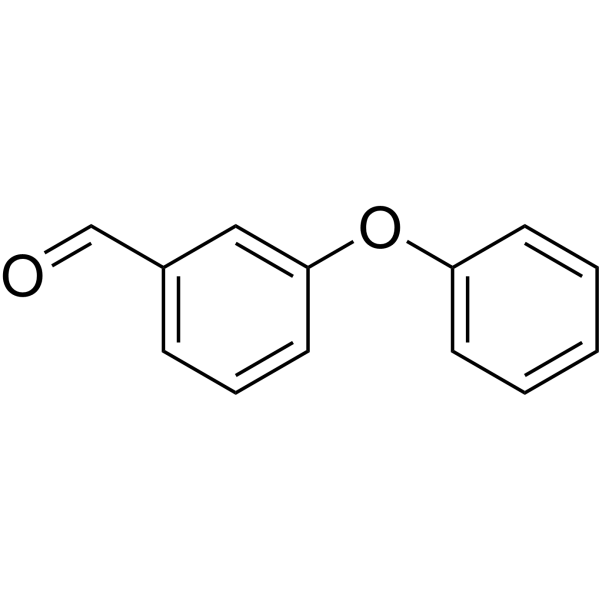
3-Phenoxybenzaldehyde (m-Phenoxybenzaldehyde) is the major product of CYP6AA3-mediated deltamethrin metabolism, generated by oxidative cleavage of deltamethrin. 3-Phenoxybenzaldehyde often serves as an intermediate .
loading...
    loading...
1
1 Cited Publications
Cat. No.: HY-137899
CAS No.: 3633-59-8
Purity:  96.00%
Dephospho-CoA is a key intermediate in the biosynthesis of coenzyme A (CoA), which is catalyzed to form CoA by GTP-dependent Dephospho-CoA kinase (DPCK). Dephospho-CoA completes the final synthetic step of CoA via phosphorylation and participates in energy metabolism and cellular signal transduction. Dephospho-CoA can be used in studies involving cancer (e.g., regulation of cell proliferation) and metabolic diseases (e.g., mitochondrial dysfunction) .
loading...
    loading...

