18 Results for "

NOD mice

" in MedChemExpress (MCE) Product Catalog:
Products (18)

18 Results for "NOD mice" in MCE Product Catalog:

1
1 Cited Publications
Cat. No.: HY-P5522A
Synonyms: L-Ala-γ-D-Glu-meso-diaminopimelic acid dihydrochloride
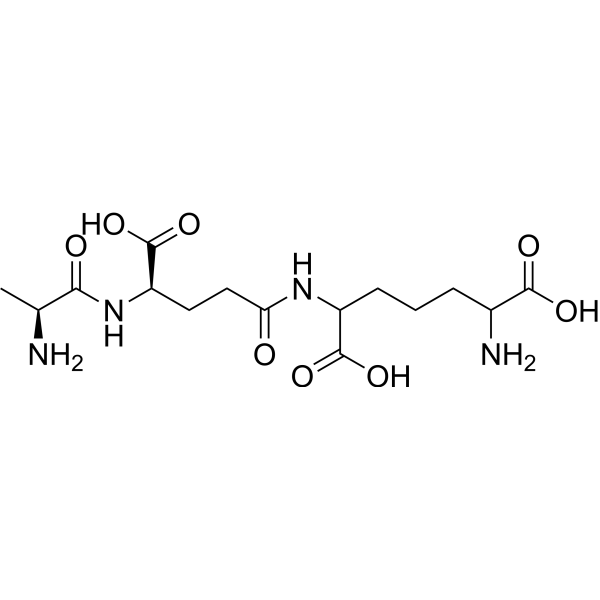
TriDAP dihydrochloride (L-Ala-γ-D-Glu-meso-diaminopimelic acid dihydrochloride) is a NOD1 agonist with a Kd value of 34.5 μM. TriDAP dihydrochloride enhances the binding of NOD1-RICK, promotes RICK phosphorylation, and activates the NF-κB, TAK1, MEK/ERK, p38 and interferon response pathways. TriDAP dihydrochloride downregulates Runx2 via increasing ubiquitination and reduces trabecular bone parameters. TriDAP dihydrochloride decreases IκBα levels and increases p65 levels. TriDAP dihydrochloride induces the secretion of proinflammatory mediators IL-8 and prostaglandins, triggers tissue inflammation and innate immune activation, and inhibits SARS-CoV-2 replication in lung epithelial cells. TriDAP dihydrochloride increases the RANKL/OPG ratio in mice, reduces bone mass and enhances osteoclast activity, and inhibits new bone formation by decreasing the mineralization deposition rate in mice. TriDAP dihydrochloride can be used in research related to pulpitis, chronic ulcerative colitis, Crohn's disease and SARS-CoV-2 infection .
loading...
    loading...
Cat. No.: HY-P5523A
iE-DAP dihydrochloride is a Nod1 agonist. iE-DAP dihydrochloride activates NOD1, which in turn activates the NF-κB signaling pathway and MLCK signaling pathway, inducing cellular inflammatory responses and tight junction disruption. iE-DAP dihydrochloride downregulates the expression of ZO-1 and Occludin genes. iE-DAP dihydrochloride increases the secretion of IL-6, GRO-α, MCP-1, IL-8 and MIP-1β in term human trophoblast cell cultures. iE-DAP dihydrochloride triggers preterm birth in pregnant mice, reduces fetal body weight, and induces fetal inflammation. iE-DAP dihydrochloride can be used in studies related to mastitis and preterm birth .
loading...
    loading...
Cat. No.: HY-P99148

Target:  

TNF Receptor

Anti-Mouse TNF alpha Antibody (TN3-19.12) is an anti-mouse TNF alpha IgG antibody inhibitor derived from host Armenian Hamster. Anti-Mouse TNF alpha Antibody (TN3-19.12) neutralizes cytotoxic activity in supernatants obtained from LNC-8 cells. Anti-Mouse TNF alpha Antibody (TN3-19.12) reduces the symptoms and severity of EAE (experimental allergic encephalomyelitis) in LNC-8 cells xenograft mice models. Anti-Mouse TNF alpha Antibody (TN3-19.12) prevents diabetes in NOD mice. Anti-Mouse TNF alpha Antibody (TN3-19.12) shows apparent radiosensitizing effect in CD2F1 mice .
loading...
    loading...
Cat. No.: HY-P5489
CAS No.: 849069-99-4
Target:  

IFNAR

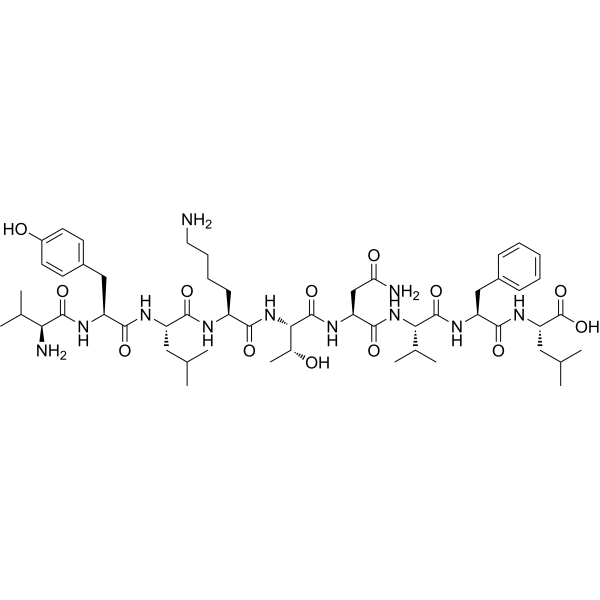
IGRP(206-214) is a biological active peptide. IGRP(206-214) corresponds to residues 206-214 of murine islet-specific glucose-6-phosphatase catalytic subunit-related protein (IGRP). IGRP(206-214) is T cells specific for proinsulin and IGRP induces diabetes in non-obese diabetic (NOD) mice .
loading...
    loading...
Cat. No.: HY-105063
CAS No.: 179822-83-4
Purity:  99.89%
Target:  

HSP

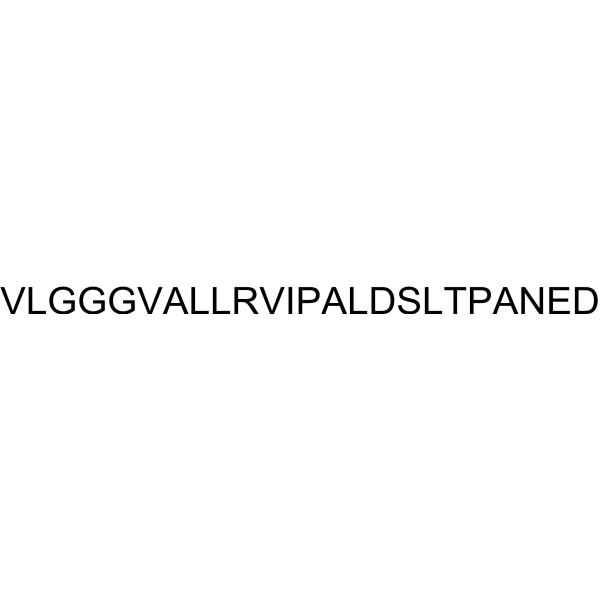
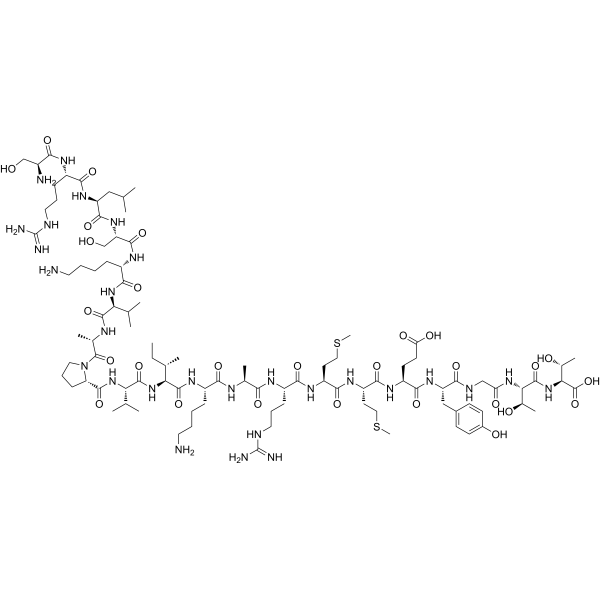
DiaPep277 is a 24 amino acid peptide derived from positions 437-460 in HSP60. DiaPep277 arrests the progression of β-cell destruction in NOD mice. DiaPep277 has an immune modulatory effect on diabetogenic T cells in animal models of diabetes .
loading...
    loading...
Cat. No.: HY-P5396A
Research Areas:  

Others

GAD65 (524-543) acetate is a biological active peptide with amino acids 524 to 543 fragment of glutamic acid decarboxylase 65 (GAD65). GAD65 (524-543) acetate is one of the first fragments of the islet antigen to induce proliferative T cell responses in the non-obese diabetic (NOD) mouse model of spontaneous autoimmune diabetes. GAD65 (524-543) acetate is a specific, possibly low affinity, stimulus for the spontaneously arising diabetogenic T cell clone BDC2.5. Immunization with GAD65 (524-543) acetate increases the susceptibility of the NOD mice to type 1 diabetes induced by the adoptive transfer of BDC2.5 T cells .
loading...
    loading...
Cat. No.: HY-P5523
CAS No.: 592520-07-5
iE-DAP is a Nod1 agonist. iE-DAP activates NOD1, which in turn activates the NF-κB signaling pathway and MLCK signaling pathway, inducing cellular inflammatory responses and tight junction disruption. iE-DAP downregulates the expression of ZO-1 and Occludin genes. iE-DAP increases the secretion of IL-6, GRO-α, MCP-1, IL-8 and MIP-1β in term human trophoblast cell cultures. iE-DAP triggers preterm birth in pregnant mice, reduces fetal body weight, and induces fetal inflammation. iE-DAP is applicable to research related to mastitis and preterm birth .
loading...
    loading...
Cat. No.: HY-106055
CAS No.: 74817-61-1
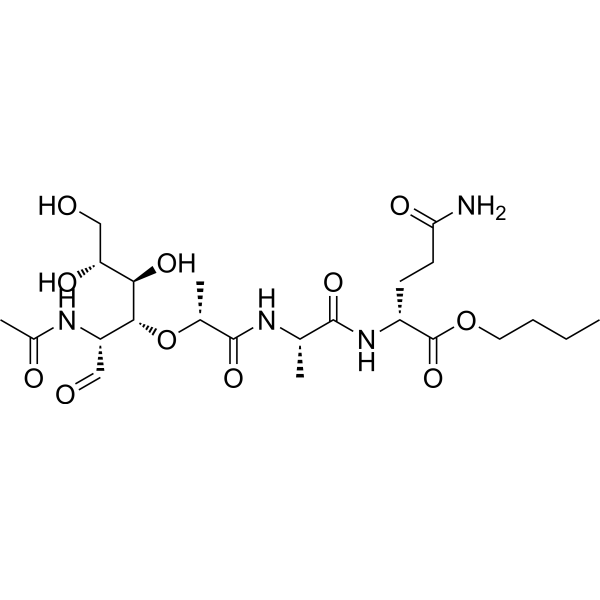
Murabutide is an immunomodulator and also a NOD2 receptor agonist . Murabutide enhances the signal transduction of ATR and NOD2, mediates the activation of the DDR pathway, and thereby repairs radiation-induced DNA double-strand breaks. Murabutide inhibits radiation-induced cell apoptosis and protects cells and mice from radiation-induced toxic damage. Murabutide induces the expression and DNA-binding activity of Oct-1 in macrophages, thereby inhibiting the transcription and replication of HIV-1. Murabutide reduces the expression levels of CD4 and CCR5 on the surface of macrophages, and induces the secretion of β-chemokines, TNF-α and IL-6. Murabutide enhances non-specific viral resistance and targets reticuloendothelial cells. Murabutide can be used in research related to radiation-induced damage and human immunodeficiency virus type 1 infection .
loading...
    loading...
Cat. No.: HY-P5522
CAS No.: 877462-71-0
Synonyms: L-Ala-γ-D-Glu-meso-diaminopimelic acid
TriDAP (L-Ala-γ-D-Glu-meso-diaminopimelic acid) is a NOD1 agonist with a Kd value of 34.5 μM. TriDAP enhances the binding of NOD1-RICK, promotes RICK phosphorylation, and activates the NF-κB, TAK1, MEK/ERK, p38 and interferon response pathways. TriDAP downregulates Runx2 via increasing ubiquitination and reduces trabecular bone parameters. TriDAP decreases IκBα levels and increases p65 levels. TriDAP induces the secretion of proinflammatory mediators IL-8 and prostaglandins, triggers tissue inflammation and innate immune activation, and inhibits SARS-CoV-2 replication in lung epithelial cells. TriDAP increases the RANKL/OPG ratio in mice, reduces bone mass and enhances osteoclast activity, and inhibits new bone formation by decreasing the mineralization deposition rate in mice. TriDAP can be used in research related to pulpitis, chronic ulcerative colitis, Crohn's disease and SARS-CoV-2 infection .
loading...
    loading...
Cat. No.: HY-129577
CAS No.: 6790-63-2
Aplysin is a brominated sesquiterpene with an isoprene backbone that exhibits hepatoprotective, immunomodulatory, and antitumor activities. Aplysin effectively prevents spontaneous pancreatic necrosis and inflammatory responses in NOD mice .
loading...
    loading...
Cat. No.: HY-174437
CAS No.: 3047195-48-9
Target:  

FLT3 Apoptosis

Research Areas:  

Cancer

FLT3-IN-32 is a potent and orally active FLT3 inhibitor. FLT3-IN-32 shows high selectivity for FLT3 and efficiently inhibits FLT3-activating mutations and induces apoptosis. FLT3-IN-32 shows good tolerability in non-tumor bearing mice. FLT3-IN-32 demonstrates outstanding anti-tumor efficacy in MV4-11 bearing NOD/SCID mice, prolonging the survival noticeably. FLT3-IN-32 can be used for the research of acute myeloid leukemia .
loading...
    loading...
Cat. No.: HY-P5396
CAS No.: 152468-44-5
Research Areas:  

Others

GAD65 (524-543) is a biological active peptide with amino acids 524 to 543 fragment of glutamic acid decarboxylase 65 (GAD65). GAD65 (524-543) is one of the first fragments of islet antigen to induce proliferative T cell responses in the non-obese diabetic (NOD) mouse model of spontaneous autoimmune diabetes. GAD65 (524-543) is a specific, possibly low affinity, stimulus for the spontaneously arising diabetogenic T cell clone BDC2.5. Immunization with GAD65 (524-543) increases the susceptibility of the NOD mice to type 1 diabetes induced by the adoptive transfer of BDC2.5 T cells .
loading...
    loading...
Cat. No.: HY-172617
CAS No.: 877810-03-2
Research Areas:  

Cancer

APD-94 is a dual inhibitor targeting tubulin and Bmi-1. APD-94 interfers tubulin normal polymerization. APD-94 suppresses the expression of Bmi-1. APD-94 causes cell cycle arrest at the G2/M phase in cancer cells and induces apoptosis, thus inhibiting cancer cell proliferation. APD-94 represses the growth of HT29 cell xenografts in NOD/SCID mice. APD-94 can be used for colorectal cancer study .
loading...
    loading...
Cat. No.: HY-178899
CAS No.: 1863978-06-6
C14-Tri-LAN-Gly is a highly selective and potent NOD1 agonist. C14-Tri-LAN-Gly activates NOD1. C14-Tri-LAN-Gly inhibits the expression of cleaved-caspase3. C14-Tri-LAN-Gly upregulates A20 expression. C14-Tri-LAN-Gly protects mice from lethal hepatitis by inhibiting hepatocyte Apoptosis. C14-Tri-LAN-Gly inhibits osteoblastogenesis and promots osteoclastogenesis .
loading...
    loading...
Cat. No.: HY-P5522AS
Synonyms: L-Ala-γ-D-Glu-meso-diaminopimelic acid-13C3,15N dihydrochloride
TriDAP- 13C3, 15N (L-Ala-γ-D-Glu-meso-diaminopimelic acid- 13C3, 15N) dihydrochloride is the 13C, 15N-labeled TriDAP dihydrochloride (HY-P5522A). TriDAP dihydrochloride (L-Ala-γ-D-Glu-meso-diaminopimelic acid dihydrochloride) is a NOD1 agonist with a Kd value of 34.5 μM. TriDAP dihydrochloride enhances the binding of NOD1-RICK, promotes RICK phosphorylation, and activates the NF-κB, TAK1, MEK/ERK, p38 and interferon response pathways. TriDAP dihydrochloride downregulates Runx2 via increasing ubiquitination and reduces trabecular bone parameters. TriDAP dihydrochloride decreases IκBα levels and increases p65 levels. TriDAP dihydrochloride induces the secretion of proinflammatory mediators IL-8 and prostaglandins, triggers tissue inflammation and innate immune activation, and inhibits SARS-CoV-2 replication in lung epithelial cells. TriDAP dihydrochloride increases the RANKL/OPG ratio in mice, reduces bone mass and enhances osteoclast activity, and inhibits new bone formation by decreasing the mineralization deposition rate in mice. TriDAP dihydrochloride can be used in research related to pulpitis, chronic ulcerative colitis, Crohn's disease and SARS-CoV-2 infection .
loading...
    loading...
Cat. No.: HY-P992555
Anti-Mouse BTLA/CD272 Antibody (6F7) is an anti-BTLA antibody that binds BTLA/CD272 and depletes BTLA + cells. Anti-Mouse BTLA/CD272 Antibody (6F7) increases IL-4, IL-10, IL-2, and IFN-γ expression, and decreases anti-PD-1-enhanced IL-12 (p40/p70). Anti-Mouse BTLA/CD272 Antibody (6F7) delays the onset of spontaneous diabetes in aged but not young female NOD mice, attenuates anti-PD-1-induced diabetes in both age groups, protects prediabetic NOD mice from anti-PD-1-induced insulitis, and reduces pancreatic islet B/helper T cell infiltration. Anti-Mouse BTLA/CD272 Antibody (6F7) can be used for research on type 1 diabetes and insulitis .
loading...
    loading...
Cat. No.: HY-P5523AS
iE-DAP- 13C5, 15N dihydrochloride is the 13C, 15N-labeled iE-DAP dihydrochloride (HY-P5523A). iE-DAP dihydrochloride is a Nod1 agonist. iE-DAP dihydrochloride activates NOD1, which in turn activates the NF-κB signaling pathway and MLCK signaling pathway, inducing cellular inflammatory responses and tight junction disruption. iE-DAP dihydrochloride downregulates the expression of ZO-1 and Occludin genes. iE-DAP dihydrochloride increases the secretion of IL-6, GRO-α, MCP-1, IL-8 and MIP-1β in term human trophoblast cell cultures. iE-DAP dihydrochloride triggers preterm birth in pregnant mice, reduces fetal body weight, and induces fetal inflammation. iE-DAP dihydrochloride can be used in studies related to mastitis and preterm birth .
loading...
    loading...
Cat. No.: HY-P992574
Target:  

STAT IFNAR

Anti-Mouse CD226/DNAM-1 Antibody (480.1) is a rat IgG2a κ isotype blocking monoclonal antibody targeting CD226. Anti-Mouse CD226/DNAM-1 Antibody (480.1) competitively blocks the interaction between CD226 and its ligand CD155, inhibiting CD226-mediated costimulatory signaling. Anti-Mouse CD226/DNAM-1 Antibody (480.1) reduces CD4 + and CD8 + effector T cell proliferation and IFN‑γ secretion, and elevates STAT5 phosphorylation levels in regulatory T cells. Anti-Mouse CD226/DNAM-1 Antibody (480.1) attenuates the severity of insulitis in NOD mice, reduces the risk of type 1 diabetes onset, and decreases infiltration of islet-specific IGRP-reactive CD8 + T cells. Anti-Mouse CD226/DNAM-1 Antibody (480.1) can be used for research on CD226-mediated diseases, such as type 1 diabetes .
loading...
    loading...
  • 1

