20 Results for "

PD-1 blockade

" in MedChemExpress (MCE) Product Catalog:
Products (20)

20 Results for "PD-1 blockade" in MCE Product Catalog:

37
37 Publications Verification
Cat. No.: HY-P9902A
Synonyms: MK-3475 (anti-PD-1); Lambrolizumab (anti-PD-1)

Target:  

PD-1/PD-L1

Research Areas:  

Cancer

Pembrolizumab (anti-PD-1) is a humanized IgG4 antibody and PD-1 inhibitor. Pembrolizumab produces PD-1 blockade, preventing PD-L1 and PD-L2 from connecting to PD-1. This avoids the uncontrolled regulation of T cells on cells that normally express PD-1 .
loading...
    loading...
6
6 Cited Publications
Cat. No.: HY-16961
CAS No.: 1123837-84-2
Synonyms: MGCD516; MG-516
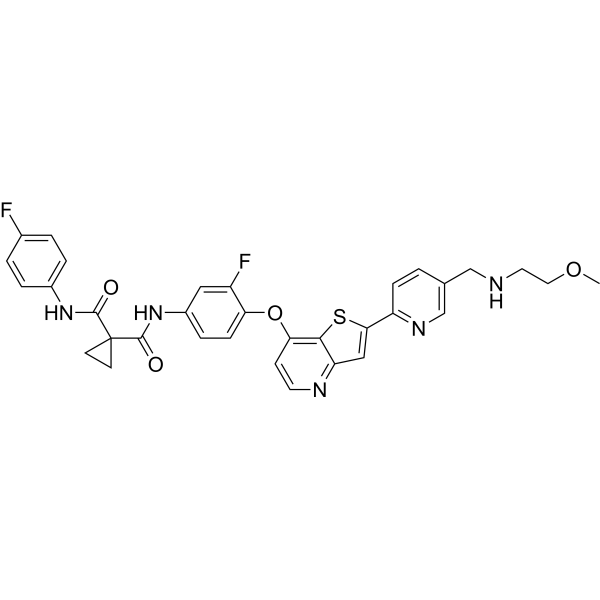
Sitravatinib (MGCD516) is an orally bioavailable receptor tyrosine kinase (RTK) inhibitor with IC50s of 1.5 nM, 2 nM, 2 nM, 5 nM, 6 nM, 6 nM, 8 nM, 0.5 nM, 29 nM, 5 nM, and 9 nM for Axl, MER, VEGFR3, VEGFR2, VEGFR1, KIT, FLT3, DDR2, DDR1, TRKA, TRKB, respectively . Sitravatinib shows potent single-agent antitumor efficacy and enhances the activity of PD-1 blockade through promoting an antitumor immune microenvironment .
loading...
    loading...
2
2 Cited Publications
Cat. No.: HY-128679
CAS No.: 1893397-65-3
Purity:  99.92%
Target:  

IKK

Research Areas:  

Cancer

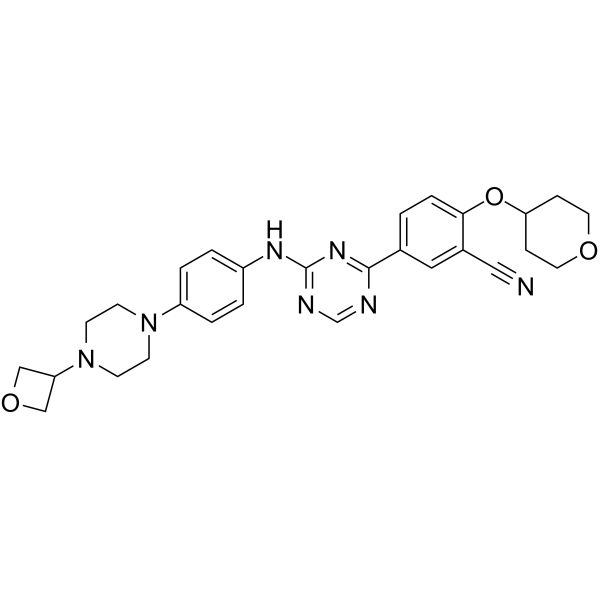
TBK1/IKKε-IN-5 (compound 1) is an orally active TBK1 and IKKε dual inhibitor, with IC50 values of 1 and 5.6 nM, respectively. TBK1/IKKε-IN-5 enhances the blockade response to PD-1 and induces immune memory in rats when combines with anti-PD-L1. TBK1/IKKε-IN-5 can be used in cancer research, especially in tumour immunity .
loading...
    loading...
Cat. No.: HY-P991740

Research Areas:  

Cancer

IBI-363 is a PD-1/IL-2 bispecific antibody with functions of blocking the PD-1/PD-L1 pathway and activating the IL-2 pathway. The IL-2 arm of IBI-363 retains affinity for IL-2Rα but attenuates binding ability to IL-2Rβ and IL-2Rγ to reduce toxicity. The PD-1 binding arm of IBI-363 enables PD-1 blockade and selective delivery of IL-2. IBI-363 can be used in cancer research, such as non-small cell lung cancer .
loading...
    loading...
Cat. No.: HY-P99916
CAS No.: 2449199-61-3
Synonyms: AMG 427
Target:  

FLT3 CD3 TNF Receptor

Research Areas:  

Inflammation/Immunology Cancer

Emirodatamab (AMG-427) is a bispecific T-cell engager (BiTE). Emirodatamab simultaneously binds FLT3 on the surface of acute myeloid leukemia (AML) cells and CD3 on the surface of T cells, thereby precisely recruiting immune effector cells to tumor sites. Emirodatamab potently induces T cell activation, secretion of proinflammatory cytokines (such as IFNγ, TNFα), and specific cytotoxicity, effectively lysing FLT3-positive tumor cells and inhibiting their growth. Emirodatamab not only significantly prolongs survival in mouse xenograft models and eliminates diseased cells in primates, but also exhibits a synergistic enhancement effect when combined with PD-1 blockade therapy. Emirodatamab is used in studies of acute myeloid leukemia, especially relapsed or refractory cases .
loading...
    loading...
Cat. No.: HY-P991193

Target:  

TNF Receptor

Research Areas:  

Cancer

NGM-438 is a humanized monoclonal antibody antagonist of LAIR1, with a Ka of 0.26 nM for human LAIR1 and 4.28 nM for cynomolgus monkey LAIR1. NGM-438 blocks the binding of LAIR1 to its Collagen ligand and antagonizes the Collagen-induced LAIR1 signaling pathway. NGM-438 reverses FcγR signaling inhibition in myeloid cells, induces dendritic cells to secrete TNFα, promotes T cell proliferation, and triggers myeloid inflammation and allogeneic T cell responses. NGM-438 sensitizes refractory mouse lung cancer to PD-1 blockade, increases the content of intratumoral CD8 + T cells and the expression of inflammatory genes. NGM-438 is applicable to research related to solid tumors, refractory solid tumors and non-small cell lung cancer .
loading...
    loading...
Cat. No.: HY-144501
CAS No.: 2230218-36-5
Purity:  98.14%
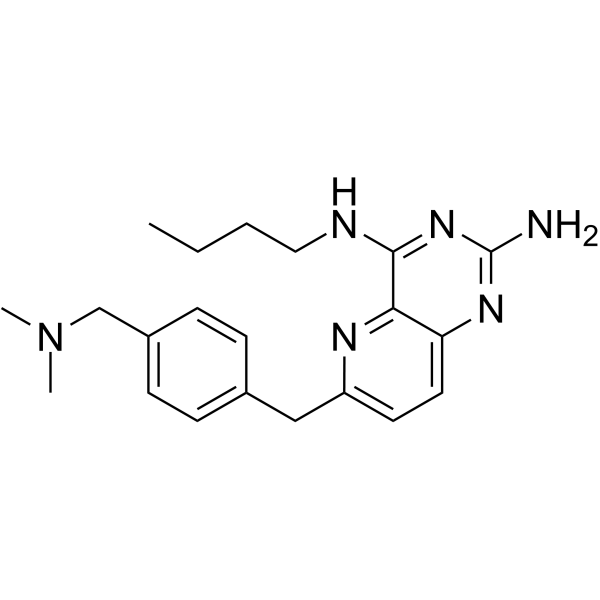
D18 is an immune modulator. D18 acts as a TLR7/8 dual agonist (EC50 = 24 nM for hTLR7 and 10 nM for hTLR8, respectively). D18 increases PD-L1 expression through epigenetic regulation, thus sensitizing tumors to PD-1/PD-L1 blockade. D18 is a ADC cytotoxin uesd for the systhesis of ADC HE-S2 (HY-144497). D18 has strong immune activation and anti-tumor activity. D18 commonly used in cancer research, such as colon cancer .
loading...
    loading...
Cat. No.: HY-155847
CAS No.: 3052262-64-0
Purity:  99.80%
Target:  

Phosphatase PD-1/PD-L1

Research Areas:  

Inflammation/Immunology Cancer

LYP-IN-3 is a selective, orally active and reversible lymphoid-tyrosine phosphatase (LYP) inhibitor (IC50 = 2.55 μM, Ki = 0.93 μM). D34 exhibits high selectivity of PTP1B, PTPN12, PTPN5 and SSH2. LYP-IN-3 regulates the T-cell receptor (TCR) signaling by specifically inhibiting LYP. LYP-IN-3 does not significantly inhibit MC38 cell viability; its anti-tumor effect stems from immune regulation. LYP-IN-3 can significantly upregulate PD-L1 or PD-1 expression in different immune cells. LYP-IN-3 facilitates T-cell infiltration and enhances T-cell functions. LYP-IN-3 synergizes with PD-L1 blockade can significantly improve colorectal tumor regression. LYP-IN-3 can be used for the study of colorectal cancer .
loading...
    loading...
Cat. No.: HY-16961A
CAS No.: 2244864-88-6
Synonyms: MGCD516 malate; MG-516 malate
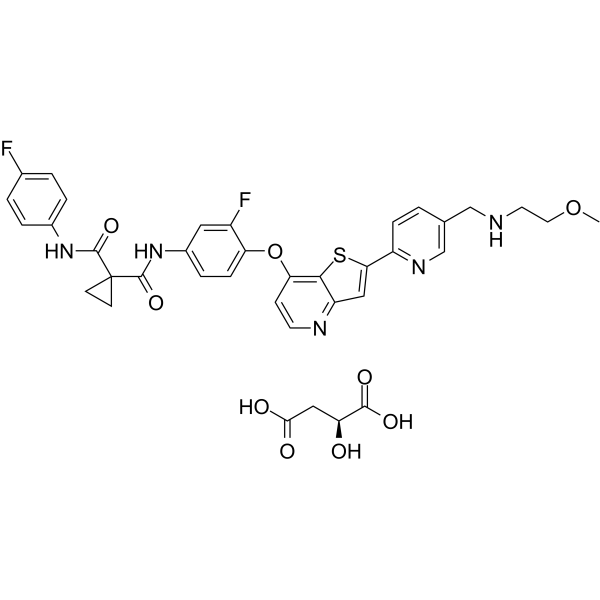
Sitravatinib malate (MGCD516 malate) is an orally bioavailable receptor tyrosine kinase (RTK) inhibitor with IC50s of 1.5 nM, 2 nM, 2 nM, 5 nM, 6 nM, 6 nM, 8 nM, 0.5 nM, 29 nM, 5 nM, and 9 nM for Axl, MER, VEGFR3, VEGFR2, VEGFR1, KIT, FLT3, DDR2, DDR1, TRKA, TRKB, respectively . Sitravatinib malate shows potent single-agent antitumor efficacy and enhances the activity of PD-1 blockade through promoting an antitumor immune microenvironment .
loading...
    loading...
Cat. No.: HY-153543
CAS No.: 2649170-16-9
Purity:  98.69%
Research Areas:  

Cancer

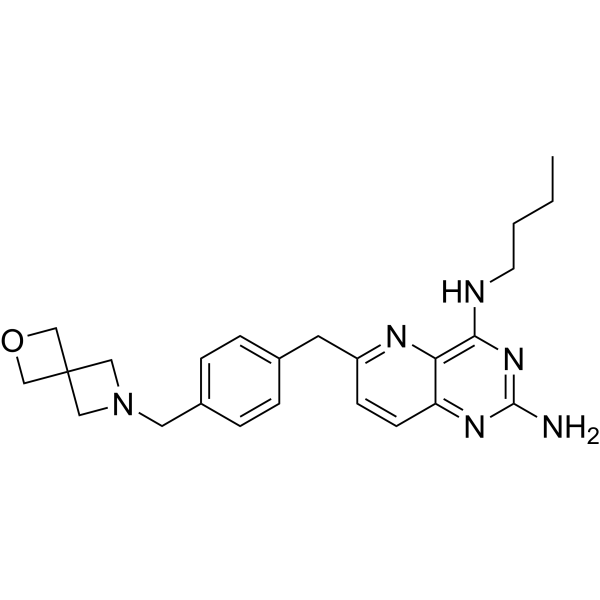
TLR7/8 agonist 8 (compound 24m) is a potent toll-like receptor 7/8 (TLR7/8) dual agonist, with EC50s of 27 and 12 nM for hTLR7 and hTLR8, respectively. TLR7/8 agonist 8 can improve the antitumor activity of PD-1/PD-L1 blockade .
loading...
    loading...
Cat. No.: HY-163844
Target:  

PD-1/PD-L1

Research Areas:  

Inflammation/Immunology Cancer

PD-1/PD-L1-IN-49 (compound 1c) is a potent inhibitor of PD-1/PD-L1, with the IC50 of 77 nM. PD-1/PD-L1-IN-49 activates Jurkat T cells, reflecting successful blockade of the PD-1/PD-L1 immune checkpoint .
loading...
    loading...
Cat. No.: HY-161818
CAS No.: 3049369-11-8
Target:  

PD-1/PD-L1

Research Areas:  

Inflammation/Immunology

LLW-018 is a potent PD-1/PD-L1 inhibitor with an IC50 value of 2.61 nM. LLW-018 can interrupt PD-1/PD-L1 interaction with an IC50 value of 0.88 μM by cell-based PD-1/PD-L1 blockade bioassays. LLW-018 has the potential for immunotherapy research .
loading...
    loading...
Cat. No.: HY-153544
CAS No.: 2649170-17-0
Research Areas:  

Cancer

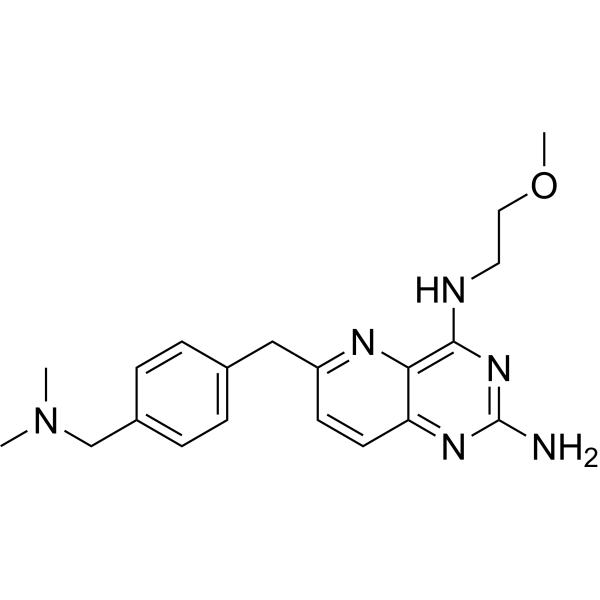
TLR7/8 agonist 9 (Compound 25a) is a TLR7/8 agonist, with EC50s of 40 nM and 23 nM for hTLR7/8. TLR7/8 agonist 9 has anti-tumor activity and improves the antitumor activity of PD-1/PD-L1 blockade. TLR7/8 agonist 9 can be used for research of cancer immunotherapy .
loading...
    loading...
Cat. No.: HY-183539
CAS No.: 3111036-70-2
Target:  

DGK Interleukin Related

Research Areas:  

Cancer

INCB191358 is a selective and orally active inhibitor of diacylglycerol kinase α/ζ/ι (DGKα/ζ/ι ) with IC50 values of 0.12, 0.36 and 0.36 nM. INCB191358 induces antigen-dependent T-cell activation, induces IL-2 production and enhances antitumor efficacy in combination with PD-1 blockade. INCB191358 can be used for the research of cancer, such as colon carcinoma .
loading...
    loading...
Cat. No.: HY-L266
101 compounds

PD-1/PD-L1 signaling is a central negative regulatory axis that maintains immune homeostasis. It involves the specific binding of PD-1 to its ligands PD-L1/PD-L2 and the subsequent transduction of inhibitory signals, which suppress T cell activation and proliferation, drive T cell exhaustion, and contribute to tumor immune evasion. Dysregulation of this pathway is closely linked to major diseases including cancer, chronic viral infections, autoimmune disorders, and transplant rejection. Immune checkpoint blockade targeting PD-1/PD-L1 has emerged as a leading frontier in cancer therapy and mechanistic research.

The MCE PD-1 Compound Library contains 101 structurally defined small molecules, covering modulators related to the PD-1/PD-L1 signaling pathway. It can be used for cancer immunotherapy research, studies of immune resistance mechanisms, and candidate compound screening, providing chemical tools for immune checkpoint mechanism research, drug discovery, and high-throughput screening.

Cat. No.: HY-184119
CAS No.: 3061276-55-6
Synonyms: IM502
Pabgraminone C (IM502) is a Fungal metabolite and PI3Kγ inhibitor with an IC50 of 61.7 nM against PI3Kγ. Pabgraminone C shifts the STAT signaling pathway in cells from an immunosuppressive STAT3/STAT6-dominant profile to an immunostimulatory STAT1/STAT2-dominant profile, driving cells toward a pro-inflammatory phenotype. Pabgraminone C reprograms cells from an immunosuppressive state to an immunostimulatory state, reversing their suppressive effect on anti-tumor immunity. Pabgraminone C inhibits established tumor growth and metastasis across multiple cancer types. Pabgraminone C overcomes resistance to PD-1 checkpoint blockade strategies. Pabgraminone C can be used in research related to liver cancer, melanoma, and colorectal cancer .
loading...
    loading...
Cat. No.: HY-189235
CAS No.: 3078735-55-1
Target:  

5-HT Receptor

Research Areas:  

Cancer

IHCH-8110 is a peripherally restricted, non-brain-penetrant 5-HT2AR and 5-HT2CR agonist (Ki=47.86 nM) that antagonizes 5-HT2BR. IHCH-8110 induces CXCL10 and IL-18 expression by activating 5-HT2AR on enteric glial cells, thereby promoting CD8 + T cell recruitment and effector polarization, and avoids the risk of cardiac valvulopathy associated with 5-HT2BR activation. IHCH-8110 exhibits a low risk of hERG channel inhibition (IC50=5.96 μM) and is well tolerated, sensitizing immunologically cold colorectal cancer to PD-1 blockade therapy, making it suitable for research related to colorectal cancer .
loading...
    loading...
Cat. No.: HY-184203
Target:  

HDAC

Research Areas:  

Cancer

SM-06-09 is a potent, highly selective, orally active tetrazolone-based HDAC6 inhibitor with an IC50 value of 0.49 nM. SM-06-09 promotes tumor-associated macrophage (TAM) polarization toward an antitumor M1-like phenotype and enhances macrophage phagocytosis, antigen presentation, and T-cell activation. SM-06-09 remodels the tumor immune microenvironment, exhibits antitumor activity in melanoma models, and enhances the efficacy of anti-PD-1 immune checkpoint blockade .
loading...
    loading...
Cat. No.: HY-189364
CAS No.: 88262-44-6
Synonyms: SMC247-9
Research Areas:  

Cancer

(DL)-3,5-Dimethyltyrosine (SMC247-9) is a selective APOBEC3B inhibitor optimized from SMC247, with an IC50 of 50 pM. (DL)-3,5-Dimethyltyrosine binds to the APOBEC3B protein, reduces intracellular APOBEC3B protein abundance partially through a lysosome-dependent pathway, enhances IL-15 expression in tumor cells, and relieves the suppression of CD8 + T cells by tumor cells in an IL-15-dependent manner. (DL)-3,5-Dimethyltyrosine attenuates tumor- and macrophage-derived chemokine-mediated macrophage chemotaxis and inhibits pathological myeloid inflammatory signaling. (DL)-3,5-Dimethyltyrosine inhibits tumor growth in the immune checkpoint blockade-responsive MC38 syngeneic mouse model and produces synergistic effects with anti-PD-L1 in the immune checkpoint blockade-resistant TC-1 tumor model; it also ameliorates anti-PD-1-exacerbated DSS-induced colitis-like intestinal inflammatory injury. (DL)-3,5-Dimethyltyrosine can be used in research related to tumor immunotherapy .
loading...
    loading...
Cat. No.: HY-P992353

Target:  

LILRB

Research Areas:  

Cancer

ES009 is a high-affinity LILRB2 antagonist, with IC50 values of 14.07 nM and 18.61 nM for inhibiting hLILRB2-huANGPTL3 and hLILRB2-huANGPTL4, respectively. ES009 specifically blocks the interactions between LILRB2 and MHC class I as well as non-MHC ligands, thereby effectively inhibiting receptor activation. ES009 can reprogram anti-inflammatory myeloid cells and induce their conversion to a pro-inflammatory phenotype, and also reverse the T cell suppression mediated by macrophages. When combined with anti-PD-1 blockade therapy, ES009 synergistically enhances T cell activation. ES009 can be used in research related to advanced solid tumors and ovarian cancer .
loading...
    loading...
  • 1

