106 Results for "

PLGA microsphere

" in MedChemExpress (MCE) Product Catalog:
Products (106)

106 Results for "PLGA microsphere" in MCE Product Catalog:

32
32 Publications Verification
Cat. No.: HY-B2247
CAS No.: 34346-01-5
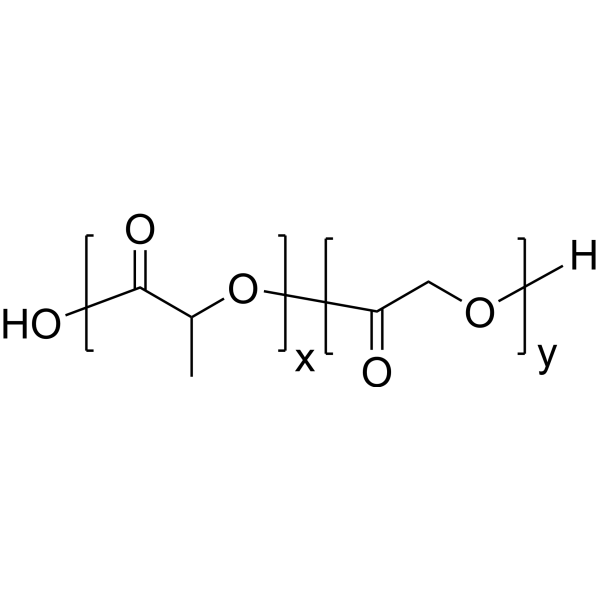
Synonyms: poly(lactic-co-glycolic acid) (50:50)
PLGA (50:50) (poly(lactic-co-glycolic acid) (50:50)) is a copolymer of poly lactic acid (PLA) and poly glycolic acid (PGA) which can be used to fabricate devices for drug delivery and tissue engineering applications.
loading...
    loading...
7
7 Cited Publications
Cat. No.: HY-B2247A
CAS No.: 34346-01-5
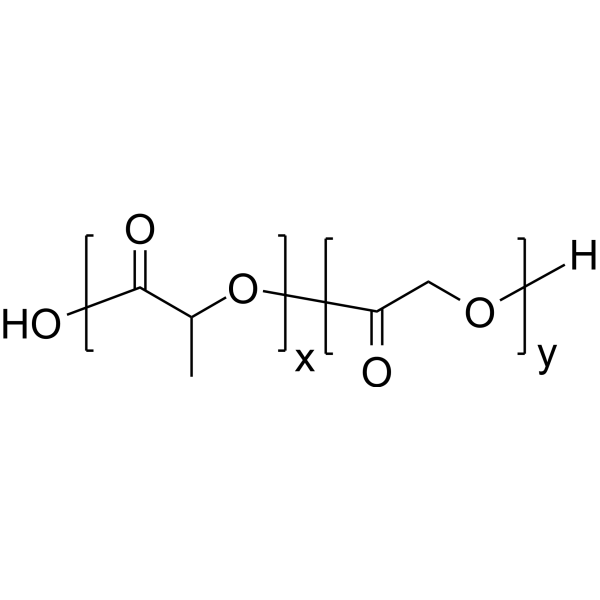
Synonyms: poly(lactic-co-glycolic acid) (75:25)
Research Areas:  

Others

PLGA (75:25) is a low toxicity, biocompatible and biodegradable controlled drug delivery carrier, can achieve slow release in the organism. PLGA (75:25) is a copolymer of 75% poly lactic acid (PLA) and 25% poly glycolic acid (PGA). PLGA (75:25) has been extensively studied as delivery vehicles for agents, proteins and various other macromolecules such as DNA, RNA and peptides .
loading...
    loading...
4
4 Cited Publications
Cat. No.: HY-K0225

MCE Carboxyl Magnetic beads (200 nm, 10 mg/mL) are characterized by superparamagnetism, fast magnetic response, abundant carboxyl functional groups, monodispersity, and submicron scale particle size. Biological ligands (proteins, peptides, oligonucleotides, drug molecules, etc.) can be covalently coupled to the surface of microspheres under the action of special chemical reagents (such as EDC).

loading...
    loading...
3
3 Cited Publications
Cat. No.: HY-Y0850O
CAS No.: 9002-89-5
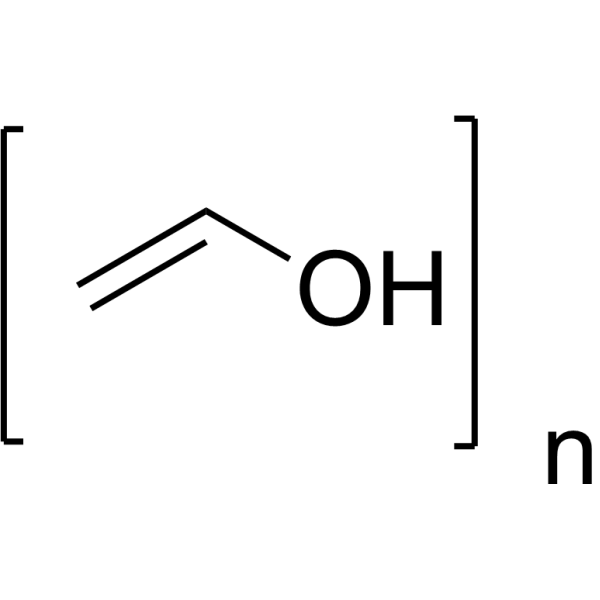
Synonyms: PVA (Mw 31000-50000, 87-89% hydrolyzed); Poly(Ethenol) (Mw 31000-50000, 87-89% hydrolyzed)
Polyvinyl alcohol (PVA; Poly (Ethenol)) (Mw 31000-50000, 87-89% hydrolyzed) is a polymer with emulsifying and stabilizing properties, with a degree of hydrolysis of 87-89%. Polyvinyl alcohol (Mw 31000-50000, 87-89% hydrolyzed) mainly acts as a stabilizer in the preparation of nanomedicines; it not only maintains the structural integrity of PEGylated PLGA nanoparticles during double emulsion synthesis, but also facilitates the preparation of chitosan/matrine-PLGA nanoparticle aqueous solutions and lipid-polymer nanoparticles. Polyvinyl alcohol (Mw 31000-50000, 87-89% hydrolyzed) can be widely used in research related to fields such as breast cancer .
loading...
    loading...
1
1 Cited Publications
Cat. No.: HY-158089
Purity:  ≥95.0%
Research Areas:  

Others

PLGA-COOH (MW 80000) (LA/GA 50:50) is a copolymer composed of lactic acid (LA)-glycolic acid (GA) at a molar ratio of 50:50 and a terminal carboxyl group. PLGA-COOH (MW 80000) (LA/GA 50:50) is used in compound delivery systems due to its biocompatibility and biodegradability .
loading...
    loading...
1
1 Cited Publications
Cat. No.: HY-148775B
Purity:  ≥95.0%
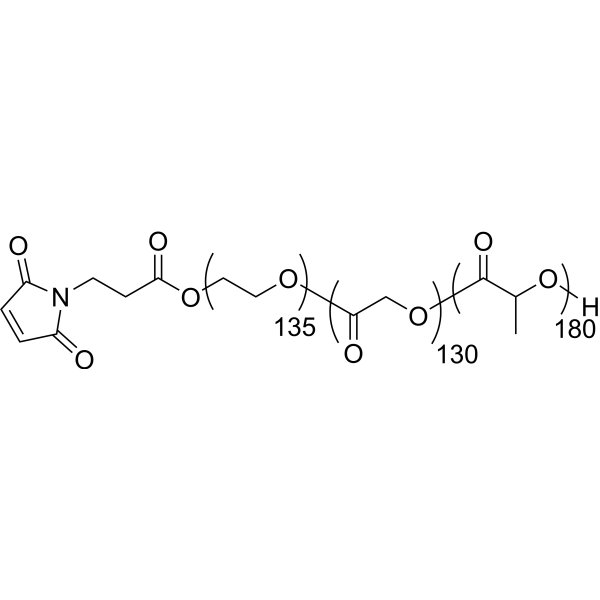
PLGA-PEG-MAL (20KDA-5.0KDA, LA:GA RATIO 40:60) is a biodegradable amphipathic polymeric nanocarrier of poly (lactic-co-glycolic acid)-block-poly (ethylene glycol) (PLGA-PEG-Mal) that allows covalent modification of functional molecules. PLGA-PEG-MAL (20KDA-5.0KDA, LA:GA RATIO 40:60) modified with Angiopep-2 can cross the blood-brain barrier and exhibits targeting selectivity for glioblastoma cells. PLGA-PEG-MAL (20KDA-5.0KDA, LA:GA RATIO 40:60) can capture tumor-derived protein antigens, and exerts immunomodulatory effects when conjugated with anti-OX40 antibody; when used in combination with A2-CL/Dbait nanoparticles and radiotherapy, it prolongs survival time and reduces tumor volume in glioblastoma mouse models. PLGA-PEG-MAL (20KDA-5.0KDA, LA:GA RATIO 40:60) can be used for studies related to bacterial wound infections and glioblastoma .
loading...
    loading...
1
1 Cited Publications
Cat. No.: HY-176499
Research Areas:  

Others

PLGA38000-PEG10000 is an amphiphilic polymer. Amphiphilic polymers can be used in drug delivery studies due to their ability to self-assemble into discrete aggregates .
loading...
    loading...
1
1 Cited Publications
Cat. No.: HY-W127512
CAS No.: 546-18-9
Target:  

Drug Intermediate

Research Areas:  

Others

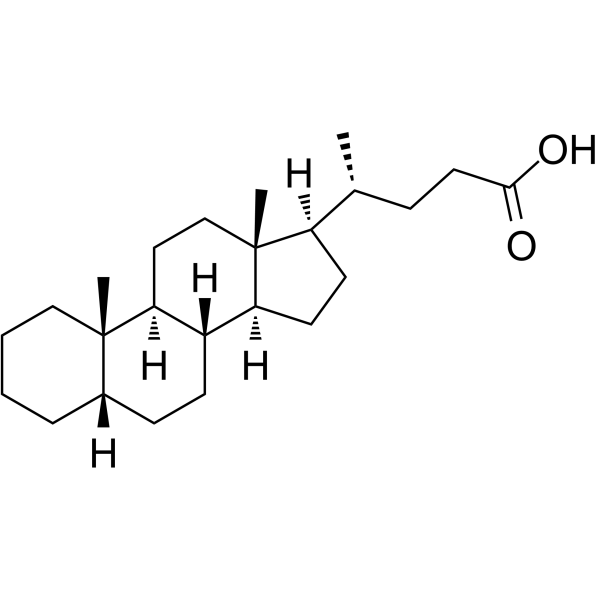
5β-Cholanic acid is a hydrophobic modifier used to modify polymer carriers. 5β-Cholanic acid can improve the acid stability, cell penetration efficiency and drug sustained release ability of nanocarriers, and optimize the oral effectiveness of delivered molecules. 5β-Cholanic acid can covalently bind to Glycol chitosan (GC) to form a GC-CA conjugate, which optimizes the hydrophobic anchoring ability of nanoparticles and enables them to be stably adsorbed on the surface of PLGA nanoparticles. Such nanoparticles can resist dissociation in the gastric acid environment and maintain positive charge to enhance endocytic uptake by intestinal epithelial cells (such as Caco-2 cells). 5β-Cholanic acid can be used in the development of drug delivery systems .
loading...
    loading...
Cat. No.: HY-W440823A
CAS No.: 474922-26-4
Synonyms: DSPE-PEG1000-NH2 ammonium
Target:  

Liposome

Research Areas:  

Cancer

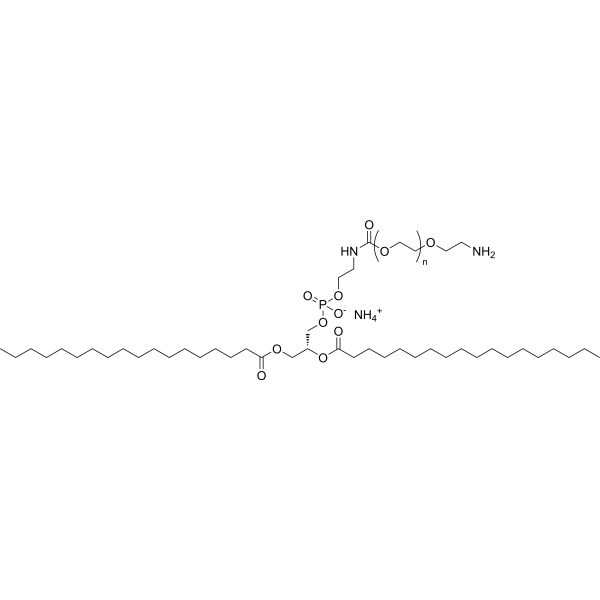
DSPE-PEG1000-Amine (DSPE-PEG1000-NH2) ammonium is a 1,2-distearoyl-sn-glycero-3-phosphoethanolamine-polyethylene glycol conjugate with a terminal amino group. DSPE-PEG1000-Amine ammonium can functionalize the surface of PLGA-lecithin-PEG core-shell nanoparticles to introduce positive surface charges. The amino group of DSPE-PEG1000-Amine ammonium can be converted into an aromatic aldehyde to react with the acetone-protected aromatic hydrazide on the surface of bovine carbonic anhydrase (BCA) molecules .
loading...
    loading...
Cat. No.: HY-W134328
CAS No.: 87915-38-6
Synonyms: Dextran blue (MW 2000000)
Blue dextran (Dextran blue) (MW 2000000) is a high-molecular-weight long-chain polymer of D-glucose. Blue dextran (MW 2000000) serves as an important model macromolecular drug and molecular weight estimation marker, and can be used as a standard for gel permeation chromatography. The release of Blue dextran (MW 2000000) from alginate microspheres is regulated by preparation conditions; its release rate in a pH 6.8 environment is significantly faster than that in pH 1.2, and it exhibits release characteristics close to zero-order kinetics under this condition .
loading...
    loading...
Cat. No.: HY-156829B
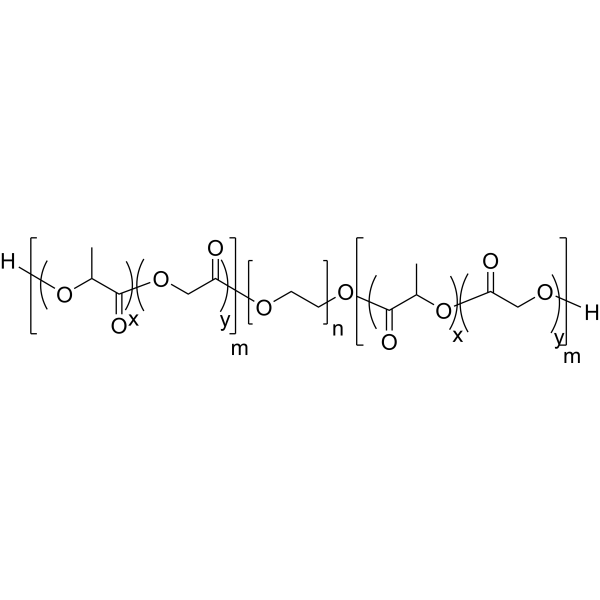
PLGA-PEG-PLGA (hydrogel) (LA:GA 7:1) is a biodegradable thermosensitive hydrogel product that can undergo phase transition at a specific temperature. PLGA-PEG-PLGA (hydrogel) (LA:GA 7:1) can be widely used in drug delivery systems, tissue engineering, wound dressings, and biosensors. The gelation temperature varies with concentration. The gelation temperature varies with the concentration; the higher the concentration, the lower the gelation temperature .
loading...
    loading...
Cat. No.: HY-156829I
PLGA-PEG-PLGA (hydrogel) (LA:GA 3:1) (15% solution) is a biodegradable thermosensitive hydrogel product that can undergo phase transition at a specific temperature. PLGA-PEG-PLGA (hydrogel) (LA:GA 3:1) (15% solution) can be widely used in drug delivery systems, tissue engineering, wound dressings, and biosensors . The gelation temperature varies with the concentration; the higher the concentration, the lower the gelation temperature.
loading...
    loading...
Cat. No.: HY-148775A
CAS No.: 743423-15-6
MPEG-PLGA (21500-26500) is a biodegradable amphipathic polymeric nanocarrier of poly (lactic-co-glycolic acid)-block-poly (ethylene glycol) (PLGA-PEG-Mal) that allows covalent modification of functional molecules. MPEG-PLGA (21500-26500) modified with Angiopep-2 can cross the blood-brain barrier and exhibits targeting selectivity for glioblastoma cells. MPEG-PLGA (21500-26500) can capture tumor-derived protein antigens, and exerts immunomodulatory effects when conjugated with anti-OX40 antibody; when used in combination with A2-CL/Dbait nanoparticles and radiotherapy, it prolongs survival time and reduces tumor volume in glioblastoma mouse models. MPEG-PLGA (21500-26500) can be used for studies related to bacterial wound infections and glioblastoma .
loading...
    loading...
Cat. No.: HY-145396
Purity:  ≥98.0%
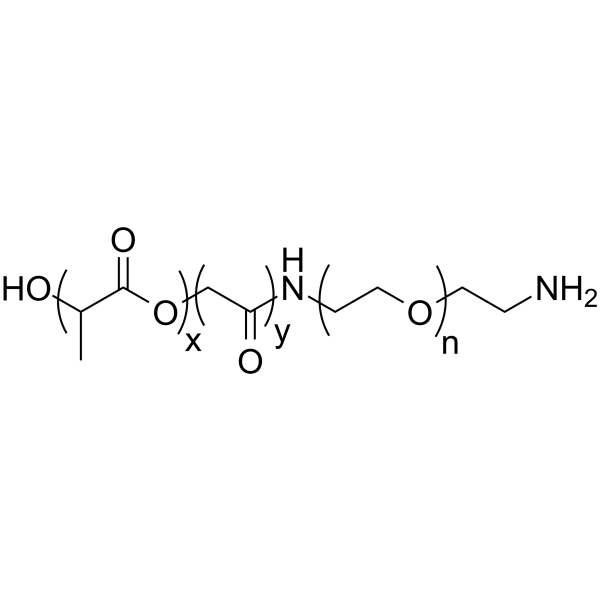
PLGA-PEG-NH2 is a material to synthesis nanomicelles. PLGA-PEG-NH2 nanomicelle is an efficient delivery system of Irinotecan for targeted colorectal cancer and hepatocellular carcinoma .
loading...
    loading...
Cat. No.: HY-P5287
CAS No.: 393781-65-2
Research Areas:  

Cancer

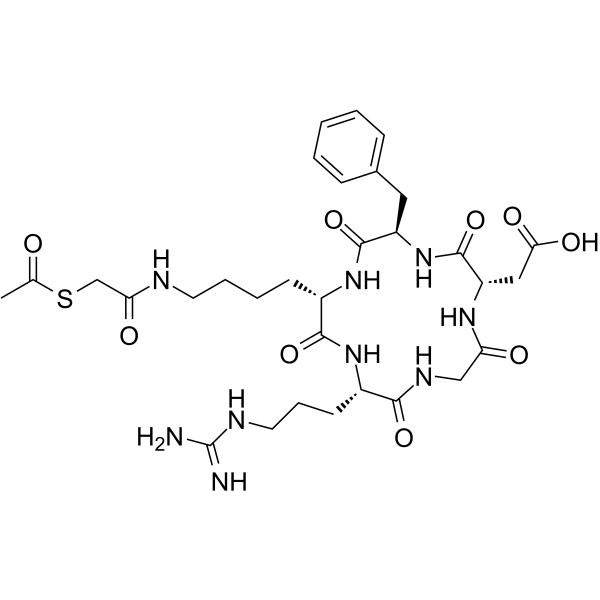
cRGDfK-thioacetyl ester is a selective αvβ3 integrin-binding peptide that mediates cellular uptake through integrins overexpressed on tumor cells. cRGDfK-thioacetyl ester is conjugated to maleimide-functionalized PLGA nanoparticles, which enhances nanoparticle uptake and improves accumulation and retention. cRGDfK-thioacetyl ester can be used in research related to tumor-targeted nanodelivery and cancer-targeted imaging .
loading...
    loading...
Cat. No.: HY-156829J
PLGA-PEG-PLGA (hydrogel) (LA:GA 3:1) (20% solution) is a biodegradable thermosensitive hydrogel product that can undergo phase transition at a specific temperature. PLGA-PEG-PLGA (hydrogel) (LA:GA 3:1) (20% solution) can be widely used in drug delivery systems, tissue engineering, wound dressings, and biosensors. The gelation temperature varies with the concentration; the higher the concentration, the lower the gelation temperature .
loading...
    loading...
Cat. No.: HY-D2401F
Cy5-Polystyrene microsphere (100 nm) is a Cy5 (HY-D0821)-labeled microsphere that can be used for bioimaging and drug delivery .
loading...
    loading...
Cat. No.: HY-156829A
Research Areas:  

Cancer

PLGA-PEG-PLGA (1500-1500-1500) (LA/GA 15:1) is a matrix materia, with lactic acid (LA):glycolic acid (GA) = 15:1, that acts as anti-cancer drug delivery. PLGA-PEG-PLGA (1500-1500-1500) (LA/GA 15:1) can improve a drug's bioavailability, efficacy, water solubility, drug encapsulation efficiency, sustained drug release, and to minimize undesirable toxicity .
loading...
    loading...
Cat. No.: HY-168943
PLGA nanoparticles, 100nm, are biodegradable tumor-targeting nanocarriers that can serve as drug delivery enhancers and multidrug resistance inhibitors. PLGA nanoparticles, 100nm, passively enriched through the EPR effect and actively targeted via ligand-mediated endocytosis, can encapsulate various antitumor active molecules. PLGA nanoparticles, 100nm can specifically recognize multiple types of tumor cells and improve cellular uptake, cytotoxicity and antiproliferative effects after modification with ligands such as transferrin, folic acid, and RGD. PLGA nanoparticles, 100nm can encapsulate various therapeutic drugs and can be surface modified to achieve targeting, imaging, and prolonged circulation time, making them suitable for cancer-related research .
loading...
    loading...
Cat. No.: HY-D2401F1
Cy5-Polystyrene microsphere (20um) is a Cy5 (HY-D0821)-labeled microsphere that can be used for bioimaging and drug delivery .
loading...
    loading...

